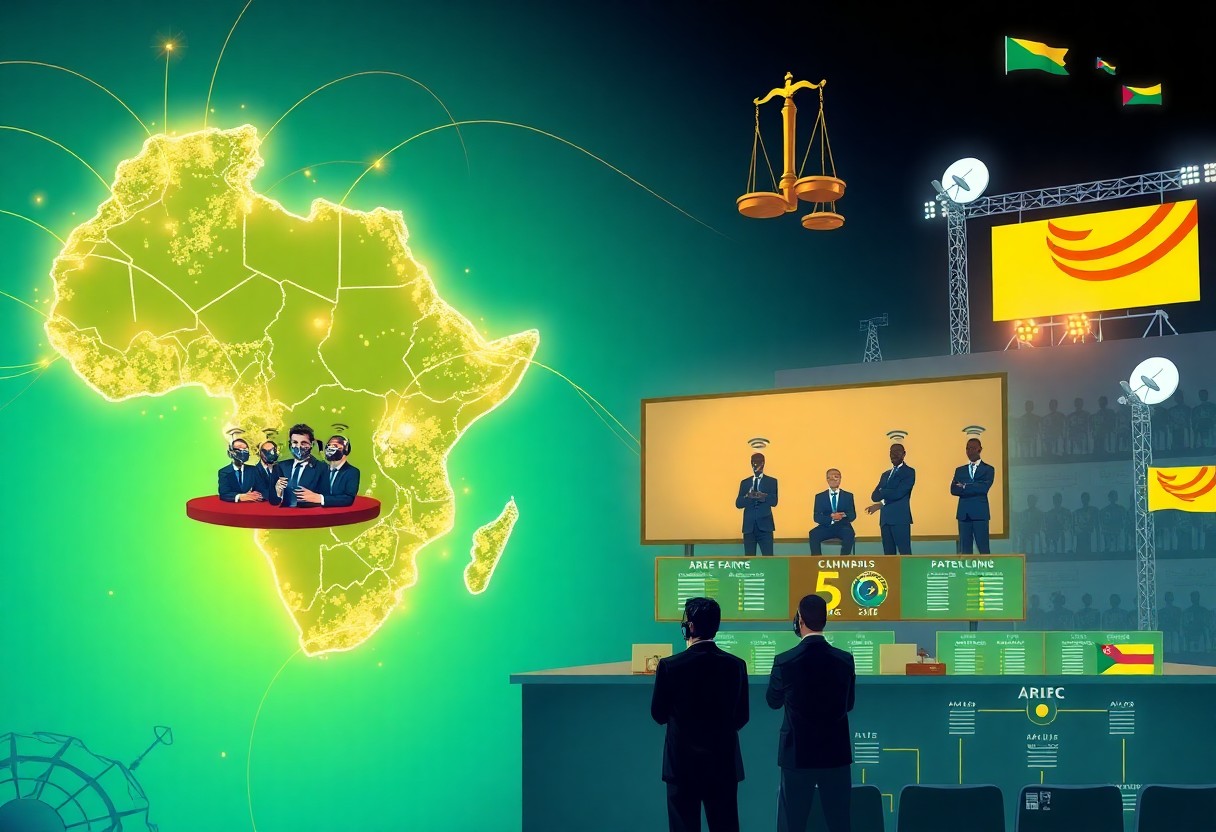
Emerging regulations in several African countries are shaping the esports industry, signaling a shift towards formal governance. This post examines recent legislative developments, compliance requirements, and their implications for stakeholders, highlighting the overarching trend of increased oversight and potential market growth within the continent.
The Current Landscape of Esports in Africa
Growth Drivers: Demographic Shifts and Mobile Penetration
Demographic changes are propelling esports in Africa, with a youthful population increasingly engaging in digital entertainment. Young adults are frequent gamers, utilizing the rise of mobile phones to access gaming platforms conveniently.
Mobile penetration has surged, with many Africans relying solely on smartphones for internet access. This shift not only facilitates gaming but also supports streaming and social interaction, vital components of the esports ecosystem.
Market Fragmentation vs. Emerging Regional Hubs
Fragmentation characterizes the African esports market, with varied gaming cultures and preferences across countries. Emerging regional hubs, however, are developing as centers of innovation and competition, particularly in nations like South Africa, Nigeria, and Kenya.
These hubs attract investments and improve infrastructure while hosting tournaments that elevate local talent. By focusing on specific regions, stakeholders can effectively address market disparities and stimulate growth in the esports sector.
Distinct gaming preferences across different countries lead to diverse ecosystems, making collaboration vital. As regional hubs continue to develop, they help unify fragmented markets while amplifying opportunities for gamers and developers alike.
Socio-Economic Impact and the Professionalization of Gaming
Esports are reshaping socio-economic dynamics in Africa, offering career prospects and paving avenues for entrepreneurship. With rising interest in competitive gaming, professional pathways are emerging for players, coaches, and content creators.
This professionalization is generating revenue and driving sponsorship from brands seeking to tap into the youthful demographic. As local esports scenes gain recognition, their influence on the economy and culture of participating nations grows stronger.
The emerging professional framework around esports promotes job creation, attracting talent and spurring local businesses. Growth in this sector fosters community engagement and encourages investment in related fields such as technology and education, further enriching the socio-economic fabric of the continent.
Identifying Key Stakeholders in African Esports Governance
Role of National Communications and ICT Authorities
National Communications and ICT Authorities play a pivotal role in shaping the esports framework by establishing regulations that govern internet access and digital communications. Their policies influence how esports organizations operate and interact with audiences across various platforms.
Regulatory measures from these authorities can impact bandwidth allocation, licensing, and online safety standards. This regulatory landscape sets the stage for responsible growth and consumer protection in the esports sector.
Influence of National Sports Federations and Ministries
National Sports Federations and relevant ministries hold significant sway over the official recognition and organization of esports. Their endorsement can pave the way for esports to be seen as legitimate sports, fostering greater investment and participation.
These entities often create frameworks that outline governance structures, event regulations, and athlete eligibility, vital for integrating esports into national sports agendas.
In many African countries, these federations and ministries are beginning to include esports within traditional sports parameters. This shift not only legitimizes esports but also provides opportunities for funding and infrastructure development through government initiatives.
Private Sector Operators and International Game Publishers
Private sector operators and international game publishers play a vital role in the growth of esports through sponsorships, game distribution, and event organization. Their involvement drives competition and supports local talent by providing resources and platforms for gameplay.
Partnerships between these stakeholders and local entities enhance the esports ecosystem, ensuring that tournament events gain visibility and traction within the community.
These private operators often fill gaps left by traditional sports governance, driving innovation and engagement in esports. Their strategic alliances help local organizers improve event quality and marketing reach, crucial for attracting larger audiences and sponsors.
Legislative Frameworks and Intellectual Property Rights
Copyright Protections for Developers and Content Creators
Copyright laws in various African countries are adapting to address the specific needs of gaming developers and content creators. Enhanced protections encourage innovation and creativity within the esports sector, allowing creators to safeguard their intellectual contributions.
Producers of games are now more aware of their rights, especially concerning digital content. As a result, many local laws are beginning to align with international standards, promoting a safer environment for the development and distribution of esports content.
Trademark Enforcement within Competitive Gaming Circuits
Effective trademark enforcement is necessary for protecting brands and their identities in competitive gaming. Recognizing the importance of trademarks, more African nations are beginning to implement regulatory measures that support the enforcement of these rights in esports tournaments.
Brand recognition is paramount for sponsors, players, and organizers alike. As esports gain popularity, proper trademark protections will ensure that businesses can firmly establish their identities without fear of infringement, promoting fair competition.
In competitive gaming circuits, trademark enforcement not only protects existing brands but also fosters new business opportunities. Brands can confidently engage in partnerships and sponsorships without the risk of being undermined by counterfeit products or plagiarized logos.
Licensing Agreements and Digital Broadcasting Rights
Licensing agreements are becoming increasingly important for esports, offering clear guidelines for content distribution and monetization. This clarity benefits developers and broadcasters, ensuring that both parties can capitalize on the growing popularity of esports.
Digital broadcasting rights facilitate wider access to gaming events while generating revenue streams. As streaming platforms gain traction, securing these rights becomes critical for maximizing audience engagement and the economic potential within the sector.
These agreements not only enhance the visibility of esports but also encourage collaborations between developers and platforms. By establishing clear terms, stakeholders can generate substantial revenue and simultaneously cultivate a dedicated viewer base.
Licensing and Operational Compliance for Esports Entities
Registration Requirements for Professional Teams and Clubs
Professional teams and clubs must meet specific registration requirements to operate legally within many African jurisdictions. This often includes providing detailed information about ownership, management structures, and financial sustainability to regulatory bodies.
Compliance with these requirements ensures professional teams can participate in sanctioned competitions and engage in sponsorship deals, promoting responsible growth within the esports domain.
Certification Protocols for Tournament Organizers
Establishing clear certification protocols for tournament organizers is necessary for maintaining standards across esports events. Organizers must submit their operational plans and adhere to specific guidelines governing player safety, event integrity, and financial transparency.
These protocols create a framework that promotes fairness and accountability, encouraging investment and participation in esports events across the continent.
Certification protocols also serve to elevate the credibility of tournaments, attracting both players and sponsors. By ensuring that organizers meet industry standards, the esports ecosystem can cultivate trust and enhance the overall experience for all stakeholders involved.
Venue Safety and Physical Event Management Regulations
Venue safety requirements are integral to hosting successful esports events. Regulations typically mandate thorough assessments of event locations to ensure compliance with health, safety, and accessibility standards for participants and spectators.
Proper management of physical events during tournaments is critical in preventing incidents and ensuring smooth operations. This includes emergency preparedness plans, crowd management strategies, and collaboration with local authorities.
Player Rights, Labor Laws, and Professional Standards
Contractual Protections and Standardized Employment Terms
Contractual agreements in esports are beginning to align more closely with traditional sports contracts, emphasizing player rights and entitlements. Standardized terms will protect gamers from exploitative practices and enhance job security within the industry.
Players must receive clear guidelines regarding compensation, duration of contracts, and exit clauses. This evolution in contractual arrangements promotes a fairer environment, encouraging talent retention while enhancing overall professionalism in esports.
Health, Safety, and Mental Wellness Mandates for Athletes
Establishing health and safety standards is imperative for the well-being of esports athletes. Mental wellness, often overlooked in traditional sports, is gaining focus as organizations recognize its impact on performance and longevity.
Training regimes are now expected to incorporate mental health resources and support systems. These initiatives aim to foster an ecosystem that prioritizes athlete welfare alongside competitive success.
Health and safety protocols should extend beyond physical performance, addressing the mental strains unique to esports. The rise of burnout and stress among players highlights the need for comprehensive wellness programs, ensuring athletes have access to professional counseling and resources. Creating a supportive environment mitigates risks associated with the high-pressure nature of competitive gaming.
Visa Facilitation and Mobility for International Competitors
Visa processes for international competitors are increasingly streamlined, facilitating participation in global tournaments. Simplified procedures help teams comply with various national regulations, promoting inclusivity and diversity in the esports scene.
Key partnerships between esports organizations and governments can accelerate the visa application process, enabling easier access for teams and enhancing international competition. Such efforts reinforce the sector’s growth and cultural exchange.
Visa facilitation significantly impacts how talents can showcase their skills on international platforms. By easing restrictions and expediting approvals, countries can attract more events, ultimately enhancing their local esports ecosystems and boosting economic opportunities linked to the industry.
Integrity and Anti-Corruption Measures
Anti-Doping Regulations and Prohibited Substance Control
Regulatory bodies across Africa are increasingly implementing stringent anti-doping regulations to uphold the integrity of esports. These measures include the establishment of testing protocols and clear guidelines for participants regarding prohibited substances.
Enforcement of these regulations requires collaboration with international organizations, ensuring local athletes comply with global standards. Educating players about the consequences of doping is necessary for promoting a culture of fairness and responsibility.
Frameworks for Preventing Match-Fixing and Financial Fraud
Frameworks designed to combat match-fixing and financial fraud are necessary in fostering trust within esports. Various African nations are beginning to create legal mechanisms that correlate with existing sports laws to address these issues effectively.
Implementation of these frameworks often involves partnerships with law enforcement and sports organizations to investigate suspicious activities, thus maintaining confidence in competitive integrity.
Specific initiatives include whistleblower programs and anonymous reporting systems that encourage stakeholders to report fraudulent behaviors without fear of reprisal. These systems strengthen the overall integrity of esports by deterring potential offenses effectively.
Adoption of Global Integrity Standards and Monitoring Systems
Adopting global integrity standards ensures that African esports aligns with international best practices. This alignment facilitates the integration of advanced monitoring systems designed to track gameplay and identify irregularities.
Collaboration with international governing bodies aids in the establishment of these frameworks, fostering a unified approach to integrity in esports across various regions.
Implementing these standards not only enhances the credibility of African esports but also increases its appeal to sponsors and global audiences. Continuous monitoring and adjustments to these systems will ensure they remain effective in combating ongoing challenges.
Economic Regulation and Taxation of Digital Sporting Events
Corporate Tax Implications for Esports Organizations
Esports organizations face a complex corporate tax environment as they operate within multiple jurisdictions. Tax liabilities can vary significantly depending on the country of registration, affecting profit margins and operational strategies.
Many African nations are beginning to establish specific tax codes for esports, encouraging local investment. Such regulations can stimulate growth within the industry while ensuring that organizations comply with national tax laws.
Value Added Tax (VAT) on Digital Goods and Prize Pools
VAT regulations are becoming increasingly relevant for digital transactions in esports. Virtual goods, including game fees and in-game purchases, may attract VAT, influencing pricing strategies for players and promoters.
Prize pools often present unique challenges concerning taxation. The implementation of VAT on winnings may deter participants, subsequently impacting overall tournament revenues.
Understanding VAT implications on digital goods and prize distributions is necessary for esports entities. Compliance with local VAT regulations can enhance financial transparency and align operations with government expectations.
Regulatory Oversight of Cross-Border Financial Remittances
Regulatory bodies are tightening oversight on cross-border financial remittances within the esports sector. Money transfers between countries raise complexity and compliance issues, particularly concerning anti-money laundering (AML) policies.
Esports organizations must navigate the intricacies of international financial regulations. Noncompliance can lead to severe penalties, affecting both reputation and operational viability.
Ensuring proper regulatory compliance for cross-border remittances is critical for esports stakeholders. Adapting to evolving frameworks can enhance operational integrity and facilitate smoother financial transactions across jurisdictions.
Infrastructure and Connectivity: Regulatory Enablers
Universal Service Funds and Broadband Expansion Policies
Universal Service Funds are critical for financing broadband expansion in underserved regions. These funds can increase access to high-speed internet, creating more opportunities for esports participation across diverse communities.
Broadband expansion policies also play an crucial role in improving connectivity. Each nation’s commitment to enhancing infrastructure directly impacts the growth of the esports ecosystem, encouraging youth engagement and marketplace development.
Net Neutrality and the Prioritization of Gaming Traffic
Net neutrality principles ensure that all data on the internet is treated equally, affecting how gaming traffic is managed. Striking a balance between prioritizing gaming applications and maintaining fair access for all services is crucial.
Implementing policies that prioritize gaming traffic can significantly boost the performance of esports. Gamers benefit from reduced latency and improved experiences, which are crucial for competitive play.
Maintaining net neutrality while prioritizing gaming traffic offers a unique challenge for regulators. As the esports sector grows, clear guidelines will be necessary to create an environment where both players and developers can thrive without facing undue barriers.
Data Center Localization and Latency Reduction Strategies
Data center localization strategies are vital for minimizing latency in esports gameplay. By positioning data centers closer to users, service providers can dramatically enhance connection speeds and overall user experience.
Implementing latency reduction strategies supports real-time interactions crucial for competitive gaming. Localized data centers can also encourage investment in regional infrastructure, thereby boosting the local tech ecosystem.
Data center localization greatly influences the speed and reliability of online gaming. Proactive investment in infrastructure will not only improve gaming experiences but will also attract more developers and sponsors, fostering the growth of the esports industry in Africa.
Youth Protection and Ethical Gaming Standards
Implementation of Age Rating Systems and Content Moderation
Establishing age rating systems is important for protecting young gamers from inappropriate content. These systems guide parents and guardians in selecting suitable games, ensuring that minors are not exposed to harmful material.
Content moderation plays a pivotal role in maintaining a safe gaming environment. Effective moderation prevents toxic behavior and protects users, particularly youth, from abusive interactions, fostering a healthier gaming community.
Regulation of Loot Boxes and Microtransactions as Gambling
Authorities are increasingly scrutinizing loot boxes and microtransactions due to their resemblance to gambling. This regulation aims to prevent young players from engaging in financial risks unknowingly.
Implementing clear guidelines can help ensure transparency in game mechanics. By requiring developers to disclose odds and potential returns, regulators can protect players, particularly minors, from exploitative practices.
Loot boxes may create undue financial pressure on players, leading to addiction and unintentional expenditures. By categorizing them as gambling, regulators aim to impose age restrictions and require disclosures, thus promoting informed choices and protecting vulnerable users.
Cyber-Bullying Prevention and Online Safety Mandates
Enforcing strict mandates against cyber-bullying is critical in safeguarding young gamers. These regulations compel game developers to implement effective reporting mechanisms and support systems for victims.
Online safety measures extend beyond anti-bullying protocols. Mandates should include educational initiatives and resources to inform players about safe online behavior, reducing the risk of harassment during gameplay.
Online safety mandates serve as crucial protections for youth, creating environments where players feel secure. By promoting education and awareness, these regulations can significantly diminish instances of cyber-bullying.
Regional Harmonization and Pan-African Cooperation
The African Continental Free Trade Area (AfCFTA) Impact
AfCFTA emerges as a catalyst for unifying esports regulations across member states. It promotes trade in services, potentially facilitating cross-border esports activities and partnerships. This harmonization could enable a consistent regulatory environment, attracting investments and ensuring better protection for stakeholders.
Investment opportunities grow as AfCFTA fosters collaboration between countries. Increased visibility for regional tournaments and leagues may emerge, encouraging the development of local talent and enhancing the overall competitiveness of the African esports scene.
Standardization of Regulatory Codes across Regional Blocs
Standardized regulatory codes across various regional blocs can mitigate discrepancies in rules governing esports. Such uniformity boosts the integrity of competitions, ensuring fair play and a level playing field. This standardization is crucial for establishing trust among players, sponsors, and fans.
Governments and regulatory bodies need to collaborate to draft guidelines that align with international best practices. Engaging stakeholders, including gamers and tournament organizers, in this process will ensure the codes are practical and widely accepted across different regions.
Instituting standardized codes can assist in resolving disputes and clarifying obligations of all parties involved in esports, enhancing the industry’s professionalism. Uniform regulations will also open avenues for international collaboration and sponsorship opportunities, positioning African esports on a global stage.
Collaborative Governance Models for Continental Tournaments
Collaborative governance models hold promise for the organization of continental tournaments. By incorporating input from various stakeholders, these models can facilitate a more inclusive and comprehensive approach to event management. Such frameworks ensure that the needs of players, sponsors, and fans are adequately addressed.
Establishing these models may yield enhanced coordination among different countries, leading to better marketing strategies and resource sharing. A unified approach ensures that tournaments not only attract ample participation but also achieve high-quality production values, increasing their appeal.
Comparative Jurisdictional Analysis: Case Studies
- South Africa: The MSSA implemented a regulatory framework in 2019, recognizing esports as a legitimate sport.
- Nigeria: In 2021, the National Sports Commission began drafting policies specific to esports development.
- Kenya: In 2022, announced a regulatory sandbox for esports to encourage growth within a controlled environment.
| Country | Key Developments |
|---|---|
| South Africa | MSSA’s early national recognition of esports in 2019. |
| Nigeria | Emergence of esports policies from the National Sports Commission in 2021. |
| Kenya | Regulatory sandbox initiative launched in 2022. |
South Africa: The MSSA and Early National Recognition
South Africa’s establishment of the MSSA in 2019 marked a significant milestone for esports regulation. The organization recognized esports as a legitimate sport, setting the stage for governance and growth.
Legal frameworks now allow competitive gaming to flourish, encouraging participation and investment, thus elevating South Africa’s position within the global esports arena.
Nigeria: Emerging Policies from the National Sports Commission
Nigeria’s National Sports Commission is actively formulating policies to support the burgeoning esports scene. These initiatives aim to create an ecosystem that nurtures local talent and attracts international tournaments.
The government’s focus on esports reflects a broader strategy to integrate modern sports into traditional frameworks, promoting economic opportunities in the digital age.
These emerging policies focus on developing training facilities, establishing regulatory frameworks, and creating pathways for esports athletes. Government involvement is crucial in legitimizing esports, which is an crucial step towards professionalization and growth in Nigeria.
Kenya: Grassroots Integration and Regulatory Sandbox Initiatives
Kenya’s esports sector is evolving through grassroots integration and the establishment of a regulatory sandbox. This innovative approach allows for testing new regulations in a controlled environment, encouraging experimentation without heavy restrictions.
Grassroots programs aim to enhance participation, particularly among youth, by providing coaching and infrastructure. The sandbox initiative seeks to involve local stakeholders, ensuring that regulations align with community needs and aspirations.
Such initiatives are paramount for sustainable growth in Kenya’s esports industry. By integrating local voices into policy-making, the regulatory framework can adapt to changing market dynamics and support wider community engagement.
Investment Incentives and Special Economic Zones for Tech
Tax Holidays for Foreign Direct Investment in Esports
Tax holidays serve as a compelling incentive for foreign investors considering ventures in esports. By offering reduced or eliminated taxes for a specified period, countries create an attractive environment that encourages capital flow and development.
This approach not only draws in international companies but also stimulates local job creation and expertise in the esports sector. Boosting investor confidence ultimately enhances the overall gaming ecosystem.
Government Grant Programs for Local Game Development
Government grant programs specifically targeting game development provide important funding to local developers, enabling innovation and growth. These funds can cover expenses from creative concepts to technical development, fostering a vibrant game development community.
Local creators benefit immensely, amplifying cultural narratives through gaming and reinforcing the identity of African esports on the global stage. As a result, the industry experiences enhanced creativity and competitiveness.
Increased accessibility to funding enhances innovation in local game development. These grants incentivize developers to take risks with unique concepts, ultimately leading to a diversified portfolio of games that resonate with both local and international audiences. As more projects emerge, a sustained ecosystem can flourish.
Public-Private Partnerships in Digital Infrastructure
Public-private partnerships (PPPs) play a pivotal role in enhancing digital infrastructure for esports in Africa. Collaborations between government entities and private companies offer shared resources and expertise to develop necessary infrastructure, such as high-speed internet and gaming facilities.
These initiatives not only improve accessibility for players but also draw the attention of investors and developers. By pooling resources, stakeholders can create an environment conducive to innovation and global competitiveness.
Investments in digital infrastructure through PPPs significantly bolster the esports ecosystem. Such collaborations streamline the development process, allowing for quicker implementation of advanced technology and facilities. As connectivity improves, the potential for growth and participation in esports expands across the continent.
Future Trends and Technological Convergence
Regulatory Responses to Web3 and Blockchain Gaming
Regulations surrounding Web3 and blockchain gaming are gradually taking shape in Africa. Governments are beginning to recognize the potential benefits, alongside the challenges, posed by decentralized technologies in the esports arena.
Adapting frameworks to accommodate blockchain solutions will likely enhance transparency and trust among players. This responsiveness is critical, given the rapid evolution of gaming technologies and the need to safeguard participants while promoting innovation.
Artificial Intelligence in Refereeing and Performance Analytics
AI technology is reshaping the approach to refereeing and performance analytics in esports. Intelligent systems are improving decision-making processes, ensuring fair play, and providing insights into player performance through data analysis.
Using machine learning algorithms, AI tools can detect anomalies in gameplay, thus enabling real-time interventions. This integration not only enhances the overall quality of matches but also minimizes human error, fostering a more competitive environment.
Implementing AI in esports refereeing streamlines decision-making, allowing for quicker and more accurate responses during critical moments in games. This advancement positions African esports on a global stage, showcasing a commitment to high standards in both governance and gameplay integrity.
The Metaverse and Virtual Identity Regulation in Competition
The rise of the metaverse is prompting fresh considerations around virtual identity regulation in esports competitions. Regulatory bodies are starting to address issues related to avatar ownership, player anonymity, and identity verification.
Ensuring that regulations are in place to protect players’ virtual identities can enhance trust while also encouraging participation. As the metaverse continues to grow, aligning these regulatory measures with technological advancements will be vital for maintaining safe competitive spaces.
Developing cohesive strategies around virtual identity not only safeguards participants but also promotes a healthier competitive environment. By crafting adaptive regulations, stakeholders can better manage the complexities that arise with virtual identities in an increasingly immersive gaming world.
Summing up
As a reminder, emerging regulatory frameworks in Africa are shaping the esports industry significantly. Various countries are initiating policies to address issues such as licensing, player rights, and tournament organization, thus providing a more structured environment for stakeholders.
These regulations will likely enhance investor confidence and attract international partnerships. By establishing clear guidelines, African governments are positioning their esports sectors for growth, ensuring that they remain competitive in the global market.
FAQ
Q: What are the recent regulatory developments in African esports?
A: Recent developments include various African countries starting to draft laws specific to esports, aiming to protect players and promote fair competition. Nations like South Africa and Kenya are leading these initiatives, introducing licensing frameworks to regulate tournaments and player contracts.
Q: How do these regulations impact the growth of esports in Africa?
A: Regulations are expected to enhance the legitimacy of esports in Africa, attracting investments and sponsorships. Clear guidelines provide a safer environment for players and organizers, potentially increasing participation and viewership across the continent.
Q: What challenges do African countries face in implementing esports regulations?
A: Challenges include a lack of understanding of esports among policymakers, limited resources for enforcement, and the need for consistent regulations across different jurisdictions. Collaborations between governments and industry stakeholders are necessary to address these issues effectively.