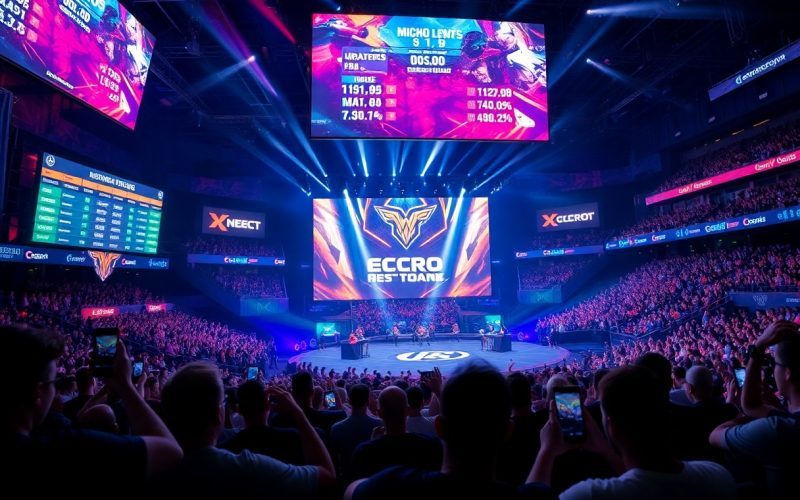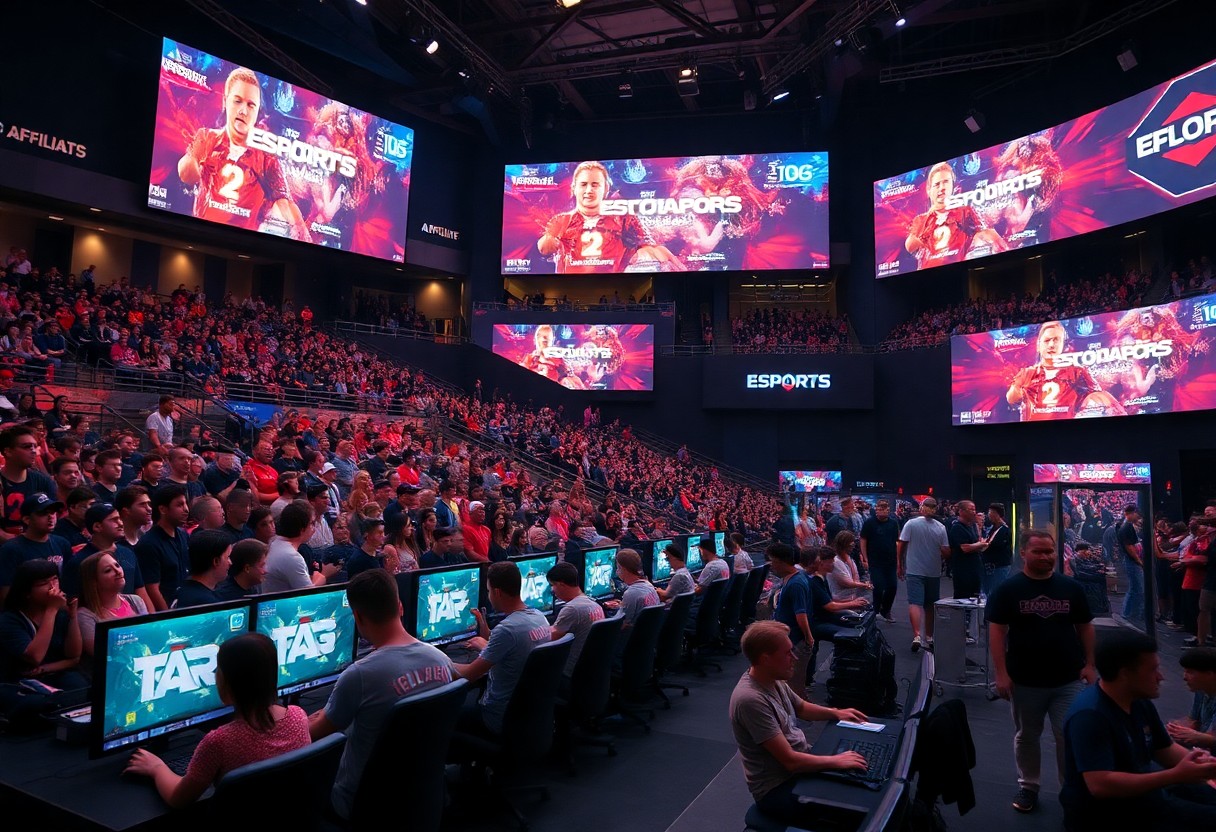
Many factors contribute to the growing influence of affiliates in the esports industry, outpacing the traditional role of casinos. As esports continues to expand, affiliates leverage unique marketing strategies to engage a younger, tech-savvy audience, driving traffic to gaming platforms and creating sustainable revenue streams. Unlike casinos, which often rely on traditional advertising methods, esports affiliates utilize social media, streaming services, and community engagement to foster connections within the gaming world, ultimately enhancing player experiences and promoting brand loyalty.
The Growth of Esports
Esports has experienced exponential growth over the past decade, evolving from niche tournaments to multi-billion-dollar industries. The global esports market was valued at approximately $1 billion in 2021 and is projected to exceed $1.5 billion by 2023, driven by increased sponsorships, advertising, and viewership. Major tournaments like The International and League of Legends World Championship draw millions of viewers, illustrating the sector’s rapidly expanding appeal and commercial viability.
Market Trends
Current market trends indicate a surge in investment from traditional sports franchises and companies, expanding the esports landscape. Streaming platforms like Twitch and YouTube Gaming have become significant revenue sources, while merchandise and in-game purchases continue to bolster profits. Furthermore, mobile gaming’s rise is attracting new players and audiences, driving competitive gaming further into the mainstream.
Audience Demographics
The audience demographics for esports show a distinct shift towards younger, tech-savvy viewers. Approximately 73% of esports fans are under 35 years old, with a substantial portion being teenagers. This youth-centric demographic is not only vital for shaping content and sponsorships but also for long-term brand loyalty within the esports ecosystem. A recent survey revealed that 60% of esports enthusiasts identify as male, but female viewership is steadily increasing, highlighting a growing inclusiveness that brands are starting to recognize.
In-depth analysis of audience demographics shows that esports viewership is not limited to a single age group, despite the prominence of younger audiences. The engagement spans across various interests, with students, professionals, and casual gamers all tuning in. For instance, platforms like Twitch report a notable uptick in viewership from women, reflecting a shift towards inclusivity. Furthermore, regional fandom varies, with North America and Europe leading in viewing figures while Asia continues to dominate in player participation and event attendance, illustrating a diverse global fanbase that offers brands unique engagement opportunities.
Understanding Affiliate Marketing in Esports
Affiliate marketing in esports leverages partnerships between brands and content creators to drive traffic and sales. Affiliates promote gaming products, services, or events through various channels, earning commissions for conversions generated through their referrals. This model aligns well with the passionate esports audience, creating authentic connections that enhance engagement and revenue.
Definition and Importance
Affiliate marketing is a performance-based strategy where affiliates earn commissions by promoting products or services. In esports, this approach is significant as it taps into dedicated gaming communities, effectively bridging the gap between brands and consumers while driving both sales and brand loyalty.
Key Players and Platforms
Key players in the esports affiliate marketing space include Twitch streamers, YouTube content creators, and dedicated esports websites. Platforms like Amazon and specialized gaming retail sites collaborate with affiliates to maximize outreach and sales. These influencers have immense reach, often boasting millions of followers, making them vital for brand visibility.
Platforms such as GamersFirst and Epic Games leverage specific gaming-focused affiliate networks, allowing brands to connect directly with enthusiastic gamers through trusted voices in the community. Additionally, traditional affiliates like Amazon continue to play a significant role, offering a vast product range from gaming peripherals to game titles, appealing to both hardcore and casual gamers. Creative content generated by top-tier streamers, such as sponsored live streams or review videos, can lead to substantial conversion rates due to the established trust between the creators and their followers. This synergy between affiliate marketing and esports not only boosts sales but enhances the overall gaming experience for fans.
Comparison of Affiliates vs. Casinos
| Affiliates | Casinos |
|---|---|
| Focus on esports content and promotions | Predominantly gaming and traditional gambling markets |
| Engagement through community and influencer marketing | Reliant on in-house promotions and loyalty programs |
| Diverse income sources from multiple partners | Profit mainly from direct player wagering |
| Agility in adapting to trends and player preferences | Often slower to innovate due to regulatory restrictions |
Revenue Models
Affiliates typically utilize performance-based revenue models, earning commissions from player referrals that can range from 20% to 50% of the revenue generated by referred users. In contrast, casinos primarily derive income from direct player wagers, with operational costs tied closely to game payouts and regulatory compliance. This difference highlights how affiliates can capitalize on the growing esports scene through marketing collaborations that yield recurring revenue, emphasizing the long-term potential of affiliate partnerships compared to one-off casino transactions.
Player Engagement Strategies
Affiliates engage players through tailored content, interactive platforms, and community-building initiatives. This includes sponsoring esports events, partnering with popular streamers, and creating engaging content that resonates with gaming enthusiasts. Such strategies foster loyalty and brand trust, offering ongoing interactions rather than fleeting experiences typical in casino environments.
Player engagement strategies for affiliates leverage contemporary digital marketing techniques like social media interaction, personalized email campaigns, and gamification to maintain user interest. For instance, successful affiliates often host tournaments with prizes, while also collaborating with esports influencers to drive organic traffic. This not only enhances community involvement but also establishes a more profound connection with gamers, distinguishing the affiliate model’s effectiveness in sustaining player interest over traditional casino practices.
The Role of Streamers and Influencers
Streamers and influencers are at the heart of esports, amplifying the visibility of games and brands through their platforms. With millions of followers on services like Twitch and YouTube, they create engaging content that attracts dedicated viewers. Their authenticity resonates with audiences, making them powerful marketing tools for affiliate programs. As they share gameplay, tutorials, and reviews, they bridge the gap between gaming brands and consumers, driving massive traffic and conversions.
Impact on Affiliate Success
Successful affiliates leverage streamers’ influence to enhance their marketing strategies. By partnering with well-known personalities, they tap into established audiences, resulting in higher engagement and conversion rates. For example, brands associated with popular streamers often see a surge in referral sign-ups, highlighting the direct correlation between influencer collaboration and affiliate success.
Building Authenticity and Trust
Building authenticity and trust is vital in the esports ecosystem. Streamers often share personal experiences with products, enhancing their credibility and allowing affiliates to connect meaningfully with their audiences. This organic promotion fosters a sense of loyalty among viewers, who are more likely to act on recommendations from trusted influencers rather than traditional advertisements.
In a landscape where skepticism can hinder marketing efforts, streamers’ organic engagement plays a significant role in establishing credibility. For instance, when a well-respected influencer showcases a gaming peripheral in their stream, the audience perceives it as a genuine endorsement rather than a sales pitch. Studies indicate that influencers can drive up to 10 times more conversions compared to standard advertisements, emphasizing the importance of authenticity. This trust-building translates to sustained affiliate success, as viewers are less likely to disengage or ignore a suggestion from someone they admire and follow closely.
Challenges Faced by Affiliates in Esports
Affiliates in the esports realm encounter unique challenges that can hinder their growth and effectiveness. These obstacles range from stringent regulatory frameworks to fierce market competition, compelling affiliates to navigate a dynamic landscape with agility and strategic foresight.
Regulation and Compliance
Navigating the regulatory landscape is a significant challenge for esports affiliates, as laws concerning marketing and gambling vary widely across different jurisdictions. The lack of a uniform regulatory framework can lead to confusion and potential non-compliance, risking penalties or loss of affiliate partnerships.
Market Competition
Intense competition marks the esports affiliate space, with numerous players vying for attention and engagement. To stand out, affiliates must utilize innovative marketing strategies and create unique content that resonates with their target audience, driving traffic and conversions more effectively than their competitors.
The sheer number of affiliates in esports can saturate the market, making visibility a critical concern. According to recent industry reports, more than 30% of affiliates struggle to differentiate their offerings from competitors, leading to lower conversion rates. Brands often collaborate with influencers and prominent esports figures to leverage their reach, creating additional pressure on affiliates to innovate and find niche markets to capture audience loyalty. Staying ahead requires not just understanding the games but also translating that knowledge into compelling marketing tactics that can effectively convert interest into actions.
Future Trends in Esports Affiliates
As the esports landscape evolves, affiliates are anticipated to leverage innovative strategies that drive engagement and revenue. The integration of AI and data analytics will allow for hyper-targeted marketing campaigns, enhancing audience reach and boosting conversion rates. Furthermore, the rise of new gaming platforms and genres will open opportunities for affiliates to diversify their promotional efforts and tap into previously unexplored markets.
Technological Advances
Emerging technologies like augmented reality (AR) and virtual reality (VR) are reshaping how audiences interact with esports. Affiliates can utilize these advancements to create immersive experiences, such as virtual gaming events or interactive advertising campaigns. This synergy not only enhances viewer engagement but also provides affiliates with novel ways to promote brands and products effectively.
Evolving Partnerships
Partnerships between esports teams, brands, and affiliates are becoming more dynamic, shifting away from traditional sponsorships to deeper, collaborative engagements. By leveraging shared audiences and resources, affiliates can help brands co-create content that resonates more authentically with gamers, fostering loyalty and driving sales. For example, exclusive offers tied to team merchandise can amplify both team and affiliate visibility.
These evolving partnerships often see brands collaborating with affiliates to develop tailored campaigns that reflect the unique culture of gaming communities. With esports audiences increasingly valuing authenticity, brands are prioritizing co-branding opportunities that resonate with gamers’ experiences. For instance, the integration of affiliate marketing into live-streaming platforms, where influencers showcase products during gameplay, strengthens brand associations while enhancing viewer engagement. Such strategies not only drive sales but also create a community-centric atmosphere, vital for long-term success in the rapidly expanding esports market.