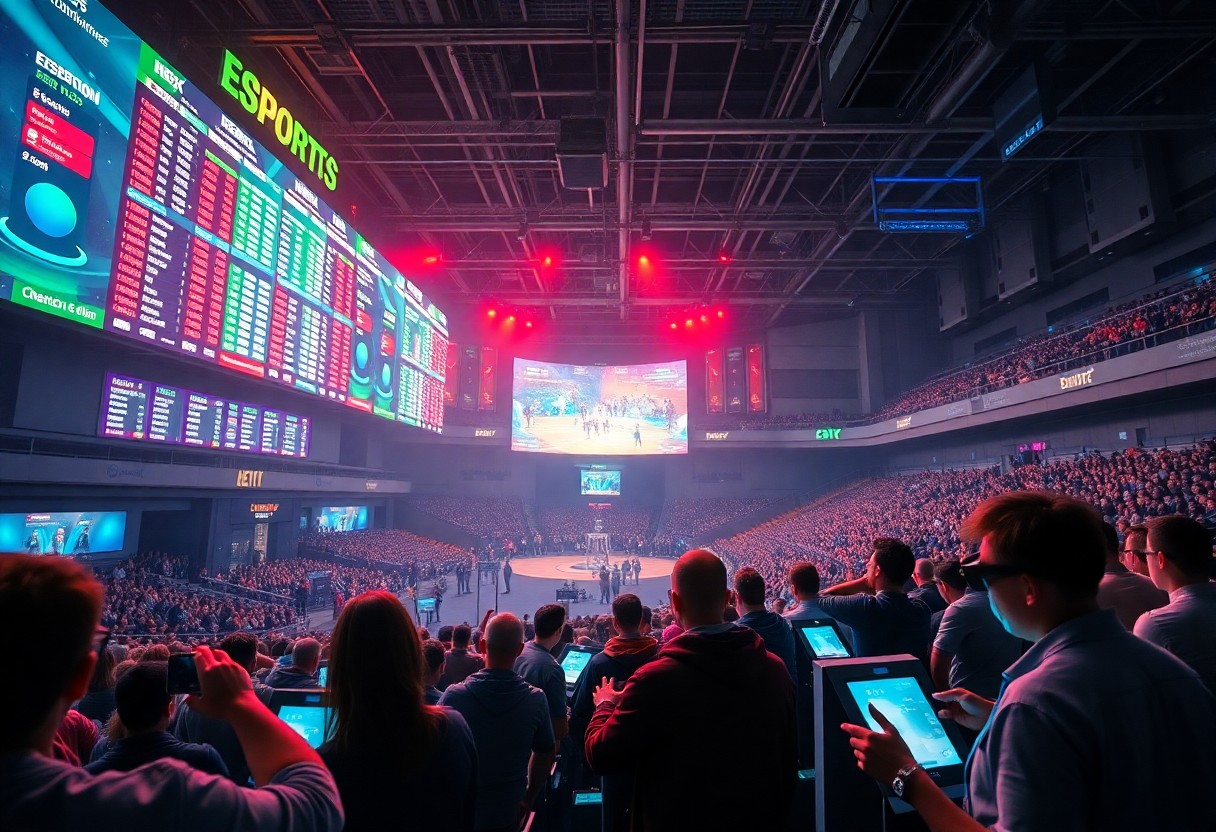
Betting on esports is rapidly evolving as technology advances and audience interest grows. By 2030, we could see more innovative betting formats, heightened regulatory frameworks, and integration with immersive experiences, all transforming how fans engage with competitive gaming.
The Convergence of Realities: Chrome and Sensory Input
Expanding Experiences
In 2030, esports betting may integrate augmented reality, merging digital content with physical environments. Gamblers could interact with live matches via immersive overlays, placing bets in real-time while watching their favorite teams. This fusion of realities enhances participation, transforming passive viewers into active participants. Enhanced sensory inputs-like haptic feedback-will provide immediate, tangible experiences, elevating the thrill of betting.
Interaction and Engagement
Smart devices will facilitate deeper connections between players and audiences. Personalized data streams might analyze player performance and suggest betting opportunities tailored to individual preferences. Engaging betting scenarios will arise from real-time analytics, allowing fans to react instantly to gameplay changes. Such innovations promise to make esports betting a more immediate and dynamic experience, captivating audiences in unprecedented ways.
The Algorithmic Oracle: Ghosts in the Odds
Forecasting the Future
Algorithms will reshape betting odds, incorporating vast data streams from player performance, game mechanics, and historical outcomes. Predictive models will analyze these variables in real time, offering dynamic odds that could change within seconds. Bettors may rely on algorithm-driven insights, transitioning from mere speculation to data-backed strategies.
Challenges Ahead
Ethical concerns surrounding algorithm transparency may arise, as some bettors question how these systems generate predictions. Ensuring fairness and accuracy will be paramount; otherwise, trust in these technologies could erode. Balancing cutting-edge technology with responsible gaming practices will dictate the sustainability of esports betting by 2030.
The Rise of Micro-Wagering: The High-Frequency Pulse
Instant Action
Micro-wagering will bring unprecedented speed to esports betting. Players will have the ability to place small bets on quick, in-game events, such as the outcome of a single round or even the next kill. This immediacy creates a dynamic betting environment that mirrors the rapid pace of gaming itself, appealing to both seasoned gamblers and casual fans alike.
Enhanced Engagement
Gamers will become more engaged as they can bet on specific moments within matches. This real-time interaction transforms spectators into active participants, enhancing the viewing experience. Platforms will likely integrate advanced analytics, providing insights that help bettors make informed decisions quickly, making the process feel intuitive and thrilling.
Regulatory Neon Frontiers: Policing the Digital Sprawl
Adapting to New Challenges
Regulators must address the unique challenges posed by esports betting. With a constantly evolving digital environment, traditional frameworks often fall short. Emerging technologies and decentralized platforms complicate oversight, requiring innovative approaches to ensure fair play and responsible gambling practices.
Coordination Among Authorities
Collaboration among national and international regulatory bodies becomes vital for effective enforcement. As esports transcend borders, a unified regulatory strategy can mitigate discrepancies and establish consistent standards. This cooperation will enhance consumer protection and promote a healthier betting ecosystem.
The Evolution of the Bettor: Augmented Data Drifters
Informed Decisions through AI
Betting strategies will evolve as artificial intelligence provides deeper insights. Bettors will utilize predictive algorithms to analyze player performance, team dynamics, and game meta, allowing them to make informed decisions with greater precision. Such advancements will reduce the reliance on luck and amplify data-driven approaches, transforming the betting experience into one that values analytical rigor.
Real-Time Data Integration
Real-time statistics and augmented reality tools will redefine how bettors engage with esports events. With instant updates on player statistics, betting odds, and gameplay developments available through immersive platforms, bettors will have a fuller understanding of the stakes involved. This direct access to dynamic data will enhance engagement, ensuring that betting becomes a more interactive and informed process.
To wrap up
To wrap up, the future of esports betting by 2030 will likely feature advanced technology, such as real-time analytics and virtual reality experiences. Increased integration of blockchain technology may enhance transparency and security in transactions, appealing to a broader audience.
Regulatory frameworks will likely evolve, promoting responsible betting practices while protecting consumers. The growth of global esports competitions may create diverse betting markets, attracting mainstream sports fans and driving mainstream media coverage.