






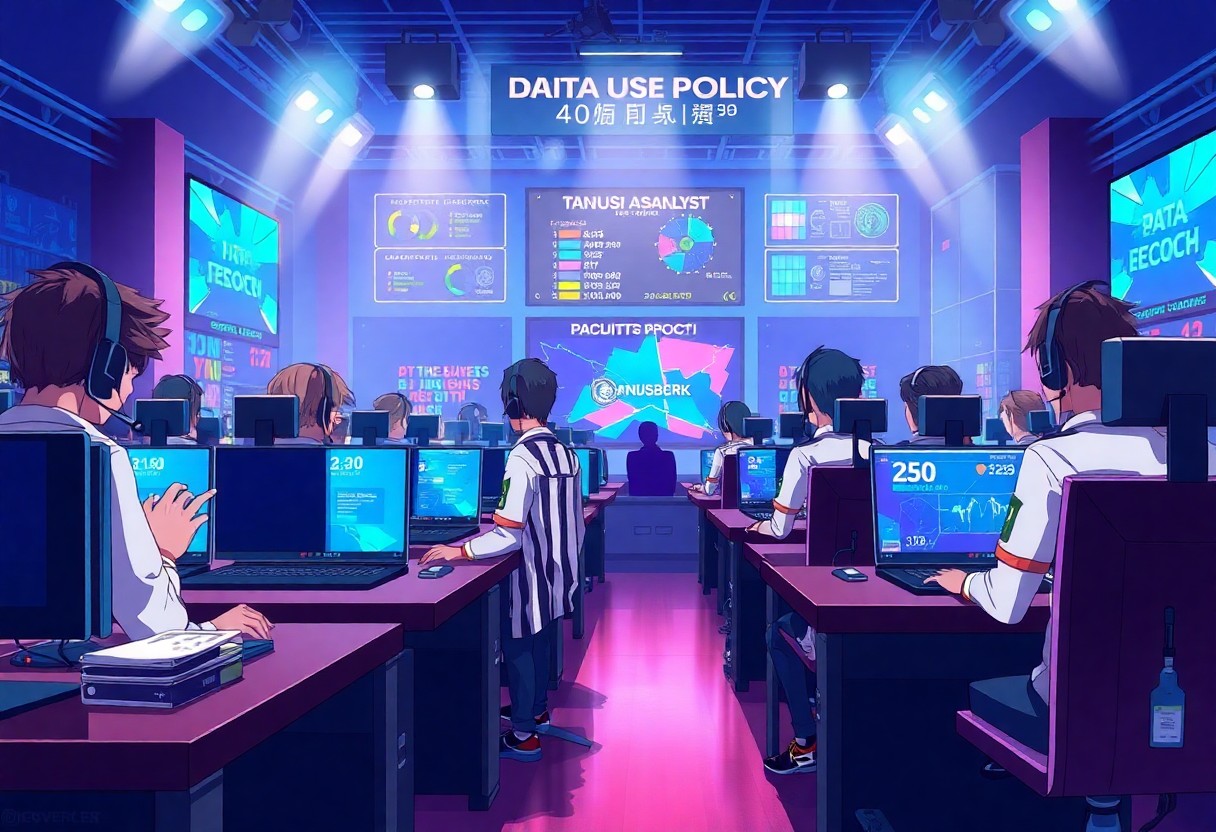
Esports has rapidly evolved into a data-driven industry where analytics play a significant role in strategy, player performance, and fan engagement. Understanding the rules governing data usage is necessary for stakeholders aiming to optimize their operations and enhance competitive integrity.
The Evolution of Data Collection in Competitive Gaming
Transition from Basic Scoreboards to Granular Telemetry
Early esports relied heavily on basic scoreboards that displayed simple metrics like kills and deaths. These limited statistics provided minimal insight into player performance or match dynamics.
Advancements in technology introduced granular telemetry, allowing for detailed data capture on player actions and game events. This shift enables teams and analysts to break down gameplay, offering a comprehensive understanding of strategies and performance metrics.
The Role of Server-Side Logs in Match Reconstruction
Server-side logs are instrumental in recreating matches with high accuracy. These logs record every event during gameplay, from player movements to item usages, forming a complete picture of the match.
Analyzing these logs allows teams to review gameplay, identify mistakes, and strategize for future competitions. The depth of information obtained from server-side logs transforms post-match analysis into a pivotal part of a team’s preparation.
Utilizing server-side logs in match reconstruction allows analysts to scrutinize key moments and player decisions in a controlled context. This granular analysis not only aids in performance enhancement but also serves as an educational tool for players to refine their in-game decision-making processes.
Historical Shifts from Amateur Stats to Professional-Grade Analytics
Initially, stats in competitive gaming were sourced from amateur-level observations, which offered limited scope and reliability. As the esports industry matured, professional organizations sought better methods of tracking player metrics.
Today, professional-grade analytics harness advanced technologies, providing deeper insights into gameplay via predictive modeling and performance metrics. This evolution signifies a commitment to elevating competitive standards and fostering a data-driven approach.
Shifting from amateur stats to professional-grade analytics reflects a growing recognition of esports as a legitimate competitive discipline. The newfound emphasis on detailed statistics not only attracts sponsors and audiences but also enhances the strategic landscape of competitive play.
Intellectual Property Rights and Game Developer Sovereignty
Ownership of data generated within proprietary game engines
Ownership of data generated within proprietary game engines typically rests with the game developers. They have the exclusive right to control how this information is used, shared, and analyzed. Players and third-party developers often have limited rights, primarily focusing on the gameplay experience rather than data utilization.
By establishing clear boundaries, developers protect their intellectual property while ensuring the integrity of their platforms. This ownership extends to analytics derived from player behavior and performance metrics, reinforcing developers’ authority over in-game data.
End-User License Agreements (EULA) and data scraping restrictions
EULA agreements play a significant role in defining user rights and limitations regarding the use of game data. Users must agree to these terms, which often restrict data scraping and unauthorized use of in-game analytics. Consequently, violating these agreements can lead to legal repercussions for users.
Developers incorporate specific clauses to protect their intellectual property, often prohibiting data extraction that could diminish their competitive edge. This framework ensures that sensitive game data remains within the purview of the developers.
Legal precedents for treating game data as intellectual property
Legal precedents have begun to recognize game data as a form of intellectual property, leading to increased protections for developers. Courts have ruled that game analytics may be subject to copyright and trade secret laws, emphasizing the value of data generated during gameplay.
Such rulings affirm developers’ rights to proprietary information, establishing a foundation for future litigation. These precedents reinforce the need for clear guidelines surrounding data usage and its ownership within the esports ecosystem.
Game developers have started to see clear legal frameworks emerge, protecting their interests in analytics and proprietary data. As esports grow, these legal precedents will likely evolve to address emerging challenges related to data ownership and usage.
Real-Time Data Access and Competitive Integrity
Managing Data Latency and the Prevention of “Ghosting”
Latency management is important to ensure fair competitive conditions during live matches. Any delay in data transmission can create disparities in player performance. Teams must utilize optimized networks and technologies that minimize lag, preserving the integrity of the competition.
Ghosting, or unauthorized access to player information or strategies, presents a significant threat to competitive fairness. Implementing strict protocols and monitoring systems helps deter such practices, ensuring that only authorized personnel have access to real-time data.
Rules Governing Coach and Analyst Access During Live Matches
Regulations dictate the extent of coach and analyst involvement during live competitions. Typically, only designated team members can communicate with players, which prevents outside influence from altering game outcomes. This structure guarantees that data used must originate from within the team’s immediate environment.
Coaches and analysts often have access to specific tools that help interpret real-time analytics without directly infringing on gameplay. These restrictions not only maintain competitive integrity but also ensure that players’ focus remains on their on-screen performance rather than outside distractions.
Guidelines for coach and analyst access aim to balance support and competition fairness. By allowing only designated interactions and restricting direct communication, teams can maximize strategic input while maintaining the independence of player decisions during matches.
Technical Safeguards Against Unauthorized Data Interception
Encryption and secure communication protocols serve as primary defenses against unauthorized data interception. Implementing these safeguards ensures that sensitive information transmitted during matches remains protected from external threats. Violations of security measures can lead to severe penalties for the involved teams.
Intrusion detection systems are crucial for monitoring unauthorized access attempts. By actively scanning network traffic, these systems can alert teams to potential breaches, enabling timely responses to maintain competitive integrity throughout events.

Player Privacy and the General Data Protection Regulation (GDPR)
Balancing public performance metrics with personal privacy rights
Players often find themselves under scrutiny due to publicly available performance data. Transparency in metrics can enhance fandom and industry engagement, yet it raises significant privacy concerns. Striking a balance between promoting player statistics and respecting their personal information rights is crucial for sustainable growth in esports.
Organizations must implement clear policies that delineate what data is shared and how it is used. Players should have a voice regarding their data, fostering an environment of trust while allowing teams to showcase talent effectively.
Consent requirements for tracking player biometric and behavioral data
Obtaining explicit consent for collecting biometric and behavioral data is mandatory under GDPR. Players need to fully understand what data is being collected, how it’s utilized, and the potential implications. This emphasis on informed consent protects players and ensures ethical standards are upheld in data handling.
Organizations must articulate their data collection frameworks transparently, including possible commercial uses. Proper education around these consent processes can lead to a more respectful and legally compliant data practice.
If players are to engage fully, organizations must clearly communicate consent protocols and their significance. Ensuring players are well-informed can mitigate risks and enhance their willingness to participate in data collection processes.
The right to erasure and data portability in a professional context
Players maintain rights related to data erasure and portability, emphasizing their control over personal information. Requesting the removal of data can empower players, while data portability allows them to transfer their records if needed. This regulatory framework protects players from potential misuse of their data.
Ensuring that such rights are respected enhances player trust in organizations. Implementation of efficient procedures for handling these requests is crucial for compliance and maintaining a fair playing ground in esports.
Anti-Cheat Protocols and Behavioral Analytics
Implementing heuristic analysis to detect prohibited software
Heuristic analysis employs algorithms to examine player behavior and in-game actions, identifying patterns indicative of cheating. By establishing baseline metrics for normal gameplay, it enables real-time detection of anomalies that suggest the use of unauthorized software.
These tools assess variables such as reaction times, movement patterns, and decision-making processes. Such a comprehensive approach allows organizations to respond swiftly and accurately to potential infractions, maintaining the integrity of the competition.
Identifying match-fixing through anomalous betting and play patterns
Match-fixing presents a severe challenge, often emerging through irregular betting behavior paired with unexpected gameplay outcomes. Analyzing betting fluctuations in conjunction with game performance helps identify suspicious correlations that could indicate foul play.
Detection relies on data-driven insights from betting markets, enabling vigilant monitoring for patterns inconsistent with historical statistics. Together, these measures support the integrity of competitive play.
Identifying match-fixing through anomalous betting and play patterns not only protects the sport but also preserves trust among fans and investors. Scrutinizing betting trends alongside game data creates a formidable barrier against manipulative practices, ensuring that esports remains fair and engaging for all involved.
Collaborative data sharing between developers and anti-cheat agencies
Sharing data between game developers and anti-cheat organizations enhances the effectiveness of detection protocols. Open channels of information allow for timely updates on identified cheats, reducing the time taken to implement countermeasures.
Such collaboration fosters a united front against cheating, promoting a culture of integrity and fairness. By pooling resources and expertise, stakeholders can create sophisticated systems to protect the integrity of esports.
Collaborative data sharing between developers and anti-cheat agencies solidifies a proactive approach to maintaining competitive fairness. Continuous feedback loops strengthen detection methodologies, ensuring that both parties stay ahead of evolving cheating technologies and tactics.
Commercialization of Data in Betting and Media
Licensing Official Data Feeds to Sportsbooks and Broadcast Partners
Licensing official data feeds has become a lucrative strategy for esports organizations, enabling sportsbooks and media partners to access real-time data. This access enhances the betting experience while ensuring accuracy and legality within transactions.
Such partnerships benefit esports franchises by creating new revenue streams. Through these agreements, teams and tournament organizers can monetize their data assets effectively, driving growth in viewership and engagement simultaneously.
Integrity Fees and Revenue Sharing Models for Tournament Organizers
Integrity fees present an innovative approach for tournament organizers, creating a mechanism for revenue sharing based on betting activities. This model incentivizes organizers to maintain fair play while receiving a percentage of the wagering revenue.
By implementing these fees, the esports ecosystem promotes transparency and collaboration among stakeholders, ultimately benefiting the competitive integrity of the sport. Such frameworks ensure that organizers receive fair compensation for their data and organizational efforts.
Integrity fees also encourage esports organizers to invest in improved tournament infrastructure and integrity measures. This results in a more engaging experience for fans and participants alike, establishing long-term sustainability in the competitive landscape.
The Impact of High-Fidelity Data on Fan Engagement and Viewership
High-fidelity data transforms how fans experience esports, providing granular insights that keep audiences engaged. Players and teams leverage this data to enhance strategic gameplay, while spectators gain deeper understanding and connection to the action.
This deepened engagement often leads to increased viewership as fans seek rich, data-driven narratives surrounding gameplay. The infusion of analytics enhances storytelling and excitement, drawing in new audiences and retaining current fans.
High-fidelity data significantly boosts interactions during live broadcasts, as it integrates real-time stats and analysis to enrich viewer experience. Such features can convert casual viewers into dedicated fans, creating a lasting impact on the esports community.
Third-Party Analytics Platforms and API Licensing
Regulatory requirements for community-driven statistical sites
Compliance with regional data protection laws is imperative for community-driven statistical sites. These platforms must ensure that they collect, store, and process user data according to applicable regulations like GDPR or CCPA, providing transparency in their data usage practices.
Many organizations also require statistical sites to obtain explicit user consent before data collection. This not only protects user privacy but also secures the legitimacy of the platform within the competitive esports environment.
Monetization constraints on third-party data processing
Third-party analytics platforms face monetization challenges due to licensing agreements and revenue-sharing models with game developers. Restrictions often limit how data can be sold or utilized, pushing platforms to find innovative revenue streams without violating contracts.
Under certain conditions, misuse of data for profit can lead to penalties and loss of rights to use proprietary information. This dilemma forces providers to balance profitability while adhering to strict industry standards.
Revenue-sharing agreements often grant developers control over how their game data is used commercially, restricting opportunities for independent analysts. This can limit scalability for third-party platforms and drive them to explore alternative monetization strategies that align with licensing terms.
API rate limits and security protocols for external developers
Third-party developers must adhere to API rate limits set by game publishers to prevent excessive data requests that could strain servers. This practice helps maintain system stability while ensuring fair access to resources.
Security protocols are also critical for protecting sensitive user data when accessed via APIs. Encryption measures and authentication tokens are standard procedures to safeguard against unauthorized access.
Strict API rate limits aim to manage server load effectively and ensure equitable access for all developers. Alongside these limits, robust security measures protect user information, preventing breaches that could damage both user trust and the reputation of associated platforms.
Team-Level Data Security and Proprietary Strategies
Protecting Internal Practice Data from Industrial Espionage
Effective measures are necessary to safeguard internal practice data from rival teams and external threats. Employing encryption and secure access controls can significantly reduce the risk of data breaches. Regular audits and monitoring of data access patterns add an additional layer of security against potential espionage.
Strengthening awareness among team members about the importance of data security plays a key role in prevention. Training sessions focused on recognizing phishing attempts and secure data handling practices can enhance overall vigilance and contribute to a culture of security within the team.
Cyber-security Standards for Team-Owned Analytics Databases
Establishing cyber-security standards for analytics databases is imperative to protect sensitive information. Implementing firewalls and intrusion detection systems creates a fortified environment for data storage and analysis. Regular updates to security protocols ensure the systems remain resilient against evolving threats.
Collaboration with cybersecurity experts allows teams to stay abreast of best practices and emerging threats. Conducting penetration testing can identify vulnerabilities before they are exploited, enhancing the integrity of the analytics infrastructure.
Contractual Non-Disclosure Agreements Regarding Strategic Data Usage
Contractual non-disclosure agreements (NDAs) are instrumental in maintaining confidentiality around strategic data. These agreements outline the responsibilities of all parties involved and set clear expectations regarding data handling and sharing practices. Team members and external partners alike benefit from knowing the legal implications of unauthorized data exposure.
Strengthening NDAs with specific clauses tailored to the nature of competitive gaming can enhance their effectiveness. Such agreements should clearly define what constitutes proprietary data and stipulate penalties for breaches to ensure all parties take compliance seriously.
Standardizing Metrics Across Diverse Game Genres
Developing Universal Key Performance Indicators for MOBA and FPS Titles
Creating uniform Key Performance Indicators (KPIs) becomes necessary when analyzing the different dynamics of MOBA and FPS titles. Each genre possesses unique gameplay mechanics, necessitating tailored metrics that still align under a consistent framework. Common KPIs like kill/death ratios, objective control, and player contribution scores can serve as benchmarks for comparative analysis.
Integrating diverse data points allows analysts to evaluate player performance and team strategy comprehensively. By establishing a standard set of KPIs, organizations can more effectively compare player performance across genres, driving deeper insights into player behavior and strategical effectiveness.
The Challenge of Measuring Intangible Player Contributions
Intangible contributions, such as team synergy and communication, are often overlooked in traditional analyses. Quantifying these aspects proves difficult due to their subjective nature, but they significantly influence overall team success. Many analysts advocate for qualitative assessments to complement numerical data.
Recognizing these contributions requires innovative approaches, such as player interviews and qualitative feedback. Combining qualitative and quantitative methods can yield a more holistic view of player value and effectiveness within both MOBA and FPS contexts.
The difficulty in measuring intangible contributions stems from their reliance on subjective interpretation rather than easily quantifiable data. Elements like team communication and emotional support can dramatically impact outcomes but resist direct measurement. Addressing this challenge demands creative solutions to incorporate qualitative insights into standard analytics, enriching our understanding of player roles.
Normalization of Data Across Different Patches and Meta Shifts
Data normalization becomes pivotal as games frequently undergo patches and shifts in meta. These changes can significantly alter gameplay dynamics, making prior data sets less comparable. Maintaining consistency in analysis requires constant adjustments to the metrics used during these transitions.
Developing adaptive models that account for patch-specific effects ensures that player performance evaluations remain relevant. This practice not only sharpens competitive insights but also aids in anticipating future trends within evolving game environments.
Normalizing data amidst frequent meta shifts involves aligning performance metrics to reflect new gameplay regulations. Adjustments must account for balance changes, character reworks, and emerging strategies, which often redefine performance benchmarks. Continuous monitoring for these variations is necessary, ensuring analytics remain effective and accurate during transitions.
Ethical Considerations in AI-Driven Performance Coaching
Algorithmic Bias in Player Scouting and Recruitment Processes
Bias in algorithms can affect player scouting and recruitment. AI models trained on historical data may perpetuate existing stereotypes, leading to the favoritism of certain player profiles based on race, gender, or geographical location.
This can limit opportunities for diverse talent, resulting in a homogenous player base. Organizations must critically assess their algorithms and ensure diverse datasets inform recruitment strategies to counteract potential biases.
The Psychological Impact of Constant Performance Monitoring
Constant performance monitoring generates high-pressure environments that can impact player mental health. Continuous tracking of metrics creates an atmosphere where players feel compelled to maintain peak performance, often at the cost of their well-being.
This relentless focus may lead to anxiety and burnout, adversely affecting overall performance and personal satisfaction in the sport.
The pressures of being constantly evaluated can lead to significant mental strain. Players may experience heightened stress levels, manifesting as anxiety or diminished self-esteem, particularly if performance dips are perceived as failures. Balancing analytical insights with mental health support is crucial for sustaining player engagement and ensuring long-term success in esports.
Maintaining the Human Element in High-Stakes Decision Making
Relying solely on data in decision-making can undermine the unique insights that human intuition and experience offer. Integrating human perspectives into analytics ensures that decisions consider emotional and motivational factors that AI cannot fully comprehend.
Governance and Regulatory Bodies in Esports Data
The role of the Esports Integrity Commission (ESIC)
Established to preserve the integrity of esports, the Esports Integrity Commission (ESIC) focuses on maintaining fair play and transparency in the competitive gaming environment. By enforcing rules and regulations, ESIC plays a critical role in preventing cheating, match-fixing, and other unethical behaviors associated with data usage and analytics.
Accountability is paramount for ESIC, as it collaborates with tournament organizers, teams, and players to uphold standards. By investigating incidents and implementing sanctions, the organization strengthens trust among stakeholders in the esports ecosystem.
Regional variations in data laws and tournament regulations
Data laws and tournament regulations vary significantly across regions, impacting how esports organizations handle player information and analytics. Compliance with local laws becomes vital as different countries impose distinct privacy regulations and operational standards.
This inconsistency often complicates the governance of international tournaments. Organizations must adapt to varying legal frameworks, which may hinder the implementation of uniform practices across global events.
Regional data laws can restrict the collection, analysis, and sharing of player data, creating challenges for esports entities. Compliance not only requires awareness of local legislation but also necessitates agility in modifying policies to align with diverse regulatory environments.
Establishing a global standard for professional data ethics
A unified approach to data ethics in esports can enhance the integrity and reputation of the industry. Establishing global standards would provide clear guidelines on data handling practices, ensuring uniformity across different regions and organizations.
Collaboration between stakeholders, including regulatory bodies, tournament organizers, and teams, is vital for developing these standards. This initiative would build trust, promote ethical behavior, and ultimately foster a healthier competitive environment in esports.
Base principles of data ethics should encompass issues such as consent, data protection, and transparency. Crafting these standards requires input from diverse voices in esports to ensure that the resulting guidelines address the unique challenges and ethical dilemmas within the industry.
Legal Frameworks for Player Performance Data Ownership
Collective bargaining and player association data rights
Collective bargaining plays a significant role in defining data rights for players in professional esports. Player associations negotiate on behalf of athletes, ensuring that data usage and ownership are fairly represented in contracts and agreements.
Through these negotiations, players can advocate for their rights over performance data, securing transparency in how such data is utilized by teams and organizations. A clear framework allows players to understand their entitlements and protect their interests.
Transfer of data history during player trades and acquisitions
Transfer processes for data history are critical when players change teams in esports. Agreements must delineate what performance statistics and analytics accompany a player during trades or acquisitions, ensuring continuity in analyzing player potential.
Inadequate clarity around these transfers can lead to disputes between teams, particularly if performance data is used as leverage in negotiations. Establishing standardized protocols can mitigate these conflicts.
Understanding these transfer protocols is imperative for both teams and players. Clear guidelines ensure that all relevant performance metrics are shared during transactions, minimizing misunderstandings and allowing for more informed decisions about player valuations.
Disputes over historical performance data in post-career marketing
Disputes may arise regarding the use of historical performance data for marketing purposes once players retire. Organizations often seek to capitalize on a player’s past to boost sales of merchandise or attract sponsors, but without consent, this can lead to legal challenges.
Players possess rights over their persona and associated data, which can complicate post-career agreements. Proper legal frameworks must address these concerns to ensure fair compensation and representation.
Disagreements often center on how data is interpreted and presented in marketing materials. Establishing clear contracts about data usage can prevent conflicts and uphold players’ rights in their post-career endeavors.
Future Trends: Biometrics and Wearable Integration
Regulating the use of heart rate and eye-tracking data in broadcasts
Establishing guidelines around heart rate and eye-tracking data during broadcasts is imperative for maintaining player privacy and integrity. Viewers benefit from enhanced engagement when such data is shared, but concerns about misuse and player consent must be addressed.
Organizations are exploring frameworks to regulate how this information is presented to audiences. Striking a balance between entertainment value and ethical considerations will be vital for the sustainable growth of esports.
Predictive analytics and the evolution of win-probability models
Advancements in predictive analytics are reshaping win-probability models, offering fans unprecedented insights into match outcomes. Utilization of machine learning algorithms enhances the accuracy of these predictions, creating a more immersive viewing experience.
These models now incorporate diverse datasets, including past performance metrics and real-time player data. This depth of analysis not only maintains viewer interest but also informs team strategies.
Predictive analytics may utilize neural networks to dynamically adjust win probabilities based on in-game events. Such innovations will transform how fans perceive matches, offering insights that can change in an instant, reflecting the fast-paced nature of esports.
Blockchain and decentralized ledgers for immutable match records
Adoption of blockchain technology can revolutionize match recordkeeping in esports. By storing data on decentralized ledgers, the integrity of match results is maintained, preventing fraud and disputes.
This shift supports transparency for players and fans alike. Immutable records foster trust within the community, enhancing the overall credibility of competitive esports events.
Blockchain applications in esports may also include smart contracts that automatically enforce rules and payouts, streamlining operations for tournament organizers. With growing interest, the potential for secure and transparent match transactions is promising.
Summing up
The implementation of data usage and analytics rules in professional esports ensures fair competition and enhances player performance. Strict guidelines regarding data collection, sharing, and usage protect both player privacy and the integrity of the games.
Regulatory frameworks, established by governing bodies, set standards for how analytics can influence strategy and gameplay. Balancing competitive advantage with ethical considerations remains necessary as the industry evolves, reinforcing the importance of transparency in analytics practices.
FAQ
Q: What are the data usage policies in professional esports?
A: Data usage policies in professional esports generally require organizations to protect player and team data. Sensitive information such as personal stats, in-game behavior, and health metrics must be handled with confidentiality. Compliance with legal standards like GDPR for European players is often mandatory.
Q: How is player performance data analyzed in esports?
A: Player performance data is gathered through various tools and analytics platforms that track in-game statistics. Teams analyze metrics such as kill/death ratios, objective control, and team synergy. This data helps in developing strategies and improving individual skills.
Q: What ethical considerations exist regarding data collection in esports?
A: Ethical considerations in data collection focus on respecting player privacy and consent. Teams must ensure players are aware of what data is collected and how it will be used. Transparency in data usage helps build trust and maintains a fair competitive environment.