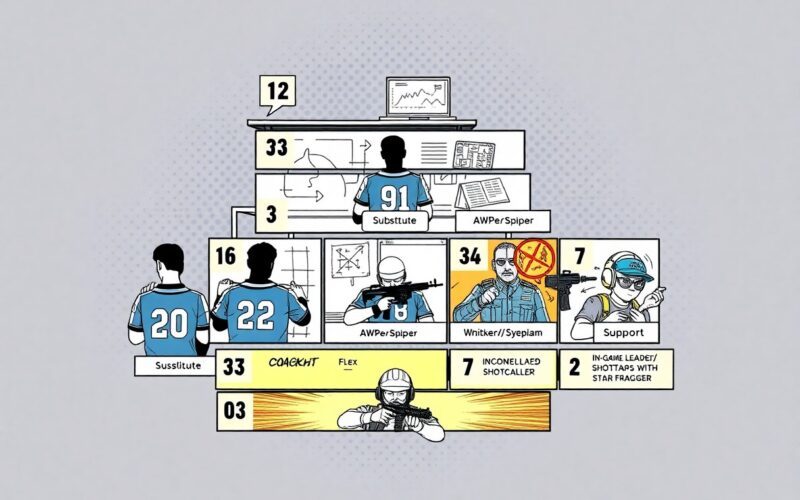
It’s crucial for esports professionals to understand the boundaries imposed on their content creation efforts. Various organizations and publishers enforce specific guidelines to protect brand integrity and intellectual property, impacting how players engage with their fanbase. Compliance with these restrictions is crucial for maintaining a successful career in esports.
The Legal Foundation of Esports Employment Contracts
Evolution from Amateur Agreements to Professional Standard Player Contracts
Amateur agreements often lacked formal structure, relying on verbal commitments and trust. As the esports industry matured, the need for standardized contracts became clear, leading to the development of Standard Player Contracts (SPCs) that outline specific rights, obligations, and compensation for players.
Today, SPCs provide comprehensive guidelines that address the complexities of player employment. These contracts not only encompass performance expectations but also delineate content creation rights, setting the foundation for how players can engage with their audiences.
The Role of Collective Bargaining Agreements in Defining Content Rights
Collective Bargaining Agreements (CBAs) serve as a critical tool for addressing content rights and restrictions in esports. They enable players and organizations to collaboratively establish guidelines concerning the use of personal and team-branded content.
Through CBAs, athletes can negotiate terms that protect their intellectual property while balancing organizational interests. This ensures that both parties understand how content can be used, shared, and monetized, fostering a more equitable environment.
The intricate relationship between players and organizations regarding content rights is often defined through these agreements. CBAs create a framework where players can assert their rights to their content, while organizations gain clarity on promotional strategies. This collaborative approach minimizes conflicts and enhances the overall integrity of content creation in esports.
Distinguishing Between Professional Play Services and Influencer Obligations
Professional play services involve the player’s performance during official competitions and tournaments. These elements form the core of a player’s contractual obligations to the organization.
In contrast, influencer obligations extend beyond competitive play, encompassing social media engagement, content creation, and brand partnerships. Differentiating these roles helps clarify expectations for players and organizations alike.
Analyzing these distinctions reveals important implications for content creation. Players often find themselves balancing competitive service obligations with their emerging influencer roles, leading to potential conflicts in their contracts. Clear delineation between these responsibilities is vital for effective content management and career longevity.
Exclusivity Clauses and Platform Restrictions
Primary platform mandates: Twitch, YouTube, and regional streaming sites
Exclusivity clauses often bind esports professionals to specific platforms like Twitch or YouTube. These mandates can limit content creators from diversifying their reach across multiple services, forcing them to prioritize particular channels for their broadcasts and uploads.
Choosing a primary platform typically means committing to its terms and incentives. Professionals may lose access to other revenue streams or audience segments on competing sites, affecting their overall content strategy and growth potential.
Non-compete agreements regarding alternative broadcasting services
Non-compete agreements prevent esports professionals from using alternative broadcasting services while under contract. These restrictions ensure that talent remains focused on their primary platform, often hindering their ability to explore other lucrative streaming opportunities.
Talent must weigh the benefits of compliance against potential lost earnings. While these contracts provide financial stability, they can stifle creativity and limit overall visibility in a crowded content marketplace.
Contracts with non-compete clauses can restrict access to emerging platforms that might offer better monetization opportunities. Many esports professionals find themselves confined despite potential audience growth on alternative channels, leading to frustration and limited content options.
Limitations on cross-platform content syndication and VOD re-uploading
Restrictions on cross-platform syndication can significantly impact content distribution for esports professionals. Often, contracts specify where creators can post their video-on-demand content, curbing potential audience reach on other platforms.
Failure to adhere to these limitations can lead to penalties, diminishing the creators’ ability to leverage content across different audiences. This narrowing scope can result in missed opportunities for collaborations and brand partnerships as well.
Limitations on VOD re-uploading hinder the strategy for maximizing viewership across various platforms. Esports professionals might find it challenging to drive traffic from one site to another, reducing overall engagement and diminishing the potential for expanding their fan base.
Intellectual Property and Ownership of Digital Content
Defining ownership of live stream archives and broadcast highlights
Ownership of live stream archives and broadcast highlights often falls under both individual and organizational claims. Players may maintain rights to their personal streams, while teams typically control highlights that feature branding or logos. Clear agreements should delineate these rights to avoid disputes.
Contracts within esports often specify terms about content ownership. Players must thoroughly understand these agreements to protect their interests while adhering to team policies regarding content use.
Team rights to player-generated social media and short-form content
Players frequently create social media content showcasing their skills and personalities, but teams may assert rights over this material. Contracts might include clauses that grant teams a share of revenue generated from such content, influencing the player’s creative freedom.
Understanding the balance of rights is crucial for players. While they seek to build personal brands, teams aim to maintain cohesive marketing strategies that enhance their overall image.
Derivative works: Intellectual property in montages and educational guides
Creating montages or educational guides from game footage invites questions about intellectual property. The original game developers typically hold rights, but the use of their content in new ways can lead to complex legal scenarios. Clear rights to both the game’s mechanics and the players’ performances are crucial.
When players produce derivative works, they must be cautious about copyright infringements. Proper attribution and understanding of licensing agreements can clarify ownership responsibilities for these projects.
Navigating Sponsorship and Endorsement Conflicts
Categorical exclusivity: Hardware, energy drinks, and apparel restrictions
Sponsorship agreements often include categorical exclusivity clauses, limiting esports professionals from representing competing brands. Hardware sponsors may restrict players from promoting rival peripherals, while energy drink deals often require exclusivity arrangements that can overshadow potential personal endorsements. Apparel restrictions further complicate the landscape, as teams may secure contracts that mandate specific brand representation, influencing the overall image presented by players.
Exclusivity can lead to complications, especially when personal branding efforts clash with team agreements. Players must carefully consider the implications of accepting sponsorships that might conflict with team partnerships, potentially jeopardizing relationships with both sponsors and teammates. Striking a balance is important for maintaining a cohesive brand identity while maximizing personal sponsorship opportunities.
Resolving conflicts between personal sponsors and team-wide partners
Players frequently encounter situations where personal sponsors conflict with team-wide endorsements. To address these conflicts, open communication is key. Engaging with both personal and team sponsors can lead to mutually beneficial agreements that respect both parties’ interests. Understanding the specific terms of contracts often clarifies the expectations and limitations placed on players.
Resolving these conflicts often requires careful negotiation. Players may need to advocate on their behalf while being mindful of their team’s broader sponsorship agreements. Collaboration among sponsors, teams, and players fosters an environment that allows for individual endorsement opportunities while maintaining the team’s brand integrity.
Disclosure requirements and Federal Trade Commission (FTC) compliance
Transparency is important in sponsorships, particularly regarding compliance with Federal Trade Commission regulations. Players must disclose their sponsorship arrangements in a clear manner to ensure compliance with FTC guidelines. Failure to do so can lead to legal repercussions and damage both personal and team reputations. Clear disclosures help maintain trust with audiences and align with industry standards.
Ensuring compliance requires understanding specific guidelines set forth by the FTC. Players should familiarize themselves with the requirements for disclosing paid partnerships or sponsorships to avoid unintended violations. This knowledge not only safeguards their interests but also enhances credibility in the highly scrutinized world of esports.
Brand Integrity and Behavioral Restrictions
Morality clauses and the maintenance of a professional public image
Establishing a professional public image is paramount for esports professionals, and morality clauses often dictate their behavior. Such clauses serve to protect the brand’s reputation by ensuring players adhere to ethical standards, reflecting the values of both their teams and sponsors.
Engagements in behavior deemed inappropriate can lead to severe repercussions, including contract termination. Maintaining a clean public image is vital, as any misstep can tarnish not just personal reputations but also the brands they represent.
Prohibitions on politically charged or controversial subject matter
Discussing politically charged topics can jeopardize team image and commercial partnerships. For this reason, many brands impose restrictions on players regarding political commentary to maintain neutrality and avoid alienating fanbases.
In strictly commercial environments, any association with controversial topics could disrupt endorsements, causing financial strain. This necessitates that players tread carefully and keep their opinions private to safeguard relationships with sponsors and fans.
Controversial subjects often provoke strong opinions, which can lead to divisiveness within fan communities. Players are expected to prioritize their brand’s integrity over personal commentary, thus ensuring audience engagement remains positive and inclusive.
Restrictions on promoting competitive titles or direct industry rivals
Promoting rival esports titles is typically prohibited, as it could undermine sponsorships and brand loyalty. Teams often enforce strict policies to avoid situations that may favor competitors, ensuring players focus on their assigned titles.
This restriction not only protects the immediate interests of the organization but also aligns players’ content with the overarching marketing strategies. Such agreements safeguard against conflicts of interest that could negatively affect brand perception.
By preventing endorsements of competitive games, organizations maintain control over their narrative and market position. Players must recognize the importance of these restrictions for their long-term career viability and the stability of their affiliated brands.
Game Developer Licenses and EULA Compliance
The impact of End User License Agreements on professional streaming
End User License Agreements (EULAs) often dictate how esports professionals can engage with their audience through streaming. Violations of EULA terms can lead to penalties, including account bans or legal action, thereby stifling content creation opportunities.
Content creators must thoroughly understand these agreements to avoid unintentional breaches. Ignorance of EULA restrictions can jeopardize not only individual channels but also brand partnerships and sponsorships within the industry.
Developer-imposed blackout periods during Tier-1 sanctioned tournaments
Developer-imposed blackout periods often prevent esports professionals from streaming during significant tournament events. These restrictions aim to enhance the viewership of official broadcasts, prioritizing the developer’s marketing strategies.
During these blackout periods, players cannot share gameplay content or personal insights, hindering their ability to engage with fans effectively. Not adhering to these restrictions can result in severe penalties, affecting both player reputations and career trajectories.
Blackout periods can vary, but they are typically aligned with major tournaments, making it vital for professionals to plan content around these restrictions. Players must balance their commitments to personal brand growth with compliance to avoid repercussions.
Intellectual property limitations on in-game assets and licensed soundtracks
Intellectual property restrictions on in-game assets and licensed soundtracks significantly limit content creation options for esports professionals. Unauthorized use of these elements can lead to copyright claims, resulting in video removal or account sanctions.
Understanding the boundaries of what can and cannot be used is crucial for maintaining compliance and fostering sustainable content strategies. Players must also consider alternative licensing options or seek permissions where necessary to mitigate legal risks.
Intellectual property limitations require a careful examination of both in-game assets and background music. Many developers retain tight control over how their licensed content is showcased, necessitating a proactive approach from content creators to ensure they remain within legal parameters.
Confidentiality and the Protection of Strategic Assets
Restrictions on streaming practice matches and internal scrimmages
Streaming practice matches and internal scrimmages can expose a team’s strategies to rivals. This practice may provide competitors insights into gameplay tactics, team coordination, and individual player performance. Consequently, organizations typically impose strict guidelines to prevent unauthorized broadcasts of these sessions.
Penalties for violating streaming restrictions can include suspensions or forfeitures of contracts. Organizations aim to maintain a competitive edge by ensuring that tactics remain confidential until actual matches. These policies safeguard their strategic interests over time.
Non-disclosure of team tactics, communication logs, and roster changes
Revealing team tactics or communication logs undermines a team’s competitive advantage. Essential strategies, developed through rigorous analysis and teamwork, must remain confidential to prevent opponents from capitalizing on them. This secrecy extends to roster changes, which can impact team dynamics and strategic planning.
Agreements usually stipulate the non-disclosure of any internal discussions regarding tactics or member changes. Adhering to these policies protects the team’s strategic integrity and helps maintain a competitive edge in the evolving esports environment.
Team tactics, communication logs, and roster changes are not just sensitive but also integral to competitive strategy. Disclosures can lead to targeted counter-strategies from rivals, diminishing a team’s chances during critical matches. Thus, these items are protected under strict confidentiality agreements, ensuring that internal developments are shielded from external scrutiny and competitors alike.
Safeguarding proprietary training software and analytical tools
Proprietary training software and analytical tools give teams a unique advantage in optimizing performance and strategy. Safeguarding these assets is imperative to maintain confidentiality and prevent their misuse by competitor teams. Breaches in security can lead to unauthorized access, undermining the efforts invested in developing these resources.
Organizations often implement strict access controls and monitoring systems. This vigilance ensures that only authorized personnel can utilize these tools, reducing the likelihood of leaks that could benefit rival teams. Protecting these assets is imperative for long-term strategic planning and success.
Confidentiality of proprietary training software and analytical tools plays a significant role in maintaining an edge over competitors. Unauthorized access can lead to the replication of strategies and performance metrics, giving rivals an unfair advantage. Hence, teams must prioritize security measures that not only restrict access but also protect the integrity of their intellectual property against external threats.
Time Management and Competitive Performance Mandates
Contractual minimum and maximum streaming hour requirements
Contracts often stipulate specific streaming hour requirements for esports professionals, imposing both minimum and maximum thresholds. Minimum hours ensure consistent engagement with fans, while maximum limits help prevent burnout.
Meeting these contractual obligations can be challenging, as players need to balance streaming with practice schedules. This structure aims to promote a sustainable approach, allowing players to connect with their audience without compromising performance.
Content creation limits during active competitive tournament windows
Active tournament windows impose restrictions on content creation to ensure players focus on competition. These limits can include prohibitions on streaming or specific types of content that distract from training or game preparation.
Enforcement of these rules helps maintain a competitive edge, as players require undivided attention during high-stakes events. Organizations prioritize performance over promotional activities within this time frame.
Some players struggle with finding time to create content while complying with tournament regulations. Balancing obligations during intense competition periods is necessary, as maintaining focus directly impacts performance outcomes. Clarifying these boundaries allows players to prepare effectively while managing fan expectations.
Balancing media obligations with physical health and mental wellness
Esports professionals face the unique challenge of managing media obligations without compromising their health. Content creation can add significant pressure, sometimes leading to stress and burnout if not handled properly.
Being proactive about mental wellness is necessary; regular breaks and structured schedules contribute to a healthier work-life balance. Organizations should support players by offering resources and guidelines for managing these commitments effectively.
Overall, prioritizing health alongside media responsibilities is key for long-term success. Players who maintain this balance are more likely to perform well and stay engaged with their audience, fostering a sustainable career in esports.
Revenue Monetization and Distribution Models
Revenue sharing agreements for subscription and donation income
Content creators in esports often engage in revenue sharing arrangements to maximize their income potential. These agreements allow players and streamers to earn a percentage of subscription fees and donations from platforms such as Twitch and YouTube.
By establishing partnerships with sponsors and platforms, esports professionals can enhance their earning opportunities. Effective negotiation of these agreements is crucial for maintaining a sustainable income stream from loyal audiences.
Team participation in ad revenue and integrated sponsorship payouts
Esports teams frequently benefit from ad revenue generated across various streaming platforms. Teams receive a share of the income from sponsored content that features their players and promotions, creating an additional revenue stream.
Integrated sponsorships further enhance this model, as brands invest in teams to gain visibility. This partnership approach helps both teams and sponsors achieve collective financial goals while augmenting viewer engagement.
Collaboration with sponsors has become fundamental for teams, as it establishes a direct link between player visibility and financial returns. This synergy allows teams to strategize around content creation that appeals to brands while maximizing ad revenue opportunities.
Governance of digital merchandising and personal brand monetization
Esports professionals are increasingly focusing on digital merchandising as a key income source. This involves creating and selling branded merchandise, which can include virtual goods and real-world products connected to their online personas.
In addition, effective governance of personal brand monetization is crucial for long-term success. Players must navigate licensing agreements, copyright issues, and platform policies to ensure that their branded merchandise aligns with their overall business strategies.
Successful management of digital merchandising hinges on understanding both market trends and audience preferences. Players must continuously adapt their offerings to ensure they resonate with fans while maintaining brand integrity.
Content Creation Restrictions for Esports Professionals
Granting Limited Power of Attorney for Commercial Use of Player Image
Players often grant limited power of attorney to their teams for the commercial use of their images. This arrangement allows organizations to negotiate deals, enhancing monetization opportunities. It typically covers endorsements, promotional materials, and merchandise featuring the player’s likeness.
Terms of this agreement usually specify the types of usage allowed and the duration of the authorization. Players retain the right to approve any specific projects, ensuring their image aligns with personal branding and values.
Requirements for Participation in Team-Produced Documentary Series
Participation in team-produced documentary series often requires players to sign a consent form, detailing the use of their footage and interviews. Such documentation ensures transparency regarding the storytelling process, allowing teams to capture authentic narratives.
A clear outline of expectations, including the potential impacts on personal schedules and privacy, helps mitigate misunderstandings. Players must also adhere to guidelines concerning the portrayal of both themselves and their teammates.
This commitment facilitates a cohesive narrative while respecting individual rights. Players often engage with filmmakers to maintain authenticity, ensuring that their stories are portrayed accurately within the context of the team’s journey.
Restrictions on Third-Party Appearances and External Guest Collaborations
Teams commonly impose restrictions on players regarding third-party appearances and external collaborations. Such measures protect the brand image and prevent potential conflicts with team sponsorships. Players must seek permission for any public engagements outside the team’s purview.
Clear guidelines help maintain focus and consistency in branding. Compliance with these rules ensures that player activities do not inadvertently undermine team cohesion or generate mixed messages to fans and sponsors.
These restrictions serve to align individual efforts with the overarching goals of the organization. Players often find that adhering to these constraints fosters a unified presence, ultimately enhancing their marketability and professional reputation.
League-Wide Regulatory Frameworks and Policies
Standardized Player Contracts (SPCs) in franchised league structures
Standardized Player Contracts (SPCs) play a significant role in ensuring uniformity across leagues. By providing clear terms, these contracts help players understand their rights and obligations, reducing potential disputes between players and organizations.
Such contracts often include stipulations regarding content creation, requiring players to seek permission before sharing specific content. Compliance with these guidelines ensures that teams can maintain brand consistency while protecting intellectual property.
League governance on betting, gambling, and loot box promotion
Regulation of betting and loot box promotion remains a pivotal focus for leagues. Governance structures are put in place to prevent the exploitation of players, ensuring gambling practices are ethical and transparent.
Leagues often impose strict guidelines, prohibiting players from endorsing gambling-related content. This minimizes the risk of conflicts of interest, protecting both participants and the integrity of the sport.
Clarity in these regulations is crucial, offering players guidance on what constitutes acceptable content. As esports continues to grow, maintaining ethical standards around promotions aligns with broader societal concerns regarding gambling addiction and player welfare.
Compliance with anti-doping and fair play content standards
Strict compliance with anti-doping regulations is enforced across leagues to ensure fair competition. Players are often subject to random drug tests, and any violations can lead to severe penalties, underscoring the importance of maintaining integrity in gameplay.
Content creation must align with fair play standards, discouraging any promotion of performance-enhancing substances. Awareness of these standards helps players navigate their content responsibilities while supporting a healthy competitive environment.
Guidelines for anti-doping and fair play serve as a framework for ethical conduct. Adhering to these standards not only promotes a level playing field but also reinforces the professional image of esports in the wider sporting community.
Global Jurisdictional and Labor Law Variations
Impact of European labor laws on restrictive content covenants
European labor laws often favor worker rights, leading to stringent limitations on restrictive covenants. Various countries within Europe uphold strong protections against non-compete clauses, which can limit an esports professional’s ability to create and share content freely. These laws can significantly impact team agreements, as athletes may find it difficult to comply with broader content restrictions without infringing upon their contractual rights.
Consequently, esports organizations operating in Europe must carefully draft content agreements, ensuring alignment with local labor regulations. Misinterpretation could lead to legal disputes or costly penalties, emphasizing the need for clarity and compliance in contract language.
Regulatory differences in the North American and East Asian markets
North American regulations tend to provide more flexibility in content creation compared to East Asian markets, where contracts frequently impose stricter limitations. Esports professionals in North America often have more freedom to engage with fans through various platforms, fostering personal brand growth. In contrast, East Asian organizations might prioritize brand image over individual expression, leading to more restrictive practices.
Legal frameworks in East Asia may also involve cultural nuances that shape contract enforcement, resulting in a unique approach to content restrictions. These differences influence how professionals from each market navigate content creation and personal branding strategies.
Enforcement challenges in international remote employment scenarios
Remote employment in esports complicates enforcement of content restrictions across international borders. Jurisdictional ambiguities often arise, making it difficult to impose local labor laws on professionals working from different regions. These complexities can result in inconsistent application of rules, giving rise to potential conflicts between employers and employees.
Challenges include varying legal interpretations and the potential for regulatory loopholes. Esports organizations must be vigilant in monitoring compliance and adjusting agreements to reflect the ever-evolving legal environment of remote work across jurisdictions.

Breach of Contract and Remedial Actions
Financial penalties and clawback provisions for content violations
Violating content restrictions often results in significant financial repercussions for esports professionals. Organizations typically enforce penalties meant to deter non-compliance, impacting an athlete’s earnings. Clawback provisions may also come into play, allowing teams to reclaim previously paid bonuses if content guidelines are breached.
In addition to direct fines, reputational damage can influence future sponsorship opportunities. Athletes must recognize that financial implications extend beyond immediate penalties, potentially affecting long-term career prospects and earning potential in a competitive environment.
Suspension and termination procedures for repeated non-compliance
Consistent failure to adhere to content policies can lead to severe consequences, including suspension or even termination from a team. Organizations outline specific protocols to manage repeated infractions, ensuring that due process is followed. Typically, initial violations might result in warnings, escalating to harsher penalties for continued breaches.
Repeated offenses indicate a disregard for contractual obligations, leading teams to take decisive action. Clear communication regarding the consequences of non-compliance assists in maintaining discipline and accountability within the organization.
Arbitration and mediation processes for contractual content disputes
When content disputes arise, arbitration or mediation can serve as effective resolution methods. These processes allow parties to address grievances in a structured environment, often avoiding lengthy litigation. Both methods are generally less formal, promoting quicker outcomes while preserving professional relationships.
Utilizing neutral third parties helps facilitate constructive dialogue. This approach often enables esports professionals and organizations to achieve mutually beneficial agreements, maintaining harmony within the competitive scene while upholding contractual obligations.
Summing up
On the whole, content creation restrictions impose significant limitations on esports professionals. Many organizations enforce strict guidelines to maintain brand integrity and avoid negative publicity, impacting players’ creative freedom. Such constraints may hinder their ability to connect with fans and establish personal brands, which are crucial in today’s digital ecosystem.
Understanding these restrictions is crucial for aspiring esports athletes. Awareness of the legal implications and the boundaries set by teams can guide professionals in balancing personal expression with organizational loyalty. This awareness is key for sustainable growth in a rapidly evolving industry.
FAQ
Q: What types of content creation are restricted for esports professionals?
A: Esports professionals may face restrictions on creating content that involves unauthorized use of team logos, game footage without permission, and third-party sponsorship promotions. Compliance with team contracts and game publishers’ policies is vital.
Q: How do sponsorship contracts affect content creation?
A: Sponsorship contracts often include stipulations on what can be shared or endorsed. Content that contradicts these agreements, such as promoting competing brands or products, may lead to penalties or termination of contracts.
Q: Are there specific platforms where esports professionals should avoid posting content?
A: Certain platforms may have guidelines that differ from others, particularly regarding copyright enforcement. Twitch, YouTube, and social media sites may have strict rules about monetization of game content, making it vital for professionals to review these policies carefully before posting.