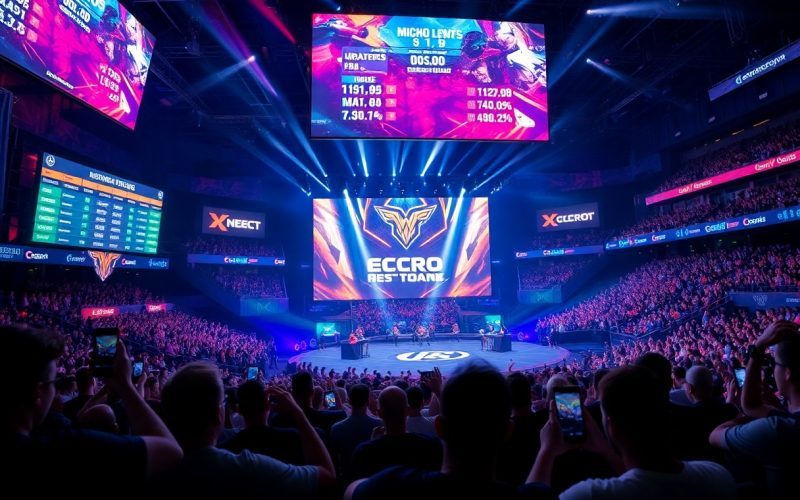
Youth fascination with esports has created a significant platform for wagering, making it an appealing activity for younger audiences. As the digital age progresses, traditional forms of gambling adapt to include competitive gaming, drawing in a demographic well-versed in online interactions. This emergence is fueled by factors such as community engagement, accessibility, and the thrill of competition. Understanding this trend provides insight into the evolving landscape of betting and its influence on youth culture.
The Rise of Esports and its Demographics
The booming esports industry has seen an explosive growth trajectory, particularly among younger demographics. Nielsen’s latest reports indicate that 70% of esports fans are aged 18-34, highlighting a distinct prevalence of Gen Z and millennials within the audience. This shift in demographics has made esports not only a lucrative field for engagement but also a prime target for brands and betting platforms looking to capitalize on this enthusiastic and digitally savvy cohort.
Growth in Popularity Among Youth
Younger audiences are driving the surge in esports popularity, with a reported 76% of teens engaging in gaming regularly. The accessibility of online gaming and the rise of streaming platforms have created immersive experiences, making it easier for youth to participate in, watch, and even bet on their favorite games. Events like the League of Legends World Championship draw millions of viewers, solidifying esports as a mainstream entertainment option for this demographic.
Key Games and Platforms Driving Engagement
Titles like League of Legends, Dota 2, and Fortnite dominate the esports landscape, attracting millions of players and viewers. Streaming platforms such as Twitch and YouTube Gaming further amplify engagement, offering users direct access to gameplay, tournaments, and betting opportunities. The combination of competitive gameplay and social interaction creates an ecosystem where fans not only witness the action but actively participate through wagering.
League of Legends consistently tops viewership metrics, with its annual World Championship amassing over 100 million unique viewers in recent years. Fortnite’s explosive growth has redefined audience engagement, reaching beyond traditional gaming by incorporating live events like concerts. Platforms like Twitch allow fans to interact directly with gamers, enhancing community engagement and creating a culture where betting becomes a natural extension of the viewing experience. These key titles and platforms not only fuel the overall growth of esports but also solidify the relationship between gaming and wagering for younger audiences.
The Psychology of Wagering
The dynamics of esports wagering tap into complex psychological factors that drive younger audiences. Elements such as instant gratification, competitiveness, and a desire for social connection create an enticing environment for them. The interplay of excitement, risk-taking, and community support boosts engagement, making it more than just a simple bet but an immersive experience.
Thrill of Competition and Risk
Younger audiences are inherently drawn to competition, with esports providing a digital arena for both casual gamers and dedicated fans. The thrill of wagering amplifies this competitive spirit by introducing financial stakes, heightening the emotional investment. This combination fosters a sense of urgency and excitement, enticing bettors to wager on their favorite teams or players, thereby deepening their connection to the event and the outcome.
Social Influence and Community Engagement
Community dynamics significantly influence wagering behaviors among younger audiences. Social platforms facilitate discussions around upcoming matches, predictions, and betting strategies, enhancing the communal aspect of esports. Peer engagement reinforces betting as a social activity, wherein shared experiences and camaraderie amplify the thrill, making it more appealing. Additionally, platforms like Twitch or Discord host betting-related content, solidifying community bonds while drawing in new participants intrigued by the social aspect of skin betting and predictions.
The Role of Technology in Wagering
Technology has transformed esports wagering, making it more engaging and accessible for younger audiences. Online platforms provide instant access to betting markets, while sophisticated algorithms enhance odds calculation and risk management. Innovations like blockchain improve transparency and security, further appealing to tech-savvy bettors who prioritize trust in their wagering experiences.
Mobile Betting and Accessibility
The rise of mobile betting apps has significantly increased accessibility, allowing users to place wagers anytime and anywhere. This convenience aligns perfectly with the on-the-go lifestyle of younger audiences, who can engage with their favorite esports events seamlessly. Platforms like Betway and FanDuel offer user-friendly interfaces, ensuring that the betting experience is as smooth as possible, driving higher engagement rates.
Live Streaming and In-Game Wagering
Live streaming integrates directly with in-game wagering options, enabling bettors to place bets in real-time as the action unfolds. This dynamic interaction enhances viewer engagement, as audiences are not just spectators but active participants in the unfolding drama of esports competitions. According to a report by Newzoo, approximately 25% of esports viewers have placed live bets, reflecting this trend’s rapid adoption and popularity.
The integration of platforms like Twitch with betting sites creates an immersive experience, enhancing the excitement of live events. Viewers can track match statistics and make quick decisions on bets as they watch, dramatically increasing the thrill of both wagering and viewing. This immediacy, combined with the ability to engage with communities and share insights, fosters a vibrant environment where young audiences feel a part of the action—ultimately leading to a more engaged user base and increased revenue for betting platforms. Additionally, the integration of features like live odds updates and cash-out options further enriches the experience, making every moment actionable for fans.
Regulatory Challenges and Opportunities
The esports wagering landscape faces significant regulatory hurdles that can either stifle innovations or create new markets. As the sector evolves, governments and regulatory bodies are recognizing the need to establish frameworks that ensure fairness, transparency, and consumer protection in this fast-paced environment. While inconsistent laws across regions present challenges, they also open doors for operators to advocate for favorable regulations that can enhance legitimacy and encourage growth in the industry.
Legal Landscape of Esports Betting
The legal framework governing esports betting varies widely across jurisdictions. In the United States, for example, the success of state-level sports betting legalization has paved the way for discussions around esports specifically. Conversely, in Europe, several countries have advanced regulations, providing clearer guidance for operators. Navigating this patchwork of laws is vital for esports betting platforms aiming for sustainability and market penetration.
Age Restrictions and Responsible Gambling Initiatives
Age restrictions are a prominent concern within esports wagering, especially considering the younger demographic it attracts. Various jurisdictions impose strict age limits, often set at 18 or 21, to prevent underage gambling. Initiatives aimed at promoting responsible gambling, including educational campaigns and self-exclusion options, are being increasingly implemented to safeguard vulnerable players and foster a healthier gaming environment.
Age restrictions are vital in protecting young audiences from potential gambling-related harms. Initiatives such as mandatory age verification systems and collaborations with gaming platforms help enforce these regulations. Moreover, operators are encouraged to develop responsible gambling strategies, including tools that allow players to monitor their spending and set deposit limits. Engaging in outreach programs can also educate younger players about risks associated with betting, ultimately promoting safer wagering practices within the gaming community.
Marketing Strategies Targeting Younger Audiences
Marketing strategies aimed at younger audiences in the esports wagering landscape effectively leverage technology and community engagement. Brands are increasingly focusing on immersive experiences that resonate with the aspirations and lifestyle of younger fans, creating tailored campaigns through social media channels and interactive platforms. This approach not only increases brand visibility but also fosters a sense of community and inclusiveness among potential bettors.
Gamification and Interactive Promotions
Gamification in esports wagering transforms the betting experience into an engaging challenge. Events like leaderboards, achievement badges, and in-game rewards entice younger audiences to participate actively. Competitive elements, such as tournaments where users bet against friends for prizes, augment the thrill and drive sustained interest, aligning with the inherent traits of gamers who thrive on competition and mastery.
Influencer Collaborations and Branding
Influencer collaborations have become a pivotal strategy in reaching younger bettors within the esports industry. By partnering with popular streamers and gamers, brands amplify their credibility and engage a dedicated audience. These influencers not only promote betting platforms but also provide unique insight into strategies and tips, enhancing the overall betting experience for fans.
The effectiveness of influencer collaborations stems from the authentic connection these figures have with their audience. Data shows that 49% of consumers depend on influencer recommendations for purchasing decisions, highlighting their impact. Partners like Ninja and Shroud often showcase betting-related content during streams, making the wagering process relatable and accessible. This strategy merges entertainment with promotion, allowing brands to tap into established fan bases while reinforcing their presence in a competitive market.
Future Trends in Esports Wagering
As esports continues to evolve, so will the wagering landscape, driven by technological advancements and shifting consumer preferences. Increased integration of blockchain technology and decentralized finance (DeFi) will likely enhance transparency and security in betting transactions. Additionally, virtual reality (VR) and augmented reality (AR) experiences may revolutionize how users engage with esports betting, making it more immersive and interactive. This evolution will reshape how betting companies attract and retain a youthful demographic, ensuring ongoing growth in this sector.
Emerging Technologies and Their Impact
The rise of emerging technologies is set to redefine the esports wagering experience. Blockchain offers a decentralized approach, promising enhanced security and transparency for bettors while mitigating fraud risks. Similarly, advancements in mobile technology and app development ensure smoother user experiences, appealing to younger audiences accustomed to instant gratification. Platforms incorporating VR and AR innovations can create immersive betting environments that captivate younger fans and transform traditional betting practices.
Potential Market Growth and Consumer Behavior
Market growth in esports wagering is closely tied to evolving consumer behaviors among younger audiences. A study by Newzoo projects that the global esports market will reach $1.8 billion by 2025, with wagering becoming a significant revenue contributor. This demographic is increasingly influenced by social media, peer interactions, and influencer endorsements, shaping their betting habits and preferences. The willingness to engage with platforms that offer gamified experiences or interactive betting options reflects a shift towards more engaging, community-oriented wagering experiences.
Understanding the potential market growth and consumer behavior in esports wagering emphasizes the importance of adaptability in strategies. Younger audiences show a strong preference for platforms that offer innovative features, such as live betting and in-game wagering, driven by a desire for engagement during live events. The increased accessibility of esports, with mobile devices playing a central role, amplifies this trend. As betting companies capitalize on these shifts, developing personalized experiences and integrating social features will be vital to capture and retain this evolving demographic, ultimately boosting market potential.
Conclusion
Ultimately, Esports wagering captivates younger audiences through its seamless integration with gaming culture, offering a blend of excitement and social engagement. The accessibility of online platforms, coupled with the familiarity of digital environments, enhances the appeal of betting on competitive matches. Additionally, the interactive nature of Esports allows fans to feel more connected to the action, amplifying their involvement. This alignment with the interests and lifestyles of younger demographics positions Esports wagering as a vibrant and engaging pastime, reflecting broader trends in entertainment and digital interaction.