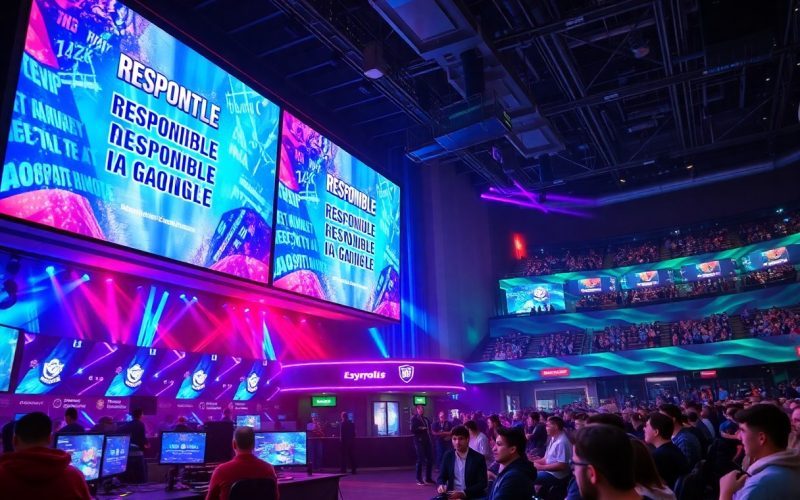
Many professionals in sports recognize the vital responsibility of tournament organisers in maintaining integrity. Their role encompasses enforcing rules, monitoring player behavior, and implementing measures to prevent cheating, ensuring a fair competition environment for all participants.
The Landscape of Competitive Integrity
Defining integrity in the modern sporting and esports ecosystem
Integrity encompasses honesty, fairness, and adherence to ethical standards in sports and esports. As competition intensifies, maintaining integrity ensures that the outcomes reflect true skill and effort rather than manipulation or deceit. It involves a collective commitment from organizations, players, and fans to uphold the highest standards of conduct.
Modern integrity also addresses new challenges arising from technology and data accessibility. Issues such as match-fixing, doping, and the use of performance-enhancing tools have prompted stakeholders to implement stringent measures to combat unethical behavior. This evolving definition illustrates the dynamic nature of integrity in competitive environments.
Historical evolution of cheating and competitive manipulation
Cheating has a long history, with instances recorded in ancient Greece during the Olympic Games. Throughout the years, methods have evolved from simple bribes to sophisticated techniques involving technology and social engineering. Each new advancement in competition has been met with its own forms of manipulation.
Emerging in the 20th century, organized crime began to infiltrate sports, leading to systemic corruption and scandal. With the rise of esports, new forms of cheating have emerged, combining traditional tactics with digital innovations. This historical context underscores the persistent challenge of maintaining integrity within competitive settings.
The impact of integrity breaches on brand value and fan trust
Integrity breaches can severely undermine brand value, resulting in tangible financial losses for organizations. Fans expect transparency and fairness, and when those standards are violated, the trust built over years can erode almost overnight. Fans may boycott corrupt organizations, leading to decreased revenue from sponsorships and viewership.
Branding in sports and esports heavily relies on loyalty and community. A loss of trust impacts not only immediate revenue but also long-term relationships with fans and partners. Restoring this trust requires consistent effort, transparency, and renewed commitment to integrity-related initiatives.
The role of tournament organisers in integrity enforcement
International anti-corruption standards and treaty compliance
Compliance with international anti-corruption standards is imperative for tournament organizers. These standards, often shaped by treaties, provide a framework guiding the ethical conduct of sporting events, ensuring integrity is maintained throughout competitions.
Failing to adhere to these treaties can lead to significant consequences, including reputational damage and legal ramifications. Organizers must regularly assess their practices against these evolving standards to mitigate risks associated with corruption.
Contractual obligations between organizers and participants
Contractual agreements serve as a fundamental tool in maintaining integrity between tournament organizers and participants. These contracts explicitly outline expectations, responsibilities, and consequences for violations, establishing a clear framework for ethical behavior.
Ensuring participants understand these obligations prevents misunderstandings and promotes accountability. By mandating compliance with integrity standards, organizers can proactively safeguard the integrity of the competition.
Navigating jurisdictional challenges in global competitions
Jurisdictional challenges often complicate tournament integrity efforts, particularly in global competitions. Varying laws and regulations across different countries can hinder standardization in enforcement practices, making it difficult to address violations uniformly.
Addressing these challenges requires careful consideration and collaboration among stakeholders to align objectives and strategies. Organizers must create clear guidelines while respecting diverse legal frameworks to reinforce integrity across international events.
The role of tournament organisers in integrity enforcement
Implementation of kernel-level and server-side detection
Kernel-level detection systems operate at the core of the operating system, allowing for deeper scanning of processes to detect cheats that might bypass traditional methods. Server-side detection adds another layer by monitoring player behavior and game integrity in real-time, ensuring that any unusual activity is flagged and reviewed promptly.
Both methods work in tandem to create a more comprehensive security framework. While kernel-level detection eliminates cheats at the source, server-side detection provides ongoing oversight, allowing tournament organizers to respond swiftly to potential integrity breaches.
Hardware authentication and peripheral verification protocols
Hardware authentication involves verifying the integrity of physical devices used by players, ensuring that they haven’t been tampered with. This process includes confirming the authenticity of peripherals to prevent the use of modified equipment that could give a player an unfair advantage.
Protocols established for peripheral verification can involve proprietary software solutions that check for authorized devices before a match. These measures deter potential cheaters who might rely on unauthorized gear to disrupt competitive fairness.
Adopting strict hardware authentication protocols ensures that all participants compete under the same baseline conditions. By verifying every controller, mouse, and keyboard used, tournament organizers can mitigate risks associated with device-based cheating, creating a fair match environment.
Utilizing artificial intelligence for identifying anomalous play patterns
Artificial intelligence algorithms analyze extensive data sets to pinpoint irregularities in gameplay behaviors. These anomalies can indicate potential cheating, as AI systems can differentiate between normal player variability and suspicious patterns that suggest foul play.
Employing AI technologies allows for more efficient monitoring during tournaments. As algorithms continuously learn from vast amounts of data, they improve their ability to detect cheats without burdening tournament organizers with extensive manual analysis.
AI’s capability to recognize and interpret complex play patterns significantly enhances tournament integrity efforts. With its application, organizers can proactively address cheating, ensuring a fair and competitive environment for all participants.
The role of tournament organisers in integrity enforcement
Real-time match observation and telemetry data analysis
Real-time match observation allows tournament organisers to track gameplay dynamics closely, identifying abnormal patterns that could indicate manipulation. Utilizing telemetry data analysis enhances this process, providing insights into player behavior, movement, and decision-making trends to flag discrepancies effectively.
Monitoring tools analyze data streams in real-time, offering immediate alerts for potential integrity breaches. Collaborations with analysts and technologies ensure a sharp focus on maintaining the authenticity of competition.
Betting market monitoring and suspicious activity reporting
Betting market monitoring involves scrutinizing wagering trends for unusual betting patterns that can indicate corruption. This vigilance helps authorities identify potential match-fixing or insider trading, prompting further investigation into flagged activities.
Systems are established for reporting suspicious activities, facilitating swift communication between betting operators and tournament organisers. Proper reporting mechanisms are integral to maintaining integrity in the betting ecosystem.
Collaboration among betting operators, tournament organisers, and regulatory bodies is vital in responding to suspicious behavior. This joint effort creates a comprehensive network that effectively deters fraudulent practices and promotes transparency.
On-site venue security and official referee oversight
On-site venue security ensures safe play environments, monitoring entry points and controlling access to sensitive areas. Official referees play a pivotal role in enforcing rules and addressing anomalies during matches to prevent integrity breaches.
Regular training for referees emphasizes the importance of vigilance while managing matches. Tight coordination between security personnel and officiating staff strengthens the overall integrity framework during tournaments.
The Investigation Process
Standardized procedures for forensic evidence collection
Establishing uniform protocols for collecting forensic evidence is vital for maintaining integrity in tournaments. Such procedures ensure that all evidence is gathered systematically, minimizing the risk of contamination or tampering.
Standard practices also facilitate easier cross-examination during investigations. By adhering to set guidelines, tournament organisers can promote consistency in how evidence is collected and preserved.
Whistleblower protections and confidential reporting channels
Implementing protections for whistleblowers encourages individuals to report unethical behavior without fear of retaliation. Confidential reporting channels must be accessible to ensure that participants feel safe when disclosing information.
Anonymous options can further enhance transparency in the investigation process. Providing assurance that their identities will remain protected fosters trust among all stakeholders involved.
Transparent and confidential reporting mechanisms play a pivotal role in gathering crucial information related to integrity violations. When participants recognize that their reports will be handled discreetly, they’re more likely to come forward, enriching the data available for investigations.
Maintaining the chain of custody for digital and physical evidence
Preserving the chain of custody for both digital and physical evidence is fundamental to the integrity of any investigation. Proper documentation of custody transitions ensures that evidence remains unaltered from collection to analysis.
Implementing strict logging systems allows for tracking who handled the evidence at every stage. This level of accountability supports the validity of findings during the review process.
A well-maintained chain of custody prevents challenges to the admissibility of evidence in any subsequent proceedings. Effective record-keeping and communication among all parties involved help guarantee that evidence remains intact and trustworthy throughout investigations.
Disciplinary Procedures and Sanctions
The principle of proportionality in punitive measures
Disciplinary actions must align with the severity of the infraction. Proportionality ensures that sanctions reflect not only the act committed but also intent, impact, and recurrence. By tailoring penalties, tournament organisers uphold fairness and encourage compliance with integrity standards.
Unjustly harsh measures can lead to resentment and disengagement from participants. Balancing the severity of the offense with corresponding penalties fosters a sense of justice, reinforcing the integrity framework within tournaments.
Ensuring due process: Appeals, hearings, and representation
Due process safeguards the rights of all individuals involved in disciplinary proceedings. This process allows affected parties to present their case through hearings, ensuring a comprehensive examination of evidence and context. Access to legal representation further supports fairness, creating a balanced environment for all stakeholders.
Proper procedures enhance trust in the disciplinary system, promoting transparency and accountability. Each party should have the opportunity to challenge decisions and present their perspective, bolstering the legitimacy of outcomes while enhancing the integrity of the tournament as a whole.
Comprehensive due process mechanisms are important for maintaining trust in tournament integrity. Accessible avenues for appeal help participants feel secure in the knowledge that their rights are protected. An emphasis on fair hearings and proper representation creates an environment where all voices are heard, ultimately reinforcing the tournament’s commitment to just practices.
Transparency and the public communication of rulings
Effective communication of disciplinary rulings is fundamental to establishing trust. Transparency in the decision-making process mitigates speculation and misinformation. By publicly sharing outcomes and reasons, tournament organisers demonstrate accountability and reinforce adherence to integrity norms.
Timely and clear announcements about rulings, along with detailed explanations, help maintain engagement among participants and spectators alike. Such openness not only legitimizes penalties but also cultivates a culture of respect and ethical behavior in competitive environments.

The role of tournament organisers in integrity enforcement
Identifying indicators of coercion and external bribery
Recognizing signs of coercion and bribery is necessary for tournament organisers. Behavioral changes among players, such as sudden performance drops or unusual betting patterns, often signal external influence. Training staff to be attuned to these indicators enhances the capacity to intervene proactively.
Regular communication with players contributes to a culture of transparency. Encouraging open dialogue helps identify potential threats before they escalate. By establishing clear reporting mechanisms, organisers can create a safer environment for all participants involved.
Strategic partnerships with global gambling commissions
Forming alliances with global gambling commissions strengthens integrity frameworks in competitions. These partnerships provide access to data and resources that aid in identifying suspicious activities and trends. Enhanced oversight from recognized authorities boosts credibility and can deter misconduct.
Tournament organisers benefit from shared knowledge on regulatory practices, which helps in crafting comprehensive anti-fraud policies. Aligning with these commissions fosters trust and cooperation among various stakeholders in the gaming industry.
Financial auditing and transparency in prize pool distributions
Implementing rigorous financial auditing ensures that prize pools are distributed fairly and transparently. Detailed records of transactions and clear budgeting processes instill confidence among participants and stakeholders. Maintaining transparency reduces the potential for financial manipulation.
Involving independent auditors can further verify the integrity of prize distribution. This practice not only helps in maintaining public trust but also serves as a deterrent against illicit activities related to financial misconduct.
The role of tournament organisers in integrity enforcement
Establishing prohibited substance lists and testing windows
Tournament organisers play a pivotal role in defining prohibited substance lists, which are critical for maintaining a level playing field. Collaborating with anti-doping agencies ensures that these lists remain current, reflecting the latest research and trends in performance enhancement.
Testing windows, similarly, are established based on competition schedules and the latest data regarding substance metabolism. By strategically planning these windows, organisers can deter athletes from attempting to evade detection, reinforcing the integrity of the sport.
Addressing the rise of cognitive enhancers and “smart drugs”
The emergence of cognitive enhancers, commonly referred to as “smart drugs,” poses new challenges for tournament organisers. These substances, often marketed for their potential to improve focus and cognitive functioning, can provide athletes with unfair advantages.
Awareness and education about the risks and implications of such drugs are crucial. Monitoring and research must keep pace with the rapid development of these enhancers to adapt regulations accordingly.
As athletes increasingly turn to cognitive enhancers, organisers must implement strict guidelines that include testing protocols specifically designed for these substances. Awareness campaigns targeting athletes may also help dissuade their use, creating a culture of integrity within the sport.
Standardization of health and wellness regulations across regions
Standardization of health and wellness regulations is necessary to ensure that athletes across various regions are subject to the same rules regarding performance enhancement. This approach minimizes discrepancies that could otherwise lead to unfair advantages based on geographical location.
By aligning regulations, tournament organisers can create a unified front against doping and health discrepancies, strengthening the overall integrity of competitions worldwide.
Establishing a standardized framework for health regulations can facilitate a more equitable environment. This consistency aids in preventing athletes from exploiting regulatory gaps and encourages fair competition regardless of venue or jurisdiction.
The role of tournament organisers in integrity enforcement
Ownership transparency and multi-team affiliation risks
Transparency in ownership structures is important for preventing conflicts of interest within tournament settings. Issues arise when teams under the same ownership compete, potentially compromising game integrity. A clear disclosure of ownership helps to mitigate these risks, enabling stakeholders to assess potential biases accurately.
Multi-team affiliations can lead to scenarios where the integrity of the competition is questioned. Tournament organisers must implement strict policies to address these affiliations, ensuring that competing interests do not influence the outcomes of matches, thereby maintaining fair play standards.
Ethical guidelines for tournament staff and match officials
Establishing ethical guidelines is imperative for tournament staff and match officials to uphold integrity. Clear codes of conduct help prevent bribery, discrimination, and other unethical behaviors that could tarnish a tournament’s reputation. Regular training sessions on ethical practices can reinforce these standards.
By fostering an environment that prioritizes ethical behavior, tournament organisers can promote accountability and transparency among staff. Adherence to these guidelines ensures that all participants are treated fairly and uniformly, enhancing the overall integrity of the competition.
Structural separation of commercial and regulatory functions
A clear separation between commercial interests and regulatory functions is necessary for enforcing competition integrity. This structural division minimizes the potential for conflicts that may arise when financial incentives overshadow regulatory duties. Tournament organisers must ensure that decision-making authority is distinctly allocated to maintain impartial oversight.
Implementing this separation safeguards the regulatory body from external pressures, allowing it to function independently. Without such delineation, the integrity of tournaments could be compromised, resulting in a loss of trust from participants and fans alike.
Collaborative Governance and Industry Coalitions
The role of integrity commissions and independent bodies
Integrity commissions play a pivotal role in upholding standards within tournaments. By monitoring compliance and investigating violations, these bodies ensure transparency and accountability among participants and organizers alike.
Independent bodies also offer impartial oversight, often integrating best practices from various stakeholders. Their unbiased reports and recommendations can help shape policies that promote ethical behavior in competitive environments.
Data sharing agreements and the reciprocity of bans
Establishing data sharing agreements can enhance enforcement capabilities across tournaments. By pooling information regarding infractions, organizations can act swiftly against offenders and minimize loopholes.
Reciprocity in banning practices allows organizations to protect their integrity collaboratively. When one entity imposes a ban, others can enforce similar measures, creating a unified front against misconduct.
With effective data sharing in place, a comprehensive network develops, enabling tournament organizers to stay ahead of potential threats. Well-coordinated efforts ensure that banned individuals face consequences across multiple platforms, minimizing the risk of repeat offenses.
Liaising with law enforcement and governmental agencies
Collaboration with law enforcement enhances the enforcement of integrity measures. Agencies bring expertise and resources that can strengthen investigations into fraudulent activities.
Governmental agencies provide legal frameworks and accountability channels imperative to maintaining tournament standards. Their involvement can also facilitate smoother operations when addressing serious violations.
Engaging with law enforcement creates an association that extends beyond the tournament environment. This partnership equips organizers with critical insights and support, ensuring a comprehensive approach to integrity enforcement across the board.
Crisis Management and Communication Strategies
Public relations protocols during high-profile scandals
Outlining clear public relations protocols is vital in managing reputational damage during scandals. A well-prepared communication strategy should include timely updates, honest disclosures, and a unified messaging approach across all platforms. Transparency in operations reassures stakeholders that the organization is addressing the situation proactively.
Engaging credible spokespersons to handle media inquiries can help to control the narrative. Prioritizing accurate information dissemination minimizes speculation and builds trust with the public, demonstrating that tournament organizers take integrity seriously.
Maintaining sponsor and stakeholder confidence during breaches
Securing sponsor and stakeholder confidence requires transparency and proactive measures during breaches. Immediate communication outlining steps taken to address the issue is key. By illustrating a commitment to integrity, organizers can mitigate potential fallout and reassure partners of their continuing value.
Establishing a dedicated task force to address concerns and monitor developments can further enhance confidence levels. Regular updates showing progress in reform efforts foster a sense of partnership and reliability among stakeholders.
Maintaining sponsor and stakeholder confidence during breaches also involves tailored outreach initiatives. Engaging directly with sponsors through personalized communications ensures they feel valued and informed. Including them in discussions on reform measures provides a collaborative atmosphere, reinforcing trust in the organization’s dedication to integrity.
Community engagement and the restoration of competitive trust
Effective community engagement is paramount for restoring competitive trust after integrity breaches. Initiatives like town hall meetings or forums allow stakeholders to voice concerns and hear directly from tournament organizers. These open discussions cultivate a sense of inclusiveness, facilitating collective healing.
Implementing educational programs centered on integrity encourages a culture of accountability within the community. Showcasing stories of integrity and resilience reinforces the message that breaches, while damaging, do not define the competitive spirit of the sport.
Community engagement and the restoration of competitive trust can also benefit from regular integrity workshops that promote standards and ethics. Encouraging grassroots involvement through volunteer opportunities cultivates a stronger community bond and fosters personal investment in the organization’s integrity efforts.
The role of tournament organisers in integrity enforcement
Mandatory onboarding workshops for professional athletes
Mandatory onboarding workshops set the tone for professionalism and accountability among athletes. Through these sessions, participants receive imperative training on rules, regulations, and expectations regarding integrity in competition.
Workshops not only provide information on integrity issues, but also create a platform for open discussions. Athletes are encouraged to share their thoughts and concerns, which helps build a community focused on ethical conduct.
Cultivating a culture of sportsmanship and ethical competition
Cultivating a culture of sportsmanship within competitive environments promotes respect and fairness. Tournament organisers play a pivotal role by implementing policies that reward ethical behavior.
Encouraging athletes to uphold these values helps create an atmosphere where integrity is the standard. Celebrating positive role models within the sport reinforces the importance of playing fair and respecting opponents.
Building this culture requires consistent efforts from organisers, athletes, and coaches alike. By promoting policies and practices that prioritize ethical competition, stakeholders can inspire a shift in attitudes that transcends individual events, establishing a long-lasting legacy of sportsmanship.
Grassroots initiatives for integrity awareness in amateur tiers
Grassroots initiatives aim to instill integrity awareness among amateur athletes. By targeting younger participants, these programs can shape the mindset of future competitors.
Workshops, interactive sessions, and community events provide foundational education on sportsmanship and ethical behavior. Engaging with amateur athletes early ensures that integrity becomes ingrained in their competitive spirit.
These initiatives not only focus on educating participants but also involve coaches and parents, creating a holistic approach to promoting integrity in sports. The outreach fosters a community that values ethical competition, making it more likely to sustain moral practices as these athletes progress in their careers.
The role of tournament organisers in integrity enforcement
The risks of deepfakes and advanced AI-driven manipulation
Concerns over deepfakes and AI-driven manipulation are escalating in competitive environments. As technology advances, the potential for creating indistinguishable fake content increases, posing serious threats to tournament integrity.
- False evidence in match-fixing allegations
- Manipulated video footage affecting reputations
- Compromised player endorsements and sponsorships
| Threat | Consequences |
| Deepfakes | Deceitful match outcomes |
| AI-generated misinformation | Erosion of trust in competition |
Integrity enforcement in decentralized and metaverse competitions
Decentralized platforms and metaverse environments introduce unique challenges for integrity enforcement. Without centralized authority, monitoring player behavior and ensuring fair play becomes complex and fragmented.
Technological innovations in these spaces require tournament organizers to adopt new strategies for maintaining integrity. Collaborating with blockchain experts can aid in creating transparent systems that deter malpractice and promote accountability among participants.
Evolving methods of social engineering in match-fixing schemes
Social engineering tactics are becoming increasingly sophisticated in match-fixing schemes. Manipulators exploit relationships, trust, and personal connections to coerce players into compromising situations.
Psychological manipulation often involves leveraging insider knowledge and offering incentives that compromise an athlete’s integrity. Recognizing these tactics is crucial for organizers to protect competitions and ensure fairness.
Summing up
Presently, tournament organisers serve as the frontline defenders of integrity within competitive events. Their responsibilities include implementing strict codes of conduct, overseeing player behavior, and coordinating with regulatory bodies to ensure compliance with established guidelines. By establishing transparent processes, they deter malpractice and cultivate a culture of trust among participants.
Effective integrity enforcement demands collaboration between organisers, players, and officials. Continuous education on the importance of fair play and ethics enhances awareness and accountability. With increased vigilance and commitment, tournament organisers contribute significantly to upholding standards and fostering an environment where competition remains fair and just.
Q: What are the main responsibilities of tournament organisers in maintaining integrity?
A: Tournament organisers are responsible for establishing and enforcing rules that promote fair play. They ensure that all participants understand the regulations and guidelines governing the event. Additionally, organisers oversee the implementation of anti-cheating measures and conduct regular audits to uphold accountability. Promptly addressing any allegations of misconduct is a key duty.
Q: How do tournament organisers implement anti-cheating measures?
A: Organisers employ a variety of strategies to prevent cheating. Common practices include using technology to monitor gameplay, establishing secure environments for events, and conducting pre-tournament checks on equipment. Training staff and participants on identifying cheating behaviors plays an crucial role as well.
Q: In what ways do tournament organisers collaborate with governing bodies for integrity enforcement?
A: Organisers work closely with governing bodies to align their integrity standards with larger frameworks. This collaboration involves sharing data on participant behavior and breaches. Organisers also participate in developing educational programs aimed at promoting integrity across the community, ensuring consistency in enforcement efforts.