Streaming restrictions impact how fans engage with official esports matches. Various regulations limit unauthorized broadcasts and ensure that licensed platforms maintain exclusive rights. Understanding these rules is important for both viewers and content creators within the esports community.
The Evolution of Media Rights in Esports
From grassroots community streams to professional broadcast standards
Community streams played a pivotal role in the early days of esports, allowing gamers to share their skills and build audiences. As demand for esports grew, so did the quality and professionalism of broadcasts, leading to a shift towards structured media rights agreements.
Professional organizations began to recognize the potential of esports as a marketable commodity, prompting the development of streaming platforms like Twitch. This transition not only elevated production values but also established expectations around broadcasting standards.
Historical precedents in traditional sports media licensing
Traditional sports have long operated under strict media rights agreements, often shaped by lucrative contracts. Events such as the NFL and the Olympics established benchmarks for exclusivity and financial compensation that new esports entities aim to replicate.
Historical bases in conventional sports have guided esports in structuring their media rights. Teams and organizers look to those precedents while negotiating rights, knowing that established practices can create more predictable revenue streams.
The transition from open-access viewing to structured distribution models
Open-access viewing characterized early esports broadcasts, where fans enjoyed free access to streams. This model, however, became unsustainable as demand surged, prompting a shift towards exclusive partnerships and subscription-based platforms.
Structured distribution models, resembling traditional sports networks, emerged around this time, introducing subscription fees and pay-per-view options. These models allowed for better revenue generation and more investment in high-quality content creation.
Intellectual Property and Game Ownership
The unique legal status of game publishers as primary IP holders
Game publishers hold significant power over their intellectual property, often dictating how their games can be used and distributed. This authority includes control over licensing and distribution rights, which becomes especially relevant during official esports matches.
Publishers protect their IP by enforcing strict rules regarding the use and broadcast of their games. Such regulations ensure that tournaments and streams respect the property rights and creative vision behind the games, impacting what content is legally permissible during live events.
Understanding End-User License Agreements (EULA) and broadcast permissions
End-User License Agreements (EULA) outline the rights and restrictions for players using a game. Usually, the EULA specifies what players can or cannot do, directly influencing broadcasting rights during tournaments.
Breach of EULA terms can result in penalties or legal action against players, teams, or organizations that stream or distribute content without proper permissions. Understanding these agreements is critical for anyone involved in esports, ensuring compliance and protection against potential lawsuits.
Granting permissions for broadcasting is often limited within EULAs. Players and teams must scrutinize these agreements to ascertain whether the rights for streaming are included. Many publishers require special licenses for tournaments, particularly those with financial stakes or significant viewership, complicating the legal landscape for participants.
The legal distinction between playing a game and broadcasting a tournament
Playing a game typically falls under personal use rights granted by the EULA, whereas broadcasting transforms this into a commercial activity requiring additional permissions. Without the necessary rights, tournament organizers can face significant legal repercussions for unauthorized broadcasts.
Legal definitions of broadcasting often categorize it as a public performance, drawing a stark line between casual play and organized competition viewed by large audiences. This distinction requires careful adherence to copyright laws and appropriate licensing to avoid infringing upon the publishers’ IP rights.
Understanding this distinction is vital for teams and organizers seeking to showcase their events. Incorrect assumptions about personal use can lead to serious legal challenges, making it imperative to secure the right broadcasts and permissions in advance.

The Role of Tournament Organizers (TOs)
Defining the operational mandates of ESL, PGL, and BLAST
Each tournament organizer operates under specific guidelines that shape their events. ESL focuses on community engagement and competitive integrity, offering platforms for both amateur and professional play. PGL, on the other hand, emphasizes innovative formats and viewer experience, often incorporating cutting-edge technology to enhance broadcasts.
BLAST prioritizes high production values and unique tournament formats, drawing in large audiences through engaging narratives and entertainment. These mandates represent distinct approaches, yet all aim to provide a thrilling experience for both players and fans.
Contractual obligations between game publishers and independent organizers
Game publishers often impose specific contractual conditions on independent organizers to maintain brand integrity and control over competitive landscapes. These agreements dictate how games are presented and streamed during tournaments, ensuring that the publishers’ visions and standards are upheld.
Restrictions commonly include approval processes for broadcasts, limitations on promotional content, and stipulations regarding merchandise. Such measures protect the integrity of the game while aligning the interests of publishers with those of the organizers.
Monitoring compliance with these obligations becomes necessary for organizers. Any deviation can lead to penalties or loss of access to critical game content, which can significantly impact the event’s success and the organizers’ reputations.
Managing production overhead through exclusive media asset control
Exclusive media asset control allows TOs to optimize production costs while maximizing revenue streams. By holding rights to specific media assets, organizations can negotiate better deals with sponsors and broadcasters, limiting competition for viewership.
This approach provides TOs with the flexibility to manage their budgets effectively, ensuring that they allocate resources toward high-quality production processes and marketing initiatives. Streamlining operations through exclusive content also enhances viewer experiences by offering unique angles, highlights, and analysis unavailable elsewhere.
Emphasizing exclusive media control creates opportunities for better partnerships with networks and platforms. Such strategic positioning leads to tailored content that resonates with target audiences, boosting overall engagement and viewership during official esports matches.
Broadcasting Rights and Exclusive Deals
The mechanics of multi-million dollar platform exclusivity contracts
Many esports events now operate under exclusive broadcasting contracts that often reach millions in value. These deals primarily grant a single platform the rights to stream specific tournaments, limiting access on competing services. Such exclusivity can create intense competition among platforms to secure the most popular titles and events.
Negotiations involve complex arrangements, including revenue sharing models and promotional commitments. The strategic positioning of certain platforms can also enhance their brand visibility within the gaming community, making these contracts a significant investment in both viewership and market presence.
Tiered rights structures: Primary language versus secondary language broadcasts
Broadcasting rights often feature tiered structures that prioritize primary languages for major audiences. Secondary language broadcasts may receive a different level of support, leading to inconsistent access for non-primary speakers. This structure aims to maximize viewer engagement while managing costs for broadcasting platforms.
In regions with diverse languages, the tiered approach can limit the availability of high-quality streams for fans not fluent in the primary language. Consequently, this disparity can affect overall viewership numbers and sponsors’ interest in certain markets.
The impact of linear television partnerships on digital streaming availability
Linear television partnerships can significantly restrict digital streaming options during esports events. When networks gain exclusive rights, they often prioritize traditional broadcasts, reducing simultaneous digital coverage. This decision typically aims to boost television ratings, which can unexpectedly alienate online audiences.
Partnerships with linear television networks create an environment where online platforms may receive fewer broadcasting privileges. When these deals are struck, digital streaming services must balance contract obligations with viewer demand, often leading to dissatisfaction for esports fans who prefer online access.
Community Casting and Co-Streaming Policies
Qualification criteria for approved “Costreamers” and industry influencers
Approved “Costreamers” must meet specific criteria set by the game developers and tournament organizers. Typically, these include a minimum follower count on streaming platforms and a demonstrated history of quality content creation related to esports.
Application processes often require submission of past broadcasts and proof of active community engagement. This ensures that selected streamers contribute positively to the event’s atmosphere while promoting the game effectively.
Strict guidelines for non-commercial community-led broadcasts
Non-commercial broadcasts come with strict guidelines to maintain the event’s integrity. Broadcasters are limited to the audio-visual material provided by the tournament organizers and cannot monetize the streams.
Compliance with these guidelines is necessary for community-led broadcasts, helping to create a uniform viewer experience while protecting the rights of the original content creators.
Referencing official broadcasts ensures that fans have a consistent viewing experience. Unauthorized clips and highlights from the match cannot be included, reinforcing respect for intellectual property and brand cohesion.
Prohibitions on independent overlays, personal sponsors, and third-party branding
Independent overlays and personal sponsorships are strictly prohibited during approved co-streams. This applies to any form of branding that does not align with the organization’s sponsorship agreements.
Maintaining a clean visual presentation helps avoid confusion among viewers while preserving the event’s curated branding and sponsorship impact.
Exclusions on third-party logos and personal promotions ensure that the broadcast remains true to the event’s identity. This policy is crucial for maintaining the event’s professionalism and ensuring that brand partnerships are preserved.
Technical Barriers: Delay Requirements and Clean Feeds
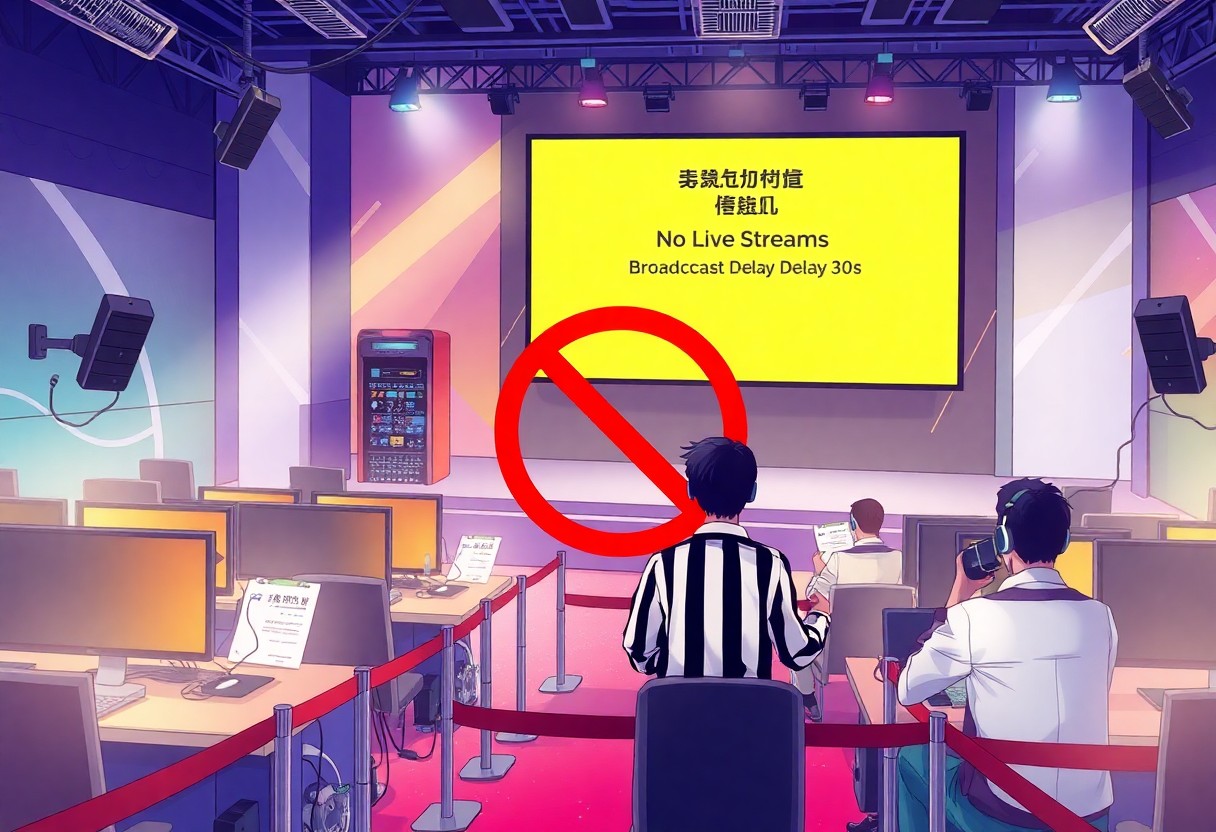
Implementing mandatory broadcast delays to prevent competitive advantages
Mandatory broadcast delays are important in esports to ensure that no player gains an unfair edge. These delays help mitigate the risk of teams or spectators receiving real-time information that could affect gameplay outcomes. Events often involve a delay ranging from a few seconds to several minutes, allowing for strategic fairness across all competitive participants.
Institutions overseeing esports competitions enforce these delays as a common practice. By standardizing delay times, tournament organizers create a level playing field, preventing potential disruptions from viewers sharing match information or strategies. Ensuring compliance helps maintain the integrity of the competition.
The utilization of “Clean Feeds” for international distribution and localization
Utilizing “Clean Feeds” streamlines the international broadcast process by delivering unaltered game footage without overlays or extraneous elements. This approach facilitates localization for various regions, allowing broadcasters to add custom graphics and commentary tailored to their audiences. Enhanced viewer experiences often result from effective localization, increasing the appeal of esports events globally.
Implementing clean feeds also simplifies the technical aspects of international broadcasting. This adaptability allows different networks to inject their graphics and commentary without the complications of managing layers or multiple inputs. Broadcasters can maintain brand consistency while providing culturally relevant content, driving broader engagement.
Security protocols designed to prevent unauthorized signal hijacking
Security protocols implement stringent measures to safeguard broadcast signals from potential hijacking. Techniques such as encryption and secure access controls play a key role in protecting the integrity of the stream. By preventing unauthorized access, these measures maintain the trust of participants and viewers alike.
Enforcing robust security protocols is paramount in esports, as the stakes continue to rise. Unauthorized signal hijacking not only disrupts the viewing experience but can also lead to potential financial losses for organizers and sponsors. Ensuring secure transmissions solidifies the tournament’s integrity and promotes a fair competition environment.
Commercial Interests: Sponsorships and Ad Revenue
Protecting “Category Exclusivity” for official tournament partners
Exclusive sponsorship agreements are critical for event organizers, creating a competitive advantage for their commercial partners. Streaming restrictions serve to maintain these agreements, ensuring that only designated sponsors receive visibility during matches.
This exclusivity not only protects the monetary investment of sponsors but also enhances their branding through sustained exposure. Event partners expect that their logos and products are prominently featured, reinforcing investment in marketing effectiveness.
Revenue sharing models between streaming platforms and event organizers
Revenue sharing agreements are fundamental in establishing a fair distribution of income from sponsorships and advertising. These models often dictate how funds are allocated between streaming platforms and event organizers, influencing financial outcomes for both parties.
Contracts can vary widely, with percentages designated for each stakeholder based on audience reach and viewership metrics. Transparent revenue sharing fosters trust and cooperation, crucial for long-term partnerships.
Expanding on revenue sharing models, traditional arrangements can involve fixed percentages or performance-based incentives. For instance, if a streaming platform experiences higher viewership, an escalated rate may come into play, rewarding both parties for increased engagement. Flexibility within these models can drive innovation and ensure ongoing profitability.
Mitigating conflicts between personal streamer sponsors and event-wide partners
Sponsorship conflicts arise when personal streamers have deals that clash with event-wide partnerships. Restrictions help streamline messaging and brand presence during important matches, minimizing confusion for viewers.
Balancing personal affiliations with overarching sponsorships is vital for event integrity. Clear guidelines outline acceptable promotional activities, establishing a framework for streamers to operate without jeopardizing major sponsorship agreements.
Further clarifying these conflicts, effective communication between streamers and organizers is important. Both parties can discuss potential overlaps before events occur, ensuring that personal sponsorships do not overshadow or dilute the impact of official partnerships. This approach preserves brand value for all involved.
The Impact of Platform Competition
Strategic bidding wars between Twitch, YouTube Gaming, and Kick
Twitch, YouTube Gaming, and Kick have ignited intense competition through strategic bidding wars for popular esports content. Each platform aims to secure exclusive rights to live broadcasts, luring top streamers with lucrative contracts and promises of higher visibility.
This rivalry not only affects streamer earnings but also shapes audience preferences, as fans often follow their favorite creators across platforms. Successful bids can significantly alter the esports viewing experience, affecting where and how audiences engage with matches.
Platform-specific features: Drops, extensions, and integrated betting modules
Unique features offered by each platform enhance user engagement during esports events. Drops, for instance, incentivize viewership by rewarding fans with in-game items or bonuses, while extensions allow for interactive experiences that deepen spectator involvement.
Integrated betting modules further distinguish platforms from one another, catering to audiences eager to place wagers in real time. These features create immersive environments that not only attract viewers but also keep them coming back for more, ensuring greater retention rates.
Platform-specific advantages like Drops and interactive features help platforms retain and grow their audiences. As fans engage with in-game rewards and real-time interactions during matches, their investment in the streaming experience increases, further entrenching their loyalty to specific services.
How platform exclusivity affects total viewership metrics and audience reach
Exclusivity deals can dramatically impact viewership metrics, often leading to a fragmented audience across multiple platforms. When high-profile matches are locked to one service, reach shrinks and can alienate fans who may not switch platforms for a single event.
This split can cause fluctuations in total viewership numbers, as competitive audiences may be divided between different streaming companies, ultimately affecting sponsorship and advertising opportunities that rely on broad reach.
Exclusivity has a pronounced effect on total viewership metrics, impacting how many people can access and engage with esports matches. Platforms that hold exclusive rights may see spikes during key events, but this can lead to long-term challenges in audience retention as fans seek broader access to their favorite content.
Player and Organization Perspectives
The “POV Stream” controversy and its effect on professional circuits
Controversy surrounding POV streams has intensified, drawing attention from fans and stakeholders alike. Many argue that allowing players to stream their perspectives during matches disrupts the competitive integrity of esports events.
Organizations fear that mixed streams could lead to unauthorized information sharing, creating an uneven playing field. Teams increasingly emphasize the need for clear streaming guidelines to protect their interests and uphold the sport’s professionalism.
Team-specific streaming rights and individual player brand management
Allocated streaming rights have become paramount for teams as they seek to manage their brand identity and player visibility. Organizations negotiate these rights carefully to maximize exposure while limiting potential conflicts.
Individual players also thrive under these agreements, as they enhance their personal brands through exclusive content. Balancing team requirements with personal brand aspirations proves important in today’s competitive environment.
Balancing professional integrity with the demand for personal content creation
Striking a balance between professional integrity and players’ desires for personal content remains challenging. Various stakeholders express differing views on how much freedom players should have during tournaments.
Team management often emphasizes the importance of cohesion and strategy over personal streaming opportunities. However, unrestricted access to personal content allows players to nurture their fanbases and highlight their unique identities.
Legal Implications and DMCA Enforcement
The automation of DMCA takedowns during live Tier-1 events
Automation has transformed how DMCA takedowns are executed during high-profile esports tournaments. With sophisticated algorithms tracking unauthorized streams, content owners can swiftly identify and eliminate infringing broadcasts, often in real-time. This rapid response minimizes potential revenue loss and preserves the integrity of official match streams.
Automated systems flag content based on set parameters, triggering immediate takedown notices to platforms hosting the streams. This efficiency, while effective, raises questions about the balance between protecting intellectual property and ensuring fair use in the competitive gaming space.
Legal consequences for repeat offenders and unauthorized “re-streamers”
Repeat offenders face escalating legal consequences for unauthorized streaming during esports events. Actions can include severe fines and potential legal action from rights holders aiming to protect their intellectual property and revenue streams. Re-streamers who disregard warnings risk having their accounts suspended or permanently banned from platforms.
Consistent violations reflect a blatant disregard for copyright laws, leading to potential criminal implications in severe cases. These legal repercussions serve not only as punishments but also as deterrents for others considering similar actions.
Analyzing the “Fair Use” doctrine in the context of commercial esports infringement
Discussions surrounding the “Fair Use” doctrine frequently arise in the esports industry, particularly regarding commercial streaming. Generally, the doctrine allows for some use of copyrighted material without permission under specific conditions, but commercial intentions complicate this principle. The threshold for what constitutes fair use can be contentious in high-stakes gaming environments.
Determining fair use involves analyzing several factors, including the purpose and character of the use, the nature of the copyrighted work, the amount used, and the effect on the market value. As esports continues to grow, so does scrutiny over content usage, with legal interpretations evolving alongside the industry.
Regional Variations in Streaming Regulations
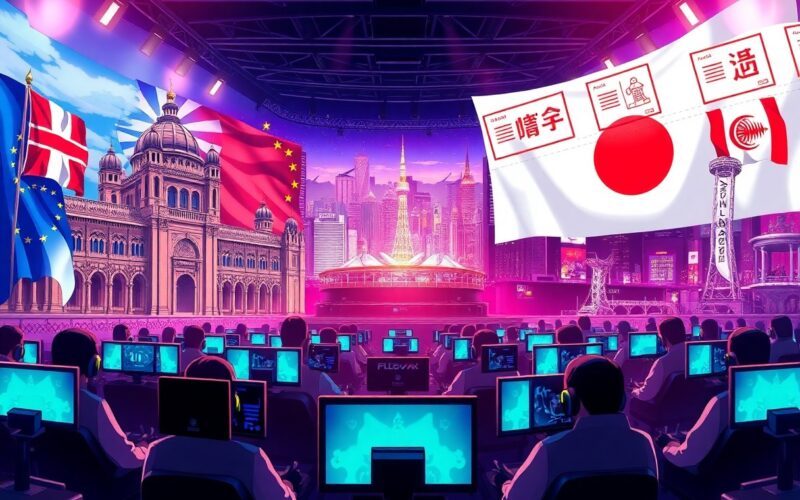
Navigating China’s unique streaming ecosystem and state-regulated platforms
China’s streaming environment presents strict limitations shaped by government regulations. State-controlled platforms like Douyin and Huya dominate, dictating content availability and access. Licensed broadcasters must adhere closely to policies, restricting foreign content to ensure compliance with national laws.
Content creators often face challenges in obtaining permissions, leading to a fragmented streaming experience. This control impacts how esports events are broadcasted, limiting viewership options for international fans and influencing global engagement with Chinese esports.
European Union versus North American media law applications in digital sports
European Union laws focus on copyright protections that support local content creation, which influences how esports are streamed across member states. Such regulations promote fair competition while ensuring that broadcasters adhere to specific licensing agreements.
In contrast, North American media laws emphasize more flexible frameworks, allowing diverse streaming platforms to thrive without stringent regulatory hurdles. This creates opportunities for innovation but raises challenges in protecting intellectual property rights.
Both regions display contrasting approaches to media rights, which affects the monetization strategies available to esports organizations. Consequently, EU entities prioritize compliance while North American organizations exploit a more open market. This dynamic shapes the development of esports in each region, creating unique opportunities and challenges.
Emerging markets and the gradual liberalization of broadcast rights in LATAM and SEA
Emerging markets in Latin America and Southeast Asia are slowly shifting towards more liberal broadcasting rights. Increased internet penetration and the popularity of esports have prompted local governments to reconsider existing regulations. As a result, international partnerships are becoming more common.
Recent developments in LATAM and SEA reveal a trend toward more accessible streaming options for esports events. This liberalization fosters growth in local esports ecosystems, encouraging both viewership and participation across the regions.
The Future of Interactive Viewing
Metaverse Integration and the Development of In-Engine Spectator Modes
Metaverse integration is poised to redefine how esports fans engage with matches. Platforms are exploring immersive environments where viewers can watch games alongside friends, attend virtual events, and interact with in-game elements directly. This creates an engaging atmosphere that transcends traditional viewing experiences.
In-engine spectator modes will allow fans to switch perspectives, analyze strategies, and access real-time data feeds. This innovation enables viewers to gain insights into gameplay, creating a more informative and interactive experience that connects them deeper with the action on screen.
The Shift Toward Personalized, Multi-Camera Viewing Experiences for Fans
Personalized viewing experiences are becoming imperative for engaging modern audiences. Fans can select camera angles and commentary styles that suit their preferences, enhancing the connection to the game. This customization allows individuals to focus on aspects they find most captivating, whether it’s player actions or tactical overlays.
Offering multiple perspectives encourages fans to feel more involved, transforming passive viewing into an active participation model. By providing comprehensive options, broadcasters create a tailored experience that resonates with diverse audiences, fostering loyalty and enhancing satisfaction.
Virtual Reality and Augmented Reality Applications in Future Esports Broadcasts
Virtual reality (VR) and augmented reality (AR) applications are set to revolutionize esports broadcasts. VR can immerse viewers directly into the action, providing a first-person perspective of gameplay. Meanwhile, AR can overlay imperative game data onto live footage, enriching the viewing experience with interactive elements that inform and entertain.
Integrating these technologies allows fans to analyze plays, interact with virtual representatives, and enjoy a more engaging environment. As these applications mature, they will transform how fans perceive and experience esports, merging entertainment with educational opportunities.
Balancing Community Growth and Monetization
Assessing the risks of excessive gatekeeping on grassroots fanbases
Excessive gatekeeping can alienate aspiring fans and players, stifling community engagement. Barriers to entry in esports can limit participation, creating a divide between casual viewers and serious competitors.
This isolation can hinder the growth of grassroots movements crucial for the longevity of esports. If exclusive practices dominate, many fans may feel unwelcome, leading to decreased interest and participation in the ecosystem.
Hybrid models: Combining premium pay-per-view with accessible viewing options
Hybrid models present a solution by offering diverse viewing choices to cater to all audiences. Premium pay-per-view events can generate revenue while free streaming options attract a broader base.
This strategy supports the sustainability of esports while ensuring that dedicated fans have opportunities to invest in high-quality productions without alienating those on tighter budgets.
Hybrid models allow esports organizations to maintain financial viability while growing their audience. By integrating both premium content and accessible options, these models enable fans from various backgrounds to engage with the material, fostering community interest and support. Such approaches can also incentivize casual viewers to transition into more invested fans over time.
Strategies for long-term economic sustainability within the esports ecosystem
Long-term strategies should focus on diversifying revenue streams beyond traditional sponsorships. Investments in merchandise, exclusive content, and event ticket sales can help bolster financial foundations.
Collaboration with game developers for unique in-game experiences and events can enhance fan engagement while generating additional revenue. This comprehensive approach ensures a stable economic environment for esports organizations.
Strategies for long-term economic sustainability must emphasize building a dedicated fanbase while exploring innovative funding sources. By creating compelling experiences that resonate with audiences, esports organizations can enhance loyalty and interest, leading to consistent revenue flow. This ultimately supports both grassroots initiatives and professional leagues, ensuring a healthy ecosystem for future growth.
Conclusion
Drawing together the various factors, streaming restrictions during official esports matches serve multiple purposes, including promoting fair play and protecting intellectual property. Organizations enforce these limits to ensure that broadcasters and sponsors receive due credit and visibility, maintaining the competitive integrity of the events.
Understanding these restrictions clarifies their importance in the esports ecosystem. The balance between accessibility and regulation is imperative, shaping the viewer experience while safeguarding the interests of all stakeholders involved in the industry.
FAQ
Q: Why are there streaming restrictions during official esports matches?
A: Streaming restrictions are in place to protect broadcasting rights and uphold agreements between game publishers and tournament organizers. These rules help ensure that official partners gain exclusive access to content, which can impact revenue and investment in esports.
Q: How do these restrictions affect viewers?
A: Viewers may be limited to specific platforms designated for official broadcasts. Independent streamers and amateur commentators are often prohibited from streaming the matches, which can limit alternative commentary and viewing options for fans.
Q: What happens if a streamer violates these restrictions?
A: Violation of streaming restrictions can result in penalties such as bans from the event, removal of content, or even legal action from organizers or game publishers. Compliance is necessary to avoid damaging relationships within the esports community.