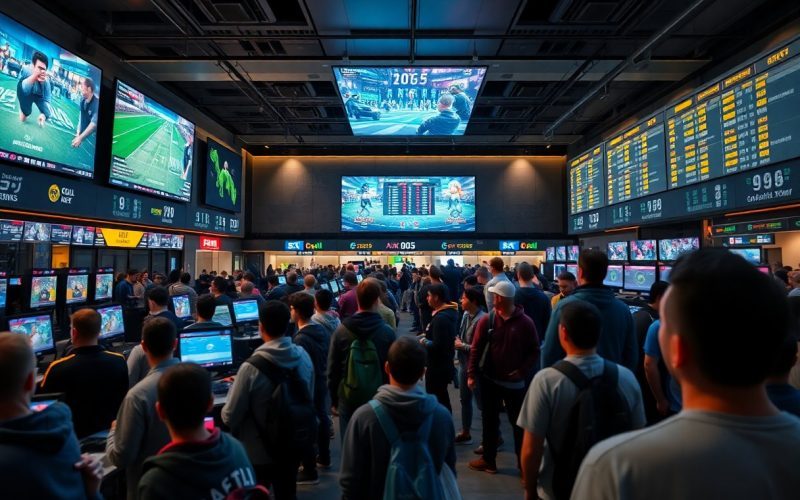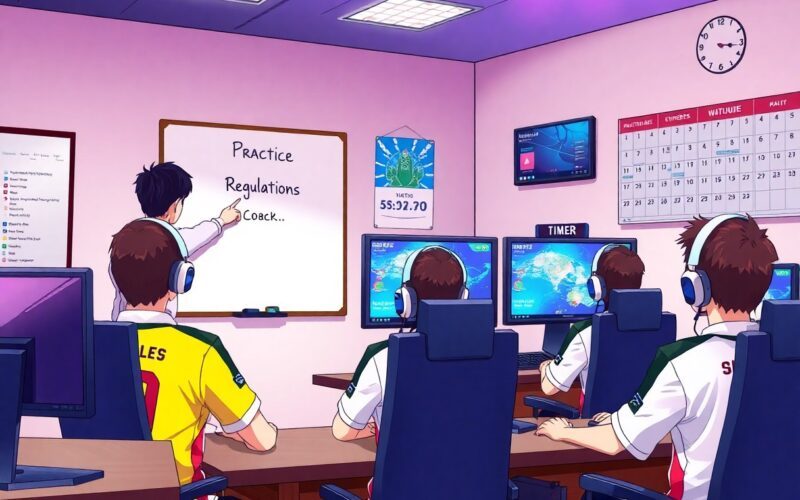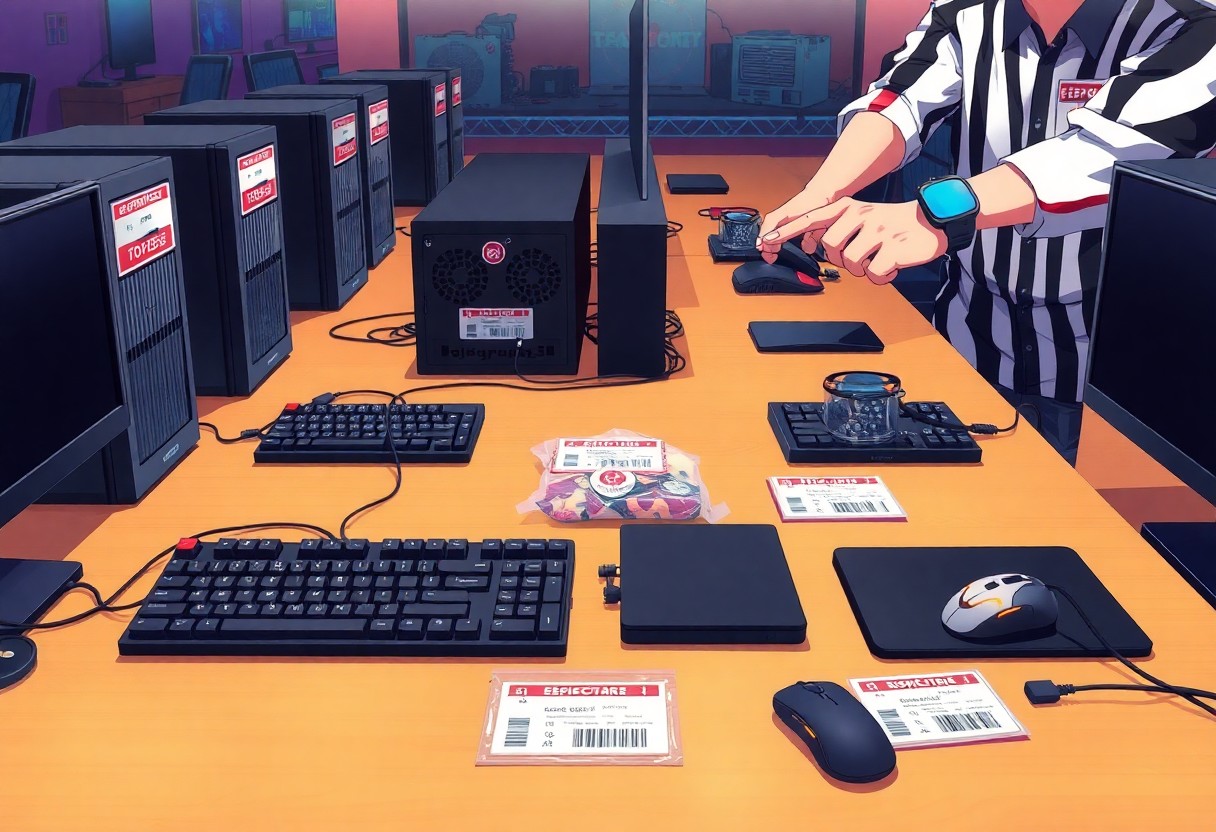

Many esports competitions enforce specific hardware and equipment regulations to ensure fair play and a level playing field. These rules dictate the types of devices, software, and configurations permitted during tournaments, impacting both competitive integrity and participant experience.
Standardization of Computing Hardware
CPU and GPU Performance Benchmarks for Competitive Integrity
Standardized CPU and GPU benchmarks ensure fairness across esports competitions. Organizations often require equipment to meet minimum performance criteria, aligning hardware capabilities among all participants.
Utilizing established benchmarks, competitive integrity is preserved. These metrics allow for transparent evaluation, preventing hardware advantages that could skew outcomes.
RAM and Storage Requirements for Minimizing Load Latency
Standard requirements for RAM and storage help reduce load latency during matches. Specific benchmarks guide participants to utilize hardware configurations that enhance responsiveness.
Requirements for at least 16GB of RAM and SSDs minimize potential disruptions. This ensures all players experience similar loading times and in-game performance.
Maintaining a standard configuration helps eliminate discrepancies in performance that could affect competitive fairness. Teams adopting slower storage or insufficient RAM may face delays, undermining their abilities during high-stakes moments.
Cooling Systems and Thermal Throttling Prevention Protocols
Effective cooling systems are necessary to prevent thermal throttling in high-performance environments. Regulations often mandate the use of advanced cooling solutions to ensure sustained CPU and GPU performance during intense gameplay.
Protocols for monitoring thermal conditions enhance hardware reliability. This oversight prevents matches from being disrupted by overheating issues, preserving the competitive atmosphere.
In tournaments, reliance on subpar cooling solutions can lead to performance dips at critical moments. Enforcing specific cooling standards protects players from the unpredictable nature of thermal throttling, supporting equal opportunities in competition.
Display and Monitor Specifications
Minimum Refresh Rates and Response Time Thresholds
Competitive gameplay demands high performance from monitors, with minimum refresh rates set at 144Hz for many esports titles. Higher refresh rates reduce motion blur, enabling clearer visualization during fast-paced action.
Response times are also critical, ideally not exceeding 3ms. Monitors meeting these standards provide an advantage by ensuring that player actions translate directly and efficiently on-screen, which is paramount in high-stakes matches.
Resolution Standards and Aspect Ratio Constraints
Resolution standards often establish a baseline of 1920×1080 (1080p), which is preferred for clarity without sacrificing performance. Compatibility with varying aspect ratios, particularly 16:9, helps maintain uniform visual integrity across competitive settings.
Some tournaments permit higher resolutions, like 2560×1440 (1440p), offering enhanced detail. However, players must ensure their systems can maintain consistent frame rates at these settings to avoid performance discrepancies.
Provisions for aspect ratio constraints aim to standardize visual experiences while accommodating player preferences. Wide formats may give advantages in peripheral vision, impacting gameplay strategies and outcomes.
Panel Technology and Color Accuracy Requirements for Visual Clarity
Panel technology must meet certain benchmarks to ensure competitive fairness, with IPS panels commonly preferred for their color accuracy and viewing angles. These features aid players in distinguishing fine details in gameplay.
Color accuracy is not merely aesthetic; it influences in-game visibility, particularly in titles with complex graphics. Adhering to industry standards in color reproduction ensures players experience uniformity in visual representation across different monitors.
Specifications for panel technology prioritize color fidelity, which is vital for discerning subtle variations in environments and character designs. As a result, tournament organizers often stipulate these requirements to level the playing field effectively.
Peripheral Device Regulations
Mouse Polling Rates and Sensor Specification Limits
Mouse polling rates can vary significantly, impacting responsiveness in competitive gameplay. Esports regulations typically mandate a maximum polling rate, often set at 1000Hz, to ensure fairness among players.
Sensor specifications must also adhere to stringent guidelines, preventing any unfair advantages. Limits on DPI (dots per inch) aim to maintain a level playing field, restraining excessive sensitivity adjustments.
Keyboard Actuation Points and Macro Programming Restrictions
Actuation points in keyboards can affect players’ performance, as lower actuation points facilitate quicker responses. Most competitions enforce specific actuation standards to maintain uniformity across devices.
Macro programming is another focal point, with strict limitations imposed to discourage automation of complex commands. Rules specify which macros are permissible to uphold integrity during matches.
These restrictions on keyboard actuation and macros prevent players from gaining undue advantages through customized setups. Such measures ensure skill remains the primary determining factor during competitions.
Controller Customization and Third-Party Hardware Approval
Controller customization is subject to tight regulation, with many leagues requiring pre-approval for any third-party hardware modifications. This policy helps eliminate potential exploitation of unauthorized devices.
Approval processes often include testing for consistency and performance to ensure compliance. This oversight helps maintain the integrity of gameplay and reduces the risk of competitive imbalance.
Approval for third-party controllers involves thorough scrutiny to ensure compliance with league standards. This process ensures that all players compete on equal footing, reinforcing fairness in gameplay dynamics.
Audio Equipment and Communication Standards
Noise-Canceling Headset Requirements for LAN Environments
LAN environments present unique challenges due to potential auditory distractions. Noise-canceling headsets are imperative for players to maintain focus and communicate effectively. Each player must select headsets that meet specific noise isolation standards to minimize interference from external sounds.
Players should also consider comfort and durability when choosing headsets, ensuring they can wear them for extended periods without discomfort. Standardization across teams helps streamline communication and creates a cohesive competitive atmosphere.
Microphone Sensitivity and Background Noise Suppression
Microphone sensitivity plays a significant role in esports communication. Players need microphones that strike a balance between picking up their voices and suppressing background noise. This ensures clarity while reducing disruptions from the surrounding environment.
Setting specific sensitivity thresholds for microphones can enhance communication quality, promoting a better understanding of strategies during matches. Teams should evaluate equipment thoroughly to ensure optimal performance in various settings.
Microphone placement and technology utilized can further impact sound quality. High-quality microphones with built-in noise suppression features are advantageous for isolating voice signals and ensuring clear communication, especially in crowded or noisy venues.
White Noise Injection and Soundproofing Booth Protocols
White noise injection is becoming a common practice in esports competitions to mask distracting sounds. Teams often use soundproof booths equipped with white noise systems to create controlled environments that enhance focus and performance.
Protocols for soundproofing booths include specifications for materials and sound absorption techniques. Adhering to these standards helps ensure an optimal auditory experience for players, minimizing potential distractions during critical moments in gameplay.
Incorporating white noise into soundproofing measures not only aids concentration but also creates a more professional setting. The consistent sound helps players acclimate to their surroundings, reducing anxiety and enhancing overall performance in high-stakes competitions.
Network Infrastructure and Connectivity
LAN vs. WAN Environment Hardware Configurations
Local Area Networks (LAN) provide high-speed connectivity, vital for competitive gaming, with low latency and minimal interference. Hardware configurations in LAN setups, such as dedicated switches and high-quality cabling, ensure stable connections among players and servers.
In contrast, Wide Area Networks (WAN) bridge geographical distances but may involve increased latency. Configurations often rely on routers and gateways capable of handling varying loads, emphasizing the importance of optimizing hardware for performance in different environments.
Router and Switch Redundancy for Zero-Downtime Play
Network redundancy is a best practice in esports to prevent disruptions during competitions. Implementing dual routers and switches ensures that if one device fails, the other maintains connectivity, allowing gameplay to continue uninterrupted.
Hot swapping capabilities in redundant setups minimize downtime, automatically rerouting traffic without requiring manual intervention. This proactive approach safeguards the gaming experience against unexpected hardware failures.
Ensuring redundancy in routers and switches serves as a critical measure against potential network failures. These configurations can sustain high-stakes matches by maintaining continuous connectivity, allowing players to focus solely on their performance, without the distraction of technical issues.
Packet Loss and Jitter Tolerance Levels in Competitive Tiers
Packet loss can severely impact gameplay, particularly in high-level competitions where every millisecond counts. Different tiers of esports have varying tolerance levels, with professional settings often requiring near-zero packet loss to maintain fairness and consistency.
Jitter, the variation in packet arrival times, also poses challenges. Competitive events typically dictate strict standards for jitter tolerance, ensuring that latency remains consistent and reliable throughout matches.
Understanding packet loss and jitter tolerance is vital for establishing fair play conditions. Every competitive tier has specific requirements that influence both network design and hardware selection, emphasizing the need for meticulous planning in tournament infrastructure.
Anti-Cheat Hardware Integration
Hardware ID (HWID) Verification and Registration Processes
HWID verification ensures that each participant’s hardware configuration is uniquely identified before entering a competition. Registration processes require players to submit their hardware IDs, linking them to their accounts and preventing unauthorized device usage.
This verification aims to deter cheating by establishing a clear connection between players and their equipment. In the event of discrepancies or detected anomalies, event organizers can quickly trace back to the specific hardware used.
Peripheral Firmware Auditing and Digital Signature Verification
Peripheral hardware must pass firmware audits to confirm integrity and authenticity. Each device’s firmware is verified through digital signatures, ensuring it hasn’t been tampered with or modified for unfair advantages.
This process protects competitive integrity by blocking modified devices that could facilitate cheating. By maintaining strict firmware standards, tournaments help uphold fair play among participants.
Auditing peripheral firmware involves detailed checks of the software running on devices like mice and keyboards. Only authorized firmware is permitted, and any deviations can lead to disqualification. This system discourages players from altering hardware to achieve unnatural performance enhancements.
On-Site Physical Inspection of Input Devices and Storage Media
Physical inspections of participant hardware offer an additional layer of security in competitions. Event staff thoroughly examine input devices and any external storage media to uncover potential cheating tools or unauthorized modifications.
Inspections not only help guard against standard cheating methods but also act as a deterrent. Knowing that physical checks are routine, players are less likely to attempt using unauthorized enhancements or devices, contributing to a level playing field.
Ergonomics and Player Health Standards
Tournament-Grade Chair and Desk Height Specifications
Chair and desk height are critical for player comfort during long competition hours. Ideally, the seating should enable players to maintain a neutral posture while their feet rest flat on the ground. Desk height should facilitate a relaxed arm position, allowing fluid movement without strain.
Cable Management Systems and Play-Area Dimensions
Effective cable management enhances safety and minimizes distractions during gameplay. Organizing cables prevents tripping hazards, allowing players to focus solely on competition. Tournament venues should implement systems that keep cables out of the play area while still ensuring accessibility for maintenance.
Play-area dimensions play a substantial role in creating a focused environment. Ideal dimensions should allow players freedom of movement, maintaining a spacious area free of clutter, thereby reducing the risk of injury and distractions while promoting concentration.
Cable management systems should include solutions like cable trays and sleeves that securely route wires along designated paths. Ensuring that these systems integrate seamlessly into the overall design of play areas will contribute to a visually organized and hazard-free environment.
Lighting Conditions and Eye Strain Mitigation Requirements
Lighting conditions directly affect player performance and well-being. Ambient lighting should be balanced to reduce glare on screens while minimizing eye strain. Adequate illumination not only creates an optimal viewing experience but also helps maintain alertness during long sessions.
Standards for lighting specify that brightness levels should be consistent throughout the tournament area, avoiding sudden contrasts that can cause discomfort. Task lighting may also be incorporated to provide additional focus when needed, optimizing player concentration.
Mitigating eye strain in competitive settings involves using adjustable lighting and appropriate screen filters to reduce blue light exposure. Implementing scheduled breaks during gameplay can further enhance players’ visual comfort, preserving their focus and stamina over extended periods.
Power Supply and Electrical Safety
Uninterruptible Power Supply (UPS) Integration for Match Stability
Integrating an Uninterruptible Power Supply (UPS) ensures that even during unexpected power outages, matches can continue without disruption. This backup system allows for a smooth transition from primary to secondary power, maintaining the integrity of the competition.
Providing a reliable power source is crucial. A UPS not only safeguards against data loss but also allows players to finish their games in a stable environment, promoting fairness and consistency in gameplay.
Voltage Regulation and Surge Protection Standards
Establishing voltage regulation and surge protection protocols is a necessity in esports. Such standards protect sensitive equipment from damage due to voltage fluctuations and power surges, which can lead to significant operational disruptions during live events.
Equipment reliability hinges on adherence to these protection standards. Proper voltage regulation minimizes the risk of failure, allowing for smoother competition experiences without unnecessary interruptions.
Insufficient voltage regulation can result in issues such as equipment overheating and unexpected crashes during critical moments. Adopting established surge protection standards also mitigates risks from lightning strikes and electrical faults, reinforcing safety during events.
Electrical Interference Shielding and Grounding Protocols
Implementing electrical interference shielding and proper grounding protocols is crucial for maintaining competitive integrity. Shielding protects against electromagnetic interference, which can disrupt communication between devices and lead to performance inconsistencies.
Grounding protocols further ensure safety by providing a direct path for excess electricity, minimizing potential hazards to players and equipment. Following these practices increases reliability, allowing for fair and immersive gaming experiences.
Failure to execute proper shielding can lead to unwanted disruptions, affecting both player performance and spectator experience. Grounding serves as a preventative measure against electrical hazards, creating a secure environment for esports competitions.
Broadcast and Production Hardware Interfacing
Video Capture Card and Signal Splitter Standards for Live Feeds
Video capture cards must meet specific standards to ensure the highest quality live feeds during esports competitions. Compatibility with various game consoles and PCs is important, as well as support for multiple resolutions and frame rates to accommodate different broadcasting requirements.
Signal splitters play a significant role in distributing video signals without degrading quality. The use of professional-grade splitters is recommended to prevent latency and maintain synchronization, ensuring that live feeds are flawless for both audiences and commentators.
Observer Client Hardware Synchronization Requirements
Synchronization of observer client hardware is necessary to facilitate real-time analysis and commentary during matches. Delays between different observers can lead to inconsistencies in broadcasts, negatively impacting viewer experience and commentary accuracy.
It is important for all observer clients to operate on synchronized clocks, minimizing any discrepancies in data feeds. This standardization allows observers to accurately report on events as they unfold, ensuring that audiences receive timely and coherent commentary.
Meeting synchronization requirements involves integrating timecode systems and precise hardware setups. Device configurations must be rigorously tested to confirm that all observers are aligned, enhancing both the viewing and participatory experiences in esports competitions.
Latency-Free Replay System Integration and Data Logging
Implementing a latency-free replay system is imperative for enhancing the quality of esports broadcasts. The integration of these systems requires precision in hardware selection and configuration, allowing for immediate playback without interrupting live feeds.
Data logging during matches must occur simultaneously with video capture to maintain contextual relevance. High-performance storage solutions are important to record gameplay data, enabling streamlined access for replay analysis and enriched viewer engagement.
Quality control measures are important to ensure that replay systems do not introduce lag or distort recorded data. This meticulous attention to detail improves both the analytical capabilities of commentators and the overall spectator experience, reinforcing the professionalism of esports events.
Portable and Mobile Esports Hardware
Smartphone and Tablet Performance Tier Classification
Performance tier classification for smartphones and tablets in esports is necessary for standardizing competition conditions. Devices are categorized based on specifications such as processing power, RAM, and graphics capabilities, ensuring players compete on even footing.
Classifying devices allows tournament organizers to set clear regulations, promoting fairness and enhancing the competitive atmosphere. This tier system aids in balancing performance disparities among competitors, thereby improving the overall quality of gameplay.
External Cooling and Charging Accessory Regulations
Cooling and charging accessories play a significant role in mobile esports. Regulations specify acceptable types of external power sources and cooling methods to maintain device performance during intense gameplay.
Inspectors evaluate these accessories to prevent unfair advantages, ensuring all players adhere to the same standards. Non-compliance may lead to disqualification from competitions, emphasizing the importance of consistent equipment performance.
These regulations help maintain a level playing field by standardizing how external devices can be utilized. By setting limits on how players can enhance their setups, tournaments can control variables that might affect gameplay integrity.
Touchscreen Sensitivity and Screen Overlay Restrictions
Touchscreen sensitivity standards are set to ensure fairness in mobile gaming. Tournaments often enforce limits on sensitivity settings to prevent players from gaining undue advantages through hardware modifications.
Restrictions on screen overlays, including software enhancements, are also common. These overlays can impact gameplay visibility and responsiveness, leading to uneven advantages among competitors.
Standardizing touchscreen settings minimizes variability in player experience, ensuring that victories hinge primarily on skill. With strict guidelines, tournaments can create an environment where technical enhancements do not overshadow gameplay abilities.
VR and AR Hardware Regulations
Head-Mounted Display (HMD) Tracking Accuracy Standards
Accuracy in HMD tracking is paramount for immersive experiences in esports. Competing standards emphasize that devices must achieve precision in tracking head movements within a defined range, preventing discrepancies that could hinder performance during tournaments.
Each HMD manufacturer is responsible for ensuring compliance through testing protocols. Adherence to industry benchmarks ensures fairness and consistency, enabling players to perform at their best without the burden of unanticipated tracking errors.
Motion Controller Haptic and Sensory Feedback Calibration
Motion controllers must deliver precise haptic feedback to enhance immersion. Calibration processes are vital to ensure controllers accurately reflect user movements, contributing to a realistic interaction within the virtual space.
Standards require that feedback intensity and response time align with user actions, fostering engagement and precision. Rigorous testing guarantees consistency across different devices, maintaining competitive integrity.
Calibration methods involve evaluating feedback through sensory tests. Meeting specific thresholds is necessary to provide uniform experiences across various hardware, reducing variability that could impact performance in competitive settings.
Spatial Boundary Settings and Physical Safety Hardware
Safety in virtual environments is critical, particularly concerning spatial boundaries. These settings define the physical area players can safely navigate, preventing collisions or injuries during competition.
Compliance with spatial boundary regulations ensures that players remain aware of their surroundings. Implementing effective measures helps integrate physical safety with immersive gameplay, contributing to a secure esports environment.
Establishing clear spatial boundaries goes beyond virtual markers. It incorporates physical hardware like safety barriers to further safeguard players, ensuring adherence to regulations while enriching the competitive experience.
Procurement and Logistics of Official Equipment
Sourcing of Uniform Hardware for All Competitors
Uniformity in hardware ensures a level playing field in esports competitions. Official sources guarantee that all competitors use the same equipment, reducing discrepancies in performance and promoting fairness. This practice often involves partnerships with major hardware manufacturers who can supply standardized models across tournaments.
Clearly defined specifications are crucial for sourcing hardware. Event organizers typically create a list of approved equipment, which includes specific models and configurations, ensuring that all teams have access to the same quality and performance metrics.
Transportation and Secure Storage of Tournament Assets
Logistics play a significant role in the success of an esports event. Safe transportation of equipment to various venues requires meticulous planning and coordination, often involving specialized carriers experienced in handling sensitive technology. Packaging solutions must protect equipment from damage during shipping.
Secure storage facilities are necessary during tournaments. Each piece of equipment should be stored in controlled environments to prevent theft or damage, with restricted access to ensure the integrity of tournament assets.
Advanced tracking systems help monitor the movement of equipment throughout the tournament. Inventory management practices allow organizers to audit hardware quickly, ensuring all items are accounted for before and after each event.
Lifecycle Management and Hardware Retirement Schedules
Lifecycle management is necessary for maintaining the efficiency and performance of tournament hardware. Regular assessments help determine when equipment needs upgrading or replacement, aligning hardware capabilities with evolving game requirements and player expectations.
Establishing clear retirement schedules ensures that outdated equipment is replaced systematically. This proactive approach helps maintain high standards for competitions, as aging hardware can impact both the player experience and tournament integrity.
Careful tracking of hardware usage allows organizations to analyze performance trends over time, identifying when upgrades are necessary to keep up with the rapid pace of technological advancements in esports. This strategy minimizes disruptions and maintains competitive integrity across events.
Regulatory Compliance and Enforcement
Pre-Match Hardware Scrutineering and Certification Procedures
Scrutineering of hardware occurs before each match to ensure compliance with the regulations. Teams must submit their equipment for inspection, allowing officials to verify that all components meet the established standards.
Penalties for Unauthorized Hardware Modifications
Unauthorized modifications to hardware can result in severe penalties, impacting both players and teams. Disqualifications, fines, and bans may be imposed based on the severity of the infraction.
Dispute Resolution for Equipment Failure and Re-match Protocols
Conclusion
So, the regulation of hardware and equipment in esports competitions plays a pivotal role in ensuring fair play and competitive integrity. Adherence to established guidelines protects players from discrepancies that could affect performance, leveling the playing field across different teams and hardware setups.
Uniformity in equipment standards not only enhances the spectator experience but also contributes to the legitimacy of esports as a recognized form of competition. Continuous revisitation of these regulations is necessary to keep pace with technological advancements and evolving industry standards, guaranteeing that esports remains a fair and equitable environment for all participants.
FAQ
Q: What are the key hardware requirements for esports competitions?
A: Esports competitions typically require high-performance PCs or consoles capable of running games at high settings. Minimum specifications often include a multi-core processor, a dedicated graphics card with at least 4GB of memory, 8GB of RAM, and a stable internet connection. Specific titles may have unique hardware recommendations, which should always be checked before competition day.
Q: Are there any regulations regarding peripherals used in esports tournaments?
A: Regulations on peripherals can vary by tournament organizer. Commonly accepted peripherals include mice, keyboards, headsets, and gamepads. Approved models are usually listed in the tournament rules. Custom equipment or modifications may be restricted to ensure fair competition.
Q: How are equipment malfunctions handled during esports matches?
A: Equipment malfunctions are addressed based on the tournament’s rules. Players may be allowed a brief pause to fix issues, such as hardware failures or connectivity problems. Some tournaments provide backup equipment, while others require players to be prepared with their own spares. Documentation of any issues is often required for resolution.