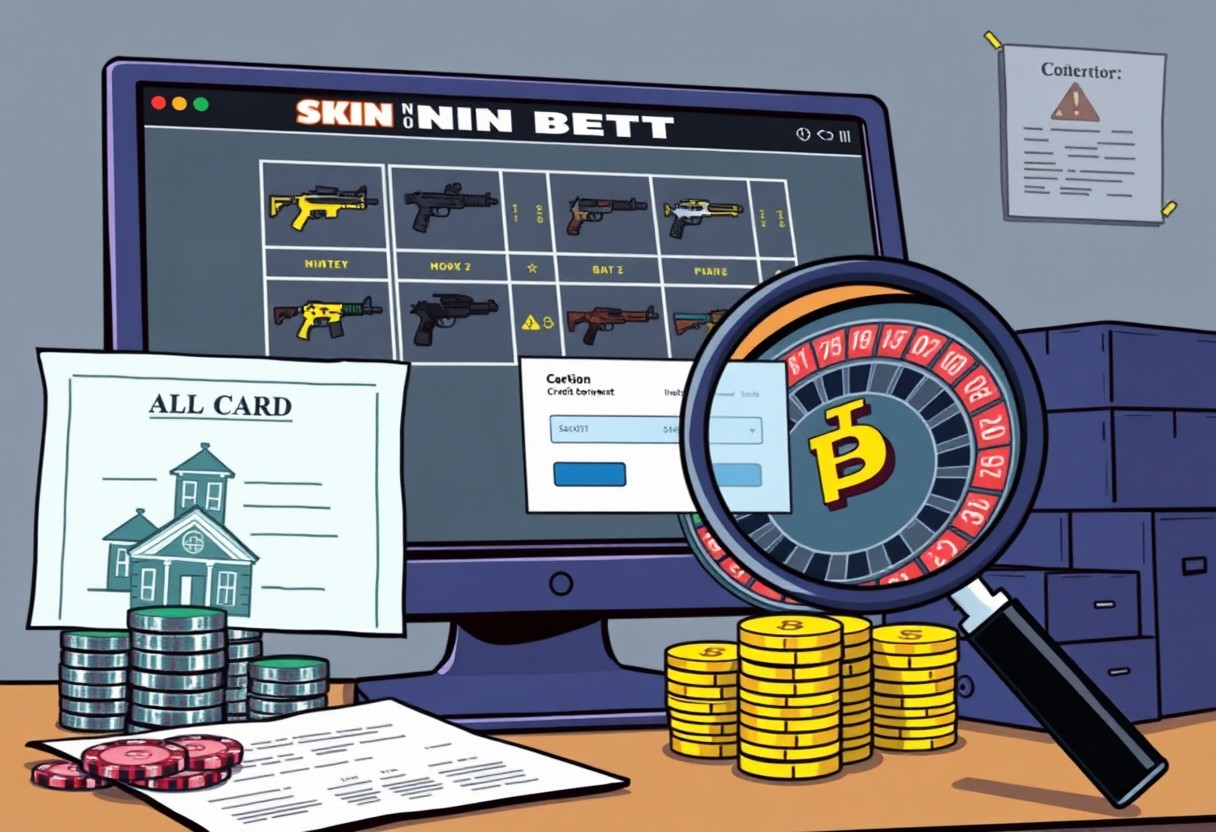
With the rise of online gaming, skin betting has emerged as a popular yet controversial practice. This post explores the nuanced regulatory landscape surrounding skin betting, highlighting the ambiguities that create challenges for regulators, players, and platforms alike.
Genesis of Skin Betting
Origins in Valve’s Counter-Strike: Global Offensive (CS:GO)
Counter-Strike: Global Offensive (CS:GO) introduced a unique skin system, allowing players to customize their weapons with cosmetic designs. These skins gained value based on rarity and demand, leading to an unofficial betting culture. Players began wagering their skins on various platforms, creating a market that blurred the lines between gaming and gambling.
This practice caught the attention of both enthusiasts and regulators. As skin betting thrived, it raised questions about legality, especially since many participants were underage, engaging in transactions that mimicked traditional betting without clear oversight.
The Evolution of the Steam Community Market
The Steam Community Market transformed how players bought and sold skins, allowing for a streamlined trading experience. Introduced in 2011, this platform established a safe environment for transactions but inadvertently facilitated skin betting by making high-value assets more accessible to players. This evolution not only increased the vastness of the skin market but also blurred distinctions between digital items and real currency.
Skins became a commodity, with players often viewing them as investment opportunities. The Steam Community Market expanded further, enabling third-party betting sites to flourish by integrating users’ virtual inventories.
Virtual Assets as Social Capital and Status Symbols
Players increasingly regard virtual assets like skins as symbols of status within gaming communities. Displaying rare skins not only signifies investment but also conveys prestige among peers. This trend fosters competition, driving players to participate in skin betting for the chance to enhance their virtual portfolios, reflecting their gaming prowess.
Social dynamics evolved as these virtual assets became crucial for building one’s identity in gaming spaces. Status among peers often hinges on the quality and rarity of one’s skins, contributing to the growing interest in betting as a means to elevate perceived social standing.
The Mechanics of the Skin Economy
Rarity Tiers and the Concept of Floating Values
Rarity tiers play a significant role in the valuation of skins. Items categorized as rare often command higher prices due to their scarcity and desirability among players. This tier system creates a fluctuating market where prices can vary greatly based on demand and trends.
Floating values enhance this dynamic, allowing skins to exist within a spectrum of worth. This variability can lead to certain items being traded at prices significantly above or below their suggested values, influenced by market sentiment and player perception.
Liquidity and the Role of Third-Party Exchanges
Liquidity refers to the ease with which skins can be bought and sold. Third-party exchanges contribute significantly to this aspect by operating outside of game developers’ platforms, facilitating trades among users. These platforms typically offer competitive prices, increasing transactional activity and improving liquidity.
Without third-party exchanges, trading would be significantly limited. Players often rely on these platforms to access broader markets and find better deals, promoting a more active economy around skins.
The Influence of the Steam Workshop Ecosystem
Steam Workshop serves as a foundational pillar for the skin economy, providing a marketplace for user-generated content. This ecosystem encourages creativity and innovation, driving demand for unique skins and mods. As players engage with the Workshop, the popularity of certain designs can lead to increased values and speculative trading.
Player engagement within Steam Workshop amplifies the ecosystem’s impact on skin valuation. Successful items often gain traction through community support, leading to price spikes that reflect not only individual preferences but also broader trends within gaming culture.
The Transition from Cosmetic to Currency
Skin betting has evolved from cosmetic customization within gaming to a potential currency in online marketplaces. This shift allows players to treat virtual items with significant real-world value, blurring the lines between entertainment and investment. Such transformation raises questions about regulation, as these items now serve as commodities, subject to market dynamics akin to financial assets.
API Key Exploitation for Automated Trading Bots
Automated trading bots utilize API keys to access market data and execute trades at speed, circumventing human error. Exploitation occurs when these bots gain unauthorized access or misuse APIs, enabling fast transactions that can undercut legitimate traders.
Surveillance measures often fail to detect these unauthorized activities, allowing exploiters to thrive in a competitive environment. As the bot technology evolves, so too do the strategies behind exploitation, making regulation increasingly complex.
The Emergence of Shadow Markets and Unregulated Exchanges
Shadow markets and unregulated exchanges offer alternatives to traditional platforms, often attracting users seeking anonymity and lower transaction fees. These marketplaces frequently operate outside the guidelines set by regulatory bodies, posing significant risks to traders.
Such platforms can become breeding grounds for fraud and unfair practices, as oversight is minimal. Without regulatory enforcement, users might unknowingly engage in transactions that can lead to significant losses or legal repercussions.
Bypassing Traditional Financial Gatekeepers and KYC Protocols
Bypassing KYC protocols allows users to trade skins and other items without disclosing personal information. This approach eliminates traditional financial gatekeepers, making the trading process quicker and more accessible.
Such circumvention, however, raises concerns about illicit activities, as it fosters an environment where money laundering and fraud can flourish unchecked. As regulatory scrutiny increases, the need for a balance between privacy and transparency remains a pressing challenge.
Typology of Skin Gambling Activities
Classic Casino-Style Games: Roulette, Coin Flips, and Crash
Classic casino-style games like roulette and coin flips have found their way into skin gambling. Players can wager virtual items on these games, creating an engaging experience that mimics traditional gambling. The risk-and-reward structure remains appealing, enticing users to participate for both fun and potential profit.
Games such as Crash take this concept further by introducing a multiplier mechanic, where players bet skins on an escalating value that can crash at any moment. This unpredictability adds to the thrill, driving intense player engagement and competition.
Esports Match Betting and Professional Odds Calculation
Esports match betting allows players to wager on the outcomes of competitive gaming matches. Analysis of team statistics, player performance, and historical data feeds into the calculation of odds. This integration of data ensures that bets are informed, aligning more closely with traditional sports betting practices.
The dynamic nature of esports means that odds can fluctuate rapidly, influenced by real-time developments in gaming. Successful bettors leverage this information to maximize their chances of winning, creating a fast-paced betting environment.
This interaction between professional analysis and betting practices not only enhances user engagement but also reflects the growing professionalism of the esports industry. Accurate odds calculation adds a layer of seriousness to skin gambling, positioning it as a sophisticated alternative to traditional betting activities.
Jackpot Pools and High-Stakes Collective Wagers
Jackpot pools utilize collective wagering, pooling resources from multiple players to create a significant prize. Participants can contribute skins, and the eventual winner takes the entire pot, often leading to heightened excitement and investment in the outcome. The communal aspect encourages broader participation, making it a popular choice among gamblers.
High-stakes collective wagers amplify the risk and reward dynamics of skin betting. These scenarios often attract players looking for the thrill of large payouts, propelling them into a competitive atmosphere where skins are staked in large amounts.
Engagement in jackpot pools often leads to a community-driven experience, as participants cheer for their chosen players or teams. This aspect fosters camaraderie and can drive up the stakes even further, enticing new players to join the ranks for a chance at significant winnings.
The Psychological Appeal and Gamification
Visual Feedback Loops and Near-Miss Psychology
Visual feedback loops create an engaging experience that enhances the thrill of participation. Notifications of wins, losses, and close calls serve to reinforce player involvement, often leading individuals to continue betting even after losses. Such near-miss outcomes can produce a rush of excitement, encouraging users to believe they are “close” to winning, further entrenching their engagement.
Incorporating vivid graphics and sound effects amplifies this psychological phenomenon. Players often feel motivated to gamble more when they perceive that victory is within reach, despite the reality of losing. This strategy effectively keeps players hooked, making it difficult to break away from the cycle.
The Normalization of Gambling Within General Gaming UI
Many games seamlessly blend traditional gameplay with gambling mechanics, making these activities appear less risky. Visual cues like rewards and in-game currency can desensitize players to the implications of gambling, normalizing it within their gaming experience. As these elements become standard, players may not recognize the potential consequences of their actions.
Integrating betting features directly into gaming interfaces cultivates an acceptance of gambling behaviors. The combination of skill-based gameplay with chance elements further diminishes the stigma around gambling, leading younger audiences to view it as a typical part of their gaming habits.
Influencer Endorsements and the “Big Win” Narrative
Influencer promotions often glorify the excitement of high-stakes betting, showcasing “big win” stories that captivate audiences. This aspirational narrative encourages viewers to engage with betting platforms, as they feel they, too, could achieve similar success. These endorsements create an enticing image, masking the risks associated with gambling.
Statistics demonstrate that a majority of younger audiences trust influencer recommendations over traditional advertising. This trend amplifies the impact of gambling-related endorsements, making them particularly potent avenues for companies aiming to attract new players.

Demographic Risks: The Underage Gambling Crisis
Barriers to Entry: The Systematic Failure of Age Verification
Age verification systems across various platforms often lack the rigor required to prevent underage access. Weaknesses in these systems stem from over-reliance on user-generated data, making it easy for minors to circumvent safeguards.
Many platforms do not employ sufficient verification methods, such as biometric checks or official document submissions. This oversight allows younger audiences to engage in skin betting, further blurring the line between gaming and gambling.
The Impact of Gaming Culture on Youth Gambling Habits
Gaming culture increasingly normalizes betting behaviors among adolescents. Exposure to elements like loot boxes and in-game transactions can distort perceptions of risk and reward, leading to gambling-like habits.
Social interactions within gaming communities often celebrate risk-taking, encouraging youth to see betting as a fun, socially accepted activity. This acceptance propels younger players toward real-world gambling scenarios.
As gaming continues to integrate betting elements, children and teens are more likely to perceive gambling as a natural extension of their gaming experience. The blending of these worlds leads to a shift in understanding the risks associated with gambling, fostering habits that can carry into adulthood.
Longitudinal Effects of Early Exposure to Betting Mechanics
Early experiences with betting mechanics can produce long-lasting effects on gambling behavior. Young individuals exposed to these mechanics often develop a desensitization to risk, making future gambling decisions less informed.
Research shows that initial exposure during formative years correlates with increased likelihood of developing gambling problems later in life. This pattern raises concerns about the implications for public health and advocacy efforts aimed at curbing underage gambling.
Understanding the longitudinal effects highlights the importance of addressing the impact of early exposure to betting dynamics. Children who engage with such mechanics may struggle to differentiate between casual risk-taking and harmful gambling behavior as they age.
The Role of Software Developers and Platform Owners
The “Hands-Off” Approach and Resulting Regulatory Backlash
Developers and platform owners often take a “hands-off” approach to skin betting, assuming minimal responsibility for how their systems are utilized. This detachment has led to increasing scrutiny from regulators, highlighting discrepancies in oversight. As concerns grow, platforms face mounting pressure to adopt stricter policies, which could transform their operational frameworks.
Regulatory bodies are signaling that this laissez-faire attitude may no longer be tenable. Stricter regulations may emerge, compelling developers to implement proactive compliance measures, which could significantly alter the dynamics of the skin betting market.
Cease and Desist Orders and the Limitation of API Access
Recent trends show an uptick in cease and desist orders targeting platforms that facilitate unauthorized betting activities on their APIs. Such actions demonstrate regulators’ commitment to curbing illicit practices and protecting consumer interests. As a result, many developers are forced to reassess their API offerings, restricting access or modifying functionalities to mitigate legal risks.
These limitations often hinder innovation and frustrate end-users seeking diverse options in the betting space. As market participants push against these regulatory boundaries, the tension between compliance and user experience continues to escalate.
Corporate Liability in Facilitating Secondary Gambling Markets
Liability concerns arise for corporations involved in facilitating secondary gambling markets, especially when consumers exploit their platforms for illicit activities. They face legal repercussions if found complicit in fostering environments where unauthorized betting occurs. This reality places developers and platform owners at a crossroads, where operational flexibility must align with regulatory compliance.
Such liability raises significant questions about accountability and the role of major entities in shaping betting practices. Developers may need to implement stringent vetting processes to avoid legal entanglements and protect their standing in an evolving regulatory environment.
Jurisdictional Approaches to Regulation
The UK Gambling Commission’s Definition of “Money’s Worth”
The UK Gambling Commission defines “money’s worth” as an item or service that can be traded for real money or has real monetary value. This definition is pivotal in determining whether virtual items, such as in-game skins, can be classified as equivalent to cash in gambling activities. Clarity in this definition aids in regulating online gaming transactions that might blur the lines between gaming and gambling.
Interpreting “money’s worth” goes beyond cash equivalence and considers the secondary market for skins. As this market thrives, establishing whether these items constitute gambling becomes crucial for regulatory oversight. Understanding these distinctions helps protect consumers while fostering a safer digital marketplace.
The Washington State Gambling Commission vs. Valve Legal Precedents
The Washington State Gambling Commission’s legal action against Valve Corporation marked a significant milestone in addressing virtual item gambling. The Commission argued that Valve’s operations facilitated illegal gambling through the trading of CS:GO skins, which held substantial monetary value. This case highlighted the potential legal ramifications for companies operating in the gaming industry without proper regulatory compliance.
Ultimately, the court ruled in favor of the Washington State Gambling Commission, reinforcing the notion that virtual items can indeed fall under gambling regulations. This precedent set a clear framework for how similar cases may be approached in the future, emphasizing the need for clarity in online gaming regulations.
Divergent Regulatory Frameworks Across the European Union
Regulatory frameworks across the European Union exhibit significant divergence regarding online gambling and virtual item trading. While some countries adopt stricter measures to curb potential gambling-related issues, others maintain more lenient approaches. This inconsistency results in challenges for operators who wish to provide services across multiple jurisdictions.
Countries like Sweden enforce rigid regulations on gambling activities, while others, such as Malta, offer more flexibility to operators. Differences in enforcement also lead to varied interpretations of what constitutes gambling versus gaming, complicating the regulatory environment for both companies and consumers.
Understanding the divergent regulatory frameworks within the European Union is crucial for operators. Each member state possesses unique laws that dictate how virtual items and online gambling are treated, creating a complex landscape for compliance. Operators must adapt their strategies accordingly to ensure alignment with local regulations, underscoring the need for comprehensive legal guidance.
The Legal Definition of Value and Property
Is a Skin Property or a Revocable License?
Skin items in gaming often fall into a grey area of legal definitions. Some argue they act as personal property because players can buy, sell, and trade them, resembling ownership. Others maintain they are merely revocable licenses, with developers holding ultimate control over the items.
This distinction matters greatly, as property rights provide different legal protections compared to licenses. If classified as property, users might have stronger claims against unauthorized access or transfer restrictions imposed by game developers.
Judicial Interpretations of Virtual Item Ownership
Judicial rulings have increasingly begun to explore the ownership complexities associated with digital items. Cases involving virtual goods have led to varying interpretations, often hinging on the terms of service associated with those items.
Courts frequently examine the agreements between users and developers, weighing users’ expectations of ownership against the rights retained by developers. These interpretations help shape emerging legal precedents around digital property rights.
Recent judicial interpretations reveal contrasting perspectives on virtual ownership. Some courts uphold the notion that users possess a form of ownership, while others lean towards a more restrictive view, emphasizing developer controls. Such decisions can drastically affect how virtual items are treated under the law.
The Impact of Terms of Service on Consumer Legal Recourse
Terms of service play a significant role in defining user rights over virtual goods. Often, these agreements include provisions that limit consumer recourse, binding users to specific terms that may dictate item ownership and transferability.
Legal recourse for consumers hinges heavily on the phrasing within terms of service agreements. Ambiguities or overly broad terms can skew user rights, impacting individual ownership claims and possible legal outcomes. As litigation around these issues progresses, clearer standards may emerge.
Anti-Money Laundering (AML) and Financial Crime
Skin Laundering: Obfuscating the Financial Paper Trail
Skin betting often facilitates a process known as skin laundering, where the true source of funds becomes obscured. In this scenario, virtual items are traded in such a way that they effectively mask the original monetary transactions, making it difficult for regulatory bodies to trace illicit activities. Game currencies and skins provide a convenient cover for these transactions, increasing risks associated with money laundering.
This practice not only complicates the financial paper trail but also undermines the integrity of gaming ecosystems. Users may exchange valuable items for cash without raising immediate suspicion, further challenging the enforcement of Anti-Money Laundering (AML) regulations.
High-Volume Trading as a Cover for Illicit Fund Transfers
High-volume trading in virtual goods enables users to mask suspicious fund transfers among multiple transactions. The sheer volume and frequency create a chaotic environment, making it challenging for monitoring entities to pinpoint illicit activities. This method leverages the rapid movement of assets to integrate illegal funds into legitimate streams.
Such tactics blur the lines between standard trading practices and illicit operations, complicating regulatory oversight. Criminals may exploit the anonymity offered by fast-paced trading to further obscure the origins of their funds, leading to significant compliance challenges for gaming platforms.
Regulatory Gaps in Peer-to-Peer Virtual Transactions
Regulations surrounding peer-to-peer virtual transactions remain inconsistent and often inadequate. Many jurisdictions lack clear guidelines for monitoring these interactions, allowing users to exploit loopholes without fear of retribution. The absence of universal standards complicates enforcement efforts and fosters environments conducive to financial crime.
Unaddressed regulatory gaps offer criminal enterprises opportunities to operate within a largely unregulated space. As technology evolves, the need for comprehensive frameworks to govern these transactions has become increasingly pressing.
Consumer Protection and Responsible Gaming
The Absence of Mandatory Self-Exclusion Tools
Lacking mandatory self-exclusion tools creates significant risks for consumers engaged in skin betting. Players often find themselves exposed to excessive gambling, with few mechanisms to rein in potentially harmful behaviors.
Without these important protections, the responsibility falls solely on consumers to recognize their limits. This reliance can lead to increased vulnerability, particularly for those prone to gambling addiction.
Algorithmic Transparency and The Need for Fairness Audits
Algorithmic transparency is missing from many platforms involved in skin betting. Consumers deserve clear insights into how algorithms influence game outcomes and betting odds.
Fairness audits can provide reassurance that these algorithms operate without bias. Implementing regular evaluations could boost player trust and hold operators accountable.
Incorporating fairness audits would allow independent scrutiny of algorithms, ensuring they function as intended. Enhanced transparency would mitigate concerns over manipulation, fostering a healthier gaming environment.
Establishing a Duty of Care in the Digital Entertainment Space
Establishing a duty of care requires operators to prioritize consumer safety in their practices. This obligation should extend to protecting users from exploitation and addressing the unique risks posed by skin betting.
Considering the potential for addiction, businesses must adopt ethical standards that support responsible gaming. Policies promoting user welfare can fortify trust and contribute to a more sustainable industry.
Adopting these standards not only safeguards players but also enhances the reputation of operators. A commitment to consumer protection establishes a foundation for ethical engagement within the digital entertainment sector, ensuring that profit does not overshadow responsibility.
The Evolution into Loot Box Litigation
The Blurring Lines Between Gaming Mechanics and Gambling
Legal challenges arise as game developers increasingly integrate randomized microtransactions, such as loot boxes, into their offerings. Players often spend real money for uncertain rewards, leading many to question whether these practices should be classified as gambling. This overlap complicates regulatory frameworks and raises ethical concerns about targeting vulnerable demographics, particularly minors.
Gaming mechanics designed for engagement can resemble traditional gambling, blurring distinctions that regulators rely on. As titles evolve, mechanisms intended for entertainment increasingly mimic the thrill of chance, thus sparking debates within legal circles regarding appropriate classifications and protections.
International Legislative Responses to Randomized Microtransactions
Various countries are scrutinizing loot boxes with the potential for a legal overhaul. Belgium and the Netherlands have already declared many loot boxes unlawful, pushing developers to alter their monetization strategies. Conversely, some nations might adopt a hands-off approach, citing gamer choice as paramount.
Regulation disparities exist globally, with differing definitions of gambling influencing how randomized transactions are treated. Countries continue to grapple with whether to impose stricter controls or to encourage self-regulation within the gaming industry.
Several countries have explored legislation targeting randomized microtransactions, considering consumer protection and gambling risk. Efforts aim to establish clarity while maintaining an entertaining gaming environment, balancing innovation with potential exploitative practices. As discussions evolve, collaborative approaches among regulators, developers, and players may form to address these concerns.
Precedents Set by Recent Global Class Action Lawsuits
Class action lawsuits are emerging as powerful tools for addressing grievances over loot boxes and skin betting. Recent cases have inspired scrutiny of how game developers manage in-game transactions, with claimants seeking accountability for perceived psychological manipulation. Legal outcomes may establish new standards for consumer protection in digital environments.
Litigation results in various regions could set influential precedents. As courts weigh the legality of randomization in microtransactions, players and developers alike watch closely for implications on industry practices and potential regulatory changes.
Future Trends: Blockchain and Decentralized Betting
The Integration of NFTs and Smart Contract-Based Skins
NFTs are revolutionizing skin betting by allowing players to own unique digital assets that can be traded or sold. Smart contracts enable automatic betting transactions, ensuring transparency and fairness while eliminating traditional intermediaries.
This system empowers players by granting them true ownership of their skins, potentially increasing their value over time. Integration of these technologies could lead to a more liquid market, where users benefit directly from their in-game investments.
Decentralized Autonomous Organizations (DAOs) in the Betting Sector
DAOs introduce a new governance model in the betting industry, enabling user-driven decision-making and a more democratic approach to platform management. Members can vote on changes, fostering a sense of community and shared responsibility.
This decentralized structure could disrupt traditional betting firms by prioritizing stakeholder interests, ensuring that player concerns and needs are addressed effectively. As DAOs gain traction, their influence on regulation and market practices will likely increase.
By facilitating collaborative governance, DAOs can enhance user trust and engagement within the betting sector. This model not only democratizes decision-making but also aligns incentives between operators and players, potentially transforming how betting platforms operate.
Challenges of Enforcement in a Borderless Web3 Environment
Final Words
To wrap up, skin betting exists in a complex regulatory grey zone, challenging traditional gaming laws and consumer protections. The lack of clear guidelines has allowed markets to flourish without proper oversight, raising concerns regarding legality and ethical considerations.
Addressing these issues requires proactive regulatory measures that balance innovation with the protection of vulnerable participants. Stakeholders must collaborate to establish comprehensive frameworks that promote transparency and accountability in skin betting practices.
Q: What is skin betting and how does it operate?
A: Skin betting involves wagering using in-game items or skins as currency. Players trade these items for real money or other in-game assets. The process often occurs on third-party websites where users can buy, sell, or stake their skins in various betting formats.
Q: Why is skin betting considered a regulatory grey zone?
A: Skin betting operates in a regulatory grey zone due to varying national laws on gambling and virtual currencies. Many jurisdictions lack clear guidelines on whether skins qualify as legal gambling assets, creating uncertainty for players and operators alike.
Q: What are the potential risks associated with skin betting?
A: Risks include potential financial loss, exposure to scams, and legal repercussions. Players may face security issues when using unregulated sites, and minors can easily access these betting platforms, raising concerns about underage gambling.