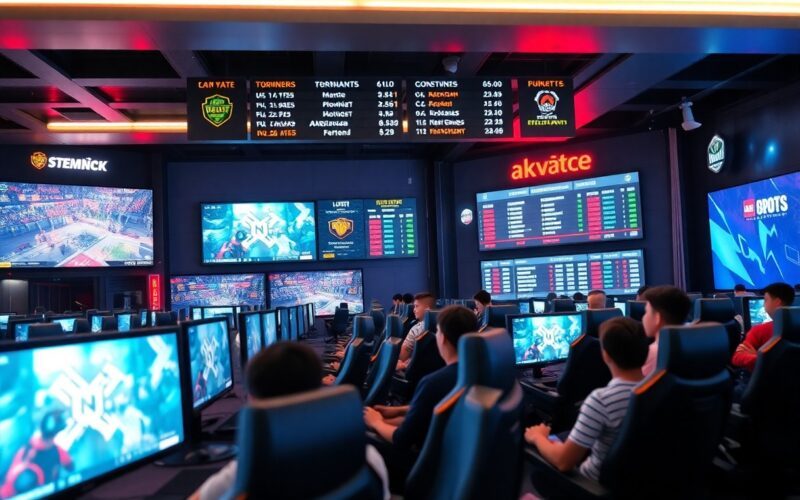






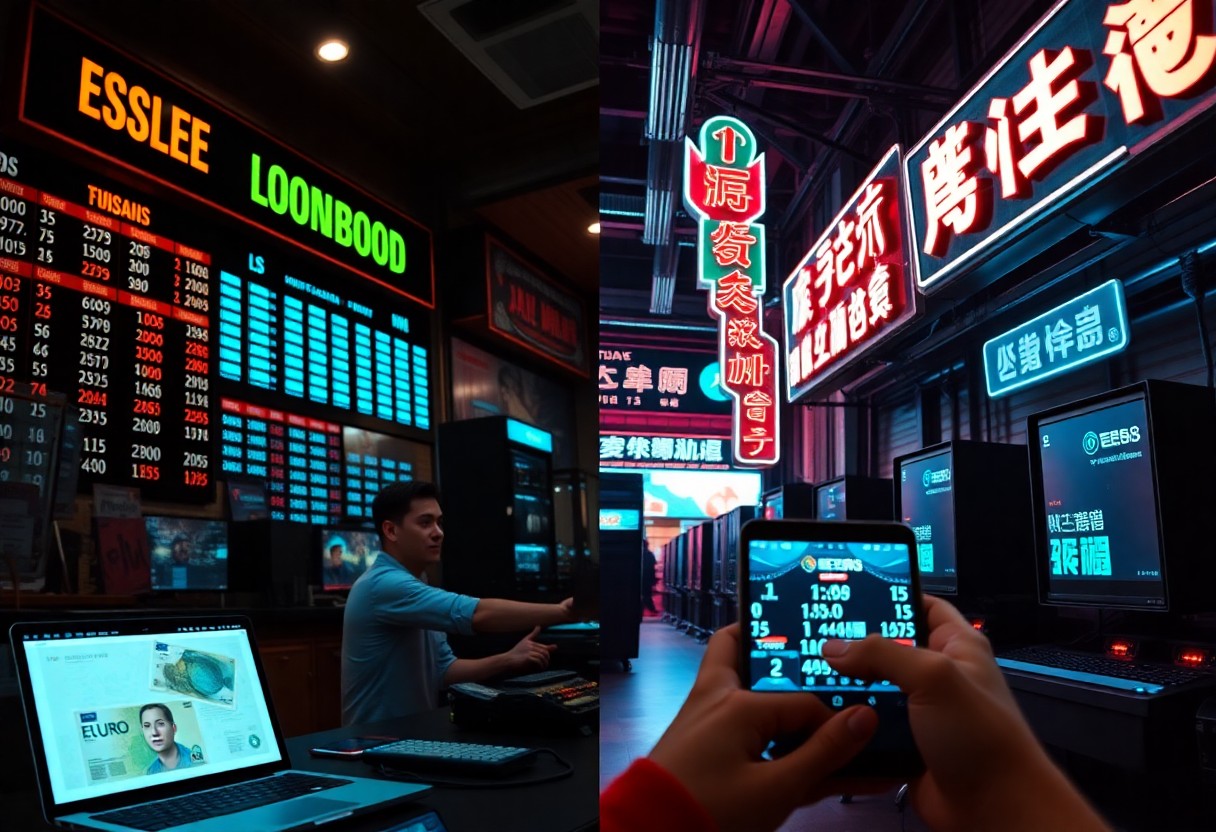
Over the last decade, esports betting has surged in popularity, yet significant differences exist between Europe and Asia. This post explores varying regulations, cultural attitudes, and market dynamics that shape how betting on esports is experienced in these regions.
The Cultural Divide of the Digital Arena
European Perspectives
In Europe, esports betting reflects deep-rooted sports culture, where traditional gambling practices influence player engagement. Fans often view esports as an extension of conventional sports, leading to a more cautious and strategic approach to betting. Regulatory frameworks in various countries add layers of protection and legitimacy, shaping betting behaviors accordingly.
Asian Enthusiasm
Asian markets exhibit a more aggressive betting attitude, fueled by rapid technological advancements and a growing youth demographic. The integration of esports into social and entertainment discussions has boosted participation rates. Legal environments vary significantly across countries, influencing the accessibility and popularity of esports betting in diverse ways.
Legal Frameworks and Regulatory Shadows
Europe’s Approach
Regulatory bodies across Europe vary significantly in their approach to esports betting. Countries like the UK have established clear frameworks, integrating esports within existing gambling regulations. This allows for a structured environment where operators can thrive under oversight, ensuring player protection and compliance with advertising standards.
Asia’s Complexity
Contrasting with Europe, Asia presents a more fragmented regulatory scene. Nations such as China impose stringent restrictions on gambling, including esports, while others, like Korea, have more permissive environments. This disparity creates challenges for international operators attempting to engage the Asian market while adhering to local laws.
Wagering Mechanics and Market Variety
Wagering Mechanics
Betting mechanics vary significantly between Europe and Asia, impacting both player engagement and market dynamics. European platforms typically offer a wider range of betting options, including complex bet types like parlays and props, which attract seasoned bettors. In contrast, Asian markets often focus on simpler, more straightforward wagers, appealing to casual gamblers seeking ease and quick enjoyment.
Market Variety
Asian esports betting markets commonly showcase a narrower selection of games, primarily focusing on popular titles like League of Legends and Dota 2. Alternatively, Europe presents a broader array of games and leagues, reflecting diverse interests and advanced market segmentation. Such variety allows European bettors to explore niche titles, fostering a more comprehensive betting experience.
Hardware Dominance and Betting Access
European Hardware Trends
Top esports titles in Europe often benefit from advanced hardware, with players equipped with high-performance PCs and peripherals. This access to superior technology enhances gameplay and influences betting dynamics, as users can rely on accurate statistics and in-game performance metrics. Various betting platforms integrate these metrics into their odds, providing bettors with detailed insights to make informed decisions.
Asian Market Accessibility
Asia’s esports scene focuses heavily on mobile gaming, expanding betting access to a wider audience. Mobile-first platforms cater to this demographic, allowing bettors to engage with events in real time. The proliferation of mobile devices ensures that betting remains accessible regardless of a player’s location, shaping unique betting behaviors compared to Europe’s desktop-dominated market.
The Cult of the Professional Gamer
Europe’s Perspective
Professional gaming in Europe has evolved into a prestigious profession, often celebrated by fanfare and large audiences. Gamers achieve celebrity status, drawing significant sponsorships and media attention, leading to a vibrant ecosystem that intertwines with traditional sports. This cultural elevation fosters community appreciation, with events often resembling festive gatherings rather than mere competitions.
Asia’s Influence
In Asia, professional gamers are often viewed as cultural icons, particularly in countries like South Korea and China. Competitive gaming here garners immense public passion, with massive tournaments drawing in thousands of spectators. Strikingly, this fervor translates into daily live streams where millions watch their favorite players, transforming gaming into a highly interactive experience.
Economic Volatility and Growth Trajectories
Europe’s Dynamic Shifts
European esports betting experiences significant economic fluctuations, influenced by regulatory changes and market maturity. Countries like the UK lead in structured frameworks, yet economic uncertainty can create volatile betting environments, impacting user engagement and investment levels. Changes in government policies often dictate market stability, frequently shifting consumer confidence.
Asia’s Rapid Expansion
Asian markets showcase explosive growth in esports betting, driven by a burgeoning youth demographic and increasing internet penetration. Countries such as China and South Korea are expanding their betting infrastructures, often adapting to a more dynamic and less regulated environment. This agile response to market demand facilitates greater participation, but also introduces inherent risks associated with economic instability.
Summing up
Following this, esports betting in Europe often emphasizes regulatory compliance and established legal frameworks, allowing for a more structured experience. In contrast, Asia presents a diverse betting culture, influenced by local gaming practices and varying levels of regulation, which can lead to a less formalized betting environment.
Market preferences differ significantly; Europe typically favors traditional betting formats, while Asian markets might showcase unique in-game wagering options. The differences in cultural attitudes toward gambling also dictate the growth and acceptance of esports betting across these regions.