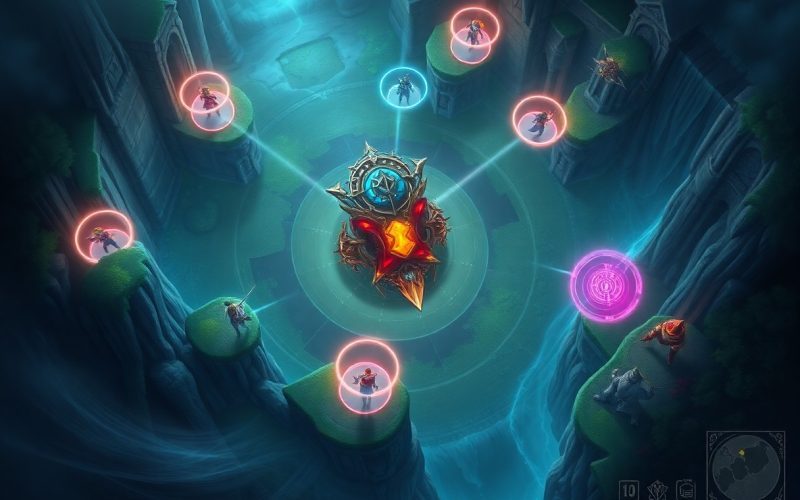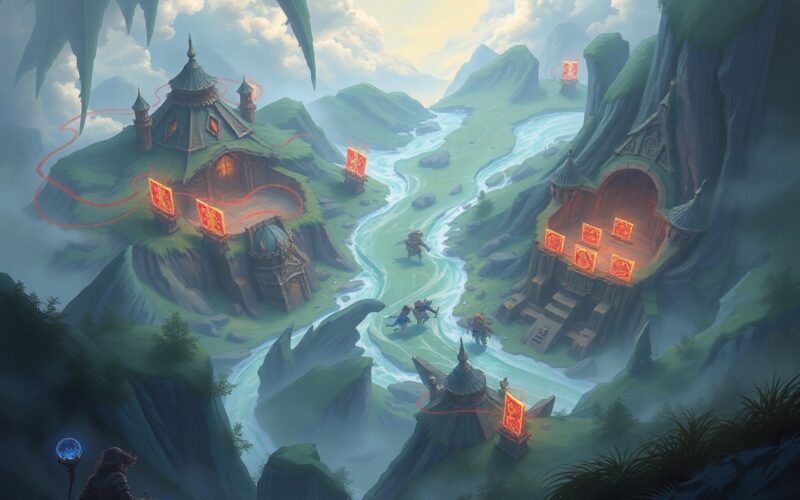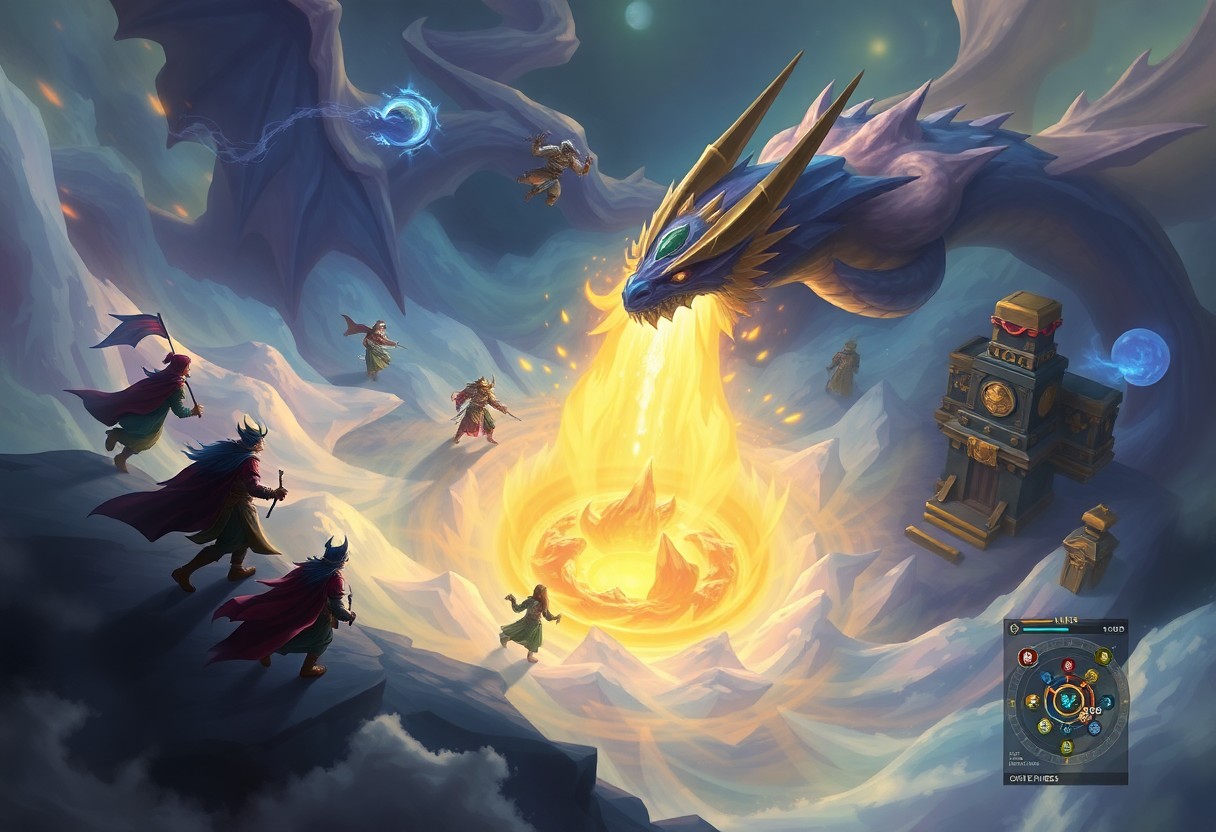
Just focusing on kill count masks the game’s core economy and tempo; objective trading-securing dragons, Rift Heralds, towers and vision-translates kills into permanent map control, gold advantages and reset-free pressure. Teams that optimize rotations, objective windows and vision allocation convert small leads into objective snowballs, making consistent, timed trades more decisive than fleeting skirmish statistics.
Understanding Objectives in League of Legends
Definition of Objectives
Objectives are map features and neutral monsters that convert time and map control into tangible advantages: gold, experience, pushing power, or global buffs. They include towers and inhibitors, epic monsters like Dragon and Baron, Rift Herald, jungle camps and vision points; each objective shifts tempo by enabling safer sieges, denying resources, or forcing rotations through predictable spawn timers and contest windows.
- Provide team-wide benefits or localized map pressure.
- Create windows to force fights or secure lanes.
- Enable macro plays like resets, recalls, and cross-map dives.
- Assume that trading a 2-for-0 kill for a Dragon and first tower often yields a larger, lasting lead.
Types of Objectives
Towers and inhibitors supply map control and lane safety; Dragons give stacking elemental buffs and after four a Dragon Soul; Baron Nashor grants a short siege buff that empowers minions and champions; Rift Herald spawns early (around 8:00) and provides a turret-breaking charge; vision objectives like Scuttle and deep wards secure objective control and deny enemy information.
| Outer/Mid/Inner Turrets | Map access, local gold and structure removal to open side lanes |
| Inhibitors | Spawns super minions, forces resets and long-term pressure |
| Elemental Dragons | Stacking buffs per dragon; four grants Dragon Soul |
| Baron Nashor | Short-term team-wide siege buff that empowers minions |
| Rift Herald | Early objective that converts into a turret-damaging projectile |
Teams should time objective attempts with lane states and vision control: securing Herald at ~8-14 minutes often converts into first-tower gold and plate value, while 2+ dragons by 18 minutes snowball team combat; Baron later (post-20) typically converts a small lead into inhibitor pressure. Professional matches show teams that trade two kills for Baron without vision usually lose the map objective within 30-90 seconds.
- Prioritize Herald when you can escort it to a side lane and force a turret reset.
- Value Dragons when your comp scales with elemental buffs or when you can force 4-stack timelines.
- Contest Baron only with adequate vision and numbers advantage; avoid 50/50 smites.
- Assume that objective control, timed with minion waves and recalls, outweighs isolated kill leads in the mid and late game.
| Early (0-15 min) | Herald and first turret priority; look for plate windows and jungle control |
| Mid (15-25 min) | Dragon stacking and map rotations; contest soul timeline |
| Late (25+ min) | Baron for sieging and inhibitor plays; force fights around vision |
| Vision | Scuttle and deep wards determine secure contest windows |
| Split/Side Pressure | Use Herald/Baron empowered minions to force favorable trades |
The Role of Kills in League of Legends
Kill Contributions and Gold Gain
Kills grant direct gold and XP that enable item spikes: a solo kill typically awards ~300 gold while assists split supplemental gold, and shutdowns provide bonus payouts, helping champions complete key components like a BF Sword or Lost Chapter earlier. Jungler kills plus stolen camps can create 700-900 gold swings that accelerate level power spikes and influence lane pressure more than raw scorelines suggest.
The Impact of Kills on Team Morale
Early kills often shift tempo and decision-making: a 2-for-0 in bot lane forces recalls, creates a 1-2 wave minion lead, and opens a 45-90 second window to plate turrets or set up dragon vision, giving the winning side clearer objectives to pursue and cleaner shotcalling options.
Psychologically, kills provide tangible reinforcement for aggressive plays and can consolidate trust in a shotcaller; teams that convert kills into objective commitments tend to maintain focus, whereas squads that chase vanity kills risk fragmenting coordination. In solo queue, a fed mid roaming after two successful skirmishes frequently turns lane advantages into turret damage or deep vision, while at pro level, teams systematically use kill windows to secure dragons or Rift Herald within the next 30-90 seconds, magnifying the initial advantage.
Limitations of Focusing on Kills
Kills are an imperfect metric: a 3-for-2 fight that costs a jungler objective control or summoner spells can leave your team unable to contest Dragon or Herald, and turret/objective gold often outvalues small kill leads. Chasing kills also increases vulnerability to bait, vision punishments, and wave mismanagement.
Overemphasis on kill counts leads to common failures-lost minion waves, missed objective timers, and poor vision investment. For example, committing to a risky dive to secure a kill can cost 30-45 seconds of map pressure, allowing the enemy to take an uncontested dragon or reset with more efficient item buys. Effective macro balances kill attempts with lane state, cooldowns, and objective timers so that kills are leverage rather than an end in themselves.
The Strategic Importance of Objective Trading
What is Objective Trading?
Objective trading means deliberately exchanging kills for map objectives such as Dragon, Baron, Rift Herald, turrets, or vision control; for example, conceding a 2-for-1 in mid to secure first Dragon or Herald can grant lasting tempo. Four Elemental Dragons grant a Dragon Soul, which fundamentally shifts late-game teamfighting, so trades that prioritize drake progress often outvalue short-term kill leads.
Timing and Coordination in Objective Trading
Successful trades hinge on windows: Baron spawns at 20:00, turret plates fall off at 14:00, and Scuttle gives persistent river vision, so coordinate around those timers. Align ultimates, summoners, and smite cooldowns, and capitalize when a key enemy (jungler or ADC) is dead for 20-40 seconds to force an uncontested objective.
Rotation choreography matters: push a side wave to pull two enemies while five-man collapsing on Dragon creates a numbers advantage without a teamfight. Use control wards and denial vision to bait fights, and have a clear walk-up plan-who zones, who smites, who peels-so a trade becomes predictable rather than chaotic.
Benefits of Successful Objective Trading
Objectively focused trades convert momentary skirmish outcomes into lasting advantages: Baron empowers minions and increases siege potential, dragons stack toward a game-changing soul, and towers give global gold and map control. These outcomes compound over time, creating safer rotations, deeper vision, and more consistent gold income than isolated kills do.
From an economic perspective, objective value is team-wide and scalable: a single Baron often enables taking 1-3 outer turrets within the next minute, opening the map and increasing average gold per minute for all lanes. Teams that trade smartly pressure enemy item windows and force inefficient recalls, accelerating their win conditions.
Comparing Kills and Objectives in Different Phases of the Game
Phase-by-phase priorities
| Phase | Priority shift (Kills vs Objectives) |
|---|---|
| Early (0-10 min) | Lane control, CS, and single-target trades; first dragon at 5:00 and Rift Herald at 8:00 set tempo-kills that secure plates or Herald value outpace isolated solo kills. |
| Mid (10-20 min) | Objective trading becomes central: dragons stack toward a Soul (4 dragons), Herald pushes towers; a 2-3 minute window after a 1-for-1 can decide outer turret trades. |
| Late (20+ min) | Baron spawns at 20:00 and amplifies sieges; team fights that lead to Baron/Elder or inhibitor takes >> raw kill score, since map pressure converts into Nexus damage. |
Early Game: Focus on Lane Control
During the laning phase prioritize wave management, vision around scuttle, and trading that denies CS; a solo kill that costs you an outer plate or Herald objective is a net loss-securing plate gold and a Herald charge (spawn 8:00) often equals or exceeds the value of one kill plus resets.
Mid Game: Transitioning to Objectives
Once Herald and consecutive dragons appear, shifts in priorities matter: trades that open a turret, secure a dragon stack, or force flashes are often worth two or more kills because they provide sustained map pressure and global gold flow.
In practice this looks like rotating 20-30 seconds earlier to contest a drake instead of chasing a kill in side lane; for example, sacrificing a solo lane kill to secure the second dragon can push your team toward soul control by 20 minutes. Map-wide consequences-losing an outer turret, giving up vision, or failing a 50/50 Baron-compound far beyond single-kill gold, so mid-game decision trees should evaluate time-to-objective, cooldowns (teleport/ultimates), and enemy respawn timers rather than raw score alone.
Late Game: Team Fights and Objective Control
In the late game kills matter mainly insofar as they enable Baron/Elder control and inhibitor sieges; a clean 5v5 that wins objective access (Baron spawn at 20:00) commonly turns into a single push that wins the game, whereas isolated kills without vision or minion pressure rarely convert to Nexus damage.
Deeper late-game nuance includes baiting Baron with vision denial, manipulating waves so a successful fight grants a free base approach, and timing Elder windows-winning a fight that lets you take Baron plus two inhibitors is exponentially more valuable than a 1-for-1 trade for a carry. Focused objective timing, collapse paths, and minion-wave manipulation determine whether kills translate into victory or are just score padding.
Case Studies: Successful Objective Trading
- Case Study 1 – Mid-game Baron trade (Pro scrim): At 27:45 Blue traded 3 deaths and one summoner for Baron; outcome: Blue took Baron, converted it into 3 turrets and an inhibitor within 150 seconds, netting ~2,600 gold swing and a 4.2k effective power spike that closed the game at 31:20.
- Case Study 2 – Elder over teamfight (Tournament): At 38:10 Red sacrificed two kills and a flash to contest Elder; result: Red secured Elder, won the subsequent 5v5, destroyed two inhibitors in 3 minutes, and increased objective control from 40% to 78%, producing a ~4.8k advantage.
- Case Study 3 – Infernal Soul timing (Professional series): At 22:00 a 2-for-Soul trade occurred; team that took Soul converted the 8% mixed damage increase into 6 neutral objective takedowns over next 8 minutes and outscaled opponents, converting a 1.5k gold deficit into a 2.1k lead by 30:00.
- Case Study 4 – Rift Herald turret snowball (Ladder-to-pro example): At 15:20 Blue used Rift Herald after trading two deaths in side-lane; they secured two outer turrets (1,400 gold total) and plate gold, extending map control and creating a 1.9k gold lead that restricted enemy rotations and led to a successful Baron attempt at 25:50.
- Case Study 5 – Split-push objective trade (Best-of-five): One split-pusher traded a kill for Baron buff on enemy ADC; Baron-enhanced minions forced four towers and one inhibitor within 240 seconds, translating to ~3.4k objective value and a decisive map-state collapse despite the kill deficit.
Examples from Professional Play
Pro teams consistently prioritize objective conversions after trades: multiple series show that taking Baron within two minutes of a fight yields 2-4 towers on average and shortens game length by roughly 20-25%. Coaches often script trades where a 2-3 kill loss is accepted to secure a major objective that swings vision and map control, producing predictable endgame sequences when executed cleanly.
Common Mistakes in Objective Trading
Teams frequently mis-evaluate immediate versus delayed value, chasing kills that cost objective windows or securing objectives without vision and losing Baron/Elder to an unseen flank; such errors often turn a small lead into a game-losing swing within one rotation.
More specifically, common failures include: committing to fights without securing vision for the contested objective, failing to time recalls and item spikes so the objective is taken when power is highest, and poor minion-wave management that prevents objective pressure after a trade. Tactical misreads-like over-prioritizing a kill on an unthreatening target or underestimating the enemy’s reset timer-lead to wasted Baron/Elder attempts and give opponents rotation advantages worth thousands of effective gold. Training focus should target timing, vision setups, and post-objective exploitation to convert trades into lasting advantages.
Developing an Objective Trading Mindset
Communication and Teamwork
Use concise shotcalls and pings to synchronize trades: call objectives with timers (e.g., “Dragon 00:20”), stack three pings to commit, and assign roles like “frontline peel” or “zone control” before fights. In pro play, a single clear call swung Baron trades at 27:45; in solo queue, mute noise and prioritize a single leader to reduce misplays and secure objective windows with coordinated collapse or disengage.
Vision Control and Map Awareness
Prioritize control wards and sweepers around key timers: dragons spawn at 5:00 and then every 5 minutes, Baron at 20:00, so establish vision 60-90 seconds prior. Place deep wards in enemy jungle to track the jungler’s pathing and use minimap habits-checking flank brushes and side lanes every 10-15 seconds-to convert vision advantage into safe objective takes.
Drill specific ward patterns: put a control ward in the pixel brush or river bush, place a deeper ward near enemy Raptors or Red to predict pathing, and clear competing vision with two sweep passes before starting a resettable objective. When contesting Baron, deny vision on the flank and maintain at least two control wards plus 1-2 temporary wards; combine this with ping windows (30s, 10s) and a clear objective leader so the team times engages around cooldowns or enemy absence.
Adapting to Enemy Strategies
Identify enemy win conditions and adjust objective priorities: if they draft strong split-pushers, trade a turret for a Dragon or Herald; versus heavy teamfighters, contest Baron only when vision and numbers favor you. Track enemy key cooldowns-jungle respawns, Flash availability, and Teleport timing-to exploit 20-40 second windows where contesting is low-risk and high-reward.
Use scouting and probe plays: send a tank or expendable champion to test pixel brushes and force enemy reaction, then commit when they show minimal response. For example, if the enemy mid laner roams bot and their Teleport is on cooldown, convert that 45-90 second advantage into a Drake or tier-one turret; conversely, if their jungler is alive and spotted near Baron, rotate to side lanes to force a split trade rather than a risky 50/50 fight.
Final Words
On the whole, objective trading in League of Legends matters more than kills because towers, dragons, Baron, and Rift Herald convert small leads into lasting advantages, provide map control and global gold, deny enemy resources, and shape win conditions; disciplined macro play and objective focus consistently produce higher win rates than chasing kills alone.
FAQ
Q: Why does objective trading matter more than kills?
A: Objective trading converts short-term skirmish advantages into long-term, map-wide pressure. Towers, dragons, Baron and Rift Herald grant global gold, XP, and map control that change wave states and vision control; a single secured objective often yields more sustained value than one or two kills that only temporarily set the enemy back. Objectives force the enemy to respond, open lanes for minion waves to crash into turrets, and enable safe resets to buy items or force favorable fights. Because objectives scale with time and create momentum, teams that consistently trade kills for towers and major neutral objectives generally snowball more reliably and close games faster.
Q: How do I prioritize objectives over kills during a match?
A: Communicate intent with pings and chat, then act on it: push waves to deny farm and create a safe window for objective takes; keep vision cleared and place deep wards to spot rotations; track enemy summoner cooldowns and timers for Baron/Dragon spawns; assign roles-who splits, who zones, who secures vision. If you get a kill, immediately shove the wave and look for plate or tower damage, Herald, or Dragon instead of chasing. If you lose a skirmish, concede a low-value kill to protect a tower or contest a neutral at a numeric advantage. Prioritize objectives that increase global pressure (mounting turret plates early, Dragons for sustained buffs, Baron for sieges) and adapt based on team comps and item spikes.
Q: What common mistakes do players make when valuing kills over objectives, and how can they fix them?
A: Overchasing into fog, staying to secure extra kills after a successful fight, and failing to shove waves are frequent errors. These lead to lost towers, reset timings, and objective steals. Fixes: 1) Train the habit of wave management-after a kill, clear minions then rotate; 2) Use quick map checks and timers to decide whether a chase is worth it or if the objective is more profitable; 3) Prioritize vision control around objectives to prevent steals and flank recalls; 4) Assign a shotcaller to call objective trades so the team avoids scattered decisions; 5) Practice estimating value-tower plates and neutral objectives often outvalue single kills, especially post-15 minutes. Applying these corrections shifts focus from isolated skirmishes to sustainable macro advantages.