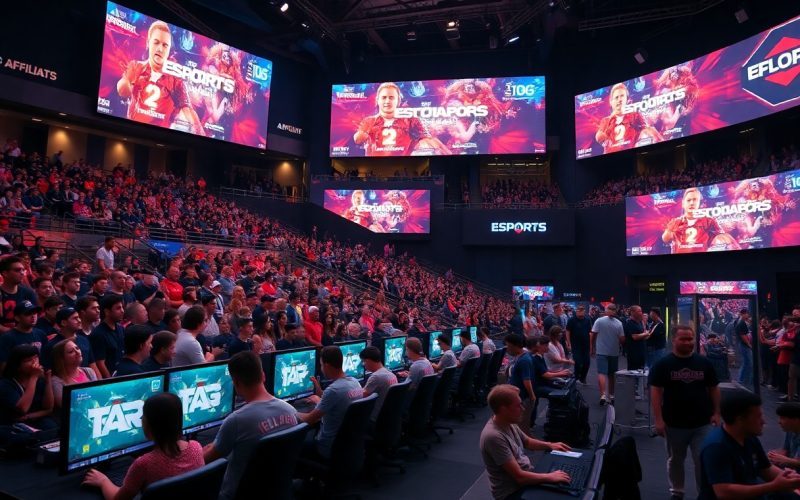






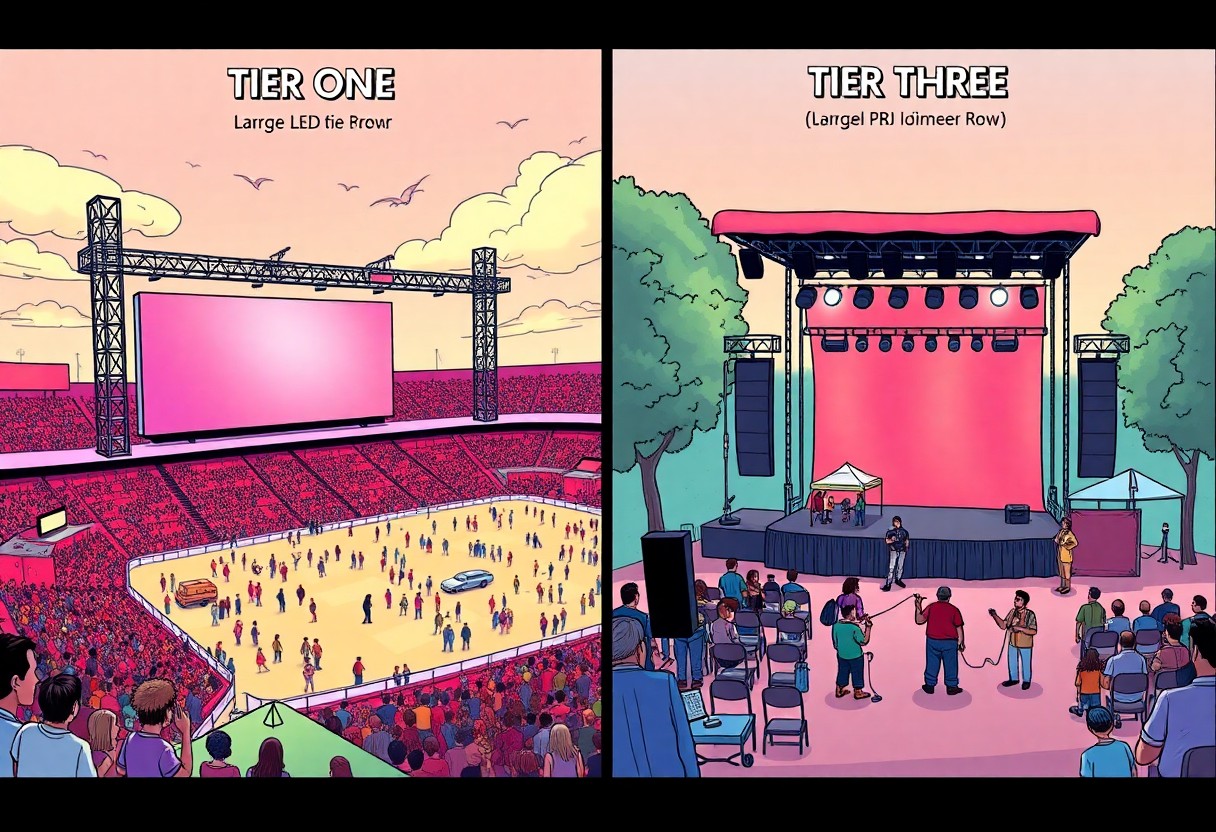
Just understanding the structural differences between tier one and tier three events can clarify their distinct roles in various industries. Tier one events typically involve higher stakes, larger audiences, and more complex logistics, while tier three events are smaller in scale, simpler, and often more localized.
Defining the Tier Hierarchy in Modern Event Ecosystems
Historical Evolution of Tiered Classification Standards
Understanding tiered classification standards began in the early 20th century as event organizers sought a system to categorize gatherings based on attendance and impact. Evolution occurred as globalization increased, prompting more distinct classifications to address diverse event types.
Systematic frameworks emerged around the mid-2000s, heavily influenced by marketing strategies and audience engagement metrics. These frameworks allowed stakeholders to effectively differentiate between local gatherings and large, international conferences, establishing a clear hierarchy.
Quantitative Benchmarks for Tier One Status Recognition
Quantitative benchmarks for Tier One events often include attendee counts exceeding 10,000, substantial sponsorship deals, and international reach. Financial health, including revenue generation and ticket sales, also plays a significant role in classification.
Metrics like media coverage and digital engagement rates contribute to recognition within this tier. These benchmarks serve as definitive indicators of an event’s capacity to draw significant public attention and participation.
Event organizers utilize these quantitative standards not just for classification, but also to strategize improvements in future events. Strong performance in key metrics ensures increased visibility and appeal, thus attracting further investment and a larger audience base.
Qualitative Indicators of Tier Three Grassroots Environments
Qualitative indicators for Tier Three events highlight community involvement and local cultural relevance. These gatherings often prioritize engagement over sheer size, fostering strong relationships among participants.
Authenticity is a common trait, with grassroots events often reflecting the unique values and traditions of their respective communities. This focus on local engagement contributes to a more intimate atmosphere, promoting lasting connections among attendees.
Community-driven initiatives typically characterize Tier Three environments, encouraging participation from diverse segments of the population. Such events often become platforms for self-expression, showcasing local art and talent, which enhances their cultural significance.
Financial Architecture and Budgetary Allocation
Prize Pool Disparity and Diverse Funding Sources
Prize pools reflect significant disparities between tier one and tier three events, often influenced by the scale and visibility of the tournament. Tier one events frequently attract large investments, leading to substantial prize allocations that entice top talent and increase audience engagement.
Diverse funding sources play a critical role in shaping event budgets. Tier one events commonly draw from sponsorships, broadcasting rights, and merchandising, while tier three events may rely more heavily on grassroots support, community involvement, and smaller local sponsors.
Sponsorship Tiers and Corporate Brand Integration Strategies
Sponsorship tiers differ remarkably between event categories, impacting overall financial health and brand partnerships. Tier one events usually feature multilayered sponsorship packages that offer numerous branding opportunities, including main event sponsorships and exclusive activations.
Corporate brand integration strategies vary, with tier one events incorporating extensive brand messaging throughout the event experience. In contrast, tier three events often utilize simpler brand placements, focusing on community engagement and local partnerships to enhance visibility.
Effective implementation of sponsorship tiers involves defining clear benefits for sponsors, tailored to their goals. Tier one events provide exclusive access, premium visibility, and integrated marketing campaigns, while tier three events focus on building community connections and localized brand awareness.
Operational Expenditure and Revenue Sharing Models
Operational expenditures differ substantially between tier one and tier three events, often reflecting the scale and complexity of the production. Tier one events allocate significant budgets toward high-quality venues, advanced technology, and comprehensive logistics, while tier three events manage expenses on a tighter scale with fewer resource demands.
Revenue sharing models further complicate financial structures, with tier one events frequently employing sophisticated agreements that distribute earnings from various streams, including ticket sales and merchandising. In contrast, tier three events may have more straightforward revenue splitting, often driven by community-focused initiatives and local business partnerships.
Understanding operational expenditure and revenue sharing is imperative for strategic planning. Tier one events set the standard for industry best practices and revenue models, while tier three events must adapt to local market conditions and community needs to ensure sustainable operations.
Production Value and Broadcasting Infrastructure
Technical Specifications of High-Definition Live Broadcasts
High-definition live broadcasts differentiate tier one events from tier three by employing advanced technical specifications. Tier one events typically utilize 4K or higher resolution cameras paired with sophisticated broadcasting equipment to enhance viewer experience. This investment ensures superior image clarity and vibrant color accuracy, attracting larger audiences and advertisers.
Standardizing streaming protocols and utilizing efficient content delivery networks are also vital for tier one productions. These technologies minimize latency and enhance accessibility across various platforms, ensuring that live broadcasts reach viewers in real-time, regardless of location.
Talent Acquisition: Professional Casters, Analysts, and Observers
Professional talent in tier one events includes seasoned casters, insightful analysts, and experienced observers. These individuals elevate the viewer experience through expert commentary and analysis, significantly impacting audience engagement. Selection criteria often involve not only experience but also charisma and the ability to connect with diverse audiences.
Recruiting top-tier professionals is a considerable factor for event organizers. The caliber of talent directly influences the overall quality of the broadcast, making it imperative to attract individuals who can provide both entertainment and insightful analysis to enhance viewer enjoyment.
On-site vs. Remote Production Capabilities and Limitations
On-site production capabilities benefit tier one events by allowing for complex setups that fully capture the atmosphere. High-quality equipment, experienced crews, and immediate troubleshooting contribute to a polished live experience. In contrast, remote production setups, while more cost-effective for tier three events, may face limitations in quality and flexibility.
Evaluating production requirements is vital for event organizers. On-site setups permit real-time adjustments and interactions that remote productions can struggle to replicate, ultimately affecting viewer immersion and satisfaction.
Venue Selection and Physical Infrastructure
Stadium-Scale Logistics vs. Studio and Online Environments
Large-scale events require extensive logistical planning, especially with stadium venues. These locations accommodate thousands of spectators, demanding intricate crowd management, parking solutions, and security protocols. Physical space dictates the number of staff, equipment, and services necessary to support such high attendance.
In contrast, tier three events often take place in smaller studios or online platforms. Here, logistics focus more on technical setups and audience engagement through digital channels. Scale allows for more flexibility in resources, often resulting in unique audience interaction methods without physical crowd constraints.
Spectator Experience and Premium Hospitality Services
Guests at tier one events typically enjoy personalized hospitality options, including exclusive lounges and gourmet catering. Setting these high standards drives event planners to ensure every detail heightens the spectator experience, from premium seating to dedicated customer service teams.
Tier three events, while less elaborate, can still offer engaging experiences through creative setups and bundled viewing packages. These might focus on affordability while maintaining a welcoming atmosphere, ensuring that even smaller gatherings deliver satisfaction to attendees.
Exceptional spectator experience at tier one events revolves around meticulous planning and high-quality amenities. Factors such as tailored services, entertainment options, and the overall ambiance contribute significantly to customer satisfaction. Providing various premium hospitality choices underscores the importance of creating memorable experiences for attendees.
Technical Requirements: Networking, Power, and Hardware Redundancy
Technological needs for tier one events are extensive. Complex networking setups are necessary to ensure uninterrupted broadcasting and communication, requiring high-speed internet and multiple backup systems. Power availability is equally critical, often demanding large generators to support heavy equipment loads.
On the other hand, tier three events necessitate simpler setups. Basic networking and power solutions can often suffice, as the infrastructure supports fewer attendees and less equipment, allowing for more straightforward technical management without sacrificing quality.
Critical technical components for tier one events include advanced networking infrastructure and power redundancy. Multiple connections and backup sources ensure reliability, enabling seamless operations for streaming and interactive platforms. This integrated approach helps deliver a comprehensive production that meets audience expectations.
Competitive Integrity and Regulatory Oversight
Adherence to Global Governing Body Standards and Sanctions
Compliance with standards set forth by global governing bodies is paramount for maintaining competitive integrity in tier one events. These organizations establish rules and enforce sanctions to ensure consistent, fair play across competitions.
Sanctions for violations can include fines, bans, or disqualifications, aiming to deter misconduct. Tier three events may lack the stringent oversight often seen in higher-tier competitions, leading to a potential compromise in integrity.
Anti-Cheat Protocols and Professional Refereeing Standards
Establishing anti-cheat protocols is fundamental for maintaining a level playing field in competitive events. Tier one competitions typically implement advanced technology and procedures to detect and prevent cheating, showcasing a commitment to integrity.
Professional refereeing standards also differ significantly. High-level officials receive specialized training and certification, ensuring that rules are applied consistently and fairly throughout matches, a requirement that is often less stringent at tier three levels.
Incorporating professional refereeing and anti-cheat measures goes beyond mere enforcement; they create an environment where athletes can compete without fear of unfair advantages, thereby enhancing the overall credibility of the sport.
Health and Safety Regulations: Drug Testing and Mental Health Support
Health and safety regulations play a critical role in tier one events, with mandatory drug testing being a standard protocol. This process not only maintains fairness but also ensures athletes’ safety from harmful substances.
Mental health support is equally important, as elite athletes often face intense pressure. Tier one organizations frequently provide access to mental health resources, whereas tier three events may not prioritize these supports equally.
Implementing comprehensive health and safety regulations fosters a culture of well-being among athletes. Ensuring access to both drug testing and mental health resources creates an environment where competitors can thrive, ultimately enhancing the integrity of competitive sports.
Marketing, PR, and Global Audience Engagement
Media Rights Distribution and International Broadcast Networks
Media rights distribution varies significantly between tier one and tier three events, impacting overall visibility and revenue. Tier one events often secure high-value deals with major international broadcasters, ensuring extensive coverage and premium placements.
In contrast, tier three events generally rely on smaller, regional networks. Limited reach and lower broadcast quality can diminish audience engagement, making it challenging to compete with larger, more established events.
Social Media Synergy and Content Creation Cycles
Content creation cycles differ markedly across event tiers, influencing social media strategy. Tier one events capitalize on high-frequency content updates to engage global audiences, leveraging real-time interactions.
Tier three events must adopt a more strategic approach, focusing on niche audiences. Tailored content, often created around specific community interests, helps build genuine connections and extend the event’s reach over time.
Effective social media synergy combines real-time updates with pre- and post-event engagement. By encouraging user-generated content, tier three events can enhance visibility, creating an ongoing dialogue that retains audience interest far beyond the event itself.
Fan Activation Strategies and Community Outreach Programs
Fan activation strategies are important for bridging the gap between audiences and events. Tier one events typically implement large-scale campaigns that engage a broad demographic, utilizing celebrity endorsements and major promotions.
Conversely, tier three events benefit from grassroots outreach programs. Fostering community involvement creates loyal fan bases, enhancing the overall experience and deepening connections for sustained engagement.
Focused community outreach empowers tier three events to relate closely to local fan bases. Programs like school partnerships and volunteer initiatives encourage participation, which solidifies community ties and amplifies event enthusiasm.
Participant Logistics and Player Experience
Travel, Luxury Accommodation, and Per Diem Standards
Travel arrangements for tier one events often include first-class flights and high-end accommodations, enhancing the overall participant experience. Players typically receive generous per diem allowances, allowing for high-quality meals and incidental expenses.
Comparatively, tier three events may offer economy travel and standard hotel stays, reflecting budget constraints. Per diem rates in these scenarios are generally lower, necessitating more frugal spending by participants.
Professional Practice Facilities and Warm-up Environments
Facilities at tier one events exemplify excellence with state-of-the-art practice arenas and dedicated warm-up areas. These settings enhance performance preparation, providing players with optimal conditions.
Less investment in infrastructure characterizes tier three events, where practice facilities might be more functional than luxurious. Limited warm-up spaces can hinder athletes’ preparedness, impacting their overall experience.
Contractual Obligations and Mandatory Media Day Requirements
Contracts for tier one events often include stringent obligations regarding media appearances and promotional activities. Mandatory media days require players to engage with sponsors and press, ensuring maximum visibility for the event.
In contrast, tier three contracts may contain fewer media obligations, allowing players more time for preparation. This difference can affect the degree to which athletes are marketed and the overall exposure of the event.
Data Analytics and Statistical Integration
High-Fidelity Data Tracking for Real-Time Broadcast Overlays
Real-time data tracking enhances the viewer experience through dynamic broadcast overlays. This technology captures player statistics, game events, and engagement metrics instantly, ensuring accurate, up-to-the-minute information for audiences.
Utilizing advanced algorithms, data feeds create context for game narratives, facilitating deeper fan engagement. Such overlays can showcase crucial moments and player performances, fostering a more interactive viewing atmosphere.
Post-Match Analysis Tools for Professional Coaching Staff
Analysis tools post-match are necessary for coaching staff to dissect game footage and player performance. These tools aggregate data, allowing coaches to identify strengths and weaknesses, directly impacting training strategies.
Utilizing detailed reports and visualizations, coaching staff can analyze every move, providing precise feedback to players. This data-driven insight optimizes team performance in future matches.
Coaches often rely on advanced analytics platforms to break down complex gameplay scenarios. Comprehensive analysis provides actionable insights, influencing decisions on tactics and player development, thereby improving overall team success.
Integration of Betting Interfaces and Real-Time Odds Calculation
Betting interfaces integrated into live events provide viewers with current odds, enhancing their engagement. This technology incorporates real-time data feeds to deliver accurate betting metrics as the game unfolds.
Offering seamless updates on odds encourages fans to participate actively, making events more interactive. Real-time calculations also create opportunities for instant betting decisions based on on-field dynamics.
Integration efforts ensure that odds reflect live game conditions, promoting transparency and informed betting choices. This immediacy appeals to the audience, transforming passive viewing into an engaging experience, where fans can partake in the excitement of the game through betting interfaces.
Organizational Staffing and Human Resource Management
Executive Leadership and Specialized Event Management Teams
Tier one events typically involve a dedicated executive leadership team tasked with high-level strategic planning and execution. These specialized teams often include experts in various domains, ensuring the event meets exceptional standards of quality and operational efficiency.
In contrast, tier three events may rely on a more generalized leadership approach, often with fewer specialized roles. This can result in a lack of focused expertise in critical event areas, potentially impacting overall performance and participant experience.
Professional Labor Forces vs. Volunteer Dependency in Low-Tier Events
Tier three events often depend on volunteer staff, which can introduce variability in service quality and commitment. These events tend to prioritize budget efficiency over highly trained personnel, impacting the overall guest experience.
Conversely, professional labor forces dominate tier one events, reflecting a commitment to operational excellence and reliability. Skilled professionals contribute to smoother logistics and higher attendee satisfaction through their expertise.
Low-tier events frequently rely heavily on volunteers, which can lead to inconsistencies in performance. While passionate, volunteers may lack the necessary training and experience, affecting the event’s professionalism and smooth execution compared to tier one counterparts.
Security Personnel and Comprehensive Crisis Management Protocols
Security measures differ significantly between tier one and tier three events. Comprehensive crisis management protocols are standard in tier one, ensuring a proactive approach to attendee safety and risk mitigation.
In tier three events, security often relies on limited resources and less structured planning. This can lead to vulnerabilities that may compromise attendee safety and overall event integrity, emphasizing the importance of robust security frameworks in higher-tier events.
Effective security personnel in tier one events execute well-defined crisis management strategies that prioritize safety. By anticipating potential threats and having protocols in place, these events are better equipped to handle emergencies, thus ensuring a safer environment for all attendees.
Legal Frameworks and Intellectual Property Rights
Licensing Agreements with Game Developers and Publishers
Licensing agreements establish the terms under which a game can be utilized during an event. These contracts often define rights related to gameplay, streaming, and merchandising. Clear stipulations ensure that all parties understand their roles, obligations, and financial arrangements.
Compliance with these agreements is crucial for event organizers. Violations can lead to legal repercussions, including fines or restrictions on future events. Proper legal counsel is advisable to navigate these complex negotiations.
Commercial Rights Management and Merchandising Contracts
Commercial rights management is integral in maximizing revenue opportunities at events. These contracts dictate how merchandise can be sold and promoted, ensuring that intellectual property is protected. Proper management of these rights helps developers and organizers maintain brand integrity.
Merchandising contracts often include revenue-sharing models that benefit all stakeholders. Clear terms enhance profitability and reduce conflicts, creating a mutually beneficial environment for attendees and organizers alike.
Understanding the nuances of commercial rights ensures compliance with both legal requirements and industry standards. Stakeholders must be aware of licensing implications for products, as unauthorized merchandise can lead to significant legal issues.
Liability Insurance and Professional Risk Mitigation Strategies
Liability insurance serves as a protective measure against potential claims arising from events. Organizers must evaluate various coverage options to safeguard against financial loss due to accidents or unforeseen incidents. Carefully crafted policies can significantly reduce organizational risks.
Establishing comprehensive risk mitigation strategies complements insurance coverage. Risk assessments and clear emergency protocols contribute to a safer event environment, minimizing liability exposures and enhancing the overall experience for participants and attendees.
Developing a proactive risk management plan is crucial for any event to prevent legal complications. This includes regular reviews of insurance policies and training staff to handle emergencies efficiently, ensuring a safe atmosphere for all involved.
Sustainability and Long-Term Ecosystem Impact
Contribution to Regional Economic Growth and Tourism
Large-scale events typically drive significant regional economic growth by attracting tourists and stimulating local businesses. This influx creates job opportunities and elevates overall spending in the area, fostering improved infrastructure and services. In contrast, tier three events may have limited reach, resulting in minimal economic benefit beyond immediate event-related expenditures.
Tourism benefits from tier one events expand beyond the event itself, as they often become hallmark occasions for the host city. By showcasing local culture and attractions, these events can enhance the region’s visibility and desirability, drawing visitors year-round.
Talent Pipeline Development for Aspiring Professional Athletes
Programs associated with tier one events often provide aspiring athletes access to elite training and mentorship, laying a foundation for future success. These initiatives attract leading coaches and sports organizations, creating an ecosystem that nourishes talent at all levels. Conversely, tier three events typically lack the same resources, offering limited exposure and development opportunities.
Participants in higher-tier events frequently engage with a network of professionals, enabling a smoother transition from amateur to professional status. Success stories from these events inspire new athletes, showing them pathways to excellence in their chosen sports.
Environmental Footprint and Sustainability Initiatives of Large-Scale Events
Attention to sustainability is sharper in tier one events, where organizers frequently implement comprehensive initiatives to minimize environmental impact. These can include waste reduction strategies, carbon offset programs, and commitments to using renewable energy sources. In comparison, tier three events might address sustainability, but their efforts often lack the scale or rigor seen in more prominent events.
Engaging the local community in sustainability efforts creates a sense of collective responsibility. Tier one events spearhead initiatives that set benchmarks for sustainability in sports, inspiring smaller events to adopt similar practices.
Technological Innovation and Future Trends
Implementation of AR/VR in Tier One Spectator Experiences
AR and VR technologies enhance spectator engagement at tier one events by creating immersive experiences. Interactive displays and virtual arenas allow fans to experience the event from unique perspectives, transforming passive viewing into active participation.
Utilizing these technologies not only elevates the entertainment value but also encourages social interaction among attendees. Fans can share their experiences in real-time, fostering a community that enhances loyalty and brand affinity.
Scalability of Cloud-Based Tournament Management Platforms
Cloud-based platforms enable tier one and tier three events to scale operations efficiently. These systems allow seamless onboarding of participants, real-time data processing, and instant updates, accommodating fluctuating attendee numbers with relative ease.
Event organizers benefit significantly from centralized data management, which streamlines communication and enhances overall operational efficiency. This adaptability becomes important in meeting the growing demands of diverse event formats.
The increasing reliance on cloud-based tournament management platforms highlights the significance of scalability for both tier one and tier three events. These platforms can handle increased data loads and user interactions without compromising performance, ensuring that event organizers can respond swiftly to challenges, thus facilitating smoother operational flows during high-traffic periods.
Impact of Artificial Intelligence on Automated Tier Three Production
Artificial Intelligence (AI) is revolutionizing automated production in tier three events by enhancing efficiency and reducing costs. AI algorithms can optimize scheduling, resource allocation, and content generation, leading to more streamlined operations.
Teams can leverage AI for real-time analytics, making data-driven decisions that improve event outcomes. This shift empowers smaller-scale events to maintain competitive quality, reducing gaps between their production values and those of larger events.
AI’s role in tier three production extends versatility through automated content creation and distribution. By using sophisticated algorithms, event producers can deliver personalized experiences to audiences at scale, ensuring a broader reach and a deeper connection, ultimately elevating the standard of smaller events within the ecosystem.
Comparative Case Studies: Premier Majors vs. Regional Qualifiers
- Case Study 1: The Esports Championship Series (ECS) – 16 teams, $1 million prize pool, 80% viewership growth.
- Case Study 2: The Global Offensive Major – 24 teams, $2 million prize pool, peak of 1.3 million concurrent viewers.
- Case Study 3: The Midwest Regional League – 8 teams, $50,000 prize pool, local sponsorships covering 40% of costs.
- Case Study 4: The Eastern Qualifiers – 16 teams, $10,000 prize pool, 15% participation increase over last year.
| Tier 1 Events | Tier 3 Events |
|---|---|
| Global audience and sponsorship deals | Community-driven funding and local sponsorships |
| Multi-million dollar prize pools | Smaller, modest prize pools |
Detailed Analysis of a Premier International Championship
Major international championships attract top-tier teams, driving substantial media coverage and global sponsorships. Competition formats often involve multiple stages, ensuring an engaging viewer experience and maximizing revenue potential.
Data from the latest championship illustrates a staggering increase in audience engagement, with analytics showing 1.5 million viewers throughout the event. This impact profoundly shapes the esports industry.
Operational Review of a Regional Amateur Circuit
Regional circuits tend to have more modest operational structures, relying on local talent and community engagement. With lower overhead, these circuits focus on accessibility, allowing more players to participate despite limited financial incentives.
Scheduling and logistical support primarily come from volunteers and local venues, which helps build community but can limit scalability and resources.
Identifying the Structural “Bridge” Between Tiers
Bridging the gap between tier one and tier three events involves understanding the commonalities in structure and audience engagement strategies. Many successful regional circuits implement frameworks and best practices adopted from larger events.
By incorporating strategies for marketing, player development, and sponsorship acquisition, regional circuits can enhance their viability and attract a larger audience, fostering growth and elevating local talent to higher tiers.
Summing up
Presently, tier one events are characterized by their high-profile status, significant media coverage, and substantial economic impact, attracting large audiences and extensive sponsorships. These events often require complex logistical planning and collaboration with multiple stakeholders.
In contrast, tier three events are typically smaller in scale, featuring localized engagement and limited media attention. They often focus on niche markets and community involvement, requiring fewer resources and less intricate organization, which allows for a more accessible experience for participants and attendees.
Q: What are the primary structural differences between tier one and tier three events?
A: Tier one events often have stricter regulatory frameworks, larger budgets, and extensive media coverage. Tier three events typically involve less formal regulation, smaller budgets, and limited media presence. Reliability and consistency in operations also differ significantly between the two tiers.
Q: How do the objectives of tier one events compare to those of tier three events?
A: Tier one events primarily focus on broad objectives such as major brand exposure and substantial networking opportunities. Tier three events usually have more localized goals, often aimed at community engagement or niche audience outreach.
Q: In terms of logistical planning, how do tier one events differ from tier three events?
A: Tier one events require comprehensive logistical planning involving multiple stakeholders and detailed timelines. This contrasts with tier three events, which generally need simpler logistics and may rely more on local resources and less formal coordination.