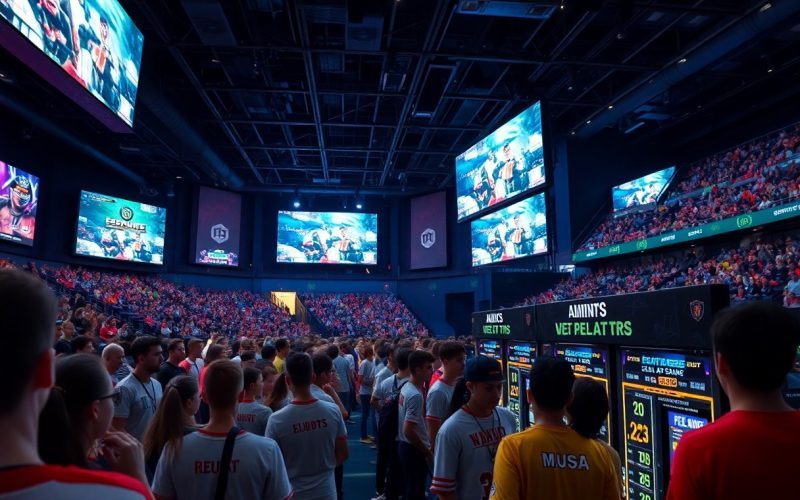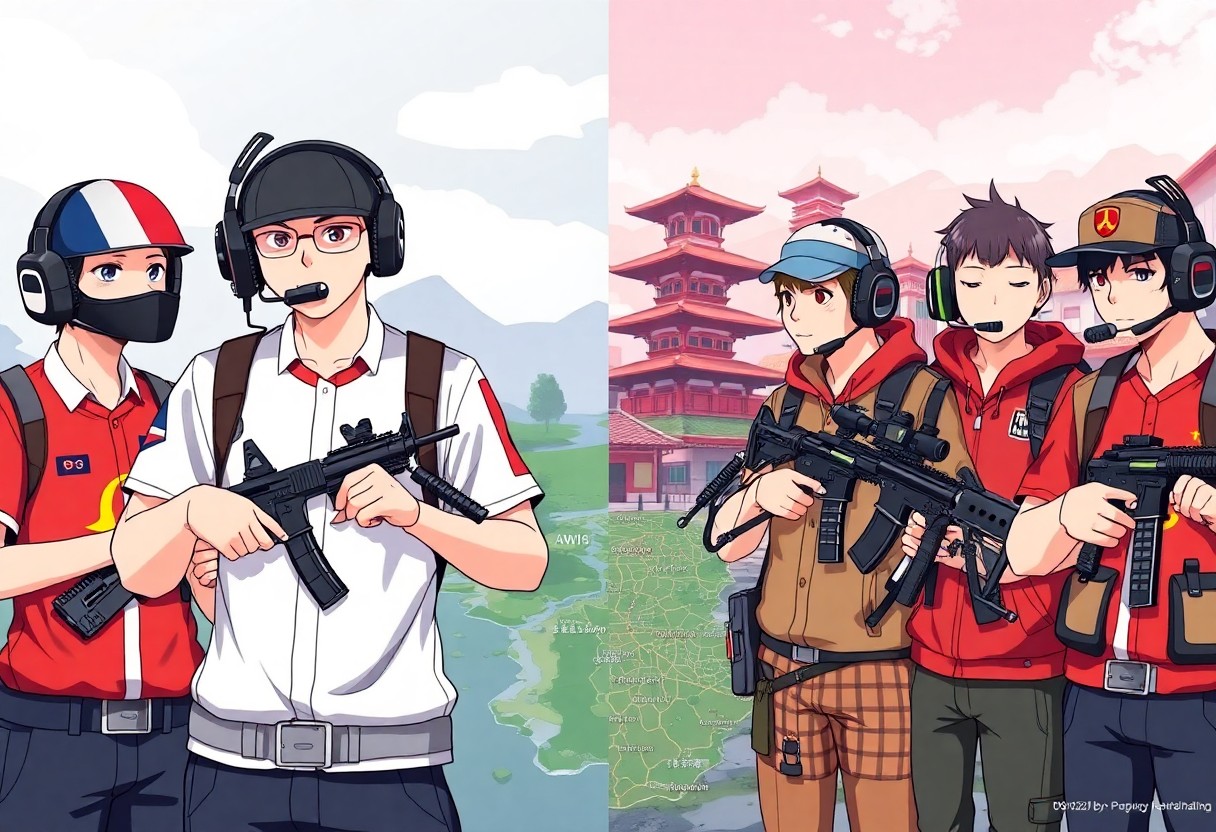
There’s a noticeable difference in player performance between international and regional PUBG tournaments. These discrepancies often stem from varying competition levels, diverse playstyles, and regional strategies, impacting team dynamics and overall gameplay outcomes in this highly competitive environment.

PUBG International Versus Regional Form Discrepancies
Statistical variance between domestic league performance and global event outcomes
Disparities often arise when comparing domestic league standings with global tournament results. Teams dominant in their regional circuits frequently struggle on the international stage, leading to unexpected outcomes. Analyzing metrics from various leagues reveals that regional strengths may not translate effectively when facing a more diverse pool of competitors.
Winning streaks in local tournaments can give teams inflated confidence. However, this does not necessarily correlate with success in global events, where team dynamics and strategies undergo significant shifts. The pressure and unpredictability of international competition can expose weaknesses that weren’t evident during domestic play.
The psychological impact of the “Big Stage” transition on regional seeds
Transitioning from regional matches to international tournaments can significantly affect players’ mental states. Stepping onto a global stage often introduces heightened pressure, leading to performance anxiety. Teams accustomed to regional success may falter when faced with unfamiliar opponents and larger audiences.
Such psychological challenges can result in underperformance, as players grapple with self-doubt and the fear of disappointing their supporters. The expectations placed on them can become overwhelming, reinforcing the disparity between their domestic successes and international struggles.
Divergent Meta-Architectures
Edge-playing aggression versus center-circle prioritization strategies
Teams often adopt starkly different approaches based on their geographical context. Edge-playing aggression commonly manifests in regions where players seek to secure kills early, capitalizing on weaker opponents. This strategy can yield quick points but leaves players vulnerable to third-party incidents.
Center-circle prioritization, on the other hand, is favored in environments prioritizing survival. Strategies here focus on positioning and resource management, allowing teams to conserve health and utilities as they approach late-game conflicts. This balance ultimately shapes expectations and team compositions unique to each region.
Regional variations in utility expenditure and grenade efficiency
Utility expenditure varies greatly, with some areas favoring aggressive throws, while others employ a more conservative approach. Players from high-competitive regions typically demonstrate quicker utility usage during engagements, heightening tactical diversity.
Efficiency with grenades distinguishes teams further, impacting their overall engagement success. In certain areas, players utilize grenades for area denial, while others prefer direct damage, reflecting the local gameplay philosophy.
Regional players also adapt their utility use based on common enemy tactics. For instance, frequent use of smoke grenades in densely populated matches can obscure enemy vision, making survival strategies pivotal. In contrast, other regions opt for explosive utility, prioritizing direct confrontation and damage output, ultimately shaping the tactical framework and player expectations in each competitive setting.
Structural and Environmental Variables
The disparity between online qualifiers and high-stakes LAN environments
Performance metrics in online qualifiers can often differ dramatically from those in high-stakes LAN tournaments. Players may experience variations in network latency, system performance, and even the psychological pressure of a live audience. These factors can significantly skew the outcome of matches, highlighting discrepancies between regional and international play styles.
In-person settings introduce a different dynamic, where environmental noise and audience reactions can disrupt concentration. Players accustomed to the comfort of their own setups may struggle to replicate their success under such intense conditions, which may lead to inconsistent performances across different formats.
Adaptation hurdles within condensed international tournament formats
Adjustment to rapid gameplay changes is imperative in international tournaments. Teams face a week-long series of matches that require swift strategy shifts, making it difficult to adapt effectively. Condensed formats can amplify the stress of high-level competition, with little time for practice between games.
Overcoming these adaptation hurdles demands not only skill but also effective communication and teamwork under pressure. Teams often find it challenging to recalibrate their strategies or enhance synergy while juggling the rigors of high-stakes competition. Environmental transitions, player fatigue, and limited preparation time collectively compound the difficulties faced by international squads.
Effective adaptation in condensed tournament formats is further complicated by the need for quick decision-making. Players must instantly assess and respond to opponents’ strategies, leading to potential misjudgments. Such rapid-fire changes may lead to inconsistency in team performance, as players might rely on pre-tournament tactics that fail to translate well in the heat of competition. Understanding these dynamics is crucial for teams aiming to succeed on the international stage.
Tactical Execution and Macro-Mechanical Disparity
Rotational Pathing and Vehicle Priority Across Different Regional Servers
Regional differences impact player behavior in rotational pathing and vehicle usage. Players in areas with denser loot often prioritize quick vehicle acquisition, leading to faster rotations and more aggressive plays. Conversely, regions with less loot encourage more methodical approaches, focusing on resource gathering before engagement.
Observing these behaviors reveals how strategies evolve based on server environments. Competitive players adapt to the norms of their region, altering vehicle routes and positioning to match the expected flow of encounters, highlighting the need for adaptability in various settings.
Early-Game Drop Spot Contention and Loot-Path Optimization in Global Lobbies
Drop spot contention varies significantly across global servers, affecting early-game strategies. In regions with high player density, popular spots see immediate clashes, while less frequented areas become zones of safety. Such dynamics compel players to optimize their loot paths to secure weapons and healing items quickly.
Competitors must weigh the risks of popular drop zones against potential rewards. Adapting to these fluctuations is necessary for maintaining a competitive edge in international play, where the standards and expectations differ immensely from local lobbies.
Understanding early-game strategies is key to success in global lobbies. Players must analyze hotspot densities and loot spawns to craft effective drop strategies. This means adjusting their paths based on historical player movement and anticipating rival strategies. Success hinges on these optimizations, allowing players to thrive amidst diverse regional play styles.
Logistical and Infrastructure Influences
The role of analytical coaching and organizational support systems
Analytical coaching plays a central role in developing player skills and strategies within competitive PUBG environments. Coaches equipped with data analysis tools can identify player strengths and weaknesses, tailoring training sessions to address specific needs. This targeted approach not only enhances individual performance but also promotes cohesive team dynamics, which are vital for success in high-stakes competitions.
Organizational support systems further amplify the effectiveness of analytical coaching. Teams that invest in resources such as data analytics, dedicated practice facilities, and mental health support cultivate an environment conducive to improvement. This holistic focus helps in building resilience and ensures players remain competitive in both regional and international settings.
Scrim culture quality and the “Region Lock” skill ceiling effect
Scrim culture, characterized by organized practice matches, varies significantly across regions. High-quality scrims provide teams the opportunity to refine strategies and adapt to diverse playstyles. In contrast, regions with less robust scrim cultures may limit players’ exposure to higher-level competition, stunting overall development.
“Region Lock” creates an additional barrier, restricting players from competing against top-tier teams outside their locale. This segregation can lead to a skill ceiling, where players become accustomed to a specific style of play that may not translate effectively on an international stage. Consequently, differences in regional scrims foster distinct skill sets, contributing to performance discrepancies in global tournaments.
The disparity in scrim culture quality and the “Region Lock” impacts players significantly, generating unequal opportunities for growth. Regions with frequent, high-stakes scrims tend to produce more versatile players, while others may languish in a cycle of familiarity. As teams face varying levels of competition, the ability to adapt and innovate becomes vital. Without exposure to diverse playstyles, players may struggle to break through their respective skill ceilings when competing internationally.
Historical Case Studies in Form Discrepancy
- 2018 Global Championship – EMEA teams averaged an elimination rate of 5 per match, compared to Asia’s 8.
- 2020 PUBG Continental Series – North America exhibited a match win rate of 14%, while Southeast Asia peaked at 20%.
- 2021 PUBG Global Championship – Latin America finished with a total of 100 eliminations, significantly lower than the Asian teams’ 300.
- 2022 Global Series – European teams qualified 60% of the time, while Asian squads had an 85% qualification rate.
Analyzing the EMEA powerhouse struggle in the Global Championship era
EMEA teams have consistently faced challenges in major tournaments, often falling short against their Asian counterparts. Recent statistics show a disparity in performance metrics, revealing a significant gap in eliminations and placement points.
Tournament performances highlight a trend where EMEA squads struggle with adapting to high-pressure situations, affecting their overall results. While capable, their inability to convert potential into wins has hampered their global standing.
Asian dominance: Maintaining mechanical consistency under pressure
Asian teams have demonstrated unmatched mechanical efficiency, particularly under tournament conditions. Their ability to secure high eliminations while maintaining placement integrity has positioned them as consistent frontrunners.
Pressure situations are navigated with precision, reflecting years of competitive experience. The adaptability of these teams showcases an understanding of game mechanics that often outshines competitors from other regions.
With a focus on individual skill and team synergy, Asian squads employ strategies that maximize their performance under duress. Consistent training, collaboration, and a rich competitive scene contribute to their ability to thrive when it matters most.
The Americas’ evolution: Closing the gap through tactical innovation
Historically, teams from the Americas have struggled to keep pace with global giants. Recent tournaments indicate significant progress in tactical gameplay, enabling closer competition with top regions.
Innovations such as advanced rotation strategies and improved communication reflect the region’s commitment to developing a competitive edge. Statistics demonstrate a notable rise in placement finishes, indicating an upward trajectory in their overall performance.
This tactical evolution is driven by heightened collaboration among teams and an increased emphasis on strategic preparation. As teams in the Americas strengthen their gameplay, the prospect of competing on an equal footing becomes increasingly attainable.

Conclusion
Summing up, the discrepancies between international and regional forms of PUBG manifest in competitive integrity, game mechanics, and player engagement. Regional competitions often adapt the rules and formats to cater to local gaming communities, impacting overall fairness and skill representation. Players may find significant differences in gameplay experience, affecting their ability to compete on a global stage.
Regional variations can create barriers to entry for aspiring players, limiting exposure to international standards. Acknowledging these inconsistencies is imperative for fostering a more unified competitive environment that allows players to thrive irrespective of their location, promoting a more inclusive gaming culture.