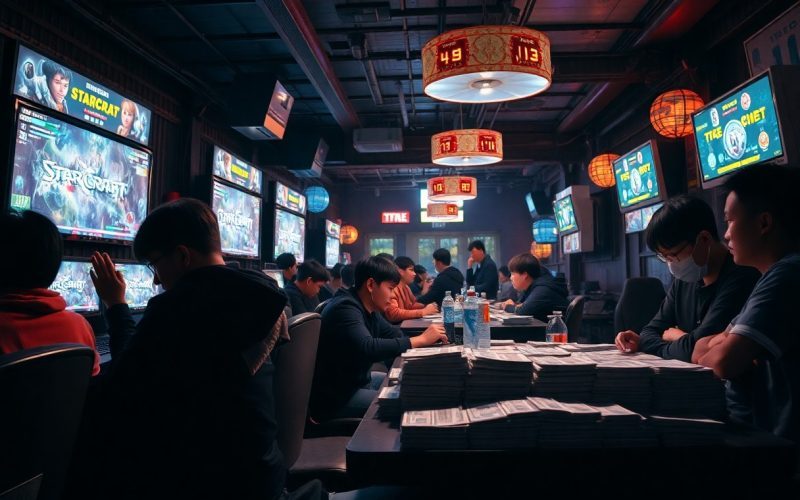









Just as competitive gaming continues to evolve, Starcraft remains a cornerstone of esports culture; however, the financial rewards for players raise pertinent questions. Over the years, prize pools have fluctuated, leading to debates about sustainability and attractiveness for emerging talent. While current figures may showcase a revival in interest and funding, the disparity in earnings compared to other esports raises valid concerns about whether these monetary rewards are sufficient to support a thriving professional scene. In this post, we’ll investigate into the current state of Starcraft prize money and examine if it truly meets the needs of its dedicated competitors.
The Current Landscape of Starcraft Prize Money
Your perception of Starcraft’s prize money landscape might be skewed by nostalgia for its golden years. Today, while prize pools have certainly decreased from their peak levels, the competitive scene remains vibrant and offers significant rewards for skilled players. Various tournaments continue to support the community, though the overall funding does not match the heights seen in earlier years. Thus, the question remains: is the support sufficient for the players and the longevity of the game itself?
Historical Overview of Prize Pools
Below is a look at the evolution of prize pools in Starcraft over the years, showcasing how they have changed since the game’s inception.
| Year | Prize Pool Amount |
|---|---|
| 2010 | $100,000 |
| 2015 | $500,000 |
| 2020 | $150,000 |
| 2023 | $200,000 |
Comparison with Other Esports
An in-depth comparison of Starcraft’s prize money reveals notable differences when placed alongside other popular esports, particularly those with larger player bases and sponsorships.
| Esport Title | Average Prize Pool |
|---|---|
| League of Legends | $1,000,000+ |
| Dota 2 | $40,000,000+ |
| Counter-Strike: Global Offensive | $500,000+ |
Further comparisons indicate that while Starcraft has maintained a loyal player and viewer base, it struggles to compete in terms of prize money with titans like Dota 2 and League of Legends. The latter titles benefit from larger ecosystems and more significant corporate sponsorship. This disparity highlights the challenges faced by Starcraft in attracting investment and retaining top talent, suggesting a need for greater support and innovation within its competitive framework.
Factors Influencing Prize Money
There’s a variety of elements that shape the landscape of prize money in Starcraft tournaments:
- Market demand for esports
- Viewership numbers and streaming metrics
- Investment from sponsors
- Organizational structure of tournaments
- Player performance and popularity
Thou must consider how these factors interplay to affect overall prize distributions.
Tournament Sponsorship and Funding
About the financial backbone of esports, tournament sponsorship and funding play a major role in determining prize pools. Sponsorships from gaming companies, tech firms, and even non-endemic brands provide the necessary capital that boosts the overall prize money for events, making them more attractive to players and fans alike.
Player Sponsorship Deals
Below the surface of tournament prize money lies player sponsorship deals, which significantly impact a player’s financial stability. These deals can provide additional income streams outside of tournament winnings, often depending on a player’s skill level and marketability within the esports community.
Further examining the complexities of player sponsorship deals reveals that they can range from small, local agreements to large contracts with global brands. Successful players often secure lucrative deals, allowing them to thrive beyond mere tournament winnings. Sponsorship deals not only boost individual incomes but also elevate the entire ecosystem by increasing visibility and engagement in the esports scene.
Community and Grassroots Support
Any thriving esports scene relies heavily on its community and grassroots support. Starcraft has a long-standing history of passionate fans who rally behind their favorite players and teams, organizing local events, tournaments, and meet-ups. This grassroots engagement not only fosters a sense of belonging but also helps to keep the competitive scene alive, proving that dedicated supporters can maintain interest and enthusiasm even when prize pools fluctuate.
Fan Contributions and Crowdfunding
Against the backdrop of traditional sponsorships and corporate funding, fan contributions and crowdfunding have emerged as vital sources of financial support for competitive Starcraft events. Platforms such as Patreon and GoFundMe allow fans to directly support their favorite streamers and tournaments, ensuring that these events can continue to thrive despite economic challenges. This direct involvement cultivates a close-knit community that actively participates in shaping the Starcraft esports landscape.
Role of Streaming and Content Creation
Streaming plays a significant role in promoting and revitalizing the Starcraft community by providing a platform for players to showcase their skills, engage with fans, and generate revenue independently. Content creators, through their streams, provide entertaining and informative commentary that attracts new players and retains existing fans, ultimately contributing to the growth of the game’s viewer base. This interaction not only enhances the overall experience for fans but also demonstrates the potential for players to earn money outside of tournament winnings.
In addition to directly boosting player visibility, streaming and content creation help to foster partnerships with brands eager to tap into the dedicated Starcraft audience. This can lead to sponsorship deals and merchandise opportunities that supplement traditional prize money. As popular streamers cultivate their own communities, they generate a steady flow of income that can be reinvested into the ecosystem, creating a self-sustaining cycle of support that not only benefits individual players but also strengthens the entire Starcraft community.
The Viability of Starcraft as a Competitive Game
Once again, Starcraft proves to be a resilient contender in the esports arena. Despite the influx of newer titles, the strategic depth and complexity that Starcraft offers continue to attract players and audiences alike. Its well-established competitive framework, combined with a passionate community, creates a fertile ground for tournaments and sponsorships. While prize pools may fluctuate, the dedication to refining gameplay and fostering competition ensures that Starcraft remains relevant in the dynamic landscape of esports.
Player Retention and Growth
Retention is a significant factor for ensuring Starcraft’s ongoing success as a competitive game. The active player base relies on regular content updates, community engagement, and support from developers to keep the excitement alive. By fostering a welcoming environment for both veteran and new players, the community can continue to thrive, encouraging growth and sustaining interest in competitive play.
Future of Starcraft in the Esports Scene
One of the pivotal questions surrounding Starcraft is its future within the esports scene. As gaming trends evolve, the potential for Starcraft to adapt and innovate will determine its longevity. Regular tournaments, increased sponsorships, and engagement with streaming platforms can enhance visibility and maintain player interest. The supportive ecosystem of fans and professional players also plays an vital role in vying for a prominent place in esports, ensuring that Starcraft’s legacy continues to inspire the next generation of gamers.
This strategy will involve not only retaining existing players but also capturing the interest of new audiences through various initiatives. As tournaments and leagues gain traction, the franchise can leverage partnerships with influential sponsors and creators to amplify its presence. By capitalizing on the nostalgia of veteran players while introducing compelling content for newcomers, Starcraft can sustain its competitive vitality and firmly establish a renewed position in the rapidly changing esports landscape.
Alternative Revenue Streams for Players
After the competitive landscape of Starcraft continues to evolve, players are seeking additional avenues to boost their income beyond traditional prize money. Exploring alternative revenue streams has become crucial for sustaining a career in the esports scene. From merchandising to streaming, players are adapting their strategies to tap into new financial opportunities while fostering their personal brands.
Merchandising and Brand Collaborations
Below is a significant opportunity for players to generate income through merchandising and brand partnerships. By creating unique merchandise—such as apparel, accessories, and collectibles—players can connect with their fanbase while earning additional revenue. Collaborating with established companies allows players to diversify their income streams and enhance their visibility in the esports community.
Streaming and Viewer Donations
Streaming has emerged as a popular alternative revenue source for players, allowing them to interact directly with fans. Through platforms like Twitch and YouTube, players can monetize their content by receiving donations, ad revenue, and subscriptions from loyal viewers. This not only provides financial support but also builds a dedicated community around their gameplay.
But engaging in streaming offers more than just monetary benefits; it allows players to showcase their personalities and establish personal connections with fans. As they stream live matches, practice sessions, or casual gameplay, players have the chance to cultivate a loyal audience that is eager to support them financially. This growing trend has proven to be a viable supplement to traditional esports earnings, helping players maintain their livelihoods and pursue their passion for gaming.
Potential Solutions to Increase Prize Money
Keep exploring avenues for boosting prize money in Starcraft tournaments. While current funding levels might seem sufficient, strategic approaches, innovative formats, and community involvement can elevate the prize pool, attracting top-tier talent and invigorating the competitive scene.
Collaborative Efforts Among Developers
Solutions can emerge when game developers collaborate on multi-game tournaments or share resources to promote the eSports scene. By uniting under a common goal, developers can pool their financial resources and sponsorships to create larger, more enticing prize pools that benefit everyone involved.
Innovative Tournament Formats
Across the eSports landscape, innovative tournament formats have shown potential for enhancing viewer engagement and sponsorship revenue, which can directly impact prize money. By leveraging unique competition structures—like league matches, local qualifiers, or season-based events—tournament organizers can create diverse opportunities for teams, which may attract more viewers and sponsors alike.
In fact, by implementing innovative tournament formats such as crowdfunding events or fan-driven prize pools, organizers can engage the community directly and foster a sense of investment. Introducing formats like a tiered league system can encourage continuous viewer engagement, while seasonal championships can create an exciting climax to the competition, driving higher stakes and increased sponsorship interest. This combination not only enhances the player experience but can also lead to more significant financial opportunities for everyone involved.
Summing up
Taking this into account, while Starcraft prize money continues to exist and attract competitive players, the amounts being awarded may not hold the same allure as in its early years. The overall scene is evolving, with varying levels of sponsorship and player engagement impacting the viability of tournaments. Although the infrastructure still supports competitive play, ongoing discussions about enhancing financial incentives will be necessary to ensure the longevity and growth of Starcraft as a premier eSport. The question remains whether these adjustments will suffice to maintain player interest and sustain a vibrant competitive ecosystem.
FAQ
Q: What factors contribute to the current state of prize money in Starcraft tournaments?
A: Several factors influence the state of prize money in Starcraft tournaments. Firstly, the tournament organizers’ budgets and sponsorship play a vital role, as more funding typically translates to larger prize pools. Additionally, the game’s popularity and player engagement directly affect the amount of money that can be raised through entry fees and merchandising. Lastly, the competitive landscape of esports has evolved, leading to increased focus on various other games, which can impact the funding and resources available for Starcraft events.
Q: How does the prize money for Starcraft compare to other esports titles?
A: While Starcraft has historically been one of the pioneers in esports with some legendary tournaments, recent years have seen fluctuations in its prize money relative to other popular titles such as Dota 2, League of Legends, and Counter-Strike: Global Offensive. These other titles often receive significant investment from publishers and sponsors, resulting in higher prize pools. However, Starcraft still maintains a dedicated community and competitive scene, allowing for respectable prize distributions, though it may be less than that of the leading esports titles.
Q: What can be done to improve the prize money situation in Starcraft tournaments?
A: To enhance the prize money situation in Starcraft tournaments, several strategies can be considered. Tournament organizers can seek to secure more sponsorships and partnerships with companies interested in the esports industry to increase funding. Community engagement is also crucial; grassroots efforts such as crowdfunding initiatives or fan-driven prize pool boosts can help elevate tournament prize money. Lastly, fostering collaborations with Blizzard Entertainment to promote events or seasonal competitions could provide an additional revenue stream and incentives for players to participate, ultimately enhancing the competitive ecosystem.