You can enhance your Overwatch experience by understanding the competitive ranking tiers and how role-based performance tracking impacts your gameplay. This guide will outline the tier system and provide insights on how to improve your rank through effective role specialization.
The Evolution of the Overwatch Competitive System
Transitioning from Overwatch 1 legacy SR to Overwatch 2 skill tiers
Overwatch 2 introduced a new skill tier system that departed from the legacy SR (Skill Rating) of its predecessor. Players now find themselves categorized into five distinct skill tiers, providing more granular insights into their performance and progression.
This transition aimed to enhance competitive integrity by simplifying the ranking process while maintaining the competitive spirit. Players can now more readily identify their strengths and weaknesses in real-time, fostering a more engaged gameplay experience.
The philosophy behind hidden Matchmaking Rating (MMR) and visible rank
Hidden Matchmaking Rating (MMR) operates behind the scenes, influencing match outcomes without being visible to players. This design prevents players from fixating on specific values, allowing for a more organic progression through ranks.
Balancing visible ranks with an underlying MMR system encourages a focus on skill improvement rather than merely climbing the ladder. This philosophy aims to create a fairer competitive environment, where each match is reflective of a player’s true abilities.
The hidden MMR offers a comprehensive evaluation based on factors such as win rates and individual performance metrics. By dissociating visible ranks from exact values, players are encouraged to focus on collaboration and personal growth, minimizing the pressure associated with climbing rankings.
Historical shifts in seasonal resets and rank decay mechanics
Overwatch has evolved its seasonal reset mechanics for competitive play, adjusting how players are reset at the start of each season. Initially, players faced significant drops in rank, leading to frustrations when returning after a break.
Recent adjustments have introduced a more gradual decay process, allowing players to maintain a more consistent rank between seasons. This change aims to accommodate varying playstyles and schedules while promoting long-term engagement with the competitive scene.
These shifts in rank decay mechanics reflect a broader desire to retain players within the competitive ecosystem. By easing the harshness of seasonal resets, Blizzard fosters a sense of achievement and motivation, enabling players to feel valued regardless of their engagement frequency.
Comprehensive Breakdown of Competitive Rank Tiers
Analyzing the hierarchy from Bronze to Grandmaster divisions
Competitive ranks range from Bronze through Grandmaster, each tier reflecting players’ skill levels and performance. Bronze serves as the entry point, where beginners often learn fundamental mechanics and teamwork. Players gradually progress through Silver and Gold, showcasing improved abilities and strategic understanding.
Platinum and Diamond highlight advanced skills, with players demonstrating better game awareness and decision-making. Grandmaster represents the elite, where only the most dedicated and skilled players compete, often reflecting a deep understanding of game mechanics and teamwork.
The prestige and entry requirements of the Top 500 leaderboard
Top 500 holds significant prestige within the Overwatch community, representing the highest echelon of competitive play. Entry into this exclusive leaderboard requires a consistent performance above a specific skill rating, which varies by season. Only those who finish within this restricted percentile earn a spot, emphasizing both skill and dedication.
Achieving Top 500 status demands not just raw talent, but also adaptability to evolving meta shifts and multi-faceted gameplay dynamics. Players must maintain their rank over a season, proving their capability against the best of the best.
Visual indicators and tier-specific iconography for seasonal progression
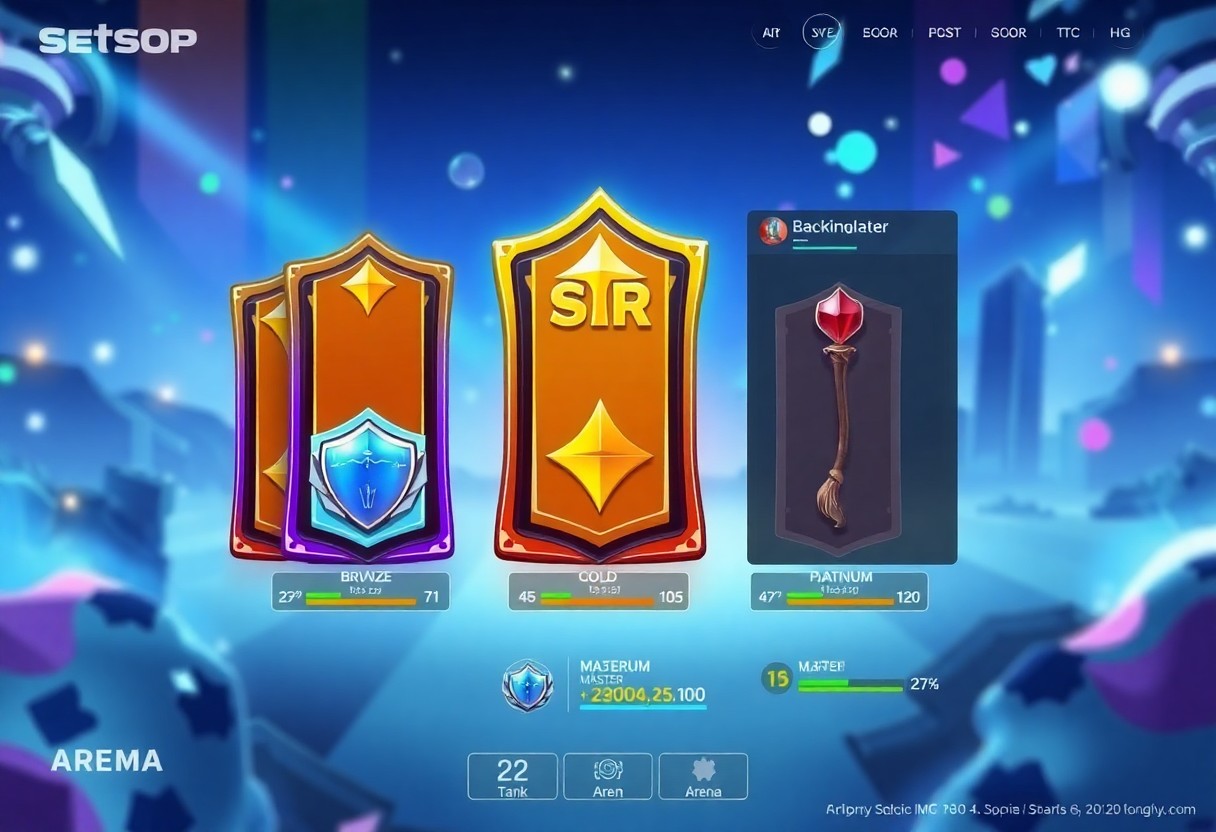
Visual indicators play a critical role in defining a player’s journey through the competitive ranks. Each tier features distinct iconography, making it easy to recognize progress at a glance. Bronze through Grandmaster icons vary in color and design, reflecting the escalating levels of achievement.
Seasonal progression is further marked by unique seasonal badges, enhancing players’ sense of accomplishment. These visuals serve not only as markers of status but also as motivational reminders of the hard work and dedication invested in reaching higher ranks.
Mechanics of Skill Tier Subdivisions
Understanding the five-division spread within each major rank
Overwatch competitive ranks are divided into five distinct tiers: Bronze, Silver, Gold, Platinum, and Diamond. Each major rank contains these subdivisions to better reflect player skill levels within the general bracket. Players progress through these divisions by earning competitive points based on match performance.
A clear separation allows for a more nuanced matchmaking experience. It enables players to identify their strengths and weaknesses, facilitating targeted improvement and offering a more balanced competitive environment overall.
The significance of the Rank Lead-in and percentage-based progress tracking
Rank Lead-in serves as an initial assessment of a player’s current skill level, influencing their placement in competitive matches. Tracking percentage-based progress provides players with a tangible way to monitor their advancement and understand how each match contributes to their overall ranking journey.
This system encourages consistent gameplay and motivates players to strive for improvement. Understanding where one stands regarding these percentages can help players adjust their strategies and focus on areas needing development.
How division placement affects lobby difficulty and teammate pairing
Division placement plays a significant role in the difficulty of competitive lobbies. Players are matched against others within the same division, affecting the overall skill level of the lobby. This ensures that each match is balanced and maintains a competitive atmosphere across the board.
Teammate pairing is also influenced by division placements. Players within the same division are grouped together, creating synergy or challenges depending on individual performance levels. This pairing mechanism promotes teamwork but can sometimes lead to mismatched experiences if there’s a significant skill disparity among teammates.
Role-Based Competitive Queuing Dynamics
Individual rank tracking for Tank, Damage, and Support roles
Tracking individual ranks for Tanks, Damage, and Support roles provides insights into a player’s proficiency across their preferred positions. Each role offers distinct responsibilities, influencing overall team effectiveness in competitive matches. Players can use this data to identify strengths and areas for improvement, leading to enhanced gameplay.
When assessments focus on the individual performance within each role, clearer pathways for skill development emerge. This specialization allows players to refine their tactics, ensuring that their contributions align with team dynamics and objectives.
The impact of Role Queue on matchmaking balance and queue times
Role Queue fundamentally alters matchmaking balance by ensuring that teams consist of players fulfilling specific roles. By segmenting players, it helps create compositions that are more coherent and strategically viable. However, this segmentation often leads to extended queue times, particularly for less popular roles.
Extended waits can frustrate players, especially those who prefer unconventional roles or are looking to queue solo. Balancing these queue times while maintaining fairness in matchmaking requires continuous adjustments from developers.
Matching balanced teams with diverse roles enhances gameplay experience, yet the waiting times can create dissatisfaction, especially in high-demand roles. As players adapt to the Role Queue system, developers may need to reassess how match incentives and balance mechanisms work in tandem with player preferences.
Strategic implications of role-specific skill variance in high-level play
Understanding skill variance across roles has significant implications for team composition and strategy in high-level play. Players who excel in specific roles can affect overall team synergy, guiding strategic decisions and approaches tailored to their strengths. Variances often dictate which heroes are prioritized based on individual skill sets.
This nuanced understanding allows teams to capitalize on their complementary abilities, ultimately leading to more cohesive gameplay. Recognizing these dynamics enables teams to adopt strategies that leverage individual strengths while compensating for weaknesses in other roles.
Performance Metrics for the Tank Role
Prioritizing space creation and damage mitigation statistics
Tanks excel at creating space for their team, a crucial factor in securing objectives. Monitoring statistics such as damage absorbed and area control can highlight their effectiveness in these roles. Proper metrics can reveal how well tanks perform in engaging enemy forces while maintaining frontline stability.
Measuring damage mitigation also plays a significant role. The higher the damage absorbed without casualties, the more a tank contributes to overall team resilience. Tracking these stats informs players about their impact and areas for improvement, ensuring effective gameplay.
Quantifying utility usage and ultimate efficiency in front-line combat
Utility usage encompasses shields, barriers, and crowd-control abilities crucial for tank performance. Proper tracking of abilities used in synchrony with team capabilities can enhance overall effectiveness in engagements. Utilizing these metrics helps teams coordinate better and maximize their tank’s potential.
Ultimate efficiency measures how well tanks deploy their ultimates in key moments. Prioritizing optimal timing and positioning can determine the outcome of fights. Evaluating ultimate charges and impact metrics allows for strategic adjustments and enhanced team synergy during combat.
Evaluating ultimate efficiency provides deeper insights into a tank’s playstyle. When ultimates are used strategically, they can turn the tide of battle. Players should assess scenarios when their ultimates are most beneficial and ensure usage aligns with team objectives for maximum impact.
Survival rates and the correlation between tank longevity and match victory
Tank survival rates directly influence the likelihood of match victory. Tanks who remain alive longer can absorb more damage and create opportunities for their team. Tracking survival stats can reveal patterns that indicate effective positioning or necessary adjustments in playstyle.
Examining survival rates offers a clear picture of a tank player’s effectiveness. Consistently high survival not only benefits the individual but enhances overall team dynamics. Understanding how longevity affects win rates empowers players to prioritize survival tactics, ultimately leading to greater success in competitive matches.
Quantifying Excellence in the Damage (DPS) Role
Analyzing the value of final blows versus raw damage output
Final blows serve as a key metric in assessing a DPS player’s effectiveness. While raw damage output showcases a player’s contribution, final blows reflect actual enemy eliminations that impact the game’s outcome.
Players with high final blow counts can lead their team towards victory, indicating not just presence in fights but also timely execution of eliminations crucial to achieving objectives.
The importance of target prioritization and opening pick rates
Target prioritization significantly influences a team’s success. Selecting which enemies to engage first can create advantageous situations, allowing teams to capitalize on openings and secure kills.
Opening pick rates play a pivotal role in shaping engagements early in fights. Teams that effectively secure these early advantages can dictate the flow of encounters, substantially increasing their chances of winning team fights.
Engaging the right target first can shift the momentum in favor of a team. Higher opening pick rates often correlate with improved team synergy, letting DPS players efficiently execute strategies that exploit the enemy’s weaknesses.
Accuracy metrics and critical hit consistency across different hero archetypes
Accuracy metrics provide insights into a player’s precision and highlight room for improvement. Different hero archetypes exhibit varying accuracy levels due to their unique playstyles, affecting overall effectiveness in competitive matches.
Critical hit consistency varies significantly across heroes. Snipers may require high precision and accuracy, while others may thrive on rapid fire. Understanding these nuances enables players to adapt their approach based on the hero selected.
| Metric | Description |
|---|---|
| Final Blows | Count of enemy eliminations by a player. |
| Raw Damage Output | Total damage dealt, regardless of eliminations. |
| Target Prioritization | Strategic selection of enemies to focus fire on. |
| Opening Pick Rate | Percentage of successful first eliminations in encounters. |
| Accuracy Percentage | Ratio of successful hits to shots fired. |
Tracking accuracy metrics reveals performance trends among different hero archetypes. For example, heroes designed for long-range engagements may exhibit lower average accuracy but compensate with high critical hit potential. Alternatively, close-range heroes often demonstrate high accuracy, resulting in different gameplay dynamics. Thou players focusing on character mastery should consider these metrics to assess their strengths and identify areas needing improvement.
- Final blows are often more indicative of successful DPS performance than raw damage output alone.
- Effective target prioritization can turn the tide of battle.
- Monitoring opening pick rates reveals a strategic advantage in engagement scenarios.
- Player-specific accuracy metrics give insight into playstyle effectiveness.
- Thou should analyze hero archetypes to better understand performance metrics.
Evaluating Support Role Impact and Utility
Balancing Healing Throughput with Offensive Pressure and Utility
Support players need to strike a balance between healing and damaging opponents. Focusing solely on healing can leave teammates vulnerable, while excessive offensive play risks neglecting critical healing duties. A successful support consistently evaluates team needs and adjusts their priorities accordingly.
Integrating utility abilities can enhance team effectiveness. For instance, using crowd control or mobility skills allows supports to contribute to engagements without sacrificing healing output. The ideal support capitalizes on opportunities to apply pressure while maintaining their primary role of keeping teammates alive.
Tracking Life-Saving Cooldown Usage and Defensive Ultimate Timing
Continuous monitoring of cooldown usage is imperative for support effectiveness. Properly timed defensive abilities can turn the tide of battle, making it critical to avoid unnecessary usage. Tracking cooldowns helps ensure that life-saving abilities are ready when teammates are in danger.
Strategically deploying ultimates when the team needs them most maximizes their impact. Understanding when to save an ultimate for a potential team wipe versus using it for immediate defense is a skill that can define matches.
Analyzing life-saving cooldowns involves assessing their usage during key moments in a match. Tracking when and how these abilities are activated provides insights into decision-making efficiency. Ultimately, this data not only aids in personal improvement but also contributes to overall team success, as timely defensive measures maintain momentum and morale.
Positioning Data and the Importance of Low Death-to-Assists Ratios
Effective positioning directly correlates with a successful support role. Maintaining a low death-to-assist ratio indicates that supports can remain alive while still contributing significantly to team fights. Assessing this data can highlight potential risks and areas for improvement in positioning strategies.
Collecting positioning data also reveals patterns that inform decision-making. Avoiding common pitfalls, such as straying too far from teammates or engaging in unnecessary fights, ensures that support players can maximize their impact while minimizing risk.
Evident through tracking performance, low death-to-assist ratios serve as a benchmark for support effectiveness. By minimizing deaths while maximizing assists, supports can shape the flow of engagements and enhance their team’s chances of victory. Understanding this metric not only informs individual gameplay but also provides a critical lens through which overall team dynamics can be analyzed.
The Science of the Matchmaking Rating (MMR)
How the algorithm determines lobby strength and predicted win rates
Lobby strength is evaluated based on the combined MMR of each player in a match. The algorithm calculates predicted win rates by analyzing past performance, allowing it to assess the likelihood of each team’s success. This dynamic system adjusts to player trends, ensuring a competitive balance.
Factors such as team composition and individual skill levels contribute to predictions. Consequently, mismatches can lead to unbalanced games and skewed win probabilities, which the algorithm continuously strives to correct.
Factors influencing MMR volatility during win or loss streaks
Streaks heavily impact MMR, with wins leading to increases, while losses can cause significant drops. Values change based on the relative MMR between opponents; beating stronger players yields larger gains than defeating those of equal or lower ranks. Such volatility reflects not just wins or losses, but also the importance of opponents’ ratings.
The frequency of matches plays a role as well. Long win streaks could lead to faster rank increases, while a series of losses can prompt rapid MMR decreases, often shifting players into lower tiers.
- Player consistency tends to stabilize MMR, mitigating sharp fluctuations.
- Match frequency influences adjustments, with more games leading to quicker changes.
- Opponent skill level directly impacts MMR changes after each match.
The complex nature of MMR adjustments means fluctuations may not always reflect current skill levels accurately. Prolonged losing streaks can exaggerate drops in rank, while a sudden emergence of victories can lead to fast climbs, causing players to question their true abilities.
- Streaks become more pronounced when players face opponents outside their usual rank.
- Emotional states, such as frustration or confidence, can affect performance and subsequent MMR changes.
- Inconsistent performance may lead to volatile MMR fluctuations, complicating rank evaluations.
The relationship between individual performance and rank adjustments
Individual contributions are crucial in determining MMR changes. Players’ actions within a match-such as kills, deaths, assists, and objective captures-are all factored into their performance ratings. This individual assessment then feeds into the overall MMR calculation, influencing rank adjustments post-match.
Variability in individual performance can lead to mismatched rank changes. Players showing exceptional skills can push their MMR higher, but lackluster performances may result in declines, reinforcing the importance of consistent play on rank stability.
Clarity around individual performance helps players understand how their actions impact MMR directly. Knowledge of metrics such as win contribution or damage output informs players about their ranking trajectory, encouraging focused improvement for better rank retention.
Advanced Performance Tracking and Replay Analysis
Utilizing advanced performance tracking tools enhances gameplay awareness and strategic development. By analyzing both macro and micro gameplay aspects, players can identify strengths and weaknesses effectively. Key methods include:
- In-game Replay Viewer analysis
- Post-match statistics review
- Third-party analytics platforms
Utilizing the in-game Replay Viewer for micro and macro self-analysis
In-game Replay Viewer offers players an opportunity for comprehensive self-assessment. By reviewing specific gameplay moments, individuals can identify positioning errors, ability usage, and teamwork dynamics, imperative for improving overall performance.
Macro analysis allows players to assess strategies and team compositions over multiple matches. Understanding decision-making processes during crucial moments leads to better future gameplay and a clearer grasp of competitive play.
Interpreting the “Game Reports” tab for post-match statistical breakdowns
Game Reports provide a detailed statistical overview of performance metrics after each match. Players can view imperative data, including damage dealt, healing done, and objective time, allowing for targeted improvements.
Analyzing these statistics highlights areas for growth. Players can discern their effectiveness relative to their role, leading to informed decisions about adjustments in playstyle and strategies.
This breakdown serves as a critical feedback tool for evaluating performance against teammates and opponents. Utilizing these insights fosters a better understanding of individual contributions and team dynamics.
The role of third-party analytics platforms in long-term skill tracking
Third-party analytics platforms enhance long-term tracking of player performance. These tools offer in-depth insights beyond what in-game metrics can provide, like trends over time and comparisons against peers.
Such data enables players to set realistic goals based on historical performance, ensuring consistent growth. By focusing on long-term development, players can improve at a pace suited to their personal objectives and skill ceiling.
Group Dynamics and Queue Restrictions
Skill Rating Limitations for Grouping Across Different Tiers
Matching players of varying skill levels can disrupt competitive integrity. Those in higher tiers may find themselves hindered when paired with lower-tier players, affecting their ability to climb the ranks. The imposed rating limitations strive to maintain balance, ensuring that group compositions reflect overall team strength.
Maintaining a balance between tiers keeps games competitive and fair. Players must meet specific criteria to join friends in Ranked play, discouraging lower skilled players from dragging down more skilled teammates. This limitation encourages each player’s improvement within their tier.
The “Wide Group” Versus “Narrow Group” Matchmaking System
“Wide Group” matchmaking allows players from various tiers to team up, promoting social gameplay. While this system encourages camaraderie, it can lead to frustrating experiences as skill disparities manifest during matches. For some, the variety can offer a fun dynamic, but it may also compromise competitiveness.
In contrast, “Narrow Group” matchmaking restricts team compositions to similar skill ratings, enhancing the challenge and competitive integrity. This system benefits serious players who seek a more structured and skill-based experience. Choosing between the two often depends on a player’s goals in ranked play.
Impact of Group Size on Competitive Integrity and Matchmaking Fairness
Group size significantly influences match quality and competitive integrity. Small groups often maintain a better skill balance, while larger groups can skew matchmaking, leading to uneven games. As size increases, so does the potential variance in player skill levels across team compositions, complicating fair matchmaking.
Balancing group size allows for a more equitable gaming environment. Smaller teams can adapt quickly and synergize better, while larger groups must face the challenge of aligning diverse skill levels. This complexity requires careful consideration to ensure a fair match experience for all players involved.
Psychological Factors and Competitive Mindset
Understanding the psychological factors at play in competitive gaming is imperative for improvement. A positive mindset can significantly enhance performance, while negative emotions can hinder progress. Key aspects include self-awareness, emotional regulation, and resilience. Players should focus on personal growth rather than solely on rank progression.
- Recognize personal triggers for anxiety.
- Set achievable, incremental goals.
- Develop a consistent practice schedule.
- Utilize visualization techniques.
- Engage in mindfulness exercises.
Any player can overcome rank anxiety and performance plateaus by employing specific strategies. Setting small, manageable goals can help reduce the pressure of expectations. Incorporating regular breaks during play helps maintain mental freshness and prevents burnout.
Strategies for overcoming “Rank Anxiety” and performance plateaus
Adopting a growth mindset can combat feelings of inadequacy. Analyzing past games for constructive feedback promotes a better understanding of strengths and weaknesses. Through consistent practice and self-reflection, players can build lasting improvements.
The role of effective communication and shot-calling in climbing ranks
Effective communication is fundamental to a team’s success in Overwatch. Players who articulate strategies and relay important information significantly increase their chances of victory. Shot-calling allows teams to coordinate efforts and adapt to opponents’ tactics, leading to a more cohesive gameplay experience.
A team lacking communication often struggles, regardless of individual skill levels. Clear calls during critical moments can shift the tide of a match. Involving all members in discussions fosters inclusivity and boosts morale, which is imperative for sustained improvement and rank advancement.
Managing tilt and maintaining mental consistency during losing streaks
Tilt can derail performance and affect team dynamics. Players must recognize when they are becoming emotionally overwhelmed and take steps to re-establish focus. Techniques like deep breathing, taking a short break, or reframing thoughts can help mitigate negative emotions during challenging games.
Practicing self-care outside of gaming can also contribute to maintaining mental consistency. Engaging in hobbies, exercising, and maintaining a healthy sleep schedule are beneficial in reducing stress and enhancing overall focus. Any player committed to improving will find that addressing tilt proactively makes a significant difference in their game performance.
Competitive Rewards and Seasonal Progression
Accumulating Competitive Points for Jade and Golden Weapon Skins
Competitive Points (CP) are earned through your performance in ranked matches, contributing to your overall progression. Players can accumulate CP to unlock coveted weapon skins, specifically the Jade and Golden variants, which signify achievement and skill. Each win boosts your CP, allowing dedicated players to showcase their commitment to the game.
Achieving the necessary CP for these skins requires a mix of skill and consistency. Each new season resets your CP, encouraging continuous engagement and motivation to improve. This system allows players to visually represent their dedication through unique weapon designs.
End-of-Season Titles and Exclusive Cosmetic Rewards for High-Tier Placement
High-tier players are rewarded with exclusive titles and cosmetic items at the end of each competitive season. These rewards serve as badges of honor, reflecting the player’s skill level and dedication. Titles earned at higher ranks signal accomplishment to both teammates and opponents in future matches.
Exclusive cosmetics, such as unique player icons and sprays, further enhance the prestige of competitive play. These rewards not only showcase skill but also create a sense of community among top players who strive for excellence.
The end-of-season rewards system boosts player motivation to climb ranks while also enhancing the competitive atmosphere. By earning distinctive titles and cosmetics, players feel a strong sense of achievement tied to their skill and dedication, encouraging ongoing participation in the competitive scene.
The Integration of Competitive Challenges within the Battle Pass System
Competitive challenges have been seamlessly integrated into the Battle Pass, promoting ongoing engagement and rewarding players for their achievements. Each season presents unique challenges tied to ranked play, further enticing players to invest time in improving their skills and climbing the ranks. Completing these challenges often yields additional rewards, including CP and exclusive items.
Rewards from these challenges encourage players to explore different roles and gameplay styles, enhancing overall enjoyment and mastery of the game. This integration motivates both casual and competitive players to participate actively in ranked play, fostering a vibrant community.
Integrating competitive challenges into the Battle Pass system encourages players to focus on their skills while providing tangible rewards for their progress. By aligning competitive play with seasonal challenges, Blizzard cultivates an environment that excites players, motivating them to achieve more while enjoying the game.
Future Trends in Overwatch Matchmaking
Developer insights on upcoming rank transparency and UI updates
Developers are prioritizing rank transparency in upcoming updates, aiming to provide players with clearer insights into their competitive standing. Enhanced UI features will allow for easier navigation and understanding of ranks, matchmaking history, and performance metrics.
Expect adjustments that will streamline how players assess their progress and performance. By implementing visual indicators and more detailed statistics, developers hope to enhance user engagement and satisfaction with the ranking system.
Potential shifts in role passives and their impact on performance tracking
Changing role passives is on the horizon, which may influence how performance is measured across different roles. New passives could provide benefits that alter gameplay dynamics, affecting win rates and individual contributions.
Adjustments in role passives could lead to a reevaluation of performance metrics, especially if specific roles demonstrate significant increases in effectiveness. This shift would require ongoing analysis to ensure balanced competition while accurately reflecting player skill levels.
Community feedback loops and the iterative nature of competitive balance
Engagement with the community has become a critical part of refining competitive balance in Overwatch. Developers frequently solicit player feedback, creating a dialogue that informs their design choices and system adjustments.
Through these feedback loops, developers glean insights into player experiences and perceptions, enhancing the matchmaking algorithm. This continuous process not only allows for timely adjustments but also fosters a sense of shared ownership among the community over the game’s evolution.
Summing up
Ultimately, Overwatch’s competitive ranking tiers and role-based performance tracking provide a structured environment that enhances player skill development. Each tier reflects a player’s ability to work within their chosen role, ensuring that matchmaking is fair and conducive to growth.
Ranking tiers not only motivate players to improve but also create a clear pathway for assessment. Performance tracking serves as a valuable tool, enabling players to identify strengths and weaknesses in gameplay, which ultimately contributes to overall team success.
Q: What are the competitive ranking tiers in Overwatch?
A: Overwatch features several competitive ranking tiers: Bronze, Silver, Gold, Platinum, Diamond, Master, Grandmaster, and Top 500. Each tier consists of divisions, with players needing to earn Competitive Points to climb. Performance in matches affects rank adjustments after each season.
Q: How does role-based performance tracking work in Overwatch?
A: Role-based performance tracking assesses player stats based on their chosen role: Tank, Damage, or Support. Players can view metrics like eliminations, objective kills, healing done, and deaths per role. This system allows players to understand strengths and weaknesses in different roles.
Q: What factors influence rank changes in Overwatch competitive matches?
A: Several factors influence rank changes, including match outcome (win or loss), individual performance metrics, and the rank of teammates and opponents. Winning matches while performing well typically leads to rank increases, while losses and poor performance can result in a decrease.