





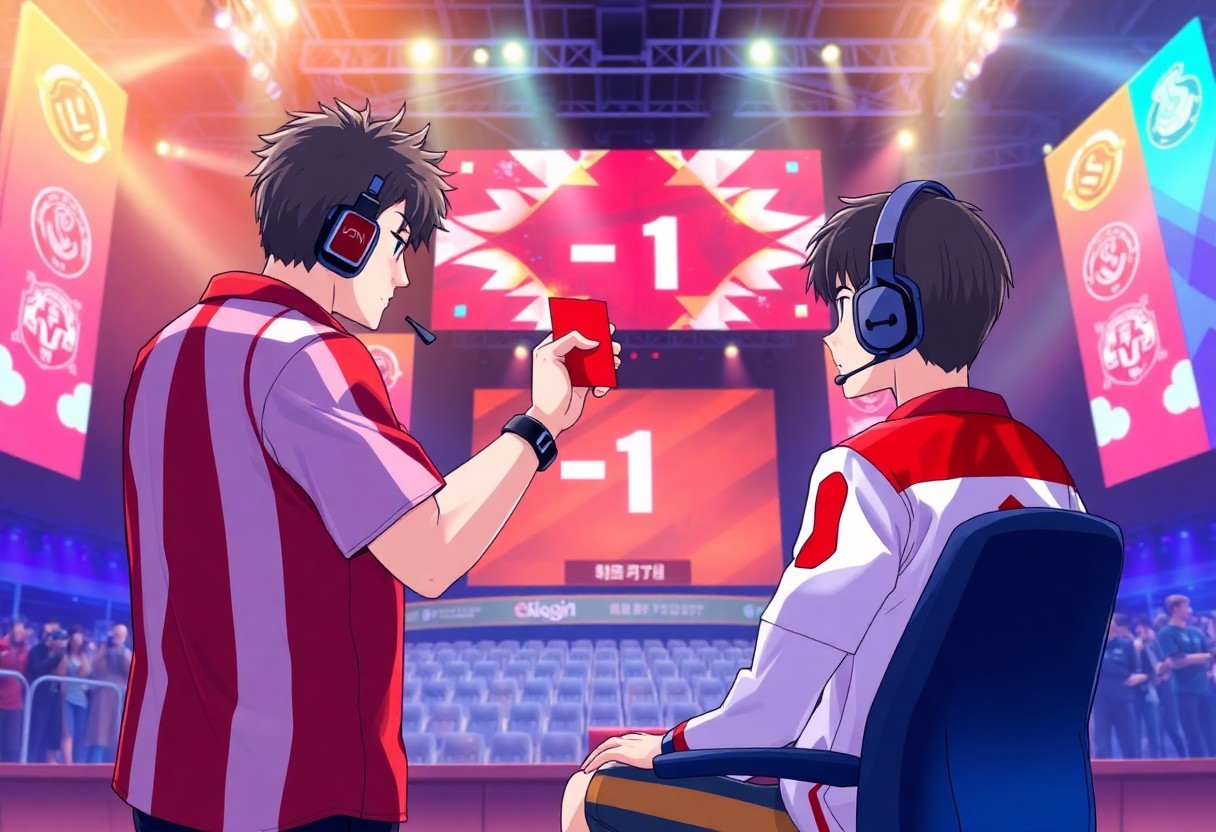
Many esports competitions have strict rules against unsportsmanlike conduct to maintain fair play and respect among players. These penalties can range from fines to disqualification, aiming to deter negative behaviors such as harassment, cheating, or disruptive behavior in high-stakes environments.
Defining Unsportsmanlike Conduct in the Digital Arena
Establishing Professional Behavioral Standards
Professional behavioral standards in esports are important for maintaining integrity and respect among competitors. These standards encompass codes of conduct that dictate appropriate and respectful interactions during gameplay, both online and offline. Establishing clear guidelines helps ensure a positive environment, which promotes fair competition.
In addition to creating a framework for behavior, these standards often include consequences for violations. Penalties for unsportsmanlike conduct can vary, ranging from warnings to disqualifications. By holding players accountable, organizations reinforce the importance of sportsmanship in esports.
Distinguishing Between Competitive Intensity and Toxicity
Competitive intensity is often celebrated in esports, driving players to excel. However, toxicity crosses a line, leading to hostile interactions that undermine the spirit of competition. Recognizing this distinction is crucial for ensuring a respectful environment.
Players may express frustration or passion during matches, but such feelings can quickly devolve into toxic behavior if not properly managed. Establishing clear definitions can help differentiate acceptable competitive behavior from harmful conduct.
Understanding the boundary between intensity and toxicity is vital for both players and spectators. Competitive intensity can energize matches and promote engagement, while toxicity can alienate players and fans alike. Fostering a culture where intensity is embraced without crossing into harmful territory is important for the growth of esports.
The Role of Publisher Terms of Service and End-User License Agreements
Publisher Terms of Service (ToS) and End-User License Agreements (EULAs) play a significant role in regulating player behavior. These documents outline the expectations for conduct and provide a framework for enforcing penalties against unsportsmanlike actions. Players must agree to these terms, highlighting the shared responsibility in fostering a positive gaming environment.
Enforcement of ToS and EULAs supports the integrity of esports competitions. Violations can lead to bans or other disciplinary measures, reinforcing the idea that inappropriate conduct will not be tolerated. This structured approach creates a safer and more enjoyable atmosphere for all participants.
Unsportsmanlike conduct penalties in esports competitions
Griefing, Intentionally Feeding, and Match Sabotage
Griefing includes actions intended to irritate or undermine teammates and opponents alike, often leading to a frustrating gaming experience. Intentionally feeding, a common subset of griefing, involves deliberately dying to give the opposing team an advantage.
Match sabotage encompasses various disruptive actions that significantly impede the competitive integrity of a game. These behaviors range from abandoning teammates to deliberate misplays, all aimed at manipulating the outcome for personal amusement or gain.
Abuse of In-Game Communication Channels and Tactical Pausing
Using in-game communication channels to spread misinformation or engage in toxic behavior violates the spirit of fair play. This abuse can lead to confusion among team members and create unnecessary discord.
Exploiting tactical pausing allows players to disrupt the flow of the game while posing as legitimate strategy. Misuse occurs when teams pause to gain an unfair advantage, undermining the level playing field expected in competitive play.
Effective communication in esports is crucial, yet some players manipulate channels for unsportsmanlike tactics. Toxic behavior, spam messages, or coordinated harassment can distract or demoralize opponents, significantly skewing match outcomes. Teams must adhere strictly to ethical communication practices to maintain game integrity.
Exploitation of Unintended Game Mechanics and Glitches
Using unintended game mechanics or glitches can lead to unfair advantages, which disrupt the competitive balance. Such actions often exploit developers’ oversights, placing players who adhere to the rules at a disadvantage.
Intent on gaining an edge, some players will utilize performance flaws to secure victories. While certain strategies may seem harmless in casual play, competitive environments demand strict adherence to expected gameplay, making exploitation unacceptable.
Verbal Abuse and Discriminatory Language Policies
Zero-Tolerance Policies for Hate Speech and Marginalization
Strict enforcement of zero-tolerance policies against hate speech is vital in esports. Organizations prioritize a safe environment for all participants, ensuring that any form of discrimination is met with severe penalties. Bans and disqualifications serve as deterrents, promoting respect among competitors.
Players and teams found violating these policies face immediate consequences, reflecting the industry’s commitment to inclusivity. Such measures help to cultivate a culture where all voices can be heard without fear of marginalization or hostility.
Profanity and Personal Attacks During Live Broadcasts
Use of profanity and personal attacks during live broadcasts undermines the professionalism of esports. Broadcasters and commentators are expected to maintain decorum, and violations result in disciplinary actions against those involved. Such behavior detracts from the competitive spirit and can alienate viewers.
Enforcing standards for language not only protects the integrity of the event but also reinforces the value of sportsmanship. Organizations increasingly implement stricter guidelines to ensure that broadcasts reflect a respectful atmosphere.
Harassment of Tournament Officials, Referees, and Opponents
Harassment of tournament officials, referees, and opponents disrupts fair play in esports. Misconduct directed at officials undermines authority and can lead to biased outcomes. Participants must remember that respect for all roles in the competition is necessary to maintaining an equitable environment.
Addressing harassment with firm penalties encourages players to respect the integrity of the tournament structures. Such actions are necessary to preserve the fairness and enjoyment of esports for both participants and spectators alike.
Competitive Integrity and Match-Fixing Violations
Collusion and Pre-arranged Match Outcomes
Collusion occurs when players from different teams conspire to influence the outcome of a match unfairly. This unethical behavior undermines the spirit of competition and misleads fans and sponsors alike. Pre-arranged match outcomes can manifest in various ways, from agreeing to throw games to ensuring specific players receive favorable conditions.
Consequently, the implications of collusion extend beyond individual matches, impacting team standings and tournament integrity. Organizations and governing bodies consistently crack down on such practices to maintain a level playing field.
Betting Scandals and the Exchange of Insider Information
Betting scandals often exploit insider information, leading to skewed odds and unfair advantages. Players or team members leaking sensitive details can manipulate betting markets, compromising competition integrity. Such activities can have dire consequences for the esports ecosystem, damaging trust among fans, sponsors, and players.
Organizations are increasingly vigilant in monitoring betting patterns and enforcing strict regulations to counter these behaviors. Transparency and accountability are paramount in assuring stakeholders of fair competition.
Trust in esports hinges on the integrity of the competitions. Betting scandals pose significant threats as they can distort public perception and lead to financial implications for teams and organizations involved. Ensuring that appropriate measures are in place is critical for the growth and legitimacy of the industry.
Win-Trading and Ladder Manipulation in Professional Qualifiers
Win-trading involves players agreeing to concede matches to one another to manipulate rankings. This practice undermines competitive integrity in qualifier tournaments, allowing players to circumvent legitimate challenges. Ladder manipulation can lead to unfair placements and hinder the meritocratic selection of participants.
Consequences of such behavior can include disqualifications and severe penalties from governing bodies. Surveillance of gameplay and ranking systems has become crucial in combatting these issues.
Integrity in competitive qualifiers is necessary for the sustainable development of esports. Win-trading and ladder manipulation create disparities, making it challenging for deserving players to advance. Proactive monitoring and strict enforcement help preserve the authenticity of the competitive scene.
Technical Violations and Software Manipulation
Use of Third-Party Scripting, Aim-Bots, and Wall-Hacks
Scripting and software manipulation have become prevalent in competitive esports. Players employing aim-bots gain an unfair advantage, automatically targeting opponents, making skill irrelevant. Likewise, wall-hacks allow users to see through obstacles, undermining the gameplay experience and integrity of competitions.
Effectively, these tools compromise not only individual match outcomes but also the overall credibility of esports events. Developers and organizers are increasingly vigilant, implementing stricter policies against such violations to maintain fairness across competitive platforms.
Network Manipulation, DDoSing, and Latency Exploitation
Network integrity is paramount in esports, yet malicious tactics like DDoSing can severely disrupt matches. Attackers flood servers, leading to disconnections and unfair gameplay advantages. Latency exploitation takes this a step further, where players manipulate their connections to gain an edge, frustrating opponents.
This manipulation often results in penalties and disqualifications for offenders, as esports organizations strive to uphold a level playing field. Such actions not only damage individual competitors’ reputations but also harm the esports community as a whole.
Proactive measures against network abuses have become standard practice in competitions. Organizations now employ advanced monitoring tools to detect irregularities and maintain competitive integrity. Players are encouraged to report suspicious activities, fostering a culture of accountability and fair play.
Hardware Macro Exploitation and Non-Compliant Peripheral Usage
Macro exploitation allows players to automate complex sequences, providing an edge that circumvents intended gameplay mechanics. Using non-compliant peripherals can give individuals a significant advantage, violating the principles of fair competition. Organizations are responding with rigorous checks to identify and penalize such practices.
Efforts to ensure compliance often include reviewing player setups prior to competitions, with strict policies against modified devices. This vigilance is critical to preserving the competitive integrity of esports and ensuring that all players compete on equal footing.
Regular equipment checks also help deter hardware manipulation, as enforcement teams monitor device configurations. Compliance ensures that all participants rely on their own skill, reinforcing the competitive spirit and fairness that defines esports competitions.
Code of Conduct for Physical and LAN Environments
Physical Altercations and Aggressive Posturing Between Competitors
Participants must maintain sportsmanship at all times, with aggressive behavior strictly prohibited. Physical altercations not only undermine competition integrity but can also endanger the safety of those involved. Enforcers will address any incidents swiftly to preserve a respectful environment.
Aggressive posturing is also considered unsportsmanlike. This includes any gestures or actions intended to intimidate or provoke opponents, which can escalate tensions and disrupt the competitive atmosphere.
Venue Property Damage and Misuse of Provided Equipment
Damage to venue property or misuse of equipment can lead to severe penalties, including disqualification. Competitors are expected to treat all facilities and tools with respect, understanding that negligence reflects poorly on both the individual and the gaming community.
Misuse can range from intentional destruction to failure in proper handling, which may result in financial repercussions. Ensuring equipment is used correctly helps maintain a professional gaming environment and uphold industry standards.
Accountability is necessary when it comes to property damage and equipment misuse. Organizers will often implement strict monitoring systems and will enforce zero-tolerance policies to deter such behavior during events.
Unauthorized Spectator Interaction and Crowd-Sourced Information
Competitors should refrain from engaging with unauthorized spectators during matches. Such interactions can compromise the integrity of gameplay, especially if spectators provide information that could influence decision-making. Maintaining a clear boundary helps preserve fair competition.
Unwanted crowd-sourced information may also lead to penalties. Relying on external input can undermine the skills and strategies that define competitive gaming, as players should rely solely on their knowledge and tactics during play.
Strict regulations around unauthorized interactions contribute to the integrity of the event. Organizers typically enact measures to ensure that competitors remain focused and shielded from outside influences, fostering a fair playing field for all participants.
The Disciplinary Process: Investigation and Evidence
Forensic Review of Replay Files and Server Data Logs
Reviewing replay files and server data is the cornerstone of the investigative process. These recordings provide clear evidence of player interactions, ensuring transparency and accountability during competitions. Analysts meticulously examine these files for any signs of unsportsmanlike conduct.
Server data logs complement replay analysis by capturing player actions at a granular level. This data can highlight patterns of behavior and corroborate incidents reported by officials or players, establishing a more comprehensive picture of the event in question.
Gathering Witness Statements and Private Communication Records
Witness statements play a pivotal role in building a case. Team members, coaches, and event staff can provide firsthand accounts of incidents, adding context to the evidence gathered from video and logs. These testimonials can clarify intentions and reactions that raw data alone may not reveal.
Private communication records, including chats and messages, offer insight into player interactions outside the public eye. These records can uncover motivations or premeditated actions connected to incidents, serving as crucial elements in the overall assessment of unsportsmanlike conduct.
This aspect of the investigation strives for thoroughness, collecting statements from multiple perspectives. It minimizes biases and enhances the reliability of the findings. Understanding the environment in which the alleged conduct occurred helps authorities make informed decisions about punishments and potential reforms.
The Role of Neutral Arbitrators and League Discipline Committees
Neutral arbitrators and discipline committees serve as impartial adjudicators in the investigation process. Their involvement ensures that all evidence is evaluated fairly without favoritism toward players or teams. These bodies interpret the rules surrounding unsportsmanlike conduct, guiding the overall disciplinary framework.
Decisions made by these committees carry significant weight, influencing player reputations and future competitions. Their expertise and understanding of the esports environment help establish precedents for how similar cases may be dealt with in the future, contributing to maintaining integrity in the sport.
These committees also play a crucial role in upholding consistent disciplinary standards across different events and organizations. By providing a structured approach to handling unsportsmanlike conduct, they contribute to a healthier competitive atmosphere where respect and sportsmanship are prioritized.
Tiered Penalty Systems and Disciplinary Sanctions
Formal Warnings, Mandatory Sensitivity Training, and Fines
Formal warnings serve as the initial response to unsportsmanlike conduct, providing players an opportunity to correct their behavior. Should issues persist, mandatory sensitivity training can be implemented to educate individuals on appropriate conduct within the esports community.
Fines are another method of enforcing standards, serving both as a penalty and a deterrent. Depending on the severity of the behavior, these financial sanctions highlight the seriousness of maintaining sportsmanship in esports competitions.
Immediate Match Forfeiture and Season Point Deductions
Immediate match forfeiture can occur when serious violations disrupt game integrity, forcing teams to forfeit their current match. This drastic measure not only affects the team involved but also has implications for their opponents’ standings as well.
Season point deductions can further penalize a team’s overall performance, impacting their chances of qualification for playoffs or future competitions. This approach emphasizes accountability, urging teams to prioritize respectful and fair play.
Immediate match forfeiture and season point deductions are particularly effective in promoting discipline within esports. Their immediate impact on rankings encourages players and teams to adhere to conduct standards, reinforcing the importance of fair competition on a larger scale.
Temporary Suspensions and Permanent Global Competitive Bans
Temporary suspensions are often issued for repeated unsportsmanlike behavior, removing players from competition for a specified period. This measure allows the individual to reflect and potentially alter their behavior upon return.
Permanent global competitive bans represent the most severe consequence, effectively removing a player from all competitive environments. Such sanctions aim to maintain the community’s integrity, deterring others from similar misconduct.
Temporary suspensions and permanent bans serve as clear messages that unsportsmanlike conduct will not be tolerated. These penalties protect the competitive integrity of esports, ensuring that all players adhere to the norms and values of respectful sportsmanship.
The Impact of Conduct on Sponsorships and Brand Reputation
Esports organizations increasingly recognize the significance of player conduct, particularly as it relates to sponsorships and brand reputation. Unsportsmanlike behavior can lead to immediate backlash, damaging both individual and organizational relationships with sponsors. Companies seek to partner with players and teams that align with their values, making a player’s reputation a pivotal factor in securing lucrative endorsements.
Enforcement of Morality Clauses in Professional Player Contracts
High-profile contracts often include morality clauses that allow organizations to terminate agreements if players engage in unacceptable conduct. Such provisions serve as a deterrent against unsportsmanlike behavior, reinforcing standards that protect brand integrity.
Compliance with these clauses requires ongoing vigilance from both players and organizations. Monitoring player behavior ensures adherence to established values, fostering a more professional competitive environment.
Loss of Endorsements and Financial Repercussions for Infractions
Unsportsmanlike conduct can lead to significant financial consequences, including the loss of endorsements. Companies quickly distance themselves from players who tarnish their brand image, leading to steep revenue declines for affected individuals.
Declining sponsorship deals not only impacts a player’s income but also their long-term career prospects. The ripple effect can extend to teams, creating cautionary lessons within the esports community.
Organizational Liability and Collective Team Penalties
Organizations face collective penalties for player misconduct, potentially impacting team finances and reputation. If a player’s behavior results in sponsorship withdrawal, the entire team may suffer financially, raising the stakes for maintaining discipline among players.
Addressing unsportsmanlike conduct demands proactive measures from organizations. Implementing educational programs and accountability structures can mitigate risks while promoting a culture of respect and professionalism within teams.
Psychological Factors Influencing Unsportsmanlike Behavior
Various psychological factors contribute to unsportsmanlike behavior in esports. This segment highlights key elements like performance pressure and digital anonymity, which often intensify tensions among competitors. Understanding these factors can help in formulating strategies to mitigate negative behaviors in competitive settings.
- High-stakes performance pressure
- Online disinhibition effect
- Mental health considerations
- Conflict resolution mechanisms
High-Stakes Performance Pressure and “Tilt” Management
Performance pressure can lead to heightened emotional responses, resulting in “tilt,” where players experience frustration that adversely affects their gameplay. This emotional state often translates into unsportsmanlike behavior, as players struggle to regain control and focus.
Handling tilt is imperative for maintaining integrity in competition. By implementing effective “tilt” management strategies, players may reduce impulsive reactions that lead to penalties and negative interactions.
The Online Disinhibition Effect and Digital Anonymity
Digital platforms create an environment where players often feel liberated from social norms, leading to the online disinhibition effect. This anonymity can embolden individuals to act in ways they typically wouldn’t in face-to-face interactions.
Engaging in toxic behavior becomes easier without accountability. Players may resort to insults or aggressive conduct, undermining the spirit of fair play and camaraderie.
Due to digital anonymity, individuals may also misinterpret the reactions of others, intensifying conflicts and misunderstandings. Awareness of these dynamics is imperative for addressing unsportsmanlike conduct more effectively in esports communities.
Implementing Mental Health Support and Conflict Resolution Programs
Mental health support is vital in esports, helping players manage stress and anxiety related to competition. Programs that offer psychological training can improve emotional resilience, thereby reducing instances of unsportsmanlike behavior.
Conflict resolution programs can guide players in addressing grievances constructively. By establishing clear channels for communication and support, esports organizations can create a healthier competitive environment.
Such initiatives strengthen the community and promote respectful interactions, ensuring that participants uphold the principles of good sportsmanship throughout their gaming experiences.
Regional Disparity in Enforcement and Cultural Norms
Varying Standards Across Global Leagues (LEC, LCK, LPL, and LCS)
Regional differences in how unsportsmanlike conduct is penalized reflect distinct cultural attitudes towards competition. The LEC tends to apply penalties more leniently compared to the LCK, which maintains a stricter approach, often issuing fines or suspensions for disrespectful behavior. In contrast, the LPL is known for high-tension rivalries, where unsportsmanlike conduct may even be overlooked in the context of entertainment value.
Meanwhile, the LCS occupies a middle ground, issuing penalties based on a mix of community expectations and league guidelines. This variety complicates a unified approach, making it crucial for all leagues to consider how cultural context influences player behavior and the subsequent enforcement of rules.
Cultural Sensitivities in Communication and Victory Celebrations
Cultural backgrounds significantly shape how players communicate and celebrate victories. In some regions, elaborate celebrations are embraced as expressions of passion, while in others, they may be deemed disrespectful. These differences can lead to misunderstandings during international tournaments, prompting scrutiny of behavior that might be interpreted variably.
Acknowledging these sensitivities becomes crucial for maintaining harmony among players from diverse backgrounds. Instances of perceived disrespect can escalate tensions and lead to penalties, complicating the competitive spirit that esports thrives upon.
Efforts Toward the Harmonization of Global Integrity Standards
Recent initiatives have sought to create cohesive standards across different leagues in esports. Organizations are collaborating to develop a set of guidelines that reflect a balanced approach to fair play and respect. This harmonization aims to reduce ambiguity in penalties, promoting consistency in enforcement.
These efforts are vital in building a professional environment where players feel equally supported and held accountable. By aligning standards, leagues can help cultivate a more understanding atmosphere, fostering positive interactions and sportsmanship in the increasingly global esports community.
The Role of Independent Integrity Commissions
The Influence of the Esports Integrity Commission (ESIC)
ESIC plays a pivotal role in maintaining fair play within esports. By investigating allegations of misconduct and implementing penalties, the commission helps uphold integrity in competitions. This body also educates players and organizations about ethical standards, fostering a culture of accountability.
Enforcement of rules and regulations by ESIC helps standardize practices across different tournaments. Strong collaboration with game publishers and tournament organizers allows ESIC to address issues promptly and effectively. The commission’s influence is vital for promoting trust in esports as a professional sport.
Establishing Industry-Wide Best Practices and Ethics Codes
Setting industry-wide standards is necessary for combating unsportsmanlike conduct. Developing comprehensive ethics codes gives players and organizations clear guidelines on acceptable behavior. These codes also promote unity among stakeholders, ensuring everyone adheres to the same principles.
Implementation of consistently enforced best practices can lead to increased professionalism within the esports community. Establishing these standards allows for a baseline of expected conduct, making it easier to identify breaches and enforce penalties.
Industry-wide best practices encompass a variety of topics, from anti-cheating measures to dispute resolution processes. Clear ethics codes establish boundaries that discourage unsportsmanlike behavior and create a positive environment for all participants.
Collaborative Data Sharing Between Publishers and Tournament Organizers
Effective collaboration between publishers and tournament organizers enhances regulatory oversight. By sharing data, both parties can identify patterns of misconduct and apply appropriate penalties. This cooperation drives improvements in event transparency and participant integrity.
Data sharing initiatives facilitate real-time monitoring of player behavior, enabling quicker responses to incidents of unsportsmanlike conduct. Establishing clear channels for data exchange not only strengthens enforcement mechanisms but also builds a collective approach to maintaining integrity across the esports sector.
Case Studies: Landmark Penalties and Their Historical Impact
- 2018: Player ‘XX’ fined $20,000 and banned for 6 months for toxicity.
- 2020: Team ‘YY’ disqualified from a major tournament for match-fixing, resulting in a lifetime ban for two players.
- 2021: Streamer ‘ZZ’ faced a permanent ban after hate speech; community backlash led to increased scrutiny on moderation practices.
- 2022: Player ‘AA’ received a 3-year ban for harassment, sparking debate on the enforcement of conduct policies.
Analysis of High-Profile Lifetime Bans and Their Legal Challenges
High-profile lifetime bans often lead to complex legal challenges. Players contesting these bans argue for due process, claiming that penalties may be disproportionate to offenses. Disputes arise over the interpretation of conduct rules, highlighting the need for clearer regulations.
Legal battles can create significant tension within the esports community. Court cases might set precedents that influence the enforcement of conduct policies, impacting both players and organizations. Such outcomes often encourage regulatory bodies to revisit their frameworks to balance fairness with accountability.
Controversial Rulings and the Evolution of Community Sentiment
Controversial rulings often lead to polarized opinions within the esports community. Decisions perceived as harsh can ignite debates over the balance between discipline and redemption. As a result, community sentiment may shift, with calls for transparency and fairness in disciplinary actions. These dynamics play a crucial role in shaping future policy decisions.
Community response to penalties has influenced subsequent rulings, prompting organizations to reevaluate their processes. Varying perspectives highlight the need for cohesive guidelines that reflect the evolving attitudes toward player conduct. As organizations strive for legitimacy, aligning with community values becomes imperative.
Rehabilitation Processes and the Pathway to Reinstatement
Rehabilitation processes are designed to reintegrate players who have faced penalties. These programs often include educational components, focusing on behavioral improvement and conflict resolution. Successful completion can lead to reinstatement, reflecting a commitment to growth and accountability.
Players seeking reinstatement must navigate a structured process, providing evidence of their changed behavior. This pathway emphasizes the importance of reflection and personal development, enabling individuals to return to the competitive scene with renewed awareness of conduct expectations.
Conclusion
Considering all points, unsportsmanlike conduct penalties serve as important regulations in esports competitions. Such penalties not only maintain fair play but also uphold the integrity of the gaming community. In a rapidly growing industry, enforcing standards of behavior ensures a positive experience for players and audiences alike.
These penalties act as a deterrent against toxic behavior, promoting sportsmanship and respectful competition. As esports gains mainstream recognition, the importance of maintaining a respectful environment cannot be overstated, making these penalties a necessary aspect of the competitive framework.
FAQ
Q: What constitutes unsportsmanlike conduct in esports?
A: Unsportsmanlike conduct includes actions such as verbal abuse, cheating, harassment, or excessive celebration at an opponent’s expense. These behaviors violate the integrity of the competition and can lead to penalties.
Q: How are unsportsmanlike conduct penalties enforced in esports tournaments?
A: Tournament organizers typically have designated officials or referees who monitor gameplay for unsportsmanlike behavior. Violations are assessed, and penalties may include warnings, fines, or disqualification depending on the severity of the conduct.
Q: What are the potential consequences for players who receive unsportsmanlike conduct penalties?
A: Players facing these penalties may experience immediate repercussions such as in-game restrictions, loss of matches, or exclusion from future events. Repeat offenders may also face prolonged bans from participating in tournaments organized by specific leagues.