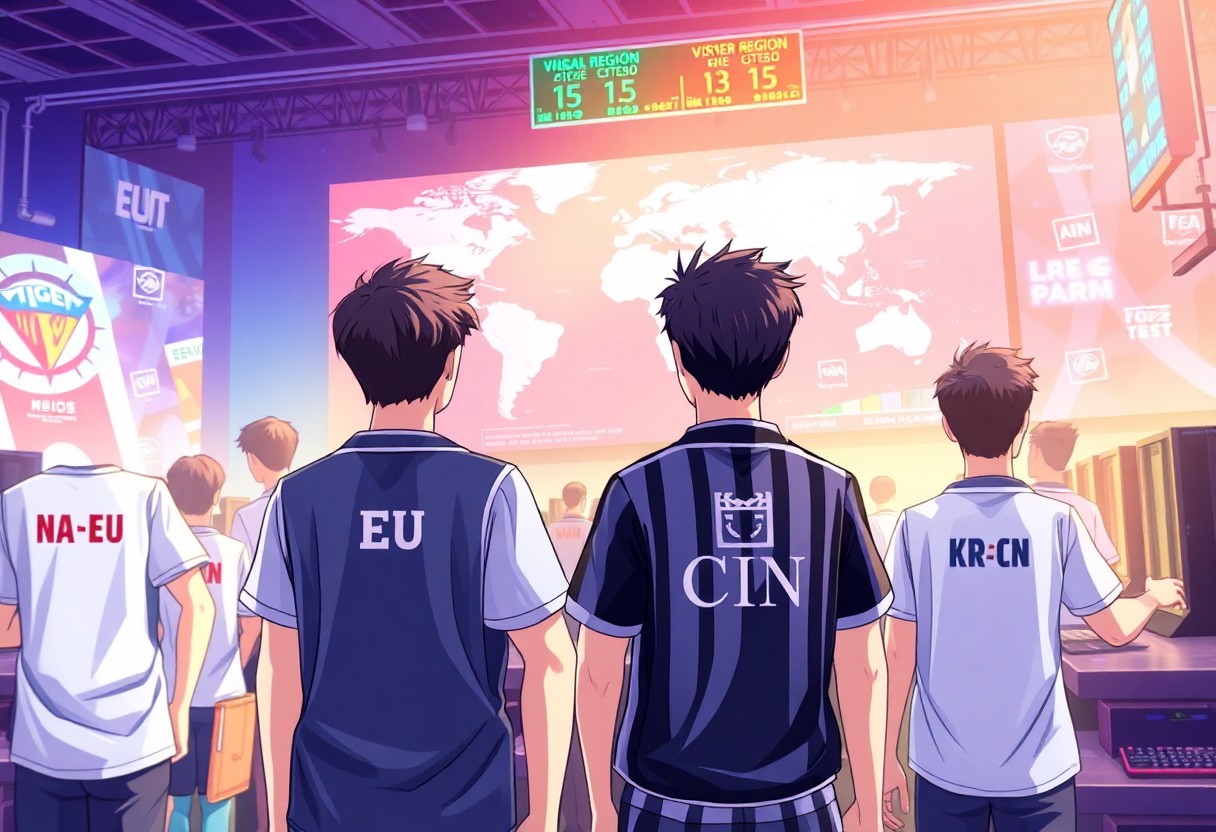
Participation in international esports events relies on specific rules regarding cross-region play. These regulations aim to ensure fair competition, address ping disparities, and maintain the integrity of tournaments while accommodating diverse player backgrounds and regional dynamics.
Governance and Regulatory Frameworks in Global Esports
The role of game publishers as primary legislative bodies
Game publishers often act as the main regulatory authorities in esports, shaping the rules for their respective titles. These companies have the power to enforce policies on player conduct, tournament structures, and eligibility requirements, providing a framework that governs competition.
Partnerships with third-party organizers enhance the effectiveness of these regulations. Publishers collaborate with event organizers to maintain a uniform standard across competitions, ensuring fair play and consistency in enforcement.
Influence of international esports federations and regional associations
International esports federations and regional associations play a significant role in establishing competitive standards and regulations. They provide overarching guidelines that govern cross-regional participation, promoting collaboration among diverse stakeholders.
By recognizing player needs and addressing regional disparities, these organizations contribute to the integrity of competitions. Their influence helps unify varied regulations and practices, which is vital for effective governance in a globally expanding industry.
Recognition of player needs is vital for the growth of competitive gaming. This enhances credibility and trust, fostering a more inclusive environment for players. Furthermore, alliances with global federations assist in harmonizing rules, promoting safety, and ensuring fair play across different regions.
Standardization of cross-region competition protocols across different titles
Standardization across various esports titles is vital for ensuring fairness in competition. Different game publishers might have unique regulations; however, creating uniform protocols helps streamline processes and promotes a level playing field.
Collaboration among publishers, federations, and event organizers can result in establishing consistent rules across games. Such efforts enhance player experience and maintain the integrity of global competitions.
Collaboration is pivotal in establishing these standardized protocols. Engaging stakeholders from multiple regions allows for comprehensive input, leading to regulations that reflect global best practices. This alignment not only facilitates smoother tournaments but also enhances the competitive integrity of esports on the international stage.
Defining Regional Residency and Athlete Eligibility
Legal criteria for establishing primary regional residency
Establishing primary regional residency typically involves meeting specific legal criteria, including time spent in a particular region and proof of local residence. Regulations can vary by event, and participants must provide documentation, such as utility bills or lease agreements, to verify their residency. This clarity helps maintain the integrity of competition by ensuring that athletes represent their authentic home regions.
In many cases, governing bodies may also require additional evidence, such as proof of citizenship or long-term visas. Policies governing residency can shift, so continuous monitoring of requirements is necessary for athletes aiming to compete internationally.
Multi-citizenship and the “Home Region” formal declaration process
Multi-citizenship presents unique challenges in determining a player’s home region. Athletes often must formally declare their primary representation, a requirement set forth to prevent eligibility conflicts and foster consistency in competition. This declaration typically involves submitting evidence of residency, citizenship, and intent to compete under a specific flag.
Failure to declare a home region can lead to disqualification from events, emphasizing the importance of clarity in regional alignments. Athletes must be aware of their choices, as switching representation may not be permitted during certain event cycles.
The formal declaration process can involve additional scrutiny to ensure compliance with both local laws and esports organization regulations. Athletes should keep detailed records and be prepared to articulate their reasoning for their chosen home region, as disputes can arise from multi-citizenship scenarios.
Residency grace periods and status transitions for long-term imports
Residency grace periods allow athletes transitioning to a new region time to establish residency without immediate eligibility concerns. These periods vary depending on the event’s governing body and typically last several months, offering players a buffer while they adjust to their new surroundings. During this time, competitors can acclimate and participate in training without risking their status.
Transitioning between regions entails complying with new regulations, which might include renewed residency verification and documentation updating. Athletes should remain informed of these requirements to avoid misunderstandings and maintain competitive eligibility.
Understanding the specifics of residency grace periods is crucial for long-term imports aiming to establish connections and participate meaningfully in their new regions. Players must take proactive steps to finalize their residency status before competing, as failing to do so can jeopardize their future in the esports arena.
Import Rules and Roster Composition Limits
Analysis of the “3/5 Rule” and its variations in major leagues
The “3/5 Rule” serves as a guideline for team compositions in major esports leagues, requiring that at least three players on a roster must come from the region where the tournament is hosted. Variations of this rule can be found across different leagues, each adjusting the numbers based on their unique competitive environments. Some leagues allow more flexibility, granting teams the ability to field a certain percentage of international players without penalties.
Grandfathered status for veteran international players
Grandfathered status allows veteran players, who were active before a region’s import restrictions were implemented, to retain their eligibility despite changes in roster composition rules. This exemption not only honors the contributions of seasoned players but also preserves team chemistry established over years of collaboration. Such exemptions can impact roster decisions, allowing teams to invest in proven talent.
Emerging region exemptions and developmental roster slots
Emerging regions often receive exemptions that allow teams to field additional international players, promoting growth in those areas. Developmental roster slots provide pathways for up-and-coming talent to participate alongside established professionals. By enabling teams to bring in more players, the framework encourages skill acquisition and nurtures local esports scenes.
Legal and Immigration Compliance for International Play
P-1 and Specialized Athletic Visa Requirements for Cross-Region Travel
P-1 visas are crucial for international esports players traveling to compete. This visa type grants entry to athletes recognized at a national or international level, allowing them to participate in events. Obtaining a P-1 visa requires substantial proof of the athlete’s achievements and the nature of the competition.
Specialized athletic visas like the O-1 also exist and cater to extraordinary individuals in esports. The process for these visas encompasses rigorous documentation, emphasizing the need for players to demonstrate their skills and contributions to the industry.
Tax Obligations and Double Taxation Treaties for Prize Money Distribution
Tax obligations can significantly impact prize money received in international esports events. Players must be aware of the tax laws in both their home country and the host country. Failure to comply with local regulations may lead to penalties or reduced payouts.
Double taxation treaties can alleviate some financial burdens by preventing players from being taxed twice on the same income. Understanding these treaties is crucial for effective tax planning, allowing competitors to maximize their earnings while minimizing legal risks.
Many countries have established extensive frameworks to prevent double taxation, which can benefit esports professionals. These treaties generally grant tax credits or exemptions based on the agreements, facilitating smoother transitions for players collecting prizes while competing internationally.
Contractual Enforceability and Labor Laws Across Different Jurisdictions
Contractual enforceability varies significantly between jurisdictions, posing challenges for players and organizations. Esports contracts may be governed by the laws of the country where the event occurs or where the player resides. Consequently, players must understand the specific legal requirements to ensure contracts hold up in disputes.
Different countries interpret labor laws uniquely, affecting player rights, payment structures, and obligations. As such, a comprehensive understanding of these regulations forms a basis for fair treatment and effective conflict resolution within the esports framework.
Enforcement of contracts in international settings often leads to disputes due to discrepancies in local laws. Legal advice can help clarify obligations and protect players’ interests, ensuring that they are aware of their rights regardless of the location of the tournament.
Transfer Windows and Roster Lock Mechanisms
Mid-season transfer window limitations and roster freeze dates
Mid-season transfer windows impose strict limitations on team rosters during key competition phases. Roster freeze dates mark when teams must finalize their lineups, ensuring stability and fair competition as events unfold.
Teams unable to make adjustments risk fielding underperforming lineups, impacting their standing in the tournament. These restrictions support strategic planning, promoting a competitive balance across all participating teams.
Emergency substitute protocols for cross-region travel complications
Emergency substitute protocols address complications arising from unexpected cross-region travel issues. Teams can request temporary roster adjustments to ensure competition integrity when players face delays or obstacles.
Approved substitutes are typically drawn from local player pools, allowing teams to maintain competitive integrity without sacrificing performance quality. Timely communication with event organizers is important during these situations.
Protocols are enforced to limit abuse while ensuring fairness. Guidelines dictate the eligibility of substitutes, which may include restrictions based on prior participation in the event or specific regional agreements.
Buyout clause regulations and international transparency standards
Buyout clause regulations dictate the terms under which players may be transferred between organizations. Standards regarding international transparency enhance the clarity of financial obligations and contractual commitments among teams.
These regulations ensure that organizations follow established procedures when acquiring players, minimizing disputes and fostering a level playing field across regions.
Qualification Pathways and Regional Slot Allocation
Proportional representation based on historical regional performance
Historical performance plays a significant role in determining regional representation at international esports events. Each region’s success in past competitions shapes its allocation of slots, ensuring that the strongest and most competitive areas are rewarded. This method promotes fairness while encouraging emerging teams to strive for excellence.
Allocating slots based on historical data maintains a balanced competitive environment. By recognizing the achievements of regions, organizers can create a structure that equally values both established powerhouses and rising contenders, fostering a diverse competition scene.
Wildcard systems and inter-regional play-in tournament structures
Wildcard systems offer an exciting opportunity for teams to secure a spot in international events despite not meeting strict qualification criteria. This method introduces unpredictability and excitement, allowing underdog teams to compete against established favorites. Play-in tournaments further enhance this, creating a multi-stage qualification process.
Emphasizing cross-regional play, these structures not only foster competition but also strengthen relationships between regions. Teams can showcase their skills against a broader player base, increasing exposure and engagement while diversifying the competitive pool.
The inter-regional play-in tournaments often allow multiple teams to compete for a limited number of spots, intensifying the stakes. By combining wildcard entries with these tournaments, organizers can create thrilling matches that engage fans and promote up-and-coming talent in the ever-evolving landscape of esports.
Circuit point accumulation in multi-region competitive environments
Circuit point systems encourage teams to perform consistently across various tournaments to qualify for major events. By distributing points based on performance, teams are motivated to participate in multiple competitions within their regions and beyond. This structure rewards sustained excellence rather than a single successful outing.
Through the accumulation of points, a more comprehensive ranking emerges, allowing for analysis of team performance over time. This method enhances accountability and competitive integrity, as teams must consistently demonstrate their skills across a wider array of challenges to rank highly.
Competitive Integrity and Anti-Poaching Regulations
Prohibitions on unauthorized cross-region talent solicitation
Restrictions exist to prevent teams from poaching talent across different regions without consent. These regulations aim to maintain a stable environment where players can develop their skills without constant disruption. Unauthorized solicitation can undermine the trust and competitiveness of the ecosystem.
Entities violating these rules face penalties, including potential disqualification from events. Such measures are imperative for preserving the integrity of competitions, ensuring teams can rely on their rosters without fear of poaching from rival organizations.
Conflict of interest policies for multi-region team ownership groups
Policies specifically address potential conflicts arising from ownership structures with multiple teams across different regions. Such regulations prevent scenarios where ownership could unduly influence match outcomes or player transfers, safeguarding competition integrity. Assessments of ownership entities are critical for identifying and managing these conflicts.
Transparency remains a central tenet of these policies. Organizations must disclose ownership details and maintain clear separations between teams, allowing for fair competition across regions.
Monitoring and reporting mechanisms for illicit poaching activities
Monitoring systems play a crucial role in detecting unauthorized talent solicitation. Organizations implement reporting channels where players and teams can confidentially report suspected poaching incidents. These frameworks encourage a culture of accountability and vigilance among participants.
Collaboration among leagues, teams, and players enhances monitoring efforts. Rigorous investigations follow reported cases, leading to appropriate actions against violators to deter future occurrences.
Monitoring and reporting mechanisms for illicit poaching activities focus on creating a safe environment for all stakeholders. By establishing clear protocols and encouraging community involvement, the chance of unauthorized recruitment decreases significantly. This collective effort not only protects talent but also ensures that competitive integrity remains intact across all regions.
Economic Parity and Financial Fair Play
Salary caps and luxury tax implications for high-import rosters
Introducing salary caps can maintain competitive balance by limiting team expenditures on player salaries. Luxury tax systems further deter excessive spending by penalizing teams that exceed budget thresholds, prompting more equitable team compositions. This balance encourages strategic roster construction, allowing lesser-funded teams to compete meaningfully against financial powerhouses.
Implications of these systems are profound for teams with high-import rosters. Teams that spend above the salary cap face substantial penalties, which impacts their ability to retain talent over time. Without constraints, the disparity between rich and poor teams widens, undermining the overall integrity of the competition.
Minimum wage requirements for international athletes in premier tiers
Implementing minimum wage requirements ensures that international athletes receive fair compensation across all regions. Establishing a baseline prevents exploitation and encourages participation from diverse backgrounds. Such measures promote sustainability in careers, enabling players to focus on skill development rather than financial survival.
Compliance with these minimum wage regulations varies by country and organization. This inconsistency can lead to challenges in player mobility, as varying economic standards affect roster decisions. Addressing these discrepancies is crucial for fostering an equitable environment for all international competitors.
Revenue sharing models and their impact on regional stability
Revenue sharing models distribute financial resources among participants, promoting stability across regions. Teams in economically weaker areas can thrive, providing them the means to invest in local talent. This strategy enhances overall competitiveness by preventing a concentration of wealth in a few high-performing teams.
Impacting regional stability, these models ensure that all areas have opportunities to develop. Shared revenue allows smaller teams to support grassroots initiatives, fostering community engagement and increasing the potential for future stars. Sustaining this cycle is imperative for the long-term health of the esports ecosystem.
Technical Protocols for Cross-Region Online Competition
Mandatory latency (ping) thresholds and server selection criteria
Establishing mandatory latency thresholds is imperative for maintaining fair competition in cross-region events. Usually, a maximum ping limit is set to ensure all players experience a consistent connection, preventing any undue advantages. Server selection criteria are based on geographic proximity, ensuring that players connect to the most suitable servers to minimize latency discrepancies.
Players must adhere to these ping thresholds to qualify for participation in international tournaments. Organizers often perform regular assessments to enforce compliance, using monitoring tools to track latency and server performance throughout the event.
Implementation of artificial latency (Ping Equalization) in hybrid events
Artificial latency, or Ping Equalization, addresses disparities in player connection speeds during hybrid events. This approach adjusts the latency for players with faster connections, leveling the playing field by ensuring that all participants face comparable conditions. Such adjustments make competitive outcomes more about skill rather than technical advantages.
Testing these systems is crucial to ensure they function correctly across diverse networking conditions. Organizers should communicate the rules and expectations consistently to avoid confusion and maintain integrity throughout the event.
Ping Equalization may involve algorithms designed to simulate higher latency for certain players, creating an artificial balance during gameplay. This technique, while complex, is aimed at maintaining fairness, though it can introduce challenges in implementation. Transparency in how these adjustments are calculated is imperative for participant trust and acceptance.
Integrity monitoring and anti-cheat protocols for remote play
Integrity monitoring systems are critical in upholding competitive standards during remote play. These systems ensure that all games are conducted fairly and that players adhere to established guidelines. Strong anti-cheat protocols, such as real-time software monitoring, help detect and prevent cheating in various forms.
Technical audits can help reinforce these protocols, allowing organizers to collect data on player behavior during matches. Compliance with these measures is imperative for maintaining the integrity of the competition and instilling confidence among participants and viewers alike.
Implementing integrity monitoring requires a combination of software tools and human oversight. Regular reviews and updates to the protocols help address emerging cheating methods, ensuring that fairness remains a top priority in esports. Transparency and prompt communication about any disciplinary actions taken can further strengthen trust in the competitive environment.
Disciplinary Frameworks and Sanctioning
Penalties for residency fraud and documentation falsification
Violations related to residency and documentation can lead to severe penalties for players and teams. Typically, these sanctions may include bans from specific events and potential disqualification from tournaments. The implications are serious, as integrity is paramount in preserving the competitive nature of esports.
Sanctions may also extend to fines which serve to deter future infractions. Repeated instances can result in longer bans and disqualification from participating in future competitions, aiming to uphold fair play standards.
Competitive bans and point deductions for roster lock violations
Roster lock violations attract significant repercussions, often including competitive bans for affected players. Teams may face point deductions, impacting their standings in ongoing leagues. These actions emphasize the importance of adhering to roster regulations.
Consequences extend beyond individual players, affecting team dynamics and overall performance. Enforcing these rules ensures a level playing field and discourages any roster manipulation attempts.
Roster lock violations can lead to multi-faceted penalties that disrupt team cohesion and strategies. Affected players often face temporary bans, diminishing their competitive opportunities during critical tournament phases, while teams suffer from lost points, ultimately hindering their season advancement.
Appeals processes and the role of the Court of Arbitration for Sport
Players and teams have the right to appeal decisions through established processes, often involving internal review committees. These frameworks ensure that disciplinary actions can be contested fairly. In more complex cases, the Court of Arbitration for Sport (CAS) may be involved to provide impartial rulings.
The CAS serves as a higher authority in disputes, enhancing trust in the adjudication process. Their decisions are typically binding, underscoring the significance of having a transparent appeals mechanism in competitive esports.
Engaging the Court of Arbitration for Sport allows for a comprehensive review of contentious decisions, ensuring that all parties receive due process. This level of oversight reinforces ethical standards within the industry, emphasizing the importance of fair treatment in disciplinary actions.

Socio-Economic Impact of Regional Lock-in Policies
Protection of local talent pipelines and grassroots ecosystems
Regional lock-in policies create an environment where local talent can thrive. By offering opportunities primarily to domestic players, these policies help cultivate grassroots ecosystems that nurture emerging gamers. Such investment in local competitions and leagues strengthens the skills and potential of homegrown talent.
Supporting local initiatives ensures that communities remain engaged, fostering a sense of belonging. As players develop, they inspire younger generations to pursue esports, creating a sustainable cycle of talent growth and economic benefits for the region.
Addressing the “Brain Drain” phenomenon in emerging regions
Emerging regions often see skilled players leaving for more lucrative opportunities abroad. This “brain drain” can weaken local esports ecosystems, leaving behind gaps in talent and expertise. As top players migrate, the potential for growth diminishes, affecting regional competitions.
Strategies are necessary to retain talent, such as investing in local tournaments and providing financial incentives. By enhancing local opportunities, regions can create environments that keep their best players and stimulate economic development.
Addressing the “brain drain” requires proactive measures to incentivize players to stay. Investments in comprehensive training programs, sponsorships, and higher prize pools can transform emerging markets into attractive destinations for aspiring professionals. Building a vibrant local scene may curtail the exodus and encourage a thriving competitive atmosphere.
Commercial viability of regional versus globalized league structures
Regional league structures often struggle to attract the same financial backing as global counterparts. Investors typically prefer globally recognized leagues with wider audiences, creating disparities in funding and visibility. As a result, regional leagues may face challenges in establishing sustainable business models.
Balancing regional pride with global commercial interests remains a challenge. Finding common ground can lead to hybrid models that allow regions to benefit from global exposure while preserving local competition.
Commercial viability hinges on the ability to attract viewership and sponsorships. A dual approach, integrating regional strengths with global market demands, offers a path to monetization. Engaging local audiences while expanding global outreach can create financially sustainable ecosystems where both regional and global entities thrive.
Comparative Analysis of Major Esports Titles
| Esports Title | Participation Rules |
|---|---|
| League of Legends | Strict regional lock-in and franchising |
| Dota 2 | Open circuits and DPC regulations |
| PUBG Mobile | Regional tournament dynamics |
| Free Fire | Localized esports events |
The Riot Games model: Strict regional lock-in and franchising
Riot Games implements a strict regional lock-in for League of Legends, enforcing geographic boundaries for team representation. Franchising ensures stability and commitment from teams, fostering long-term rivalries and fan engagement across leagues.
This model prioritizes local markets, allowing viewers to develop connections with teams and players from their regions. Consequently, it cultivates a competitive environment with consistent quality in matchups and production standards.
The Valve Corporation model: Open circuits and DPC regulations
Valve Corporation’s approach to Dota 2 emphasizes openness with its tournament ecosystem. The Dota Pro Circuit (DPC) establishes a format that allows various teams to compete across multiple events, fostering inclusiveness.
This structure promotes meritocracy, rewarding teams based on performance rather than regional restrictions. Such flexibility attracts a diverse pool of players and enhances the competitive scene, appealing to a global audience.
The DPC system includes various tiers of competitions, allowing newcomers to rise through the ranks and compete against established teams. With regional qualifiers and prominent major events, Valve’s model ensures both accessibility and high-level play, connecting fans worldwide to the action.
Mobile esports: Regional dynamics in PUBG Mobile and Free Fire
While PUBG Mobile and Free Fire dominate mobile esports, regional dynamics significantly influence their participation rules. Both titles host localized tournaments that cater to specific markets, enhancing player engagement and audience involvement.
PUBG Mobile organizes its events across various regions, creating competitive platforms tailored to the gaming scenes in Asia, Europe, and beyond. Free Fire follows suit, focusing on vibrant local communities and thriving fanbases, ensuring that players represent their regions effectively.
Future Trends in Global Participation Rules
The rise of the “World League” hybrid format and its regulatory needs
The World League format combines traditional tournaments with online qualifiers, enabling broader participation across regions. Compliance with diverse local regulations remains a challenge, necessitating streamlined governance frameworks.
Digital residency and the impact of decentralization on eligibility
Digital residency policies are emerging as a critical factor in defining player eligibility. Establishing residency requirements for online competitions requires careful consideration to prevent exploitation of loopholes by professional players.
Enhanced verification processes will be necessary to support decentralized participation. This shift may redefine traditional notions of residency and player identification.
As digital platforms enable esports to transcend geographic barriers, defining residency becomes increasingly complex. Effective policies must balance accessibility with the integrity of competition, preventing fraudulent claims while encouraging global talent.
Harmonization of global rulesets under a unified governing body
Creating a unified governing body could streamline participation rules across various esports titles. With inconsistent regulations currently in play, a centralized approach may mitigate disputes and enhance competitive fairness.
This governance model has the potential to promote collaboration among stakeholders, ensuring that rules are universally adopted and respected. Collective agreement on standards would ultimately benefit the entire esports ecosystem.
Centralized governance can address the fragmented regulatory environment seen in esports today, promoting consistency and fairness. Collaborative efforts will enhance player trust and elevate the overall competitive standard across all events.
Summing up
Following this, cross-region participation rules in international esports events serve to standardize play and promote fair competition. These regulations address concerns such as latency, regional disparities in skill levels, and the impact of differing game versions on gameplay. Ensuring equitable opportunities for all participants is crucial for maintaining integrity in esports.
Clear and enforceable participation rules enhance the legitimacy of competitions and increase player engagement. Organizations must adapt to the evolving nature of esports, continuously revising rules to reflect technological advances and shifting player dynamics, thereby securing the future of competitive gaming.

Q: What are the basic eligibility requirements for cross-region participation in international esports events?
A: Participants must typically reside in a region that qualifies them for the event. Each tournament has its own eligibility criteria, often including age limits and specific region restrictions. Verification of residency is commonly required through documentation.
Q: How do region lock rules affect team compositions for international tournaments?
A: Region lock rules prevent teams from using players that are registered in other regions. Teams must ensure that all members are from the same, eligible region. Some tournaments may allow exceptions, but these are limited and generally require special approval.
Q: Are there any consequences for violating cross-region participation rules?
A: Teams found in violation of these rules may face penalties, including disqualification from the event. Disciplinary actions can also extend to player bans or fines. Maintaining compliance with regulations is crucial for participation in international competitions.