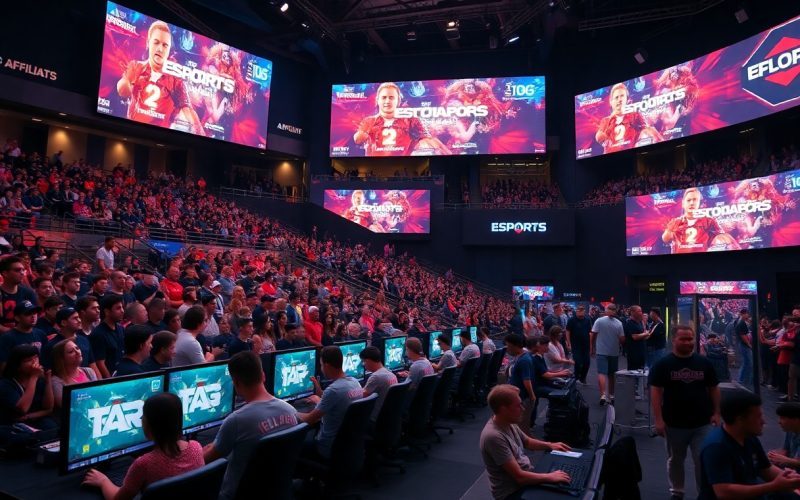
Just as competitive gaming has evolved, so have the regulations surrounding communication devices at LAN tournaments. These restrictions are implemented to ensure fair play and maintain the integrity of the competition, affecting participants’ strategies and interactions during matches.
Historical Context of Competitive Integrity in Esports
The transition from amateur gatherings to professionalized LAN environments
Competitive gaming evolved from informal meetups to large-scale LAN tournaments, marking a significant shift in organization and professionalism. Early gatherings often lacked structure, which led to unclear competitive standards and varied participant expectations. As public interest surged, the need for organized events emerged, pushing the evolution of formalized LANs.
Sponsors and corporate backing further catalyzed this transition, leading to standardized practices and guidelines. Increased attendance and viewership at these events highlighted the necessity for stricter regulations to maintain the integrity of competition.
Early instances of unauthorized external communication and their impact
Instances of unauthorized external communication emerged early in competitive gaming, where players exploited communication tools for unfair advantages. Such breaches often compromised the integrity of matches, causing disputes among competitors and impaired overall trust in tournament outcomes.
The fallout from these incidents prompted organizers to implement strict measures, including the prohibition of certain communication devices. These actions aimed to restore faith in competitive integrity and ensure a level playing field for all participants.
Several notorious instances involved players using mobile phones or hidden earpieces to receive strategies in real-time. These actions not only skewed match results but also led to significant changes in tournament rules to address these security breaches effectively.
The evolution of regulatory bodies and the standardization of rulebooks
Growth in the esports industry prompted the formation of regulatory bodies focused on maintaining competitive integrity. These organizations worked to unify rules and regulations, which were critical for tournaments that crossed international borders. Developing consistent rulebooks became paramount to prevent discrepancies among various events.
Standardized regulations evolved to mitigate cheating and ensure fairness, with specific clauses addressing unauthorized communication. This shift set a precedent, illustrating the industry’s commitment to integrity while adapting to new technologies and player behaviors.
The establishment of these regulatory bodies allowed for collaboration among different stakeholders in the industry. By creating clear, enforceable rulebooks, organizers could ensure that all participants understood their responsibilities, thus enhancing the overall competitive environment in esports.
Defining Prohibited Communication Devices and Hardware
Mobile smartphones, tablets, and cellular-enabled wearables
Mobile smartphones, tablets, and wearables equipped with cellular capabilities are typically prohibited during LAN tournaments. These devices can facilitate unauthorized communication between players and outside parties, undermining fair play. Tournament organizers aim to eliminate any potential for cheating or gaining an unfair advantage through external information.
Players must deposit these devices in designated areas before the competition begins. Strict enforcement ensures an equitable gaming environment where skills are the primary focus, rather than access to external tools or information.
Unauthorized Bluetooth peripherals and wireless transmitters
Unauthorized Bluetooth devices and wireless transmitters pose significant risks during tournaments. These gadgets can create unregulated communication channels, leading to potential collusion. Organizers often scrutinize equipment to prevent players from utilizing such devices to gain insights or relay strategies discreetly.
A thorough inspection protocol is implemented to identify and ban unauthorized peripherals. Ensuring all players compete on equal footing helps maintain the integrity of the tournament and emphasizes skill-based competition.
Secondary storage devices and programmable hardware components
Secondary storage devices, such as USB drives and external hard disks, along with any programmable hardware, are strictly regulated in LAN tournaments. These items can store sensitive information or provide unwarranted advantages if used improperly. Tournament rules often dictate that only sanctioned equipment may be used to maintain competitive fairness.
Violations involving these devices can lead to disqualification, as they might enable players to access cheats or exploits. Implementing stringent checks ensures that all participants engage under the same constraints, preserving the tournament’s credibility.
The Rationale Behind Strict Device Restrictions
Preventing real-time tactical assistance from external coaches or analysts
Coaching from the sidelines can provide significant advantages during competitions. Banning communication devices at LAN tournaments prevents teams from receiving real-time input from external coaches or analysts, leveling the playing field. The integrity of the match is upheld when players rely solely on their own skills and strategies.
Trusting players to execute their game plan without external interference promotes a fair competition environment. By eliminating outside assistance, the tournament ensures that victories are earned through individual and team effort, rather than external guidance.
Eliminating the possibility of “stream sniping” and information leaks
“Stream sniping” refers to the practice of watching competitors’ streams to gain an unfair advantage. Scrutinizing live streams allows opponents to learn tactics and player positioning, undermining the competitive spirit. Device restrictions curtail this behavior, ensuring that teams focus solely on in-game actions.
Maintaining confidentiality during high-stakes matches protects the integrity of the tournament. Without access to external streams or information feeds, players are required to rely on their instincts and in-game communication, which enhances the overall experience for all participants.
In today’s gaming environment, preventing “stream sniping” has become increasingly crucial. Competitors often use multiple devices or platforms to monitor streams during matches, gaining insights that should remain concealed. Banning communication tools is a straightforward yet effective strategy to safeguard the game and uphold competitive fairness.
Safeguarding against the use of sophisticated mobile-based cheating software
Mobile-based cheating software poses significant risks in competitive gaming. Certain applications can provide players with hacks or unfair advantages during critical moments. By restricting the use of these devices, tournament organizers discourage the potential for cheating, ensuring the integrity of the competition.
Implementing strict device policies prevents players from accessing these programs. The focus shifts back to skill and teamwork, as all participants can compete on equal footing without the threat of technological exploitation.
Pre-Match Inspection and Compliance Protocols
Mandatory device check-in procedures and secure storage solutions
Players must check in all communication devices prior to matches. Each device will undergo thorough inspections to ensure compliance with tournament regulations. Secure storage facilities are provided, safeguarding devices until they’re needed for gameplay.
Wristbands or tags may be issued to identify checked-in devices easily. This process minimizes the risk of unauthorized equipment being used during competitions, maintaining a fair playing field for all participants.
Physical screening using metal detectors and RF signal scanners
This multi-layered approach effectively deters cheating strategies, reinforcing the integrity of the tournament environment. Teams can compete with enhanced confidence knowing strict security measures are in place.
Using metal detectors and RF signal scanners can identify concealed devices, including those hidden within clothing or personal items. This comprehensive method extends to bags and equipment, ensuring thorough oversight at every entry point.
Verification of peripheral firmware and driver authenticity
Each player’s peripherals must be verified to ensure that the firmware and drivers are authentic and free from modifications. Inspection stations will be set up to confirm these specifics before matches begin.
Verifying peripheral firmware and driver authenticity is crucial to maintain competitive equity. Inspectors will utilize specialized tools to cross-reference firmware versions against official databases, ensuring compliance with tournament standards and deterring illicit modifications.
On-Stage Environment Control and Monitoring
The implementation of acoustic booths and noise-cancelling headset standards
Acoustic booths serve as effective barriers, minimizing extraneous noise that could disrupt players’ focus. Implementing noise-cancelling headset standards ensures clear communication among teammates while filtering out background distractions.
These setups allow players to concentrate fully on their game strategy without interference from the live audience or other elements in the venue. This level of control is imperative for maintaining a fair and competitive environment.
Physical line-of-sight restrictions between players and the live audience
Line-of-sight restrictions are implemented to prevent audience members from influencing or distracting players during critical moments in matches. By blocking direct sightlines, organizers ensure that players remain focused solely on their performance and gameplay.
This physical barrier also helps to maintain an air of professionalism, allowing players to execute strategies without external visual interruptions. Such measures reinforce the integrity of the tournament environment.
Physical line-of-sight measures create a controlled setting that minimizes distractions for players. Audience seating arrangements are adjusted strategically to obscure views between competitors and spectators, ensuring that the focus remains on the game. This separation fosters an atmosphere conducive to optimal performance while adhering to tournament rules.
The role of stage referees and technical admins in active surveillance
Stage referees and technical admins assume pivotal roles in monitoring gameplay during tournaments. Their responsibilities include ensuring compliance with communication restrictions and swiftly addressing any rule infractions that may arise.
On-site personnel are trained to identify suspicious behaviors or potential cheating attempts, promptly investigating any irregular activities. This active surveillance is critical to maintaining a fair competition environment.
Referees and technical admins work collectively to oversee both the players and the audience, continuously observing interactions that could impact gameplay. Their vigilance helps uphold tournament standards, ensuring that all participants adhere to established regulations throughout the event.
Technical Countermeasures: Network Isolation and Signal Shielding
Deploying Faraday cages and electromagnetic interference (EMI) shielding
Faraday cages serve as a protective barrier against external electromagnetic signals, ensuring that communication channels remain secure during tournaments. Constructed from conductive materials, these cages effectively block unauthorized transmissions, creating a controlled environment conducive to fair competition.
EMI shielding complements Faraday cages by mitigating interference from devices within the venue. This shielding enhances signal clarity, preventing accidental disruptions and maintaining network integrity throughout the event.
Air-gapping tournament servers from the public internet
Air-gapping involves isolating tournament servers from the public internet to eliminate potential vulnerabilities. With no internet connectivity, the risk of unauthorized access or data breaches decreases significantly, ensuring the integrity of game data and player information.
Such isolation mandates the use of dedicated, internal networks to connect servers, only allowing necessary local communications. This strategy prevents exploitation of external threats while maintaining operational efficiency during competitive matches.
Monitoring local wireless frequencies for unauthorized SSID broadcasts
Monitoring local wireless frequencies is imperative to detect unauthorized SSID broadcasts that could impact tournament integrity. Continuous scanning enables quick identification of rogue access points, which may attempt to deceive players or disrupt tournament operations.
Personnel dedicated to frequency monitoring can effectively mitigate risks associated with unapproved connections. With advanced tools for analysis, tournament organizers can respond promptly to any suspicious activities, reinforcing security measures and protecting player experiences.
Communication Device Restrictions During LAN Tournaments
Regulating the Timing and Scope of Coach-to-Player Interactions
Restrictions on coach-to-player interactions ensure teams maintain a level playing field during competitions. Coaches must adhere to specific time windows for communication, typically allowing brief exchanges only between rounds or during designated pauses.
Establishing clear boundaries around the content of coaching advice further promotes fair play. Teams are limited in the depth of strategy discussions allowed during active gameplay, focusing instead on encouragement or minor corrections.
Restricted Use of Team Voice Channels During Active Gameplay Rounds
Voice channels must remain largely inactive while gameplay is underway to limit outside influence on players. Teams can communicate within strict guidelines, ensuring that real-time decisions are made independently.
This restriction aims to enhance players’ adaptability and decision-making skills, crucial elements in high-pressure environments. Maintaining silence from coaching staff during these moments fosters individual player responsibility and performance under pressure.
Protocols for Designated Tactical Timeouts and Technical Pauses
Tactical timeouts provide teams the opportunity to regroup and strategize under specific conditions. Protocols dictate how and when these timeouts can be requested, ensuring they are used effectively without disrupting game flow.
Each team must adhere to a set number of timeouts, reinforcing discipline in their execution. Players and coaches often utilize these moments for critical analysis, adjusting tactics to counter opponents’ strategies while ensuring the competitive spirit remains intact.
Incident Response and Disciplinary Frameworks
Immediate Disqualification Criteria for Unauthorized Device Possession
Competitors found in possession of unauthorized communication devices will face immediate disqualification from the tournament. This includes any form of communication tool not sanctioned by tournament organizers, whether used for signaling or information exchange. Such strict measures ensure fair competition, maintaining the integrity of the event.
Disqualification criteria encompass not only direct possession but also the attempted use of these devices, reinforcing the commitment to a level playing field. Participants are expected to comply with regulations, and any breach will lead to swift action against the offending player.
Formal Investigation Procedures for Suspected Electronic Signaling
When electronic signaling is suspected, organizers initiate a formal investigation process involving thorough examination of the situation. This procedure includes collecting evidence, interviewing witnesses, and reviewing any available footage, ensuring an unbiased assessment of the circumstances surrounding the incident.
Investigators focus on gathering comprehensive data that may indicate rules violations, leading to informed decisions regarding potential disciplinary actions. A transparent approach fosters trust in the investigative outcomes, ensuring that all parties involved are treated fairly.
Long-term Professional Bans and the Role of the Esports Integrity Commission
Sustained violations of communication device regulations may result in long-term professional bans. The Esports Integrity Commission plays an integral role in enforcing these penalties, establishing standards to deter cheating and uphold sportsmanship in competitive gaming.
Long-term bans not only impact individual careers but also serve as a warning to others. Working closely with tournament organizers, the Esports Integrity Commission ensures that all disciplinary actions align with established guidelines, reinforcing the commitment to integrity across the esports community.
Case Studies: Notable Infractions and Regulatory Shifts
- 2016: “The Eleague Major” – A team was disqualified for using unauthorized communication devices, leading to instant regulatory reviews.
- 2018: “Fortnite World Cup” – Players were found with mobile devices during matches, prompting a ban on all electronics backstage.
- 2020: “CS:GO Tournament” – An organization faced fines after staff used phones to relay strategy, raising questions about oversight protocols.
- 2021: “League of Legends Mid-Season Invitational” – Two players received suspensions due to unauthorized communication with spectators, influencing policy updates.
Analysis of high-profile cheating scandals involving mobile technology
Multiple incidents have brought light to the rampant use of mobile devices for cheating in LAN tournaments. For instance, a major CS:GO scandal revealed that players were using hidden smartphones to receive real-time information during matches.
In another case, competitors at the Fortnite World Cup were caught employing discreet communication methods to coordinate strategies, directly violating tournament rules. These high-profile events have stirred significant discussion about the need for stringent enforcement of communication bans.
Impact of rule violations on tournament reputation and sponsorship
Rule violations can severely damage tournament reputations, as sponsors often reassess their partnerships following scandals. Tainted events may struggle to attract new endorsements and retain existing ones.
Financial repercussions can be dramatic, as sponsors pull funding and fans lose confidence in the integrity of competitions. The ripple effect threatens the overall stability of the esports ecosystem, compelling organizers to implement stricter rules.
Post-incident adjustments to global tournament policy standards
Post-incident reviews often lead to significant policy adaptations aimed at counteracting cheating. Organizations are increasingly enforcing stricter guidelines on communication devices in and around tournament venues.
These changes include comprehensive checks on player conduct and the introduction of technology that monitors communication channels live during competitions, ensuring adherence to established rules.
With rising incidents of cheating through mobile technology, the enforcement of strict communication device regulations is more crucial than ever. Tournament organizers are tasked with continuously updating their standards to maintain credibility and ensure fair play.
Psychological and Performance Impacts of Digital Isolation
Managing player anxiety and routines during device separation
Device separation can heighten player anxiety, often disrupting established routines. Adapting to a new environment without digital distractions demands effective stress management strategies. Players might need to create pre-game rituals focused on physical activity and mental clarity to offset anxiety levels.
Establishing consistent routines can ground players during tournaments, helping them remain focused and calm. Utilizing techniques like visualization and mindfulness may mitigate the psychological effects of separating from communication devices, ultimately enhancing their performance in high-pressure situations.
Focus enhancement through the elimination of non-imperative digital distractions
Removing unnecessary digital interactions sharpens player concentration, enabling deeper immersion in the competition. With fewer distractions, athletes can dedicate their cognitive resources solely to their gameplay, often resulting in improved decision-making and reaction times.
This intentional isolation encourages players to develop a heightened awareness of their surroundings and in-game dynamics. By concentrating exclusively on the contest, players enhance their competitive edge, allowing for a more strategic approach to each round.
The transition from “always connected” practice to “offline” competition
The shift from constant connectivity to an offline tournament setting can be daunting for players accustomed to digital interactions. Such transitions require adjustments in focus and communication styles, challenging their adaptability in a competitive environment.
Legal and Contractual Obligations for Professional Players
Player participation agreements and explicit device usage clauses
Contracts often stipulate explicit terms regarding communication devices during tournaments. These clauses aim to uphold the integrity of the competition by prohibiting unauthorized technology that could provide players with unfair advantages.
Non-compliance with these agreements can lead to disqualification or penalties, emphasizing the importance of adherence. Players must thoroughly understand these stipulations to avoid breaches that could impact their careers.
Rights of tournament organizers regarding search and seizure of hardware
Tournament organizers maintain the authority to inspect players’ devices to ensure compliance with rules and regulations. This right encompasses searching personal and team equipment to prevent cheating and unauthorized communication.
Violation of these protocols can lead to severe consequences, including expulsion from the event. Organizers implement such measures to protect the competition’s integrity and maintain a level playing field.
Ensuring compliance often involves clearly defined procedures for searches. Players are typically informed of these rights in advance, allowing them to prepare adequately and understand the ramifications of potential violations.
Confidentiality requirements surrounding internal security measures
Confidentiality clauses within player agreements often address the details of internal security measures. These requirements protect sensitive information about tournament practices and the technologies employed to ensure fair play.
Failure to adhere to these confidentiality agreements can result in serious repercussions, including legal actions and reputational damage. Players must recognize the importance of safeguarding such information to maintain industry standards.
Specific protocols dictate how players interact with security measures. Awareness of these requirements not only fosters trust but also reinforces the commitment to fair competition in the esports community.
Future Trends in Anti-Cheat Technology and Policy
AI-driven behavioral analysis for detecting external cues and signaling
AI systems are becoming increasingly sophisticated in identifying player behaviors that suggest collaboration or external assistance. By analyzing in-game actions, communication patterns, and even player facial expressions, these systems can flag suspicious activities that deviate from normal behavior. This technology aims to improve the integrity of competitions and minimize the risks posed by communication devices.
Data collection from AI-driven tools can significantly enhance monitoring during matches. Continuous analysis will help tournament organizers quickly identify and address potential cheating, creating a more even playing field for competitors. The future could see real-time alerts that trigger immediate investigations into flagged behaviors.
Biometric authentication for player identity and access control
Biometric authentication methods, such as fingerprint or facial recognition, are set to play a pivotal role in securing player identities during tournaments. This technology ensures that only authorized individuals access accounts and game stations, drastically reducing the risk of impersonation or account sharing. Implementation can streamline the check-in process, enhancing overall security.
Employing biometrics not only heightens security but also reinforces the authenticity of competition. As players engage in matches, their biometric data can be used to verify identity continuously, ensuring that the right person is competing against others. This technology may lead to more trust in competitive integrity.
Biometric systems can further integrate health and performance metrics, allowing for a comprehensive player profile that can be monitored throughout the tournament. Such a dual approach not only safeguards against cheating but also promotes fair play while maintaining an accurate record of player engagements and behaviors.
Integration of blockchain technology for immutable match logging
Blockchain technology offers a transparent and secure method for logging match results and player activities. By creating an immutable ledger, tournament organizers can guarantee that all game-related information is permanently recorded, reducing the likelihood of disputes or manipulation. This level of transparency bolsters confidence among players and teams.
Smart contracts built into blockchain systems can automate processes, ensuring compliance with tournament rules and regulations. Instant verification of each match’s outcome adds another layer of integrity, as both players and organizers can trust that records are accurate and tamper-proof.
Integrating blockchain into tournament infrastructure also facilitates easier access to historical data, allowing players and analysts to review match performance without fear of data alteration. This creates a legacy of competition that participants can rely on, while enforcing a strict anti-cheat policy across the board.
Stakeholder Perspectives: Organizers, Players, and Fans
Balancing competitive integrity with player comfort and convenience
Organizers aim to create environments that uphold competitive integrity while also prioritizing player comfort and convenience. Strict communication device regulations can enhance fairness but may lead to frustrations among players who rely on these tools for coordination and mental support. Finding a middle ground is vital for maintaining a positive atmosphere.
Players often express concerns about the restrictions imposed on their communication devices. Excessive limitations can hinder teamwork and strategy formulation, affecting their overall performance. Efficient guidelines that allow necessary communication without compromising competitiveness can be a solution.
Fan perception of transparency and fairness in professional play
The perception of transparency among fans can significantly impact their engagement and support for tournaments. Clear communication from organizers about the rationale behind communication device restrictions can foster trust. When audiences feel confident in the fairness of the competition, their enthusiasm and loyalty tend to increase.
Engagement deepens when fans perceive a level playing field. Transparency regarding rules and regulations is crucial in enhancing audience satisfaction. When fans understand the measures taken to preserve fair play, they are more likely to advocate for and support their favorite teams and players.
The operational costs of implementing high-level security infrastructure
Implementing advanced security infrastructure necessitates significant financial investment. Organizers need to allocate funds for monitoring equipment, personnel training, and technological tools to enforce communication restrictions effectively. Budget considerations often pose challenges, especially for smaller events.
Expenses associated with security measures can divert resources from other critical areas, such as prize pools or marketing. Event organizers must weigh the importance of security against these financial implications to ensure a successful tournament while maintaining integrity.
To wrap up
Ultimately, restrictions on communication devices during LAN tournaments aim to ensure fair play and minimize cheating. These measures enhance the competitive integrity of events, allowing players to focus solely on their skills and strategies without external influences.
Enforcing device restrictions can also create a more immersive environment for both competitors and spectators. By limiting communication tools, tournament organizers promote a level playing field, raising the overall standard of competition and audience engagement.
FAQ
Q: What types of communication devices are restricted during LAN tournaments?
A: Common restrictions include smartphones, tablets, and any personal devices that can access the internet. Players are typically allowed to use only officially provided communication tools.
Q: Why are communication devices restricted during tournaments?
A: Restrictions aim to maintain fair competition by preventing the use of external assistance or information. This ensures that gameplay is solely based on players’ skills and strategies.
Q: How are players informed about communication device policies before the tournament?
A: Organizers provide detailed guidelines through official announcements, tournament rulebooks, and pre-event briefings. Players are required to acknowledge and agree to these rules prior to participation.