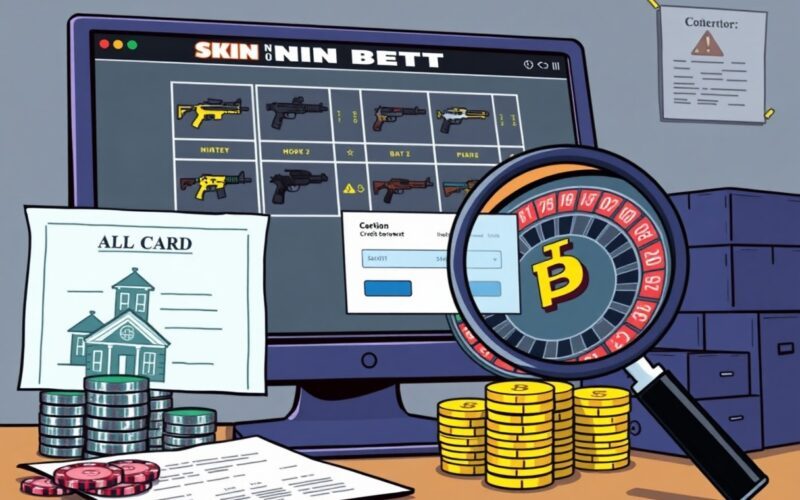







Skin betting has transformed from simple aesthetics to a multi-billion dollar industry, influencing gaming culture and economics. This post explores the historical milestones and technological advancements that have shaped skin-based wagering into a complex marketplace driving trends in both gaming and gambling.
The Genesis of Virtual Goods and Digital Cosmetics
The emergence of in-game economies in early MMORPGs
In early MMORPGs, such as “Ultima Online” and “EverQuest,” virtual goods became central to gameplay, allowing players to trade items and currency. These economies evolved as players sought unique gear, cosmetics, and rarity, establishing a groundwork for the digital marketplace. The trading systems created a sense of value, where certain items could dictate social status within the game.
Players frequently engaged in bartering, leading to intricate networks of value exchange. This process paved the way for developers to monetize their games through microtransactions, setting the stage for the rise of digital cosmetics as a lucrative segment of the gaming industry.
Valve Corporation’s introduction of the “Arms Deal” update in CS:GO
Valve Corporation transformed the landscape of digital cosmetics with the “Arms Deal” update in “Counter-Strike: Global Offensive.” Introduced in 2013, this update allowed players to purchase, trade, and customize weapon skins. Following this, the concept of virtual items acquired monetary value, as these skins could be sold on the Steam marketplace.
The introduction of a competitive element to weapon skins further fueled interest. Players not only showcased their aesthetics but also monetized their collection, leading to a booming economy around virtual goods that increasingly resembled traditional financial markets.
Valve’s “Arms Deal” update was revolutionary, as it bridged casual gaming with economic elements typically reserved for other industries. The ability for players to trade and sell skins introduced a framework for real-world financial speculation, where an ordinary cosmetic could appreciate significantly over time. This update set a precedent, inspiring other developers to integrate similar mechanics across different platforms.
The transition from aesthetic enhancement to liquid asset
A shift occurred as digital cosmetics evolved from mere aesthetic enhancements to liquid assets within gaming. Players increasingly viewed these virtual items as investments, with the possibility of selling for real money. This transition was fueled by the growing popularity of platforms that allowed trading and valuation of these items.
As consumer interest rose, the focus on rarity and desirability intensified, creating a market where specific skins commanded high prices. This metamorphosis illustrated the potential for in-game items to exist beyond their initial gaming context, effectively redefining ownership and digital wealth in the gaming world.
The transition from aesthetic enhancement to liquid asset reflects broader trends in online economies. With mounting interest in virtual goods, players treated skins not just as decorative elements but as legitimate investments. The interplay between rarity, demand, and speculative trading made this a compelling shift, solidifying digital cosmetics as items of financial interest in gaming culture.
The Mechanics of the Steam Marketplace and API Integration
Understanding the functionality of the Steam Community Market
The Steam Community Market allows users to buy and sell in-game items using Steam Wallet funds. Items listed on the market can fluctuate in price based on supply and demand, creating dynamic trading opportunities. Users can filter items by type, price, and other parameters, streamlining the buying process.
Transactions occur in real time, enabling instant purchases or sales. Each listing incurs a small transaction fee, which is deducted from the sale price. This mechanism ensures constant market activity while providing Steam with a revenue stream.
The role of third-party APIs in facilitating external trade
Third-party APIs function as intermediaries, connecting users with various marketplaces outside of Steam. These APIs harness data from the Steam Community Market to provide comprehensive trading tools and analysis. Users leverage these platforms to compare prices, evaluate item trends, and manage their inventories more effectively.
Some APIs allow for automated trading, enabling users to set parameters for buying or selling items without manual input. This automation increases efficiency, allowing traders to respond rapidly to market changes.
Third-party APIs have revolutionized the trading experience by offering unique features that the Steam Marketplace lacks. Tools for analytics, item valuation, and trend tracking empower users with data-driven insights, ensuring smarter trading decisions. These resources enhance overall market competitiveness by facilitating informed exchanges.
Valuation drivers: Rarity, wear patterns, and float values
Rarity significantly influences item value; limited edition or rare items command higher prices. Wear patterns, determined by the item’s condition, also contribute to valuation, with more worn items often valued lower. Float values represent an item’s specific condition on a scale, creating distinct differences in worth among seemingly identical items.
Variations in these valuation drivers require traders to keep a close watch on market trends. While a common item may fluctuate in price, knowledge of wear patterns and float values can lead to profitable trading opportunities during market shifts.
The Rise of Third-Party Gambling Platforms
Skin-based roulette, coinflips, and jackpot sites
Skin-based roulette, coinflips, and jackpot sites emerged as popular formats for gambling, offering unique user experiences that capitalized on in-game items. Players became attracted to these platforms not only for the thrill of chance but also for the opportunity to win valuable skins. This trend allowed users to engage in these betting practices with minimal financial risk while maximizing the enjoyment of their gaming experience.
With the integration of skins into gameplay, many platforms transitioned from traditional wagering to innovative game formats. Players began to gather communities around these activities, sharing strategies and outcomes, which helped drive the popularity of skin-based gambling. This created an engaging environment for both seasoned gamblers and casual players alike.
The technical bridging of game inventories to external wagering portals
Technical bridging enabled users to seamlessly connect their in-game inventories with third-party gambling platforms. This innovation allowed players to utilize their skins and items as currency in gambling scenarios, transforming the dynamics of skin-based gambling. By developing APIs and secure transaction protocols, these platforms ensured reliability and user trust while expanding their offerings.
Regular updates to security measures and technological advancements continued to enhance this integration. Players enjoyed a more streamlined experience, leading to significant growth in user numbers and engagement in third-party gambling markets. This bridging of inventories fundamentally changed how players approached gambling, merging gaming and betting like never before.
Early marketing strategies and the influence of content creators
Early marketing strategies significantly shaped the success of third-party gambling platforms, primarily through collaborations with content creators. Many influencers within the gaming community promoted these sites, engaging users through live streams and social media. These partnerships drove traffic, establishing trust among potential gamblers while providing exposure to an otherwise niche industry.
Influencers leveraged their established audiences, showcasing the excitement and potential rewards of gambling with skins. Strategies favored entertaining content, creating an appealing narrative around participation in skin-based betting. This approach drew both casual and dedicated gamers into the evolving gambling ecosystem, effectively widening the reach of third-party platforms.
The evolution of skin based wagering
The integration of skins into match-betting ecosystems
Various esports platforms now allow users to bet skins on match outcomes, transforming how fans engage with their favorite games. Players leverage their in-game items as collateral, creating a unique betting atmosphere where fans have a vested interest in the results.
Skins themselves hold tangible value in the marketplace, making them an appealing choice for wagering. This integration reflects a shift from traditional betting methods, fostering a dynamic environment that enhances both spectator interest and financial transactions related to the games.
Impact on viewership metrics and engagement during major tournaments
Betting on skins significantly boosts viewer engagement during major esports events. Audiences are more likely to watch matches when they have a stake in the outcome, resulting in higher viewer counts and increased interaction on streaming platforms.
This phenomenon can be quantified through metrics showing spikes in concurrent viewers during tournaments that allow skin betting. Engaged fans create a more vibrant community, generating buzz around events and further driving interest in the esports sector overall.
As fans become more invested through skin wagering, tournament organizers benefit from heightened engagement. Increased viewership translates into greater advertising revenue and sponsorship opportunities, creating a feedback loop that continuously fuels the growth of professional esports.
The blurring lines between fan engagement and financial speculation
Fans frequently find themselves caught between genuine engagement and speculative betting practices. While enjoying the thrill of competition, many viewers treat their skins as investment assets, which complicates the traditional fan experience.
This intersection creates a dual role for viewers, where they are both supporters and gamblers. As interest in skin wagering grows, the risk of prioritizing financial gain over community connection becomes more pronounced, potentially altering the ethos of the esports scene.
Speculative behavior among fans can detract from the core enjoyment of esports. When financial considerations overshadow enthusiasm for the games, there may be a shift in community dynamics that challenges the spirit of competition and camaraderie within esports environments.
The Legal and Regulatory Crises of 2016
The Washington State Gambling Commission vs. Valve Corporation
In 2016, the Washington State Gambling Commission took action against Valve Corporation, the company behind the gaming platform Steam. The Commission argued that Valve was facilitating illegal gambling through various skin betting sites that relied on Steam’s infrastructure. This marked a pivotal moment, as it brought the issue of digital gambling to mainstream attention.
Valve contended that it merely provided a platform for users to trade virtual items. Legal complexities arose over whether these transactions constituted gambling under Washington law, sparking a debate about the regulatory framework governing virtual goods.
The “Cease and Desist” Letters and the Shutdown of Prominent Sites
As the legal scrutiny intensified, numerous skin betting sites received “cease and desist” letters from regulators. These letters demanded immediate cessation of operations, citing violations related to gambling laws. Major platforms such as CSGO Lotto and Betway were forced to shut down amidst the evolving legal landscape.
Operators scrambled to reassess their business models, facing uncertainty over the legal status of their activities. This wave of enforcement highlighted the precarious position of skin-based wagering in the broader gambling context.
The shutdown of prominent sites sent shockwaves through the gaming community, affecting players and the economy surrounding virtual goods. Many users found themselves unable to access not only their funds but also their skins, further intensifying the debate over regulations that govern online gaming ecosystems.
Legal Precedents Regarding the Definition of Value in Virtual Goods
Courts began addressing the value assigned to virtual goods, establishing important legal precedents in the wake of these crises. Past rulings examined the nature of virtual items and whether they should be treated as property under existing laws. These decisions set frameworks for future cases involving virtual assets.
Interpretations of what constitutes value in digital marketplaces have evolved. Courts acknowledged that real-world economic implications arise from virtual transactions, influencing how digital items are regulated.
Legal precedents affirming the value of virtual goods indicate a shift in treatment under property law. As digital economies mature, such rulings will likely shape how future transactions are managed and governed, signaling the need for updated regulatory frameworks in digital spaces.
Ethical Concerns and the Minor Participation Issue
The absence of robust age verification on unregulated sites
Regulatory gaps in age verification on unregulated gambling sites raise serious concerns. Many platforms lack stringent checks, enabling minors to access gambling opportunities with ease. This absence of protection exposes young individuals to risky behaviors and potential addiction at an impressionable age.
Without effective age verification, the responsibility for safeguarding minors falls squarely on parents and guardians. This reliance often fails, leaving children vulnerable to the tactics employed by these unregulated operators.
Psychological implications of gamified gambling for adolescent players
Gamified gambling introduces young players to risk-taking behavior in a format that feels harmless. Youths may perceive skin betting as innocuous, not realizing the potential for real-life financial consequences. This distorted view can cultivate harmful gambling habits that extend beyond the gaming environment.
Rewards typically associated with gaming, such as in-game items, can have significant psychological impacts on adolescents. The allure of quick success in a gamified setting can pressure them into taking risks they might avoid in traditional gambling contexts.
Predatory marketing and the loot box controversy connection
Predatory marketing tactics amplify concerns about youth participation in skin-based wagering. Companies often target younger demographics with aggressive advertising for loot boxes, equating them to gambling experiences. This normalization perpetuates the cycle of risk-taking among adolescents, blurring the lines between gaming and betting.
The correlation between loot boxes and gambling has prompted scrutiny, as these mechanisms exploit young players’ psychological vulnerabilities. Companies benefit financially while minors face an increased likelihood of developing harmful gambling patterns, all due to enticing marketing strategies.
Technological Evolution: From Steam API to P2P Trading
The implementation of the seven-day trade lock and its market impact
The introduction of a seven-day trade lock fundamentally altered how users engaged with skin-based wagering. Before this implementation, skins could be rapidly traded, leading to market volatility and manipulation. Players found themselves restricted, fostering a more stable market environment.
The emergence of Peer-to-Peer (P2P) trading systems to bypass restrictions
P2P trading systems emerged as a response to increased restrictions placed on traditional trading methods. These decentralized platforms allowed users to connect directly, facilitating transactions without intermediary oversight. As a result, traders could bypass limitations like the seven-day lock.
P2P systems fundamentally disrupted conventional trading norms, allowing users to create direct exchanges. This move democratized trading practices, ensuring that players could trade without reliance on centralized platforms. The anonymity and control offered by P2P transactions became appealing, reshaping the dynamics of skin-based wagering significantly.
Blockchain integration and the rise of NFT-based alternatives
Blockchain technology has integrated with skin-based wagering, leading to the rise of NFT alternatives. Utilizing immutable ledgers enhances the security and transparency of transactions, mitigating issues of fraud and market manipulation. Users can trade unique assets seamlessly in a decentralized environment.
Blockchain’s capabilities ensure provable scarcity and ownership of digital items, allowing for new models of investment and speculation. As NFT markets mature, they present innovative avenues for both players and developers, encouraging a reimagining of value in gaming assets.
Global Market Variations and Regional Restrictions
Regulatory approaches in the European Union and the United Kingdom
The European Union and the United Kingdom exhibit diverse regulatory frameworks for skin-based wagering. Licensing requirements vary significantly among member states, reflecting local preferences towards gambling and e-sports. Several nations have established comprehensive legal environments that protect players and ensure fair play, while others maintain stricter controls to limit market access.
The unique landscape of skin wagering in the Asian market
Asia’s approach to skin wagering is characterized by a mix of prohibition and acceptance, which varies widely across countries. In regions like South Korea and China, strict regulations hinder the growth of online gambling, including skin betting. Conversely, countries such as Thailand show a burgeoning interest in skin wagering, driven by the popularity of esports and competitive gaming.
Community engagement plays a significant role in the Asian market, as players often turn to unregulated platforms that cater to gaming enthusiasts. This creates a unique dichotomy, where local cultures and gaming trends directly shape the acceptance and growth of skin wagering practices.
Compliance challenges in North American jurisdictions
North America faces considerable compliance challenges in regulating skin-based wagering due to differing state laws. Each jurisdiction has its own set of rules governing gambling, often complicating efforts for operators seeking to enter the market. Variability not only creates obstacles for consistency but also makes legal navigation difficult for players and businesses alike.
Enforcement becomes particularly challenging as some states adopt a more lenient approach, while others maintain strict measures against unlicensed betting. This patchwork regulatory environment necessitates diligence from operators to avoid potential legal pitfalls and to ensure compliance with local statutes.
The Role of Influencers and Streaming Platforms
High-profile scandals and the necessity of transparency in endorsements
High-profile scandals involving influencers have exposed the risks associated with unregulated skin gambling. When endorsements lack transparency, audiences can feel deceived, leading to a significant trust deficit. The fallout from these controversies highlights the need for clear guidelines on promotional practices within the gaming community.
Transparency becomes necessary in restoring trust, necessitating that influencers disclose their affiliations with gambling platforms. Without this clarity, even reputable personalities risk harming their credibility and, by extension, the industry itself.
Twitch and YouTube policies regarding the broadcast of gambling content
Twitch and YouTube have implemented varying policies to govern gambling content, aimed at protecting viewers and creators alike. Twitch has restricted certain gambling streams, focusing on platforms that feature tangible goods rather than cash. These policies indicate a growing awareness of the potential risks involved in promoting gambling.
YouTube’s stance also aims to safeguard its audience, often requiring content creators to comply with advertising regulations. This commitment reflects a broader effort to regulate gambling content and address rising concerns over addiction and exploitation.
Twitch currently prohibits streaming of unauthorized gambling websites, especially those focused on cash games or unsanctioned betting. This policy aims to protect viewers, especially younger audiences, from the potential dangers of gambling addiction. Meanwhile, YouTube requires creators to follow strict guidelines when discussing gambling, often scrutinizing monetization policies to ensure responsible content sharing.
The shift toward case opening as a proxy for traditional wagering
Case opening has become a popular alternative to traditional wagering, allowing players to engage in chance-based mechanics without directly betting cash. This trend has drawn in a broader audience who enjoy the thrill of potential rewards but may shy away from conventional gambling. Consequently, it blurs the lines between gaming and wagering.
Players often perceive case openings as less risky, maintaining the excitement of gambling without the stigma. This evolution reflects shifting attitudes toward betting within gaming culture, as individuals seek new ways to experience the thrill of chance.
Case opening has emerged as a substitute for traditional wagering, combining the allure of gambling with the familiar mechanics of gaming. By allowing users to “unlock” in-game items, it creates a sense of anticipation and engagement that mirrors traditional betting practices. Consumers find this especially appealing, as it provides a structured format to enjoy the thrill of chance without direct financial implications.
Economic Stability and Market Volatility
Factors influencing skin price fluctuations and sudden market crashes
Market dynamics for skins are influenced by a variety of factors, including supply-demand imbalances and shifts in player sentiment. Events in the gaming community, such as competitive tournaments or the introduction of new game features, can also drive prices up or down.
- Player interest and engagement levels
- Scarcity of specific skins
- Game mechanics and updates
- Market speculation and gambling trends
Knowing these factors helps stakeholders make informed decisions amidst the inherent volatility of skin markets.
The professionalization of skin trading and high-tier collectors
Professional skin trading has emerged as a distinct market, with serious collectors investing significant resources into acquiring rare items. This shift has led to more structured trading platforms that cater to high-value transactions and collaborations among top collectors.
The rise of high-tier collectors has contributed to an organized marketplace that mirrors traditional asset investing. By establishing networks and engaging in high-stakes trades, these players have introduced sophistication to skin valuation and trading practices.
The impact of game updates and “Operations” on the skin economy
Game updates and seasonal “Operations” directly impact the availability and desirability of skins. When developers release new content, it can lead to both positive and negative effects on prices, depending on how players respond to changes and what items become popular.
Skin economies often see fluctuations linked to official updates, as newly released skins may overshadow older ones. These moments create opportunities and risks for collectors and traders, prompting shifts in market dynamics that are sometimes unpredictable.
Security Risks, Scams, and Fraud Prevention
Common tactics: Phishing, API scams, and middleman fraud
Phishing scams typically employ deceptive emails or messages to collect sensitive information from users. Attackers often impersonate trustworthy platforms, leading individuals to fraudulent sites designed to steal login credentials or funds. This tactic remains remarkably effective, catching many untrained users off guard.
API scams exploit weaknesses in application interfaces, allowing fraudsters to manipulate automated transactions. Middleman fraud occurs when scammers pose as intermediaries, tricking users into transferring assets under false pretenses. Each tactic highlights the pressing need for vigilance in online environments.
The development of verification tools and browser extensions
Verification tools have emerged as crucial defenses against scams, offering real-time validation of websites and transactions. Browser extensions can alert users to potential phishing sites and check the legitimacy of trading platforms, reducing the likelihood of falling victim to scams.
Providing layers of security, these tools frequently update their databases to ensure the latest threats are addressed. Continuous improvements in technology mean users can now better identify and evaluate suspicious activity with confidence.
Platform-side security measures and user education initiatives
Platforms are implementing increased security measures, such as two-factor authentication and transaction monitoring. Educating users about the risks associated with skin-based wagering also plays a critical role in reducing fraud. Regular webinars and guides help users recognize and avoid potential scams.
By focusing on both technological solutions and user awareness, platforms can create a more secure environment for transactions. Such initiatives not only protect users but enhance the credibility and trustworthiness of the entire marketplace.
Case Studies in High-Value Skin Transactions
- Souvenir Dragon Lore: Sold for $61,000 in 2021, demonstrating the peak valuation for rare skins.
- Blue Gem Karambit: A unique pattern fetched $40,000 in private sales, highlighting collector demand.
- StatTrak™ M4A4 Howl: Initially valued at $13,000, its price surged to over $100,000 after litigation ended in its favor.
- Karambit Fade: Commanded $25,000 in 2015, establishing early market benchmarks.
- AWP | Medusa: Sold for $40,000, showcasing the increasing rarity of desirable skins.
The history of the Souvenir Dragon Lore and Blue Gem Karambits
Souvenir Dragon Lore’s rise began with its limited availability during major tournaments, captivating collectors. Recognized as one of the most sought-after skins, its price reflected market demand and rarity.
In contrast, the Blue Gem Karambits gained prominence due to their unique patterns and aesthetic appeal, with certain versions becoming status symbols among gamers. Prices skyrocketed as collectors sought to complete their collections, pushing valuations to extraordinary heights.
Record-breaking private sales and their broader market implications
Record-breaking sales signify not just individual transactions but also a shift in perceived value within gaming economies. As high-profile sales occur, they set new benchmarks and stimulate interest among investors.
Private collectors now view skins as alternative assets, impacting market strategies. These hefty transactions attract attention from non-gamers, broadening the appeal of virtual items in diverse investment circles.
High-value private sales reshape expectations for skin valuation, leading to increased speculation and further driving up prices. As virtual items gain recognition in financial discussions, more stakeholders enter the market.
The psychology of extreme luxury in virtual environments
Extreme luxury in virtual environments often stems from exclusivity. Owners experience social status elevation through unique digital assets, influencing purchasing behaviors.
Collecting rare skins can fulfill psychological desires for distinction and validation. The allure of owning something few possess increases its perceived value, establishing a competitive market dynamic.
Owning luxurious virtual assets satisfies both vanity and investment cravings. As societal norms shift towards digital ownership, the psychology behind these transactions continues to evolve, driving increased participation in the market.
The Future Landscape of Virtual Asset Wagering
Potential impacts of Artificial Intelligence on market prediction
Artificial Intelligence could significantly transform market prediction within skin-based wagering. By analyzing vast amounts of data, AI algorithms can identify patterns and trends that human analysts might overlook, enhancing accuracy in predicting market movements.
Enhanced predictive capabilities from AI may lead to more informed betting decisions. With real-time data analysis, players could receive tailored insights, potentially altering strategies and increasing engagement in skin-based betting markets.
The expansion of skin-based economies into the broader Metaverse
The expansion of skin-based economies into the Metaverse represents a fusion of virtual assets and social interaction. Virtual environments will allow users to engage with skins beyond traditional games, incorporating them into social platforms and digital marketplaces.
As economies grow within the Metaverse, skins may also gain value as tradeable assets, facilitating new avenues for investment and competition. This interconnectedness enables players to explore myriad ways to utilize their digital assets.
Legislative trends and the move toward total formalization
Legislation surrounding skin-based wagering is evolving rapidly toward formalization. Governments are increasingly recognizing the need for regulations to address risks, including fraud and age restrictions, aiming to create safer environments for players.
Formalization could bring clarity to the legal status of skin-based wagering, establishing frameworks that protect consumers while promoting market growth. As jurisdictions align their rules, consistency will likely foster increased participation in this unique betting sector.
Conclusion
From above, the evolution of skin-based wagering demonstrates a significant transition from traditional methods to digital platforms. This shift reflects changing societal norms and the increasing acceptance of technology in the gambling sector.
The rise of mobile apps and online betting has democratized access, enabling users to engage in wagering more conveniently. As regulations continue to adapt, skin-based wagering may further integrate with emerging technologies, ensuring its relevance in the modern betting environment.
Q: What is skin-based wagering?
A: Skin-based wagering involves betting using in-game items or skins from video games as currency. This practice allows players to stake their virtual items on various outcomes, similar to traditional betting.
Q: How has skin-based wagering evolved over the past few years?
A: Skin-based wagering has expanded from niche platforms to mainstream acceptance. Initial practices involved simple bet placements within games, evolving into dedicated websites and marketplaces that facilitate betting with virtual items across multiple titles.
Q: What are the regulatory challenges associated with skin-based wagering?
A: Regulatory challenges include concerns about gambling laws and age restrictions. Many jurisdictions struggle to classify skin-based wagering, leading to inconsistent regulations and uncertainty for both operators and players.