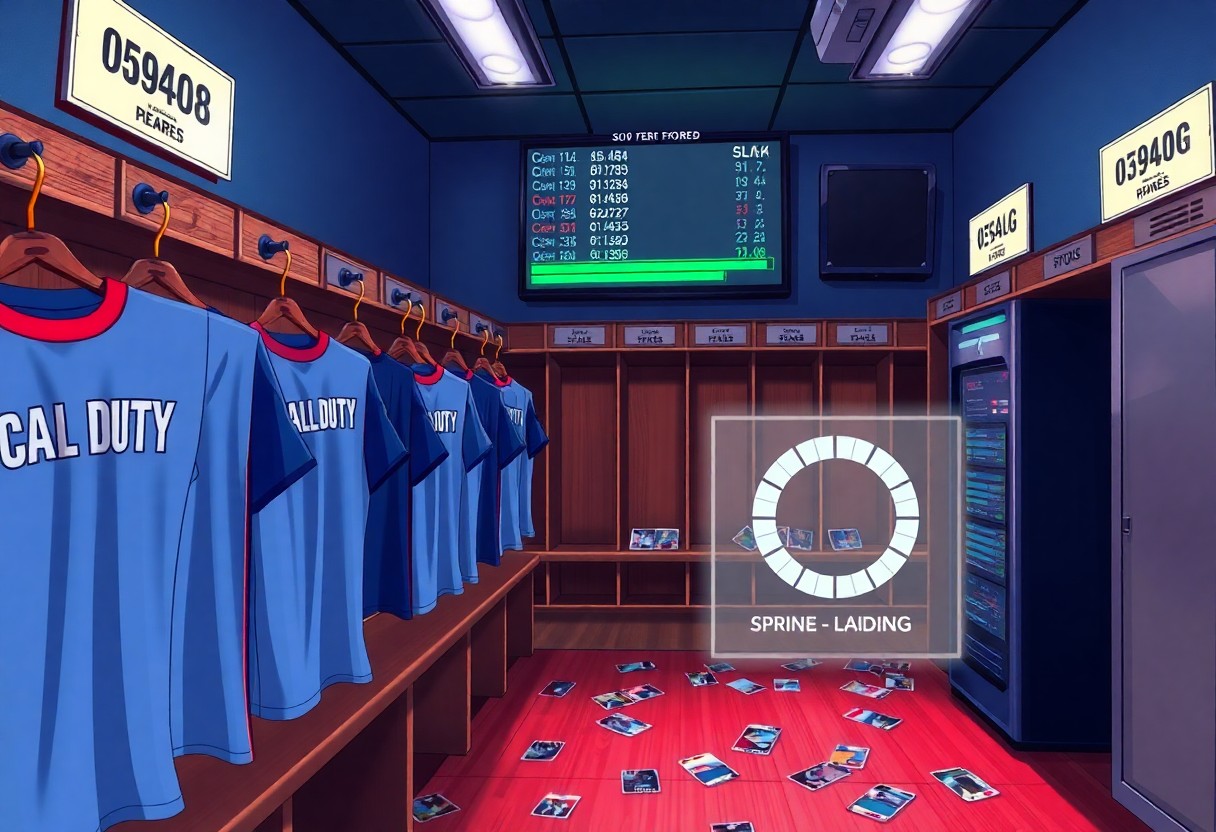
Changes in the Call of Duty competitive scene often influence team dynamics and player performance. Examining recent roster adjustments reveals how these shifts affect market trends and fan engagement, highlighting the intricate balance between team strategies and economic impact within the esports community.

The Mechanics of the CDL Off-Season
The Structure of the Call of Duty League Free Agency
Players enter free agency following the end of the competitive season, with various teams seeking to strengthen their rosters. Team management evaluates prospective players based on performance metrics, team synergy, and potential growth. This strategic selection process can significantly alter team dynamics and overall competitiveness.
Buyout Clauses and Transfer Fee Protocols
Buyout clauses serve as financial thresholds that players must meet should they want to transition to another team while under contract. These clauses provide teams with leverage, ensuring that their investment remains protected. Secondary to this, transfer fees can vary widely based on a player’s market value and previous performance.
Clarity in transfer fee protocols helps streamline negotiations, preventing misunderstandings between teams and players. Having established guidelines promotes transparency in financial dealings and encourages competitive bidding when desirable players become available.
Understanding buyout clauses and transfer fee protocols is necessary for teams navigating the intricacies of player transactions. Financial stipulations can influence negotiations, creating both opportunities and constraints for potential roster shifts. A well-defined framework helps teams strategize effectively, especially during critical off-season periods.
Identifying Market Lag in Professional Esports
Discrepancies Between Player Performance and Market Value
Market value often misaligns with actual player performance, creating an imbalance that can confuse team management and fans alike. Top performers might not always secure contracts reflecting their contributions, while underachieving players can command unexpectedly high salaries.
Inconsistent metrics, such as statistics and in-game impact, complicate this evaluation. Scouts and analysts frequently rely on historical data, which may not accurately forecast current capabilities or future potential, further widening the gap between performance and market expectations.
The Delay in Contract Finalization During High-Stakes Windows
Contract negotiations frequently lag, especially during pivotal transfer windows. Teams hesitate to finalize deals due to uncertainties about player eligibility, performance, and market fluctuations. This indecision can cost organizations significant opportunities and resources.
Delays can have a domino effect, impacting not just the teams involved but also the broader market dynamics. Players who remain unsigned longer may see their market values fluctuate, entrenching the discrepancies already present in player performance assessments.
In high-stakes environments, contract finalizations are often stalled by multiple factors, including ongoing negotiations within the team infrastructure and external market pressures. Teams may strategize cautiously, waiting to gauge the impact of roster changes or player performances in tournaments. This extended decision-making process can hinder effective planning, leaving players in a state of limbo and creating uncertainty that ripples through the esports community.
Factors Influencing Player Valuation and Contract Delays
Player valuations and contract negotiations in esports are influenced by various factors, such as performance metrics, individual brand value, and external market conditions. Fluctuations in the player market often lead to delays in contract renewals, as teams evaluate the potential return on investment. Several key elements contribute to these discrepancies:
- Market demand for specific player archetypes
- Social media presence and engagement rates
- Regional considerations affecting relocation
- Impact of game updates on player roles
Recognizing these influences is necessary for teams aiming to optimize their rosters effectively.
The Role of Individual Brand Value and Social Media Following
Brand value significantly impacts a player’s overall valuation. Social media following plays a crucial role in supplementing a player’s income and enhancing team visibility. High engagement rates often translate to better sponsorship opportunities, making players with a strong online presence more desirable.
Teams evaluate players not just on gameplay but also on their marketability. This dual focus can lead to strategic delays in signing contracts for athletes without established brand identities.
Regional Disparities and the Cost of Relocation
Geographical factors introduce complexities in player contracts, especially for teams that span multiple regions. Relocating players incurs costs that can significantly impact team budgets. Housing and travel expenses, as well as potential cultural adjustments, weigh heavily on decision-making processes.
Analyzing regional dynamics allows organizations to identify local talent pools, but it often comes with relocation challenges. Costs associated with moving can lead to prolonged negotiations as teams seek to balance financial feasibility with competitive advantage.
Impact of Mid-Season Title Updates on Player Archetype Demand
Mid-season updates can drastically shift the demand for player archetypes. These changes often impact gameplay mechanics, altering which roles are most effective and, consequently, which players become more valuable. Teams may delay contracts to assess how updates affect player performances.
Monitoring these updates is necessary for strategic roster planning, as shifts in gameplay can redefine team needs. Players who adapt to evolving gameplay quickly can see their market value rise just as rapidly.
Impact of Roster Volatility on Team Chemistry and Performance
The Honey-Moon Period vs. Long-Term Tactical Integration
Initial excitement often accompanies roster changes, creating a “honeymoon period” where teams exhibit strong morale and enthusiasm. Players may showcase impressive synergy in early matches, driven by the thrill of new dynamics and untested strategies.
Long-term success demands more than just a positive start. Teams must invest time in refining communication and tactical roles, integrating newcomers into established frameworks while cultivating trust and understanding among teammates.
Communication Breakdowns and Role Conflict Post-Shuffle
Disruptions in communication frequently arise after roster changes, leading to misunderstandings during critical plays. Players may struggle to adjust to new roles or communicate effectively, creating performance inconsistencies.
Conflicts can manifest when established players face newcomers who may take on overlapping responsibilities. These conflicts often lead to friction in gameplay and can hinder overall team cohesion, making it difficult to execute strategies effectively.
Addressing communication issues is imperative for turning a roster shift into a winning proposition. Teams should prioritize meetings and practice sessions focused on role clarification and tactical adjustments. Open dialogue during this transition is crucial for mitigating misunderstandings and ensuring every player’s strengths are utilized effectively, thereby enhancing overall team performance long-term.
Organizational Stability vs. Aggressive Roster Rebuilding
Long-term success often hinges on the balance between maintaining a stable roster and pursuing aggressive changes. Retaining core players leads to synergy and a deeper understanding of team dynamics, necessary for peak performance. Contrarily, frequent roster changes can disrupt cohesion and result in a lack of communication, diminishing teamwork effectiveness.
Case Studies of Successful Long-Term Core Retentions
Several organizations exemplify the benefits of stability through core retention. Teams with consistent lineups typically exhibit improved performance metrics and fan loyalty.
- Team A: Maintained a core roster for four seasons, achieving a top-three finish in 75% of tournaments.
- Team B: Retained key players for three years, resulting in a 40% increase in viewership and sponsorship revenues.
- Team C: Core lineup held for two years, leading to an 80% win rate in major competitions.
The Financial Risks of Frequent Roster Overhauls
Frequent roster changes can impose significant financial burdens on organizations. High turnover often leads to increased scouting and negotiation costs, while teams may struggle to recoup investments if newly recruited players fail to deliver. Long-term contracts for valuable players also limit budget flexibility, creating potential cash flow issues.
Investing heavily in new players brings uncertainties, as performance may not correlate with expenditure. Conversely, established players typically yield better returns through brand visibility and fan engagement, emphasizing the need for strategic roster management.
Future Trends: Data-Driven Scouting and Standardized Windows
Implementation of Advanced Analytics in Talent Acquisition
Advanced analytics is reshaping how organizations identify and acquire talent. By utilizing data metrics, teams can evaluate player performance more accurately, leading to informed decisions in roster changes.
Scouts can rely on performance data to track potential recruits over time. The integration of machine learning algorithms can identify patterns that traditional scouting methods might overlook.
Talent Acquisition Metrics
| Analytics Type | Description |
| Performance Metrics | Key statistics reflecting player abilities in-game. |
| Behavioral Analysis | Insights into player attitudes and teamwork dynamics. |
Proposals for Regulated Transfer Windows to Mitigate Market Lag
Creating standardized transfer windows could stabilize volatile player markets. By fixing specific periods for player movement, teams can strategically plan their rosters without the uncertainty of constant market shifts.
Implementing such regulations would enable fairer competition, reducing last-minute scrambles for players. Consistency in scheduling can enhance strategic planning and development for both players and organizations.
Proposals for regulated transfer windows also emphasize balancing player development and team dynamics. Consistent timelines would provide teams with a clearer view of potential acquisitions, allowing for better alignment between strategy and player growth aspirations.

To wrap up
Roster changes in Call of Duty reflect broader trends in competitive gaming, impacting team dynamics and player performance. The shift in player line-ups often stems from strategic decisions aimed at improving win rates and engagement, but it also leads to market lag as teams may struggle to adapt. Such delays can affect sponsorships, fan loyalty, and community engagement, influencing the overall ecosystem in which these teams operate.
Market lag manifests when teams fail to capitalize on sudden shifts in the game meta or popular strategies. As teams adjust, sponsors and fans may lose interest, creating a cycle that can hinder growth. Active management of player roster dynamics is imperative to minimizing these impacts and maintaining a competitive edge in the evolving gaming market.