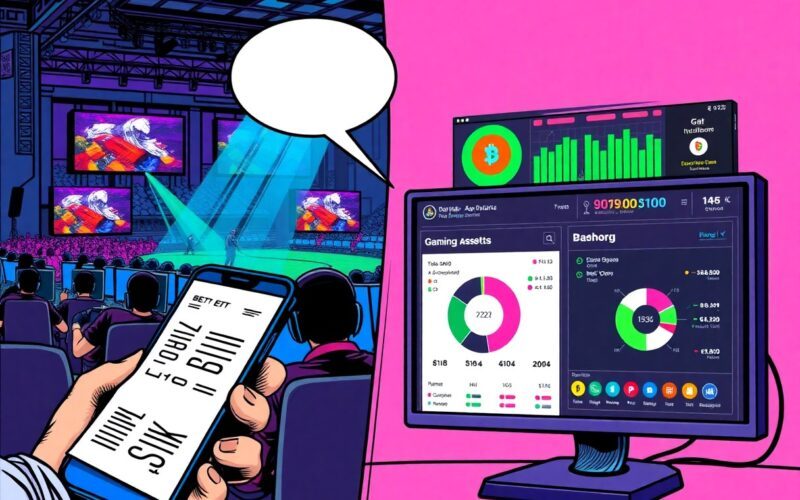
Over recent years, operators in competitive gaming have faced significant margin compression due to increased competition, rising costs, and changing consumer expectations. This pressure impacts profitability and strategic decisions, compelling operators to adapt and innovate to sustain their market positions amidst evolving dynamics.
Operator Margin Compression in Competitive Gaming
The Transition from Grassroots Tournaments to Global Entertainment Conglomerates
Grassroots tournaments laid the foundation for competitive gaming, often emerging from local communities. This organic growth transformed with mainstream recognition, drawing in major sponsors and media attention, ultimately evolving into large-scale events hosted by entertainment giants.
With substantial investments, gaming tournaments began resembling traditional sports events, featuring complex production and extensive marketing. This shift attracted a diverse audience, but it also led to increased financial pressures, as operators sought to balance profitability with the rising expectations of both players and fans.
Identifying Key Stakeholders: Publishers, Tournament Organizers, and Betting Entities
Key stakeholders like game publishers shape the competitive scene, influencing rules and formats. Tournament organizers create platforms for competition, while betting entities offer incentives for viewer engagement, amplifying the audience experience.
Each stakeholder plays a pivotal role, driving financial models and shaping the ecosystem. Game publishers maintain control over intellectual properties, while organizers coordinate events that can attract millions, creating a lucrative environment that intertwines gaming and betting.
Publishers guard their IPs, ensuring competitive integrity, often setting stringent regulations for tournament organizers. Tournament operators, in turn, facilitate events that showcase players’ skills while adapting to market demands. Betting entities capitalize on audience interest, offering odds and enhancing viewer involvement, ultimately influencing stakeholder dynamics across the industry.
Historical Analysis of Venture Capital Influx and the “Growth-at-All-Costs” Era
Venture capital massively entered competitive gaming, primarily in the late 2010s, fueling expansion and innovation. This influx, primarily aimed at maximizing growth, often prioritized rapid scaling over sustainable operations, leading to turbulent market conditions.
As companies rushed to capitalize on a booming industry, many faced challenges maintaining profitability. The focus on short-term gains led to operational strain, with many entities grappling with the consequences of aggressive financial practices that neglected long-term sustainability.
Venture capital’s influence in competitive gaming resulted in an era marked by excessive spending and ambitious growth plans. Companies often overlooked critical factors like user retention, leading to instability in an increasingly competitive market, where many players struggled to adapt to shifting profitability metrics.
Defining Margin Compression in the Esports Context
Margin compression in esports refers to the decreasing profitability experienced by operators due to rising operational costs and increasing competition. As the market matures, the pressure to innovate and retain audience engagement forces operators to spend more while revenue growth may not keep pace.
Theoretical framework of diminishing returns on operational capital
Investing in competitive gaming often yields reduced returns as initial expenditures shift from infrastructure to marketing and talent acquisition. Operators face the challenge of balancing costs with the need for increased investment in production quality and player salaries.
Over time, these diminishing returns can impact an operator’s ability to sustain profit levels. As operational capital accumulates, the incremental benefits of additional investments become less impactful on overall profitability.
Analyzing the widening gap between top-line revenue and bottom-line EBITDA
Disparities between revenue growth and EBITDA indicate operational inefficiencies. While many esports organizations report escalating top-line revenues, escalating expenses related to sponsorships, broadcasting rights, and team management can constrict earnings.
This gap suggests that revenue growth may not translate into healthy profit margins. Constant financial pressure from diverse operational expenditures can hinder long-term sustainability, prompting companies to re-evaluate their strategies.
Analyzing this gap is necessary for understanding the challenges facing esports operators. While revenue figures appear robust, high operational costs compromise overall profitability. As teams and events scale, efficiency becomes paramount for converting revenues into sustainable earnings, necessitating a rethinking of financial structures and performance benchmarks.
Comparative margin analysis: Traditional sports broadcasting vs. competitive gaming
Traditional sports broadcasting often enjoys higher profit margins relative to operational costs due to established revenue streams, such as advertising and subscription fees. In contrast, competitive gaming faces tighter margins as operational costs rise with a fragmented audience and diverse monetization strategies.
Table 1 illustrates the contrast in margin structures between the two sectors:
Table 1: Margin Comparison
| Sector | Profit Margin (%) |
|---|---|
| Traditional Sports Broadcasting | 30-40 |
| Competitive Gaming | 10-20 |
Comparative analysis highlights the stark differences in financial sustainability between traditional sports and esports. While traditional sports leverage established networks and large audiences to generate profit, esports operators often struggle with diverse cost structures that impact profitability. This discrepancy necessitates a reevaluation of operational strategies in esports to close the margin gap.
Table 2: Revenue Sources Comparison
| Revenue Source | Traditional Sports (%) |
|---|---|
| Advertising | 50 |
| Sponsorship | 30 |
| Merchandising | 10 |
| Ticket Sales | 10 |
In traditional sports, advertising remains the primary revenue driver, significantly contributing to stable margins. Conversely, esports operators rely heavily on sponsorships and merchandising, which tend to fluctuate with audience engagement and market trends. This reliance on less stable revenue streams can further exacerbate margin compression in competitive gaming, requiring more innovative approaches to profit generation.
Escalating Operational Expenditures (OPEX)
The talent arms race: Inflation in professional player salaries and buyout clauses
Professional gaming teams face intense competition to attract top-tier talent, resulting in skyrocketing player salaries and substantial buyout clauses. As franchises vie for dominance, the financial stakes have risen, forcing operators to allocate more resources to secure elite players. This inflation can strain budgets, limiting investments in other operational areas.
Team managers often find themselves in bidding wars for emerging stars, leading to unsustainable wage structures. With rising demand for skilled professionals in a crowded market, long-term financial planning becomes increasingly complex, threatening profitability for many organizations.
High-fidelity broadcast production and the rising demand for low-latency infrastructure
Quality in broadcast production has reached new heights, necessitating advanced technology and infrastructure investments. Teams and organizers now aspire to create immersive viewer experiences, raising the bar for streaming standards. As audiences expect flawless, high-definition broadcasts, operational costs for technology and personnel incrementally increase.
Low-latency infrastructure has become necessary, enhancing viewer engagement and retention. Operators must invest in cutting-edge systems to ensure real-time interaction and minimize delays, further driving up operational costs and complicating budget management.
Investing in high-fidelity broadcast production also extends to acquiring state-of-the-art cameras, microphones, and editing software. Operators frequently face the challenge of balancing quality improvements with budget constraints, making operational efficiency and strategic planning necessary for long-term sustainability.
Global logistics and the financial burden of international offline event execution
Executing international offline events presents hefty logistical challenges, significantly impacting operational expenses. The intricacies of shipping equipment, securing venues, and accommodating players and staff can skyrocket costs. Without meticulous planning, unanticipated expenses can derail budgets, straining financial stability.
Travel regulations and varying local laws further complicate the process, adding layers of difficulty in coordination. Managing these logistics requires comprehensive strategies to ensure seamless execution while controlling costs, highlighting the need for agile operational frameworks.
Global logistics extend beyond just equipment transportation; they encompass navigating local partnerships, complying with regulations, and ensuring smooth event flow. Every element, from catering to security, adds to the financial burden, underscoring the importance of strategic planning in mitigating potential losses and ensuring successful outcomes for international events.
The Burden of Customer Acquisition Costs (CAC)
Hyper-competition for the Gen Z demographic and diminishing ad-spend efficiency
Ad-targeting strategies that once yielded impressive returns are now losing effectiveness among the elusive Gen Z audience. Saturation in social media channels has created noise, making it arduous for brands to stand out, increasing the Customer Acquisition Costs dramatically.
Competition for this demographic has intensified, pushing operators to invest heavily in tailored marketing strategies. Rising CAC affects profit margins and compels brands to rethink their overall marketing approaches in light of diminishing returns.
The rising cost of influencer partnerships and brand ambassadorships
Cost structures surrounding influencer partnerships have escalated, impacting overall marketing budgets. High-profile influencers command exorbitant fees, making it challenging for many brands to justify ROI.
Negotiating effective partnerships demands a strategic focus on niche influencers who resonate with target audiences, aiming to balance budget constraints while maximizing reach and engagement.
In this evolving landscape, smaller brands often find themselves priced out of collaborations with leading influencers, forcing them to pivot to micro-influencers. These partnerships can yield higher engagement rates at a fraction of the cost, aligning more closely with brand objectives without overspending.
Strategies for improving User Lifetime Value (LTV) in a saturated market
Creating tailored experiences that resonate with existing users enhances LTV significantly. Offering exclusive content, rewards, or subscriptions can deepen engagement and encourage long-term loyalty.
Data analytics plays a vital role in understanding user preferences, enabling brands to implement targeted retention strategies. By focusing on personalization, companies can improve customer satisfaction and retention, ultimately driving up LTV even as acquisition costs climb.
Implementing feedback loops with users facilitates ongoing improvement of services and products, ensuring that operators can adapt to evolving preferences. This approach not only enhances user experiences but also fosters community engagement, transforming casual players into loyal advocates over time.
Regulatory Compliance and Legal Overhead
Navigating fragmented international gambling licenses and jurisdictional restrictions
Operators face a complex web of international regulations when attempting to enter new markets. Each jurisdiction has unique licensing requirements, which can lead to confusion and increased administrative costs. Compliance with local laws is imperative to avoid costly penalties and ensure business continuity.
Understanding these intricacies requires significant resources, often diverting focus from core business operations. The fragmented nature of gambling regulations can stifle innovation, as operators must adapt their practices to meet varying requirements across regions.
The financial impact of mandatory integrity monitoring and anti-corruption measures
Implementing integrity monitoring systems incurs substantial costs for operators. These measures are imperative for maintaining a fair gaming environment but can strain financial resources, particularly for smaller operators. Continuous monitoring and reporting demand advanced technology and skilled personnel, further increasing operational expenses.
Compliance with anti-corruption regulations also leads to the need for comprehensive training programs. These investments are necessary to prevent fraud and maintain trust, yet they can compress margins, particularly in highly competitive markets.
Focusing on integrity monitoring and anti-corruption measures may lead to an initial financial burden, but the long-term benefits include enhanced player trust and reduced risk of sanctions. Operators embracing these measures often find a balance between compliance costs and market credibility.
Data protection compliance (GDPR/CCPA) and the cost of secure user infrastructure
Data protection laws like GDPR and CCPA impose stringent requirements on operators, demanding substantial investment in secure user infrastructures. Ensuring compliance with these regulations not only involves financial commitments for technology but also mandates regular audits and employee training, which can quickly escalate costs.
Protecting user data is paramount, yet the accompanying infrastructure investments can significantly impact operator margins. The complexity of ensuring ongoing compliance adds layers of costs, further intensifying the financial strain on operators in an already competitive environment.
Compliance with data protection laws requires dedicated resources for continuous system updates and data management. These expenses can create challenges, especially considering the ongoing evolution of regulatory frameworks and the importance of maintaining user trust in the integrity of platforms.
Intellectual Property and Licensing Friction
Publisher-centric ecosystems and the escalating cost of game IP usage rights
Game publishers create ecosystems where control over intellectual property dictates revenue flow. Licensed tournaments often lead to inflated costs for independent organizers, making event planning increasingly difficult. The pressure to secure IP rights drives operational expenses higher, squeezing margins across the board.
Struggling to maintain profitability, independent operators find themselves at a disadvantage. Many face prohibitive licensing fees imposed by publishers eager to maximize revenue from their properties, complicating the financial viability of diverse gaming events.
Revenue-sharing disparities between game owners and independent organizers
Significant differences exist in revenue-sharing models between game owners and independent organizers. Game owners tend to retain a larger share, leaving organizers with slim margins that hinder growth. As a result, independent events may struggle to attract talent and sponsorships.
Competition for resources further exacerbates these disparities. As more organizations seek to capitalize on popular titles, those without established relationships with publishers are often left with a smaller pie to share, limiting potential revenue streams.
The impact of closed-circuit league models on third-party operator viability
Closed-circuit league models restrict access for third-party operators, creating an exclusive environment that benefits a select few. By limiting participation, these models reduce opportunities for emerging organizers, impacting overall ecosystem diversity. Without flexibility, many organizers may abandon plans to host competitive events, stifling innovation.
The rigid framework of closed leagues can undermine the potential for varied tournaments and unique event experiences. As independent operators are pushed out, the competitive gaming scene risks stagnation, favoring established entities at the expense of grassroots growth and creativity.
Technological Infrastructure and Technical Debt
Cloud hosting fees and the scalability challenges of peak-concurrent viewership
Cloud hosting fees can escalate dramatically during peak-concurrent viewership events, straining budget allocations for operators. High traffic demands necessitate significant investment in scalable architectures, often leading to unforeseen costs and operational inefficiencies.
Operators face challenges in anticipating traffic spikes, which exacerbates financial strain. Scaling infrastructure to meet sudden surges in user engagement involves not only additional costs but also risks associated with service reliability and latency.
R&D investment in proprietary anti-cheat software and match-integrity tools
Investments in proprietary anti-cheat software are vital for maintaining player trust and ensuring competitive integrity. Developing these tools requires ongoing R&D, often diverting funds from other critical areas.
Creating effective match-integrity solutions can become a financial burden if not properly integrated into existing systems. Allocating resources to this aspect is necessary, but it can lead to tension in overall budget management.
More detailed efforts in R&D focus on enhancing proprietary anti-cheat systems to stay ahead of evolving cheating tactics. This relentless pursuit ensures a fair playing environment, yet it demands a long-term commitment of both time and financial resources that can impact short-term profitability.
The monetization of real-time data feeds and API integration costs
Monetizing real-time data feeds involves significant API integration costs that can affect overall profitability. Building reliable infrastructure to support these feeds requires careful budgeting and long-term planning.
Operators often struggle to balance the investment needed for data solutions against potential revenue streams. As competition intensifies, this balance becomes increasingly important for sustaining operational margins.
Efforts to monetize real-time data feeds not only involve technical development but also require negotiation with partners for data access and visibility. These costs can quickly accumulate, challenging operators to efficiently manage expenditures while striving for revenue growth through data monetization.
Monetization Challenges and Revenue Volatility
Over-reliance on sponsorship revenue during macroeconomic downturns
Sponsorship revenue often serves as a primary income source for competitive gaming operators. During macroeconomic downturns, brands typically cut marketing budgets, disproportionately impacting sponsorship deals. This reliance can lead to sharp revenue declines, placing operators in challenging financial situations.
The stagnation of media rights valuations in secondary and tertiary markets
Stagnation in media rights valuations complicates revenue models for gaming operators. Secondary and tertiary markets, once lucrative, now demonstrate limited growth due to saturation and increased competition. Thus, operators face ongoing pressure to secure profitable distribution partnerships.
Escalating competition among content providers strains existing media rights deals. As traditional media outlets grapple with changing viewer habits, alternative approaches to valuing content may become necessary to maintain revenue streams.
Direct-to-consumer hurdles: Converting “free-to-watch” viewers into paying subscribers
Converting free-to-watch viewers into paying subscribers presents a significant challenge for operators. Many gamers become accustomed to consuming content at no cost, making monetization particularly difficult. Strategies focused on value creation and exclusive content offerings must be prioritized to encourage subscriptions.
Engaging content can entice viewers, but operators must also address consumer perceptions regarding subscription value. Highlighting unique features and establishing a fair pricing structure is imperative for shifting viewer behavior toward paid models.
Betting Operator Margins and Risk Management
The Impact of Sharp Bettors and the Systematic Erosion of the “Vig” or Overround
Sharp bettors leverage advanced data analytics and betting strategies, often exploiting pricing discrepancies across operators. This behavior leads to increased competition, forcing operators to lower their vig, effectively squeezing their profit margins.
As these skilled players consistently find value, sports betting providers face pressure to improve odds. The result is a dynamic where operators must balance competitive pricing with sustainable margins, introducing more volatility into their revenue streams.
High-Frequency Trading Requirements and the Cost of Real-Time Odds Calculation
Real-time odds calculation demands sophisticated technology and immediate data processing capabilities. Operators must invest heavily in high-frequency trading systems to keep pace with market fluctuations, driving significant operational costs.
These expenses can erode margins further, as the need for accuracy and speed becomes paramount. Balancing infrastructure costs while remaining competitive creates a continuous financial strain on betting operators.
The integration of high-frequency trading systems also necessitates the hiring of specialized personnel and ongoing investments in tech solutions. Such commitments increase overall operational costs, compelling operators to rethink their pricing structures to maintain profitability while delivering timely and accurate odds to bettors.
Promotional Strain: The Long-Term Cost of Aggressive User Acquisition Bonuses
Aggressive user acquisition bonuses serve as a double-edged sword for betting operators. While these promotions attract new customers, they can lead to significant financial strain over time.
Once users are acquired, maintaining engagement often requires additional incentives. This cycle of promotions can diminish profit margins, as operators struggle to convert bonus users into repeat bettors.
Long-term reliance on aggressive bonuses not only impacts cash flow but also risks establishing a user base primarily motivated by promotions. Over time, this model can undermine sustainable growth and profitability, as operators become locked in a continuous cycle of costly marketing expenditures.
Macroeconomic Factors and Liquidity Constraints
Operating within the competitive gaming sector requires constant vigilance against various macroeconomic factors that can impact profitability. These elements not only shape business strategies but also influence operator margins due to rising costs and decreased funding availability. Key concerns include:
- Rising interest rates affecting investment capabilities
- Funding contractions from private equity investors
- Currency fluctuations complicating cross-border transactions
- Inflationary pressures on physical assets and venues
Assume that operators do not adapt to these pressures; they may find it increasingly difficult to sustain competitive advantage.
Rising interest rates and the contraction of private equity funding in gaming
Increasing interest rates have exacerbated the tightening of private equity funding for gaming companies. Investors now demand higher returns, creating challenges for operators seeking to attract necessary capital. This heightened scrutiny means only the most promising ventures will receive funding, marginalizing emerging developers.
Investor confidence wanes as borrowing costs rise, driving potential backers to seek safer avenues. As a result, the gaming industry may experience a slowdown in innovation and engagement, further squeezing operator margins.
Currency fluctuation risks in cross-border tournament prize pool management
Managing prize pools for international tournaments introduces significant currency fluctuation risks. Variability in exchange rates can drastically alter the value of funds allocated to winners, complicating financial planning for organizers. This instability could deter participants or lead to unexpected financial losses.
Fluctuating currencies also affect sponsorship agreements and revenue sharing across different regions. Operators must implement strategies to mitigate these risks, ensuring prize distributions remain attractive and financially viable.
Without effective planning, currency fluctuation risks can lead to significant discrepancies in expected versus actual funds available for prize pools. Operators may find themselves needing to adjust payouts last minute, disappointing players and impacting future tournament participation.
Inflationary pressure on physical hardware, venue rentals, and supply chains
Inflation has emerged as a pressing concern for operators in the gaming industry, impacting costs associated with hardware, venue rentals, and supply chains. Escalating prices for necessary equipment and facilities can greatly diminish profit margins, forcing operators to re-evaluate their cost structures.
Supply chain disruptions further exacerbate these inflationary challenges. Delays in acquiring necessary equipment can lead to cancellations or reduced scope for events, negatively affecting overall revenue generation.
As inflation continues to affect operational costs, operators must find ways to absorb or offset these expenses without compromising the quality of their offerings. The balance between maintaining competitive pricing and ensuring financial sustainability remains critical for long-term success.
Strategic Diversification as a Survival Mechanism
Transitioning from pure-play tournament hosting to lifestyle and apparel branding
Many operators are recognizing the potential of expanding beyond traditional tournament hosting. Incorporating lifestyle and apparel branding not only enhances the fan experience but also opens new revenue streams. By creating merchandise that resonates with their audience, operators can strengthen brand loyalty and increase market presence.
This shift allows for flexibility and adaptability in competitive gaming. Fashion collaborations and lifestyle products create an emotional connection with fans, turning gamers into brand ambassadors. Ultimately, this diversification helps combat margin compression while also capitalizing on a broader audience appeal.
B2B pivoting: White-labeling technology stacks for third-party operators
Shifting towards a B2B model can provide additional income sources for operators. By white-labeling technology stacks, companies can offer comprehensive solutions to third-party operators, positioning themselves as industry leaders. This strategy not only maximizes existing tech investments but also expands their reach in the competitive gaming market.
Clients benefit from readily available technology while operators generate consistent revenue without heavy upfront costs. Enhancing software offerings through this pivoting creates a symbiotic relationship, promoting growth for both parties and fostering industry advancement.
White-label solutions streamline operations for third-party operators, reducing the need for heavy development expenses. This model accelerates market entry for new players and allows established operators to focus on their core competencies while maintaining service quality and innovation.
Integrating casual gaming and “gamblification” to broaden the revenue funnel
Exploring casual gaming and “gamblification” offers a proactive approach to revenue expansion. Engaging a broader audience through casual gaming provides opportunities to capture players who may not participate in traditional competitive formats. This inclusivity can significantly enhance user retention and drive monetization.
Offering casual gaming alongside competitive options creates a multi-layered revenue strategy. This combined approach not only diversifies income but also enhances user experience, fostering a community that enjoys various gaming styles and formats. Such integration allows operators to stay relevant in an evolving market while addressing the needs of different player segments.
Operational Efficiency through Automation and AI
Reducing labor overhead via AI-driven broadcast tools and automated clipping
AI-driven tools are transforming the broadcasting of competitive gaming by automating time-consuming tasks like video clipping and editing. Advanced algorithms can identify and highlight key moments in gameplay, which not only minimizes labor costs but also accelerates content delivery to audiences.
Incorporating these technologies allows operators to allocate resources more effectively, focusing on strategic initiatives rather than mundane tasks. As a result, teams can enhance viewer engagement without significantly increasing operational expenses.
Predictive analytics for enhanced risk management and fraud detection
Predictive analytics offers operators a proactive approach to managing risks and detecting potential fraud in competitive gaming. Through data analysis, patterns emerge that indicate fraudulent behavior, allowing for timely interventions before issues escalate.
Employing machine learning models can refine detection processes, improving accuracy while reducing false positives. This ensures a safer gaming environment, ultimately enhancing player trust and operator reputation.
Streamlining administrative workflows through blockchain-based smart contracts
Blockchain technology simplifies administrative processes by enabling smart contracts to automate agreements between parties. These contracts execute automatically when conditions are met, reducing the time and effort needed for manual oversight.
This level of automation minimizes human error and enhances transparency across transactions, fostering a more efficient operational framework for competitive gaming organizations.
Predictive analytics, when used effectively, can uncover hidden vulnerabilities within gaming ecosystems. By analyzing vast data sets, operators can identify trends that indicate potential threats, ensuring timely responses. This preemptive strategy not only secures the platform from fraud but also reinforces the integrity of the competitive gaming environment, creating a trustworthy space for participants and viewers alike.
Consolidation and the Future Path to Profitability
M&A trends: Economies of scale as a defense against margin compression
Increasing merger and acquisition activity highlights a key strategy: achieving economies of scale. By combining resources, operators can reduce costs and enhance competitiveness in an increasingly saturated market. This consolidation allows firms to absorb rising operational expenses, helping to stabilize margins.
Strategic alliances and partnerships emerge as another facet of this trend. Companies seeking to pool assets and technologies can share risk while expanding their market reach. Such collaborative moves position operators favorably against margin compression pressures.
The role of emerging markets (MENA and SE Asia) in operational scaling
Emerging markets like MENA and Southeast Asia offer significant growth opportunities due to their burgeoning gaming communities. Digital infrastructure improvements in these regions enable operators to tap into new user bases, driving revenue. Scaling operations in these areas also presents lower entry barriers and competitive costs.
Rapid population growth and increased internet penetration further enhance market potential. These dynamics allow gaming operators to create localized content, catering to diverse audiences and strengthening brand loyalty, ultimately supporting sustainable profitability.
Capitalizing on local trends and preferences becomes imperative for operators in these markets. Tailoring gaming experiences to fit cultural norms ensures deeper engagement and loyalty from players, driving long-term revenue streams.
Developing sustainable fan ecosystems through hyper-localized community engagement
Building dynamic fan ecosystems requires a focus on hyper-localized engagement strategies. By fostering strong connections within communities, operators can enhance loyalty and retention. Local events, partnerships with influencers, and culturally relevant content resonate deeply with fans.
This approach not only drives participation but also stimulates sponsorship opportunities and merchandise sales. Engagement at grassroots levels can create a symbiotic relationship between operators and fans, ensuring both parties benefit from a vibrant gaming culture.
To wrap up
Operator margin compression in competitive gaming results from increasing player expectations and heightened competition. As game developers invest heavily in enhancing user experience and maintaining high engagement, profit margins tend to shrink. Competitive gaming requires ongoing adaptation to market dynamics, posing challenges for operators struggling to balance quality and cost-efficiency.
Maintaining profitability in this environment demands innovative business strategies, including diversifying revenue streams and enhancing customer loyalty. Understanding player preferences can aid operators in offering tailored experiences that improve retention, ultimately supporting healthier margins amidst fierce competition.
FAQ
Q: What is operator margin compression in competitive gaming?
A: Operator margin compression refers to the reduction of profit margins for gaming companies due to increased competition, rising operational costs, and price wars. This phenomenon often forces companies to lower prices to attract players, impacting overall profitability.
Q: What factors contribute to operator margin compression in this industry?
A: Several factors contribute to margin compression, including the saturation of the gaming market, aggressive pricing strategies by competitors, and escalating marketing expenses. Technological advancements can also increase the cost of game development and maintenance.
Q: How can gaming operators mitigate the effects of margin compression?
A: Companies can mitigate margin compression through diversifying revenue streams, enhancing in-game monetization strategies, and investing in customer retention initiatives. Utilizing data analytics to better understand player behavior can also lead to more targeted marketing and reduced churn rates.