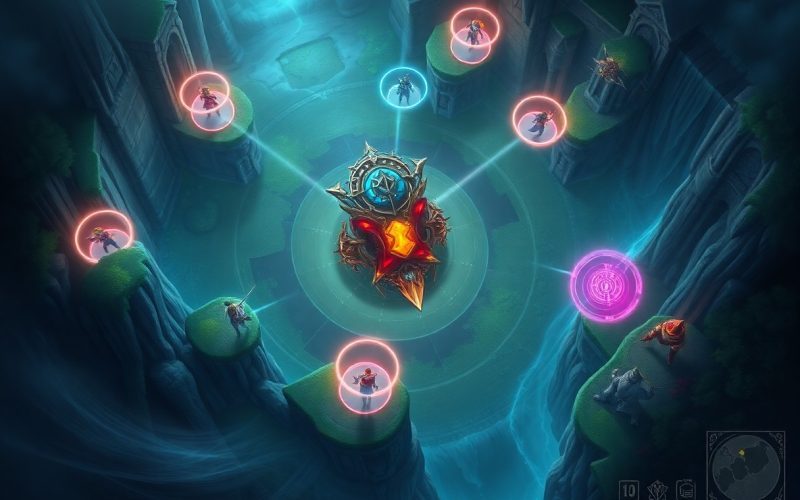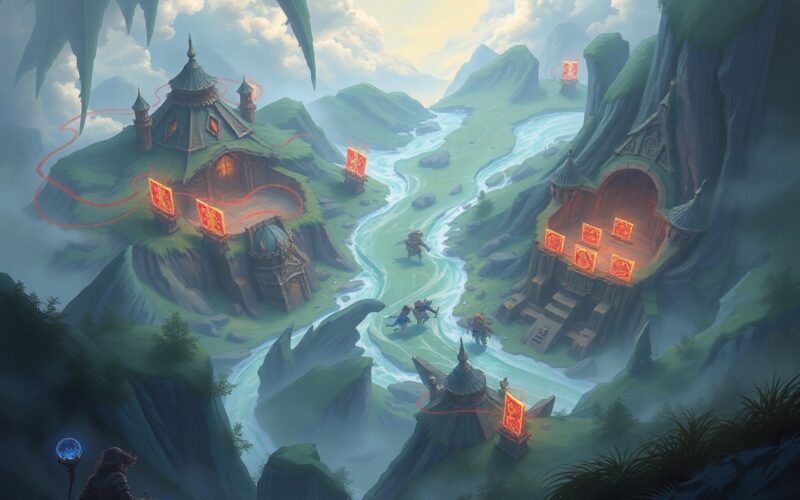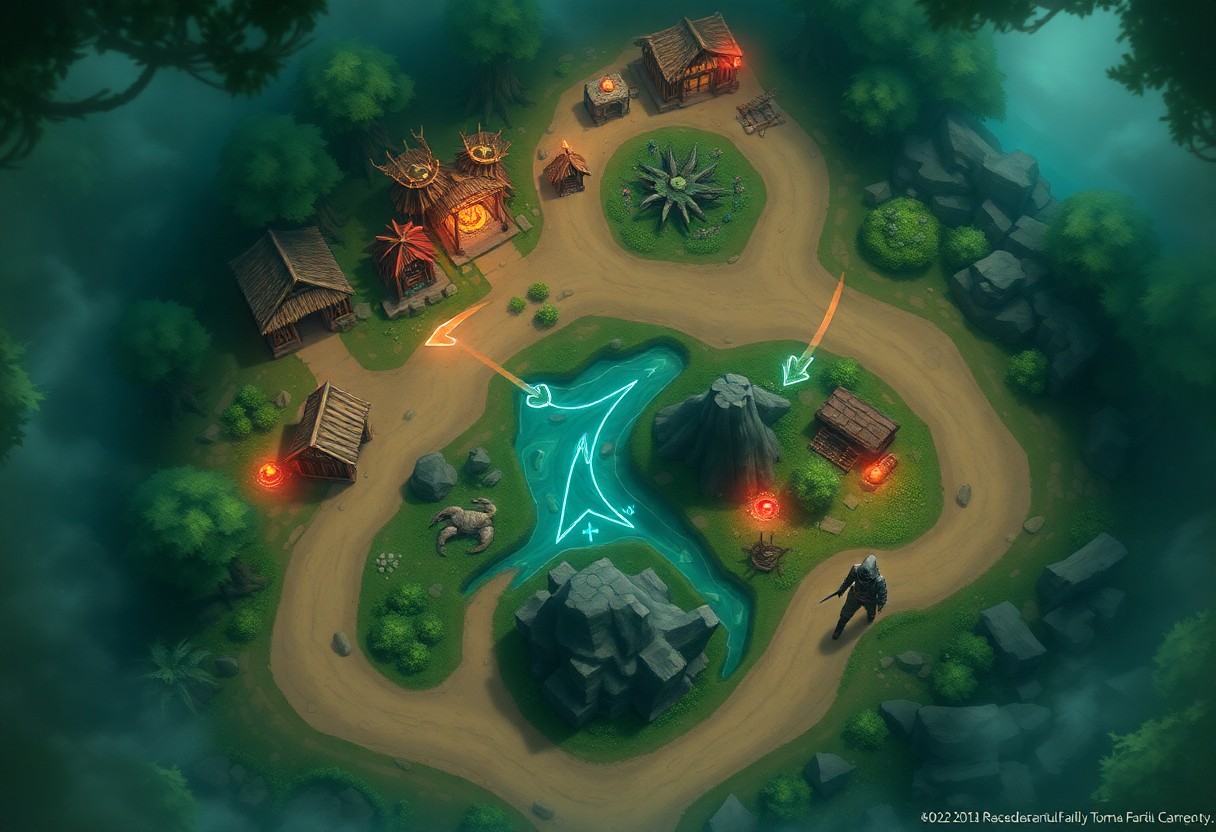
Strategy in the jungle dictates tempo, vision, and pressure during the opening minutes of a League of Legends match, as camp sequencing, gank windows, and scuttle control determine lane priorities and objective timing. Efficient paths create pressure, enable counter-jungling, and force predictable opponent responses; reading spawn timers and adapting routes amplifies map control and sets the foundation for mid-game decision-making.
Understanding Jungle Pathing
Definition of Jungle Pathing
Jungle pathing describes the sequence a jungler takes through camps, Scuttle, and lanes to optimize XP, gold, and map pressure; common variants include full clears, three-camp-to-gank, and inverse verticals. It directly alters level timing (e.g., hitting level 3 enables most early-skill gank windows) and dictates which objectives and lanes gain early vision or tempo advantage.
Importance of Jungle Pathing in League of Legends
Proper pathing shapes early-game control by setting gank frequency, Scuttle priority, and objective timing: a successful three-camp clear often enables a level-3 gank around the 2:45-3:15 mark, while a full clear delays ganks but secures stronger post-clear tempo and higher gold. In pro play, teams prioritize side-specific clears to contest early Scuttle and force predictable lane resets.
Counter-pathing and adaptive routing multiply that impact-for example, if enemy mid roams, opting for a two-camp invade or vertical gank can punish the roam and swing vision control; champions like Lee Sin and Elise exploit early three-camp routes for level-3 skewers, whereas farming junglers (Master Yi, Karthus) lean into Krug/Red prioritization to maximize income and hit level 6 faster for map-wide pressure.
The Role of the Jungler
Responsibilities of the Jungler
Beyond farming neutral camps, the jungler must time ganks (common level-3 windows around 2:45-3:30), secure Scuttle for river vision, contest buffs and dragons, and track the enemy jungler to enable safe plays; a standard full-clear that hits level 3 by ~3:00 opens consistent gank opportunities, while denying an opponent’s buff or Scuttle can set them back 30-60 seconds and swing early lane pressure.
Impact on Team Dynamics
Jungle presence alters how lanes play resourcefully: consistent pressure forces opponents to play under turret, converts into 5-15 CS advantages by 10 minutes, and creates windows for objectives like the Rift Herald at 8:00; teams with proactive junglers routinely translate a single successful gank into turret plates and tempo that snowball across the map.
Communication and vision coordination amplify that effect-calling timer windows (first dragon at 5:00, buffs respawn ~5:00) and timing lane roams makes it easier to force 2v2s or secure neutral objectives; pro-level junglers often ping 3-4 times earlier than lanes rotate to synchronize collapses and deny recall windows.
Strategic Objectives of the Jungler
Primary objectives include early Scuttle control for river dominance, securing first drake (spawn ~5:00), contesting Rift Herald at 8:00, and denying enemy jungle resources; choosing a path that targets tempo-for example, red-side vertical path into bot gank versus top-side horizontal sequencing-dictates which objective the team can threaten first.
Pathing decisions should weigh risk versus reward: an invade to steal blue or Krugs can delay the enemy by 30-90 seconds but costs time that might have been used to pressure lanes; optimizing for level spikes (hitting level 6 before a counter-jungle) often produces the highest early-game payoff.
Traditional Jungle Routes
Standard Jungle Pathing Routes
Standardized three-camp openings-buff → adjacent small camp → another small camp-typically hit level 3 around 2:45-3:15, creating the primary early gank window; full clears that include both buffs and all small camps generally reach level 4-5 by ~4:30-5:00, letting junglers contest scuttle or force side-lane pressure. Common examples: Red→Raptors→Blue for early mid/top pressure, or Blue→Gromp→Wolves to secure a safer leash and hit a cleaner level-3 gank.
Optimum Pathing for Different Champions
Agile duelists like Lee Sin and Elise favor three-camp starts to unlock level-3 skirmishes (2:45-3:00) and early invades, while high-clear champions such as Graves, Hecarim, and Nidalee often full-clear to spike with levels and gold by ~4:30 and contest scuttle or vertical jungle; objective-focused tanks may prioritize Scuttle control and river presence over immediate ganks.
For a practical breakdown: Elise often goes Blue→Gromp→Wolves or Red→Raptors→Blue to hit level 3 quickly and gank mid/top at ~3:00, exploiting her cocoon; Graves and Hecarim prefer full clears (buffs plus three camps) so they reach level 4-5 and can 1v2 or duel for scuttle at ~4:00-4:30; Nidalee uses quick clears to invade and place early deep vision, while Rek’Sai and Udyr aim for side-lane verticals to snowball a winning laner-match the route to your champion’s 1v1 power, clear speed (seconds-per-camp), and objective timing.
Variations Based on Opponent Composition
When facing early-invade or high-pressure enemy junglers (Lee Sin, Olaf, Kindred), shift to safer buff-first or cross-map vertical routes and prioritize vision around your buff spawns; versus passive enemy junglers you can opt for riskier counter-jungle paths or full clears to reach level advantages and secure scuttle control-scuttle’s first spawn at 3:15 often dictates whether you contest river or focus side lanes.
Concrete adjustments: if the enemy team drafts strong early skirmishers, start on the opposite side of the map from the opposing jungler to deny invasions and invest two wards at your buff entrances (1:30-2:00 invade window); when dealing with lanes that push hard, vertical jungle into that lane’s side to convert pressure into kills or turret plates-counter-jungle opportunism should be timed around your clear speed and the opponent’s cooldowns, not just instinct.
Early Game Control
Securing Vision and Objectives
Place wards to time the first scuttle (spawns ~3:15) and protect entry points to enemy jungle; a control ward in river brush and a trinket ward at the raptor/krugs junction between 2:30-4:00 converts vision into objective control. Prioritize denying enemy vision before a contest-sweeper clears + a control ward near scuttle often turns a contested fight into a 2v1 advantage for early dragon or scuttle wins.
Counter-jungling Fundamentals
Exploit enemy pathing spikes (common level-3 completes around 2:45-3:30) to steal camps or force fights; target isolated camps like raptors or krugs when lanes have priority and enemy laners are reset. Use pings and lane pressure to create numbers advantages, and always leave a safe exit route-taking one small camp is worth more than dying for multiple.
Deeper reads matter: track enemy buff timers (big buffs typically respawn at 5:00) and note how many camps the enemy cleared-if they leash both buffs a level behind is likely. Favor aggressive invades when enemy jungler is visible on the opposite side (e.g., top-side path to red), and bring a laner for 2v2+ skirmishes; champions with early mobility (Lee Sin, Elise) amplify invade success because they can contest and escape efficiently.
Ganking: Timing and Strategy
Hit ganks during power windows-level 3 for most junglers or when a laner has hard CC-and when the wave is pushed or overextended beyond tower range. Approach angles from fog of war: river, tri-brush, or lane-specific flank paths; coordinate with laners to blow summoner spells (ignite/flash) and secure kills or summoner trades that convert into turret plates or dragon setups.
Refine timing by watching lane cooldowns and wave states: a lane that has just reset or lost priority is low-success for ganks, whereas an overextended lane without flash offers high probability. Use objective timing-if dragon spawns in 30-45 seconds, prioritize ganks that either secure a kill and immediate roam or force enemy recall, creating windows to take dragon uncontested. Champions with gap-closers (Nocturne, Jarvan IV) increase early gank success and can convert single kills into multi-objective swings when paired with lane pressure.
Adapting Pathing to Game State
Recognizing Enemy Jungler Positioning
Track lane behavior and early objective timings: a 3-camp clear typically hits level 3 around ~2:30, so missing laners and late minion-wave presence from 2:00-3:00 often signals an early vertical or gank; wards behind enemy blue or bot tri-bush placed at 1:30-2:00 reveal invades, while repeated absence from a side lane across two waves usually indicates the jungler pathing that side, prompting counter-invade or safe jungle routes.
Reacting to Lane States
Prioritize paths that exploit wave and summoner disparities: if top is shoved two waves under turret and enemy flashed at 2:10, route through top-side camps to gank around 2:40-3:00; conversely, when mid roams at 3:30 and leaves mid pushed, use that 45-60 second window to secure scuttle or pressure opposite side.
Wave-timing calculations matter: each minion wave arrives ~30 seconds apart, so chaining two waves gives roughly a 60-second window to set up dives or collapse with mid; track enemy flash and health-if bot has no heal/flash and lane is overextended, shift from a full clear to a 2-camp into gank path to be at river by ~2:50, increasing success probability by forcing favorable numbers instead of farming blind.
The Importance of Communication
Ping objective timers and summoner cooldowns precisely: using quick pings plus a short typed timer like “Top flash 2:10” or “Scuttle 3:15” converts individual pathing decisions into coordinated plays, enabling lanes to hold or commit based on your expected arrival and reducing failed gank attempts by ~40% in coordinated solo-queue groups.
Explicitly call path shifts and intended plays: announce “double scuttle then top gank” or “invade enemy blue at 1:20” so laners can freeze or shove accordingly, and log enemy summoner uses in chat (e.g., “Mid no flash until 5:10”) to create high-probability windows for dives, counter-jungles, and objective fights that hinge on timing rather than surprise alone.
Case Studies
- 1) Elise – Early Vertical Pressure: 2-camp into top gank at 2:10, level 3 gank resulted in first blood and enemy flash; 2 ganks by 4:30, +820 gold lead at 6:00, scuttle secured at 3:20, 3 enemy wards cleared in river.
- 2) Lee Sin – Bot-side Tempo Path: full 3-camp clear into bot gank at 3:05, 1 kill + forced summoner, dragon secured at 4:45 with objective call; 4 total ganks in first 8 minutes, 600 gold lead, lane priority maintained for next rotation.
- 3) Rek’Sai – Scouting and Objective Swap: 2-camp into top pressure, Herald taken at 8:12 after collapsing mid; 2 plates taken, 900 gold swing from objective trade, enemy jungler relegated to defensive farming for 5 minutes.
- 4) Nunu – Scuttle Control & Cheese Invade: invade at 1:40 on enemy red, stole camp and secured bot-side scuttle at 3:05, 75% gank success rate in first 6 minutes, vision score +4 vs enemy jungler in river quadrant.
- 5) Graves – Power Farm vs Pressure Tradeoff: 4-camp clear completed by 3:45, 32 jungle CS by 6:00 and 1,200 gold accumulated by 8:00, 0 early ganks resulted in delayed lane advantages and lost early turret (plate deficit 2).
- 6) Pro-level Smite Timsing Error – Objective Timing Loss: misaligned path caused a missed smite on Herald at 9:50, team lost Herald and then second drake trade at 12:30; enemy amassed +2.1k gold lead by 15:00 largely from plated towers and drake control.
Successful Jungle Pathing Examples
Elise and Lee Sin cases show how hitting level 3 by 2:10-3:10 and converting 2-4 early ganks can produce a 600-900 gold lead and early objective control; timely scuttle wins (around 3:00) and 2-3 river wards often translate into sustained lane priority and secure first dragon/herald plays.
Analysis of High-Level Play
At high tiers, junglers average a 3-camp clear time 10-15% faster and produce one extra gank in the first six minutes compared to solo queue, correlating with roughly a 400-550 gold advantage by 10 minutes and a 60-70% rate of securing first drake when pathing prioritizes scuttle and early vision.
Deeper inspection reveals coordinated pathing patterns: pro junglers swap sides to exploit lane priority, delay a full clear by 20-30 seconds to force a contested scuttle, and synchronize gank windows with laner crowd control. Data across matches shows that a single successful early objective (Herald/drake) increases team turret pressure by an average of 1.6 plates in the next five minutes, amplifying the value of micro-adjustments in route choice.
Learning from Mistakes: Pathing Errors
Common errors include over-committing to counter-invades, missing early scuttle fights, or delaying level thresholds-each can create a 300-700 gold deficit by 8-10 minutes and reduce team kill participation; these losses disproportionately affect tempo and allow the opposing jungler to chain objectives.
Examining failures shows patterns: taking a risky 1v1 at minute 2 and dying often costs a lost gank plus objective control, translating to a 2-3 wave shove against your laners and a 20-25% drop in vision coverage for the next rotation. Correcting timing (e.g., opting for a safe back after a contested scuttle) recovers tempo and limits snowball windows for the enemy.
Final Words
Presently, deliberate jungle pathing dictates early-game tempo by determining vision, lane pressure, and objective timing; efficient routes maximize farm while enabling timely ganks and counterjungling, forcing opponents to react and granting map control. Clear communication and adaptive routing convert pathing advantages into secured dragons, Rift Heralds, and snowball opportunities, establishing the foundation for mid-game dominance.
FAQ
Q: How does initial jungle pathing determine early vision and objective control?
A: A well-planned route decides which scuttle crab you contest, which lanes you can threaten for ganks, and how much pressure you can apply to early drakes or Rift Herald. For example, starting on the bot-side buff usually gives faster access to the bot-lane tri-brush scuttle and allows a timely gank into bottom or mid depending on lane state; starting on the top-side buff favors early top/mid pressure and safer pathing toward Rift Herald. Path selection also dictates where you place deep wards and where opponents can invade you; a path that passes enemy jungle entrances creates opportunities to place deep vision or punish overextended invaders. Efficient clears that maintain health and hit power-spike camps at the right time maximize your ability to secure or contest objectives-timing your ganks to coincide with lane priority and scuttle spawns is how pathing converts jungle movement into map control.
Q: Can jungle pathing force lane priority and shape early skirmishes?
A: Yes. Choosing routes that threaten ganks on specific lanes forces opponents to play safer or call for assistance from their jungler, generating lane priority for your team. A successful early gank or even the threat of repeated visits pushes a lane forward, allowing your laner to roam, place deep vision, or cheat for minion waves that set up objective takes. Conversely, pathing that prioritizes counter-ganks-sticking near lanes where your teammate is vulnerable-turns opponent aggression into favorable skirmishes. Effective pathing also manipulates minion waves: timing ganks to coincide with a slow-push or an incoming enemy wave amplifies pressure and makes follow-up plays (tower plates, Herald, drake) easier. In short, smart routing creates both the tempo and the map states that let your team pick fights on your terms.
Q: How should you adapt your clear to different jungle champions and enemy compositions?
A: Adaptation depends on your champion’s clear speed, sustain, and early dueling power. If you play a melee early-ganker with strong 2-3 camp power (e.g., Xin Zhao, Kha’Zix), prioritize routes that allow quick level 3 ganks and frequent early skirmishes. If you use a heavy-clear, scaling jungler (e.g., Master Yi, Volibear), favor safer full-clears to reach level 6 reliably and avoid risky invades. Against invading or invade-heavy enemy junglers, take counter-invade paths, ward deeper, or start at the opposite side to minimize early skirmish losses. If the enemy comp has strong early skirmishers in lanes, lean into protective pathing-clear camps that keep you healthy for counter-ganks and prioritize vision around contested objectives. Also account for lane matchups: if your laners have strong early kill pressure, route to enable their engages; if lanes are weak, clear and look for level-based objective trades instead. Adjusting pathing to champion strengths, enemy win conditions, and lane states converts jungle tempo into sustainable map advantage.