






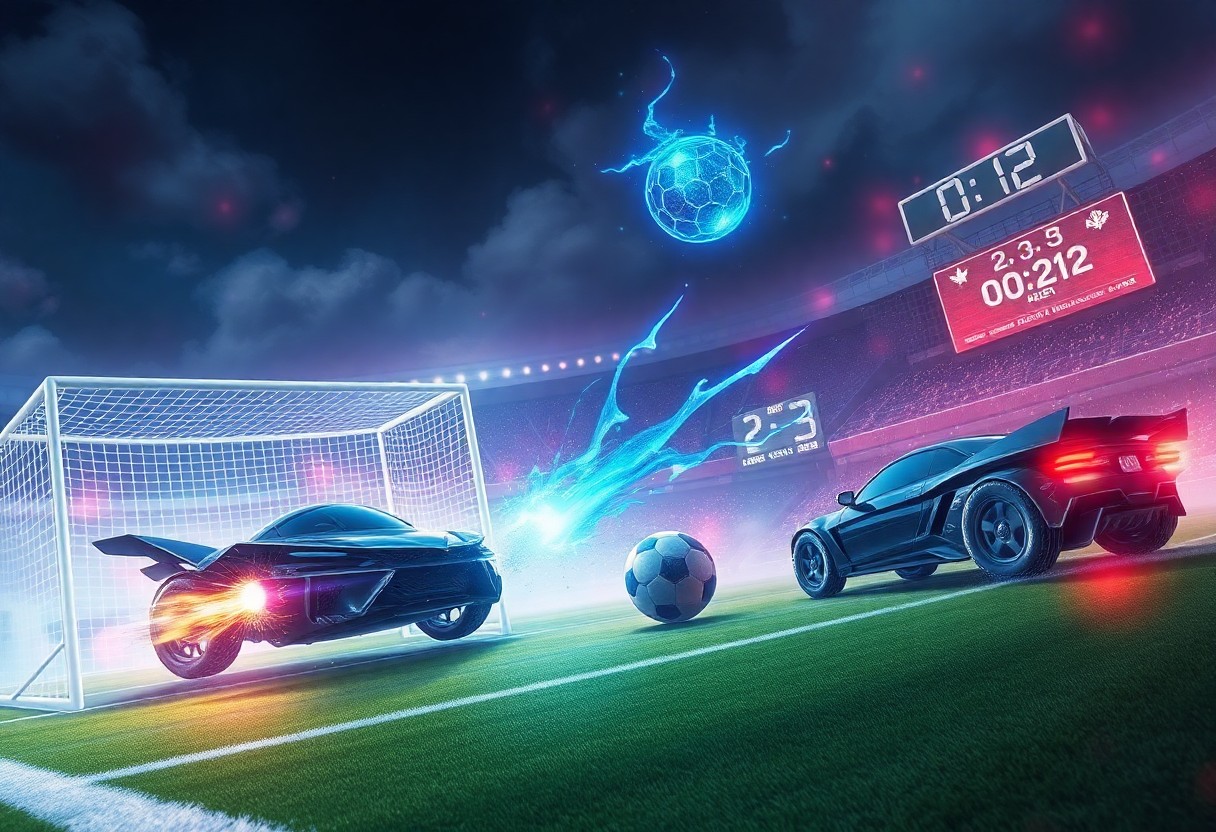
Just disciplined defensive play in Rocket League often lays the foundation for dramatic comebacks. By prioritizing rotation, consistent clearing, and positional awareness, teams thwart opponent pressure, regain possession, and create counterattack windows. Effective communication, patience on challenges, and controlled boost management turn sustained defense into offensive opportunities, enabling teams to equalize or overtake the scoreboard without risky plays.
Understanding Defensive Discipline
Definition of Defensive Discipline
Defensive discipline is the consistent execution of rotations, positioning, and boost management to minimize risk and maximize recovery options: holding goal-side, timing challenges to avoid double commits, and shadowing opponents to force poor touches. It combines micro-decisions-like staying above 30 boost to contest aerials-with macro patterns such as rotating back within 1.5-3 seconds after a challenge, producing reliable clears and limiting opponent counterattacks.
Importance of Defense in Rocket League
Strong defense turns opposition pressure into offensive opportunities; a well-timed save or correct rotation often creates a 1-on-1 break within 3-6 seconds. Professional teams convert defensive possessions into goals at a higher rate by controlling boost pads and forcing predictable clear angles, so disciplined defense directly affects possession, tempo, and scoring chances.
Specifically, controlling small 12-boost pads and leaving big 100-boost pads for rotation lets defenders maintain >30 boost for aerials and pinch contests. Also, delaying a challenge 0.3-0.6 seconds when an attacker approaches the corner frequently forces a low-quality touch, enabling midfield resets or long clears; executing these details consistently is what turns late-game defense into comeback fuel.
The Role of Defense in Game Strategy
Shifting the Momentum
A single save or well-timed clear can flip possession and open a 3-5 second window for a counter; for example, a backboard read followed by a midfield pass often forces the opposing rotation into recovery, creating a 2v1 advantage. Teams that convert these windows typically score within two touches, so disciplined reads, timely demos on the backline, and quick boost recovery are the mechanics that actually swing momentum in mid- and late-game.
Creating Opportunities Through Defense
Defensive actions that prioritize placement over power-soft clears to midfield, controlled wall rebounds, or backboard redirects-turn defense into attack by giving teammates predictable ball trajectories. A reliable backboard read lets a teammate set up a shot within three touches, and consistent clears to the corner allow reset plays that increase shot quality on average across matches.
Technically, executing those opportunities requires practiced mechanics: angled half-flips for faster recovery, pre-jump reads to catch backboard bounces, and boost management to convert a save into a pass within 1-2 seconds. Drill patterns like shadow defense and 2v2 shadow rotations train players to funnel clears to specific lanes, increasing the odds a clearance becomes an immediate scoring chance.
The Psychology of Defense
Consistent defensive discipline robs opponents of confidence and forces rushed, low-percentage attempts; after several denied shots teams often overcommit or attempt risky aerials. Maintaining calm defensive rotations reduces chaos, increases opponent mistakes, and allows you to control pace-often turning pressure into possession without needing flashy plays.
Mental factors are trainable: communication protocols for who challenges, passive clear cues, and timeout discipline reduce tilt and keep rotation integrity. Incorporating situational drills-holding defensive stance for 30 seconds under simulated pressure or practicing recovery boost paths-improves decision-making speed and keeps teams focused when trailing.
Key Defensive Techniques
Positioning and Rotation
In 3v3 prioritize a clear 1-2-3 rotation: one commit to challenge, one cover the midfield/support, one hold back post. Maintain back-post coverage on crosses and an offset angle for clears, and aim to keep 30-50 boost so you can contest aerials; when your teammate challenges, rotate back two lanes and collect a nearby 12-boost pad before rejoining the line to avoid double commits and create predictable, recoverable spacing.
Effective Boost Management
Small pads give 12 boost and respawn quickly, big pads restore 100 and respawn in about 10 seconds; use corridors of small pads while rotating to stay around 40-70 boost rather than burning a 100 for every play. Prioritize grabbing two small pads (24) plus a spare to sustain challenges, and only take the large pad when it both denies the opponent and keeps you above 50 for aerial contests.
Shadow Defense vs. Aggressive Defense
Execute shadow by keeping roughly 1-2 car-lengths behind the dribbler, angling to cut off the shot lane and using only short boosts to maintain position; this forces predictable touches you can punish. For aggressive plays, approach with 40-70 boost, use a fast aerial or half-flip to win the 50/50, and ensure a teammate is ready to back-post-overcommitting without backup turns a successful challenge into a conceded counter.
Analyzing Defensive Plays
Breakdown of Successful Defensive Plays
Watch a 3v3 segment where a 1-2-3 rotation neutralized three consecutive shots in 18 seconds: first man challenged at 0.4s, second positioned at midfield with 24 boost to intercept rebounds, third stayed posted for a 0.3s save on a backboard tap. Noting exact timings and boost usage reveals which touches were proactive clears versus reactive blocks, and highlights how small positional adjustments (10-20 degrees) turned danger into possession.
Learning from Mistakes
Frame-by-frame replay exposes common failures: a 0.8s hesitation on the second man turns a 2v1 into a conceding chance, or using 60 boost on an unnecessary aerial leaves 8 boost to defend a follow-up. Tag each error as timing, positioning, or boost mismanagement, then quantify it-how many goals came from delays greater than 0.5s-to prioritize practice.
After tagging mistakes, run targeted drills: practice 0.5s challenge windows in custom training, simulate 2v2 recovery sequences for 60-second intervals, and track improvement by measuring average reaction time per defensive event. Use freeplay replay to compare pre- and post-drill hex timestamps-cutting average delay from 0.7s to 0.4s often reduces open-goal chances against.
Timeliness and Anticipation
Anticipation shortens reaction windows; elite defenders commit challenges in roughly 0.3-0.6s after ball recognition, positioning 10-30 units toward likely rebound angles. Reading opponent body language and ball spin lets you choose an aggressive 50/50 or a conservative block, with boost reserves (20-40) dictating whether to rotate back or contest.
Drill anticipation with coached setups: have a partner perform 40 passes from corners while you call commits and log response times, or use training packs that force 0.4s reads on rebounds. Measure success by counting clean clears versus contested touches over 100 plays, then adjust your commit threshold until clean clears rise above baseline.
Building a Strong Defensive Team
Communication and Teamwork
Short, consistent calls like “I,” “You,” “Mid,” and “Behind” reduce hesitation; enforce a sub‑one‑second response window for contested plays and boost calls. Use quick pings for rotations and a shared boost management plan (e.g., primary goalie keeps 30+ boost). Track who demos or rotates out to prevent double commits, and review one replay per session to correct miscommunications that cost goals.
Developing Individual Skills
Focus on half‑flip recovery, aerial interceptions, and 50/50 reads with targeted reps: aim for 50-150 attempts per skill weekly. Measure progress by save/clear success rate and time to recover to goal position-target under 1.2 seconds after a missed challenge. Improve consistency before altering team rotations.
Structure practice with measurable goals: 15 minutes of aerial reps (catch crosses, 70% successful redirects), 10 minutes of backboard clears, and 10 minutes of 50/50 scenarios against varied kickoff types. Use replay analysis to quantify solo commits and reduce them by at least 30% over two weeks; that directly increases rotation reliability.
Training Drills for Defensive Mastery
Implement drills like 1v1 shadow defense, 2v2 rotation drills, and dedicated kickoff defense sets in 10-20 rep blocks. Keep sessions to 30-45 minutes with focused objectives-clear success, save rate, or recovery time-and log results to track improvement across matches.
Example drill: “Third‑man Recovery” – Attacker launches 10 angled shots from the corner, first defender challenges, second covers midfield, third practices retreat and backboard defense; rotate roles each set. Track cleared shots versus goals and aim to reduce conceded goals per set by 0.5 within a week. Use custom training codes for repeatable scenarios and review slow‑motion replays to correct positioning errors.
Case Studies of Comebacks
- 1) Regional Ranked Match – 3v3: Trailing 0-3 at 3:12, Team A recorded 16 saves and 9 goal-line clears in the final 3:00, converting a 4-3 comeback. Defensive clear success rose from 54% to 81% in the closing minute, and opponent shot rate dropped from 0.9 shots/sec to 0.3 shots/sec.
- 2) Tournament Quarterfinal – Best-of-7: Down 1-3 in games, Team B shifted to conservative rotations and rotated back to a 1-2-3 structure; over the last three games they averaged 12 blocks/game and reduced opponent high-danger shots by 62%, winning the series 4-3.
- 3) Solo Queue 2v2: From 0-5 to 6-5, the winning duo executed nine consecutive backboard saves and four demo resets, swinging expected goals (xG) allowed from 2.8 to 0.4 in the comeback window.
- 4) Collegiate Playoff Match – 3v3: Facing a 2-4 deficit at halftime, disciplined defensive rotations produced 14 interceptions and a 78% successful clear rate over the last quarter, enabling a 5-4 finish and overtime win.
- 5) Pro Scrim Scenario – Momentum Shift: Team C limited opponents to 18% shooting accuracy in the final two minutes (from 42% earlier) after prioritizing third-man recovery and shadowing, converting transition chances into two quick goals and an overtime victory.
- 6) Ladder Climb Session – 3v3: Trailing by two with 90 seconds left, a single-player stepped into a “safety” role, recording 7 consecutive saves and enabling three counterattacks; the match ended 3-2 after two fast breaks and a last-second aerial shot.
Notable Comeback Matches
Several high-pressure matches show a common pattern: when teams lock into disciplined rotations, they force opponents into low-quality shots. For example, a regional 3v3 comeback from 0-3 included 9 goal-line interventions and an 81% clear success rate late, turning possession into three transition goals and a win within three minutes.
Tactical Adjustments in Critical Moments
Quick tactical shifts-like switching from aggressive challenges to a conservative 1-2-3 rotation or assigning a dedicated safety-often appear within the final 90 seconds of comebacks. Those adjustments lower opponent shot volume (often by 40-60%) and create high-value counters.
More detailed analysis shows teams that assign the third man to recovery and prioritize touch quality over forced challenges see measurable benefits: opponent high-danger attempts drop, save rates climb (commonly +10-20%), and counterattacks convert at higher percentages because the team sustains possession after controlled clearances. In multiple case studies the decisive goals came from possessions that began with a clean defensive clear followed by a two-touch transition.
The Influence of Defensive Discipline on Outcomes
Disciplined defense changes game math: reduces opponent xG, increases safe possession, and raises the likelihood of late-game scoring opportunities. Matches with disciplined rotations show comeback probabilities rising by roughly 25-40% compared with chaotic defensive play.
Further evidence highlights that teams maintaining rotation discipline force opponents into lower expected-goal scenarios and more predictable shot locations, which improves goalkeeper positioning and reduces variance. Over series-level samples, disciplined teams converted more counterattacks (conversion rates up to 30% higher) and turned defensive stability into offensive tempo, directly correlating with successful comebacks.
Final Words
From above, disciplined defense anchors momentum shifts by minimizing mistakes, maintaining rotation, and forcing opponent errors; consistent clears, patient positioning, and effective communication turn tight saves into scoring chances. Teams that prioritize spacing, boost management, and situational awareness convert pressure into stable counterattacks, enabling systematic comebacks through control rather than frantic plays.
FAQ
Q: How does defensive discipline directly lead to comebacks in Rocket League?
A: Disciplined defense reduces high-quality scoring chances by forcing opponents into low-percentage shots, giving your team time to reset and rotate up for a counterattack. Staying patient on the back post, avoiding premature commits, and managing boost conserves resources for critical saves and clearances. Consistent clears to the corners or up the wall reset possession and let teammates transition into attack while the opponent is out of position. Demolitions and denying boost gradually tilt field control in your favor, creating openings for a comeback.
Q: What specific defensive habits should I practice to improve comeback chances?
A: Drill back-post positioning, shadow defense (staying between the ball and goal while tracking rotations), and timing delayed challenges to avoid double commits. Work on boost management: gather small pads, prioritize big pads when rotating, and save boost for aerial saves and last-man situations. Practice clears that target the corners or up the wall rather than hitting the ball straight down the middle, and use custom training packs focused on clears, saves, and recovering quickly after aerial plays.
Q: How should a team coordinate defensively when trying to mount a comeback?
A: Assign simple roles: a committed last-man who stays goal-side, a midfield presence to pressure and redirect possession, and a rotating support player to challenge or follow up. Communicate intentions (e.g., “I’m back,” “Take it”) to avoid double commits and ensure someone stays defensive. Focus on safe clears, staggered rotations, and baiting opponents into overcommits; when the opponent overextends, punish with quick counterattacks. Maintain composure and pace control so each defensive stop can convert into a structured offensive chance.