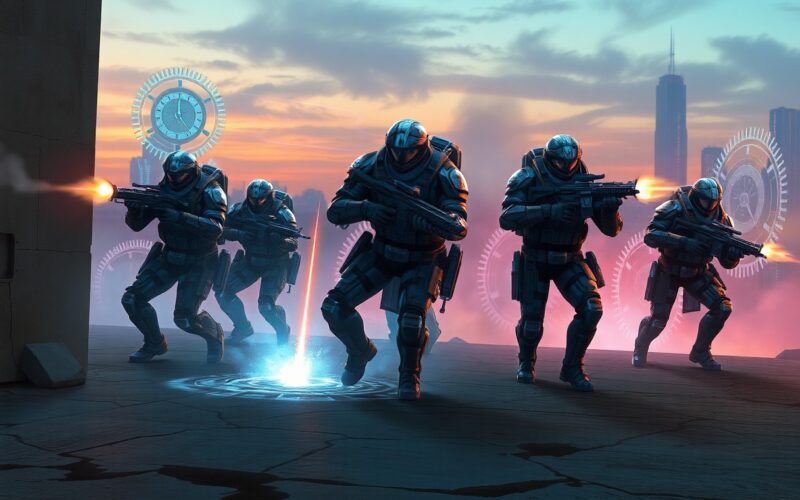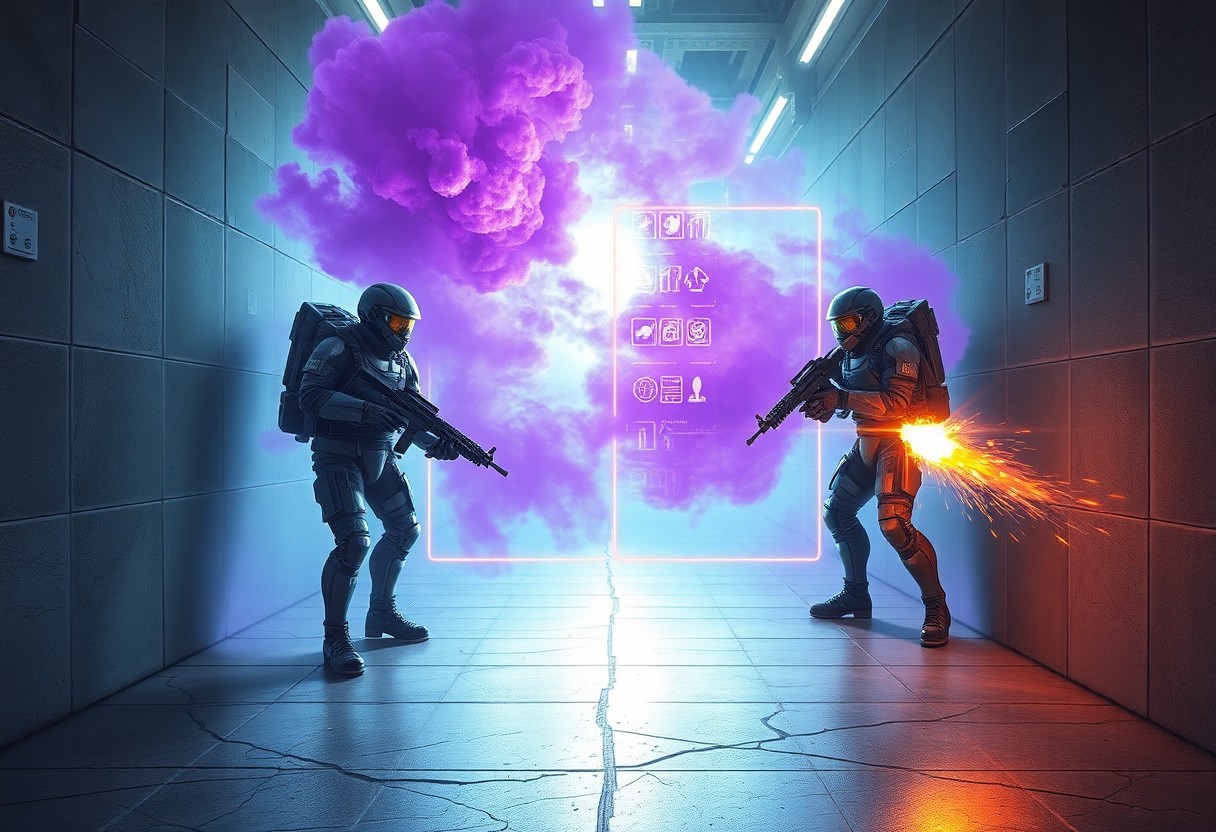
With coordinated utility usage-smokes, flashes, molotovs and well-timed abilities-Valorant matches are shifting from raw aim contests to strategic advantage plays; learning how to chain abilities to isolate, displace, or deny opponents allows teams to control sightlines, create favorable trades, and win rounds through positioning and information rather than mechanical duels. This post explains common utility combos, timing principles, and how to adapt them to different maps and team compositions.
Understanding Valorant’s Gameplay Dynamics
The Role of Utility in Team Strategy
Utility dictates tempo and map control: five-player executes rely on layered smokes, flashes and area denial to create entry windows, and pro teams often allocate 300-800 credits across 2-3 players for a committed execute. Brimstone/Omen smokes carve sightlines, Viper walls isolate defenders, Sova recon pinpoints rotations and Killjoy devices force delayed retakes-together these choices convert contested aim duels into planned, time-limited engagements that favor coordinated squads.
The Importance of Communication and Coordination
Precise timing and concise callouts make the difference: syncing a flash, a smoke and an entry peek within a single second can convert a 1v1 into a favorable trade or blind kill. Teams that standardize short phrases and use pings cut reaction time; at the pro level, preset execute scripts let three players trigger abilities in sequence with a single vocal cue, neutralizing isolated aim advantages.
Drilling those scripts adds measurable gains: teams review VODs, practice 10-15 execute reps per map in scrims, and track ultimate economy so key abilities are ready on rounds 10-13. Clear leader roles-one caller for pace, one for utility timing-reduce overlap and ensure grenades and walls are stacked rather than wasted, turning communication into a force-multiplier that outperforms solo mechanical plays.
Utility Types in Valorant
| Offensive | Designed to force entries and create dueling windows – examples: Raze’s Paint Shells and Boom Bot, Phoenix’s Blaze, Reyna’s Leer for raw entry pressure. |
| Defensive | Delay, punish, and deny space to attackers – examples: Sage Barrier Orb, Killjoy’s Turret & Alarmbot, Viper’s Poison Cloud for site locks and post-plant defense. |
| Recon | Reveal enemy positions to shape decisions – examples: Sova Recon Bolt, Cypher Spycam, Skye Trailblazer used to confirm numbers and bait utility usage. |
| Mobility | Enable repositioning and flanks – examples: Jett Updraft/Tailwind, Omen Shrouded Step, Raze Blast Pack to create unexpected angles and quick trades. |
| Control / Area Utilities | Block sightlines and control timing – examples: Brimstone/Astra smokes, Omen’s Dark Cover and Viper screens to shape executes and deny crossfires. |
- Smoke + flash + molly for a 2-3 player site execute.
- Recon bolt into coordinated peek for guaranteed first contact.
- Mobility dash into pre-placed utility to punish rotated anchors.
- Defensive gadgets chained to stall post-plant spikes and force risky clears.
- Layer smokes and area denial to convert numbers into safe site control.
Offensive Utilities
Entry tools focus on creating brief superiority: combine a flash with Raze’s Paint Shells or a Phoenix molotov to clear common cubbies and force defenders off-angles, allowing a 2-3 player entry to trade more reliably and secure the first engagement.
Defensive Utilities
Defensive gear prioritizes time and information denial: using Sage wall, Killjoy gadgets, or Viper screens can break an execute rhythm, isolate attackers, and convert numerical inferiority into manageable retake scenarios for one anchor holding site.
More deeply, defensive utilities are about tempo control and economic leverage – a single well-timed wall or turret can force attackers to expend extra flashes or utility to clear, shifting buy priorities and round pacing; teams routinely design setups where gadgets create chokepoints, funnel attackers into predictable lines of fire, and buy rotations time from 5-20 seconds depending on cooldown and placement.
Recon Utilities
Recon abilities give concrete, actionable data: landing a Sova Recon Bolt or using Cypher’s camera before an execute informs whether to commit or fake, and pairing recon with quick flashes increases the chance of clean trades by exposing enemy numbers and positions.
In practice, recon often dictates round flow: teams will use a single recon to force utility out of predictable defenders, then punish the cleared angle with entry utility; on maps like Ascent and Split, a single reveal can change a 50/50 into a 70/30 by enabling crossfires and timing windows that otherwise wouldn’t exist.
This classification helps teams assign role priorities, plan buys, and script combos so utility becomes the decisive factor rather than raw aim.
The Shift from Aim Duels to Utility Combos
Historical Context of Aim-Based Gameplay
Early Valorant rounds emphasized raw aim and individual peeks: entry frags, 1v1 duels, and raw mechanical trades decided many rounds. Pro play initially mirrored Counter-Strike habits-aim-heavy lineups, fewer coordinated ability windows, and executes that relied on spacing and flash peaks rather than layered utility. That foundation made the transition to team-oriented play clearer once more agents and map-specific utilities arrived.
The Evolution of Team-Based Strategies
Teams moved from isolated duels to predefined utility sequences: support players began shouldering smoke, recon, and area-denial tasks while entries focused on timing and angle clearing. Modern executes routinely coordinate 3-6 abilities in a 10-20 second window to deny vision, isolate defenders, and create clean trade opportunities, turning raw aim into a follow-up skill.
Deeper adoption created role specialization-dedicated utility anchors and playmakers-so squads design set pieces (two-smoke site takes, recon-first mid control, layered post-plant denial) that force defenders into position-based losses rather than pure aim losses. This raises the value of utility economy: managing 3-4 key abilities across a series of rounds often wins trades without needing mechanical outplays.
Case Studies: Popular Utility Combos
Common combos pair smoke/recon with denial and a flash or mobility tool to secure entries and post-plant advantage. Below are concise case studies showing agent sets, ability counts, and intended effects that pros and high-level teams deploy repeatedly rather than relying on isolated aim duels.
- Brimstone + Sova + Raze – 3 smokes (Brimstone), 1 recon (Sova), 2 explosives/entry tools (Raze): isolates site angles, reveals defenders, clears close corners for a 2-3 person entry.
- Killjoy + Cypher + Sage – 2 area-denial devices (Killjoy Nanoswarm + Cypher Cage), 1 slow/heal (Sage): maximizes post-plant stall and forces staggered defuse attempts by using 2-3 denial points.
- Omen + Fade + Breach – 2 smokes/obscures (Omen), 1 recon/soft-reveal (Fade Seeker), 1 stun (Breach): creates blind windows and information gaps to convert fights into favorable multi-man trades.
- Astra + KAY/O + Phoenix – 2 map-control stars (Astra), 1 anti-ability bleed (KAY/O), 1 flash-wall (Phoenix): combines global smokes with suppression and aggressive flashes to force immediate peeks and limit defender utility responses.
Each combo targets a different phase: pre-entry vision denial, entry clearing, or post-plant retention. Sequencing matters-smokes first, then recon, then entry flashes or explosives-so teams turn a potential 1v1 into a structured 3v2 or better. Assigning 1-2 players to utility roles per round stabilizes these sequences and reduces variance from pure aim-dependent outcomes.
- Combo metrics (typical composition): 3-5 total utilities; 2 dedicated support actions (smoke/recon); 1-2 entry tools (flash/explosive). Teams report smoother executes when at least 4 utilities are available.
- Role distribution example: 1 primary smoker (Brimstone/Omen), 1 recon/soft-revealer (Sova/Fade), 1 entry fragger-this 3-person structure is used by many pro teams for higher entry consistency.
- Post-plant denial breakdown: 2 denial tools (Nanoswarm + Trapwire) can force defenders to spend 6-12 seconds repositioning or using utility, effectively lowering retake efficiency and increasing plant success in multi-round sets.
- Sequence timing (practice standard): set-piece rehearsals focus on a 6-12 second execution window where 60-80% of planned utilities are expended to secure the site before raw duel engagements begin.
Key Agents and Their Utility Combinations
Duelists and Their Utility Use
Jett, Raze and Reyna still win aim duels, but their kit is tuned to create isolated 1v1 windows: Jett’s dash and smoke carve space for instant picks, Raze’s Paint Shells/Boom Bot force stubborn defenders out, and Reyna’s Leer plus self-heal lets her snowball single engagements. Pro teams often pair a Duelist’s entry with a single recon or flash, turning brute aim into a controlled, high-probability fight rather than a raw aim test.
Controllers and Area Denial
Brimstone, Omen, Viper and Astra focus on sightline control and tempo denial: layered smokes and gas can block rotations and split defenders, while Viper’s molly or Astra’s Gravity Well pin targets. On maps like Ascent or Split, using 2-3 coordinated smokes to cover heaven/main/market is standard for a clean A execute, forcing defenders into predictable trades.
Timing and placement matter more than raw utility count: a Brimstone smoke down main entry plus Viper wall to cut off flank creates a 10-12 second window for plant attempts, and Omen’s Dark Cover can be delayed to stall rotates. Professional executes commonly sequence smokes (site, cross, rotate), then use a short-duration area effect (Viper or Astra) to prevent peeks, turning a chaotic push into a synchronized, low-variance operation.
Initiators and Setting Up Plays
Sova, Breach, Skye and KAY/O convert information into opportunities: Sova’s Recon Bolt or drone reveals positions, Breach’s Flashpoint and Aftershock displace defenders, and Skye clears close corners. Teams frequently chain a recon ability with 1-2 flashes within a 1-3 second window to guarantee an uncontested entry or an easy trade for the entry fragger.
Effective initiation reads the defense: a well-placed Sova arrow that reveals two players lets Breach follow with Fault Line to stun any crossfire, creating a clean multi-angle entry. In pro play, initiators often bait utility-using a fake recon or one flash to force utility out, then committing with a secondary, timed flash/conc – this sequencing converts partial information into decisive map control.
Sentinels and Defensive Utility
Cypher, Killjoy and Sage anchor sites by amplifying delay and information: Killjoy’s turret, Alarmbot and Nanoswarm can stall a full execute solo, Cypher’s Trapwire and Spycam lock flanks and give constant intel, and Sage’s wall plus heal/resurrection turn successful anchors into round-swinging plays. Sentinels trade raw fragging for sustainable site control and time denial.
Post-plant defense often relies on sentinel kits to convert numbers into wins: Killjoy can lock a 1v2 by placing a Nanoswarm over the spike and using turret pressure while teammates hold angles; Cypher’s camera lets anchors rotate safely or force utility usage; Sage’s Resurrection (ultimate) frequently flips late-round odds-teams plan disengages and retake denial around these abilities to maximize round carry potential.
Mastering Utility Combos
Timing and Execution
Break executes into three timing windows-setup (2-3s before entry), commit (0.3-0.7s around the peek), and follow-through (3-5s after entry)-and sync abilities to those windows: use a recon or drone at -2s, land a flash or smoke inside the 0.5s commit window, then molly or slow post-entry to block rotations. In practice, coordinating within a 0.5s margin turns aim duels into positional trades and drops defender winrates by roughly a third on well-executed executes.
Practice Methods to Enhance Utility Usage
Run targeted drills: 15-20 minute lineup sessions per map to nail common smokes/flash lineups, followed by 30-minute 5v5 scrims where teams limit themselves to pistol or utility-only rounds to force creative usage. Log success rates per lineup and repeat until execution falls below a 0.25s variance consistently.
Start each week with a checklist: 10 smoke lineups, 10 flash angles, and 5 molly positions per site, then record 50 full executes in custom lobbies with observers to capture timing. Afterward, review clips-mark timestamps where utility overlapped or missed, calculate effectiveness (success/no-fight entry, plant secured, trade rate) over at least 30 samples, and iterate on the weakest lineups.
Analyzing Competitive Play for Utility Insights
Watch 20-30 rounds from pro VCT matches or top-ranked ladder demos per map, slowing playback to 0.5x to log exact timings between reconnaissance, smoke deployment, and entry: note which teams use staggered 0.5-1s gaps versus simultaneous bursts and how often simultaneous bursts force defenders off common angles.
Use resources like VLR.gg and YouTube VODs to build a dataset: tag each execute by agent, timing offsets, and outcome, then aggregate across 50+ executes to identify patterns-for example, double-smoke B executes that begin with a recon at -2s and a smoke at -0.3s yielding a 65-75% plant rate against full holds-so you can copy proven timing templates into your team’s playbook.
The Impact of Utility on Competitive Play
Professional Examples and Trends
Pro teams like Sentinels, G2 and Fnatic routinely layer Sova recon darts, Brimstone/Omen smokes and Breach flashes to convert site takes on Ascent and Bind; analysts noted that multi-utility executes dominated post-plant win conditions at recent VCT events, with teams prioritizing coordinated flashes and entry nades over isolated peeks. Coaches now script 10-12 second windows for committed entries and use heatmaps to time utility bursts against typical defender rotations.
Audience Reactions to Utility Use
Fan response is split: many appreciate the tactical depth when a perfect smoke/flash sequence enables a dramatic multi-kill, while others lament fewer raw 1v1 aim highlights; Twitch chat and highlight reels show engagement spikes around execute-based clutches, and tournament casters increasingly frame play-by-play around utility timing rather than pure aim trades.
Social platforms amplify that divide-content creators still publish aim-only montages, but subreddit and Twitter threads routinely dissect lineup timing and utility efficiency, with viewers sharing frame-by-frame clips of Omen smokes or Astra stars used to deny rotations; esports analysts also track how nerfs/buffs shift spectator excitement by comparing clip share and VOD-view counts after patch cycles.
The Future of Utility in Esports
Riot’s ongoing agent and map updates push pro teams toward deeper utility playbooks: expect more specialists, standardized smoke/lineup databases, and coaches dedicating prep time to synchronized ability clocks; tournament rule-sets may evolve to account for increasingly scripted executes and to preserve competitive balance across map pools.
Beyond balance changes, the meta will trend toward analytics-driven utility optimization-teams will quantify flash windows, stack success rates for specific combos on maps like Split and Icebox, and develop contested roles (utility commander, lineup specialist) to squeeze milliseconds from execute timings, reshaping scouting and draft strategies at the highest level.
Final Words
So adopting utility-first play transforms Valorant into a contest of coordination, map control, and timing, where teams that synchronize smokes, flashes, and grenades outmaneuver pure aimers and consistently convert tactical advantages into round wins.
FAQ
Q: How do utility combinations reduce the reliance on pure aim duels in Valorant?
A: Utility combinations change engagements by controlling sightlines, information, movement and timing. Smokes, walls and vision-denial force opponents into blind peeks or slow clears; flashes and concussive effects make aim unreliable for a short window; recon and camera abilities remove uncertainty so teams can trade reliably rather than out-aim one player. Coordinated utility creates engineered advantages-isolating targets, splitting defenders, or compressing angles-so rounds are frequently won through setup and execution rather than raw flicks or mechanical superiority alone.
Q: Which specific utility synergies most effectively replace 1v1 aim scenarios and how are they executed?
A: High-impact synergies include: (1) Smokes + recon: Brimstone/Omen smokes block sight while Sova recon dart or Cypher camera reveals positions, allowing safe entry or pre-aimed clears. (2) Flash/stun + area denial: Breach/KAY/O flashes followed by Killjoy nanoswarm or Viper molly forces players out of corners into predictable kill zones. (3) Suppression + zoning: Omen paranoia or KAY/O suppression combined with Astra gravity wells or Sage wall isolates defenders for trades. Execution pattern: block vision → apply a soft utility to force movement or stall → use recon or denial to confirm presence → commit with a timed flash/entry and follow-up explosives or crossfires. Practice timing lineups and clear callouts to synchronize these steps.
Q: How should players change aim training and positioning when teams prioritize utility-driven play over raw duels?
A: Shift practice from pure flick drills to utility-aware scenarios: train pre-aim for post-utility angles, practice counter-utility peeks (anti-flash positions, wide swing vs smoke), and rehearse clearing common hide spots after recon or denial. Adjust positioning to favor crossfires and cover that amplify utility effects, take tighter spacing for trades, and learn to bait or trade through information-giving utilities. Incorporate team drills for timing and lineups so aim is applied at the correct moment-short, precise shots after utility resolves rather than blind mechanical wins.