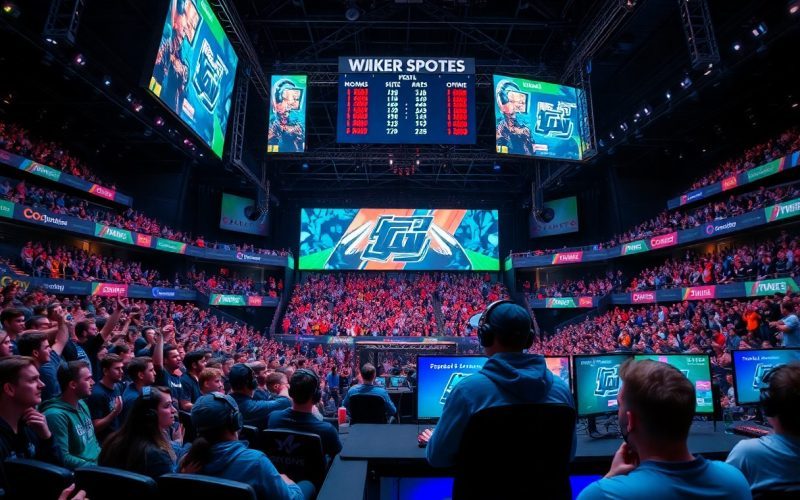
Profitability in the World of Warcraft (WoW) esports scene is predominantly evident in China, where a robust infrastructure and a dedicated player base drive substantial revenue streams. While global interest in competitive play continues to grow, the unique landscape in China, featuring vibrant tournaments and substantial sponsorships, significantly enhances its financial viability. This blog post examines into the factors contributing to WoW esports’ success in China, contrasting it with the challenges faced elsewhere, and analyzes the implications for the future of competitive gaming worldwide.
The Rise of WoW Esports in China
A significant transformation has taken place within the World of Warcraft (WoW) esports scene in China, where the game has garnered a dedicated following and substantial financial backing. This growing interest has led to the rapid development of competitive leagues and an increase in player engagement, positioning China as a powerhouse in the global esports landscape. As one of the largest gaming markets in the world, China’s influence and success in WoW esports have created a unique environment that fosters talent and innovation, setting the stage for a bright future in competitive gaming.
Growth of Competitive Gaming
Growth in competitive gaming has exploded in recent years, particularly in China, where fervent support for esports has propelled titles like WoW into the spotlight. This surge in popularity is supported by increased investment from sponsors, the emergence of professional teams, and the expansion of tournament formats. As a result, WoW esports has evolved into a multi-faceted entertainment experience, attracting both casual and hardcore gamers alike. The Chinese gaming community embraces live events and online streams, further fueling the demand for competitive WoW content.
Key Players and Organizations
Behind the success of WoW esports in China are prominent players and organizations that drive the competitive framework. These entities include established esports teams, sponsors, and tournament organizers committed to fostering talent and enhancing the gaming experience. With significant investments and collaborations, they help elevate the esports scene in China, ensuring sustainable growth and attracting global recognition.
Competitive players and organizations have formed partnerships with various local and international sponsors, resulting in lucrative sponsorship deals and robust tournament funding. Notable teams and players have emerged as frontrunners in WoW competitions, showcasing their skills on national and global stages. These key players not only contribute to the vibrant esports ecosystem in China but also inspire the next generation of gamers to pursue careers in competitive gaming, creating a cycle of growth and opportunity.
Revenue Streams in Chinese WoW Esports
It is evident that the Chinese esports scene for World of Warcraft (WoW) thrives on diverse revenue streams. Major tournaments and events are backed by substantial investments, with sponsorships, ticket sales, and merchandise contributing significantly to the overall profitability. Additionally, the robust online community and growing player base drive engagement, enhancing the economic viability of WoW esports in China, unlike many other regions.
Sponsorship and Partnerships
On the front of sponsorship and partnerships, many Chinese esports organizations collaborate with both global and local brands. These partnerships often yield lucrative deals, providing financial backing that supports player salaries, event logistics, and marketing campaigns. Companies see value in aligning with the vibrant gaming culture, leading to innovative collaborations that enhance visibility and brand loyalty.
Streaming and Broadcasting
Streams of WoW esports events have become increasingly popular, drawing vast audiences across various platforms. These streams provide a dual revenue source, as they generate income through advertising and viewer donations during live broadcasts. Such platforms capitalize on the engaging nature of esports content, resulting in lucrative advertising deals that expand revenue opportunities.
Esports streaming has transformed how fans interact with content, often resulting in large viewership numbers during tournaments. Platforms like Douyin and Bilibili dominate the Chinese streaming landscape, catering specifically to the gaming community. The combination of high viewership and interactive features, such as live commentary and viewer donations, creates an environment where streaming not only entertains but also serves as a vital revenue generator for WoW esports in China.
Comparison with Global WoW Esports
While WoW esports may thrive in China, the global scene presents a contrasting picture. Revenue streams, viewership, and competitive structures vary significantly between China and other regions, typically yielding lower earnings and engagement outside of Asia. The following table summarizes these disparities:
| Aspect | China | Global |
|---|---|---|
| Revenue | High | Moderate |
| Viewership | Massive | Limited |
| Team Support | Robust | Variable |
Market Differences
To understand the profitability of WoW esports, one must consider market differences across regions. In China, there is a supportive ecosystem bolstered by sponsorships and government backing, while in the West, the financial landscape is less conducive, with fewer investments and smaller audiences overall.
Fan Engagement and Community Support
Community engagement forms the backbone of esports, particularly in China. Local players and fans readily participate in tournaments, streaming, and social media, leading to a vibrant community that attracts sponsorship and media attention.
Further, this engagement often translates into higher audience retention rates during live streams and events. Social platforms uniquely cater to the gaming community in China, fostering a connected environment that resonates with players and fans alike. These interactions contribute to a sustainable ecosystem that differs significantly from global counterparts, reinforcing the financial viability of WoW esports within the region.
Challenges Facing WoW Esports Outside China
Not all regions enjoy the same level of engagement and success in WoW esports as China does. Outside of China, several obstacles such as market saturation and regulatory challenges hinder the growth of the esports scene. The disconnect in player interest, combined with an oversaturated gaming ecosystem, makes it difficult for WoW esports to thrive in other markets without a unified approach and support.
Market Saturation
By 2023, the gaming market has become extremely saturated, with countless titles competing for player attention. This has made it increasingly difficult for WoW esports to carve out a dedicated player and viewer base. As numerous games vie for the same audience, WoW’s distinct appeal may not resonate as strongly outside of China, where the market is more saturated than ever with competing esports titles.
Regulation and Policy Issues
Between different countries, varying regulations and policy issues pose significant barriers for WoW esports. Each region has its own rules governing gaming and competitive tournaments, which can complicate both player participation and sponsorship opportunities. This inconsistency can deter potential investors and sponsors, making it challenging to establish a sustainable esports ecosystem for WoW.
A lack of standardization in regulations can create uncertainty for stakeholders in the WoW esports community. Different countries impose varying age restrictions, streaming regulations, and licensing requirements, complicating tournament organization and player participation. Such discrepancies can impede the growth of a unified global competitive scene for WoW, stalling the recognition and profitability of its esports framework in many regions beyond China.
Future Prospects for WoW Esports
Despite the robust financial success of WoW esports in China, the future remains uncertain in other regions. Market conditions, player engagement, and the evolving landscape of competitive gaming will play significant roles in determining whether WoW can achieve similar levels of profitability outside its strongest market. Continued investment in promotional strategies and community-building efforts will be vital for any global growth.
Potential for Growth
After years of ups and downs, WoW esports now shows signs of renewed interest, particularly among younger gamers. With an expanding player base and increasing viewership, the potential for growth lies in enhancing competitive events and providing a more engaging viewing experience that could attract new fans and sponsors alike.
Innovations in Gameplay and Monetization
Innovations in gameplay and monetization strategies will be vital for expanding WoW esports. As the gaming industry evolves, so too must the ways in which competition is presented and monetized.
Plus, integrating new gameplay mechanics, like interactive viewer experiences, alongside diverse monetization options such as merchandise, in-game purchases, and exclusive content can generate additional revenue streams. By leveraging popular streaming platforms and optimizing engagement through community-driven events, WoW esports can sustain and nurture its growth trajectory while appealing to a broader audience, beyond just the established fanbase in China.
Conclusion
Summing up, while World of Warcraft (WoW) esports has shown potential for profitability, its success is predominantly tied to the Chinese market. The overwhelming support from Chinese gamers and the ecosystem around esports in the region create a unique landscape that drives revenue. In contrast, other regions have yet to fully harness the financial opportunities presented by WoW esports, indicating that without similar engagement, profitability may remain elusive elsewhere.
FAQ
Q: Why is WoW esports particularly profitable in China compared to other regions?
A: WoW esports generates significant revenue in China due to the immense popularity of gaming and esports culture in the country. With a massive population of gamers and a dedicated audience for esports events, China has created a thriving ecosystem where sponsorships, advertising, and merchandise sales can flourish. Additionally, local tournaments often see substantial viewership, leading to lucrative broadcasting rights agreements. The government’s support for esports also fosters a conducive environment for growth, making it easier for esports organizations to profit.
Q: What strategies are utilized by Chinese esports teams to maximize profitability in WoW?
A: Chinese esports teams often adopt various strategies to maximize their profitability in WoW, including forming partnerships with large gaming companies for sponsorship and endorsement deals. They focus on developing strong community engagement through content creation, streaming, and social media interaction, which helps to build a loyal fan base. Furthermore, teams frequently participate in local and international tournaments with significant prize pools, allowing them to create revenue streams from tournament rewards while also enhancing their visibility and market value.
Q: What challenges does the WoW esports scene face in China regarding profitability?
A: Despite the profitability, the WoW esports scene in China faces challenges such as intense competition among teams, which can dilute individual revenue streams. There’s also the potential for regulation changes that may affect sponsorship opportunities or tournament structures. Additionally, the rapid evolution of gaming trends means that teams must constantly adapt to maintain audience interest, and securing funding for new initiatives can be difficult in an increasingly crowded esports market.