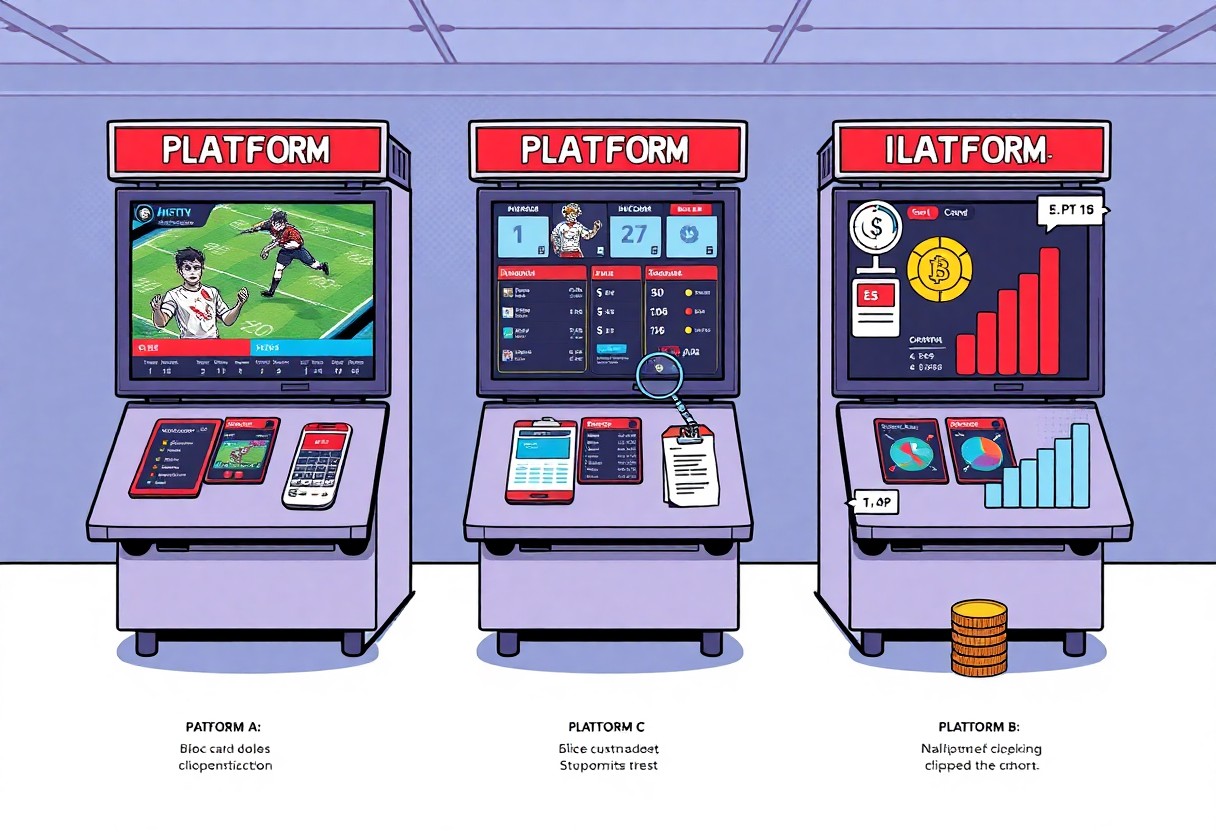
It’s imperative to explore the features and functionalities of white label esports betting platforms. This comparison aims to highlight key aspects, including customization, scalability, and user experience, helping operators choose the right solution for their betting business.
Understanding the White Label Model in Esports
Defining the Turnkey vs. White Label Distinction
Turnkey solutions offer complete, ready-to-use systems that require minimal input from the operator. These platforms often include all necessary components, from payment processing to customer support, making them convenient for newcomers. On the other hand, white label solutions allow operators to customize aspects of the platform while relying on the provider for core functionalities.
Operators seeking exclusivity and branding control may prefer white label options, which provide a framework to build upon. In contrast, those who want quick deployment might opt for turnkey solutions, sacrificing some customization for speed.
Core Benefits: Time-to-Market and Technical Infrastructure
Time-to-market is a significant advantage of both models, enabling operators to enter the esports betting market quickly. White label providers typically maintain the technical infrastructure, allowing new businesses to launch without extensive development delays. This efficiency can give operators a competitive edge, especially in a rapidly evolving industry.
Technical support from providers ensures that operators can focus on marketing and customer engagement rather than backend issues. Robust infrastructure, maintenance, and updates are handled by the provider, allowing businesses to maintain operational agility.
Navigating the Operator-Provider Relationship Dynamics
Understanding the operator-provider relationship is vital for success in the esports betting market. Communication and transparency play pivotal roles in ensuring that both parties are aligned on goals and expectations. The collaborative nature of this relationship can significantly influence the overall efficiency and effectiveness of the platform.
Trust between the operator and provider often leads to more successful operations. Frequent updates and feedback loops create a dynamic where adjustments can be made quickly, enhancing the user experience and adapting to market demands.
Essential Technical Features of Modern Esports Platforms
Low-Latency Live Streaming Integration and API Stability
Low-latency live streaming is necessary for engaging users in real-time gameplay. Players benefit from a fluid watching experience that enhances the overall betting interaction. Platforms that incorporate high-quality streaming tend to attract and retain a larger audience.
API stability plays a critical role in ensuring smooth integration between various components. Reliable APIs enable seamless communication between the front-end and back-end, preventing disruptions during high-traffic events. Overall, robust API structures contribute to user satisfaction and operational efficiency.
Mobile-Responsive Design and Dedicated App Wrappers
Mobile-responsive design ensures that the platform is accessible on any device, maximizing user engagement. A dedicated app wrapper enhances this experience by offering tailored functionality and faster access to features on mobile devices. Such design considerations can greatly impact user retention and overall satisfaction.
Platforms that prioritize mobile usability typically see increased traffic and higher betting volume. With dedicated app wrappers, users can enjoy a more streamlined experience, complete with push notifications for real-time updates and promotions. This approach enhances accessibility and optimizes interactions for on-the-go users.
Real-Time Data Processing for Dynamic In-Play Markets
Real-time data processing is necessary for creating dynamic in-play betting markets. Fast data updates ensure that odds reflect the latest game developments, allowing bettors to make informed decisions. Platforms that excel in this area often provide a competitive edge over less responsive offerings.
Immediate data handling facilitates quicker odds adjustments and enhances the betting experience during critical game moments. Efficient processing systems attract serious bettors who prioritize accuracy and speed, setting the stage for a more interactive and engaging platform. Regular system updates and optimizations further improve user interactions and maintain confidence in the betting environment.
Evaluating Game Coverage and Market Depth
Tier 1 Title Dominance: CS2, Dota 2, and League of Legends
CS2, Dota 2, and League of Legends dominate the esports betting scene, attracting large audiences and significant betting activity. Each of these games not only boasts a deep competitive structure but also engages players year-round, ensuring consistent opportunities for betting.
Popularity fuels their market depth. Major tournaments for these titles, such as The International and Worlds, draw extensive coverage and betting options, making them vital choices for operators looking to provide comprehensive offerings.
Emerging Markets: Valorant, Mobile Legends, and Wild Rift
Valorant, Mobile Legends, and Wild Rift are rapidly gaining traction in esports betting markets. Their growing fanbases and frequent updates keep players engaged, creating new betting opportunities that attract bettors seeking fresh experiences.
With high engagement levels, these games present a compelling alternative to traditional esports titles. Operators who include these games can differentiate their platforms, tapping into the increasing demand for diverse betting options.
Electronic Sports Simulations: FIFA, NBA2K, and Virtual Racing
FIFA, NBA2K, and Virtual Racing represent a unique niche within the esports betting ecosystem. Their appeal lies in the connection to real-world sports, drawing in sports fans who may not typically engage with traditional esports.
The rise of esports simulations illustrates their potential for attracting diverse audiences, as players can relate to familiar sports dynamics, further enhancing betting interest and engagement.
Data Providers and Odds Feed Integration
Assessing Partnerships with PandaScore, Abios, and RTSmunity
PandaScore stands out for its comprehensive esports data and live odds solutions, enabling operators to offer real-time betting options. Abios excels with its extensive API that provides various esports events, tailored to meet diverse betting needs. RTSmunity combines efficient odds management with a user-friendly interface, enhancing the betting experience.
Selecting a provider requires careful evaluation of their market coverage and reliability. Each partnership brings unique strengths that can enhance an operator’s offerings, ultimately influencing customer satisfaction and retention.
The Impact of Official Data Rights on Odds Accuracy
Official data rights ensure that betting platforms utilize the most accurate and timely data available, which directly affects odds accuracy. Licensed data providers often have exclusive access to in-game statistics, enhancing reliability in odds formulation. Consequently, bettors receive more trustworthy information, improving their overall experience.
Access to official data not only maintains integrity but also aligns with regulatory standards, contributing to fair play in betting markets. Improved odds accuracy can lead to increased customer trust, further driving engagement and loyalty.
Automated Resulting and Settlement Speed Benchmarks
Automated systems for resulting and settlement reduce the time it takes to process bets and declare outcomes. Speed plays a pivotal role in customer satisfaction, as quicker settlements mean enhanced betting experiences. Operators should benchmark their systems against industry standards to ensure competitiveness.
Implementing effective automation technology can drastically lower operational costs while increasing efficiency. As more customers demand fast-paced betting experiences, focusing on settlement speed becomes a key differentiator in the market.
User Experience and Interface Customization
Brand Identity Differentiation within Standardized Frameworks
Branding plays an crucial role in distinguishing a white label esports betting platform. Companies often use standardized frameworks for development, which can lead to a uniform appearance across different sites. Customization options allow operators to incorporate unique visual elements, logos, and color palettes, providing a distinct identity even within a standardized setup.
Differentiation strategy involves more than just aesthetics; it can influence user loyalty and recognition. When operators prioritize customization, they not only enhance brand visibility but also create a more engaging environment for users, setting them apart from competitors with generic interfaces.
Gamification Strategies: Leaderboards, Quests, and Achievements
Gamification continues to reshape user engagement in esports betting platforms. Incorporating elements like leaderboards, quests, and achievements transforms traditional betting into a more interactive experience. Users are driven not just by the prospect of winning money, but also by the excitement of competition and personal growth.
A well-designed gamification system encourages ongoing participation. Users can track their progress, compare their stats with others, and strive for recognition, cultivating a sense of community and loyalty to the platform.
Effective gamification can significantly boost user engagement. Leaderboards create competition, pushing users to improve their standing, while quests and achievements provide additional incentives for participation. These elements not only enhance the user experience but also contribute to increased retention rates.
Social Betting Features and Community Chat Integration
Community interaction plays a critical role in the success of esports betting platforms. Social betting features, including community chat, foster a sense of belonging among users. This integration encourages bettors to share strategies, celebrate wins, and discuss gameplay in real-time.
Platforms that prioritize these social features can significantly enhance user engagement. By creating a vibrant community atmosphere, users feel more connected, which can lead to increased loyalty and repeated visits to the platform.
Integrating social betting features with community chat allows users to interact and share their experiences. This collaboration fosters camaraderie and enhances the overall betting experience, making platforms more appealing to potential users. Enhanced interaction contributes to a lively environment, encouraging return visits and community building.
Licensing and Regulatory Compliance Frameworks
Jurisdictional Options: Curacao, Malta, and Isle of Man
Curacao offers a streamlined licensing process that appeals to many operators. The jurisdiction is known for its low fees and minimal requirements, making it an attractive option for startups in esports betting.
Malta, often seen as the gold standard in the gaming industry, provides a comprehensive regulatory framework. Its stringent compliance measures enhance player protection and bolster the credibility of licensed platforms.
Automated KYC and AML Verification Protocols
Automated KYC (Know Your Customer) solutions simplify the user verification process, allowing platforms to onboard players quickly and efficiently. These systems analyze identity documents and biometric data, ensuring compliance without hindering user experience.
AML (Anti-Money Laundering) protocols are equally vital. Advanced software monitors transactions in real-time, flagging suspicious activity to mitigate risks associated with fraud and money laundering.
Streamlined processes for KYC and AML not only enhance regulatory adherence but also instill trust among users. Quick verifications can lead to higher conversion rates, while effective monitoring systems reduce the risk of regulatory penalties.
Responsible Gambling Tools and Self-Exclusion Systems
Implementing responsible gambling tools is important for fostering a safe betting environment. Features like deposit limits and session reminders empower players to manage their gambling habits effectively.
Self-exclusion systems offer another layer of player protection. They allow individuals to voluntarily restrict their access to betting platforms, promoting a healthier relationship with gambling.
Effective responsible gambling solutions not only comply with regulations but also enhance brand reputation. Providing users with these tools demonstrates a commitment to player welfare, which can lead to increased loyalty and trust among users.
Payment Gateway Integration and Crypto-Compatibility
Traditional Fiat Support: Credit Cards, E-wallets, and Bank Transfers
Support for traditional payment methods remains important for white label esports betting platforms. Credit cards, e-wallets, and bank transfers facilitate user transactions, appealing to a broad audience. Popular options like PayPal and Skrill ensure a familiar experience for players, increasing engagement.
Integration of these fiat payment systems tends to be straightforward, allowing operators to focus on marketing and user experience. Security features, such as two-factor authentication, bolster trust in these transactions, encouraging players to deposit and withdraw funds confidently.
The Rise of Crypto-Native Betting: BTC, ETH, and Stablecoins
Bitcoin, Ethereum, and various stablecoins have gained traction in the esports betting market. Many platforms are beginning to accept these cryptocurrencies, appealing to tech-savvy bettors seeking anonymity and faster transactions. This trend highlights a shift towards decentralized finance within the betting ecosystem.
With the growing interest in digital assets, a new breed of bettors has emerged, leading to innovative betting mechanisms and promotional strategies. The integration of cryptocurrencies not only attracts players but also enables platforms to lower transaction fees, enhancing profitability.
Withdrawal Automation and Transaction Security Measures
Automation streamlines withdrawal processes, giving users quicker access to their winnings. Established platforms often implement automated systems that ensure rapid transaction approvals while reducing the potential for human error. Security measures, such as encryption and identity verification, offer increased protection against fraud.
Efficiency becomes paramount as the demand for instantaneous transactions rises. By investing in robust security protocols, operators maintain user trust and loyalty, reinforcing a healthy betting environment.
Risk Management and Fraud Prevention Systems
Real-Time Monitoring of Suspicious Betting Patterns
Utilizing advanced analytics, white label esports betting platforms implement real-time monitoring to identify irregular betting activities. Algorithms assess betting volume and frequency, flagging anomalies that could indicate fraud or manipulation.
This proactive approach allows operators to act swiftly, mitigating risks associated with potential match-fixing or collusion. Suspension of suspicious accounts occurs promptly, preserving the integrity of the betting ecosystem.
Managing Liability through Global and Individual Limits
Individual and global limits are imperative tools for managing liability in esports betting. Setting these limits helps operators restrict potential losses while ensuring players can engage responsibly.
By establishing clear boundaries, platforms protect their financial integrity and maintain a balanced betting environment, ensuring that excessive losses are minimized across the board.
Global limits encompass the overall exposure across all markets, while individual limits target specific bettors. This dual approach allows platforms to adapt their strategies to shifting betting behaviors, ensuring fair play and responsible gambling practices.
Collaboration with Integrity Commissions to Combat Match-Fixing
Engaging with integrity commissions enhances efforts against match-fixing in esports. These collaborations enable platforms to access vital intelligence on suspicious activities and trends within the industry.
Working together strengthens regulatory frameworks and promotes transparency, ensuring that all parties involved in esports betting remain committed to upholding the sport’s integrity.
Such partnerships inform operators of emerging threats, equipping them with tools to prevent fraud effectively. These relationships also encourage adherence to best practices, reinforcing trust within the betting community and ensuring the authenticity of esports competitions.
Marketing Tools and Affiliate Management
Built-in CRM Systems for Player Lifecycle Management
Effective CRM systems enable operators to manage player interactions throughout their lifecycle. These platforms streamline communication, ensuring personalized engagement based on user behavior and preferences.
Utilizing analytics, operators can identify trends and tailor marketing strategies to increase player retention and maximize lifetime value. This integration enhances operational efficiency and improves overall user experience.
Bonus Engines: Free Bets, Deposit Matches, and Risk-Free Offers
Bonus engines play a pivotal role in attracting and retaining players. Offering options like free bets and deposit matches incentivizes new user registrations and keeps existing players active.
Risk-free offers further lower the barrier to entry, providing users with a safety net while exploring the platform. This strategy not only enhances user engagement but also boosts overall wagering activity.
When effectively implemented, bonus engines can drastically improve conversion rates and player satisfaction by creating a compelling value proposition that resonates with various target audiences.
Affiliate Tracking and Commission Structure Customization
Accurate affiliate tracking systems allow operators to monitor performance metrics and optimize their partnerships effectively. This real-time data enables operators to assess which affiliates drive the most traffic and revenue.
Customizable commission structures cater to diverse affiliate strategies, providing flexibility that can enhance conversion rates. Tailoring incentives to align with specific marketing goals ensures a mutually beneficial relationship between operators and affiliates.
By offering distinct commission models, operators can attract a wider range of affiliates, enhancing their marketing reach and potential revenue streams.

Comparative Profile: Tier 1 All-In-One Providers
| Provider | Key Features |
| BetConstruct | Global reach, extensive market variety |
| EveryMatrix | Modular flexibility, OddsMatrix integration |
| Altenar | Stability, user-centric architecture |
BetConstruct: Global Reach and Massive Market Variety
BetConstruct offers a wide-ranging selection of esports betting options across various markets globally. This platform attracts operators by providing localization features and compliance support tailored for different regulatory environments.
Diverse in its offerings, BetConstruct includes everything from traditional esports events to niche competitions. Operators benefit from its extensive data feeds, ensuring players have access to a broad spectrum of esports betting opportunities.
EveryMatrix: Modular Flexibility and OddsMatrix Integration
EveryMatrix stands out due to its modular approach, allowing operators to choose specific features they need. Integration with OddsMatrix further enhances its appeal, providing dynamic odds and extensive betting opportunities across multiple esports.
This platform not only exemplifies flexibility but also ensures quick deployment, enabling operators to adapt promptly to changing market demands. The combination of these features makes it a preferred choice for many in the betting industry.
EveryMatrix’s modular architecture means that operators can customize their platforms to suit their needs without being locked into a single solution. Integration with OddsMatrix adds a robust sportsbook module, offering diverse odds, markets, and superior data analytics to optimize betting operations.
Altenar: Stability and User-Centric Sportsbook Architecture
Altenar provides a stable, user-centric sportsbook design tailored for engaging betting experiences. Its architecture focuses on creating user-friendly interfaces that enhance customer satisfaction, which is crucial for retaining players.
Highly adaptable, Altenar accommodates various betting preferences and styles, ensuring that all user segments are catered to effectively. This adaptability is a key factor in its increasing popularity among esports operators.
Altenar’s commitment to stability ensures that operators experience minimal downtimes, resulting in a more reliable betting experience for users. This focus on user-centric design not only promotes engagement but also encourages brand loyalty among players.
Comparative Profile: Specialized Esports-First Providers
| Provider | Key Features |
|---|---|
| Oddin.gg | Market-leading odds feeds, advanced risk tools |
| UltraPlay | Established reputation, comprehensive esports offerings |
| Betby | AI-driven personalization, immersive experience |
Oddin.gg: Market-Leading Odds Feeds and Advanced Risk Tools
Dedicated to delivering exceptional odds, Oddin.gg stands out with its superior odds feeds that cater specifically to esports enthusiasts. Leveraging advanced risk management tools, the platform enhances the betting experience while minimizing exposure for operators.
Operators benefit significantly from Oddin.gg’s comprehensive analytics, which help in making informed decisions. Additionally, the platform promotes extensive coverage across various esports titles, ensuring that bettors have a wide range of options.
UltraPlay: Historical Dominance in the Esports Betting Vertical
UltraPlay has long been recognized as a leader in esports betting, boasting an extensive portfolio that covers numerous games and tournaments. Its deep-rooted experience is reflected in its ability to deliver reliable and engaging betting solutions to operators.
With a commitment to innovation, UltraPlay consistently integrates new technology and features to maintain its competitive edge. This adaptability has secured its position as a preferred choice for many esports betting platforms globally.
Betby: AI-Driven Personalization and Esports Focus
Betby excels in utilizing artificial intelligence to offer personalized betting experiences tailored to individual preferences. This approach ensures that users receive targeted promotions and suggestions based on their betting behaviors.
Through its focus on esports, Betby enhances engagement with a user-friendly interface and real-time updates, keeping bettors informed and involved. Continuous development of its AI capabilities allows Betby to refine its offerings further, making it a standout in the esports betting market.
Financial Considerations: Setup Fees and Revenue Share
Initial Capital Requirements for Launching a White Label
Launching a white label esports betting platform requires significant initial capital to cover licensing, technology acquisition, and marketing expenses. A budget should account for mandatory regulatory fees, which may vary by jurisdiction and added technological expenses for platform customization.
Funding for initial promotional campaigns is vital to drive user acquisition. Properly forecasting these initial costs allows operators to ensure sustainability and effective market entry without financial strain.
Understanding GGR Share Models and Monthly Minimums
Gross Gaming Revenue (GGR) share models dictate how profits are distributed between the platform provider and the operator. Typically, operators retain a percentage of the revenue, with agreements often detailing minimum thresholds that must be met monthly for continued platform access.
Analyzing these models reveals how profit margins can fluctuate based on player activity and market conditions. Understanding the implications of these agreements is necessary for financial planning and long-term profitability.
A deeper insight into GGR share models indicates operators must align their strategies with performance metrics set by the platform provider. Monthly minimums may create pressure, making it vital for businesses to monitor activity closely to avoid penalties or additional fees.
Evaluating Hidden Costs: Feed Fees, Hosting, and Support
Operators must consider various hidden costs when evaluating a white label esports betting solution. Feed fees for real-time data and odds can significantly impact profit margins if not accounted for properly. Additionally, reliable hosting solutions are vital for ensuring platform performance.
Support services can also incur additional costs, depending on the levels of service agreements put in place. Diligent examination of these expenses helps operators prepare for unexpected financial burdens, ensuring a comprehensive understanding of the total investment required.
Detailed assessments of feed fees, hosting, and support highlight how these costs can accumulate. A comprehensive breakdown allows operators to make informed decisions regarding their platform’s overall viability and financial health.
Future Trends in the Esports Betting Industry
Artificial Intelligence for Predictive Odds and Personalization
Artificial intelligence revolutionizes esports betting by generating accurate predictive odds based on vast data analysis. Algorithms analyze player performance, match history, and real-time factors, allowing platforms to offer dynamic odds that adapt quickly to changes in circumstances.
Personalization is enhanced through AI, tailoring user experiences based on individual betting habits. Recommendations become more relevant, improving engagement and customer satisfaction as bettors receive customized offers and insights that resonate with their preferences.
The Integration of Decentralized Finance (DeFi) and Smart Contracts
The integration of DeFi technologies allows bettors to engage with decentralized ecosystems, minimizing traditional banking’s role in transactions. Smart contracts facilitate instant payouts and secure wagers, enhancing trust in the betting process.
Adopting blockchain technology also increases transparency, as all transactions are recorded on a public ledger. This level of accountability appeals to bettors who prioritize security and fairness in their betting experiences.
Decentralized platforms redefine how bets are placed and settled, eliminating intermediaries and offering users greater control over their funds. With smart contracts, conditions for payouts are clear and automated, ensuring efficient resolutions without the need for traditional customer service pathways.
Expansion into the Metaverse and Virtual Betting Environments
Virtual betting environments provide immersive experiences that attract a broader audience. As esports thrive in the metaverse, bettors can participate in live events, accessing real-time data and social interactions that enhance their engagement.
Advancements in virtual reality make betting more interactive, allowing users to place wagers while observing matches from unique perspectives. This shift not only enhances the thrill of betting but also aligns with the evolving interests of the gaming community and tech-savvy consumers.
Final Words
With these considerations, choosing a white label esports betting platform requires careful evaluation of features, regulatory compliance, and user experience. Platforms vary in terms of customization options, payment gateways, and integration with existing systems, impacting usability and profitability.
Assessing support services and the provider’s reputation is vital for long-term success. Reliable platforms offer ongoing assistance and updates, ensuring a competitive edge. A thorough comparison will guide operators in selecting a solution that aligns with their business goals and target audience.
FAQ
Q: What are the key features to compare in white label esports betting platforms?
A: Key features include user interface design, customization options, payment processing methods, game and event coverage, and customer support availability. These elements determine user experience and operational efficiency.
Q: How do licensing and regulations differ between white label esports betting platforms?
A: Licensing requirements vary by jurisdiction. Some platforms may hold licenses in multiple countries, while others might operate under a single license. Understanding local regulations is necessary for compliance and legal operation.
Q: What are the costs associated with setting up a white label esports betting platform?
A: Initial setup costs can include licensing fees, software fees, and branding costs. Ongoing expenses often involve transaction fees, maintenance costs, and customer support services. A detailed budget is necessary for accurate forecasting.