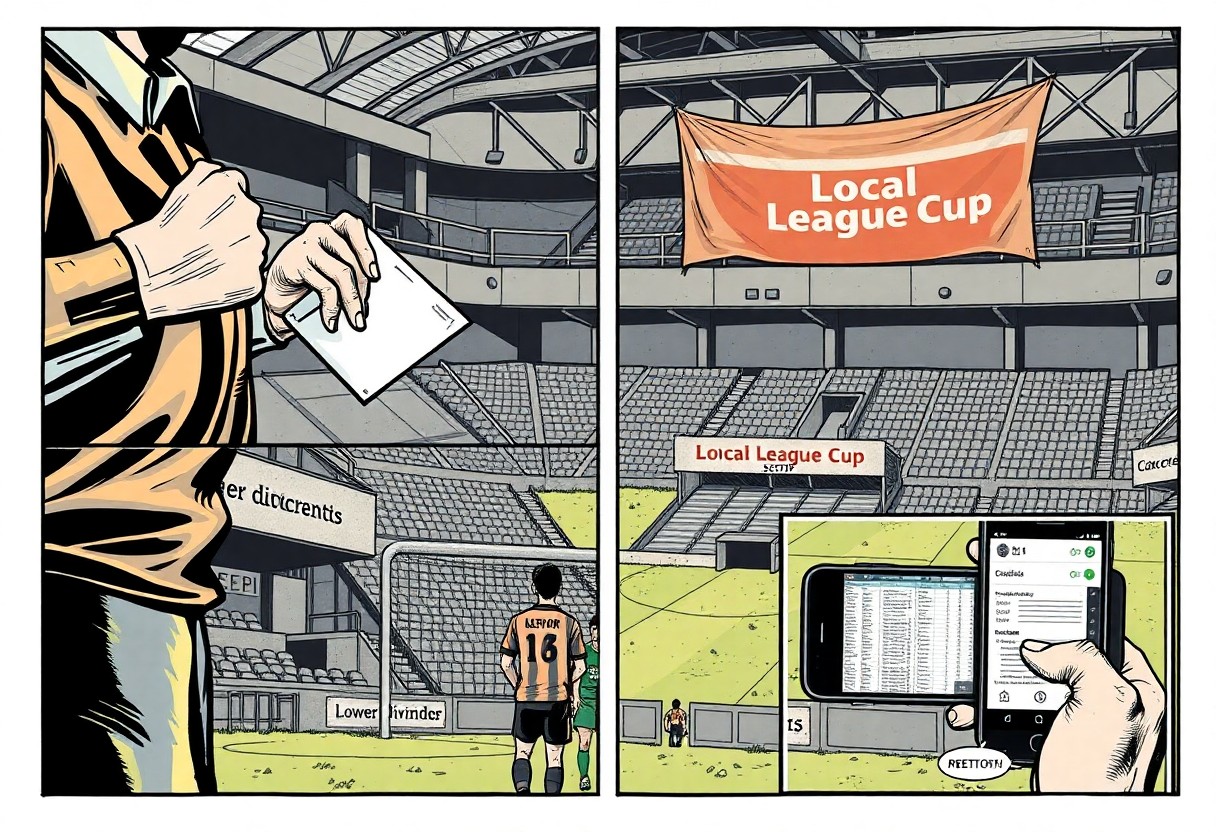
Most lower tier tournaments are increasingly vulnerable to match-fixing schemes, threatening the integrity of the sport. These events often lack stringent oversight and are attractive targets for corrupt individuals looking to exploit financial instability. Understanding this issue is important for preserving fair play in competitive sports.
The Structural Landscape of Lower-Tier Competitive Circuits
Financial Disparities and Prize Pool Distributions
Prize pools in lower-tier tournaments often reflect limited financial backing, creating stark contrasts with higher-tier competitions. This disparity not only discourages participation from talented players but also opens doors to corrupt practices, as struggling athletes may succumb to external pressures enticing them to engage in match-fixing.
Financial constraints frequently lead organizations to prioritize short-term gains over sustainable growth. In such environments, sponsors may exploit desperate circumstances, pressuring players into compromising situations, ultimately harming the integrity of the sport.
Administrative Gaps in Semi-Professional Governance
Insufficient oversight characterizes lower-tier competitive circuits, creating vulnerabilities to unethical behaviors. Lack of regulatory frameworks allows for inconsistencies in enforcement, making it easier for match-fixing to infiltrate these competitions unnoticed.
Governance structures often lack transparency, leaving players without adequate resources to report suspicious activities. This void in accountability not only endangers fair play but also undermines the development of talent in the community.
The Proliferation of Non-Televised and Remote Events
Non-televised and remote tournaments have surged in popularity, complicating monitoring efforts. These events often evade scrutiny, creating an environment ripe for manipulation as players navigate unregulated settings.
Limited visibility can lead to participants wagering on their own matches, heightening the risk of match-fixing. As fans and officials remain unaware of these events, the potential for exploitation grows, endangering the sport’s integrity and undermining legitimate competition.
Economic Vulnerabilities and the Incentives for Corruption
The Living Wage Crisis for Aspiring Athletes
Many athletes competing in lower-tier tournaments often struggle to meet basic living expenses. With limited financial support and minimal sponsorship opportunities, these players face a daunting challenge just to survive. This financial burden can lead them to consider unethical practices, including match-fixing, as a means to secure a better income.
Lack of monetary incentives further exacerbates the problem. While aspiring athletes invest years honing their skills, the meager earnings from lower-tier events create a deep sense of frustration. This environment cultivates vulnerability, making them susceptible to corrupt influences.
High Operational Costs of Professional Maintenance
Maintaining peak physical condition requires substantial investment in training, nutrition, and recovery. Aspiring athletes often grapple with high expenses related to coaching, training facilities, and sports gear. These costs can quickly outstrip any financial returns from participation in lower-tier tournaments.
Short Career Spans and Financial Insecurity
Careers in sports can be fleeting, with most athletes enjoying only a few years at their peak. This limited timeframe creates intense pressure to secure financial stability before retirement. Many players find themselves scrambling for income opportunities, leading some to compromise their integrity.
Facing uncertain prospects post-career, athletes may prioritize immediate financial gains over ethical considerations. This perpetual cycle of insecurity fuels corruption, as players search for quick fixes to their precarious financial situations.
Match Fixing Exposure in Lower Tier Tournaments
Recruitment Strategies and Player Grooming
Recruiters often target vulnerable players in lower-tier tournaments, seeking those who may face financial difficulties or lack support systems. They build relationships, creating a false sense of trust and camaraderie, which can lead to manipulation.
Grooming typically involves gradual exposure to unethical practices, where players might be encouraged to accept small favors or bets. Over time, this culminates in significant compromises, making players more susceptible to corrupt offers.
Communication Channels and Encrypted Messaging
Secure communication is imperative for syndicates, often utilizing encrypted messaging apps to avoid detection. These platforms keep discussions secret, allowing operators to coordinate without fear of interception by law enforcement.
Furthermore, within these channels, coded language serves to obscure true intentions. Terms is developed to keep conversations ambiguous, ensuring that only insiders understand the true stakes involved.
The reliance on encrypted messaging facilitates swift decision-making and adjusts tactics in real time, which is crucial for staying ahead of potential investigations. This digital cloak enhances both anonymity and operational efficiency.
Hierarchical Structures of Global Betting Rings
Within global betting rings, clear hierarchical structures exist, ensuring smooth operation and discipline. Leaders orchestrate activities while lower-tier members execute tasks like recruiting or placing bets, maintaining a chain of command that minimizes risk.
These structures increase operational efficiency, enabling syndicates to scale and adapt to various environments. The hierarchy creates incentives for members to perform well, ensuring loyalty through both financial rewards and, in some cases, threats.
The interconnectedness of these networks highlights how syndicates can swiftly transfer resources, personnel, and information across borders, making enforcement efforts challenging for authorities aiming to disrupt their activities.
Spot-Fixing and Micro-Betting Manipulation
Deliberate Errors in High-Frequency Game Events
Players in lower-tier tournaments frequently face pressure to manipulate outcomes through deliberate errors. Such actions may appear inconspicuous but can significantly alter game dynamics. Simple mistakes, executed at critical moments, pave the way for bettors to exploit odds effectively.
Scouts and bettors monitor these high-frequency events closely, ready to capitalize on players’ blunders. A single botched play can lead to lucrative opportunities for those orchestrating the manipulation, raising serious questions about the integrity of the game.
Influencing Specific Game Segments and Set Results
Manipulating specific game segments has become increasingly common in lower-tier tournaments. Players may be incentivized to underperform in particular sets, allowing for significant gains through point-shaving strategies. This method introduces greater risk but can yield substantial rewards for those involved.
Such targeted malpractices often go unnoticed in the frenzy of fast-paced matches. Observing unusual patterns in scoring and pacing allows alert bettors to capitalize on these discrepancies for financial gain.
Gaining control over key segments of a match can have dramatic effects on betting outcomes, influencing everything from game scores to individual player performance. Insiders on these manipulations exploit these specific moments, intentionally skewing results to favor deceptive bets.
The Rise of Prop-Bet Exploitation in Niche Markets
Prop bets in niche markets are gaining traction, particularly in lower-tier tournaments. Often overlooked by larger bookmakers, these markets present unique opportunities for exploitation. Players may engage in covert agreements to skew outcomes, benefiting from betting on player-specific performance metrics.
This exploitation thrives on the lack of regulation and oversight within these less scrutinized tournaments. Insiders manipulate statistics, guiding bettors to profitable opportunities while undermining the integrity of competitive play.
Operators of niche markets often remain unaware of the manipulation happening behind the scenes. The result is a precarious situation where bettors and players can easily exploit loopholes, eroding trust and transparency in the betting ecosystem.
Technological Catalysts: The Role of Unregulated Betting Markets
Offshore Sportsbooks and Lack of Transparency
Offshore sportsbooks operate outside regulatory frameworks, making them appealing for bettors seeking anonymity. Without oversight, these platforms enable questionable practices, including the manipulation of odds and match outcomes. This lack of transparency creates an environment where match-fixing can thrive, particularly in lower-tier tournaments with less scrutiny.
Many lower-tier leagues are susceptible to corruption, as they often lack the financial resources for rigorous monitoring. Unregulated betting markets exploit this vulnerability, facilitating match-fixing schemes that undermine the integrity of the sport. Consequently, the allure of easy profits attracts both bettors and corrupt individuals alike.
Real-Time Data Scraping and the Impact of Courtsiding
Real-time data scraping allows individuals to collect information quickly, enabling them to exploit any betting market inefficiencies. Courtsiding, where bettors gain access to live event data faster than bookmakers, plays a significant role in this process. This instant knowledge can lead to strategic betting that undermines fair competition.
Through real-time data, courtsiders can influence betting patterns, often leading to significant financial gains. Lower-tier tournaments are particularly vulnerable due to their lesser-known participants, making them prime targets for manipulators. This troubling trend disrupts the sports integrity and raises questions about accountability.
Cryptocurrencies as a Medium for Illicit Transactions
Cryptocurrencies offer anonymity, making them attractive for illicit betting operations. Unregulated markets often accept these digital currencies, facilitating transactions that are hard to trace. This anonymity not only empowers match-fixers but also ensures their activities go largely undetected.
Using cryptocurrencies for illegal wagers complicates efforts to combat match-fixing. Transactions leave minimal digital footprints, frustrating regulatory authorities seeking to impose stricter controls. As a result, lower-tier tournaments become even more susceptible to corruption, further eroding trust in the integrity of sports.
Challenges in Detection and Integrity Monitoring
Analyzing Betting Volume and Odds Anomalies
Analyzing betting patterns often reveals discrepancies that can indicate potential match-fixing. Unusual spikes in betting volume, particularly in lower-tier tournaments, can raise immediate red flags. Odd fluctuations in betting odds may also signal manipulation, warranting deeper scrutiny into the matches in question.
The Limitations of Algorithm-Based Red Flags
Reliance on algorithms can produce false positives, complicating integrity monitoring efforts. Algorithms may flag benign betting activities as suspicious, leading to unwarranted investigations and resource allocation. This could detract from the focus on truly problematic cases.
Human oversight remains imperative to contextualize and validate algorithmic findings. Analysts must interpret data intelligently, understanding the nuances that algorithms may miss to maintain integrity.
Algorithms are beneficial but not infallible. They can fail to account for unique factors influencing specific matches, such as player injuries or weather conditions, resulting in misleading conclusions about betting patterns and integrity breaches.
Jurisdictional Hurdles in Cross-Border Investigations
Managing cross-border investigations presents significant jurisdictional challenges. Varying legal systems and regulations complicate collaboration among different countries. Authorities often struggle to share information quickly, limiting the effectiveness of investigations into match-fixing.
Law enforcement agencies may face obstacles in collecting evidence across borders, leading to delays. Variations in definitions of corruption can further hinder cooperation, creating gaps that exploit the integrity of sports at lower tiers.
Jurisdictional issues often result in fragmented responses to match-fixing activities. These disparities can enable offenders to operate in jurisdictions where enforcement is lax, exacerbating the problem across global sports landscapes.
Case Studies of Systematic Corruption in Tier-2 Sports
- ITF Tennis Futures: 12 cases of match-fixing reported in 2019, involving 36 players, leading to 27 suspensions.
- Challenger Circuits: 15 tournaments in 2020 linked to match-fixing, impacting 50 players and resulting in 33 investigations.
- Regional Football Leagues: 8 leagues uncovered bribery schemes with over 40 players implicated in 2021.
- Esports Tournaments: 10 documented cheating cases in lower-bracket competitions across multiple games in 2022.
The ITF Tennis Futures and Challenger Circuits
Reports indicate a worrying trend in the ITF Tennis Futures and Challenger Circuits, where lower-tier tournaments have faced numerous match-fixing allegations. In 2020 alone, over 50 players were found participating in suspicious activities, prompting investigations.
Anomalies in betting patterns support claims of corruption, with bookmakers reporting unusual betting spikes. Such issues not only harm the sport’s integrity but also discourage genuine talent from emerging in a competitive environment.
Regional Football Leagues and Developmental Divisions
Regional football leagues have become breeding grounds for corruption, often overshadowed by larger professional leagues. In 2021, investigations revealed that several leagues experienced systemic bribery, undermining fair competition.
Players and officials involved faced significant penalties, but the damage to the sport’s credibility has been extensive. With many clubs struggling financially, the allure of quick monetary gains persists, complicating efforts to combat this issue.
Developmental divisions also face similar challenges, with young athletes being targeted for manipulation. Without strong regulatory oversight, these leagues remain vulnerable to corruption, making it imperative for governing bodies to intervene.
Lower-Bracket Professional Esports Competitions
Lower-bracket professional esports competitions have not been immune to corruption, with multiple instances of match-fixing reported in recent years. Due to less stringent oversight compared to major tournaments, these events attract predatory practices that undermine the spirit of competition.
Prominent cases in 2022 revealed players colluding to influence outcomes, leading to stricter regulatory measures by governing bodies. Continuous monitoring is crucial to restore integrity and ensure a fair playing field for all participants.
As esports continue to gain traction, the focus must shift towards implementing robust structures that protect the integrity of lower tiers. With rising popularity, maintaining legitimacy is vital for the sustainability of the industry, preventing the erosion of trust among fans and players alike.
The Psychological Toll and Coercion of Participants
Blackmail and Threats Against Vulnerable Athletes
Victims of match fixing often face intense pressure from coercive figures who exploit their circumstances. Vulnerable athletes can find themselves blackmailed into participation, with their fear of career repercussions or financial instability serving as leverage. The emotional burden of these threats can be paralyzing, leading to feelings of isolation and helplessness.
Many young players, eager to seize opportunities, may not recognize the risks until they are entrenched in compromising situations. This exploitation not only impacts their performance but also their personal integrity, leading to long-term psychological repercussions.
The Slippery Slope of Initial Minor Infractions
Initial infractions often appear trivial, luring athletes into a cycle of dishonest behavior. Many begin with seemingly harmless actions, believing they can control the situation. However, this mindset can quickly spiral, resulting in escalating participation in increasingly serious offenses.
Such minor breaches create a dangerous pathway, where athletes justify their actions by rationalizing perceived benefits, ultimately shackling them to the criminal elements within the sport. Control over their decisions erodes, leading to a pervasive sense of powerlessness.
As instances of minor infractions accumulate, athletes may rationalize their choices, dismissing red flags that indicate they are straying from ethical boundaries. The allure of quick gains can overshadow the potential for severe consequences, creating a troubling momentum that reinforces the cycle of dishonesty.
Mental Health Implications of Sustained Dishonesty
Sustained dishonesty in lower-tier tournaments exacts a heavy toll on mental health. Athletes often grapple with guilt and anxiety, creating an internal conflict that can leave lasting psychological scars. Constantly living a lie can lead to diminished self-worth and a pervasive fear of exposure.
Over time, the cumulative stress can manifest as depression, severe anxiety, and even burnout. Many athletes may experience a breakdown in their relationships, both personal and professional, as trust erodes and isolation ensues.
The ongoing pressure to maintain a facade fosters an unhealthy mental environment, making it increasingly difficult to reconcile their public persona with their private struggles. The lack of support often exacerbates these issues, pushing them further into despair and isolation within the sporting community.
Legal Frameworks and Judicial Obstacles
Inconsistency in National Anti-Corruption Laws
Variability in national anti-corruption laws creates challenges for enforcement. Different countries have distinct definitions of match-fixing, making cross-border investigations complex. This inconsistency hinders cooperation between jurisdictions, allowing syndicates to exploit legal loopholes.
Effectively addressing match-fixing requires harmonization of laws at an international level. Without unified standards, lower-tier tournaments remain vulnerable, as perpetrators can operate freely from jurisdictions with weak regulations.
The Burden of Proof in Sporting Disciplinary Hearings
Standards of proof in disciplinary hearings often favor the accused, complicating the prosecution of match-fixing cases. Sports governing bodies may struggle to meet the burden of proof required for sanctions, resulting in limited accountability.
While many organizations uphold integrity, the evidentiary threshold can impede justice. Key witnesses may be unwilling to testify, further complicating investigations and prolonging the enforcement of penalties.
Investigative efforts frequently encounter hurdles due to various interpretations of what constitutes sufficient proof. Disciplinary measures may ultimately hinge on ambiguous findings rather than clear evidence, leading to a lack of trust in the system.
Extradition Difficulties for International Syndicate Leaders
Extradition laws often create significant barriers in prosecuting match-fixing syndicate leaders. Variations in legal systems and extradition treaties complicate efforts to apprehend suspects operating across multiple nations.
Moreover, some countries may lack the political will to extradite individuals accused of non-violent crimes, allowing syndicate leaders to evade justice. This creates a safe haven for illicit activities associated with lower-tier tournaments.
Legal frameworks frequently fail to address the unique challenges of prosecuting international criminal networks. Consequently, enforcement agencies struggle to establish jurisdiction, leading to persistent issues with accountability.
The Role of Investigative Journalism in Exposure
Undercover Reporting and Whistleblower Protection
Undercover reporting has emerged as a powerful tool in exposing match-fixing activities within lower-tier tournaments. Journalists often immerse themselves in the environment, gathering first-hand evidence of corrupt practices. This hands-on approach enhances the credibility of their stories and holds wrongdoers accountable.
Whistleblower protection is important in encouraging insiders to report wrongdoing without fear of retaliation. Legal safeguards help create an environment where individuals can come forward, illuminating systemic corruption that might otherwise remain hidden.
Data-Driven Exposés by Independent Media Outlets
Independent media outlets increasingly turn to data analytics to uncover patterns indicative of match-fixing. By scrutinizing statistics and player behaviors, journalists can identify anomalies that warrant further investigation. This method not only strengthens their findings but also enhances public trust in the reports.
Utilizing sophisticated data models offers journalists unprecedented insights into suspicious activities. These investigations often reveal connections between players, agents, and betting syndicates, which can dismantle the networks propping up corrupt practices.
Public Pressure and Its Influence on Institutional Policy
Public pressure plays an important role in prompting changes in institutional policies regarding match-fixing. Strong reactions from fans and advocates can lead to heightened scrutiny and push governing bodies to take decisive action against corruption.
This demand for accountability often catalyzes reforms, as institutions recognize the impact of public opinion on their credibility. Resulting changes can include stricter regulations, better oversight, and increased collaboration with law enforcement to combat match-fixing effectively.
Institutional Responses and Integrity Commissions
The Formation of Specialized Anti-Corruption Units
Governments and sporting bodies have recognized the need for specialized anti-corruption units to tackle match-fixing. These units focus on monitoring, investigating, and preventing corrupt practices, particularly in lower-tier events that often lack oversight. Their establishment aims to create a deterrent effect and restore trust within the sport.
Enforcement of strict guidelines by these units enhances the integrity of tournaments. Collaborations with law enforcement and international regulatory bodies allow for a comprehensive approach, ensuring that allegations are pursued rigorously and transparently.
Mandatory Education and Player Awareness Programs
Implementing mandatory education programs is necessary for players at all levels. These initiatives inform athletes about the risks and consequences of match-fixing, emphasizing the importance of integrity in sports. By enhancing awareness, organizations aim to create a culture of honesty and accountability.
Workshops and seminars often feature testimonials from former players affected by corruption. Engaging narratives highlight the severe repercussions of match-fixing, aiming to discourage involvement in any illicit activities.
Such programs are not merely theoretical; they often incorporate practical implications, outlining what constitutes corruption and how to report suspicious activities. This proactive approach empowers athletes to resist temptation and act responsibly.
Implementing Lifelong Bans and Financial Penalties
Disciplinary measures like lifelong bans and significant financial penalties serve as deterrents against corruption in sports. Individuals found guilty of match-fixing face severe repercussions that extend beyond immediate suspension, impacting their careers for years to come. Such strict measures aim to uphold the integrity of sports and discourage potential offenders.
Establishing a clear framework for penalties ensures that athletes understand the stakes. Transparency in enforcement fosters trust in the system, ultimately benefiting the sport’s reputation.
The Impact on Commercial Viability and Fan Engagement
Erosion of Brand Trust and Sponsorship Withdrawal
Eroded brand trust poses a significant threat to commercial viability in lower-tier tournaments. Sponsors, concerned about negative public perception, are increasingly hesitant to associate with competitions marred by match-fixing scandals. This withdrawal can lead to a drastic reduction in sponsorship revenue, impacting the financial stability of tournaments.
Declining Viewership in Suspected “High-Risk” Leagues
Declining viewership becomes evident when leagues are labeled as “high-risk” due to match-fixing allegations. Fans tend to disengage when they believe the integrity of the sport is compromised, leading to lower attendance and diminished television ratings.
Suspicion often breeds skepticism among potential viewers, creating a vicious cycle. The perception that outcomes may be predetermined discourages investment in supporting teams or attending games, further deepening the decline in engagement and revenue.
The Long-Term Devaluation of Sporting Intellectual Property
Long-term devaluation occurs when the integrity of sporting intellectual property is compromised. Frequent match-fixing incidents damage the perceived authenticity of leagues and tournaments, affecting merchandising and licensing opportunities.
Future Frontiers: AI and Blockchain in Safeguarding Integrity
Predictive Modeling for Identifying Suspicious Behavior
Predictive modeling harnesses vast data sets to flag anomalies in player performance and betting patterns. Machine learning algorithms can analyze historical data, identifying behaviors that deviate from the norm, signaling potential fraudulent activities. By employing these insights, stakeholders can take proactive measures to investigate suspicious incidents.
Recognizing patterns through AI offers an unprecedented analytical lens, allowing for quick response to irregularities. This technology can improve surveillance, making it harder for match-fixers to operate unnoticed. Enabling these predictive tools could greatly enhance the integrity of lower-tier tournaments.
Immutable Ledgers for Match Result Verification
Blockchain technology introduces immutable ledgers that document match results in real-time. This transparency ensures that once a match outcome is recorded, it cannot be altered, creating a secure environment for accountability. Stakeholders can verify results independently, increasing trust among fans, players, and officials.
Utilizing blockchain reduces the chances of tampering, as the decentralized nature of this technology makes it nearly impossible to manipulate data post-event. Integrity thus becomes an inherent feature of tournament management, discouraging dishonest practices.
Implementing immutable ledgers offers stakeholders a trustworthy mechanism for verifying match results, reinforcing player and public confidence in tournament fairness. Enhanced transparency can deter manipulative behaviors, as each match outcome is securely recorded and accessible for scrutiny.
Biometric and Performance Tracking as Deterrents
Biometric technology combined with performance tracking establishes a new standard for athlete monitoring. By capturing individual physiological data, organizations can ensure players’ well-being while detecting unusual performance fluctuations. This proactive approach aids in identifying athletes who may be vulnerable to external manipulation.
Continuous performance monitoring signals not only fitness levels but also behavioral anomalies. Enhanced scrutiny can deter players from engaging in illicit activities, knowing their performance is under constant observation. This dual focus on health and integrity could reshape lower-tier tournament dynamics significantly.
Investing in biometric and performance tracking systems helps maintain athlete welfare while simultaneously laying down a deterrent framework against match-fixing. Such measures advocate not only for player safety but also promote transparent competition, ensuring the integrity of the sport is upheld at all levels.
Conclusion
Ultimately, exposure of match-fixing in lower-tier tournaments raises serious concerns about the integrity of sports. Investigations reveal significant involvement of organized crime, undermining trust among players, fans, and sponsors. The impact of these activities is profound, with long-term repercussions on player careers and the future of grassroots sports.
Q: What are the signs of match fixing in lower tier tournaments?
A: Signs include unusual betting patterns, drastic scoreline changes, and noticeable player behaviors like uncharacteristic mistakes or lack of effort. Observing sudden shifts in team performance or player form can also indicate potential match fixing.
Q: How can authorities combat match fixing in lower tier tournaments?
A: Authorities can implement stricter monitoring of betting activities, conduct regular integrity checks, and educate players and officials about the risks and consequences of match fixing. Collaboration with betting companies to identify suspicious activities can enhance prevention efforts.
Q: What impact does match fixing have on lower tier tournaments?
A: Match fixing undermines the integrity of competitions, leading to loss of trust among fans and stakeholders. It can deter sponsorship, reduce spectator interest, and negatively affect players’ morale and career prospects.