






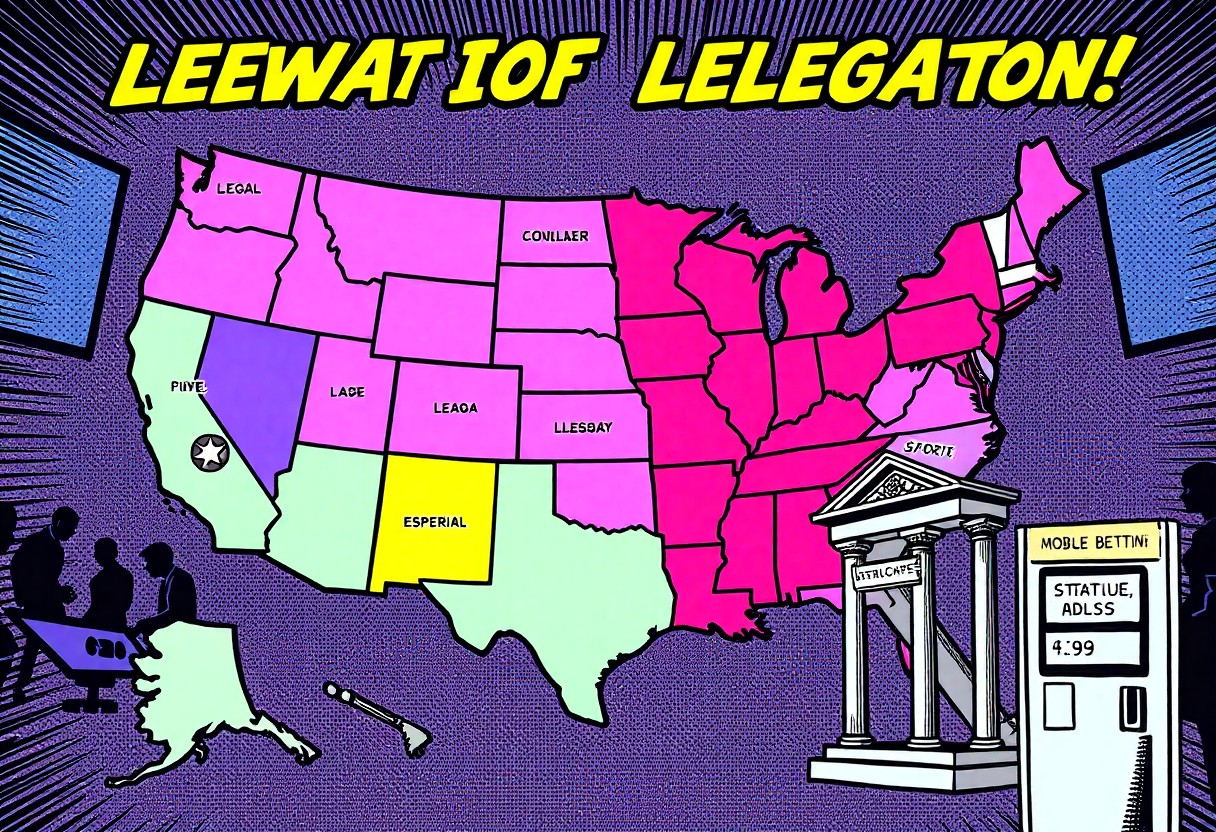
The Evolution of Sports Betting Legislation in the United States
The Repeal of PASPA and its Impact on the Gambling Industry
In 2018, the Supreme Court’s decision to repeal PASPA opened the floodgates for states to regulate their own sports betting. This landmark ruling shifted control from federal restrictions to state legislatures, leading to a rapid expansion of legal sports wagering across the country. As a result, numerous states have embraced the opportunity to create revenue streams from sports betting, reshaping the gambling industry significantly.
With states eager to capitalize on this newfound autonomy, the aftermath of PASPA witnessed a surge in sportsbooks and betting platforms, enhancing consumer choice. Competition in the market increased, tech innovations flourished, and states that legalized betting began to report substantial tax revenues, invigorating local economies.
State-by-State Adoption of Legalized Wagering Frameworks
Individual states have taken varied approaches to implement legalized sports wagering, reflecting regional attitudes toward gambling. Some states rapidly enacted comprehensive betting regulations, while others exhibited caution or chose to delay. This inconsistency has resulted in a patchwork of legal frameworks across the nation.
California and New York emerged as key battlegrounds for sports betting legislation. Both states have seen significant legislative efforts, yet face challenges related to competing interests and potential ballot measures. Observers anticipate that as more states refine their regulations, trends in legal betting could encourage others to follow suit.
Each state’s journey towards legalized sports betting reveals unique legislative hurdles and public sentiment about gambling. As states observe one another’s successes and setbacks, the growing competition fosters an environment where legislative models are tailored for efficiency and economic gain.
Current Legislative Trends and Pending Bills Affecting Esports
Legislative attention has increasingly shifted towards esports betting, reflecting the genre’s surging popularity. Lawmakers are drafting bills to create structures for regulated betting markets, ensuring integrity while protecting consumers. Various states are now studying the potential economic benefits associated with esports wagering.
While some states have already advanced bills aiming to legalize esports betting, others remain hesitant due to concerns about underage gambling. Continuous monitoring of developments in this sector reveals that as esports continues to grow, so will the legislation surrounding it, fostering a thriving environment for both traditional and esports betting.
Recent trends indicate an emerging recognition of the legitimacy and profit potential within esports. As discussions evolve, states are likely to continue refining their regulatory approaches, aligning legal frameworks with the interests of an increasingly engaged audience in the esports community.
The United States Esports Betting Framework Post Legalization
Distinguishing Esports from Traditional Sports and Fantasy Leagues
Esports diverge significantly from traditional sports, primarily due to their digital nature and the virtual environments where they unfold. Unlike physical sports, esports participants compete through digital avatars, which introduces unique dynamics in strategy and gameplay.
Fantasy leagues often revolve around real sports and player performances, whereas esports allow betting on virtual competition outcomes. This distinction leads to different regulatory considerations and betting options in the gambling ecosystem.
Classification of Competitive Titles: MOBA, FPS, and Sports Simulations
Competitive titles in esports generally classify into genres like MOBA (Multiplayer Online Battle Arena), FPS (First Person Shooter), and sports simulations, each with unique rules and gameplay styles. These classifications influence betting markets and engagement levels within the community.
MOBA games such as “League of Legends” focus on team-based strategy, while FPS games like “Counter-Strike” emphasize quick reflexes and aim. Sports simulation games mirror real-life sports, offering fans a familiar competitive experience.
Understanding these genres aids in appreciating the dynamics of esports competitions. MOBA games typically emphasize teamwork and strategy, whereas FPS games test individual skill under high pressure. Sports simulations attract a different audience, as they combine skill-based gameplay with familiar athletic scenarios, driving engagement and betting opportunities.
The Legal Status of Amateur versus Professional Competitions
Amateur and professional competitions present varying legal challenges in the esports betting framework. While professional leagues often adhere to strict regulations, amateur events may lack the same level of oversight, complicating betting practices.
Lack of uniformity in rules across states can create confusion. Clear distinctions between amateur and professional status are important for establishing legal betting avenues that ensure participant protection and integrity in competitions.
Federal vs. State Jurisdictional Oversight
The Role of the Federal Wire Act and UIGEA in Modern Betting
The Federal Wire Act prohibits interstate wagering on sports, posing a significant challenge for esports betting. This law restricts the flow of funds across state lines, complicating operations for online betting platforms. The Unlawful Internet Gambling Enforcement Act (UIGEA) complements this by targeting financial transactions related to unlawful gambling, further complicating the regulatory framework.
Understanding these federal acts helps clarify the boundaries within which states can legislate. States must carefully craft their esports betting regulations to ensure compliance while trying to attract bettors and operators.
State Regulatory Bodies and Gaming Control Board Mandates
Every state that legalizes esports betting establishes its regulatory body, typically a Gaming Control Board. These organizations oversee licensing, ensure compliance with state laws, and protect consumers. Specific mandates can vary, leading to different operational frameworks across states.
Each regulatory body plays a crucial role in setting standards. Transparency, fairness, and responsible gaming must be incorporated into their gaming regulations to create a safe betting environment.
Interstate Compacts and the Challenges of Shared Liquidity
Interstate compacts allow states to share poker and sportsbook liquidity, enhancing player pools and betting options. Challenges arise, such as ensuring compliance with varying state laws and the complexities of revenue sharing. The lack of a unified regulatory framework can hinder optimal partnerships.
Creating effective interstate compacts requires careful negotiation and coordination among states. As more jurisdictions consider esports betting, establishing clear guidelines will be important to facilitate shared liquidity and cooperation.
Licensing Requirements for Esports Wagering Operators
Suitability Standards and Comprehensive Background Investigations
Operators must undergo rigorous suitability assessments, focusing on financial stability, business integrity, and overall suitability to participate in esports betting. These evaluations help establish trust in a competitive environment where players and bettors expect transparency.
Background investigations are thorough, examining past legal issues, regulatory compliance, and fitness for operation. This scrutiny aids in ensuring that only reputable entities engage in the burgeoning market of esports wagering.
Multi-Tiered Licensing: Operators, Suppliers, and Marketing Affiliates
Licensing in esports betting typically involves multiple tiers, addressing not just operators but also suppliers and marketing affiliates. Each tier has specific requirements to ensure accountability and performance standards throughout the ecosystem.
This structure promotes a holistic approach to regulation, enabling efficient management of various stakeholders within the betting process. Ensuring that all parties are appropriately vetted enhances the integrity of esports wagering as a whole.
Multi-tiered licensing creates distinct pathways for operators, suppliers, and marketing affiliates, facilitating accountability throughout the gambling framework. This structure ensures that operators uphold strict regulatory standards while suppliers adhere to quality control measures. Engaging all levels of the ecosystem strengthens overall market trust and compliance.
Compliance Costs and Operational Barriers to Entry for New Platforms
Compliance costs remain a significant obstacle for new platforms entering the esports betting arena. Legal fees, licensing expenses, and ongoing regulatory requirements can impose financial burdens, complicating market entry.
Operational barriers, such as establishing partnerships with payment processors and technology providers, further challenge new entrants. These hurdles can deter potential competitors, limiting diversity in the market and influencing innovation within the industry.
Compliance costs can significantly hinder new platforms’ ability to enter the esports betting market. Initially high legal and operational expenses create a challenging environment, often preventing innovative companies from launching. Addressing these barriers through streamlined processes and financial support could promote healthier market competition and growth.
Integrity and Anti-Corruption Measures in Competitive Gaming
Strategies for Preventing Match-Fixing and Spot-Fixing Incidents
Preventing match-fixing and spot-fixing requires stringent monitoring systems and comprehensive education for players. Organized training sessions about the risks of manipulation and the consequences faced can significantly deter such actions. Employing technology, such as advanced analytics, helps in detecting irregularities and unusual betting patterns that may signal nefarious activities.
Involving players, teams, and stakeholders in developing a culture of integrity is imperative. Establishing clear reporting mechanisms for suspected incidents encourages transparency and accountability within the community. Regular audits and assessments of tournament operations further enhance the protective measures in place.
Collaboration with the Esports Integrity Commission (ESIC)
Working closely with the Esports Integrity Commission (ESIC) is pivotal in the fight against corruption in esports. This partnership ensures adherence to established integrity standards and guidelines formulated to maintain fair play. ESIC’s role in investigating allegations and supporting sanction processes strengthens the commitment to clean competition.
Engagement with ESIC allows for sophisticated training and resources tailored specifically for esports organizations. This collaboration provides vital support to implement effective integrity programs and develop responsible gambling measures across various platforms.
Monitoring Odds Movements and Identifying Suspicious Betting Patterns
Analyzing odds movements forms a cornerstone in detecting potential betting fraud. Betting companies utilize complex algorithms that monitor fluctuations, immediately highlighting unusual changes indicative of match-fixing. These insights facilitate prompt investigations into suspicious betting activities.
Identifying patterns in betting behavior, alongside collaboration with other stakeholders, enhances the monitoring process. Integration of sharing information between operators further fortifies the ecosystem against integrity breaches within competitive gaming.
Consumer Protection and Responsible Gambling Protocols
Age Verification and Identity Management Systems
Effective age verification systems are necessary to ensure that only individuals of legal gambling age participate in esports betting. Operators must implement technology that accurately verifies personal information without compromising user privacy.
Identity management systems play a significant role in maintaining the integrity of esports betting platforms. These systems safeguard users against identity theft and fraud, building consumer trust and ensuring compliance with state regulations.
Self-Exclusion Programs and Mandatory Betting Limits
Self-exclusion programs offer players the option to voluntarily restrict their access to betting platforms, providing an necessary tool for responsible gambling. Implementing these programs is crucial for addressing problematic gambling behavior among users.
Self-exclusion programs can vary in length and terms, allowing individuals to choose how long they wish to restrict their access. This flexibility aims to help those experiencing gambling-related issues regain control over their habits and limits.
Addressing Gaming Disorder and Mitigating Youth Exposure
Addressing gaming disorder requires cooperation between regulators, operators, and healthcare professionals. Strategies must include education and awareness campaigns that inform users about the risks associated with excessive gambling.
Mitigating youth exposure is equally important. Stakeholders need to implement policies that prevent underage access to betting platforms and create safeguards that promote safe gaming environments for young audiences.
Effective measures against gaming disorder involve continuous monitoring and research on gambling behaviors. Educating parents and the broader community about signs of addiction can further bolster protective measures against youth exposure.
The Role of Game Publishers and Intellectual Property Rights
Publisher Control Over Tournament Licensing and Gambling Data
Game publishers maintain significant control over tournament licensing and gambling data. They dictate the rules and frameworks for how esports events operate, impacting the betting landscape. This authority ensures that intellectual property rights are protected while establishing standards for integrity in competitive play.
Publishers also influence data access for betting operators. Licensing agreements often specify conditions related to data sharing, which can affect how odds are set and wagers are accepted. Transparency in these agreements is crucial for maintaining trust between all stakeholders.
Commercial Agreements Between Publishers and Betting Operators
Commercial agreements shape the financial relationship between publishers and betting operators. Collaboration on marketing strategies and promotional events often occur, enhancing visibility for both parties. These contracts can outline revenue-sharing models, ensuring that publishers benefit from the growing wagering market.
Publishers may also specify the types of bets allowed on their games, influencing operator offerings. Clarity in these agreements helps mitigate legal risks and clarifies the parameters within which operators can function.
In-depth negotiations define the terms and conditions of these agreements, often involving complex discussions about data rights, advertising, and revenue splits. As esports betting grows, these contracts will likely evolve, reflecting changes in regulation and market demand.
Legal Precedents of Game Ownership in the Context of Wagering
Legal precedents play a pivotal role in determining game ownership regarding wagering rights. Courts have established frameworks that clarify what publishers own and how these rights affect betting activities. These decisions guide future legislation and the relationship between games and gambling.
Ownership issues can become complicated, especially when third parties seek to monetize or bet on intellectual property. Prior rulings provide foundational interpretations that help stakeholders understand their rights and obligations in esports wagering contexts.
Recent cases illustrate that publishers retain significant control over their intellectual property, impacting how wagering is executed across various platforms. Understanding these legal precedents is crucial for both developers and betting operators to navigate potential disputes and ensure compliance.
Data Rights and Real-Time Information Feeds
The Importance of Official Data versus Unofficial Scraping
Official data sources play a pivotal role in ensuring the integrity and reliability of esports betting. Utilizing sanctioned information not only enhances transparency but also strengthens trust among bettors and operators. Stakeholders relying on verified statistics can better analyze performance, leading to informed wagers.
Unofficial scraping of data often leads to inconsistencies and inaccuracies. Such discrepancies can undermine the betting experience, introducing potential risks for both bettors and platforms. Ultimately, relying on unverified sources can lead to disputes, eroding confidence in the burgeoning esports betting market.
Latency Issues and Their Impact on In-Play Wagering Markets
Latency can significantly affect in-play betting dynamics. When data lags, bettors miss optimal windows for placing wagers, potentially leading to unfavorable outcomes. Consequently, this can deter engagement from users seeking timely and efficient betting experiences.
Real-time processing becomes paramount as gamers participate. Instant updates facilitate informed decisions, but delays can cripple betting opportunities, leaving players frustrated. In a competitive environment, operators must prioritize tech solutions that minimize latency to retain customer satisfaction.
Latency issues can disrupt the flow of in-play betting, diminishing accuracy in decision-making. This affects not just bettors but also the overall perception of betting platforms. Addressing these challenges through innovative technology will be important for sustaining growth in the esports market.
Intellectual Property Disputes Over Live Match Statistics
Disputes surrounding intellectual property rights related to live match statistics are becoming increasingly common. Organizations often hold tightly to the data generated during competitions, which raises questions about who owns the information. Such conflicts could hinder partnerships and slow the evolution of esports betting.
Clear agreements regarding data rights will be fundamental for preventing legal conflicts. As the popularity of esports grows, legal frameworks must adapt to ensure fair usage while protecting proprietary information, allowing for a healthier ecosystem that benefits all parties involved.
Intellectual property disputes can stifle innovation in data usage and distribution. Without clear ownership guidelines, valuable statistics may be underutilized or mismanaged, impacting the quality of betting experiences. Establishing these legal frameworks will be important for fostering a competitive and reliable esports betting environment.
The United States esports betting framework post legalisation
Traditional Banking Challenges and High-Risk Merchant Accounts
Traditional banks often categorize esports betting as a high-risk industry, leading to account restrictions or closures. These challenges complicate transactions, limiting both operators and bettors. Many payment processors shy away from these accounts to avoid regulatory scrutiny and financial losses.
Operators frequently struggle to find reliable banking partners willing to service their accounts. High-risk merchant accounts come with higher fees, which can cut into profit margins. Consequently, the need for alternative payment methods becomes increasingly apparent.
The Rise of Stablecoins and Decentralized Betting Platforms
Stablecoins offer a viable alternative for bettors looking for reliability and speed in transactions. By minimizing volatility, they attract users who prefer cryptocurrency without the typical risks associated with it. Decentralized betting platforms utilizing blockchain technology further enhance security and transparency.
Increases in user adoption and technological advancements signal a shift in how payments are processed. Users can now engage in secure, fast betting experiences without traditional banking obstacles, making stablecoins a significant player in the market.
Anti-Money Laundering (AML) and Know Your Customer (KYC) Standards
Compliance with AML and KYC regulations has become paramount for esports betting operators. Rigorous KYC procedures help verify user identities, reducing the risk of fraud and illicit activities. Failure to implement these regulations can lead to substantial legal consequences, affecting the company’s reputation.
Establishing effective AML protocols fosters a safe betting environment for participants. Operators must remain vigilant in monitoring suspicious activities to comply with increasingly stringent regulatory frameworks.
With the rise of digital innovation, AML and KYC standards are integral to building trust in the esports betting industry. Incorporating these measures not only mitigates risks but also reinforces brand credibility, attracting more users who value security in their betting experiences.
Marketing, Advertising, and Sponsorship Regulations
Restrictions on Targeting Underage and Vulnerable Audiences
Regulatory frameworks impose strict limitations on marketing strategies directed at minors and vulnerable groups. Advertisements for esports betting must avoid platforms and content that appeal primarily to these populations, ensuring compliance with local laws.
Strategies often include the exclusion of youth-centric games and networks known for younger audiences. Through age verification measures and content restrictions, the aim is to protect at-risk demographics from potential gambling-related harms.
Disclosure Requirements for Influencers and Professional Streamers
Transparency is necessary for influencers and streamers promoting esports betting. They are mandated to disclose any sponsorships or financial connections to betting platforms, ensuring viewers are aware of potential biases.
Clearly visible disclaimers and transparent communication enhance trust between content creators and audiences. Compliance with these regulations is paramount to foster a responsible betting environment in the esports community.
Disclosure requirements necessitate influencers to actively inform their audience when promoting betting services. Clear labeling of sponsored content prevents misleading perceptions and aligns with ethical practices in advertising.
Cross-Branding Between Betting Sites and Esports Organizations
Collaborations between betting platforms and esports teams have become increasingly common. However, regulations dictate the nature of these partnerships to ensure ethical practices and protect consumers.
Branding agreements must adhere to guidelines that prevent exploitation of vulnerable individuals, requiring both parties to remain vigilant about their marketing strategies. This collaboration can enhance brand visibility while maintaining responsible practices.
Cross-branding efforts not only heighten recognition but also necessitate a cooperative stance on marketing ethics. Those involved in such partnerships must prioritize responsible messaging that safeguards the integrity of both the esports industry and betting frameworks.
Tax Structures and Revenue Allocation Models
Excise Taxes and Gross Gaming Revenue (GGR) Levies
States implementing esports betting frameworks typically impose excise taxes on operators, generating significant revenue streams. These taxes are often expressed as a percentage of the Gross Gaming Revenue (GGR), which represents the total wagers minus payouts. Variations in tax rates can influence both the competitiveness of the market and the funding available for state initiatives.
Establishing GGR levies varies by jurisdiction, with some opting for tiered structures that incentivize higher stakes betting. By attracting more operators and bettors, states can maximize tax collections while supporting local economies through increased employment opportunities in the esports sector.
Allocation of Funds for Public Education and Problem Gambling Programs
Revenue generated from esports betting is frequently allocated to public education and problem gambling programs. Specific percentages may be mandated by law, ensuring important services receive adequate funding. This allocation not only addresses responsible gaming but also invests in the community’s educational resources.
Programs designed to combat gambling addiction and equip educational institutions for improved awareness are critical. By prioritizing funding in these areas, states demonstrate a commitment to mitigating potential negative consequences associated with increased esports betting participation.
State officials often seek feedback from health professionals and educators to shape effective programs for gambling prevention and education. Prioritizing transparent funding usage can enhance public trust and promote responsible betting practices across demographics.
Economic Impact Assessments on State and Local Jurisdictions
Conducting economic impact assessments is important for understanding how legalized esports betting affects state and local economies. These analyses examine job creation, tourism stimulation, and overall financial benefits attributable to betting activities. Accurate assessments enable policymakers to make informed decisions about regulatory frameworks.
Local jurisdictions might experience varied impacts, with some regions reaping substantial rewards while others could face challenges. Identifying these discrepancies helps allocate resources more effectively and tailor strategies to enhance economic growth across different areas.
Comprehensive assessments consider both short-term influxes and long-term sustainability of economic benefits. Evaluating factors such as infrastructure strain and social costs allows for a balanced perspective on the impact of esports betting across communities.
Emerging Technologies: AI and Blockchain in Esports Betting
Predictive Analytics for Odds Compiling and Risk Management
Predictive analytics plays a pivotal role in enhancing the accuracy of odds in esports betting. Utilizing vast amounts of historical data, AI algorithms can identify patterns and trends that human analysts may overlook, allowing for more precise odds compilation. This analytical approach not only benefits sportsbooks but also provides bettors with informed options.
Risk management strategies significantly improve when adopting predictive analytics. These technologies help sportsbooks assess potential outcomes, better balancing their books and minimizing risk exposure. As the data used becomes more sophisticated, sportsbooks can expect fewer upsets and more predictable betting landscapes.
Smart Contracts for Automated Payouts and Enhanced Transparency
Smart contracts streamline the payout process by automating transactions upon the fulfillment of specific conditions. With the integration of blockchain technology, these contracts execute payments instantly, eliminating delays and manual errors. This automation builds trust in the betting ecosystem, ensuring bettors receive funds quickly and securely.
Enhanced transparency is another major advantage of smart contracts. Every transaction is recorded on the blockchain, providing an immutable and publicly accessible ledger. This visibility fosters accountability among operators and deters fraudulent activities, reassuring players about the integrity of the betting process.
By employing smart contracts, esports betting platforms ensure a reliable and honest experience for all participants. This technology not only simplifies the mechanics of payments but also establishes a trustworthy environment that supports responsible gaming practices.
Virtual Reality (VR) and Immersive Betting Experiences
VR technology transforms traditional betting into immersive experiences that engage users on a deeper level. Imagine placing bets while watching live gameplay in a virtual arena, where the intensity of the competition surrounds you. This shift toward experiential betting can significantly enhance user engagement and satisfaction.
Furthermore, VR environments create unique opportunities for social interactions among bettors. Users can share their experiences, strategies, and celebrate wins in a shared virtual space, fostering a sense of community. This interactive approach sets the stage for a new era in sports betting that extends beyond mere transactions.
Immersive betting through VR not only makes betting more exciting but also personalizes the experience. Users can customize their virtual environments, choose their viewing angles, and engage in real-time discussions with fellow fans, transforming the betting process into an engaging event rather than just a financial transaction.
Future Outlook and Market Projections
Consolidation Trends and Mergers within the Betting Industry
Mergers and acquisitions are increasingly shaping the betting industry as companies seek to enhance their market positions post-legalization. As the demand for esports betting rises, larger entities may acquire smaller firms to diversify their offerings and access new technology platforms.
Beyond market expansion, these consolidations will likely streamline operations and create more comprehensive betting experiences for consumers. This trend can also lead to improved regulatory compliance and risk management strategies as firms combine resources and expertise.
The Expansion of Esports Betting into New Demographics
New demographics are showing interest in esports betting, moving beyond traditional gaming enthusiasts. The integration of esports into mainstream culture is attracting younger audiences, particularly millennials and Gen Z, who are eager to engage in interactive entertainment. This shift provides significant opportunities for targeted marketing strategies to appeal to these segments.
Increased awareness and accessibility can also trigger growth in esports betting among female audiences, challenging stereotypes associated with gaming. By focusing on inclusive marketing practices and promoting diverse gaming events, operators can tap into a broader customer base, enhancing industry profitability.
Global Influence on the Evolving United States Regulatory Framework
Regulatory frameworks worldwide significantly impact how esports betting is shaped in the United States. Countries with established esports betting regulations provide valuable case studies for U.S. lawmakers, helping to inform best practices and compliance measures.
As international markets mature, U.S. regulatory bodies may adopt similar provisions, ensuring that laws align with both safety standards and market demands. Observing global trends aids in creating a balanced approach that can accommodate both industry growth and consumer protection.
Global practices in esports betting serve as blueprints for U.S. regulation. Policymakers can adapt successful regulations from other regions to address challenges unique to the American market, thus ensuring a competitive yet responsible gaming environment.
Final Words
Considering all points, the United States esports betting framework post-legalization has seen rapid development. States have begun to craft regulations that accommodate the unique characteristics of esports, including the integration of various betting formats, player protection measures, and revenue tax structures.
The competitive nature of the esports industry fosters innovation in betting practices, appealing to a younger demographic. Ongoing collaborations between esports organizations and betting companies may shape future policies, ensuring a balanced approach that promotes responsible gambling while enhancing fan engagement.
Q: What is the current legal status of esports betting in the United States?
A: Esports betting has gained legal recognition in several states following the repeal of PASPA in 2018. States like New Jersey, Pennsylvania, and Nevada have established regulations for esports betting. Each state has its own laws, requiring bettors to check local provisions before engaging in wagering on esports events.
Q: How are esports betting markets regulated?
A: Regulation of esports betting varies by state. Typically, state gaming commissions oversee the licensing of sportsbooks. Operators must adhere to regulations that include age verification, responsible gambling measures, and transparency in odds and payouts. Some states have specific provisions tailored to esports, addressing the unique nature of competitive gaming.
Q: What types of esports events can be bet on legally?
A: Bettors can legally wager on a wide range of esports events, including popular titles such as League of Legends, Dota 2, and Counter-Strike: Global Offensive. The scope of available events depends on state regulations and agreements with esports leagues. Live betting, futures, and prop bets may also be offered subject to local gambling laws.