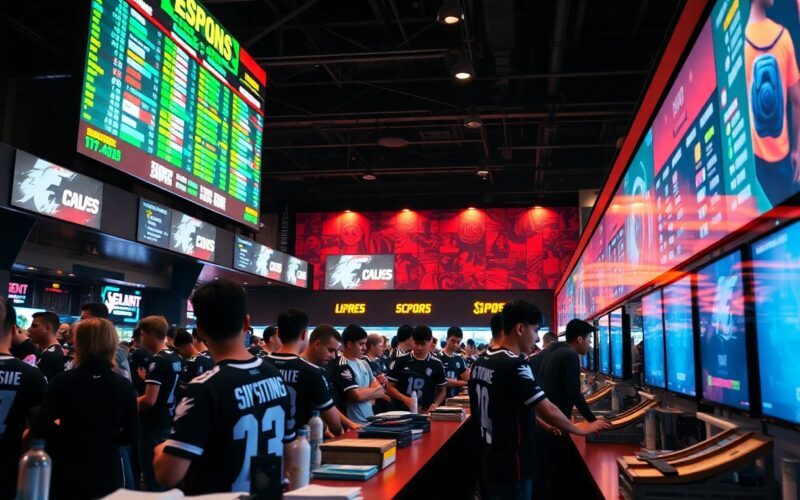






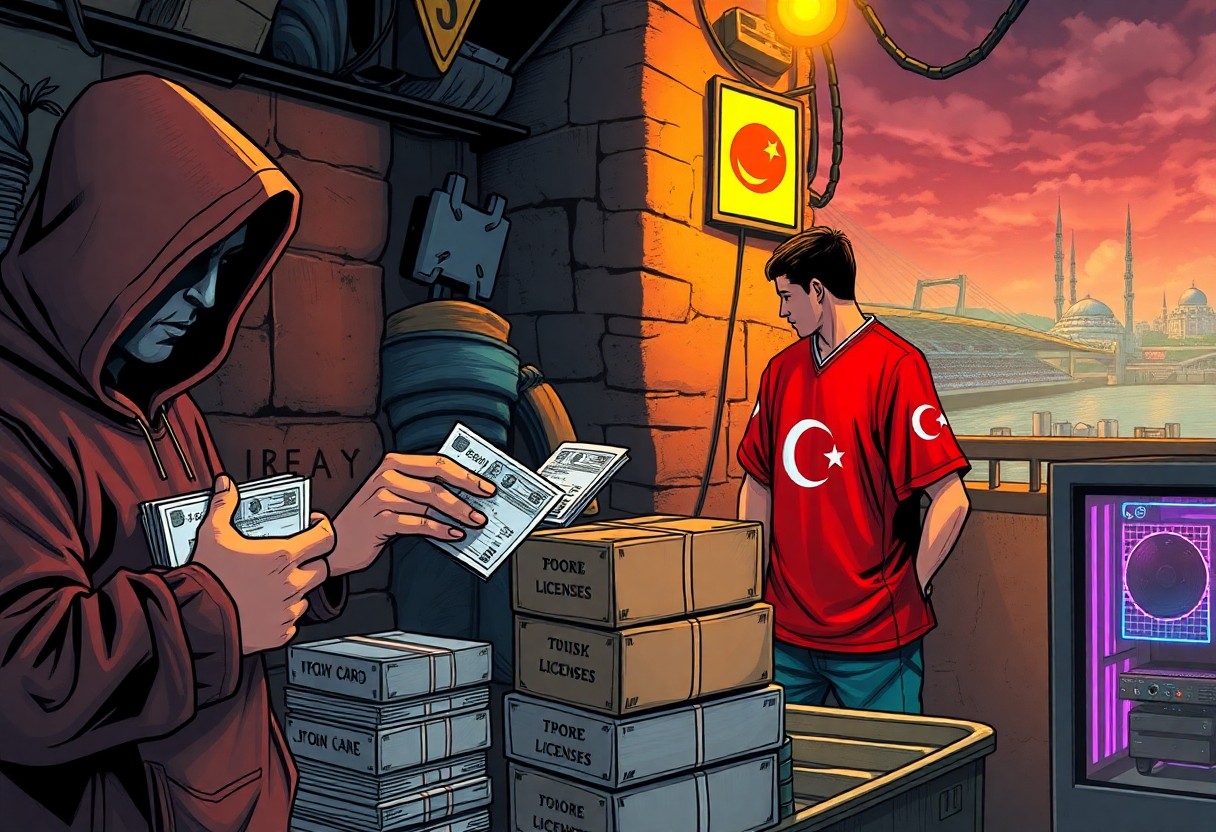
It’s necessary to understand how the Turkish grey market influences esports, shaping player interactions, sponsorships, and audience engagement. This market operates outside official frameworks, raising questions about legality, ethics, and the sustainability of esports in Turkey.
The Socio-Economic Drivers of the Turkish Gaming Market
Rapid growth of the youth demographic and digital adoption rates
Turkey’s youth population, comprising a significant portion of its demographic, is increasingly drawn to digital platforms. This generation demonstrates high engagement with online gaming, creating a surge in demand for esports. As smartphones and internet access become more widespread, young people are connecting and participating in gaming communities like never before.
Digital literacy rates are also climbing, with education systems adapting to incorporate technology. This shift not only promotes gaming but also encourages the pursuit of related careers, enhancing the overall growth trajectory of the Turkish gaming market.
Macroeconomic volatility and the decline of local purchasing power
The Turkish economy experiences fluctuations that impact consumer spending power. High inflation and currency devaluation limit disposable income, making it tough for gamers to afford premium gaming equipment and subscriptions. This economic pressure often pushes players toward the grey market for cheaper alternatives.
As purchasing power declines, players increasingly resort to unofficial channels, affecting the esports ecosystem. The reliance on these grey markets complicates legitimate growth opportunities for game developers and sponsors.
The expansion of internet cafe culture into professional esports hubs
Internet cafes have historically served as social spaces for gamers, but their role is evolving. Many are transitioning into esports hubs, offering competitive environments and professional training resources. This shift appeals to aspiring players while attracting attention from sponsors and organizations.
These hubs not only enhance player skills but also foster community, creating a supportive ecosystem for esports. Co-hosting tournaments and events heightens local interest, further establishing these spaces within the esports culture.

Mechanics of Regional Pricing and Global Exploitation
How publishers calculate localized pricing for the Turkish Lira (TRY)
Publishers often analyze local economic conditions and purchasing power parity to set prices in Turkish Lira. This pricing strategy aims to balance profitability while ensuring accessibility for the local consumer base. Factors such as inflation rates and average local incomes play a significant role in these calculations.
Localized pricing can result in significant discrepancies compared to global rates, driven by the Turkish Lira’s volatility. As the currency fluctuates, publishers may need to adjust their strategies to maintain competitive pricing without alienating their audience.
The methodology of VPN-based regional switching for international buyers
Utilizing VPNs, consumers can change their apparent geographical location to take advantage of lower prices in different regions. This practice allows international buyers to access games and in-game purchases at rates significantly reduced compared to their local markets. VPNs effectively mask the buyer’s actual IP address, creating a loophole in regional pricing structures.
This method poses challenges for publishers who may struggle to enforce regional restrictions. As players exploit these vulnerabilities, companies face increased pressure to adapt their strategies to protect revenue while considering player experience across different regions.
Discrepancies between platform-suggested rates and real-time market value
Disparities often arise between official platform prices and actual market values in Turkey. Localized prices may not accurately reflect the current demand or purchasing power, leading to situations where consumers find better rates through alternative channels. This misalignment can influence consumer behavior significantly.
Long-term implications of these discrepancies include a potential erosion of brand loyalty, as players turn to unauthorized sources for savings. Publishers may need to rethink their pricing strategies to align rates with real market conditions and enhance player satisfaction.
The Architecture of Turkish Grey Market Platforms
Profile of Major Domestic Third-Party Marketplaces and E-Pin Providers
Turkish grey market platforms primarily center around prominent local players such as N11 and GittiGidiyor, which facilitate the exchange of virtual goods. E-pin providers, like Hızlı Epin, thrive by offering digital keys and currency for various gaming titles, appealing to a gaming audience seeking affordable options. These entities often operate outside mainstream regulation, enabling them to offer competitive pricing.
Many of these marketplaces focus on user experience, ensuring streamlined interfaces that cater to gamers’ needs. Trustworthiness often hinges on user reviews and community feedback, reinforcing the informal yet impactful nature of these platforms in the larger gaming ecosystem.
Integration of Local Mobile Payment Systems and Domestic Bank Transfers
Local mobile payment systems, such as BKM Express, play a significant role in the Turkish grey market, allowing users quick transactions for digital content. Integration with domestic bank transfers enhances accessibility, targeting a demographic that may prefer local solutions over international options. This blend of payment methods drives user engagement and retention.
Transaction costs remain low compared to international services, making these platforms attractive for the local gaming community. Security features are often emphasized, catering to concerns surrounding online transactions and trust in the marketplace.
The Transition from Informal Forums to Professionalized E-Commerce Entities
Informal forums initially dominated the Turkish grey market, where users exchanged tips and connections for accessing gaming resources. This grassroots environment laid the foundation for a transition into organized e-commerce entities as demand increased for secure, efficient platforms. Professionalization is evident in branding, customer support, and marketing strategies.
Many former forum participants have transitioned into running these e-commerce platforms, bringing community insight that shapes user-centric services. This evolution has not only garnered legitimacy but also attracted a broader audience, contributing to the market’s growth.
Arbitrage in In-Game Currencies and Digital Assets
Mass purchasing of Riot Points and V-Bucks via regional gift cards
Regional gift cards allow players to acquire in-game currencies like Riot Points and V-Bucks at significantly lower prices. By exploiting regional pricing differences, players can capitalize on currency fluctuations to maximize their purchasing power. This practice is particularly prevalent in countries with weaker economies, where digital content often costs much less than in more developed markets.
Using these gift cards enables gamers to access a broader range of in-game purchases without incurring the full price. Retailers often have limited stock of these cards, leading to increased demand and potential shortages. As players become more aware of these opportunities, the grey market continues to thrive.
The resale of skins and vanity items through cross-border trade bots
Cross-border trade bots facilitate the resale of in-game skins and vanity items, creating an underground economy that thrives on price disparities. Players use these bots to purchase rare items from markets where they are undervalued, only to resell them at a premium in more lucrative regions. This dynamic underscores the disparity in demand and supply across different geographic areas.
As these trade bots gain in sophistication, they streamline transactions and increase the volume of trades. The convenience offered by such technology allows for rapid turnover of items, making it an appealing option for both buyers and sellers in the grey market.
Implementing trade bots has transformed the purchasing process, allowing players to circumvent traditional restrictions. This technology automates price comparisons and transactions, enabling quicker acquisitions of desired skins and items. As a result, players can tap into a more extensive selection, often at a fraction of the price presented in their local markets.
Exploitation of the “Gifting” mechanic to bypass platform restrictions
Utilizing the “Gifting” mechanic allows players to bypass platform restrictions effectively. Players often exploit this feature to send in-game items to friends across different regions, circumventing localization barriers. By doing so, they can take advantage of regional pricing discrepancies, acquiring exclusive items that would typically be unavailable in their market.
This practice creates a loophole that undermines the intended fairness of pricing strategies. Gifting becomes a means to access high-demand items without regard for the associated regional limits, resulting in a more competitive secondary market for in-game assets.
The Proliferation of Account Trading and Boosting Services
Industrialized high-rank account farming in League of Legends and VALORANT
Account farming has reached industrial levels in games like League of Legends and VALORANT. Profit-driven services create high-rank accounts through intensive gameplay, tapping into the demand from aspiring players who seek quick success without investing the time. This process has led to a sharp increase in the availability of high-tier accounts, reshaping competitive play.
Automation and strategic play styles dominate this farming approach. Organizations capitalize on algorithms and refined techniques to ensure efficiency. As a result, obtaining a highly-ranked account has never been easier, thereby undermining the integrity of competitive environments.
The supply chain of “smurf” accounts optimized for the European (EUW) market
A system specialized in creating “smurf” accounts for the European market has developed rapidly. Buyers often seek lower-ranked accounts to dominate matches effortlessly, ensuring a constant cycle of demand. This supply chain thrives on user accessibility, appealing to those wanting quick wins.
Sellers in this arena understand the nuances of the European player base. They efficiently tailor accounts to meet regional preferences and competitive trends, enhancing the appeal for domestic users seeking an advantage. This localized approach exponentially increases transaction rates.
Buyers seeking “smurf” accounts find tailored offerings that often align with popular game strategies. Sellers prioritize account features, ensuring characters possess desirable skins or ranks that resonate with European players. Such attention to detail not only boosts sales but also strengthens the market’s appeal.
Economic incentives for local players providing professional rank-boosting
Local players providing rank-boosting services discover significant economic incentives. The financial gains from offering these services exceed traditional job opportunities, especially in a competitive gaming culture. Flexible hours and the potential for high earnings make this option appealing to many gamers.
Each successful rank boost translates into tangible income, attracting a growing number of participants. Players often engage in this side hustle, creating a self-sustaining economy where demand meets skilled service. This phenomenon further perpetuates the cycle, drawing even more players into the boosting game.
Strategic Responses from Major Game Publishers
Case study: Valve’s transition to USD pricing in the Turkish region
Valve’s decision to set USD pricing for its titles in Turkey exemplifies a targeted approach to the unique economic environment. By aligning prices with global standards, Valve hopes to minimize the appeal of grey market transactions, ensuring that local players pay a price reflective of international currency valuations.
This strategy also highlights a commitment to creating parity in gaming access. Players may now experience less confusion regarding pricing, thus mitigating the likelihood of engaging with unofficial markets.
Implementation of stricter KYC (Know Your Customer) for payment methods
Stricter KYC regulations aim to authenticate users and prevent fraudulent activities tied to payment methods. By requiring comprehensive identification verification, publishers can limit risk and ensure legitimate transactions occur within the gaming ecosystem.
Implementing such measures also serves to enhance trust among players. A well-regulated payment environment can deter engagement with the grey market, as users may find more security and reliability in official channels.
More stringent KYC processes can result in longer transaction times, but they also fortify the overall security of online transactions. Game publishers stand to benefit by fostering a safer community that discourages grey market participation.
The effectiveness of hardware ID (HWID) and IP-based geofencing tactics
HWID and IP-based geofencing are increasingly employed to combat grey market activities. By tracking unique hardware identifiers and limiting access based on geographical location, publishers can effectively restrict unauthorized users from accessing their platforms.
Such tactics can significantly reduce the incentive for players to seek grey market options, as legitimate access becomes easier to monitor and control. These measures establish a clearer boundary between authorized and unauthorized use of gaming platforms.
The reliance on HWID and IP-based geofencing offers a dual advantage of securing platforms and creating a fairer playing field. Game publishers can tailor their offerings more effectively to specific regions, aligning better with local market dynamics while simultaneously reducing grey market incidents.
The Role of Payment Gateways and Financial Intermediaries
How Turkish fintech startups facilitate secondary market transactions
Turkish fintech startups have emerged as key players, streamlining secondary market transactions within esports. Providing localized solutions, these platforms allow gamers to buy, sell, and trade digital assets efficiently, circumventing traditional barriers and improving accessibility.
Offering diverse features, these startups enhance transaction speed and security. By integrating local payment methods, they enable users to engage with the secondary market without the challenges typically associated with international financial systems.
The use of prepaid cards and digital wallets in bypassing international blocks
Prepaid cards and digital wallets have become vital tools for Turkish gamers seeking to bypass international payment restrictions. These alternatives provide a layer of anonymity and flexibility, allowing users to participate in global market activities without directly exposing their financial information.
Utilization of these payment methods reduces transaction fees and delays often associated with traditional banking systems, enhancing the overall user experience in the esports ecosystem.
Many gamers rely heavily on prepaid cards due to their ease of use and ability to sidestep restrictions imposed by local banks or international services. Digital wallets further augment this by enabling instant transfers and broader access to digital goods, ensuring that the flourishing esports market remains accessible to Turkish players.
Regulatory challenges for the Central Bank of Turkey regarding digital goods
The Central Bank of Turkey faces ongoing regulatory hurdles as it seeks to manage the burgeoning market for digital goods. Striking a balance between encouraging innovation in fintech while safeguarding consumer interests poses a significant challenge.
Implementing regulations that keep pace with rapid technological advancements remains difficult. As the market for digital goods expands, ensuring compliance and monitoring transactions becomes increasingly complex and resource-intensive for the Central Bank.
The rapid evolution of digital marketplaces necessitates that the Central Bank of Turkey adjusts its regulatory framework. Innovative solutions are needed to protect consumers while supporting the growth of local fintech startups, ultimately influencing the dynamics of the esports industry in the country.
The Impact on the Professional Turkish Esports Ecosystem
Revenue leakage for local organizations due to unofficial sponsorship channels
Local esports organizations in Turkey struggle with revenue leakage as unofficial sponsorship channels siphon funds that could benefit legitimate teams. Unregulated sponsorship agreements often lead to a lack of transparency, making it challenging for organizations to secure stable income streams.
Consequently, this situation stunts the growth of local talent and hampers the overall development of the esports scene. With legitimate sponsorship options diminished, teams face difficulty in attracting investments that could elevate their performance and visibility.
The effect of grey market economies on player salaries and team funding
Grey market economies adversely affect player salaries as teams in Turkey find themselves unable to compete with the financial backing of unofficial sponsorships. Substantial disparities arise, leading players to migrate to organizations that can promise better compensation and resources.
This competitive imbalance ultimately widens the gap between top-tier organizations and local teams, challenging their sustainability. Long-term consequences include diminished talent retention, making it harder for the Turkish esports ecosystem to thrive.
Distortion of player statistics and matchmaking integrity due to boosting
Boosting services present a significant threat to player statistics and matchmaking integrity. Players often resort to these services to artificially enhance their ranks, undermining fair competition and eroding the trust among participants. Such activities distort the true skill levels within the community, skewing matchmaking algorithms and leading to frustrating experiences for legitimate players.
As a result, the overall quality of matchmaking suffers, making it increasingly difficult for genuine talent to shine. Communities become fragmented as players question the reliability of ranking systems, weakening the competitive spirit crucial for growth in esports.
The Turkish grey market dynamic in esports
Current Turkish e-commerce laws regarding the resale of digital licenses
Turkish e-commerce laws currently lack specific regulations governing the resale of digital licenses, creating ambiguity for sellers and buyers alike. This absence allows grey market operations to flourish, as individuals can exploit loopholes without legal repercussions.
Without stringent guidelines, digital products often change hands without proper authorization from original publishers. This scenario complicates consumer rights protection and undermines the integrity of legitimate distribution channels.
The lack of specific legislation targeting virtual currency arbitrage
Virtual currency arbitrage thrives in an environment devoid of specific legal frameworks in Turkey. Unregulated exchanges enable users to profit from price discrepancies across platforms, often leaving them vulnerable to fraud and market volatility.
Absence of oversight fosters a risky ecosystem, where traders may not have recourse if transactions lead to losses or disputes. This situation perpetuates a cycle of unaccountability that undermines trust in the market.
Jurisdictional hurdles in prosecuting cross-border digital fraud cases
Jurisdictional complexities hinder effective prosecution of digital fraud occurring across borders. Each country has its own regulations, often leading to conflicting laws that complicate enforcement actions.
Legal frameworks differ significantly, making collaboration between nations challenging. This results in numerous cases remaining unresolved, as law enforcement agencies grapple with varying statutes and lack of international agreements.
The Turkish grey market dynamic in esports
The link between grey market keys and international credit card “carding”
Illegal grey market keys often originate from stolen credit card information, a practice known as carding. This transaction links buyers in Turkey to stolen credentials, facilitating a breach of trust within the global esports community. Individuals purchasing these keys may unknowingly be participating in a larger cycle of fraud that affects legitimate game developers and players alike.
Trust issues arise when payment systems are exploited for unauthorized game keys, leading to significant financial repercussions for companies. The ripple effects of this nexus degrade the integrity of transactions across international borders, posing challenges for regulation and enforcement in cybersecurity.
Risks of account hijacking and phishing through third-party resellers
Account hijacking rates escalate with the use of third-party resellers for game keys. Unsanctioned vendors frequently employ phishing tactics to lure gamers, leading to compromised accounts and stolen personal information. Consumers seeking cheaper alternatives become targets for these malicious activities.
Such practices not only compromise individual accounts but also jeopardize the security of the broader esports community. Once accessed, hijacked accounts can be exploited further, resulting in extensive damage to both personal and financial assets.
Malware distribution via unofficial game launchers and regional bypass tools
Unregulated game launchers and bypass tools frequently facilitate malware distribution. Unsanctioned downloads often harbor malicious software, risking users’ devices and personal data. In the quest for discounted gaming, players expose themselves to significant security vulnerabilities.
Malware can lead to everything from data theft to system corruption, with long-lasting implications for individual gamers and the gaming ecosystem. The temptation of free or cheap access to games clouds judgment, making education on these risks paramount.
The Turkish grey market dynamic in esports
Moral justification of regional pricing exploitation by Western consumers
Many Western consumers rationalize their use of grey market platforms by citing economic disparities. Perceived fairness is often skewed; characters are viewed as mere digital assets rather than the products of labor and investment. This attitude enables consumers to overlook the ethical implications of supporting a system that undermines local economies.
Justifying these actions often hinges on a belief in “market forces,” where supply and demand dictate prices. Such reasoning creates a dissonance in understanding the implications of these purchases in regions facing significant financial barriers.
The necessity of the grey market for Turkish players’ access to titles
Access to popular gaming titles is a challenge for many Turkish players due to high local prices. Grey market options offer a lifeline, enabling gamers to purchase games at prices more in line with their economic situations. This practice allows wider participation in a global gaming community that would otherwise exclude them based on cost.
Turkish players frequently turn to grey market vendors because official prices are often prohibitively high. The absence of affordable options creates a vacuum filled by grey markets, making them crucial for equitable gaming access.
Long-term damage to the perception of fair play in digital economies
Long-term reliance on grey markets can degrade trust within digital economies. Players may begin to accept exploitation as the norm, shifting expectations around fairness and value. This shift fosters an environment where ethical considerations are disregarded, eroding the perceived integrity of gaming as a whole.
Over time, the normalization of these practices may lead to a culture where price manipulation becomes acceptable. Such changes could have far-reaching repercussions, influencing future market dynamics and altering gamers’ relationships with developers and publishers.
The Technological Evolution of Grey Market Operations
The use of automated bots for real-time price monitoring and bulk buying
Automated bots have transformed grey market operations by enabling real-time price tracking for in-demand esports items. By continuously monitoring multiple platforms, these bots allow sellers to quickly adapt pricing strategies based on market fluctuations.
Bulk buying capabilities further enhance competitiveness, allowing traders to purchase large quantities of sought-after items before retail stock can replenish. This results in a rapid turnover, making it difficult for legitimate vendors to compete effectively.
Decentralized marketplaces and the potential shift to cryptocurrency
Decentralized marketplaces are gaining traction as they provide more anonymity and less regulation compared to traditional platforms. These peer-to-peer environments enable buyers and sellers to negotiate directly, reducing overhead costs.
The potential shift to cryptocurrency enhances the attractiveness of these marketplaces by facilitating instant transactions and minimizing the risks associated with currency exchange. As acceptance of cryptocurrencies grows, grey market operations can become increasingly covert and efficient.
Such decentralized models could reshape the economic dynamics of esports, allowing for greater fluidity in transactions and fostering a community less reliant on traditional banking systems. Cryptocurrency’s inherent lack of regulation can empower users to engage in trade without the interference of regional restrictions.
AI-driven social engineering for gaining access to restricted regional accounts
AI technologies can exploit social engineering tactics to gain unauthorized access to restricted esports accounts. By analyzing user behavior and crafting convincing personas, hackers can manipulate individuals into revealing sensitive information.
Tactics employed often include phishing schemes and tailored messaging that resonate with specific target demographics. Such methods not only undermine individual account security but also erode the integrity of overall competitive play in esports.
Social engineering techniques powered by AI allow malicious actors to execute attacks with unprecedented precision. As these technologies evolve, maintaining security against sophisticated manipulation strategies becomes increasingly imperative for both users and platform operators.
Comparative Analysis with Other Regional Grey Market Hubs
| Market | Unique Characteristics |
|---|---|
| Turkey | Bridging Europe and MENA with a mix of cultural influences. |
| Argentina | High dependency on regional pricing amid economic instability. |
| Russia | Strong government regulation and varying market access. |
Contrasting the Turkish market with the Argentinian and Russian dynamics
Turkey’s esports market provides a unique confluence of cultural crossroads, significantly influenced by both European and MENA elements. In contrast, Argentina struggles with hyperinflation, severely impacting purchasing power and driving users to rely on grey market solutions to access games and in-game purchases.
Russia’s dynamic is marked by stringent government regulations, leading to a more fragmented market where access to international titles can be limited. This regulatory framework creates a stark difference, as Turkish gamers often benefit from broader access alongside a burgeoning competitive scene.
Turkey as a strategic bridge between European and MENA esports markets
Turkey’s position uniquely situates it to facilitate exchanges between European and MENA esports markets. The country’s increasing internet penetration and popularity of competitive gaming create a thriving hub for talent and investment.
Hosting numerous tournaments that attract international attention, Turkey serves as a strategic launchpad for studios aiming to penetrate either market. This geographic and cultural positioning fosters collaboration and innovation, widening the scope for partnerships in the esports industry.
Turkey’s role in connecting European and MENA markets is bolstered by its vibrant gaming community and international partnerships. Local developers and players often engage with global trends, creating a dynamic ecosystem. As international interest grows, Turkey’s influence in shaping the regional esports narrative becomes increasingly pronounced, making it a focal point in discussions about market trends and opportunities.
Lessons learned from the collapse of regional pricing in South America
The downfall of regional pricing in South America offers critical insights for markets like Turkey. Rapid shifts in economic conditions have shown how volatile pricing structures can lead to loss of support for local gamers. As digital transactions become increasingly scrutinized, the need for stable pricing models is more pressing than ever.
Regaining consumer trust depends on developing sustainable economic strategies that consider local realities. Flexibility and transparency in pricing can prevent the fallout observed in South America, allowing markets like Turkey to thrive without encountering similar pitfalls.
The experiences from South America highlight the risks associated with volatile pricing strategies. As the esports community evolves, maintaining a balance between affordability and market sustainability becomes necessary to avoid repeating past mistakes. By addressing these challenges proactively, Turkey can strengthen its grey market dynamics and maintain a competitive edge.
Summing up
Conclusively, the Turkish grey market in esports operates on complex dynamics influenced by cultural, economic, and regulatory factors. High demand for gaming products and limited access to legitimate channels has led to a flourishing underground economy, impacting both local and international brands.
This situation reflects broader trends in digital consumption and presents challenges for regulators and businesses alike. Addressing grey market issues necessitates tailored strategies that consider local consumer behavior while promoting legitimate market growth.
Q: What is the current state of the grey market for esports in Turkey?
A: The grey market in Turkish esports involves unauthorized transactions, where players purchase in-game items or accounts outside official channels. Many gamers prefer this route due to lower prices and the availability of rare items. This practice raises concerns over legal implications and the quality of products, impacting both players and developers.
Q: How does the Turkish grey market affect legal esports organizations?
A: National esports organizations face challenges from the grey market, which can undermine sponsorship deals and official merchandise sales. The grey market diminishes the revenue stream for legitimate entities, leading to potential instability in the ecosystem. Organizations must find ways to combat these unauthorized sales to maintain financial viability.
Q: What measures are being taken to regulate the grey market in Turkey?
A: Authorities and esports organizations are collaborating to address grey market activities through awareness campaigns and stricter enforcement of regulations. Initiatives include educating players about the risks of using grey market services and enhancing the legal framework governing esports transactions. Progress in these areas aims to legitimize the industry further.