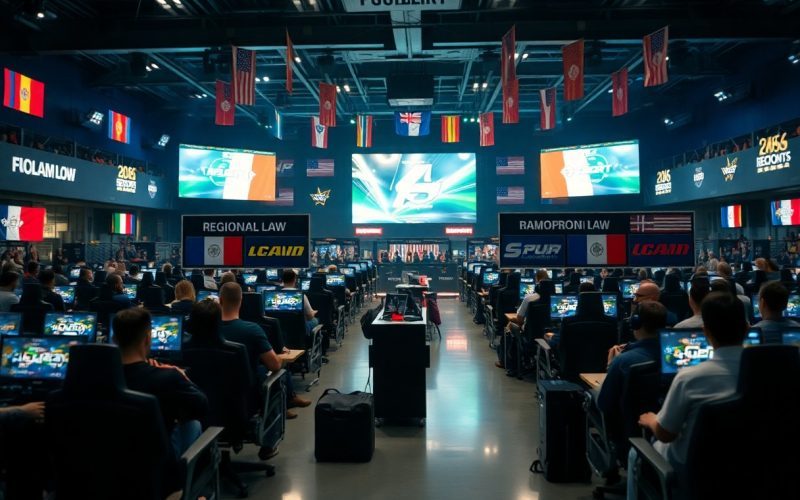
Just as global LAN events surge in popularity, they significantly impact cash flow for businesses involved. Understanding the factors that contribute to this volatility can help organizations better manage their finances and capitalize on emerging opportunities during these major gatherings.
Cash Flow Volatility During Global LAN Events
Historical Evolution of Offline Tournament Prize Pools and Structures
Prize pools for offline tournaments have transformed dramatically over the past two decades, evolving from modest cash awards to multi-million-dollar competitions. Early events offered minimal incentives, often relying on community donations and sponsorships to drive participation.
Recent years have seen massive increases in prize pools, thanks to mainstream adoption and the rise of dedicated sponsors. Leading tournaments, such as The International, now showcase prize pools exceeding $40 million, drawing attention from both competitors and audiences alike.
Primary Revenue Streams: Sponsorships, Media Rights, and Ticketing
Sponsorships remain a cornerstone of revenue for LAN events, allowing brands to connect with engaged audiences. Major companies invest heavily in esports, promoting their products through event branding and team affiliations.
Media rights also contribute significantly, with platforms securing exclusive broadcasting deals to capitalize on growing viewership. Ticketing for live audiences offers another revenue stream, providing fans a unique experience and a chance to witness the action firsthand.
Combining these revenue streams, tournament organizers can create financially sustainable models that cater to fans while ensuring event longevity. The growth of esports has attracted a variety of sponsors, ranging from tech companies to consumer goods brands, diversifying the sources of income.
The Role of Physical Venues in Local and Regional Esports Economies
Physical venues play a crucial role in shaping local and regional esports economies through job creation and tourism. Hosting major tournaments can significantly impact local businesses, increasing foot traffic and overall economic activity.
As esports popularity surges, communities often see a rise in connected activities such as cafes and gaming centers, further enriching the local culture. The presence of these venues creates opportunities for new talent, fostering a thriving ecosystem.
Defining Cash Flow Volatility in Esports Organizations
Distinguishing between operational overhead and tournament-based income
Operational overhead encompasses the day-to-day expenses incurred by esports organizations, including salaries, rent, and utilities. These costs remain relatively stable, creating a baseline financial expectation that teams must meet consistently.
Tournament-based income, in contrast, relies on sporadic revenue from event winnings, sponsorships, and media rights. This income can fluctuate dramatically, depending on a team’s performance and the prestige of the events in which they compete, leading to significant cash flow volatility.
Key variables affecting liquidity during high-stakes competitions
Liquidity during high-stakes competitions hinges on several factors, including entry fees, potential prize pools, and sponsorship deals. Teams must assess these elements to gauge financial positioning as the stakes rise.
Accurate forecasting of attendance, viewership, and merchandising opportunities further influences cash flow adequacy. These variables often shift dramatically within the esports environment, making effective liquidity management imperative.
Planning for cash flow volatility requires teams to consider variables such as payment timelines and the market demand for their players. Teams may face delayed payments from tournament organizers or sponsors, impacting liquidity profoundly. Balancing short-term financial obligations with potential long-term gains becomes critical in maintaining operational stability during peak competition periods.
The psychological and financial impact of performance-based incentive structures
Performance-based incentives within esports organizations introduce both psychological pressures and financial implications. While these incentives can motivate players to excel, they also increase stress, which may affect overall performance during critical events.
Financially, the reliance on results-driven earnings can lead to erratic cash flows for players and organizations alike. A poor tournament performance could result in significant revenue loss, creating a cycle of anxiety that further hampers player effectiveness.
Understanding the dual nature of these structures reveals the need for balance. Organizations must design incentive plans that encourage achievement without overwhelming players with pressure, ultimately striving for both high performance and financial stability.
Pre-Event Capital Expenditures and Financial Risk
Logistics, International Travel, and Premium Accommodation Overheads
Organizing global LAN events incurs significant logistics costs, particularly related to international travel and premium accommodations. Teams often require last-minute flights, which can be costly, especially if travel restrictions are in place. Ensuring comfortable lodging for players and staff is necessary, adding another layer to the financial burden.
These overheads can cause substantial cash flow fluctuations as expenses accumulate before any revenue is generated. Budgeting accurately for these factors is necessary to mitigate financial risk as the event approaches.
Bootcamp Costs and Specialized Coaching Investments Prior to Competition
Investing in boot camps and specialized coaching before competitions has become a common practice for teams. These programs aim to improve team synergy and overall performance, but they require significant financial commitment. Quality coaching and training facilities come at a high price, impacting cash flow as teams prepare for major events.
Without strategic planning, these upfront costs can strain budgets, especially if success in the event doesn’t result in proportional returns. Ensuring a balance between investment and potential payout is necessary for financial stability.
Marketing and Sponsorship Activation Liabilities in a Live Environment
Marketing initiatives and sponsorship activations during live events create additional financial responsibilities. Companies often commit to high-impact campaigns to maximize visibility, leading to substantial liabilities. The unpredictability of audience engagement can complicate these financial commitments, increasing cash flow volatility.
Without careful evaluation, brands may find themselves overextending financially, especially if expected returns fail to materialize or if the audience responses are not as anticipated. Analyzing previous events can aid in more accurate forecasting for future engagements.
Revenue Fluctuations During Event Execution
Real-time Merchandise Sales and Physical Audience Engagement Metrics
Real-time tracking of merchandise sales provides invaluable insights during global LAN events. Fluctuations in sales data reflect audience engagement levels, enabling timely stock adjustments and targeted marketing efforts on-site.
Audience engagement metrics can significantly influence merchandising strategies. Metrics such as foot traffic and social media interaction offer context for retail performance, helping organizers cater to attendee interests effectively.
Media Rights Distribution and Viewership-linked Performance Bonuses
Distribution of media rights directly impacts revenue generation during LAN events. Performance bonuses tied to viewership metrics create financial incentives, linking event success to broader broadcast reach and audience engagement.
Contracts often include clauses for viewership milestones, enhancing sponsors’ returns based on event popularity. This relationship drives both competitive bidding and strategic partnerships in securing media rights.
Viewership-linked performance bonuses not only reward successful broadcasts but also incentivize enhanced production quality and promotion strategies. As event organizers aim to maximize viewer engagement, a growing focus on quality content lays a foundation for heightened sponsorship appeal and revenue generation.
On-site Sponsorship Fulfillment and the Cost of Brand Activation Audits
Fulfillment of on-site sponsorship agreements presents challenges, particularly concerning brand activation audits. Costs associated with ensuring compliance and authenticity can vary greatly, making budget management imperative for event organizers.
Audits necessitate detailed tracking of sponsorship deliverables, requiring resources that impact cash flow. Multiple sponsors mean increased complexity, demanding rigorous oversight to maintain brand integrity while optimizing financial returns.
Activation audits serve as a key accountability measure but also entail hidden costs. They can uncover discrepancies that affect brand perception, emphasizing the need for thorough planning and execution to maintain sponsor satisfaction and future engagement.
The Impact of Tournament Placement on Immediate Liquidity
Prize Money Distribution Timelines and Administrative Bureaucratic Delays
Prize money distribution often suffers from administrative delays. Tournament organizers rarely provide immediate payouts, leading to liquidity fluctuations for participants. Payments may take weeks or even months, particularly if the event involves multiple jurisdictions and varying regulations.
Timelines for disbursement can vary significantly based on the event’s scale and organizational structure. These delays are often exacerbated by the bureaucratic processes involved in verifying results and ensuring compliance with local laws.
Contractual Implications of Early Elimination Versus Podium Finishes
Contractual terms often dictate varying financial outcomes based on tournament placement. Early elimination can lead to a notable loss of potential earnings and sponsorship commitments. In contrast, podium finishes typically trigger incentives, bonuses, and additional marketing opportunities.
Winnings are usually linked to performance metrics outlined in contracts. Participants need to meticulously understand these implications to manage their financial expectations effectively.
Contractual clauses can disproportionately favor top performers, resulting in a financial gap for those eliminated in earlier rounds. Compensation structures may include bonuses tied to placement, impacting immediate cash flow and future earnings potential.
Tax Implications of Multi-Jurisdictional Earnings in Global Circuits
Multi-jurisdictional earnings create complex tax liabilities for players. Each country involved in global LAN events holds different tax laws, complicating the reporting process for athletes. Participants often face withholding taxes and additional reporting requirements based on where earnings were generated.
Understanding these tax implications is crucial for players aiming to maintain compliance while maximizing their net income. The interplay of international tax treaties can either mitigate or exacerbate tax burdens based on individual circumstances.
Tax obligations vary widely by jurisdiction, and oversight can lead to unexpected liabilities. Players must seek guidance on their specific tax circumstances to optimize their financial outcomes in these global circuits.
Sponsorship Stability and Performance-Linked Clauses
The correlation between brand exposure duration and payout frequency
In sponsorship agreements, brand exposure duration often directly influences payout frequency. Longer exposure tends to lead to increased payments, aligning with the heightened visibility that sponsors seek from major LAN events. As brands engage with audiences over extended periods, the likelihood of achieving marketing objectives increases, justifying higher compensation.
Under performance-linked clauses, sponsors assess the effectiveness of their association based on exposure timelines. Metrics derived from visibility duration play a pivotal role in determining payout intervals, reinforcing the economic rationale behind brand placements.
Clause analysis: Financial penalties for underperformance and low visibility
Financial penalties often serve as a deterrent against underperformance in sponsorship agreements. When brands do not meet specified visibility benchmarks, the consequences include reduced payouts or additional financial liabilities. Such clauses compel event organizers to maximize engagement and promotional efforts.
Analysis of these clauses reveals a trend towards strict performance metrics, creating tension between sponsors and organizers. The threat of penalties encourages increased focus on brand activation and visibility strategies, ensuring alignment of objectives.
Investors and sponsors must scrutinize clauses that impose financial penalties for underperformance. Understanding these stipulations is imperative for evaluating the potential risks and ensuring that agreements are structured to mitigate the impact of low visibility on investment returns. This analysis guides decision-making in sponsorship negotiations, fostering greater clarity between parties.
Long-term partnership retention versus short-term volatility risks
Long-term partnerships in sponsorship can offer stability in cash flow, counteracting short-term volatility risks often seen during global LAN events. Brands benefit from consistent visibility and audience engagement, facilitating strategic planning and budgeting. Meanwhile, short-term volatility may tempt brands to seek more immediate returns via one-off sponsorships, which can compromise long-term growth.
Balancing these aspects requires careful consideration of brand objectives and the potential for sustained market presence. Businesses that prioritize retention over short bursts of visibility may find greater overall security and return on investment.
Evaluating the trade-off between long-term partnership retention and short-term risks is imperative in sponsorship strategy. Commitments to enduring relationships provide a pathway for deeper brand engagement and loyalty, whereas short-term deals can expose brands to fluctuating cash flow and uncertain outcomes, impacting overall financial health.
Currency Exchange Risks in International Competitions
Hedging strategies for multi-national prize pools and cross-border payments
Understanding the importance of hedging becomes important for organizers dealing with prize pools in multiple currencies. Strategies like forward contracts or options allow businesses to lock in exchange rates, minimizing the risk of adverse currency movements.
Employing these strategies can mitigate volatility, ensuring smoother cash flows. By securing predictable costs, local organizers can focus on enhancing the event experience without the looming uncertainty of currency fluctuations.
Impact of local currency fluctuations on event-day profitability
Local currency fluctuations directly influence an event’s profitability, particularly on the day it occurs. Pricing in a stable currency can attract attendance, but sudden shifts may erode revenue if costs skyrocket unexpectedly.
Event planners must monitor exchange rates closely, adapting pricing strategies to minimize the effects of volatility. A dynamic approach to ticket sales and merchandise pricing can help maintain profitability even as currencies fluctuate.
Transactional friction and fees in high-volume capital transfers
High-volume capital transfers often incur substantial transactional fees, eating into profit margins for event organizers. Banks and payment platforms typically charge a percentage of the total amount, which can significantly impact financial outcomes.
Understanding fee structures is important for budget forecasting. Exploring alternative payment platforms with lower fees can help organizers maximize their profit margins in a competitive event environment.

Operational Overhead and Staffing Costs at LAN
Scaling support staff and management for international travel requirements
Organizations must expand their support staff to match the complexities of international travel. This involves not only hiring more personnel but also ensuring they are trained to handle different cultures, languages, and logistical challenges inherent in global events.
Efficient management of these resources helps streamline operations during LANs. Thorough planning for staffing ensures that all roles are filled, from logistics coordinators to on-site troubleshooters, minimizing disruptions and maintaining event flow.
Emergency contingency funds and unforeseen logistical expenses
Allocating emergency contingency funds is necessary for addressing unexpected expenses. These funds can cover costs such as last-minute travel changes, equipment replacements, or unanticipated regulatory compliance fees that could derail a LAN.
Creating a buffer for logistical expenses allows teams to respond flexibly and keep events on schedule, safeguarding against cash flow volatility. Understanding the nature of these risks is necessary for financial preparation and operational resilience.
Comprehensive financial planning involves not only setting aside contingency funds but also continually assessing potential risks throughout the planning phase. Preparedness reduces last-minute financial strain and ensures smooth execution during critical times.
Balancing fixed player salaries against variable prize share distributions
Determining player compensation structures can create tension between fixed salaries and performance-based prize distributions. Fixed salaries provide stability for players, while variable prize shares align financial incentives with competitive performance, affecting overall cash flow.
Managing this balance is crucial for maintaining player satisfaction and competitive integrity. Organizations must find the right formula where fixed income supports player motivation while still allowing for flexibility in prize distributions based on performance outcomes.
Strategically balancing these compensation structures fosters a harmonious relationship between team finances and player performance. Typically, organizations that offer stable salaries are better positioned to attract top talent while still rewarding high achievers through performance bonuses.
Technological and Infrastructure Investments
Cost-benefit analysis of proprietary hardware and equipment deployment
Investment in proprietary hardware can lead to enhanced performance during global LAN events. However, high initial costs must be weighed against long-term benefits such as improved reliability and lower ongoing rental expenses.
Quantifying potential returns requires examining operational efficiencies and revenue generation capabilities. Equipment depreciation and maintenance costs must also be factored into the equation to ensure a comprehensive analysis.
Technical failure risks and associated financial penalties in broadcast
Broadcasting operations face significant risks from technical failures during high-stakes events. Equipment malfunctions can lead to pricey downtime, impacting both revenue and reputation.
Clear financial penalties may arise from contractual obligations with sponsors and advertisers, transforming minor technical issues into major financial liabilities. Proactive maintenance strategies can mitigate these risks and safeguard against steep losses.
Technical failures are particularly costly in broadcasting, where timing is crucial. Delays or loss of transmission can incur penalties from sponsors, as well as damage audience trust, leading to long-term financial repercussions. Investments in preventative measures, such as redundancy systems, are necessary to mitigate these challenges.
Cybersecurity insurance premiums and connectivity redundancy costs
Rising cybersecurity threats increase the necessity for insurance coverage, driving up premiums. Organizations often must balance these costs against potential losses from data breaches or service interruptions.
Implementing connectivity redundancies further adds to financial commitments, ensuring continuous service during high-profile events. Weighing these expenses becomes necessary in maintaining operational integrity in an unpredictable environment.
Cybersecurity insurance premiums are influenced by the growing risks of digital threats, making comprehensive coverage non-negotiable for broadcast operations. Coupled with the costs associated with connectivity redundancies, organizations must thoroughly evaluate their budgets to sustain both security and reliability in a highly competitive landscape.
Post-Event Financial Reconciliation and Recovery
Auditing tournament expenses against projected budgetary allocations
Identifying discrepancies between actual and projected expenses is necessary for financial accuracy. A thorough audit process ensures that every expenditure is accounted for, facilitating better forecasts for future events.
Tracking deviations may uncover unwarranted costs, allowing organizations to adjust their financial strategies. This scrutiny not only informs future budget plans but also enhances accountability among stakeholders.
Managing the post-event revenue slump during off-season periods
Post-event periods typically experience a significant revenue drop, impacting overall financial health. Balancing outflows while securing alternative income sources can mitigate this downturn.
Strategically diversifying revenue streams or arranging seasonal promotions may sustain cash flow. These efforts can help maintain an organization’s operational stability during otherwise lean times.
Managing the post-event revenue slump requires a proactive approach to marketing and outreach. Implementing loyalty programs or hosting community events can encourage ongoing engagement, cultivating a sustained patron base. This boosts income during off-seasons, ensuring long-term viability.
Reinvesting winnings into organizational growth versus debt servicing
Deciding whether to reinvest profits into growth initiatives or prioritize debt servicing is pivotal. Investing back into the organization can stimulate expansion and enhance competitive edge.
Conversely, tackling outstanding debts ensures financial stability and lowers long-term risks. Carefully evaluating the potential returns on investment versus immediate obligations can guide effective financial decision-making.
Reinvesting winnings into growth tends to yield higher returns over time, particularly when strategically aligned with market demands. Balancing aggressive expansion with prudent debt management ensures sustainability, allowing organizations to thrive without jeopardizing financial security.
Risk Mitigation Strategies for Esports Financial Officers
Diversification of revenue streams to offset LAN-dependent income
Diversifying revenue streams can significantly reduce reliance on LAN events, which often lead to cash flow fluctuations. Incorporating merchandise sales, digital content subscriptions, and sponsorship deals can create a more stable income base, lessening the impact of event cancellations or poor performance.
Creating partnerships with brands that align with the team’s identity generates additional revenue opportunities. These relationships ensure that financial officers have several income avenues to explore, providing a buffer against any downturns in LAN event income.
Insurance products tailored for live event participation and cancellation
Insurance products designed specifically for esports can protect against financial losses associated with cancelled or postponed events. Such policies can cover expenses incurred for venue bookings, travel, and non-refundable costs tied to participation.
The right insurance can serve as a safety net during unpredictable times, ensuring that organizations remain financially stable despite the uncertainties endemic to live events.
Establishing robust cash reserves to manage seasonal volatility
Building cash reserves helps smooth out income fluctuations experienced during high and low seasons in esports. Maintaining a reserve allows financial officers to cover operational costs during quieter periods, ensuring business continuity.
Strategic financial planning can guide the amount saved, creating a reliable buffer that eases the strain of cash flow volatility. Regular reviews of these reserves also allow for adjustments in response to industry changes, further reinforcing financial stability.
The Role of Data Analytics in Predicting Cash Flow
Predictive modeling for tournament performance and return on investment
Predictive modeling can analyze team statistics, historical data, and player performance to estimate tournament outcomes. Insights gleaned from this modeling assist organizations in allocating budgets and anticipating revenue streams from sponsorships and ticket sales.
By applying advanced algorithms, stakeholders can simulate various scenarios, enabling a deeper understanding of potential returns on investment. This analytical approach allows for informed decision-making and better financial planning during global LAN events.
Real-time monitoring of sponsorship ROI during live global broadcasts
Real-time monitoring of sponsorship return on investment highlights the effectiveness of advertising during tournaments. Analytics tools track viewer engagement, social media interactions, and brand visibility, providing immediate feedback on sponsorship performance.
Instantaneous data collection and analysis empower brands to adjust their strategies during live events, maximizing their investment and enhancing audience reach.
Employing tools that aggregate viewer metrics and sentiment can significantly shift sponsorship strategies on-the-fly. Brands utilizing this data can tailor their messaging for greater impact, driving higher engagement during peak moments of the broadcast.
Utilizing historical performance data to forecast liquidity requirements
Utilizing historical performance data offers insights into expected cash flows during future events. Analyzing past attendance, sales trends, and participant engagement helps organizations model their liquidity needs accurately.
This analytical approach allows firms to anticipate fluctuations in cash flow, ensuring they maintain financial stability throughout competitive events.
Insights derived from previous tournaments can provide a reliable basis for projecting upcoming cash flow. Adjustments based on past performance ensure organizations are better prepared for potential liquidity challenges that may arise during global events.
Regulatory and Legal Frameworks Affecting Cash Flow
Compliance with International Labor Laws and Professional Player Contracts
Ensuring compliance with international labor laws is imperative for organizations operating in global LAN events. Violations can lead to significant legal penalties and damaged reputations, impacting cash flow stability. Player contracts also mandate adherence to regulations regarding wages, working conditions, and transfer agreements, which must be meticulously monitored.
Teams are required to manage the intricacies of these contracts carefully. Non-compliance may not only incur fines but also hinder a team’s ability to attract and retain top talent, further affecting financial performance during high-stakes tournaments.
Anti-Money Laundering Protocols in High-Value Tournament Transfers
Compliance with anti-money laundering (AML) regulations is imperative in the context of high-value tournament transfers. Financial transactions must be transparent and traceable to prevent illicit activities. This scrutiny affects how organizations manage their cash flow and investment strategies.
Ensuring adherence to AML protocols involves scrutinizing the source of funds, which can complicate transaction timelines and relationships with sponsors. Any lapse can result in fines or loss of partnership opportunities, further stressing cash flow during critical periods.
AML protocols dictate that organizations implement stringent vetting processes for financial transactions associated with tournaments. This protects against money laundering schemes but may create delays and increase administrative costs, impacting overall cash flow management in competitive events.
Intellectual Property Rights and the Impact of Broadcast Licensing Fees
Intellectual property rights (IPR) significantly influence revenue generation through broadcast licensing fees for global LAN events. Rights holders often negotiate substantial contracts for event broadcasting, directly affecting cash flow. Disputes over IPR can lead to disruptions, influencing financial stability.
Organizations must balance maintaining their own IPR while negotiating licensing agreements. Mismanagement in this area can result in losses from missed broadcasting opportunities, making it imperative to ensure robust legal frameworks are in place.
IPR is a critical aspect of financial planning in competitive gaming. Proper management and licensing of content can unlock substantial revenue streams. Failure to secure favorable agreements may lead to diminished cash flow, particularly in high-profile tournaments where revenue potentials are maximized.
Summing up
Cash flow volatility during global LAN events arises from sudden shifts in consumer behavior and changes in operational costs. Factors such as increased demand for digital services and disruptions in supply chains contribute significantly to this instability.
Businesses must adopt adaptive financial strategies to mitigate risks associated with unpredictable cash flow. Continuous assessment of market conditions and a proactive approach to financial planning can enhance resilience against these fluctuations. Identifying trends early enables organizations to maintain stability during periods of heightened uncertainty.
Q: How do global LAN events impact cash flow stability?
A: Global LAN events often lead to unpredictable cash flow due to fluctuations in customer demand and changes in market trends. Merchants may experience spikes in revenue during events as interest in gaming increases. However, this can be followed by a significant drop in sales in the aftermath, causing cash flow volatility.
Q: What factors contribute to cash flow fluctuations during these events?
A: Several factors influence cash flow during global LAN events. Competition intensifies as various companies launch promotions to attract gamers. Supply chain disruptions may occur, affecting product availability, which can lead to revenue losses. Unforeseen operational costs can also emerge, impacting overall profitability.
Q: How can businesses mitigate cash flow volatility during global LAN events?
A: Businesses can adopt several strategies to manage cash flow volatility. Implementing flexible pricing models can help adjust to demand shifts. Establishing strong supplier relationships ensures better inventory management. Forecasting sales trends based on previous events can aid in financial planning and resource allocation.