





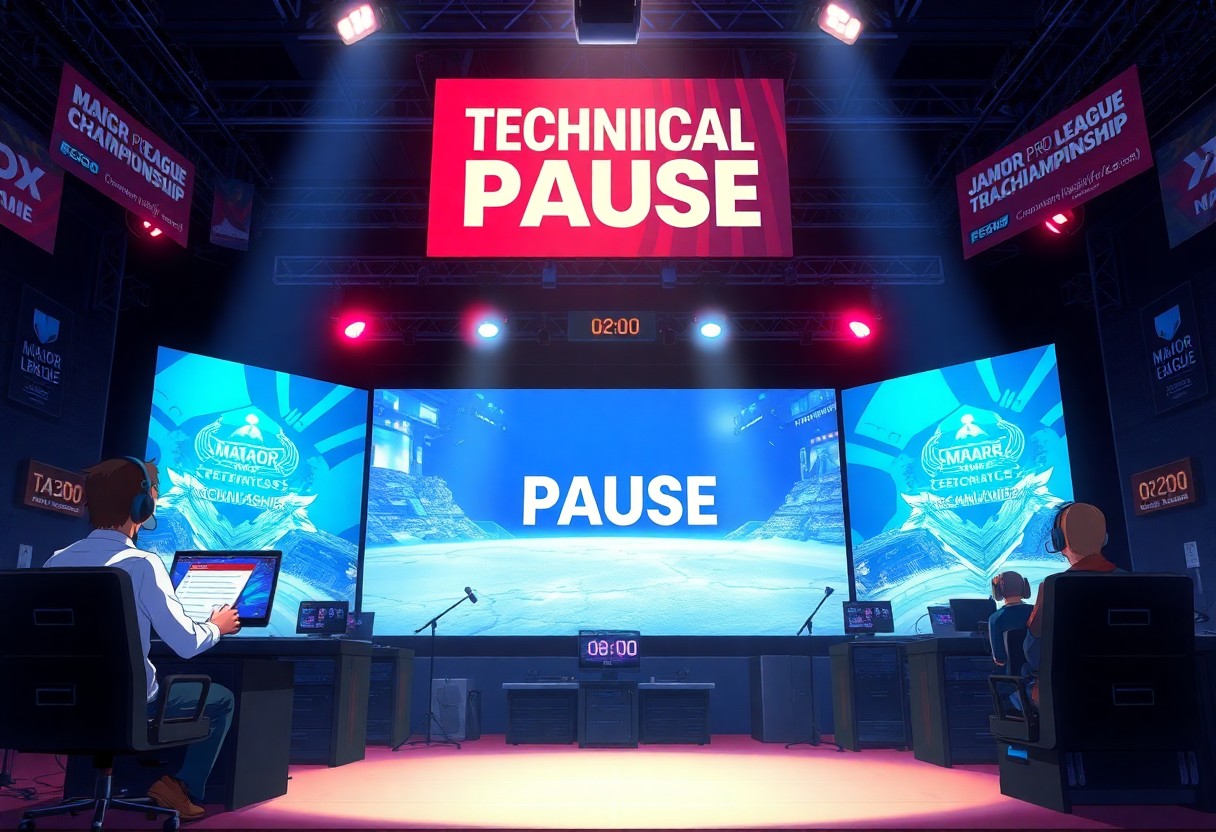
Most major esports tournaments implement specific technical pause guidelines to maintain fairness and order during matches. These rules help address technical issues affecting players, ensuring minimal disruption while upholding competitive integrity. Understanding these guidelines is vital for players, teams, and fans alike.
General Framework of Technical Pauses
Standardized definitions of technical versus tactical pauses
Technical pauses occur due to equipment failures, connectivity issues, or other technical reasons requiring immediate attention. These pauses are universally acknowledged across tournaments to ensure fair play and maintain competitive integrity. In contrast, tactical pauses are employed by teams for strategic discussions or adjustments, allowing players to reassess their game plan without external interruptions.
Both types of pauses are meticulously regulated within tournament formats, ensuring that their usage adheres to specific guidelines. This distinction allows audiences, players, and officials to understand the rationale behind pauses, ultimately contributing to smoother event executions.
The hierarchy of decision-making in competitive environments
Organizational structures play a significant role in determining who calls for a pause. Typically, team captains or coaches initiate tactical pauses based on game dynamics. Conversely, officials or tournament organizers initiate technical pauses in response to equipment-related issues. This system maintains order and ensures that all decisions align with established protocols.
Transparent decision-making processes enhance trust among teams and spectators. Recognizing the authority of officials in addressing technical issues helps minimize disputes and promote a unified approach to competition, reinforcing the integrity of the event.
Pre-match equipment verification and “warm-up” compliance
Before match commencement, equipment verification checks are critical to prevent technical disruptions. Teams must ensure their gear, including monitors, keyboards, and headsets, meet tournament standards. Warm-up compliance acts as a benchmark, allowing players to acclimatize to their equipment and perform optimally during the match.
Sample checks conducted during warm-ups demonstrate the tournament’s emphasis on a seamless competitive environment. Ensuring all players are effectively prepared, both physically and technically, reduces the likelihood of issues arising mid-game, contributing to smoother play and enhanced viewer engagement.
Player-Initiated Pause Protocols
Hand signals and voice-communication requirements for live events
Clear communication is necessary during live esports events. Players are required to utilize specific hand signals and voice commands to indicate their need for a pause, ensuring that there is no confusion among teammates and officials. Standardized gestures help maintain the flow of play, allowing referees to quickly acknowledge the situation.
During intense moments, voice communication protocols come into play. Organizers often mandate that players use designated phrases to declare a pause, ensuring consistency across teams. This structured approach minimizes misunderstandings and expedites the resolution process.
Mandatory “Pause Reason” declaration in global game chat
Declaring a “Pause Reason” in the global game chat is a required step once a pause is initiated. This declaration informs both the opposing team and event officials of the specific issue leading to the disruption. Transparency in communication helps uphold the integrity of the match.
Your pause reason must be concise yet informative, providing enough detail to avoid any confusion. In documented esports history, failure to follow this protocol has led to disputes and delays, emphasizing its importance in maintaining match order.
The content of the “Pause Reason” message usually includes categories like technical issues, player health, or external interruptions. Teams must ensure that the reason given is valid and adheres to tournament guidelines, as breaches can result in penalties.
Immediate actions required by non-pausing team members
Non-pausing team members are expected to maintain focus during a pause, following specific protocols to ensure smooth resumption of the game. Maintaining composure is necessary; players should refrain from discussing strategies or engaging with the pausing player during this time.
Team members should utilize pauses to hydrate, review gameplay, or mentally prepare for the next phase. This approach aids concentration and readiness, as the competitive landscape remains dynamic even during pauses.
These immediate actions by non-pausing players help sustain competitive integrity and team morale. It creates a unified front, as taking time to regroup contributes to tactical execution once the game resumes.
Admin and Referee Discretionary Authority
Criteria for administrative intervention without player request
Various situations may prompt administrative intervention, even without a direct player request. Instances of network instability or unexpected game bugs can lead officials to step in for the sake of fairness and game integrity. Recognizing these factors is crucial to maintaining an equitable competitive environment.
Officials are also trained to assess the overall state of play and determine whether a pause is warranted. Conditions negatively impacting gameplay quality or audience experience may trigger immediate action, ensuring that the match proceeds under optimal circumstances.
Real-time monitoring of server logs and spectator delays
Real-time monitoring of server logs is vital for quickly identifying issues that could disrupt gameplay. Observing delays that affect spectator experience can further guide administrative decisions on whether to pause a match. This proactive approach helps maintain competitive fairness.
Technical staff analyze server performance continuously during matches. By doing so, they can pinpoint anomalies that warrant intervention, thus ensuring both players and spectators have a smooth and engaging experience throughout the tournament.
Server log monitoring captures data that can reveal latency spikes or crashes, allowing for swift responses before problems escalate. This oversight minimizes disruptions and reinforces tournament integrity, ensuring every match is played under the best possible conditions for all involved.
Overruling player objections in critical hardware failure scenarios
Referees possess the authority to overrule player objections in scenarios involving significant hardware failures. Such situations demand quick decisions to prevent unnecessary delays and ensure competitive fairness. When equipment malfunctions hinder performance, the administering body must act decisively.
Maintaining the integrity of the competition often requires prioritizing the overarching tournament rules over player complaints. By doing so, officials can preserve the match’s flow and deliver a fair outcome, ultimately supporting the integrity of the event.
Hardware and Peripheral Failure Procedures
Replacement protocols for mice, keyboards, and headsets
Replacement protocols require immediate action once a malfunction is confirmed. Tournament officials should provide participants with pre-approved peripherals that meet specific performance criteria to maintain consistency across teams.
Each player must verify compatibility with game settings prior to re-entering the match. These checks allow for minimal disruption and ensure that replacements are thoroughly assessed before gameplay resumes.
Monitor refresh rate and resolution troubleshooting steps
Diagnosing monitor issues involves checking both refresh rate settings and resolution compatibility. Players should first confirm that their display settings align with tournament specifications to avoid performance discrepancies.
Identifying the issue may involve toggling settings in both the operating system and game menu. Prompt resets of the monitor can also resolve temporary glitches, ensuring a smoother game experience.
Consulting manufacturer specifications aids in ensuring correct refresh rates. Standard tournament settings often require adjustments based on individual monitors, highlighting the importance of pre-tournament checks.
Standardized configuration time following hardware replacement
Establishing a standardized configuration time emphasizes fairness in the competition. A uniform period allows players to adjust their settings without feeling rushed, ensuring that all teams have equal opportunity to prepare.
This time allocation facilitates quick troubleshooting and fine-tuning of setups before matches. Such measures streamline the transition process, allowing for swift resolutions while minimizing impact on overall tournament schedule.
Standardization of this process is necessary to maintaining competitive integrity and ensuring that no team gains an undue advantage due to hardware discrepancies.
Connectivity and Network Stability Standards
Acceptable latency thresholds and packet loss metrics
Esports tournaments require specific latency thresholds to maintain fair play. Typically, acceptable latency is within 20-50 ms, though competitive events may vary slightly based on the game’s demands. Packet loss should remain below 1% to ensure minimal disruption, preserving the integrity of gameplay.
Monitoring software can help track these metrics in real-time, allowing organizers to address any connectivity issues promptly. Adhering to these standards not only enhances player performance but also improves the overall spectator experience.
Procedures for Local Area Network (LAN) server migrations
When migrating LAN servers, detailed procedures are important to minimize downtime and ensure data integrity. Organizers should conduct thorough pre-migration tests to identify potential issues, enabling quick resolution before actual migration occurs.
After migration, an immediate post-migration assessment should take place to verify functionality. Ensuring all systems are operational allows the tournament to resume smoothly, maintaining participant satisfaction.
Server migrations often involve switching IP addresses and reconfiguring hardware settings. Clear documentation throughout the process can help streamline operations and reduce the likelihood of errors during live events.
Handling massive disconnects and “Force Majeure” internet failures
Addressing massive disconnects is critical during a tournament. Establishing a protocol for handling “Force Majeure” events ensures that organizers can maintain fairness in gameplay. Backup connections and contingency plans should be in place to minimize the impact on players and viewers alike.
Detailed communication methods reassure both players and audiences during outages. Quick updates from organizers can help manage expectations, allowing the event to pivot as necessary without sacrificing integrity.
Software Glitches and Game-Breaking Bugs
Classification of known versus unknown exploits and glitches
Exploits and glitches in esports can be classified into known and unknown categories. Known exploits often have documented solutions, allowing teams to adjust strategies accordingly. Unknown glitches, however, pose a higher risk as their effects can be unpredictable and disruptive during gameplay.
Determining the nature of an exploit is imperative for officials during tournaments. Known issues can lead to swift resolutions, while unknown exploits may require extended pauses to assess their impact on the match’s integrity.
The “Chrono-break” and state-restoration decision matrix
Implementing a “Chrono-break” involves pausing the game to restore it to a previous state. This decision relies on a complex matrix that takes into account the circumstances surrounding the glitch. Factors such as timing, player positions, and game state are evaluated to ensure fairness.
Pitfalls exist in the decision-making process, as technical teams must balance the need for fairness with the flow of the tournament. Each case demands a detailed analysis to preserve competitive integrity while minimizing disruption.
This decision matrix incorporates various criteria, focusing on the timing and significance of the glitch. Officials assess whether restoring the game state accurately represents the match conditions preceding the issue, ultimately aiming to uphold fairness and consistency in outcomes.
Determining “significant advantage” in bug-related pause requests
Assessing “significant advantage” due to glitches requires careful scrutiny. Officials examine whether the glitch has influenced player actions to an extent that alters the match’s outcome or strategy. A clear advantage could warrant a pause for resolution, preserving the competition’s fairness.
Well-documented examples help inform these judgments, guiding officials in making consistent decisions. Transparency in these evaluations builds trust within the esports community, ensuring players and fans understand the reasoning behind pauses.
Determining “significant advantage” is a crucial aspect of maintaining game integrity. Officials must weigh player situations, game context, and established precedents. Thorough evaluations ensure that the competitive balance remains intact while addressing the complexities introduced by bugs and glitches.
Communication Restrictions During Pauses
Strict “no-talk” policies for players and coaching staff
Players and coaching staff must adhere to strict communication restrictions during technical pauses. These guidelines prevent any strategic discussions or coaching from occurring, ensuring a level playing field when the game resumes. Teams are prohibited from using any form of communication, including voice and text chats, during these interruptions to maintain the competition’s integrity.
Such policies are enforced rigorously across most major esports tournaments. The goal is to eliminate any advantages that could be gained through unauthorized discussions, allowing the match to proceed without lingering uncertainties about fair play and decision-making.
Exceptions for health emergencies or administrative clarification
Health emergencies present a unique exception to communication restrictions. In cases where a player’s well-being is at risk, teams may communicate with medical staff or tournament officials to ensure proper care. Administrative clarifications also allow for limited communication when necessary to resolve critical issues impacting gameplay.
These exceptions are carefully monitored to ensure that the primary goal of fair play is not compromised. Clear guidelines outline when and how communication can occur during these specific situations, safeguarding player welfare and maintaining competitive integrity.
Monitoring of team voice channels by dedicated referees
Teams’ voice channels are monitored by dedicated referees during pauses to enforce communication restrictions. This oversight ensures that players comply with the established rules while preventing unauthorized strategy discussions. Referees actively listen to voice chats and can intervene if any violations are detected.
Regular monitoring serves as a deterrent against potential rule breaches, ultimately preserving the competitive nature of the tournaments. Referees are trained to recognize infractions quickly, ensuring that interventions occur promptly without disrupting the tournament flow.
Chronological Limits and Time Allotments
Maximum cumulative pause time per map and series
Tournaments typically enforce strict limits on the total pause time allowed per map and series. This ensures that matches progress efficiently, maintaining audience engagement and competitive integrity. Most major events allocate around 10 minutes of cumulative pause time per map, with some series allowing slightly more in longer formats.
Consideration is given to both teams, often resulting in a split of pause time to account for any technical difficulties. Organizers monitor these pauses closely, implementing timers to prevent teams from exceeding the limits set forth in the tournament rules.
Extensions for complex technical issues and PC rebuilds
Occasionally, unforeseen technical issues arise that necessitate longer pause durations. In events where a serious problem occurs-such as hardware malfunctions or necessary system rebuilds-referees have the discretion to extend the pause duration. These extensions are typically granted based on assessment of the situation’s complexity.
Teams experiencing extensive issues must communicate clearly with tournament officials to increase the likelihood of receiving additional time. These extensions, while not the norm, aim to ensure that gameplay remains fair and that each team competes under optimal conditions.
Communication with tournament officials regarding technical problems is necessary for teams seeking extensions. Events often require detailed explanations to justify the need for additional time, and timely requests are crucial for successful consideration.
Forfeiture risks associated with exceeding allotted time limits
Exceeding the designated pause time can lead to significant consequences, including forfeiture of the match. Each tournament has specific penalties outlined in its regulations, ensuring that teams are aware of the risks involved when dealing with technical issues. In high-stakes environments, the pressure to resolve problems quickly is immense.
Teams that fail to adhere to time limits may find themselves at a competitive disadvantage or facing stern penalties. Awareness of these risks underlines the importance of proactive communication and efficient troubleshooting during tournaments.
Teams often face a critical need to manage their resources effectively during technical delays. Awareness of the time constraints can directly influence decision-making, so understanding the risks associated with forfeiture becomes necessary for competitive success.
Resumption of Play and Countdown Procedures
The “Ready Check” confirmation from both team captains
Confirmation of readiness is crucial for a smooth transition back into play. Both team captains must communicate clearly to indicate their teams are set to resume after the technical pause. This procedure helps ensure that no participant is caught off guard, setting a standard for mutual agreement and coordination.
Upon receiving this confirmation, tournament officials can proceed with the countdown to resumption. Clear communication guidelines help maintain professionalism and prevent misunderstandings, reinforcing a structured gameplay environment for all involved.
Standardized three-to-five second visual countdown protocols
Visual countdown protocols are established to provide players with a clear indication of when gameplay will restart. Typically, a three-to-five second countdown is displayed prominently, allowing everyone to prepare for the action ahead. The uniformity of this process across tournaments aids in maintaining consistency and fairness.
As players await the countdown, the brief pause ensures that they can regain focus and strategize for the upcoming gameplay. This practice has been widely adopted to enhance the competitive experience, minimizing any disruptions caused by technical interruptions.
The countdown display is often accompanied by visual cues that capture player attention, ensuring that everyone is aligned on the timing of the game’s resumption. Teams are thus afforded a crucial window to mentally and physically prepare, contributing to a fair and balanced competitive atmosphere.
Ensuring visual and auditory synchronization post-pause
Post-pause synchronization requires attention to both visual and auditory signals for all participants. Officials must ensure that audio cues align with visual countdowns, providing players with coherent instructions immediately before play resumes. This synchronization is critical in minimizing confusion and maintaining gameplay integrity.
Inconsistent audio and visual signals can disorient players and undermine the resumption process. By prioritizing synchronized formats, tournaments enhance the overall flow of the event, fostering an environment where players can refocus effectively and contribute to the game’s intensity.
Dispute Resolution and Appeal Mechanisms
Formal process for challenging a referee’s pause decision
A formal appeal process allows teams to contest a referee’s decision regarding a technical pause. This procedure typically involves submitting a detailed request to the tournament organizers, outlining the reasons for the challenge. Teams must act swiftly, often within a specified timeframe, to ensure their appeal is considered.
Documentation, such as match footage and communication records, is often required to support the appeal. Tournament officials review submitted materials thoroughly, ensuring fairness in the decision-making process. An independent committee may be involved to maintain objectivity and integrity.
Post-match review boards and integrity commission involvement
Post-match review boards assess incidents that arise after a match concludes, including any disputes related to technical pauses. These boards consist of referees, experts, and sometimes players, tasked with ensuring that incidents are resolved fairly and transparently.
Integrity commissions play a vital role in maintaining the standards of esports. They supervise the review process, monitoring disputes and ensuring adherence to established rules. Their involvement reinforces the importance of fair competition and accountability within the esports community.
Post-match review boards systematically analyze incidents, often compiling reports to summarize findings. Their recommendations can lead to changes in regulations or procedures, promoting continuous improvement in tournament management and player conduct.
Documentation requirements for disputed technical incidents
Filing a dispute related to a technical incident mandates strict adherence to documentation requirements. Teams must provide clear evidence, including timestamps, match data, and any communications exchanged during the incident. This information supports the claim and allows officials to evaluate the situation fairly.
Failure to comply with documentation protocols can result in the dismissal of the appeal. Accurate and timely submissions ensure that the dispute resolution process is as efficient and reliable as possible, promoting trust among participants and stakeholders.
Complete documentation should encompass all relevant details, ensuring that officials have a comprehensive understanding of the incident. Accurate records can significantly impact the outcomes of disputes, reinforcing accountability and transparency within the tournament structure.
Penalties for Misuse of Pause Functions
Distinguishing between tactical abuse and genuine technical error
Teams often face scrutiny when pausing during a match, as intentions can blur the line between legitimate issues and tactical delays. Officials assess the situation based on clues such as the timing of the pause and the nature of the reported error, striving to maintain competitive integrity.
Players and coaches must be aware of what constitutes a legitimate technical error versus a strategic pause aimed at disrupting opponents. Clear definitions are necessary to prevent confusion and ensure that penalties are applied consistently across tournaments.
Progressive disciplinary actions: From warnings to round losses
Enforcement of penalties for misuse of pauses can escalate from verbal warnings to more severe consequences, such as round losses. This tiered approach allows officials discretion in addressing infractions, reinforcing the importance of adherence to rules.
Sanctions begin with warnings, escalating to harsher measures if violations persist. Officials aim to balance fair play with maintaining the flow of the game, addressing intentional disruptions while still allowing for genuine technical difficulties to surface.
Impact of unsanctioned pauses on professional circuit points
Unsanctioned pauses can have dire consequences on a team’s standing in professional circuits, potentially leading to point deductions or disqualification from tournaments. These disruptions affect not only the match at hand but also future performance and placement in the rankings.
Failure to adhere to pause guidelines results in a cascading effect, undermining both individual players and their teams. The penalties for these infractions can drastically influence a team’s trajectory throughout a season, showcasing the importance of understanding and following established protocols.
Tournament-Specific Variations: FPS vs. MOBA
CS2 and Valorant: Handling pauses during active rounds versus freeze time
Active rounds in CS2 and Valorant create unique scenarios for pauses. In CS2, teams can call for a tactical pause, allowing time for strategic discussions without interrupting gameplay flow. Valorant, on the other hand, has designated freeze time, giving players a short window to regroup before action resumes. These systems reflect the inherent differences in gameplay dynamics and pacing.
Both games enforce strict guidelines to prevent abuse during these pauses. Referees monitor the situation closely, ensuring that communication remains focused on strategy rather than exploiting in-game mechanics. This oversight helps maintain competitive integrity during critical moments.
League of Legends and Dota 2: Managing objective-based pause timing
League of Legends and Dota 2 emphasize objective management when addressing pauses. Teams may use pauses strategically before pivotal moments, like Baron or Roshan fights, setting up for unexpected plays. Proper timing is critical, as an ill-timed pause could disrupt the tactical flow and grant undue advantages to opponents.
When an objective is at stake, pauses become a double-edged sword. Coordinating team strategies in the face of impending objectives requires a delicate balance between communication and maintaining game momentum, as overly long delays can alter player focus and decision-making dynamics.
Battle Royale challenges: Multi-team synchronization and lobby freezes
In Battle Royale settings, multi-team synchronization poses distinct challenges during technical pauses. Frozen lobbies can disrupt the balance between squads, impacting gameplay dynamics before matches start. Maintaining coherence among teams becomes important, as any misalignment could lead to unfair advantages once gameplay resumes.
Technical difficulties in these extensive formats demand clear guidelines for all players involved. Establishing procedures for efficient lobby management ensures that disruptions are minimized, allowing players to refocus and effectively re-enter the match with minimal impact on their performance and strategy.
Emerging Technologies in Pause Management
Automated detection of hardware failure via diagnostic software
Automated diagnostic software has transformed how tournaments address hardware issues. By monitoring system performance and flagging anomalies in real-time, potential failures can be identified before causing interruptions. This proactive approach minimizes downtime and enhances the competitive integrity of matches.
Utilizing advanced algorithms, these tools provide insights into hardware health, alerting teams and organizers to problems that require immediate attention. The result is a more efficient response process, reducing the burden on referees and allowing matches to resume swiftly.
AI-driven replay and game-state restoration systems
AI-driven systems now enable rapid replay analysis in case of interruptions. They can restore the game state automatically, minimizing the impact of pauses caused by technical issues. This incremental innovation enhances the viewer experience, as matches can proceed without excessive delays.
Such technology uses historical data and predictive modeling to recreate specific moments in gameplay, ensuring fairness. The integration of AI allows organizers to focus on competitive integrity while maintaining the flow of matches.
With the introduction of AI-driven replay and game-state restoration systems, tournaments can offer a level of precision previously unattainable. These systems analyze game data on-the-fly, preserving the authenticity of player decisions and actions while rectifying disruptions. By doing so, they maintain a competitive atmosphere even during a pause, making them invaluable in today’s fast-paced esports environment.
Remote refereeing capabilities in online qualifying phases
Remote refereeing enhances the fairness of online qualifiers by allowing officials to monitor matches in real-time from different locations. This capability ensures quick decision-making during technical pauses, maintaining the match’s integrity. Tools designed for communication and observation make it possible for referees to intervene promptly as needed.
These systems facilitate seamless oversight, reducing potential bias and ensuring that all players are treated equally. As remote refereeing technology continues to evolve, it promises to streamline operations and reinforce trust within the competitive community.
Remote refereeing capabilities have redefined how online qualification phases function. With officials working from various locations, real-time monitoring can be achieved through integrated platforms that allow instant communication. This accessibility makes it easier to address issues as they arise, ensuring the rules are upheld and players receive immediate assistance during pauses.
To wrap up
Taking this into account, guidelines for technical pauses across major esports tournaments aim to ensure fairness and integrity during gameplay. These established rules address issues such as equipment malfunctions and network failures, allowing teams a structured approach to resolve disruptions effectively.
Consistency in applying these guidelines across tournaments leads to a more professional environment, fostering trust among players and fans alike. As esports continue to grow, maintaining clear and enforceable technical pause protocols will be imperative for upholding competitive standards.
FAQ
Q: What are the general guidelines for technical pauses in major esports tournaments?
A: Technical pauses typically allow players to halt the game due to issues like hardware malfunctions or internet connectivity problems. The duration of these pauses usually varies by tournament organizers, but guidelines often require players to report issues within a specified timeframe. Clear communication between players and officials is vital during these breaks.
Q: How do different esports games handle technical pauses?
A: Different esports games have their own established protocols for technical pauses. For example, in games like League of Legends, a technical pause can last up to a few minutes, while Dota 2 might allow longer pauses. Game-specific rules detail how players should report issues and resume play, ensuring consistency during tournaments.
Q: Are there penalties for misuse of technical pauses in esports tournaments?
A: Misuse of technical pauses can lead to penalties such as warnings, point deductions, or disqualification. Tournament officials monitor the situation to prevent abuse. Clear evidence of intentional delays can result in strict enforcement of rules, promoting fair play and integrity in competitions.