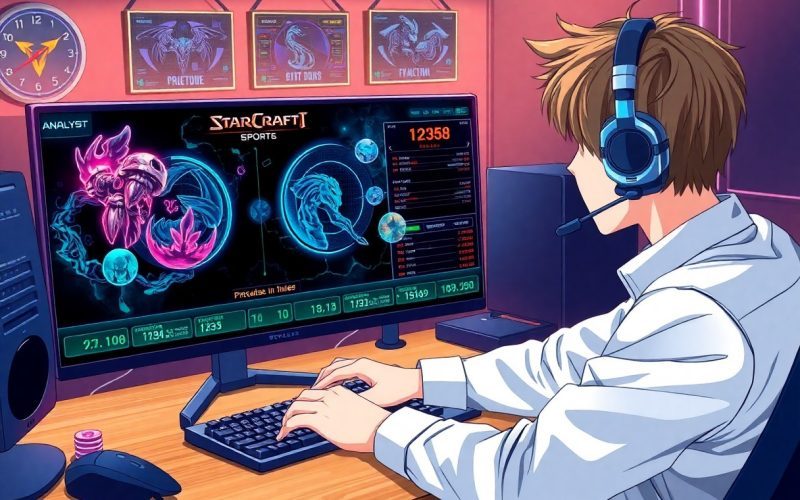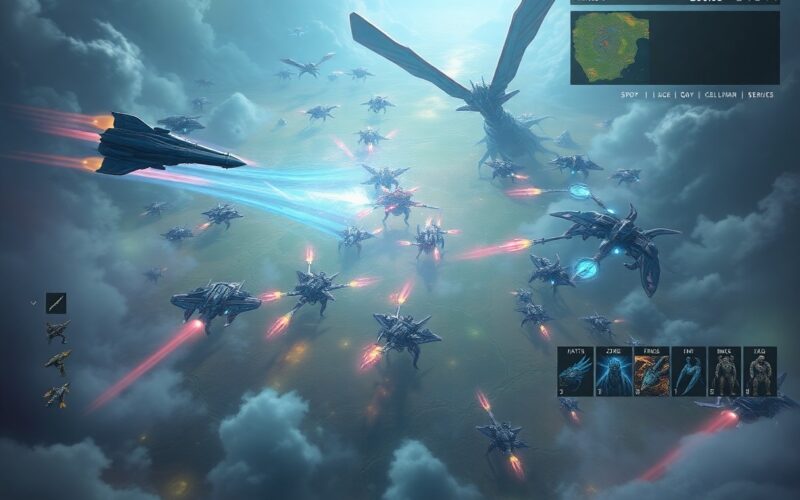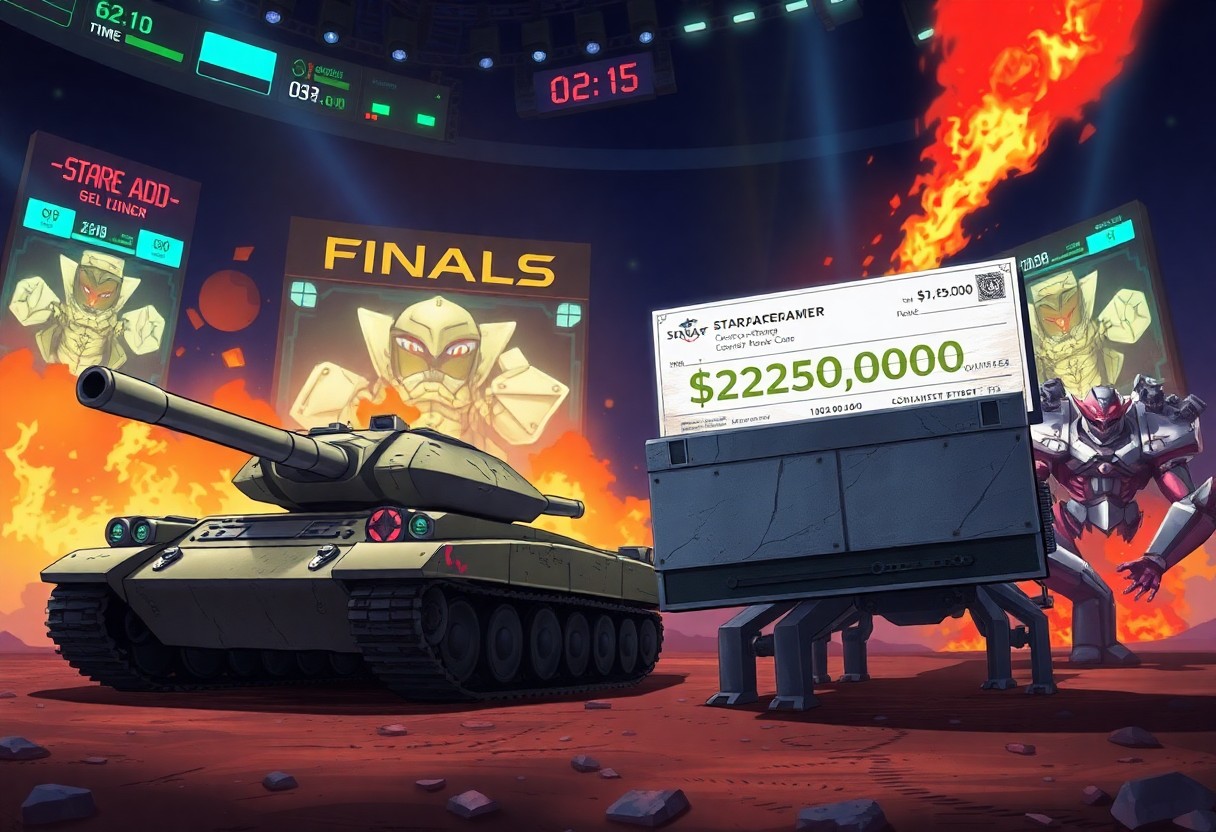
There’s a distinct shift in gameplay dynamics during StarCraft II’s late game, where player stamina becomes paramount. This post explores strategies to maximize endurance and outlines the pricing structures of finals, ensuring fans stay informed on both competitive play and spectator costs.
The Physiology of Endurance in StarCraft II Competition
Cognitive Load and Decision Fatigue in Extended Macro Games
Cognitive load during long matches intensifies as players manage multiple units, resources, and strategies. Each decision carries weight, escalating the mental toll. Fatigue sets in, reducing reaction times and the quality of decisions made, which can shift the outcome of a game drastically.
Decision fatigue often leads to errors, affecting the quality of play in critical situations. Players may experience a decline in their ability to execute complex strategies as the game drags on, making every moment more critical.
The Impact of APM Decay on Late-Game Tactical Execution
Actions Per Minute (APM) serve as a key performance indicator for players, especially in late-game scenarios. APM decay can occur due to fatigue or stress, hindering a player’s effectiveness. As concentration wanes, executing rapid, precise movements becomes increasingly difficult.
Late-game tactics demand high APM to adapt to evolving scenarios. Failing to maintain optimal APM can result in missed opportunities or mishandling of resources, ultimately affecting overall performance and game outcome.
During intense matches, APM not only reflects skill but also the player’s endurance. As fatigue accumulates, execution deteriorates, leading to less effective responses in pivotal moments. This impact could mean losing critical advantages or failing to capitalize on an opponent’s mistakes, ultimately swaying the match’s direction.

Strategic Evolution and Resource Depletion Dynamics
Endgame Unit Compositions and Their Tax on Player Focus
Unit composition in the late game heavily influences player performance and decision-making. Diverse combinations, like high-tech units alongside economic infantry, demand constant adaptation. This complexity can lead to mental fatigue, as players need to remain vigilant about counters and positioning.
Combat scenarios become intense as the stakes rise. Engaging with multiple unit types, factoring in upgrades and terrain, often overwhelms focus. Sustained attention is crucial, as even a momentary lapse can turn a game, especially in high-stakes matchups where one mistake might cost everything.
Map Design Influence on Series Duration and Player Stamina
Map design significantly shapes game duration by influencing strategies and resource availability. Encounters on wide-open spaces tend to promote longer engagements, while tighter maps can lead to quicker resolutions, impacting player adaptability and stamina as they react to evolving threats.
Strategically crafted maps affect pacing, often challenging players to sustain attention over extended periods. Resource locations, chokepoints, and terrain features play a crucial role in determining engagement timelines and strategic depth. Players must maintain high levels of focus throughout lengthy series, navigating both tactical maneuvers and the map’s geographic obstacles.
Tournament Structure and Professional Performance
Comparative Analysis of Best-of-Five vs. Best-of-Seven Formats
Best-of-Five formats usually allow players to adapt quickly, maintaining engagement throughout a tighter schedule. This format often leads to faster-paced matches, showcasing burst strategies over time management.
In contrast, Best-of-Seven formats provide a broader canvas for tactical experimentation. Players must demonstrate sustained stamina and adaptability, often revealing deeper skill-level disparities as the matches progress.
Analysis of Formats
| Best-of-Five | Fast-paced, quick adaptations |
| Best-of-Seven | Longer series, deeper strategy |
Recovery Intervals and Mental Reset Strategies Between Sets
Rest periods between sets play a significant role in player performance. Short intervals facilitate quick physical recovery but may leave little time for mental reset. Effective strategies, such as breathing exercises or visualization, can enhance focus going into the next match.
Players often utilize music or meditation techniques during breaks. These practices help in resetting their mental state, aiding in concentration for upcoming games.
The Role of Coaching in Sustaining Player Focus During Finals
Coaches provide important support during high-stakes matches. Their guidance aids players in maintaining focus, managing stress, and adapting strategies in real-time based on the opponent’s performance. Effective communication during breaks can help refocus the player’s mindset.
Analyzing opponents’ gameplay post-match while conveying constructive feedback enables players to adjust quickly. Coaches also encourage mental resilience, emphasizing preparation and strategic thinking under pressure.
The Economics of the Grand Finals Experience
Tiered Pricing Strategies for Live Premier Esports Events
Exploring tiered pricing often reveals significant differences in access and amenities offered to attendees. Premium seats typically include enhanced viewing experiences, exclusive merchandise, and additional perks, attracting dedicated fans willing to invest more for an optimal experience.
This pricing strategy maximizes revenue by catering to diverse audience segments. Casual fans may opt for standard tickets, while die-hard supporters might prioritize VIP packages, illustrating a clear divide in consumer behavior based on audience commitment and budget.
Evaluating the Value-to-Time Ratio for On-Site Spectators
Examining the value-to-time ratio provides insights for fans attending live events. Witnessing high-stakes matches in real-time adds an intangible value not found in digital formats, enhancing the overall experience regardless of the ticket price.
On-site spectators often engage in pre-event festivities, networking, and live interactions, which extend the perceived value of their time investment. Balancing wait times with event length can significantly impact overall satisfaction.
Attendees frequently prioritize the social aspects of esports events, recognizing that the experience transcends the matches themselves. Engaging with fellow fans and immersing in the atmosphere contributes to a sense of community, making the time spent more rewarding.
Sponsorship Valuation in Relation to Average Match Duration
Sponsors assess the value of their investments based on average match durations. Longer matches present opportunities for increased brand exposure, creating a more compelling case for partnerships and advertising placements within the event framework.
Brands often seek to align themselves with moments of high engagement, capitalizing on pivotal plays or thrilling finishes to maximize visibility. The correlation between match length and viewer engagement underscores the importance of strategic sponsorship placements.
Understanding how average match duration impacts sponsorship valuation highlights the need for careful advertising integration. Brands thrive when they strategically time their promotions, ensuring they resonate with the audience during peak moments of excitement.
Digital Monetization and Global Broadcast Rights
Premium Access Pass Models and Exclusive Digital Content
Exclusive content offerings, such as behind-the-scenes footage and player interviews, attract dedicated fans. Premium access passes not only enhance user engagement but also create significant revenue streams by providing unique viewing experiences that go beyond standard broadcasts.
Strategies for pricing these passes focus on balancing affordability with perceived value. Adequate marketing can effectively communicate benefits, increasing sales and enhancing viewer loyalty toward the StarCraft II community.
Pay-Per-View Viability in the Modern SC2 Ecosystem
Pay-per-view models present promising opportunities for monetization within the StarCraft II ecosystem. Viewers willing to pay for high-stakes matches or exclusive tournaments can boost profits while maintaining control over their viewing experiences.
Balancing pricing with audience expectations is important for ensuring long-term viability. If managed correctly, these models can supplement traditional revenue streams without alienating the broader player base.
A shift toward a pay-per-view approach could redefine access, creating more targeted revenue opportunities. Consequently, event organizers need to refine their pricing strategies to optimize both viewer engagement and profitability while considering the nature of the game’s competitive scene.
Regional Pricing Variance for Global Streaming Audiences
Pricing strategies often vary by region, reflecting local economic conditions and consumer expectations. Adjustments for different markets can enhance accessibility, expanding the audience base while maximizing potential revenues.
Understanding regional preferences and willingness to pay allows stakeholders to tailor offerings effectively. Through analysis of market data, businesses can fine-tune their strategies, ensuring competitiveness in diverse international contexts.
Adjusting prices to fit regional markets fosters inclusivity and encourages broader engagement with StarCraft II events. Implementing localized strategies can bridge gaps, making premium content feasible for a wider range of viewers while capturing untapped growth opportunities.
Market Trends and Future Financial Forecasts
Inflationary Pressures on Venue Logistics and Ticket Costs
Rising costs for venue logistics, fueled by inflationary pressures, pose significant challenges for event organizers. Many venues are passing increased operational costs onto participants and attendees, leading to higher ticket prices. This trend could deter some fans from attending live events, impacting overall attendance and atmosphere.
In response, organizers might explore alternative venues or hybrid event models to manage costs while maintaining engagement. Innovations in ticketing strategies, including tiered pricing, could also help balance these financial burdens while ensuring accessibility for a broader audience.
Balancing Community Accessibility with Professional Sustainability
Maintaining accessibility for fans while ensuring financial sustainability for professionals requires thoughtful strategies. A successful balance allows for a thriving community, where casual fans can enjoy events alongside serious competitors. High-quality production and professional engagements often come at a cost, complicating this dynamic.
Ticket pricing, event sponsorships, and merchandise play crucial roles in bridging the gap between community involvement and professional viability. By diversifying revenue streams, organizers can create more accessible offerings without compromising the quality of professional competitions.
Final Words
With this in mind, the late game stamina in StarCraft II defines player endurance and strategic finesse. Competitors must harness their abilities over extended periods, maintaining focus and adaptability to secure victory. Mastering this stamina often becomes the difference between triumph and defeat in high-stakes matches.
Price points for finals events reflect the increasing popularity and competitive nature of StarCraft II. As interest grows, ticket prices may escalate, driven by demand for live experiences and top-tier player performances. Value comes not only from watching skilled players but also from the communal experience that enhances the overall enjoyment of the competition.