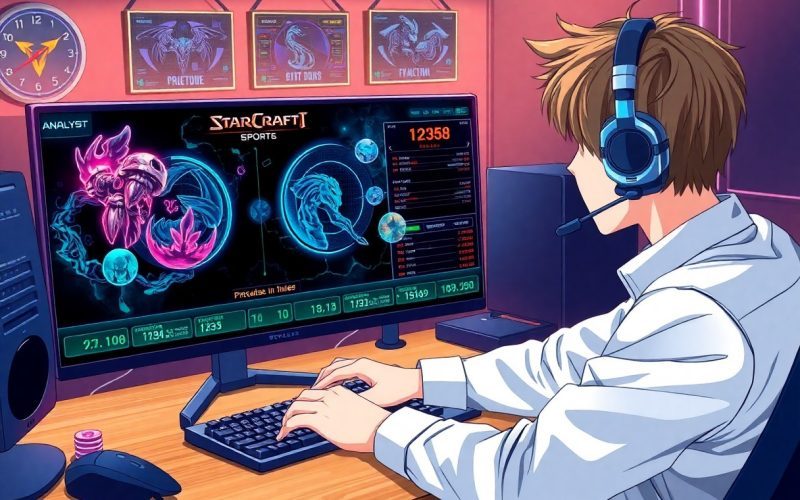






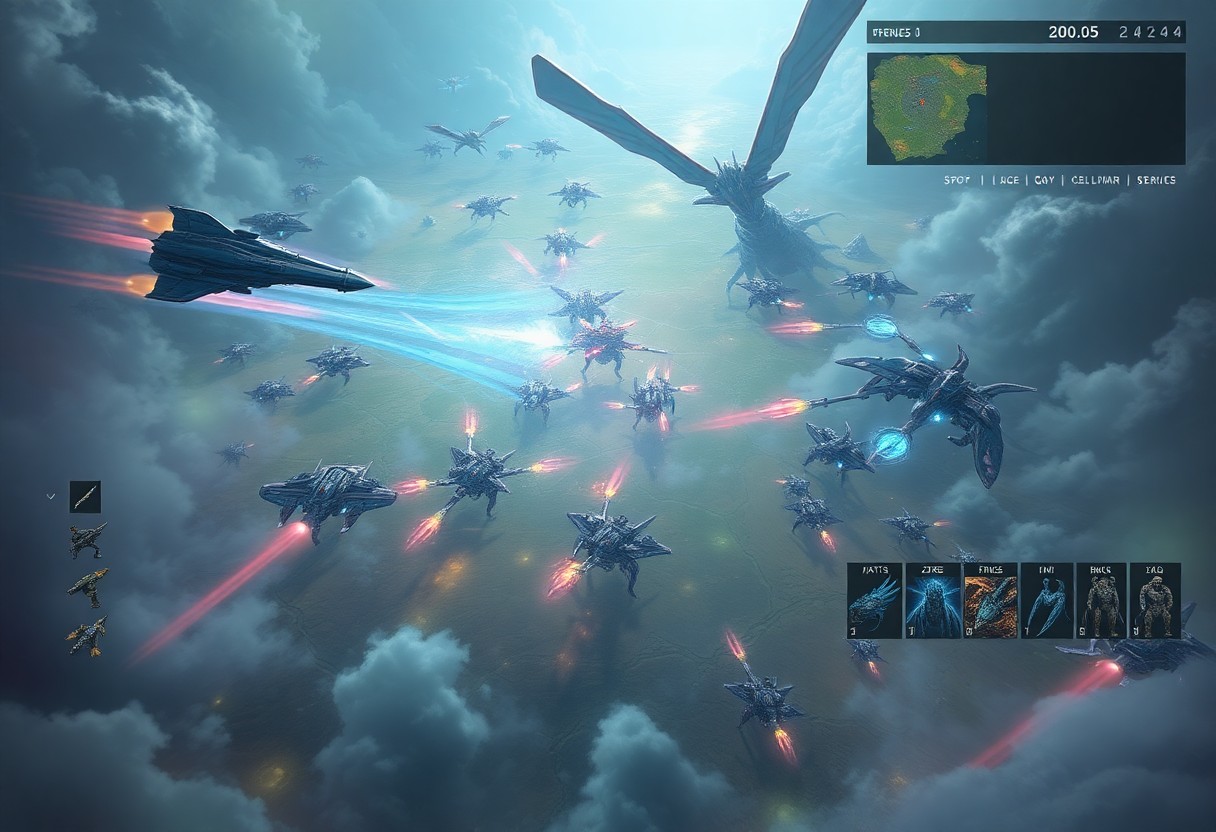
With deep matchup knowledge, players adapt strategies, predict opponent choices, and optimize build orders across a long series; mastery of timings, unit compositions, and map-specific tactics turns marginal advantages into consistent wins. This post examines how scouting, in-game decision trees, and mental endurance combine to favor players who convert information into disciplined, repeatable responses under series pressure.
Understanding Matchups
Definition of Matchups
Defined as the specific interaction between two races (PvT, TvZ, PvZ), a matchup combines standard build orders, timing windows and unit counters into a predictable tactical framework; openings like a 1-Gate expand, a 3-Rax all-in or a 3-base timing each create distinct midgame goals, while scouting information (e.g., a hidden Robotics Bay or a fast third) collapses multiple possible lines into one likely plan that players must address within the 6-10 minute decision window.
Importance of Matchup Knowledge
Matchup knowledge shortens reaction time and minimizes costly misreads across long series: in a Bo7, failing to anticipate a Protoss colossus follow-up at ~8:00 or a Terran 6:30 bio-tank stim timing can hand a map and shift momentum, so knowing standard counters, timing markers and map-dependent options directly improves adaptation between games.
Beyond avoiding surprise losses, deep matchup awareness lets players plan resource allocation-choosing when to sacrifice economy for army value-and forces better scouting cadence: for example, committing two scans at 5:30 to confirm a starport, sending an overlord at 6:00 to check for robotics, or positioning a bunker at a likely drop path can save 6-12 supply and prevent a 1-base collapse that decides the map.
The Role of Races in Matchmaking
Race identity shapes the options available: Protoss relies on tech spikes (Colossus, Storm, Chargelot+Archon), Terran leverages positional defense and drops with bio or slow-scaling mech, and Zerg converts larva and map control into swarms and timing hits around 3-base saturations-each race forces opponents into different scouting, macro pacing and composition choices on every map.
Digging deeper, specific examples show how that manifests: in TvZ Terran aims for a 6:30-7:30 stim/tank timing or slow-mech tech on larger maps; in PvT Protoss often times a 7:30 blink/immortal warp-in or a 9:00 charge-lot push depending on map size; and in PvZ Zergs commonly hit muta or hive tech between 8-12 minutes, so effective series play means predicting which of these windows an opponent will prioritize and designing veto/play order around those strengths.
Historical Context
Evolution of StarCraft II Matchups
Heart of the Swarm (2013) and Legacy of the Void (2015) reshaped core interactions between Terran, Protoss and Zerg; map pool rotations like Daybreak and Cloud Kingdom further altered opener viability. Korean GSL dominance through 2010-2015 and Blizzard’s WCS region changes in 2013-2014 pushed players to specialize matchup lines, so openings that were standard in 2011 became liabilities by 2016 as unit roles and timing windows shifted.
Key Matches that Highlight Matchup Importance
GSL Code S finals and WCS Global Finals repeatedly illustrate matchup-driven outcomes: Terran vs Protoss series often hinge on a single failed drop or scouting read, while ZvP tilts around mid‑game tech choices. High-profile players such as Flash, sOs and Maru turned matchup mastery into series wins, with several best‑of‑seven finals ending 4-3 after dramatic tactical adaptations.
One clear pattern: when a player correctly exploits a timing-say a 7-9 minute two‑base timing or a late‑game mech window-they convert micro advantages into macro leads that decide entire series. In practice, matches from 2012-2017 show that the side which adapted builds after game two won roughly two-thirds of long series, underscoring how matchup preparation and on‑the‑fly adjustments determine momentum across best‑of‑five and best‑of‑seven formats.
Impact of Patches and Balance Changes
Patches and expansion reworks repeatedly flipped matchup balance; Legacy of the Void’s removal of the Mothership Core in 2015 removed a major Protoss defensive tool, changing early game commitments in PvP and PvZ. Blizzard’s balance cadence and map updates meant that strategies viable one month could be suboptimal the next, forcing teams to keep extensive matchup trees and reserve preparation for new meta shifts.
Specific unit changes-adjustments to Colossus movement, Baneling splash, or Hellion damage profiles-created measurable win‑rate swings after patch deployment. Statistical analyses from major tournaments show single patches moving matchup win rates by up to around 10%, which is enough to flip favored sides in long series and turn previously reliable counters into liabilities overnight.
Analyzing Matchup Dynamics
Strengths and Weaknesses of Each Race
Protoss boasts high-impact tech (Colossi, HT storms, Immortals) and strong shielded units that punish poor engagements, but relies on expensive tech paths and fewer cheap units; Terran offers flexible bio timing attacks, drops, and mech durability with Siege Tanks, yet struggles vs. overwhelming mobile numbers; Zerg excels at production tempo, creep map control and numbers (12-16 roaches or swarms of zerglings), while being vulnerable to well-timed splash or air transitions that exploit gas-heavy tech windows.
Economic Factors in Different Matchups
Ideal mineral saturation is ~16 workers per base with up to 3 gas each; PvZ often forces Protoss to spend early gas on tech (Warp Gate, Twilight) slowing third-base timing, while TvZ and TvP hinge on Terran’s ability to keep SCV production during aggression; multi-pronged harassment (drops, mutas, oracle) can turn a 300-400 mineral lead into a lost position within one engagement.
- Mineral vs gas balance: a fourth base at ~10-12 minutes shifts resource income by ~+50 minerals/30s.
- Timing windows: many pro all-ins hit between 6:30-9:00 when two-base gas saturation peaks.
- Any prolonged economic trade favors Zerg’s larva-driven recovery if they maintain ~3 base saturation.
Macro depth matters: for example, a Protoss who delays a third to afford two Colossi and +2 attack will hit a powerful 2-3 minute window but risks Terran drops exploiting low SCV count; similarly, Zerg trading equal army value can bounce back faster due to larva multiplication-losing an engagement at 8 minutes on three bases often means a 40-60 supply disadvantage for the attacker, forcing different comeback mechanics such as tech switches or multi-pronged counterharass.
- Worker-loss math: losing 6 workers (~300 minerals) costs ~1:30 of uninterrupted income on one base.
- Upgrade investment: +1/+1 on two full armies can swing engagements by ~15-25% effective DPS.
- Any shift to defensive macro (turtling) compresses the timing window and benefits races with cheaper reinforcing units.
Strategic Approaches based on Race Matchups
In PvT, Protoss often leverages warp-ins and precise force fields against bio drops, with 2-base tech timings around 7:30 for disruption; TvZ sees Terran using 2-1-1 stim timing or early Hellion aggression to control creep and deny economy; ZvP usually revolves around Zerg delaying mutas or committing to roach/hydra pushes at ~8-10 minutes depending on Protoss tech (Colossi vs High Templar).
Matchup-specific adaptations matter: Terran vs Zerg, transitioning to mech (Tanks+Thors) after failing bio engagements at ~12-15 minutes can punish Zerg’s lack of anti-armor if creep is low; Protoss must decide between Colossi for ground trades or Stargate for air control when facing Zerg’s 12-16 muta spikes; Zerg players often leverage Nydus or counters with burrowed transitions when economic parity is lost to create chaotic comeback potential.
Decision Making in Long Series
The Role of Adaptation
Adaptation happens game-by-game: switch from aggressive timing pushes to macro compositions after 1-2 losses, change unit ratios (for example, from mass marines to marine-marauder-AVs) based on opponent counters, and alter opening timings to exploit map-specific features. Top players typically make 3-4 substantive tactical adjustments across a best-of-seven, using scouting windows and map vetoes to decide whether to accelerate tech, add extra production, or force a straight-up mirror into longer economic play.
Predicting Opponent Strategies
Predicting strategy relies on patterns gleaned from scouting and replay study: noting a player’s opening in the first 1-2 minutes, recurring gas timings, and their preferred second tech structure can give 60-70% predictive value mid-series. Many pros maintain databases of 100-300 replays to quantify tendencies-if an opponent opens with a fast third or delays tech, you can plan counter-economies or timing windows that exploit those habitual choices.
Digging deeper, use specific trigger points: a delayed second gas often signals a one-base all-in, while a fast second gas plus early factory points to mech or aggressive air follow-ups. Combine these triggers with map data-open maps favor skirmish-heavy builds, closed maps reward late-game macro-and you can predict not just the build but likely mid-game transitions, allowing preemptive composition swaps or targeted scouting to confirm hypotheses.
Importance of Mental Fortitude
Mental resilience shapes decisions under pressure: best-of-seven series typically extend 90-150 minutes, and fatigue degrades micro and macro accuracy. Players who maintain consistent routines-short physical resets between games, coach feedback windows, and simple checklists for build execution-sustain higher decision quality in later games and reduce unforced errors that cost critical leads in game five or seven.
To preserve focus, elite players use concrete techniques: one-minute breathing or visualization resets, immediate note-taking on the last game’s decisive mistakes, and limiting strategy changes to one variable at a time to avoid cognitive overload. These practices convert emotional control into tangible win-rate improvements during the final, momentum-driven matches of a long series.
Player Insights and Matchup Preparation
Interviews with Professional Players
Pros repeatedly highlight concrete timings and scout windows: Serral and Dark cite 6-8 minute scouting checkpoints in ZvP to catch early Stargate or Adept switches, Maru emphasizes hitting a 10-12 minute timing window in TvZ with stim and 3rd base pressure, and Stats notes that adapting mid-series often requires changing one rally point or two production cycles rather than a full strategy swap.
Training Regimens Based on Matchups
Teams split practice by matchup intensity: PvP focuses on 1v1 micro drills and 15-20 repeated mirror builds per session, TvZ emphasizes drop and positioning drills with 3 scrims a day, and ZvP slots longer macro blocks-often 90 minutes-aimed at consistent econ saturation and late-game transitions.
Practically, that looks like structured blocks: 90 minutes of build-order repetition (10 reps each), 60 minutes of targeted multitasking and hotkey stress tests, then 30-45 minutes of scrims filtered by matchup goals; coaches use Spawning Tool and SC2ReplayStats to quantify failure points and set measurable weekly targets (e.g., reduce worker loss to under 6 per game).
Analyzing Opponent Replays for Knowledge
Replay study targets patterns: openers frequency, scout timings, build-order divergences and common reaction windows-one team found an opponent ran proxy opens in 18 of 50 games, changing their default scouting at 4:30 to catch shuttles and proxy buildings before damage was done.
Deeper analysis uses aggregated stats: filter replays by map and matchup, compute average third-base timing, and note deviations-if an opponent takes a delayed third in 70% of games you can plan mid-game harassment; coaches also chart trigger points (supply counts, tech unit hits) that reliably precede aggression so players can practice responses under those exact conditions.
Tools and Resources for Matchup Learning
Community Forums and Guides
TeamLiquid’s forums (20+ years of archived threads), the r/StarCraft subreddit, and Liquipedia provide patch-specific match reports, build lists and event VODs; SpawningTool and community guides collect practical openings with 3-8 common variations per matchup, letting you compare community-tested replies and read post-game analyses from high-level ladder and tournaments.
Utilizing StarCraft II Analytics Tools
Scelight, SC2ReplayStats, GGTracker and SC2Gears parse replays to show worker counts, supply advantage, army value and build-order detection; use them to identify recurring timing windows by filtering 50-200 replays by league and matchup to reveal meaningful win-rate shifts and consistent scout/attack timings.
Export CSVs to compare openings side-by-side, plot average resources lost over time, and isolate samples by map and MMR; practical workflow: collect ~100 replays, filter for same map/matchup, check median expansion timing and frequent attack windows, then adjust your build and scouting to close observable gaps.
Watching and Learning from Professional Streams
Twitch and YouTube VODs from GSL, IEM, WCS and pro channels (Serral, Reynor, Maru, Artosis/Tasteless) reveal high-level decision-making-pause 30-60 second engagements to study micro, watch build evolution across a series, and note how pros adapt after losses to extract repeatable patterns.
Catalog timestamps for scout contact, first engagement, and expansion; create a clip library of those moments across multiple matches, then sync them with your replays to practice specific windows in focused 1-2 hour drills until your responses and timings match the pro examples.
Summing up
Summing up, deep matchup knowledge shapes long-series outcomes by enabling precise scouting, adaptive build choices, and tempo control; players who decode opponent patterns and manage economy, risk, and mental endurance convert small advantages into game-winning leads. Consistent practice, targeted preparation for opponent styles, and disciplined decision-making determine who exploits opportunities across multiple maps and shifts in momentum.
FAQ
Q: How does matchup knowledge affect decision-making across a long Bo5/Bo7 series?
In a long series, matchup knowledge changes the flow by allowing players to sequence adaptations across games rather than react ad hoc. It informs which builds to hedge against, when to prioritize scouting versus economy, and which timing windows to contest; knowing typical timing benchmarks for enemy tech and upgrades lets you force engagements on favorable terms. Over multiple games, players can layer small, high-impact adjustments-delaying a tech, shifting unit composition, or altering expansion timing-to exploit tendencies and shift risk-reward calculations. This cumulative adjustment capability often decides which player maintains control of momentum and map pressure as the series evolves.
Q: What specific scouting information should players prioritize to exploit opponent tendencies over several games?
Prioritize early, high-confidence signals: worker count, first structure placements, tech buildings, and upgrade starts, then verify mid-game unit counts and tech transitions. Track opponent opening patterns (e.g., consistent proxy attempts, fast third bases, or repeated one-base plays) and how they respond to pressure-those patterns let you anticipate and counter rather than discover. Use replays and live scouting to build a short dossier on resource timing and favored compositions, then test small deviations to confirm whether a habit is rigid or flexible before committing a major strategic shift.
Q: How should coaches and players use matchup data to prepare strategies and make in-series adjustments?
Convert matchup data into a decision tree of base plans and contingencies: primary openers, safe alternatives, and specific counters tied to observable signals. Prepare practice sets that replicate likely mid-game states and rehearse clean transitions between compositions and tech choices; assign clear scouting responsibilities and predefined responses so in-series communications are simple and fast. During a series, use post-game analysis to identify exploitable biases and refine the next game’s plan-target one or two exploitable tendencies rather than overhauling strategy-to incrementally increase pressure and control tempo.