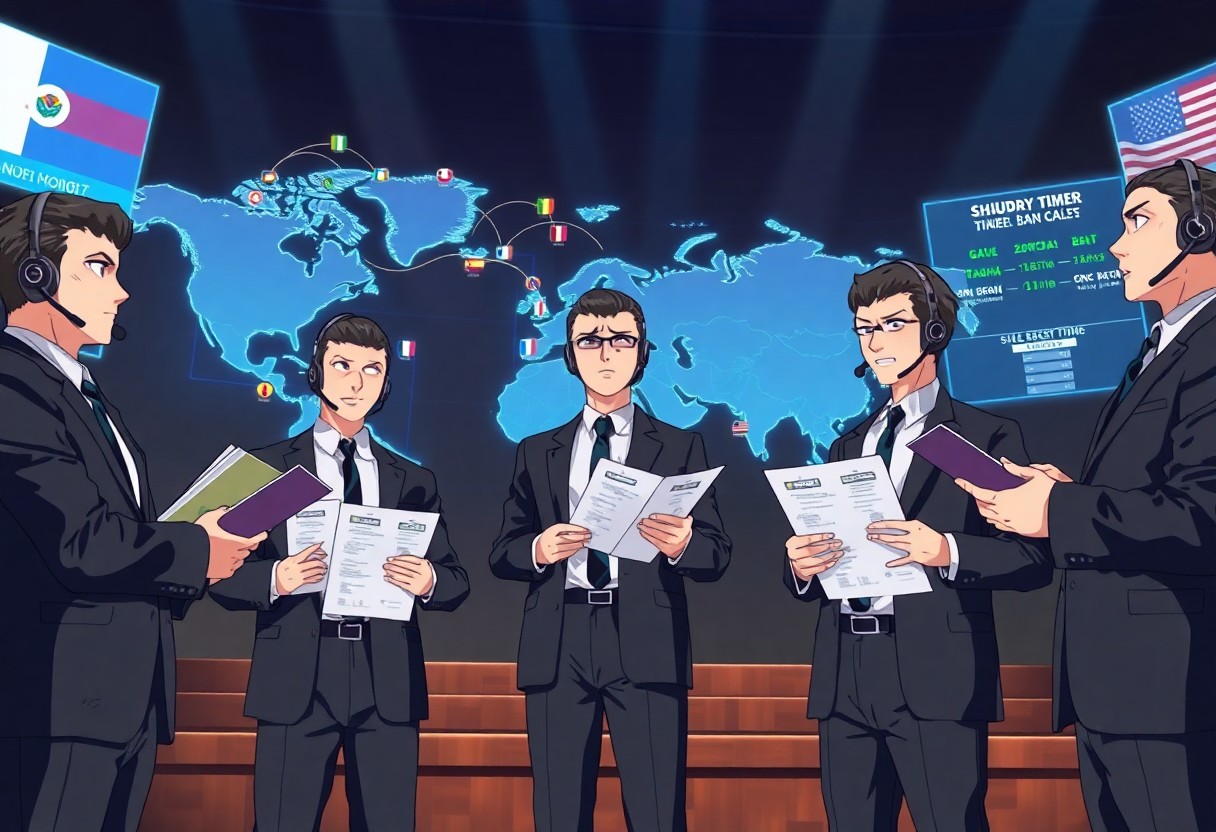
Many organisations are actively working to unify esports rule systems across various competitive titles. This standardisation aims to create consistency, improve fairness, and enhance player experiences worldwide. Understanding these initiatives sheds light on the future direction of esports governance and regulation.
Standardisation efforts in esports rule systems globally
Transition from grassroots gatherings to professional global circuits
Community-driven tournaments laid the foundation for competitive esports, allowing players to showcase skills in local venues. As these gatherings gained traction, interest from sponsors and media catalyzed the growth of professional leagues.
Emerging from informal settings, established competitions like Major League Gaming and ESL paved the path to organized circuits. Global attention turned esports into a full-fledged industry, necessitating standardized rules and regulations to ensure fairness and integrity.
Historical analysis of early league rulebooks and community-driven standards
Initial rulebooks were often informal, shaped by player consensus and community input. Early leagues encouraged players to contribute feedback, creating a unique blend of competitive spirit and camaraderie.
Established organizations began to recognize the need for formalization, as varying rules across tournaments created confusion and distrust among players. This awareness sparked efforts to unify standards, resulting in the first comprehensive rulebooks aimed at maintaining competitive integrity.
The shift from informal sportsmanship to publisher-mandated legal frameworks
With the professionalization of esports, publishers started implementing legal documents to standardize gameplay. Previous informal agreements among players transformed into structured legal frameworks intended to protect all parties involved.
Legal documents provided clarity on player conduct, dispute resolution, and contractual obligations. These framework changes were necessary to address the complexities of modern esports, ensuring consistent enforcement and promoting trust within the community.
Major International Governing Bodies and Their Frameworks
The International Esports Federation (IESF) and global advocacy efforts
The International Esports Federation (IESF) plays a pivotal role in advocating for standardized practices across esports. By promoting fair competition and the integrity of the gaming environment, IESF seeks to unify different nations under a common set of rules.
IESF also emphasizes collaboration among various stakeholders, including players, game developers, and local organizations. This collective effort aims to create guidelines that are inclusive and adaptable, ensuring that esports can thrive on a global stage.
Global Esports Federation (GEF) and alignment with Olympic movement values
The Global Esports Federation (GEF) aligns its mission with the values of the Olympic movement, emphasizing fair play, respect, and integrity. By establishing a framework that mirrors Olympic principles, GEF aims to legitimize esports within traditional sports.
This alignment fosters not only operational standardization but also encourages players to embody sportsmanship. Such initiatives position esports as a legitimate competitor within the broader sports community.
The GEF actively promotes events that reflect these Olympic values, creating a culture of accountability and respect. Through collaboration with established sports organizations, GEF works to integrate esports into initiatives aimed at promoting youth engagement and global competition.
The Esports Integrity Commission (ESIC) and the standardisation of fair play
The Esports Integrity Commission (ESIC) focuses on standardizing fair play regulations across various esports titles. By developing a centralized body for player conduct and tournament integrity, ESIC aims to reduce fraudulent activities and enhance competition quality.
ESIC’s initiatives include establishing uniform guidelines for anti-doping measures and rule enforcement processes, which help create a level playing field. This commitment to upholding integrity benefits players and fosters public trust in esports as a professional discipline.
The ESIC monitors compliance with these standards through regular audits and reporting mechanisms. By taking a proactive stance against cheating and unethical behavior, the Commission works to maintain a fair competitive environment that players and fans can rely upon.
Regional Disparities in Rule Implementation
South Korea’s KeSPA Model as a Benchmark for State-Backed Regulation
South Korea’s Korea e-Sports Association (KeSPA) epitomizes state-backed regulation in esports. Established in 2000, KeSPA regulates tournaments and player conduct, ensuring fair play and competitive integrity. This model provides a comprehensive framework that many other countries look up to as they seek to establish their own regulatory bodies.
Enforcement mechanisms within the KeSPA framework include player contracts and mandatory training programs. These initiatives create a structured environment where players are protected and tournaments run smoothly, setting a standard that bolsters esports credibility globally.
European Union Frameworks and the Focus on Digital Consumer Protection
The European Union emphasizes digital consumer protection, aiming to standardize regulations across member states. This focus addresses a variety of issues, from data privacy to ensuring fair competition in esports markets. By promoting uniform standards, the EU enhances consumer trust and paves the way for a healthier esports environment.
Legislation such as the GDPR lays the groundwork for how esports organizations manage personal data. This framework fosters transparency and accountability, encouraging publishers and teams to prioritize consumer rights in their operations.
North American Franchise Models and the Dominance of Private Governance
North America’s esports landscape is characterized by franchise models dominated by private governance. Organizations like the Overwatch League exemplify this approach, where team ownership is heavily invested in the profitability and sustainability of their franchises. Such structures often lead to standardization within leagues but can create disparities in competition.
Franchise systems typically establish rules that cater to organizational interests, overshadowing regulatory bodies. This concentration of power can lead to challenges regarding fairness and equal representation in the esports community.
Technical Standardisation: Hardware and Software Protocols
Uniformity in Peripheral Usage and Third-Party Driver Certification
Standardizing peripheral devices ensures players compete on an equal footing, eliminating unfair advantages. Various organizations are initiating certifications for third-party drivers, ensuring they meet acceptable performance standards. Consistency in hardware usage maintains the integrity of competition and player experience.
Having widely accepted standards simplifies the certification process for manufacturers. This uniformity allows players to select from a range of gaming peripherals without concern over discrepancies in performance across devices, promoting fairness and accessibility in esports.
Server-Side Latency Standards and Tick-Rate Requirements for Competitive Play
Establishing server-side latency standards is necessary in maintaining a level playing field for competitors. Tick-rate requirements dictate how often a game server updates, influencing player input responsiveness and overall gameplay experience.
Ensuring minimum tick-rate benchmarks safeguards against latency-related discrepancies. Competitions adopting these standards can enhance player confidence while promoting fair matches, minimizing the impact of network issues on performance.
Defining specific tick-rate requirements and latency thresholds fosters a transparent competitive environment. Clear guidelines help developers optimize server performance, ensuring consistent and reliable gameplay across various platforms and match scenarios.
Standardising Spectator Modes and Broadcast Delay Protocols for Integrity
Standardization of spectator modes allows viewers to experience events seamlessly while maintaining a competitive edge for players. Precise broadcast delay protocols further enhance integrity by preventing real-time exploitation of game information.
Incorporating specific delay protocols helps level the playing field for participants. These measures deter cheating practices, ensuring that competition remains fair while improving the overall spectator experience through thoughtful presentation of gameplay.
Anti-Doping and Fair Play Regulations
Implementation of WADA-compliant prohibited substance lists in esports
Efforts to integrate WADA-compliant substance lists into esports are underway, promoting a level playing field. Various organizations are aligning their rules with these standards to combat doping effectively.
Compliance ensures that players are educated about banned substances while fostering a culture of fair competition. This alignment serves as a deterrent against doping and promotes the integrity of esports.
Standardising testing procedures during live LAN events and remote play
Standardization of testing procedures during both LAN events and remote play is important for consistency. Events often adopt similar protocols to ensure fairness and reliability in results.
Reliability in testing enhances player trust and safeguards the credibility of competitions. Implementing uniform protocols helps streamline processes for event organizers and players alike.
Standard methods include pre-event health checks, in-event testing, and post-event evaluations, ensuring that players face the same testing parameters, regardless of their location. These unified practices facilitate transparency in results and maintain the integrity of competitions.
Cognitive performance enhancement and the ethics of pharmacological aids
Discussions surrounding cognitive performance enhancement in esports raise important ethical questions. The use of pharmacological aids can create disparities among competitors who choose not to use them.
Reactions to such enhancement methods are mixed, often focusing on fairness versus potential advantages gained. Establishing clear ethical guidelines will be critical as esports continues to grow and evolve.
Debate continues over the moral implications of cognitive enhancers since they can blur the lines of natural talent and hard work. Addressing these concerns is fundamental to the progression of fair play in esports events.
Match-Fixing and Betting Integrity Standards
Real-time monitoring of betting patterns and suspicious market activity
Bettors today are scrutinized through sophisticated algorithms that analyze betting patterns. Detection of anomalies, such as unusual spikes in wager amounts on specific matches, helps identify potential match-fixing incidents promptly.
By employing advanced data analytics, operators can flag irregular betting activity and take the necessary steps to investigate. This proactive approach aims to protect the integrity of esports competitions while maintaining stakeholder confidence.
Mandatory educational programs for players regarding gambling risks
All players should undergo comprehensive training on the risks associated with gambling. These educational programs inform competitors about betting regulations and raise awareness regarding the potential consequences of match-fixing.
Integrating these programs into team training regimens can cultivate a culture of integrity. By equipping players with knowledge, esports organizations can mitigate the risks posed by gambling influences in competitive environments.
Collaborative protocols between international bookmakers and league operators
Effective collaboration between bookmakers and esports leagues is important for ensuring compliance with integrity standards. Regular communication channels enable both parties to share insights and data on suspicious activities.
This joint effort strengthens oversight and enhances the ability to respond swiftly to potential betting irregularities. Close partnerships create a more transparent ecosystem that discourages illicit practices within esports.
Player Welfare and Contractual Standardisation
Minimum age requirements and international child labor protections
Establishing minimum age requirements for professional gamers is necessary for protecting young players from exploitative practices. Aligning these requirements with international child labor laws ensures that minors can participate in esports without compromising their education or well-being.
Many regions are adopting stricter guidelines, which aim to balance competitive participation and legal protections. By promoting a standardized age threshold, stakeholders can foster a safer environment for younger athletes in the increasingly commercialized esports market.
Standardising professional player contracts and termination clauses
Standardized player contracts streamline negotiations and create transparency across teams and organizations. These contracts typically delineate roles, responsibilities, and compensation, alleviating misunderstandings between players and management.
Termination clauses should also be uniformly defined to protect both parties. Clear stipulations regarding contract breaches or performance issues promote fairness and stability in professional relationships.
As contract standardization evolves, it becomes increasingly important to ensure that terms are equitable, protecting the interests of both players and teams. A comprehensive framework could mitigate disputes and foster a more professional atmosphere in the esports industry.
Mental health support mandates and ergonomic safety requirements
Prioritizing mental health support for players is gaining traction in esports organizations. Mandating access to psychological resources encourages players to discuss their challenges and promotes overall well-being within a competitive environment.
Ergonomic safety requirements are equally necessary, as prolonged gaming sessions can lead to physical ailments. Implementing standardized setups ensures that players have the necessary equipment to protect their physical health and enhance performance.
Recognizing the mental and physical demands of esports, organizations are increasingly adopting policies that address these concerns comprehensively. These initiatives benefit players, fostering a healthier workforce better equipped to handle the pressures of competition.
Tournament Architecture and Format Harmonisation
Standardising double-elimination vs. Swiss-system formats in major majors
Double-elimination and Swiss-system formats provide distinct competitive structures, yet confusion often arises when adopted across different tournaments. Standardisation in these formats can streamline player expectations and improve organizational clarity in major events.
Consensus among tournament organizers can lead to a balanced approach, leveraging the strengths of both formats. Implementing a unified structure would enhance player experience and facilitate clearer pathways to victory.
Rules regarding tactical pauses, technical timeouts, and coach communication
Clear guidelines for tactical pauses, technical timeouts, and coach interactions vary significantly across tournaments. Establishing a universal framework could enhance strategic depth while ensuring fairness and consistency in competitive play.
With standardised rules, teams would gain greater clarity on their rights and responsibilities during critical moments, potentially reducing disputes and enhancing spectator engagement.
Standardising these rules allows teams to prepare uniformly, streamlining strategies during high-pressure situations. By delineating coach involvement and timeout regulations, players can focus on execution rather than rule ambiguities.
Global tie-breaker protocols and seed distribution methodology
Inconsistent tie-breaker protocols and seed distribution practices can lead to unfair advantages in tournament play. Establishing universal guidelines would ensure equitable treatment of all participating teams, enhancing competitive integrity.
Development of a standardised framework for tie-breakers and seeding methodologies promotes transparency, allowing players and teams to understand the criteria used to determine their standings and placement in tournaments.
Creating a standardized approach to tie-breakers and seed distribution is imperative for maintaining fairness in competitive play. By adopting universally accepted criteria, tournament organisers can reduce confusion and enhance the overall structure of competitive events. This level of clarity not only assists participants but also provides a better experience for fans following the action.
Standardisation efforts in esports rule systems globally
Publisher-owned ecosystems and the “Closed-Loop” governance model
Publisher-owned ecosystems create controlled environments where rules and competitive structures are determined exclusively by the publishers. This closed-loop governance model ensures consistency in gameplay and facilitates direct oversight of events, allowing for streamlined communication and enforcement of regulations.
Such ecosystems often prioritize the publishers’ brand and revenue interests over independent competitive integrity. This can lead to limited opportunities for third-party organisers and create a barrier to diverse rule sets that could enhance the competitive scene.
Third-party organisers and the challenge of maintaining independent rule sets
Independent leagues face significant challenges in establishing and maintaining rule sets that differ from those imposed by publishers. While they strive for authenticity and diversity in competition, the risk of conflict with publisher regulations can undermine their efforts. This tension often results in inconsistent experiences for teams and players.
Furthermore, these organisers often operate in a competitive space dominated by publisher-led events. Players may feel pressured to conform to publisher guidelines, which can dilute the distinctiveness of independent leagues and impact player participation.
Conflict of interest management in multi-publisher tournament environments
Multi-publisher tournament settings present unique challenges in managing conflicts of interest. Organisers must balance the interests of various publishers while ensuring fair competition among all participating teams. Clear communication and transparent agreements are imperative to mitigate potential biases that could affect gameplay.
Organisers often establish guidelines that outline how to approach multi-publisher dynamics, emphasizing the need for equitable treatment. This careful management is critical, as overlooked conflicts can damage the integrity of tournaments and erode trust among participants.
Dispute Resolution and Legal Arbitration Mechanisms
The role of the Court of Arbitration for Sport (CAS) in esports disputes
CAS serves as a pivotal body for resolving disputes in esports, offering an established framework for arbitration. Players, teams, and organizations frequently turn to CAS to settle conflicts, ensuring that decisions are fair and binding.
Relying on its vast experience in sports arbitration, CAS enhances the integrity of esports. This body not only addresses concerns about fairness but also provides a neutral ground for parties involved, reinforcing trust in competitive environments.
Standardising internal appeal processes for disciplinary actions and bans
Many esports organizations lack consistent appeal procedures for disciplinary issues. Establishing standard guidelines would ensure transparency and fairness, allowing players to challenge decisions effectively.
A standardized approach to internal appeals would help maintain the integrity of esports. Clear protocols will reduce the likelihood of arbitrary bans and foster a more equitable atmosphere for all competitors.
Cross-border legal challenges in international rule enforcement and jurisdiction
International disputes in esports frequently arise due to different legal frameworks across countries. Jurisdictional conflicts create obstacles in enforcing rules consistently, complicating regulatory matters.
These challenges manifest when players or organizations invoke laws from their home countries, leading to inconsistent application of esports regulations. Addressing these issues requires collaborative efforts to harmonize international legal standards.
Inclusion and Diversity Standards in Competitive Play
Code of Conduct Standardisation for Toxicity, Harassment, and Hate Speech
Establishing a unified Code of Conduct is imperative for addressing toxicity, harassment, and hate speech in esports. Various organizations are collaborating to create comprehensive guidelines that all players must adhere to, promoting a safer gaming environment. This standardization ensures consistency across tournaments and platforms, allowing for swift disciplinary actions against violators.
Players will face clear consequences for harmful behaviors, fostering accountability. Organizations are also encouraged to provide training resources on recognizing and reporting toxic behavior, contributing to a culture of respect and support within the community.
Gender-Inclusive Competition Frameworks and Protected Division Initiatives
Implementing gender-inclusive competition frameworks is critical for promoting fair participation in esports. These initiatives establish divisions that protect marginalized genders, ensuring equitable opportunities for all players. By standardizing eligibility criteria, organizations can remove barriers and encourage diverse participation.
Recent changes include the introduction of women-only tournaments and mixed-gender teams, allowing players to compete based on their skill rather than gender. This shift not only broadens participation but also highlights the talent and potential of underrepresented groups in esports.
Promoting gender inclusivity in competition frameworks benefits players significantly. Initiatives are evolving to create safe spaces for women and non-binary individuals, enhancing their visibility and participation in mainstream esports. As leagues adopt these measures, the overall competitive landscape becomes more diverse and equitable, advancing the industry as a whole.
Accessibility Standards for Players with Physical Disabilities in Professional Play
Establishing accessibility standards for players with physical disabilities is an urgent priority in esports. Organizations are beginning to implement guidelines to ensure that tournaments accommodate diverse physical needs. Customizable gaming hardware and software adaptations play a significant role in achieving this goal.
Many competitions now showcase accessible setups, encouraging participation from players with disabilities. As these standards become more widespread, they contribute to an inclusive environment that recognizes talent irrespective of physical challenges.
Accessibility standards are gaining traction, underscoring the need for tournaments to implement adaptive technologies. This approach not only opens doors for players with disabilities but also enriches the competitive scene, showcasing a variety of talents and strategies. Continuous investment in adaptive equipment and training can transform the future of esports into a truly inclusive domain.
Data Privacy and Intellectual Property Rights
GDPR compliance in the handling of player performance data and analytics
Compliance with the General Data Protection Regulation (GDPR) is necessary for esports organizations managing player performance data. Organizations must ensure that personal data is collected, stored, and utilized in accordance with legal requirements, safeguarding the rights of players.
A transparent data processing approach enhances trust between players and organizations. Implementing consent mechanisms and providing players with access to their data will facilitate compliance while promoting ethical practices in data handling.
Standardising the use of in-game assets and IP for commercial broadcasting
Standardization efforts for in-game assets are pivotal for the commercial broadcasting of esports events. Defining protocols for licensing and monetizing these assets can help streamline revenue generation and protect intellectual property rights.
Establishing comprehensive frameworks will empower broadcasters while ensuring developers receive appropriate recognition and compensation for their intellectual property. This alignment can enhance collaboration between all stakeholders in the esports ecosystem.
Licensing agreements should specify the duration, usage rights, and territories for in-game assets to create a fair landscape for all involved. Such regulations also aim to minimize conflicts and disputes over intellectual property, ensuring a unified approach across different regions and platforms.
Protecting player personas and biometric data in professional settings
Protecting player personas and biometric data is increasingly important in professional esports. Organizations must be diligent in securing this sensitive information, implementing policies that prioritize player privacy rights and ethical data practices.
Transparency in data collection, alongside clear guidelines on how biometric data will be used, can enhance player confidence. Efforts must focus on minimizing risks related to data breaches and unauthorized use of personal information to maintain the integrity of esports.
The safeguarding of player identities and biometric data requires both technological solutions and stringent policies. Organizations should develop clear consent protocols and effective cybersecurity measures to protect these critical assets while respecting the rights and preferences of players.
Future Trends: AI and Blockchain in Rule Enforcement
Automated anti-cheat systems and the rise of algorithmic officiating
AI-driven anti-cheat systems are rapidly gaining traction in esports, providing real-time monitoring of player behavior. These systems utilize complex algorithms to detect anomalies, significantly reducing the risk of cheating.
Algorithmic officiating is becoming a game-changer, enabling consistent rule enforcement without human biases. Automated processes streamline decision-making during matches, allowing referees to focus on gameplay rather than rule interpretation.
Decentralised autonomous organisations (DAOs) in community league governance
DAOs present a revolutionary approach to community governance in esports leagues, focusing on player engagement and equitable decision-making. Using blockchain technology, these organizations facilitate transparent voting mechanisms, empowering players to influence league policies actively.
As community-driven initiatives grow, DAOs will redefine how leagues operate, ensuring stakeholders’ voices are heard and considered. This shift encourages a more democratic environment that prioritizes the interests of participants over traditional top-down structures.
Decentralised autonomous organisations (DAOs) can significantly enhance community engagement in esports league governance. By relying on blockchain technology, these organizations allow for transparent decision-making processes where players are actively involved. This participatory model fosters a sense of ownership and accountability, transforming how leagues operate and ensuring that the voices of all stakeholders are acknowledged.
Smart contracts for the standardisation of instantaneous prize pool distribution
Smart contracts offer a revolutionary solution for distributing prize pools instantaneously, removing delays that have plagued traditional systems. These self-executing contracts ensure that funds are released automatically upon the completion of predetermined conditions, minimizing disputes and enhancing trust.
Implementing smart contracts can streamline the administrative process, reduce costs, and ensure that participants receive their earnings promptly. This innovation is set to standardize prize distribution across leagues, promoting fairness and reliability in esports tournaments.
Smart contracts positioned at the intersection of technology and esports governance will transform prize distribution. By automating the release of funds contingent on match outcomes, these contracts eliminate ambiguity, fostering greater trust among players. The implications for standardization in payouts could pave the way for a more equitable system, where financial transactions reflect the competitive outcomes in real time.
Conclusion
The standardisation of esports rule systems is critical for ensuring fairness and consistency across various competitions. Efforts undertaken by organizations such as the Esports Integrity Commission demonstrate a commitment to establishing universal guidelines that enhance player experience and maintain professional integrity.
Challenges remain in harmonizing these standards globally due to differing regional regulations and gaming communities. Continued collaboration among stakeholders, including developers, tournament organizers, and players, will be necessary to achieve a cohesive framework that can adapt to the evolving nature of esports.
Q: What are the primary goals of standardisation efforts in esports rule systems globally?
A: The primary goals include ensuring fairness in competition, promoting player safety, and creating a consistent framework for tournaments. Standardisation aims to minimize disputes and confusion surrounding rules, leading to a more unified experience for players and fans across different regions.
Q: How do various esports organisations approach rule standardisation?
A: Different esports organisations often collaborate to create a unified set of rules. This involves stakeholder meetings, consultations with players, and analysis of existing practices. By sharing insights and addressing specific challenges, organisations work towards aligning their rules while accommodating unique aspects of various games.
Q: What challenges are faced in implementing standardised rule systems in esports?
A: Challenges include the diversity of games and their respective communities, differing cultural attitudes towards competition, and the rapid evolution of esports itself. Balancing the interests of developers, players, and audience expectations complicates the standardisation process, making it necessary to adapt rules regularly.