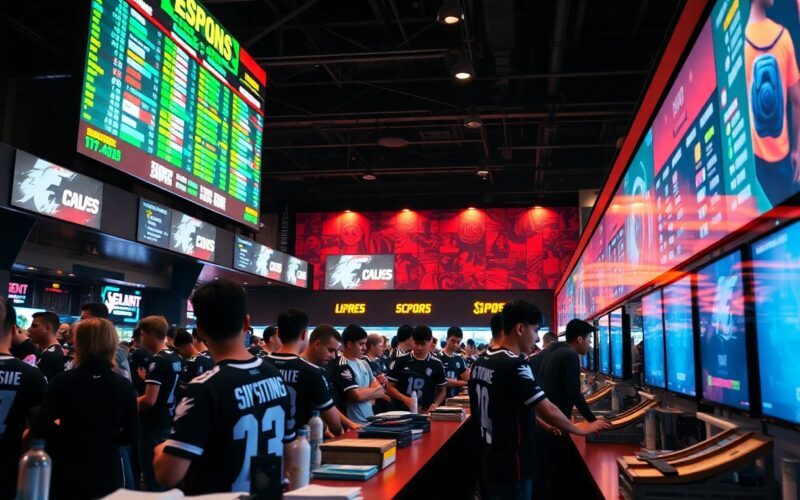
Online competitions often feature different rule enforcement practices compared to LAN events. Variations in technology, player accountability, and the presence of referees impact how rules are applied, affecting both gameplay and match outcomes. Understanding these differences is necessary for players, teams, and organizers alike.
Technical Infrastructure and Latency Considerations
The Impact of Network Latency (Ping) on Competitive Fairness
Network latency, commonly referred to as ping, significantly influences gameplay and competitive integrity in esports. Higher ping values can lead to delays in player actions, disrupting the flow of the game and creating discrepancies in performance. This becomes particularly detrimental in fast-paced titles where split-second decisions are critical.
Consistent low latency is necessary for fairness, as players with better connections gain an advantage over those with higher latency. Competitive environments emphasize the importance of minimizing these discrepancies, ensuring that all participants operate under as equal conditions as possible.
Server Location and Peering Disadvantages in Online Play
Server location plays a pivotal role in the online gaming experience. Geographic distance between players and game servers can exacerbate latency issues, often penalizing those situated further away. This imbalance can lead to frustrating gameplay experiences and perceived unfair advantages.
Peering agreements between internet service providers also affect connectivity. Inconsistent routes can result in ping spikes and packet loss, further diminishing player performance. These technical challenges highlight the disparity between online and LAN environments.
When servers are located far from a player’s location, latency can severely hinder performance. For instance, a player in North America might face considerable delays when competing on servers based in Europe, impacting game mechanics and strategies. Such inconsistencies underscore the importance of server geography in maintaining fair competitive play.
Zero-Latency Environments: The LAN Advantage for Frame-Perfect Execution
LAN tournaments provide a zero-latency environment that enables players to execute actions with pinpoint precision. In these settings, the connection is direct, minimizing delays and enabling instantaneous feedback on inputs. This advantage fosters a level of gameplay that online environments often struggle to replicate.
Synchronization between player actions and game responses is immediate in a LAN setting. This direct connection allows for the finest control and timing, critical elements in competitive gaming. The absence of latency in LAN ensures that all players are on an equal footing, significantly enhancing the competitive experience.
Anti-Cheat Protocols and Software Integration
Client-Side versus Server-Side Anti-Cheat Mechanisms
Client-side anti-cheat mechanisms monitor player behavior and file integrity directly on individual machines. This approach can quickly identify unauthorized modifications, but its effectiveness is limited by players’ ability to disable or circumvent these measures.
Server-side mechanisms, on the other hand, analyze gameplay data centrally, ensuring consistent oversight across all participants. Such systems can prevent more sophisticated cheating methods, although they require robust infrastructure to handle large volumes of data and real-time analysis.
Kernel-Level Drivers and Privacy Concerns in Remote Monitoring
Kernel-level drivers operate at the core of the operating system, providing deep system access necessary for effective cheat detection. While they can uncover hidden cheats, their invasive nature raises privacy concerns, as they might inadvertently collect more data than intended.
Users often express discomfort with software that demands extensive permissions. Transparency in how data is handled and the specific information collected is vital for maintaining trust between players and developers.
Concerns arise from both player privacy and security, amplifying the discussion around the necessity of these drivers. Game developers must balance effective anti-cheat measures against potential backlash from players wary of surveillance and data capture.
Manual Inspection of Local Files and Memory in LAN Settings
In LAN settings, manual inspection is a favored approach for ensuring fair play. Referees or designated officials examine local files and memory, verifying no unauthorized software or modifications are present. This hands-on method allows for immediate action but can be labor-intensive and relies on the diligence of officials.
Trust in the inspection process hinges on the integrity of officials and the transparency of the process. Missteps or inconsistencies can undermine player confidence and the overall integrity of the tournament.
Players tend to accept manual inspections due to their straightforward nature. However, delays and perceived invasiveness may also lead to frustration, underlining the need for clear communication and defined protocols during LAN events.
Physical Verification and Hardware Integrity
Peripheral Whitelisting and Macro Detection Protocols
Peripheral whitelisting ensures that only authorized devices are used during competitions. This process minimizes the risk of competitors employing unauthorized peripherals that could provide unfair advantages. By maintaining a list of approved gear, organizations can uphold consistency and integrity in tournament play.
Macro detection protocols further enhance security by identifying any pre-programmed sequences that players may use to automate actions. Detecting such macros helps ensure that gameplay remains skill-based and not dependent on technological exploits. These protocols are necessary for maintaining competitive fairness.
Physical Device Inspection: Identifying Hardware-Level Cheats and DMA Cards
Physical inspection of gaming devices can reveal hardware-level cheats that software measures might miss. Inspecting devices helps identify unauthorized modifications and tools designed to gain a competitive edge. Such vigilance is crucial for maintaining the integrity of esports.
DMA cards, often used for extracting data directly from memory, can provide unfair advantages by allowing players to see enemy positions or game states. Thorough checks of equipment during tournaments can help prevent such devices from being utilized, ensuring fair competition.
Standardized PC Provisioning versus Personal Equipment Risks
Standardized PC provisioning reduces risks associated with personal equipment, allowing tournaments to use uniform systems that are verified for integrity. Utilizing identical hardware ensures that all players face a level playing field and minimizes discrepancies between setups.
Personal equipment introduces numerous variables that could distort competitive conditions. Players may use customized gear with hidden modifications, making it hard to ensure all competitors uphold the same standards. Implementing standardized environments mitigates these concerns, reinforcing fair play.

Communication Monitoring and Player Interaction
VoIP Monitoring and Third-Party Communication Restrictions
VoIP monitoring serves as a fundamental tool in maintaining integrity during esports competitions. By tracking voice communication, organizers can ensure that no external information influences gameplay. Effective monitoring systems can detect unauthorized team communications, thereby preserving a level playing field.
Restrictions on third-party communication systems are also critical. Participants are often limited to official channels, minimizing the risk of collusion and unfair advantages. This creates a regulated environment, where every player has access to the same resources and information.
White-Noise Headsets and Acoustic Isolation in Live Venues
White-noise headsets play a pivotal role in live event settings. These devices help mask external noises, allowing players to focus on in-game audio. This is especially important in high-stakes competitions where distractions can impact performance.
Acoustic isolation further enhances the competitive atmosphere. By minimizing sound bleed from the audience and neighboring competitors, players can maintain concentration and react swiftly to in-game situations, fostering fair competition.
Effective use of white-noise headsets and acoustic isolation techniques ensures that players remain in their own auditory bubble. This setup not only enhances focus but also curtails the chances of players inadvertently hearing outside cues that could compromise game integrity.
Detection of External Signaling and Tactical Coaching Violations
Detection systems are vital for identifying external signaling during matches. These technologies analyze visual and auditory signals that may indicate unauthorized coaching or tactics. By monitoring for signs of communication that fall outside the permitted frameworks, organizers can uphold competitive fairness.
Active monitoring of coaching violations involves scrutinizing real-time interactions between players and coaches. Using sophisticated tools, analysts can pinpoint suspicious activities that may result in penalties, reinforcing a culture of integrity in esports.
Identifying external signaling is crucial for maintaining the legitimacy of competitions. Many organizations deploy technology to recognize patterns of communication that suggest coaching infractions, ensuring that all players compete based on their skills alone, without outside influence. This rigor enforces discipline and fairness within the esports community.
Environmental Factors and External Interference
Online play and LAN tournaments face unique challenges related to environmental factors and external interference. Variability in home office settings can lead to distractions that are absent in controlled LAN environments. Players might experience interruptions from household members, pets, or technology malfunctions. These elements can skew the performance metrics, making rule enforcement more complex during online matches.
- Distractions from non-player presence
- Technical difficulties with internet connections
- Inconsistent game settings
Perceiving a player’s need for a secure and distraction-free environment is imperative for optimal performance. By addressing these issues, we can better standardize the conditions under which competitive gaming occurs, whether online or in-person.
Home Office Security: Minimizing Non-Player Presence and Coaching
Home offices often lack the stringent security measures found in LAN setups. Players may be more susceptible to outside interference, including coaching from non-players, which breaches competitive integrity. Measures such as camera positioning, microphone checks, and environment audits can help mitigate these risks.
Establishing clear guidelines for home office setups is vital. Players should implement strategies to minimize distractions and ensure coaching is conducted within specified regulations. These adjustments reinforce the fairness of competitive play.
Crowd Noise Leakage and Information Advantage in Arena Settings
Noise from a live crowd can have a profound impact on player performance in arena settings. Unlike online matches, where players control their environment, the presence of an audience introduces unpredictable sound levels, creating challenges in communication and concentration. This can lead to a significant information advantage for teams adept at managing external distractions.
Understanding how crowd dynamics affect gameplay helps organizers enhance the competitive experience. Players may need to adapt their strategies to account for noise interference, which could influence rule enforcement in high-stakes events.
Standardizing Lighting, Ergonomics, and Setup Requirements
Standardization of lighting and ergonomic practices in esports is imperative for consistent performance across various settings. LAN venues typically provide controlled lighting and optimized setups, while home environments often vary significantly in these aspects. Such discrepancies can affect player comfort and visibility, leading to unfair advantages.
Developing a set of standardized requirements will enable players to perform at their best, regardless of location. Ensuring uniformity in these vital areas can improve overall competition integrity, enhancing the esports experience for both players and viewers.
Administrative Oversight and Referee Presence
Remote Administrative Tools and Screen Mirroring Protocols
Utilizing remote administrative tools enhances oversight during online matches. These tools facilitate real-time monitoring of player behavior, ensuring compliance with established rules and regulations. Screen mirroring protocols allow referees to observe gameplay directly, minimizing the risk of rule violations going unnoticed.
Verification is streamlined through these technologies, as referees can promptly identify issues and intervene when necessary. Such protocols not only maintain integrity but also strengthen player confidence in the monitoring process throughout competitive events.
On-Stage Referees: Immediate Intervention and Conflict Resolution
On-stage referees play a pivotal role in ensuring fair play by providing immediate intervention during matches. Their physical presence allows them to assess situations firsthand, enabling quick decision-making in cases of disputes or rule infractions. This immediacy contributes significantly to the overall professionalism of the event.
Having referees on-site creates an environment where players feel more accountable for their actions. The ability to engage directly facilitates swift conflict resolution, which is imperative for maintaining the flow and integrity of matches. Quick responses from referees can prevent escalation and ensure matches proceed without unnecessary delays.
POV Recording Requirements for Online Match Verification
POV recording serves a critical function in online match verification. This practice mandates players to record their gameplay, ensuring transparency and providing evidence for any disputes that may arise. Such recordings are imperative for analyzing gameplay and confirming adherence to rules.
Ensuring POV recordings are submitted for review adds an extra layer of accountability. Players must understand that their actions are being documented, which likely influences their gameplay decisions and promotes adherence to the competition’s standards.
Connectivity Stability and Disconnection Protocols
Rulebook Definitions of Intentional versus Unintentional Disconnects
Clarification of disconnect types is important for maintaining fair play. Intentional disconnects are often defined as deliberate actions to gain an advantage, while unintentional disconnects occur due to unforeseen technical issues. Each scenario faces unique scrutiny during enforcement, impacting player penalties and match outcomes.
Rules must differentiate clearly between these disconnect types to ensure accountability. Data collection on disconnects aids referees in making informed decisions, preserving the integrity of esports competitions. Adherence to consistent definitions helps establish clear expectations for competitors and officials alike.
Game State Restoration (Chrono-break) Capabilities and Limitations
Restoration technologies, such as chrono-break, enable recovery of the game state following a disconnection. This capability can effectively revert gameplay to the last known stable point, minimizing disruption. Yet, challenges arise in implementation, particularly regarding timing and accuracy of the restored state.
Limitations often include discrepancies in player actions just prior to disconnection. While chrono-break offers solutions, its dependability varies by game and circumstances. Efficient use of this technology requires thorough understanding and precise execution by officials during tense moments.
Chrono-break can restore gameplay but may not account for complex changes made by players after a disconnection. Complications can lead to disputes over gameplay fairness, particularly if players have gained or lost significant advantages just before the disconnect. Matching the restored state to the actual game dynamics can thus be a source of contention in tournament settings.
Internet Service Provider Failures and Online Rematch Clauses
ISP failures introduce significant challenges in maintaining the integrity of online matches. When service interruptions occur, rulebooks often dictate conditions under which rematches are warranted. These clauses ensure players aren’t unfairly penalized due to external factors beyond their control.
Clearly defined indicators of ISP issues help streamline rematch processes. Such guidelines allow tournament organizers to maintain fairness, as they create a standardized approach to handling the ramifications of connectivity failures during crucial match periods.
Online rematch clauses are critical in ensuring that technical failures do not unfairly influence match outcomes. Without these provisions, players could suffer from setbacks due to unreliable internet connections, undermining their competitive experience. Establishing transparent criteria for invoking rematches can assist in fostering trust among participants and organizers alike.
Competitive Integrity and Ghosting Prevention
Stream Delay Management and Broadcast Security Measures
When matches are streamed online, delays can prevent real-time information from influencing gameplay. Strategies such as implementing varying stream delays help ensure that players do not gain an unfair advantage by accessing live broadcasts, which may expose opponents’ positions. Operators regularly monitor broadcast times to maintain integrity across competitions.
Security protocols involving locked streams and secure servers further minimize risks associated with ghosting. Regular audits of broadcast settings, combined with strict regulations, form a comprehensive approach to safeguarding competitive integrity in esports events.
Proximity Constraints and Electronic Device Confiscation at LAN
During LAN events, proximity constraints are strictly enforced to limit communication between players and outside sources. Players are often isolated to eliminate the possibility of receiving unauthorized information during matches. Additionally, all electronic devices are confiscated prior to gameplay to prevent any form of cheating leveraging technology.
This isolation extends to comprehensive checks by tournament organizers. Players must adhere to these protocols, which contribute significantly to the integrity of live events. Monitoring procedures help ensure that external influences do not disrupt fair competition.
Social Media Blackouts During Active Match Windows
Social media blackouts during active match windows prevent players from engaging with real-time updates about ongoing games. These interruptions are crucial for maintaining a level playing field, as they ensure that players are not inadvertently swayed by outside commentary or team insights. Implementing such blackouts helps mitigate the risk of external influences affecting outcomes.
Enforcing strict blackout rules also reinforces the seriousness of competitive events. By limiting access to social media, organizers can safeguard match integrity, allowing players to focus entirely on their performance without distraction from outside sources.
Psychological Pressures and Performance Variance
The Stage Factor: Managing Adrenaline and Crowd-Induced Stress
Competitive environments, particularly LAN events, amplify adrenaline responses, impacting players’ decision-making and performance. Crowds can act as an overwhelming presence, causing players to oscillate between focus and anxiety. This psychological pressure elevates stakes, emphasizing the need for mental fortitude amidst external stimuli.
Experienced players often develop strategies to mitigate crowd-induced stress. Effective techniques include deep breathing and visualization, allowing competitors to channel excitement into a tactical advantage rather than a distraction. Ultimately, mastery over these factors can lead to significant performance differences between online and in-person tournaments.
Online Anonymity and its Effect on Professional Conduct and Toxicity
Anonymity in online play can lead to increased toxicity, as players feel less accountable for their behavior. This lack of face-to-face interaction often results in a dehumanization of opponents, breeding unsportsmanlike conduct and harassing communication. Professional environments, however, demand a higher standard of behavior.
Professional players frequently face the challenge of maintaining composure against online harassment. In an effort to counteract toxicity, many organizations have adopted codes of conduct and mental health resources, creating a framework for ethical gameplay. The effectiveness of these measures remains an ongoing topic in esports discussions.
Technical Stress Management during Hardware Failures under Pressure
Hardware malfunctions can significantly heighten stress levels during competitive play. Situations like sudden mouse failures or unexpected latency create immense pressure, forcing players to adapt rapidly. Effective technical preparation is vital in minimizing disruptions and maintaining focus under these circumstances.
Training sessions that simulate technical failures can help players develop resilience and quick decision-making skills. By practicing troubleshooting in high-pressure scenarios, competitors can ensure that hardware issues do not derail their performance during crucial moments.
Rulebook Adaptations for Hybrid Environments
Harmonizing Penalties Across Online and Offline Play
Ensuring consistency in penalties for identical infractions in both online and LAN environments is vital for maintaining fairness. Different contexts can influence the severity and application of penalties, necessitating a streamlined approach in rulebook adaptations.
Regulatory bodies must align their enforcement strategies to create a unified gaming experience. This harmonization helps players understand the consequences of their actions, regardless of the platform, promoting accountability.
Jurisdictional Challenges in Global Online Tournament Governance
Global tournaments often involve players from various countries, leading to jurisdictional issues that complicate rule enforcement. Each country’s laws and regulations can affect how and if rules are applied, creating inconsistencies that undermine tournament integrity.
Inconsistencies can arise from different interpretations of what is permissible, complicating the governance of online play. Establishing a universal framework can help mitigate these issues but requires cooperation from multiple stakeholders.
Contractual Obligations Regarding Webcam and Audio Feed Persistence
Players may be required to maintain active webcam and audio feeds throughout competitions, ensuring oversight and deterring cheating. Contractual obligations typically specify the duration and manner in which these feeds must be operational during gameplay.
Designing these contracts necessitates a balance between privacy concerns and the need for transparency in competitive integrity. Players must be informed of the extent and purpose of surveillance to foster trust in the system.
Disciplinary Actions and Real-Time Penalties
Immediate Disqualification versus Post-Match Investigation Procedures
In online esports, immediate disqualification can occur for severe infractions such as cheating or abusive behavior, allowing referees to maintain order in real-time. This approach aims to deter misconduct during live matches, ensuring a fair competition atmosphere.
Conversely, LAN tournaments often rely on post-match investigations, allowing officials to assess the context and severity of incidents more comprehensively. Such procedures ensure that decisions are thorough, though they can result in delayed consequences for participants.
Fine Structures for Technical Infractions and Unprofessionalism
Fine structures for technical infractions vary widely between online and LAN environments, reflecting the different natures of enforcement. Online platforms frequently impose immediate fines that support instant remediation, while LAN events may utilize tiered penalties that escalate with repeated offenses.
This approach in LAN settings often deters unprofessional behavior, as players become aware of the potential long-term ramifications. Establishing clear guidelines maintains professionalism across events, ensuring that all participants understand the standards expected of them.
Escalation Paths for Repeat Offenders in Online Qualifiers
Escalation paths for repeat offenders in online qualifiers are typically more stringent than other formats. Players who amass multiple infractions may face increased penalties, including suspension from future events. This method helps to uphold a competitive integrity across online competitions.
Establishing clear protocols ensures that actions are taken to address patterns of misconduct. Consistent enforcement of these paths not only discourages bad behavior but also contributes to a healthier competitive environment overall.
Data Privacy and Security Standards
GDPR Compliance in Remote Player Monitoring and Surveillance
GDPR mandates strict data handling procedures, particularly in esports, where remote player monitoring is vital. Organizations must anonymize personal data and ensure players provide explicit consent for monitoring activities. Breaching GDPR can result in severe penalties, impacting not only financial standing but also organizational reputation.
Compliance involves establishing clear data retention policies and determining how long player data is stored. Transparency with players about data use is necessary; this builds trust and ensures ongoing cooperation in any surveillance or monitoring efforts.
Protecting Player IP Addresses from DDoS Attacks in Online Play
IP addresses serve as critical identifiers for players in online matches. Protecting this information is paramount to prevent Distributed Denial of Service (DDoS) attacks, which can disrupt gameplay and compromise player experience. Implementing measures like IP masking and VPNs can shield players from potential threats.
Deploying protective technology not only safeguards player identities but also maintains the integrity of competitive play. Tournament organizers must prioritize these security measures to preserve a fair and uninterrupted environment.
Industry-standard practices, such as utilizing dedicated servers and robust firewalls, significantly enhance protection against DDoS attacks. Additionally, real-time monitoring systems can detect unusual traffic patterns, allowing for prompt responses to potential threats.
Secure Storage of Tournament Replays and Administrative Logs
Storing tournament replays and administrative logs securely is necessary for maintaining competitive integrity. These records can provide valuable insights for reviews, analysis, and investigations into disputes. Regular data encryption and secure access protocols are necessary to protect against unauthorized access.
Ensuring that stored data is backed up securely further minimizes risks of loss and ensures continuity in case of deletion or corruption. This isn’t just a technical necessity; it’s a foundational aspect of safeguarding player trust and maintaining the credibility of the esports community.
Case Studies: Notable Rule Violations and Resolutions
- 2016: ESL One – Team Dignitas caught using an exploit during the tournament, resulting in disqualification.
- 2019: Fortnite World Cup – A player was banned for account sharing; sanctions included a permanent ban and loss of prize money.
- 2020: League of Legends – A team faced penalties for collusion, resulting in a fine and a season ban for key players.
- 2021: CS:GO – Multiple players from a team disqualified for match-fixing with evidence leading to a long-term suspension.
Analysis of Online Match-Fixing and Detection Hurdles
Online match-fixing presents unique challenges for esports organizations. Anonymity in online environments allows players to coordinate illicit activities without immediate detection, complicating investigation efforts.
Detection tools often struggle to keep pace with evolving tactics employed by those attempting to manipulate outcomes. Machine learning algorithms face limitations in accurately pinpointing suspicious activities, resulting in delayed or insufficient responses.
High-Profile LAN Disqualifications: A Lesson in Physical Security
LAN events necessitate stringent security protocols. Several incidences have highlighted lapses in physical security, leading to critical disqualifications and reputational damage for involved parties.
One notable case occurred during a prestigious tournament where a player was disqualified after being discovered using an unauthorized device. This incident reshaped security measures at future events, emphasizing the importance of thorough checks before matches.
Event organizers adopted more rigorous screening processes to prevent similar violations. Key improvements included implementing multi-layer verification and enhancing monitoring of player behavior during matches, effectively fortifying the integrity of LAN competitions.
The Evolution of Rulebooks Following Major Competitive Scandals
Rulebooks have undergone significant changes in response to high-profile scandals over the years. Each incident prompted regulatory bodies to reevaluate existing guidelines, ensuring that they cover emerging issues comprehensively.
Revisions often include stricter penalties and clearer definitions of acceptable conduct. Such adaptations aim to deter future violations, fostering a more transparent competitive environment within the esports industry.
Incorporating lessons from previous scandals, organizations continually refine their rulebooks to address not only misconduct but also evolving gaming technologies and player behaviors. These proactive updates are crucial for maintaining the integrity and fairness seen in competitive esports today.
Conclusion
From above, it’s clear that rule enforcement in online esports differs significantly from LAN events. In online settings, automated systems often manage compliance and monitoring, which can introduce inconsistencies in enforcement. Player accountability may also diminish due to the anonymity of the internet.
In contrast, LAN events provide a controlled environment where officials can oversee gameplay directly, leading to stricter enforcement practices. Instant detection of infractions is more feasible in person, enhancing overall integrity. These differences highlight the varying challenges and methodologies for maintaining fair competition in both formats.
Q: What are the primary differences in rule enforcement for online esports compared to LAN events?
A: Online esports often rely on automated systems for rule enforcement and monitoring player behavior, while LAN events utilize referees and official observers to ensure compliance with rules. The immediacy of physical presence in LAN events allows for swifter resolutions of disputes and monitoring of player conduct.
Q: How does cheating differ between online and LAN environments in esports?
A: Online environments present greater opportunities for cheating, including the use of external software and communication tools. LAN settings limit these possibilities due to physical security measures, such as anti-cheat software installations and monitored equipment, reducing incidents of cheating significantly.
Q: What impact does latency have on rule enforcement in online esports versus LAN events?
A: Latency in online esports can complicate rule enforcement, especially when it comes to connection issues or technical interruptions. In LAN events, consistent network conditions minimize these challenges, enabling clearer and more straightforward enforcement of rules regarding gameplay interruptions or performance standards.