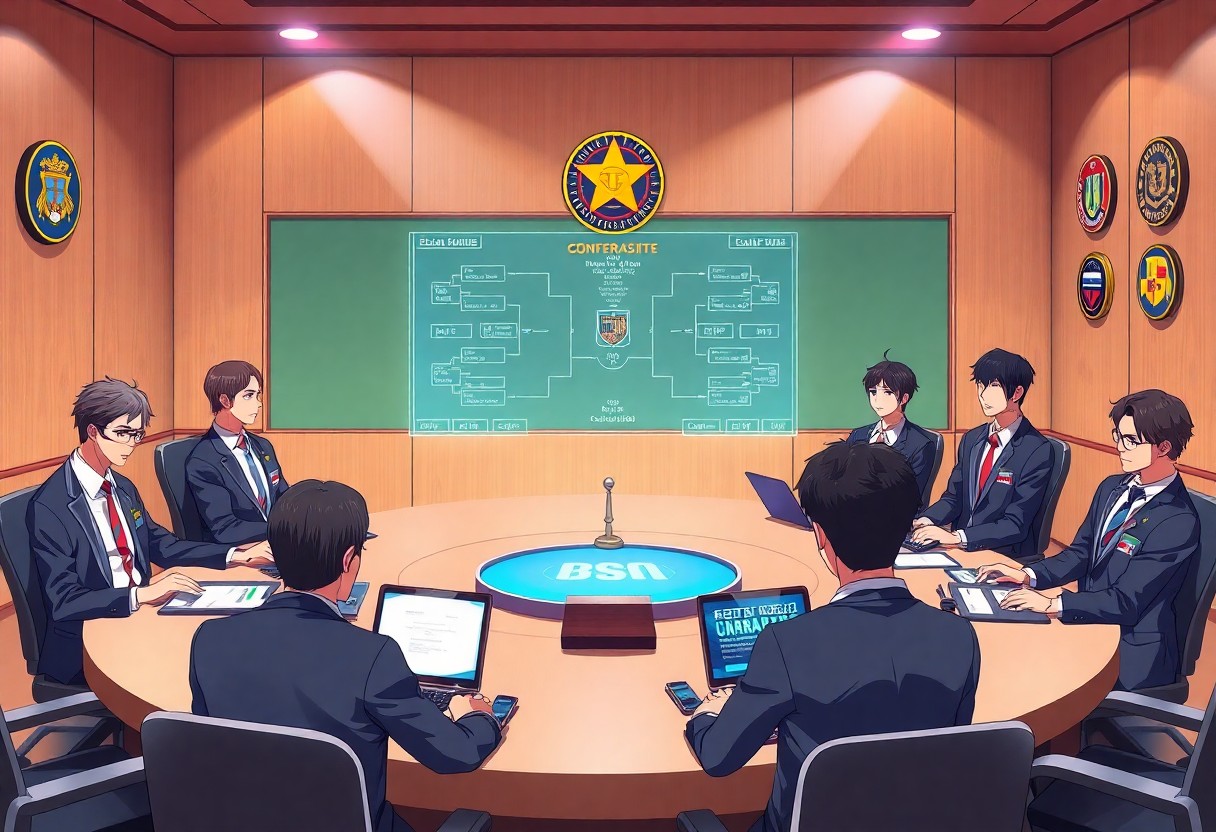
It’s crucial to understand how national associations shape the governance of esports. These organizations establish rules, promote fair play, and facilitate international competition, playing a key role in the overall integrity and development of esports as a recognized sporting discipline.
The Historical Evolution of Esports Governance
Transition from decentralized grassroots communities to formal structures
Initially, esports thrived within decentralized grassroots communities where tournaments and leagues operated independently. Players and organizers self-regulated, creating informal guidelines that often varied across different regions.
As esports grew, the need for standardized rules and structures became apparent. This shift led to the establishment of formal governance systems to ensure fair play, promote competition, and address disputes, paving the way for a more organized environment.
The emergence of the first national governing bodies in pioneer regions
National governing bodies began to form in regions with growing esports scenes, such as South Korea and North America. These entities aimed to unify standards and enforce regulations across different games and tournaments.
Recognizing the potential of the industry, these organizations worked closely with game developers and sponsors, facilitating sustainable growth and professionalization of esports.
Comparative analysis of traditional sports governance versus digital ecosystems
| Traditional Sports | Esports |
| Established regulatory bodies set in stone | Fluid, evolving regulations adapting to trends |
| Hierarchical structure with clear roles | Collaborative networks among stakeholders |
| Uniform international rules | Diverse regulations varying by game and region |
Traditional sports have well-defined governance frameworks, often involving established organizations with rigid hierarchies. In contrast, esports champions a more fluid governance structure, evolving rapidly and characterized by collaboration among a wide range of stakeholders. Such adaptability allows the industry to respond swiftly to emerging challenges and diverse player needs.
| Oversight through long-standing conventions | Proactive engagement in innovation and change |
| Funding primarily from sponsorship and media rights | Revenue streams diversified, including microtransactions |
| Fixed competitive seasons and events | Dynamic event scheduling based on community interest |
Engagement levels differ significantly between traditional sports and esports. While traditional sports rely on fixed funding and conventions, esports adapts its financial models and event structures based on player and audience dynamics. This adaptability positions esports as an innovative force that reflects contemporary digital trends.
Conceptual Framework and Legal Status of National Associations
Defining the mandate and constitutional objectives of national bodies
National associations must clearly articulate their mandate to ensure effective governance within esports. Objectives often include promoting competitive integrity, developing grassroots initiatives, and facilitating player welfare. Establishing these goals requires comprehensive stakeholder input to align the interests of various participants in the esports ecosystem.
Articulation of constitutional objectives enhances transparency and accountability. By setting these parameters, national bodies can better manage relationships with teams, players, and sponsors. This clarity not only strengthens governance but also fosters community trust and collaboration.
Navigating legal recognition by National Olympic Committees and Ministries of Sport
Achieving legal recognition is crucial for national associations, as it legitimizes their authority. Engagement with National Olympic Committees (NOCs) and Ministries of Sport can help secure this recognition. These organizations often set criteria that esports associations must fulfill, including governance standards and regulatory compliance.
Recognition by official bodies allows national associations to access funding, resources, and organizational support. This official status can also enhance credibility within the broader sports community and facilitate partnerships with other entities, thereby strengthening the esports framework.
Legal recognition from NOCs and Ministries of Sport often requires adherence to specific governance models and operational frameworks. National bodies must showcase their commitment to standards set at national and international levels. Collaborating with these organizations can lead to the establishment of cohesive regulatory systems that benefit the esports community.
Membership models: Integrating professional teams, amateur clubs, and individual athletes
Membership models play a key role in the inclusivity of national associations. Integrating professional teams, amateur clubs, and individual athletes fosters a balanced ecosystem that promotes growth across all competitive levels. This diversity strengthens grassroots initiatives and creates pathways for aspiring players.
Successful membership frameworks need to accommodate the different needs and aspirations within the esports community. Recognizing the distinct contributions of each member category allows for tailored support, resource distribution, and event organization, leading to a more unified structure.
Developing inclusive membership models requires careful planning and alignment with the goals of the national association. By ensuring that all stakeholder voices are heard and represented, national bodies can cultivate an environment that not only promotes competition but also encourages collaboration among all levels of esports participation.
Regulatory Functions and Standardized Competitive Codes
Developing unified rulebooks for multi-title domestic competitions
Unified rulebooks enhance consistency across various titles, allowing players and teams to engage under equitable conditions. National associations play a pivotal role in drafting these regulations, ensuring they address specific gaming nuances while maintaining overarching governance.
Collaboration among stakeholders, including developers and teams, is vital for creating effective rulebooks. By aligning standards for gameplay, conduct, and tournament organization, associations contribute to a more professional environment and mitigate conflicts that may arise during competitions.
Implementation of anti-doping protocols and compliance with WADA standards
Anti-doping protocols are critical for maintaining fair competition and athlete integrity. National associations must align their practices with World Anti-Doping Agency (WADA) standards to ensure comprehensive compliance across esports disciplines.
Adopting rigorous testing procedures and educational programs about the dangers of performance-enhancing drugs promotes a culture of fairness. These measures foster trust among participants while safeguarding the integrity of the sport.
Compliance requires ongoing education and proactive measures. National associations should implement regular testing intervals to deter substance abuse and ensure athletes are aware of the consequences of doping violations. Transparency in processes bolsters trust and reinforces the integrity of esports as a legitimate sport.
Establishing integrity units to combat match-fixing and competitive fraud
Integrity units are vital to detect, investigate, and prevent match-fixing in esports. National associations need to establish dedicated teams that monitor suspicious activities and educate stakeholders about the ramifications of unethical behavior.
Collaboration with law enforcement and betting regulators enhances the effectiveness of integrity units. By implementing strict protocols for reporting and addressing fraudulent activities, associations can protect the integrity of esports competitions and build confidence among fans and participants.
Addressing match-fixing demands a comprehensive approach. Increased awareness through workshops and initiatives can mitigate risks while maintaining a culture of fairness. Ongoing communication between integrity units and competing organizations is vital for timely responses to emerging threats, ensuring a secure competitive environment.
Professional Standards and Player Welfare Advocacy
Creating standardized contract templates and minimum age requirements
Establishing standardized contract templates helps ensure that players understand their rights and obligations. Such templates can create a baseline for compensation, sponsorship, and dispute resolution, minimizing the potential for exploitation. Minimum age requirements further protect younger players from undue pressure and unhealthy environments in competitive settings.
These standards enable players to focus on their development while providing legal clarity. National associations play a pivotal role in implementing these measures, promoting transparency and fairness across the esports industry.
Mental health initiatives and physical wellness programs for elite performers
Emphasizing mental health initiatives is vital for the longevity of players’ careers. Support systems aimed at psychological resilience help athletes manage the unique pressures faced in high-stakes competition. Physical wellness programs also ensure that players maintain their health and performance levels through proper training and recovery strategies.
By prioritizing player well-being, national associations can promote sustainable careers, reducing burnout and injury rates. Programs designed to address both mental and physical health show a commitment to holistic player development.
Educational transitions and career counseling for post-competitive life
Assisting players with educational transitions prepares them for life beyond their competitive careers. Career counseling services can guide athletes toward opportunities in coaching, streaming, or even traditional job markets, ensuring they are equipped with the necessary skills. This support helps minimize the potential identity crisis many athletes face post-retirement.
Providing resources and mentorship during this transition phase enables players to envision a fulfilling future after their esports careers. National associations that invest in these initiatives demonstrate a commitment to player welfare long after competition ends.
Grassroots Development and the Path to Pro Pipeline
Structuring amateur leagues and regional qualification systems
Creating amateur leagues provides a foundational platform for aspiring players. These leagues serve as entry points for talent, allowing individuals to compete locally and gain crucial experience. Regional qualification systems further streamline the pathway to professional opportunities, ensuring that promising players can progress based on merit.
Establishing clear structures within these leagues promotes consistency and fairness. Standardized rules and regulations reinforce competitive integrity while enabling scouts and teams to identify skilled players efficiently. A well-defined pathway encourages player retention and ongoing engagement within the esports community.
Integration of esports into scholastic and collegiate athletic programs
Introducing esports into academic curricula enhances student engagement and skill development. Schools and colleges that recognize esports as part of their athletic programs open avenues for students to explore competitive gaming within a structured environment. This integration not only encourages teamwork and discipline but also provides potential scholarships for dedicated players.
Support from educational institutions establishes a legitimacy that contributes to the overall growth of the esports ecosystem. Graduates equipped with both academic and competitive gaming skills are increasingly attractive to professional teams, bridging the gap between education and employment in esports.
Certification programs for coaches, referees, and administrative staff
Certification programs bolster the professionalism within esports by equipping coaches, referees, and administrative personnel with crucial skills. Structured training ensures that these key figures understand the nuances of the games, fostering higher quality competition. As a result, leagues can operate more effectively and ethically.
Such programs create a recognized standard of competency and knowledge in esports management. By investing in professional development, organizations help to build a more sustainable and credible framework for competitive gaming as it evolves.
Relationship Management with Game Publishers and IP Holders
Navigating the legal complexities of intellectual property in sanctioned events
Understanding intellectual property rights is vital for national associations involved in esports. These organizations must ensure compliance with copyright and trademark laws to avoid potential legal pitfalls during sanctioned events.
Emphasizing transparency in communication with game publishers helps clarify rights and obligations. This proactive approach establishes trust and minimizes disputes, ultimately contributing to the credibility of organized esports competitions.
Collaborative frameworks for licensing and data-sharing agreements
Creating collaborative frameworks between national associations and game publishers is vital for effective licensing arrangements. These agreements facilitate the sharing of crucial data, enabling both parties to enhance competition quality and participant experiences.
Establishing clear guidelines for data use can lead to better insights for event organizers. Such collaboration ensures that both publishers and associations can mutually benefit while promoting integrity and growth within the esports ecosystem.
Effective collaborative frameworks should include terms for data protection, usage rights, and revenue sharing. By clearly defining these aspects, national associations can safeguard their interests while fostering a cooperative environment with IP holders, ensuring a streamlined approach to managing esports events.
Balancing publisher-led circuits with association-governed national championships
Finding a balance between publisher-led circuits and association-governed national championships is crucial for sustaining competitive integrity. National associations must align their goals with those of publishers to create cohesive competition pathways that encourage participation.
Collaboration between these entities allows for diverse tournament structures that appeal to various player types. Such synergy enhances overall engagement and growth within the esports community while maintaining the distinct identities of both circuits.
Balancing these elements ensures that players receive opportunities to compete at different levels while preserving the autonomy of national governing bodies. This equilibrium enriches the esports environment, allowing for innovation and competitive integrity across both publisher-led and association-organized events.
Economic Governance and Commercial Sustainability
Revenue distribution models for member organizations and stakeholders
Various revenue distribution models exist to ensure fair compensation among member organizations and stakeholders. Approaches include percentage sharing based on contributions, tournament performance, and audience engagement metrics. These models aim to balance profitability with the need for sustainable operational practices.
Equitable distribution not only benefits individual entities but also reinforces community ties within the esports ecosystem. Well-designed models provide incentives for performance and collaborative efforts among stakeholders, crucial for long-term growth.
Transparency in sponsorship procurement and ethical marketing guidelines
Ensuring transparency in sponsorship procurement cultivates trust among all stakeholders. Clear guidelines prevent conflicts of interest and ensure that sponsorship deals are ethical and in line with community standards.
Establishing ethical marketing guidelines further enhances accountability. These guidelines help maintain brand integrity and promote responsible messaging, crucial for the industry’s reputation.
Transparency in sponsorship procurement and ethical marketing focuses on creating a fair playing field. Accessible information regarding deals and criteria for sponsorship selection helps prevent favoritism and promotes a healthier competitive environment. Ensuring that all parties understand the processes involved aids in building confidence and encourages participation from diverse stakeholders.
Managing collective media rights and domestic broadcasting standards
Collective management of media rights allows esports organizations to negotiate better terms with broadcasters and sponsors. Standardized broadcasting regulations help maintain quality and consistency, ultimately enhancing viewer experience.
Collaboration among national associations ensures a unified approach to media rights, making it easier to attract premium broadcasting deals. Clear domestic broadcasting standards promote a professional atmosphere and encourage investment in the ecosystem.
Managing collective media rights and establishing domestic broadcasting standards creates opportunities for increased visibility and revenue. By consolidating rights negotiation, organizations can achieve improved terms that benefit all stakeholders involved. Standardized practices set expectations for quality, which in turn attracts higher viewership and investment, fostering a more sustainable environment for esports commercialization.
National Team Selection and International Representation
Criteria and scouting methodologies for selecting national representatives
Selection criteria for national esports teams often incorporate skill rankings, recent performance metrics, and team synergy. Various scouting methodologies focus on tournament results and player statistics to identify top contenders.
Employing a mix of objective data analysis and subjective evaluations, associations aim to assemble a balanced team. This process frequently involves reviewing gameplay footage, player interviews, and potential for teamwork under pressure.
Logistics, visa facilitation, and diplomatic support for international travel
Travel logistics for national teams frequently include obtaining necessary visas, booking accommodations, and arranging transportation. Associations often collaborate with government entities to streamline visa processes for players and coaching staff.
Facilitating smooth international travel is necessary for maintaining team morale and focus. Government support plays a significant role in ensuring that travel obstacles are minimized, granting national representatives a better chance for success on the global stage.
Coordinating travel logistics often involves diplomatic channels to secure timely visa approvals and avoid delays. National associations may work closely with embassies and consulates to ensure that players receive the necessary documentation. This proactive approach establishes a supportive environment for participants, allowing them to concentrate on competition without logistical distractions.
Coordination with the International Esports Federation (IESF) and Global Esports Federation (GEF)
Working with the IESF and GEF helps national associations standardize selection processes and representation criteria for international events. This collaboration ensures that nations compete under fair and consistent guidelines.
Strengthening ties with these organizations enhances the visibility of national teams and promotes esports as a legitimate sports discipline. Such coordination fosters a unified approach to governance and development within the global esports community.
Efficient coordination with the IESF and GEF allows national associations to align their goals with international standards. By engaging in regular dialogue and sharing best practices, countries can better prepare teams for global competitions, resulting in a more cohesive and competitive environment in the esports arena.
Infrastructure Development and Technical Standardization
Setting minimum requirements for high-performance training centers
High-performance training centers must adhere to specific standards to maximize athlete potential. This includes space allocation, appropriate equipment, and resources tailored to each game’s unique demands. National associations play a key role in establishing these criteria, ensuring that facilities support both physical and digital training environments effectively.
Compliance with these minimum requirements enhances training quality and promotes consistent practices across regions. By doing so, these centers contribute to the overall development of players and help maintain competitive parity within the sport.
Establishing technical benchmarks for low-latency network environments
Technical benchmarks for low-latency network environments ensure optimal gaming experiences during competitions. These standards address network speed, reliability, and overall stability, providing guidelines crucial for fair play. National associations must collaborate with technology experts to define these benchmarks effectively.
Consistent adherence to these standards can significantly reduce discrepancies in gameplay, allowing for a level playing field. This uniformity assists in preventing technical failures that could disrupt tournaments and negatively impact player experiences.
Establishing technical benchmarks for low-latency network environments requires active engagement from various stakeholders, including internet service providers and hardware manufacturers. By creating and enforcing these standards, national associations can mitigate latency issues that often plague online competitions. Such initiatives directly enhance players’ performance and spectator enjoyment, resulting in a more professional and reliable esports ecosystem.
Certification of physical venues for safety, accessibility, and broadcast readiness
Certification of physical venues is critical to ensuring that facilities meet necessary safety and accessibility standards. National associations are responsible for developing comprehensive guidelines, which venues must adhere to before hosting large-scale events. Assessments include examinations of emergency protocols, structural integrity, and accessibility features.
Proper certification also encompasses broadcast readiness, ensuring that venues are equipped for high-quality livestreaming and media coverage. This aspect enhances the audience experience and attracts sponsors by demonstrating a commitment to professional standards.
Certification processes streamline the preparation of venues for esports events, guaranteeing that safety and accessibility are prioritized. By setting these standards, national associations improve the overall operational framework surrounding esports, enhancing perceptions among stakeholders, sponsors, and fans alike.
Diversity, Equity, and Inclusion (DEI) in Governance
Programs for increasing female participation in competitive and leadership roles
Incorporating targeted initiatives can significantly enhance female representation in esports. These programs often include mentorship opportunities, workshops, and competitive leagues aimed at women. By creating supportive environments, organizations can increase not only participation but also retention in the esports community.
Organizations frequently partner with educational institutions to develop training programs tailored for women. This strategy not only improves skills but also helps build networks, allowing participants to enhance their visibility in both competitive and leadership roles.
Developing frameworks for Para-esports and adaptive gaming technologies
Establishing clear frameworks for Para-esports is necessary for driving participation among players with disabilities. Inclusive policies ensure that adaptive gaming technologies are accessible, allowing a broader range of players to compete on equitable terms. This fosters a sense of community and encourages innovation in game design.
Advocating for collaborations between game developers and accessibility experts can lead to breakthroughs in adaptive technologies. These partnerships can result in games that are more inclusive, thus expanding the player base and enriching the esports ecosystem.
Addressing toxicity and implementing codes of conduct for digital environments
Tackling toxicity within gaming communities requires a comprehensive approach to implement effective codes of conduct. Establishing clear guidelines helps promote respectful interactions, setting standards for behavior both in-game and on platforms associated with esports.
Many organizations actively enforce these codes through moderation teams that monitor online interactions. This proactive measure not only mitigates harassment but also fosters a safe and enjoyable atmosphere for all players, crucial for the long-term health of the esports scene.
Legal Compliance and Dispute Resolution Mechanisms
Establishing independent arbitration panels for internal stakeholder conflicts
Independent arbitration panels play a pivotal role in maintaining fairness within esports governance. By offering a transparent dispute resolution process, stakeholders can address grievances without bias, ensuring that all parties feel heard. This structure promotes trust, allowing for smoother interactions between players, teams, and organizations.
An impartial panel equipped with industry knowledge can mediate disputes effectively. Such a system not only resolves conflicts efficiently but also sets a precedent for professional conduct within the esports community, fostering a culture of respect and compliance.
Alignment with national data privacy laws and cybersecurity mandates
The connection between esports governance and national data privacy laws is important in protecting participant data. Compliance with these regulations ensures that organizations safeguard sensitive information, which is vital in an increasingly digital environment. National associations play a critical role in enforcing these standards.
Cybersecurity mandates provide a framework for esports entities to implement protective measures against data breaches. Adhering to these guidelines not only mitigates risks but also enhances consumer confidence, promoting a safer gaming environment.
To align with national data privacy laws effectively, esports organizations must understand the specifics of these regulations. This comprehension enables them to craft tailored policies that protect user data while maintaining compliance. Regular audits and updates to security measures help organizations stay current with evolving legal standards, ensuring continual compliance amidst the dynamic landscape of data regulation.
Intellectual property protection for domestic brands and digital assets
Intellectual property rights are important for safeguarding the creative outputs within the esports ecosystem. As domestic brands and digital assets gain prominence, their protection becomes a priority to prevent unauthorized use and ensure fair competition. Strong enforcement mechanisms deter infringement and promote innovation.
Strategies to strengthen IP protection involve awareness campaigns and legal frameworks tailored for esports. Educating stakeholders about their rights and responsibilities can enhance compliance and foster a more secure environment for brand development.
Comprehensive intellectual property protection not only secures existing assets but also encourages new creations within the esports market. By understanding the intricacies of copyright, trademark, and patent laws, organizations can develop strategies that not only defend their creations but also foster growth and creativity in the industry.
Public Policy, Advocacy, and Governmental Relations
Lobbying for legislative recognition and favorable tax status for esports
National associations play a pivotal role in advocacy efforts to secure legislative recognition for esports. By collaborating with policymakers, these organizations aim to define the legal framework that shapes the industry. This recognition not only acknowledges esports as a legitimate sector but also paves the way for improved regulations and protections.
Efforts in lobbying for favorable tax status further enhance the industry’s growth potential. Associations highlight the economic contributions of esports, arguing for incentives that can attract investment and companies to the sector. Such measures can help establish a stable environment conducive to innovation and development.
Promoting esports as a tool for digital literacy and STEM education
Educational initiatives emphasizing esports can significantly boost digital literacy and STEM engagement among students. National associations advocate for integrating esports into school curricula, showcasing its relevance in modern education. These programs offer hands-on experience that connects academic concepts with practical applications of technology.
When implemented effectively, esports initiatives can inspire a new generation of tech-savvy individuals. By promoting teamwork, strategic thinking, and problem-solving skills, associations contribute to shaping future innovators and leaders in STEM fields.
Socio-economic impact reporting to justify public investment and grants
Transparent reporting on the socio-economic impacts of esports is crucial for attracting public investment and grants. National associations compile data and case studies that demonstrate job creation, increased tax revenue, and community engagement resulting from esports events. Such evidence fosters trust and encourages governmental support.
Effective impact reporting can shift perceptions about the esports industry. By quantifying economic contributions, national associations make a compelling case for public funding, ensuring the sustainability and growth of esports ecosystems.
Comparative Analysis of Global Governance Models
| Model | Description |
|---|---|
| KeSPA Model | State-backed institutionalization in South Korea. |
| European Approach | Decentralized federations and community-led regulation. |
| Emerging Markets | Rapid institutional growth in Southeast Asia and Latin America. |
The KeSPA Model: Examining state-backed institutionalization in South Korea
South Korea’s governance model, anchored by the Korea e-Sports Association (KeSPA), illustrates a unique blend of government support and industry regulation. This state-backed approach has facilitated the emergence of professional esports leagues, ensuring both competitive integrity and audience engagement.
Oversight by government entities has allowed KeSPA to standardize rules, promote a safe environment for players, and encourage educational initiatives. Such institutional backing sets South Korea apart as a leader in the global esports arena.
The European Approach: Decentralized federations and community-led regulation
European esports governance showcases a more fragmented structure, with multiple federations responding to local needs. This decentralization empowers communities to craft regulations that reflect their specific cultural and competitive contexts.
Greater reliance on grassroots organizations fosters innovation and adaptability, enabling varied stakeholder participation. This model supports a rich diversity of esports experience across Europe.
Community-led regulation in Europe allows stakeholders to influence governance in meaningful ways. Each federation can address local challenges, creating tailored solutions that resonate within their regions. This participatory approach nurtures vibrant ecosystems and helps unify players, organizations, and fans under shared interests, contributing to the overall growth of esports in Europe.
Emerging Markets: Rapid institutional growth in Southeast Asia and Latin America
Emerging markets in Southeast Asia and Latin America are witnessing swift institutional growth in esports governance. Organizations are increasingly recognizing the commercial potential of esports, prompting governmental and private investment. This surge results in the establishment of regulatory bodies aiming to standardize practices and protect player rights.
As local tournaments gain popularity, the need for structured governance becomes evident. Institutional development in these regions often faces challenges, such as limited resources and evolving technology, but ambitious stakeholders are committed to overcoming these hurdles.
Recent investments and collaborations in Southeast Asia and Latin America signal a promising trajectory for esports governance. In these regions, newly formed organizations strive to implement best practices while addressing regional nuances in player engagement, regulatory frameworks, and commercial partnerships. As these markets mature, their governance structures are likely to evolve, reflecting increased professionalism and sustainability in the esports ecosystem.
Summing up
Summing up, national associations play a pivotal role in shaping esports governance by establishing guidelines and standardized practices. They ensure fair play and address issues such as player rights, tournament regulations, and integrity. Their involvement helps unify various stakeholders, from players to sponsors, thereby fostering a more organized environment in esports.
This collective approach enhances transparency and accountability, allowing for improved conditions within the industry. As esports continues to grow, national associations must adapt to emerging challenges, ensuring they remain effective in protecting the interests of all participants while promoting a sustainable future for the sport.
Q: What are the main responsibilities of national associations in esports governance?
A: National associations oversee regulatory compliance, set competitive standards, and mediate disputes among players, teams, and organizations. They facilitate communication between stakeholders and promote fair play within their jurisdiction.
Q: How do national associations impact player rights and protections in esports?
A: National associations establish guidelines that protect player rights, ensuring fair contracts and safer working conditions. They advocate for athletes, addressing issues like harassment, discrimination, and labor rights within the esports community.
Q: What role do national associations play in the international esports community?
A: National associations collaborate with international bodies to unify regulations and establish fair competition standards. Their involvement is vital for organizing international tournaments, which helps promote esports on a global scale.