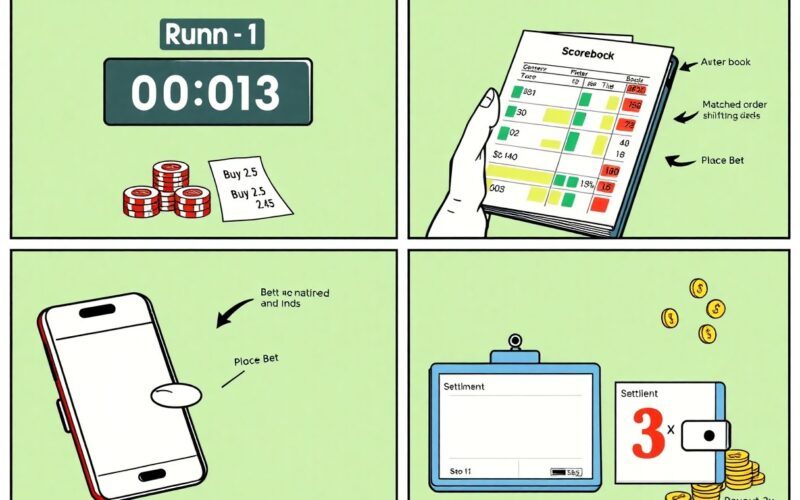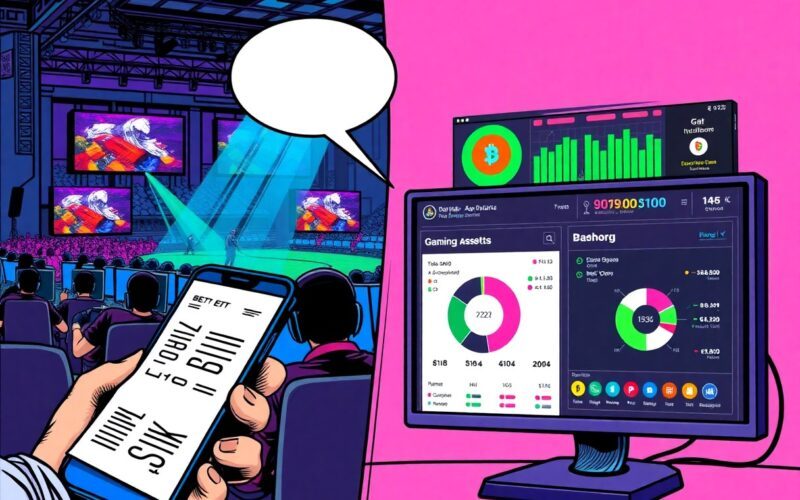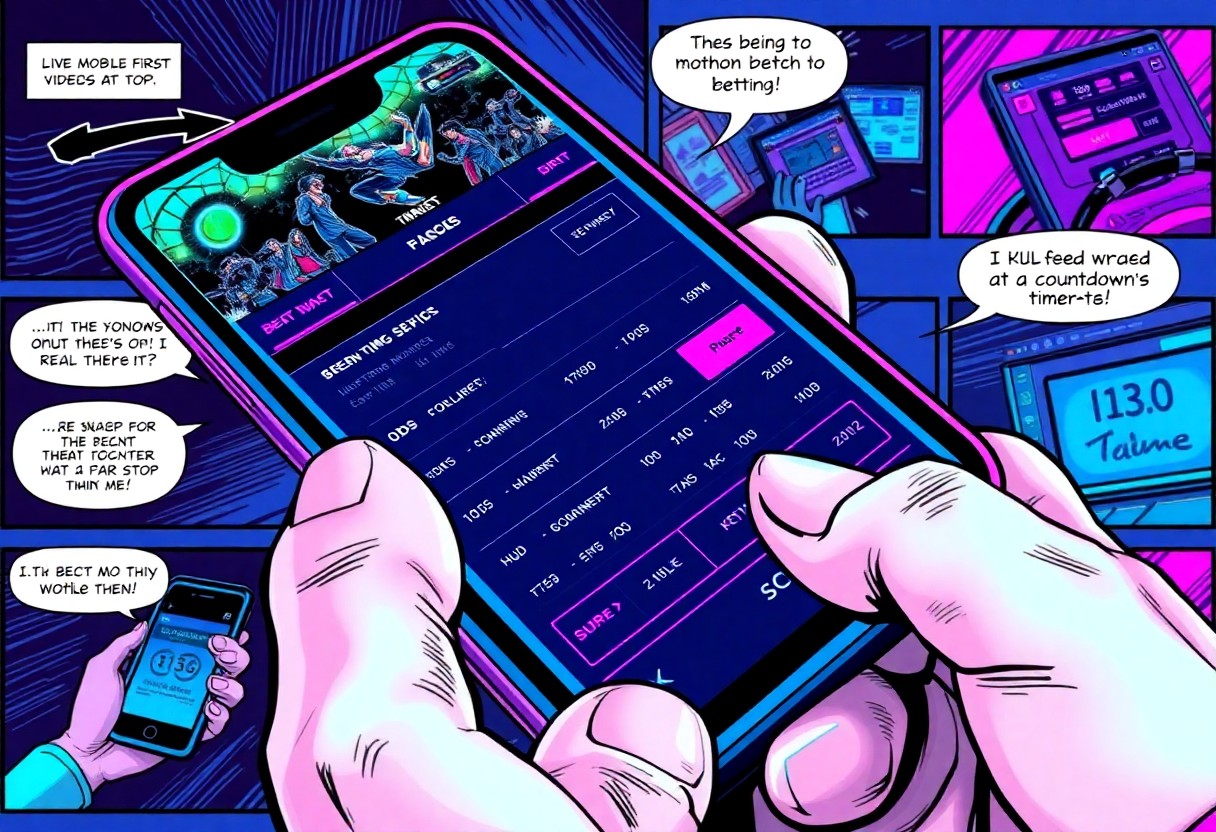
You will discover how mobile-first designs are transforming esports betting. These interfaces prioritize user experience on smartphones, enabling bettors to engage in real-time wagering seamlessly. Understanding these innovations is necessary for both developers and players in an increasingly digital betting environment.
The Evolution of Esports Betting: From Desktop to Mobile-First
Historical shift in bettor demographics and device preference
Changing demographics have shifted esports betting towards a younger audience familiar with mobile devices. This generational transition has led to an increased preference for betting on smartphones rather than traditional desktop setups.
As more players engage with esports through portable devices, sportsbooks have adapted to this trend, prioritizing mobile functionalities in their offerings. Engaging betting experiences for this demographic require smooth navigation and quick access to betting markets.
Limitations of legacy desktop-ported interfaces on mobile hardware
Compatibility issues arise when desktop interfaces are ported to mobile devices without optimization. Often, these legacy designs fail to utilize mobile screen space effectively, resulting in cluttered layouts that frustrate users.
Inflexible design elements from desktop versions can hinder user interaction, making it difficult to place bets quickly. Touch input capabilities are frequently overlooked, leading to a poor overall experience for mobile bettors.
Legacy desktop-ported interfaces often contain large graphics and complex navigation systems that are impractical for mobile users. These drawbacks can deter potential bettors, who expect an intuitive experience tailored for their devices.
The rise of the “App-First” philosophy in competitive gaming markets
Adopting an “App-First” approach has transformed how sportsbooks engage with users. Many brands are now prioritizing app development to provide more tailored experiences, optimizing features specifically for mobile interactions.
This philosophy aligns closely with the behavior of modern gamers, who prefer quick access to betting opportunities while participating in or watching their favorite tournaments. As a result, the betting industry has seen substantial gains in user engagement and retention through dedicated mobile applications.
Focusing on an “App-First” strategy allows sportsbooks to harness mobile device capabilities effectively, enhancing user experience with features like push notifications, instant updates, and streamlined navigation. This approach meets the growing expectations of a tech-savvy audience eager for convenience and speed.
User Experience (UX) Principles for Small-Screen Betting
Thumb-zone optimization and ergonomic button placement
Optimizing the thumb zone can greatly enhance user interaction in mobile esports betting. Placement of buttons in this area ensures that bettors can easily reach and select options without straining their hands.
Ergonomic button designs should also consider the natural grip of the device. Rounded edges and responsive feedback create a comfortable experience, encouraging users to engage more frequently and confidently.
Reducing cognitive load in complex multi-market displays
Designing interfaces that minimize cognitive load is crucial for mobile users facing multiple betting options. Simplified layouts with clear categorization help users process information quickly, enhancing decision-making efficiency.
Effective use of color coding and intuitive icons further aids comprehension. By reducing clutter on the screen, users can focus on key information, which ultimately boosts their confidence and engagement.
Advanced filtering options allow users to sort markets based on personal preferences, streamlining their experience. Limited selections, highlighted favorites, and smart recommendations lower the cognitive demands, making betting both efficient and enjoyable.
Gesture-based navigation and haptic feedback integration
Gesture-based navigation introduces a fluid user experience, enabling bettors to swipe, tap, and pinch with ease. This format allows for quick transitions between screens, enhancing user satisfaction.
Haptic feedback can complement gesture controls by providing tactile responses, confirming actions without visual distraction. Users feel more connected to their interactions, which can improve the overall betting experience.
Integrating haptic feedback with gesture controls adds an intuitive layer to the interface, ensuring users receive instant confirmation of their actions. This interaction method nurtures a more engaging environment, allowing bettors to maintain focus and reduce errors while placing bets.
Real-Time Data Integration and Latency Management
API Architecture for Instantaneous Odds Synchronization
Efficient API architecture is important for synchronizing odds in real-time. By utilizing WebSocket connections, platforms can ensure that odds are pushed to users without delay, enhancing the betting experience. This approach minimizes latency, creating a responsive environment important for competitive betting.
Designing APIs with scalability in mind allows for handling thousands of simultaneous connections. This architecture supports rapid data updates from various esports events, allowing bettors to access the latest information instantly, leading to informed decision-making.
Visualizing Live Kill Feeds and Objective Tracking In-App
Real-time visual feeds enhance the betting experience, providing users with critical live game updates. Integrating data visualizations helps users track important metrics, such as player kills and game objectives, improving their engagement and betting strategies. Such features transform passive viewing into an interactive experience.
Implementing advanced algorithms enables the smooth display of these live feeds, ensuring they convey relevant game moments effectively. Accurate objective tracking empowers bettors to make quick, informed choices, increasing the excitement of in-game betting.
Visualizing live kill feeds and objective tracking in-app enhances the overall user experience by providing timely updates on gameplay. Users can see key metrics such as player performance and game flow, allowing them to adapt their betting strategies dynamically. This integration not only keeps bettors engaged but also provides a more immersive experience, leading to better decision-making during live events.
Handling Connectivity Drops and State-Restoration Protocols
Implementing effective state-restoration protocols is important for maintaining user experience during connectivity drops. These systems ensure that users can resume their betting activities without losing critical information. When a connection is restored, clients can quickly retrieve their previous session state and data.
Incorporating local caching mechanisms allows temporary data storage, which helps retain important information during disruptions. This capability encourages users to stay engaged without fear of losing their betting insights due to connectivity issues.
Handling connectivity drops and state-restoration protocols is critical for maintaining a smooth betting experience. By employing local caching and reconnection strategies, platforms can minimize downtime and preserve user data. Such reliability fosters trust among users, encouraging them to continue placing bets even amidst occasional connectivity challenges.
Live Streaming and In-Play Betting Interface Design
Picture-in-Picture (PiP) and Split-Screen Video Integration
Picture-in-picture (PiP) functionality enhances user experience by allowing players to view live matches while placing bets. This maintains engagement during crucial moments, as users can simultaneously monitor game dynamics and make informed betting decisions.
Split-screen video integration takes PiP a step further, displaying multiple games or angles side-by-side. This feature is particularly useful during tournaments, enabling bettors to track various events without losing focus on their preferred matches.
Quick-Bet Overlays for High-Frequency Action Moments
Quick-bet overlays allow for fast bet placement during exciting moments, such as last-minute plays or critical rounds. Users can instantly select betting options without navigating away from the live stream, thus enhancing their betting experience.
These overlays should be intuitive, featuring one-touch betting options that minimize delays. This ensures bettors can take advantage of fleeting opportunities, maintaining the thrill of the moment while securely placing their bets.
Quick-bet overlays effectively cater to the fast-paced nature of esports, transforming how users interact with betting platforms. By allowing swift access to betting options during high-stakes moments, these interfaces enhance user satisfaction and engagement, ultimately driving higher betting volumes.
Interactive Chat and Community Engagement Features
Integrating interactive chat features fosters a sense of community among bettors. Users can share insights, celebrate wins, and discuss strategies in real-time, creating an immersive gaming environment.
Incorporating community engagement tools, such as polls and leaderboards, further enhances user participation. This transforms the betting experience into a social event, encouraging interaction and camaraderie among players.
Interactive chat and community features not only enrich user experiences but also build loyalty among bettors. Engaging with fellow players enhances enjoyment and encourages regular participation, ultimately benefiting both users and betting platforms by cultivating a thriving, interactive community.
Gamification and Social Mechanics in Mobile Betting
Leaderboards, badges, and loyalty progression systems
Leaderboards drive competition among users, showcasing top performers in real-time and enhancing engagement. Badges reward achievements, offering players a sense of accomplishment that encourages further participation.
Loyalty progression systems create a tiered experience, incentivizing users to continue betting and interacting. Progressing through levels unlocks exclusive bonuses and features, making the betting experience more immersive.
Daily quests and tournament-linked reward structures
Daily quests present players with specific challenges to complete for rewards, promoting regular engagement with the platform. Tournament-linked reward structures tie incentives directly to ongoing events, enhancing excitement and participation.
This approach not only builds community around major esports events but also encourages strategic betting within a competitive atmosphere. Players are motivated to complete tasks that align with their interests and strategies.
Social betting: Sharing bet slips and following expert tipsters
Social betting allows users to share their bet slips with friends and the wider community, fostering a collaborative environment. Following expert tipsters gives players insight into informed betting decisions, enhancing their strategies.
- Sharing experiences creates a sense of community among users.
- Expert tipsters offer guidance based on analysis and trends.
The integration of social features not only enhances user interaction but also builds trust in betting outcomes. Players can gain insights from peer experiences, enriching their understanding of the game.
- Social interactions can lead to increased engagement and retention.
- Betting communities provide platforms for discussion and shared strategies.

Payment Gateway Integration and One-Tap Transactions
Biometric authentication for secure deposits and withdrawals
Biometric authentication introduces cutting-edge security for transaction processes. By utilizing fingerprints or facial recognition, users can quickly and safely authorize deposits and withdrawals, minimizing the risk of fraud. This technology not only simplifies the user experience but also reinforces trust in the platform.
Implementing biometric solutions aligns with the increasing demand for personalized and secure online experiences. Users appreciate the convenience of one-touch access, streamlining their betting activities while maintaining stringent security measures.
Native integration of crypto-wallets and digital skin trading
Native integration of crypto-wallets enhances the betting experience for players who prefer cryptocurrency transactions. This functionality allows users to deposit and withdraw funds effortlessly, bridging the gap between traditional betting and modern digital assets. Along with this, digital skin trading creates an inviting ecosystem for esports fans whose engagement goes beyond mere betting.
Users can seamlessly manage their in-game assets alongside betting activities, ensuring that every aspect of their esports experience is interconnected. This fluidity not only boosts user retention but also encourages participation in a thriving digital economy.
Integration of crypto-wallets opens doors to a more versatile payment environment, tapping into the growing preference for decentralized finance. Players can engage in betting and transact in popular cryptocurrencies, creating a frictionless experience that resonates with tech-savvy audiences. By facilitating skin trading alongside these transactions, platforms amplify user engagement, turning betting sites into dynamic marketplaces.
Streamlining the “Know Your Customer” (KYC) onboarding flow
Streamlined KYC processes enhance user experiences by simplifying verification steps. Ensuring compliance while reducing friction is necessary for engaging newcomers in esports betting. Intuitive interfaces and clear instructions make it easier for users to submit required information, expediting the overall onboarding journey.
Reducing unnecessary hurdles during KYC allows platforms to onboard users quickly while maintaining regulatory standards. A well-implemented KYC flow not only satisfies legal requirements but also cultivates a positive user experience, encouraging longer-term participation.
Focusing on user-centric KYC solutions fosters a sense of trust and authenticity. By leveraging technology such as AI-driven verification and automated document processing, platforms can efficiently handle a high volume of users while ensuring accurate compliance. This strategic approach minimizes drop-off rates during the onboarding process, encouraging users to explore all available betting opportunities.
Personalization and AI-Driven Content Delivery
Algorithmic Game Recommendations Based on User History
Understanding user preferences enhances the betting experience. By analyzing past betting behavior and interaction patterns, platforms can offer tailored game recommendations that resonate with individual interests. This leads to increased user engagement and higher satisfaction rates.
Implementing machine learning algorithms allows for real-time adjustments to these recommendations. As users’ preferences evolve, so do the suggestions, making the betting interface more dynamic and responsive to each player’s unique gaming journey.
Dynamic Dashboard Customization for Preferred Esports Titles
Players often gravitate towards specific esports titles, making customization imperative. Enabling users to tailor their dashboards by selecting favored games ensures quick access to relevant events and betting options, enhancing the overall experience.
Such customization not only promotes user satisfaction but also encourages increased betting activity. A personalized dashboard acts as a user-centric hub, streamlining navigation and ultimately driving user loyalty.
This level of personalization in dashboard design empowers users to create a space that reflects their interests. Frequent updates and intuitive interfaces allow for easy adjustments, catering to shifting preferences as new games gain popularity. Users remain engaged with content that genuinely resonates, fostering a deeper connection to the platform.
Smart Push Notification Strategies for Engagement and Retention
Targeted push notifications can significantly increase user engagement by delivering timely updates relevant to specific interests. Instead of generic alerts, personalized notifications based on user behavior enhance the likelihood of interaction and response.
Effective push strategies involve segmenting the user base and employing tailored messaging that aligns with individual preferences. This approach fosters a sense of value and encourages ongoing participation in the betting ecosystem.
Utilizing smart push notifications creates opportunities for real-time engagement. Notifications about upcoming matches, special promotions, or personalized betting suggestions capture user attention effectively. By providing timely and relevant information, users feel informed and involved, thus improving retention rates in a competitive environment.

Security, Compliance, and Responsible Gambling Tools
Geofencing and Regulatory Verification UI Components
Geofencing technology plays an vital role in ensuring compliance with local gambling regulations. Interfaces that visually represent users’ geographic locations can prevent unauthorized access to betting platforms. Implementing interactive maps and real-time verification systems enhances user experience while maintaining regulatory integrity.
Interactive prompts guide users through verification processes, helping them to understand their compliance requirements. Clear messages and visually engaging elements assist in maintaining transparency, ultimately building trust in the platform.
Self-exclusion and Deposit Limit-setting Interfaces
Self-exclusion tools allow users to voluntarily restrict access to their accounts, promoting responsible gambling. Intuitive interfaces simplify the process, ensuring users can easily manage their limits and make informed decisions about their gaming habits.
Deposit limit-setting features empower users to control their spending by establishing daily, weekly, or monthly thresholds. Effective interfaces should offer easy access to these settings, ensuring users feel secure while engaged with the platform.
Clearly defined prompts and user-friendly designs for self-exclusion and deposit limits minimize confusion. Transparency in these processes reinforces player responsibility and encourages healthier gambling behaviors.
End-to-End Encryption and User Data Privacy Transparency
End-to-end encryption safeguards user data, ensuring that personal and financial information remains confidential. Platforms must communicate their encryption measures clearly, reassuring users that their data is protected against unauthorized access.
User data privacy transparency is critical for fostering trust. Clear policies outlining how data is collected, used, and stored strengthen user confidence in the platform’s commitment to protecting their information.
Cross-Platform Consistency and Progressive Web Apps (PWAs)
Maintaining brand identity across iOS, Android, and Web
Every platform offers unique design paradigms, making consistent branding crucial. Ensuring logos, color schemes, and typography remain uniform helps build user trust and recognition across different devices. Adapting elements without compromising the brand essence is key in achieving this alignment.
Content presentation should also reflect the brand’s voice effectively. Consistency in messaging across applications and websites strengthens the overall identity, enhancing user loyalty and engagement across all platforms.
Performance optimization for low-end mobile hardware
Optimizing performance for low-end devices requires a strategic approach to resource management. Rapid loading times and minimal resource consumption can significantly improve user experiences in esports betting. Streamlined graphics and efficient data usage can contribute to smoother operations.
Reducing unnecessary background processes enhances responsiveness, making the interface more accessible for users with less powerful devices. Focus on efficiency through code minification and resource compression can yield noticeable improvements.
Strategies like lazy loading images and asynchronous data fetching can further boost performance. Prioritizing assets that are critical for immediate interaction ensures quick access, keeping users engaged even on lower-tier hardware.
Offline capabilities and asset caching strategies
Implementing offline capabilities enhances user experience, especially in areas with limited connectivity. Caching crucial assets allows users to access the app seamlessly without continuous internet access. This approach encourages engagement during downtime or travel.
Ceasing reliance on constant connectivity can significantly improve user retention. By incorporating local data storage, users can continue interacting with crucial features until a stable connection is restored.
Organizing a smart caching strategy is vital. Differentiating between static and dynamic content ensures critical updates are addressed while keeping less critical assets readily available offline. This enhances usability while minimizing unnecessary network requests.
Visual Design Trends: Dark Mode, Typography, and Iconography
High-contrast color palettes tailored for esports branding
Vibrant, high-contrast color palettes resonate well with esports audiences, enhancing brand identity. These colors not only grab attention but also create an energetic atmosphere that mirrors the excitement of competitive gaming.
Dark backgrounds with bright accents amplify visibility, making elements pop. This design choice aligns with the preferences of gamers who often prefer darker themes, offering a more immersive user experience during long sessions.
Scalable typography for legibility in dense data environments
Scalable typography is important for ensuring readability in environments filled with data. Relying on font sizes that can adapt to various screen dimensions allows users to easily digest critical information.
Implementing a hierarchy through font weights and sizes enhances understanding while navigating betting options. Clear, legible typography boosts user confidence and reduces frustration, thereby improving overall engagement.
Action-oriented iconography and intuitive visual hierarchy
Action-oriented iconography plays a pivotal role in guiding users through the betting interface. Icons designed to prompt specific actions make navigation simple and engaging, leading to a more efficient user experience.
Intuitive visual hierarchy ensures that users can easily prioritize tasks. By strategically placing icons and instructional graphics, designers help users quickly identify critical features and options, streamlining the betting process.
Accessibility and Inclusive Design in Esports Apps
Screen reader compatibility and voice-guided navigation
Implementing screen reader compatibility ensures visually impaired users can access critical information within esports betting apps. This feature allows users to receive audio prompts for odds, team names, and match details, enhancing their overall experience.
Voice-guided navigation simplifies the process by providing auditory cues for each action, making it easier for users to place bets without relying solely on visual input. This design consideration not only broadens user engagement but also promotes equality in gaming participation.
Color-blind friendly modes for team and odds distinction
Color-blind friendly modes are necessary for enhancing inclusivity in esports betting applications. These design features provide alternative color schemes, enabling users to differentiate teams and odds without relying on color alone.
Integrating symbols or patterns alongside colors further enriches the user interface, allowing color-blind players to experience the app fully. Such thoughtful adjustments eliminate barriers, ensuring all users can engage with esports betting seamlessly.
Color-blind accessibility goes beyond mere aesthetics. By employing contrast adjustments, color variations, and additional indicators, developers can create a more welcoming environment. Effective use of these strategies not only aids color-blind users, but it also enhances overall clarity across the app, benefiting all players.
Simplified UI options for users with motor impairments
Simplified UI options cater to users with motor impairments by reducing the number of required interactions. Streamlined layouts and larger buttons allow for easier navigation, enhancing usability for individuals with limited dexterity.
Customizable settings, such as adjustable touch sensitivity, provide further support, allowing users to tailor the interface to their unique needs. These adjustments promote a more inclusive experience, ensuring that everyone can participate in esports betting activities.
Adjustments in user interface design, like increased button size and spacing, significantly improve accessibility. By minimizing the number of steps needed to complete an action, the overall experience becomes more user-friendly, encouraging broader participation from those with motor-related challenges.

Monetization Strategies and Retention Mechanics
Designing non-intrusive bonus and promotion banners
Effective bonus and promotion banners should seamlessly blend into the esports betting interface without distracting users. Clear design and enticing offers can enhance user engagement while maintaining a focused experience. Utilizing subtle animations can draw attention without being overwhelming.
Placement is key; integrating banners within natural flow points-like betting slips or load screens-ensures they are noticed without disrupting gameplay. User feedback can refine these elements, balancing engagement with usability.
Referral program integration within the primary user flow
Integrating a referral program within the primary user flow encourages user acquisition organically. Simple prompts can be situated post-bet or during account creation, guiding users to invite friends with minimal friction. This ease facilitates viral growth through personal connections.
Tracking referral activity with intuitive dashboards enhances participant motivation. Gamifying referrals with leaderboard incentives can stimulate ongoing engagement and establish a community-driven approach.
Examining how users navigate the app reveals opportunities to unobtrusively introduce referral options. Highlighting the benefits of inviting friends directly after a positive betting experience can leverage their excitement, effectively transforming satisfied users into brand advocates.
Churn prediction triggers and automated re-engagement UI
Understanding user behavior patterns allows for early detection of potential churn. Utilizing data analytics, specific triggers, such as decreased betting frequency, can signal the need for automated re-engagement efforts. Personalized messages or incentives sent at these moments can prompt users to return.
User interfaces designed for re-engagement can present tailored content, reminding users of their initial interests, thus rekindling excitement. A focus on user preferences in communications fosters a sense of loyalty.
Implementing robust analytics ensures that trigger points for potential churn are effectively identified. By crafting personalized re-engagement strategies based on usage data, platforms can proactively maintain user interest, reducing drop-off rates and retaining a profitable user base.
Future Trends: 5G, AR, and Voice-Activated Betting
The impact of 5G on high-fidelity asset delivery
5G technology enables rapid data transmission, resulting in high-fidelity graphics and real-time updates. Faster load times enhance user experience, making mobile esports betting increasingly engaging and interactive.
Streamlined connectivity also allows for improved live-event analytics, providing bettors with rich, real-time data. This shift towards high-definition content transforms how users interact with betting platforms.
Augmented Reality (AR) overlays for live event viewing
AR overlays can transform live event viewing by providing context-sensitive information. Bettors can access player stats, odds, and live analytics visually integrated into the game, enhancing engagement.
Integration of AR features creates an immersive experience, allowing users to visualize betting outcomes during gameplay. This fusion of entertainment and betting information sets a new standard in mobile esports interfaces.
AR technology serves as a bridge between virtual engagement and real-world events. Users can interact with 3D statistics, visualize betting scenarios, and even receive personalized insights, all while watching their favorite esports matches in real time.
Voice-command betting and AI-powered personal assistants
Voice-command features make placing bets easier by simplifying the user interface. Commands can be spoken rather than typed, streamlining the betting process for users.
AI-powered assistants offer personalized recommendations based on betting history and preferences. These tools adapt to user behavior, making predictions and suggesting bets efficiently.
AI-powered personal assistants provide a conversational format for users to engage with their betting platforms. By utilizing natural language processing, these assistants can answer questions, provide updates, and guide users through the betting process, enhancing overall accessibility.
Conclusion
Drawing together the elements of mobile first esports betting interfaces reveals a significant shift in how users engage with online betting. These platforms prioritize usability and accessibility, catering to the increasing number of users who prefer mobile devices over traditional desktop experiences.
Intuitive designs and quick access to betting options enhance user engagement and satisfaction. As technology evolves, mobile esports betting will likely continue to adapt, offering innovative features that meet the modern bettor’s expectations and preferences.
Q: What are mobile first esports betting interfaces?
A: Mobile first esports betting interfaces are platforms designed primarily for mobile devices, allowing users to place bets on esports events from their smartphones or tablets. These interfaces optimize user experience by enhancing usability, speed, and accessibility specifically for mobile users.
Q: What features should users look for in a mobile first esports betting interface?
A: Users should seek interfaces that offer real-time odds updates, user-friendly navigation, live streaming of events, secure payment options, and quick access to betting history. Effective customer support and promotional offers also enhance the betting experience.
Q: How does mobile first design impact the betting experience in esports?
A: Mobile first design focuses on delivering fast load times, responsive layouts, and intuitive controls, which improve overall user engagement. Users can quickly place bets and receive updates on events in real-time, making the betting experience more dynamic and convenient.