





It’s vital for players, teams, and fans to understand the complex regulations surrounding team transfers and roster changes in esports. These rules shape competitive dynamics and influence player careers, ensuring fairness and integrity within the industry.

The Legal Framework of Professional Esports Contracts
Standardized Player Service Agreements and Terminology
Standardization of player service agreements helps create consistency across esports organizations. By maintaining uniform terminology, players and teams can better understand their rights and obligations, facilitating smoother negotiations and contract enforcement.
Common clauses often include salary, benefits, and sponsorship arrangements. Clear definitions reduce ambiguity, leading to fewer disputes as players transition between teams and compete in various tournaments.
Jurisdiction and Governing Law in International Transfers
Determining jurisdiction is vital for resolving disputes arising from international player transfers. Different countries may have varying laws regarding contract enforcement and player rights, complicating negotiations and potential litigation.
Legal frameworks in esports often draw on local laws, impacting how contracts are structured for multinational teams. Awareness of these legalities is imperative for any organization looking to facilitate smooth player transitions.
Jurisdiction issues may lead to complicated legal scenarios, especially when players move between teams in different countries. Selecting a governing law during contract negotiations significantly affects the available recourse should conflicts arise, influencing how both players and teams approach transfers.
Enforceability of Non-Compete Clauses and Restrictive Covenants
Enforceability of non-compete clauses varies significantly depending on local laws. Many jurisdictions impose strict limits on these agreements, affecting their legitimacy in esports. Teams often draft these clauses to protect their interests while allowing players certain freedoms.
Legal reviews confirm that while some restrictions can be upheld, overly broad non-compete agreements may face challenges in courts. Striking a balance is vital in crafting enforceable contracts that regard both player mobility and organizational stability.
The scope and duration of non-compete clauses must reflect reasonableness to be enforceable. Legal precedents demonstrate that courts may invalidate overly restrictive agreements, suggesting that organizations should work with legal experts to draft terms that offer protection without infringing on players’ career opportunities.
Transfer Windows and Roster Lock Regulations
Seasonal Scheduling and Designated Trade Periods
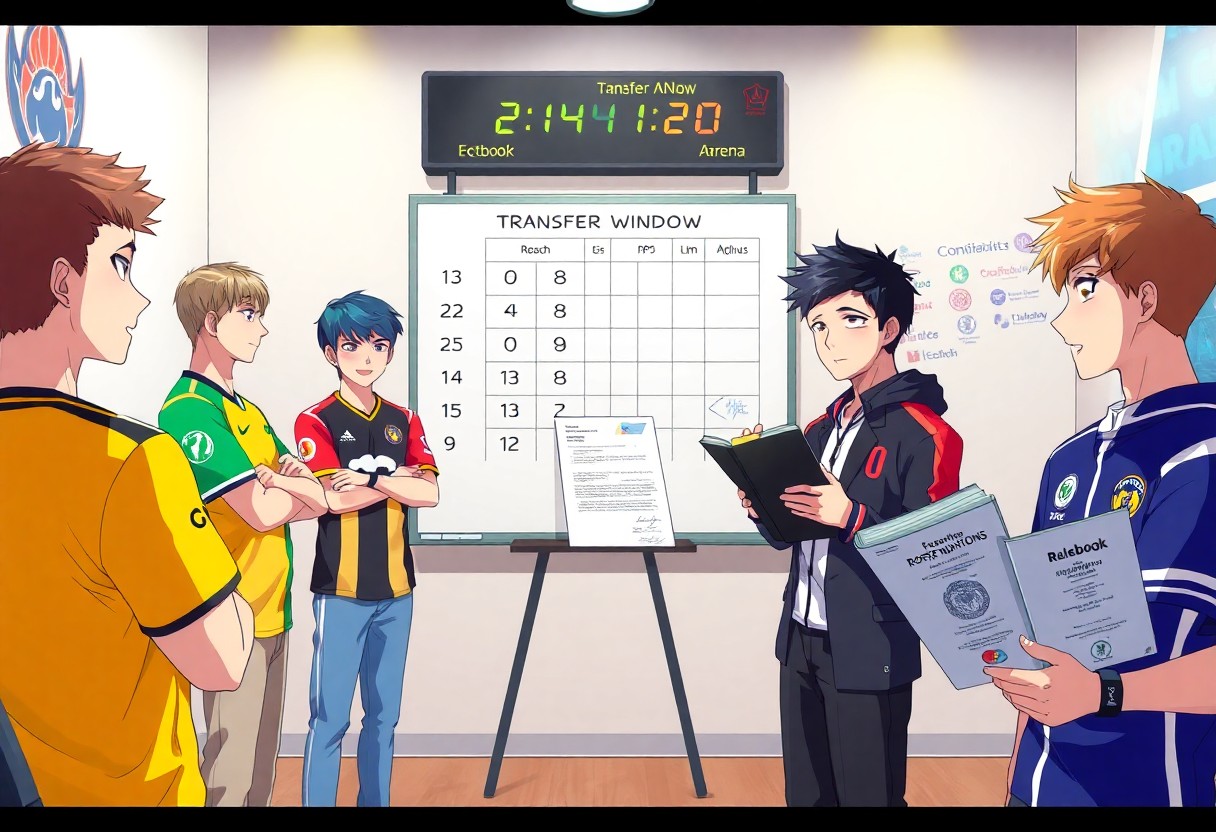
Understanding the structure of transfer windows is necessary for teams aiming to strengthen their rosters. Typically, designated trade periods align with the competitive season, providing a structured timeline for teams to negotiate transfers, trades, and signings.
These scheduled windows allow for strategic planning, enabling teams to assess their rosters and make decisions based on performance and player availability. The clarity of these timelines helps maintain competitive balance within the league.
Emergency Transfer Protocols and Hardship Exceptions
Emergency transfer protocols are designed to address unforeseen circumstances affecting team rosters. These may include severe injuries or personal issues that require the temporary reassignment of players.
Hardship exceptions facilitate roster adjustments without navigating the traditional mechanisms, allowing teams to remain competitive while dealing with critical situations. This flexibility is necessary to maintaining a level playing field in esports competitions.
Such regulations highlight the need for adaptability. Teams facing sudden player losses can utilize emergency protocols to secure temporary contracts. This ensures that competitive integrity is preserved while allowing for necessary adjustments under challenging conditions.
Impact of Roster Locks on Tournament Eligibility and Seeding
Roster locks significantly influence tournament eligibility and seeding. Once a team finalizes its lineup for a specific event, any changes become restricted, ensuring stability during competitions.
This regulation can affect both the seeding process and the overall performance, as teams must field consistent rosters to maintain synergy. Locked rosters also influence strategic planning for coaches and managers, who must account for limited opportunities to make roster changes.
Understanding the implications of roster locks is critical for teams aiming for success in tournaments. Any disruption in lineup continuity can impact team dynamics and performance, potentially affecting their progression in competitive events. Maintaining a stable roster not only enhances teamwork but also influences the overall strategy during matches.

Financial Mechanics of Player Acquisitions
Valuation Metrics for Buyout Clauses and Release Fees
Valuation metrics play a significant role in determining the cost of player buyout clauses and release fees. Market demand, player performance, and contract length influence these financial aspects, allowing teams to evaluate an athlete’s worth in relation to their potential impact on success. Comprehensive assessments often include statistical analysis and historical precedents, contributing to fair valuations.
Each player’s unique contributions and the overall ecosystem of the game affect their buyout value. Scouting reports, team fit, and competitive positioning are also factored into equations leading to negotiated transfer costs, fostering a more strategic approach to acquisitions in esports.
Payment Structures: Upfront Costs vs. Performance Installments
Understanding payment structures is important, as teams often choose between upfront costs and performance-based installments. Upfront payments provide immediate financial clarity but can strain budgets. Conversely, performance installments incentivize player success and ensure financial outlays align with future achievements.
Each approach carries implications for cash flow management, long-term planning, and team dynamics. Balancing immediate expenditure with performance-linked payouts allows organizations to structure acquisitions in a way that aligns financial health with competitive success.
Performance installments often spread the financial burden over several years, easing immediate cash flow concerns. When a player achieves specific metrics, teams release subsequent payments, aligning expenditures with performance. This structure not only aligns financial commitments with on-field achievements but also reduces risk for teams investing in high-potential talent.
Financial Fair Play and Luxury Tax Implications in Franchised Leagues
Financial Fair Play (FFP) regulations in franchised leagues aim to maintain competitive balance. Teams must adhere to specific spending limits, ensuring financial sustainability. Violations of these rules can result in severe penalties, including fines and restrictions on player acquisitions.
Luxury tax implications also affect how teams approach acquisitions. Excess spending results in taxes that encourage responsible financial behavior, pushing teams to strategize when managing player salaries and overall budgets, influencing their competitive stance in the league.
Luxury tax systems create a deterrent against overspending, prompting teams to invest wisely. Failure to comply with FFP rules results in not only financial penalties but also limits on future roster movements, compelling teams to maintain alignment with set financial thresholds while striving for success on the esports stage.
Free Agency Classifications and Procedures
Differences Between Restricted and Unrestricted Free Agency
Restricted free agents (RFAs) face limitations when seeking new teams, as their current organization has the right to match any offer received. These constraints ensure that teams retain their key assets while still allowing players a degree of freedom to negotiate. Unrestricted free agents (UFAs), on the other hand, enjoy the flexibility of exploring opportunities freely, with no obligation for their former teams to retain them.
RFAs often find themselves in a position where negotiations hinge on the team’s willingness to invest in the player’s potential, fostering a competitive environment. In contrast, UFAs can secure contracts with any team, allowing them to seek the best available terms without restrictions, often leading to more lucrative deals.
Negotiation Windows and Legal Contact Periods
Negotiation windows dictate the specific timeframes during which teams can communicate with free agents. These windows allow organizations to begin discussions before official offers can be made. Legal contact periods enable teams to reach out to players and their representatives, setting the stage for contract discussions.
During these windows, strict guidelines govern interactions to ensure fairness and transparency. Teams can gauge player interest and strategize potential moves while remaining compliant with league regulations.
A negotiation window typically opens a few days before a free agency period, allowing teams to build connections and evaluate potential signings. Legal contact periods, however, create structured opportunities for teams to formulate deals and finalize plans, enhancing the competitiveness of team roster strategies.
Rights of First Refusal and Matching Offer Protocols
Rights of first refusal (RFR) grant teams the opportunity to retain players by matching any offers they receive from other organizations. This protocol protects teams from losing valuable assets while also giving players the chance to explore new options. Matching offer protocols outline the procedures teams must follow if they decide to retain a player under RFR status.
A clear understanding of RFR and matching offer protocols is crucial for players and teams alike. This system balances the interests of both sides, enabling teams to maintain talent while affording players the freedom to test their market worth.
Anti-Tampering and Poaching Regulations
Defining Illegal Solicitation and Direct Contact Violations
Illegal solicitation occurs when organizations or agents directly engage with players under contract without authorization. This practice undermines contractual agreements and can lead to significant disruptions in team dynamics. Direct contact violations further exacerbate the issue by involving unauthorized communication that encourages players to breach their commitments.
Established protocols are necessary for delineating acceptable and unacceptable interactions. By clearly defining what constitutes poaching or tampering, organizations can maintain integrity within the competitive scene while ensuring player rights are respected.
Reporting Mechanisms and Investigative Procedures
Reporting mechanisms are crucial for players and organizations to address potential tampering or poaching incidents. Clear channels for submitting complaints allow for swift investigations, ensuring that issues are handled appropriately. Protecting the anonymity of whistleblowers fosters a culture of accountability and transparency.
Investigative procedures typically involve a thorough examination of evidence, including communication logs and witness testimonies. These processes ensure that any violations are addressed promptly and fairly, maintaining the competitive integrity of esports.
Reporting mechanisms serve as a cornerstone for enforcing anti-tampering regulations. Organizations often establish dedicated teams to handle inquiries, ensuring that concerns are reviewed diligently. Comprehensive guidelines for evidence submission streamline the investigation process, allowing for quicker resolutions while maintaining fairness for all parties involved.
Sanctions for Organizations and Individual Compliance Failures
Sanctions for compliance failures can include fines, suspensions, or bans from competitions. Organizations that breach anti-tampering rules may face harsher penalties, reflecting the severity of their actions. Individual players found guilty of violations may also encounter disciplinary actions, impacting their careers significantly.
Clear consequences reinforce accountability and deter future violations. By implementing a structured system for penalizing non-compliance, esports organizations can uphold the integrity of the sport and protect player rights effectively.
Sanctions play a key role in maintaining fair play within esports. Organizations emphasizing compliance often benefit from a more trustworthy environment, attracting better talent and fostering healthy competition. Individual accountability further strengthens the community, as players are aware that missteps can have real repercussions on their careers.
Regional Residency Rules and Import Restrictions
The “Homegrown Player” Requirement and Talent Development
Recognizing the importance of nurturing local talent, many esports leagues have implemented the “Homegrown Player” requirement, which mandates teams to include a certain number of players who developed within the respective region. This policy encourages organizations to invest in grassroots programs and local academies, enhancing the overall skill level within the area.
Aside from bolstering regional skill, this requirement creates a sense of community and belonging among fans. Supporting homegrown athletes fosters local pride and engagement, forging a stronger bond between the esports environment and its supporters.
Citizenship vs. Residency: Criteria for Regional Status
Understanding the distinction between citizenship and residency is critical for player eligibility in regional competitions. Citizenship typically grants players unrestricted participation rights, while residency can often dictate the limitations imposed on a player’s status within a league.
Leagues may establish specific residency requirements that players must meet to qualify for local rosters. This distinction ensures that teams are primarily composed of players engaged with the regional community, enhancing the competitive integrity of local tournaments.
Evaluation of Import Caps in Major Global Circuits
Import caps establish limits on the number of non-regional players a team can roster, directly aimed at promoting regional competition. By imposing these restrictions, leagues seek to strike a balance between global talent and local player opportunities, fostering sustainable growth for both locales and teams.
Assessing the impact of import caps remains a topic of debate among industry stakeholders. While some argue these limitations bolster local talent development, others believe they may hinder competitive balance by reducing the overall talent pool available to teams.
Loan Agreements and Temporary Roster Placements
Loan agreements serve as a strategic tool in roster management, allowing teams to temporarily deploy players without committing to permanent transfers. This arrangement not only aids team dynamics but also provides players with vital competitive experience. Structured correctly, these loans can benefit all parties involved-teams, players, and organizations alike-by maintaining balance within team compositions.
Structuring Loan Fees and Salary Distribution
Establishing loan fees is vital for both the lending and receiving teams. These fees can reflect player value, market demand, and negotiation leverage, ensuring that teams are compensated fairly for their talents. Salary distribution and responsibility must also be clearly outlined, detailing the extent to which the borrowing team covers player wages during the loan period.
Clarity in salary distribution prevents misunderstandings and financial disputes. Ensuring that both teams agree on the financial terms before executing the loan protects team interests while facilitating a smooth transaction.
Conflict of Interest Clauses in Head-to-Head Competition
Conflict of interest clauses are critical in preventing issues when a loaned player faces their original team in a match. Tightly drafted contracts specify whether a player can compete against their parent organization, ensuring transparency and fairness in competition. Such clauses help maintain integrity in matches while also protecting players from potential backlash.
Incorporating these clauses reduces tension during competitions and clarifies expectations. Keeping the competitive spirit intact is vital, and clear rules help avoid any concerns of collusion or unfair advantages during head-to-head encounters.
Recall Provisions and Permanent Transfer Options
Recall provisions allow teams to regain control over a loaned player under specific conditions, which is vital in roster management. Clear terms regarding recall timings and methods ensure that teams can reinforce their lineups when necessary. Additionally, permanent transfer options can be integrated into loan agreements, giving teams the ability to finalize player acquisitions based on performance and fit.
These provisions maintain flexibility in roster adjustments, enabling teams to adapt to performance changes or injuries quickly. By providing clear pathways for recalls and permanent transfers, organizations can effectively balance their immediate competitive needs with long-term strategic planning.
Bench Management and Player Inactivity
Managing inactive players is vital for team dynamics and overall performance. Teams must ensure that benched players remain engaged while maintaining their skills, as inactivity can lead to diminished performance and missed opportunities. Proper bench management includes regular practice sessions, communication, and support for those sidelined, whether temporarily or long-term.
Rights of Benched Players Regarding Scouting and Trials
Benched players retain the right to seek out scouting opportunities and participate in trials for other teams. This independence allows players to showcase their skills, even if they are not currently part of the active roster. However, communication with the management is crucial to avoid conflicts and ensure mutual understanding.
Teams often value the potential of their benched players and will typically support their endeavors in trials. While seeking opportunities, players should remain professional and maintain their commitment to the team, fostering a positive environment throughout the process.
Salary Adjustments and Compensation During Inactive Status
Salary adjustments for inactive players are a common practice in esports, with many teams implementing reduced compensation during periods of benching. Contracts typically specify terms regarding pay and conditions under which salary changes occur, ensuring both parties understand their responsibilities. Communication around these adjustments is vital to maintaining trust and morale.
Compensation structures can vary significantly depending on league regulations or individual team policies. Understanding the agreed-upon terms helps players manage their finances and expectations during inactive periods without undermining their professional commitments.
Termination Rights for Prolonged Lack of Competitive Play
Teams may exercise termination rights if a player remains inactive for an extended time due to lack of competition. These rights are generally detailed in contracts, allowing teams to pursue roster changes without significant implications. Proper communication and documentation can prevent disputes and ensure both parties are aligned on expectations.
Clear guidelines regarding termination rights provide structure in situations where players cannot compete for prolonged periods. Teams must carefully consider the implications of such decisions, balancing team needs with the player’s career trajectory and future prospects. Regular assessments can mitigate misunderstandings and support productive outcomes for both sides.
Agent Representation and Intermediary Standards
Certification Requirements for Esports Player Agents
Certification requirements for esports player agents are becoming increasingly important as the industry matures. Organizations often mandate that agents undergo specific training and meet standards to ensure ethical conduct and informed representation.
Aside from formal education, agents may be required to pass exams or obtain licenses that validate their knowledge of player rights, contractual obligations, and industry regulations. These measures protect players from unethical practices and ensure fair representation.
Regulation of Commission Structures and Representation Fees
Regulating commission structures and representation fees is necessary in maintaining a fair playing field for esports players. Many leagues impose caps on commission percentages to prevent exploitation by agents.
Furthermore, transparency in fees helps players make informed decisions regarding their representation. Clear guidelines on commission requirements contribute to a healthier relationship between players and agents.
Regulation of commission structures ensures that agents do not charge exorbitant fees, creating a more equitable system for emerging talent. By establishing standard percentages, players can focus on their careers without the burden of hidden costs or unfair fee structures.
Managing Conflicts of Interest in Multi-Client Representation
Managing conflicts of interest in multi-client representation requires strict ethical guidelines. Agents representing multiple players in the same league or team environment must be transparent about their relationships to avoid favoritism or biased advice.
Regular monitoring of agent-client relationships can mitigate potential conflicts and enhance trust. Proper protocols ensure that all parties maintain their interests while upholding integrity within the esports community.
Addressing conflicts of interest is paramount, as failing to do so can undermine the integrity of player representation. Clear communication and defined boundaries can help keep the playing field fair, promoting trust among players, agents, and teams.
Youth Development and Academy System Integration
Building a sustainable talent pipeline remains necessary in esports, with many organizations implementing youth development programs linked to their main rosters. Integrating academy teams allows for a systematic approach to identifying and nurturing potential stars, providing an environment where players can grow and learn under the guidance of seasoned professionals.
Promotion and Relegation Rules Between Main and Academy Rosters
Promotion and relegation rules facilitate movement between main and academy teams, ensuring that only the most competitive players ascend. This dynamic structure challenges academy players to perform at their peak, incentivizing continuous development and pushing the caliber of competition within the organization.
Established regulations dictate the conditions under which players can be promoted or relegated. Performance metrics, team results, and player potential are assessed, enabling organizations to make informed decisions that benefit both the players and the overall team strategy.
Minimum Age Requirements and Minor Protection Regulations
Minimum age requirements and protections for minors in esports have become focal points for organizations. Regulations help ensure that younger players are not exploited and that their development is prioritized over immediate competitive advantages for teams.
Organizations must comply with specific guidelines intended to safeguard minors, such as restrictions on the number of hours they can compete or practice. These regulations create a balancing act between nurturing talent and ensuring a safe and healthy environment for young players.
Protection protocols encompass not only participation age limits but also stipulations around sponsorships and financial agreements. Safeguards prevent underage exploitation while promoting welfare, recognizing the dual responsibility of organizations to develop talent and uphold the rights of young athletes.
Development Compensation for Grassroots Organizations
Development compensation mechanisms exist to support grassroots organizations that cultivate emerging talent. Incentives encourage continuous investment into player development at the community level, ensuring that these teams are recognized for their contributions to the esports ecosystem.
Programs typically allocate financial resources or rewards to compensate grassroots entities when their players transition to professional teams. This strategy not only acknowledges the role of these organizations but also encourages collaboration and investment within the esports community.
Disciplinary Actions and Transfer Bans
Consequences of Contractual Breaches and Unilateral Terminations
Breaches of contracts in esports often lead to strict disciplinary measures. Players or organizations found guilty may face significant fines or bans that temporarily restrict their ability to participate in leagues or tournaments.
Organizations may also suffer reputational damage, impacting future sponsorships and partnerships. Compliance with contractual obligations is crucial to maintain integrity within the competitive environment.
League-Wide Blacklisting and Competitive Suspensions
Blacklisting from leagues serves as a severe consequence for players and teams who violate transfer rules. Such penalizations prevent involved parties from participating in upcoming seasons, thereby affecting their career trajectories.
Suspensions can last from a few matches to complete seasons, aiming to deter potential infractions. This approach fosters accountability, ensuring that proper regulations are upheld within the community.
The ramifications of league-wide blacklisting extend beyond individual players; entire teams may feel the impact, affecting roster stability and overall performance. Organizations risk losing fan trust and securing future opportunities when tarnished by infractions, highlighting the necessity for adherence to rules.
The Role of the Esports Integrity Commission (ESIC) in Roster Disputes
ESIC plays a pivotal role in addressing roster disputes that arise within the esports ecosystem. By providing a structured framework for conflict resolution, they help maintain fairness and integrity among participants.
Operationally, ESIC investigates allegations of misconduct, applying its rules and guidelines to enforce disciplinary actions. Their involvement assures stakeholders of a transparent process in handling disputes and ensuring compliance with established regulations.
Clarity in dispute resolution is crucial, as ESIC facilitates direct communication between players, teams, and leagues. Their influence strengthens the competitive environment by ensuring that appropriate actions are taken when rules are broken, providing a stabilizing effect on the community as a whole.
Intellectual Property and Personal Branding in Transfers
Ownership of In-Game Handles and Social Media Assets
In-game handles hold significant value as they not only represent player identity but also serve as branding tools. Teams must clarify ownership rights during transfers, as a player’s handle often attracts a dedicated following that impacts sponsorship and engagement opportunities.
Social media assets, similarly, become points of contention. Clear agreements regarding the transfer of these assets ensure that both parties can maintain their branding integrity. Structuring these agreements properly can prevent disputes over future earnings linked to a player’s online presence.
Image Rights Licensing and Personal Sponsorship Carve-Outs
Image rights licensing allows players to control their personal brand when transitioning between teams. Properly negotiated deals can provide players the freedom to pursue personal sponsorships alongside their team commitments, creating multiple revenue streams while minimizing conflicts of interest.
Carve-outs in contracts specifically designate which sponsorships a player can retain. These agreements need careful consideration to prevent clashes with team sponsors. This flexibility can enhance a player’s marketability and overall earning potential, making them more appealing in the transfer market.
Negotiating image rights and sponsorship carve-outs enhances a player’s financial landscape in esports. This strategy allows players to capitalize on their individual branding while still aligning with team interests, leading to mutually beneficial arrangements that support both player and organization.
Transitioning Digital Content and Merchandise Revenue Streams
Digital content and merchandise provide expansive revenue avenues for players. During team transfers, it’s necessary to address how these income streams will transition with the player, as retaining established fan bases can directly impact a player’s financial success.
Teams should outline who retains rights to existing merchandise and digital content associated with the player. Clear contractual terms surrounding these assets will ensure that both organizations and players can benefit from ongoing sales and engagement generated by a player’s established audience.
Transitioning digital content and merchandise revenue streams presents significant opportunities for players during transfers. Successfully managing these aspects ensures financial continuity and leverages past successes in new environments, allowing players to build on their established brands with new teams.
Collective Bargaining and Player Associations
The Influence of Player Unions on Standardized Roster Rules
Player unions play a pivotal role in establishing standardized roster rules across various esports. By negotiating collective agreements, these organizations ensure that all teams adhere to transparent regulations regarding player transfers and roster movements. This standardization improves fairness and stability within the esports ecosystem.
Advocacy from player associations leads to uniformity in contracts and roster management, which can protect players from exploitation. As unions gain power, they push for rules that support player rights and promote accountability from teams.
Minimum Salary Tiers and Mandatory Benefit Requirements
Minimum salary tiers set a financial baseline that protects players from underpayment, ensuring they receive fair compensation for their skills and dedication. Also, mandatory benefits, such as health insurance and retirement plans, provide long-term security for athletes, enhancing their overall welfare in a highly competitive industry.
Enforcement of these salary and benefits standards is pivotal for maintaining a sustainable esports environment. Player unions often advocate fiercely for these requirements, seeking to enhance the quality of life for professional gamers.
Grievance Redressal and Arbitration Mechanisms
Grievance redressal systems are necessary for addressing disputes between players and teams. Effective mechanisms enable players to voice concerns about contractual issues or treatment within organizations. A well-defined arbitration process ensures impartial resolutions, allowing for a fair approach to conflict in esports.
By establishing clear protocols for dispute resolution, player associations help maintain professionalism and trust in the industry. This support mechanism empowers players, providing them with tools to resolve conflicts effectively and uphold their rights.
Conclusion
Presently, team transfer rules and roster movement regulations in esports require careful attention to ensure fair competition. Different leagues and tournaments have specific guidelines governing player trades and acquisitions, often influenced by contractual obligations.
The complexity of these regulations demands transparency to maintain integrity within the esports community. Clarity in rules helps prevent disputes and fosters a competitive spirit while allowing teams to optimize their talent for success.
Q: What are the general rules for player transfers between esports teams?
A: Player transfers typically require agreements between the involved teams and the player. Contracts dictate transfer clauses, including buyout terms or release conditions. Approval from league authorities may also be necessary to ensure compliance with regulations.
Q: How do roster changes impact team eligibility in tournaments?
A: Roster changes can affect a team’s eligibility based on the league’s specific rules. Many leagues impose deadlines for roster locks prior to tournaments. Teams must submit their finalized rosters to be eligible for competition.
Q: What are the consequences of violating transfer regulations?
A: Violations of transfer regulations can lead to penalties, including fines or disqualification from tournaments. Teams may also face restrictions on future transfers or player signings, impacting their competitive standing.