





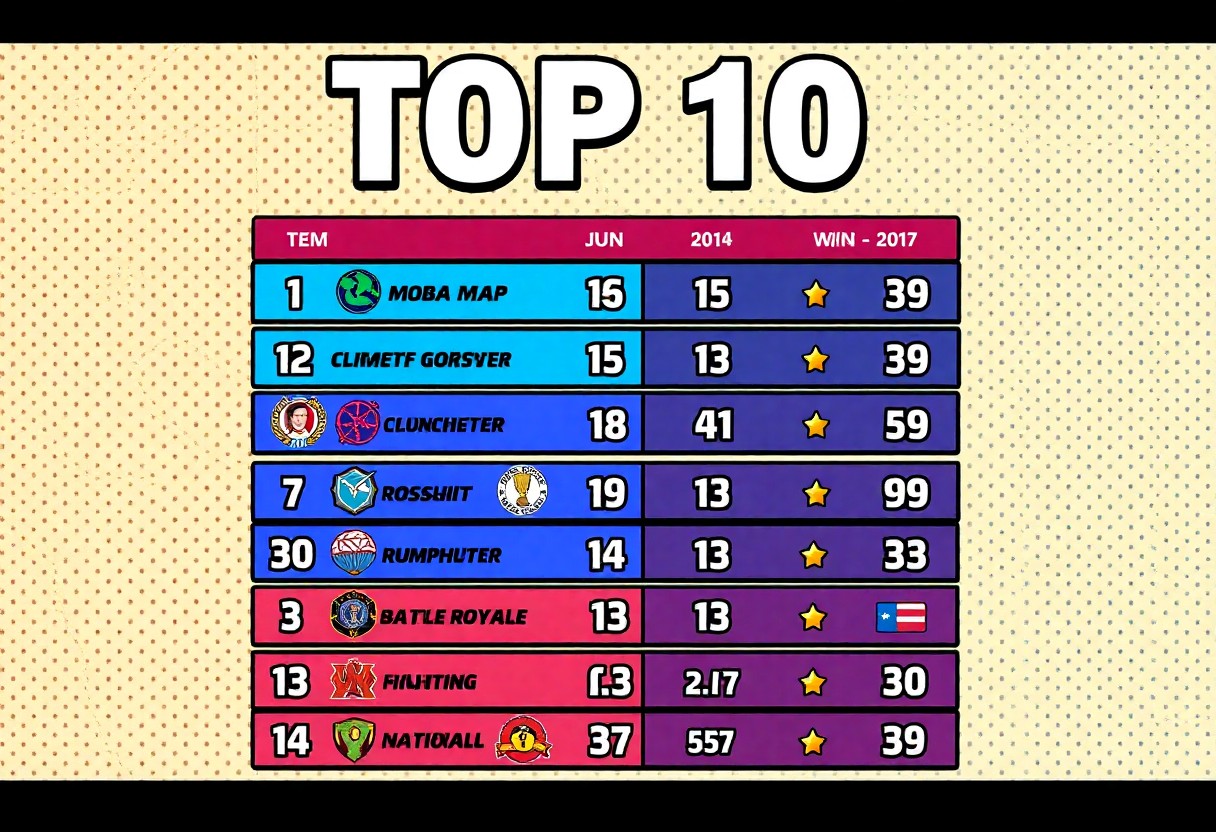
Dominance in esports is defined by teams excelling across multiple titles. This ranking analyzes the top ten teams that have achieved outstanding success, showcasing their skill and versatility in today’s competitive gaming environment.
Multi-Title Success Criteria
Diverse Game Portfolio Size
A diverse game portfolio increases a team’s adaptability and competitive edge. Teams excelling in multiple titles can leverage skills and strategies across different games, making them formidable in the esports ecosystem. A broader portfolio allows for greater audience engagement and revenue opportunities.
Major Tournament Victory Frequency
Victory frequency in major tournaments often signifies a team’s consistency and strategic prowess. Regular wins attract sponsorships, elevate brand stature, and boost player morale. Not only do these accomplishments validate a team’s capabilities, they also enhance its legacy within the esports community. Teams with consistent tournament wins are often seen as benchmarks for excellence, influencing aspiring teams to emulate their success.
Ranking Methodology Explained
Statistical Performance Weighted Scoring
This methodology employs a weighted scoring system based on statistics accumulated over recent tournaments. Key metrics include win rates, tournament placements, and individual player performances. Teams earn points for each statistic, allowing a quantifiable comparison across different games and competitions.
Factors such as opponent strength and match importance also influence scores. By analyzing both qualitative and quantitative data, this approach ensures a comprehensive evaluation of each team’s capabilities and achievements.
Longevity Across Different Eras
Longevity reflects a team’s ability to sustain success through evolving competitive environments. Teams that consistently perform well across various game changes and meta shifts are more highly regarded. A long-lasting presence indicates not only talent but also adaptability.
Teams demonstrating resilience and effectiveness over multiple seasons gain recognition for their strategic evolution. Maintaining a competitive edge in fluctuating scenarios speaks to strong organizational practices and continuous player development.
Rank 10: Gen.G Esports
South Korean Regional Dominance
Gen.G Esports exemplifies the strength of South Korean teams in global esports tournaments. With a rich history of competitive success, the organization has become a pillar in games like League of Legends and Overwatch, showcasing exceptional talent and strategic prowess.
Their accomplishments resonate within South Korea’s vibrant esports culture. Many players emerge from strong domestic leagues, reinforcing Gen.G’s reputation as a breeding ground for top-tier gaming talent.
Global Mobile Gaming Expansion
The increasing popularity of mobile gaming presents new opportunities for Gen.G Esports. Investments in mobile titles likePUBG Mobile highlight the organization’s intent to tap into expanding markets, recognizing the growing player base and competitive scene.
Participation in mobile tournaments allows Gen.G to diversify its portfolio, appealing to a new demographic of gamers and fans. This strategy is crucial for maintaining relevance and driving fan engagement in an evolving digital age.
As mobile gaming continues to grow, Gen.G’s strategies align with market trends, ensuring they stay competitive. The organization’s commitment to enhancing its mobile gaming division showcases foresight, targeting both current and future players in the esports ecosystem.
Rank 9: NRG Esports
North American FPS Success
NRG Esports has solidified its reputation in the North American first-person shooter scene, especially with titles like Apex Legends and Valorant. The organization boasts a talented roster that consistently performs at a high level in regional and international competitions.
This success has translated into significant tournament wins, contributing to NRG’s visibility and relevance in the esports community. Players have garnered individual accolades, further enhancing the team’s competitive standing.
Content Creation and Lifestyle
NRG Esports excels in content creation, merging competitive gaming with lifestyle branding. Various platforms showcase their teams engaging with fans, amplifying reach beyond traditional gameplay.
The organization prioritizes creating entertaining, relatable content, from vlogs to streams, helping build a loyal fanbase. Engagement through social media fosters community, ensuring NRG remains a prominent figure in both esports and general gaming culture.
Rank 8: Team Vitality
European Counter-Strike Leadership
Team Vitality stands as a powerhouse in European Counter-Strike, consistently performing at high levels in tournaments. With notable players like ZywOo, the team has gained a reputation for strategic gameplay and strong teamwork.
Rocket League World Championships
In Rocket League, Team Vitality’s achievements are equally impressive. Their roster has showcased exceptional skills, capturing titles and consistently reaching the top stages of competitions.
Victories in the Rocket League Championship Series (RLCS) have confirmed their position among the elite teams in the scene. Such accolades contribute to their multi-title dominance, reinforcing their influence across esports.
Team Vitality’s successes in the Rocket League World Championships underscore their versatility as a multi-title team. Their ability to perform across different esports has made them a formidable organization, attracting a dedicated fan base and sponsorships that further enhance their competitive edge.
Rank 7: Natus Vincere
Eastern European esports legacy
Natus Vincere, commonly known as Na’Vi, is a cornerstone of Eastern European esports. The team has consistently showcased the region’s talent, particularly through their achievements in major tournaments across multiple titles. Their legacy includes a pivotal victory at The International 2011, which solidified their status and popularized esports in Eastern Europe.
The influence of Na’Vi extends beyond championships. They have inspired numerous aspiring players in the region, contributing to the growth of esports and its acceptance as a legitimate career path. This impact has been instrumental in shaping a competitive environment that continues to thrive.
Tactical shooter competitive excellence
Their discipline and training regimens set them apart in the tactical shooter domain. An emphasis on communication and in-game decision-making gives Na’Vi a competitive edge, allowing them to consistently perform at the highest levels. This focus on teamwork has been key to their success in various championships.
Rank 6: Cloud9
Multidisciplinary championship history
Cloud9 has established a diverse presence across various esports titles, including League of Legends, CS:GO, and Valorant. The organization achieved its first major success with the CS:GO roster, winning the ELEAGUE Major in 2018, a historical moment for North American esports.
In League of Legends, Cloud9 continues to be a consistent competitor. The team has participated in multiple Worlds championships, securing a reputation as one of the top North American representatives on the global stage.
Player development and scouting
Cloud9 emphasizes a strong player development program and a keen eye for talent scouting. Identifying promising players early is a cornerstone in their strategy. The organization often invests in infrastructure to cultivate skills and promote individual growth.
The development program includes rigorous practice schedules and mentorship from experienced players. Scouting efforts focus on both established and upcoming scenes, ensuring Cloud9 remains competitive by integrating fresh talent into their rosters. This strategy not only strengthens the team but also promotes longevity in their performance across multiple titles.
Rank 5: Fnatic
European League of Legends
Fnatic has long been a powerhouse in the European League of Legends Championship Series (LEC). Their legacy includes multiple LEC titles, showcasing exceptional synergy and strategic depth throughout their rosters. A blend of fresh talent and veteran presence has kept Fnatic competitive against other top-tier teams.
The team’s commitment to innovation in gameplay has often set trends within the league. Well-executed teamfight strategies and strong individual performances have consistently placed them among the favorites during playoff runs, solidifying their reputation in European esports.
Global Valorant circuit performance
In the global Valorant circuit, Fnatic has established itself as a top contender. Their participation in international tournaments has yielded impressive results, often reaching the later stages of competitions. A focus on both tactical execution and individual skill has made them a formidable opponent on the world stage.
Their roster combines experienced players with new talent, allowing them to adapt quickly to evolving game dynamics. This flexibility has been key in achieving success against diverse competition, affirming their status as a top-tier team in the Valorant community.
In the recent Valorant Champions Tour, Fnatic demonstrated remarkable prowess, securing a spot among the elite teams. Their strategic depth and a unique approach to agent selection have allowed them to outmaneuver well-established rivals, making them a consistent threat at major tournaments.
Rank 4: T1 Entertainment
Unmatched League of Legends
T1 Entertainment excels in League of Legends, consistently demonstrating top-tier gameplay. The organization has amassed a significant fan base, bolstered by their historic achievements in international tournaments, including multiple Worlds championships.
Strategic expansion into shooters
T1 Entertainment has made impressive strides in first-person shooters, diversifying their portfolio beyond League of Legends. The organization has recruited top talent in titles like Valorant and CS:GO, displaying versatility and ambition.
This expansion showcases T1’s desire to be a comprehensive esports powerhouse, competing successfully across multiple genres. By investing in shooter teams, T1 aims to capture new audiences and maximize their competitive edge in the rapidly evolving esports market.
Rank 3: FaZe Clan
Cultural impact and branding
FaZe Clan has transcended traditional esports boundaries, establishing itself as a lifestyle brand. This organization effectively merges gaming culture with fashion, music, and entertainment, appealing to a diverse audience. Collaborations with prominent figures in the entertainment industry have further solidified their influence.
Their distinctive logo and signature style resonate with fans, leading to a dedicated community. Merchandise sales and partnerships reflect a brand identity that goes beyond competitive gaming, making FaZe Clan a household name in pop culture.
FPS genre market share
FaZe Clan has made significant strides in the first-person shooter (FPS) segment, particularly in titles like Call of Duty and CS:GO. Their roster boasts some of the top players, contributing to their dominance in major tournaments. Competitive performance attracts sponsorships, increasing their market influence.
In recent years, FaZe has captured a notable percentage of the FPS market. Their participation in high-stakes tournaments, combined with engaging online content, keeps them at the forefront of the FPS community. The team’s ability to attract and retain talent ensures that FaZe Clan will maintain its competitive edge in upcoming titles, solidifying their position in esports.
Rank 2: G2 Esports
Consistently elite across genres
G2 Esports thrives in multiple game titles, securing top placements in League of Legends, CS:GO, and Valorant. The team’s adaptability and cross-title expertise set it apart in the competitive scene, showcasing versatility that few can match. Players continuously demonstrate high skill levels, pushing boundaries and redefining excellence.
This success isn’t coincidental; strategic recruitment and comprehensive training allow G2 to maintain its competitive edge. By cultivating talent across various genres, G2 Esports exemplifies what it means to be a leading organization in esports.
Marketing and fan engagement
G2 Esports excels in creating a strong brand image, effectively connecting with fans through innovative social media campaigns and engaging content. The organization’s charismatic personalities and entertaining content have attracted a diverse following, enhancing community interaction.
A unique approach to marketing involves collaborations with popular influencers and merchandise that resonates with fans. G2’s aesthetic designs and clever branding contribute to their visibility, making them not just a team, but a lifestyle brand in the esports sphere.

Rank 1: Team Liquid
All-time highest prize earnings
Team Liquid stands as a titan in esports with all-time prize earnings exceeding $37 million. This impressive sum showcases their success across various titles, including Dota 2, League of Legends, and CS:GO. Consistent placements in major tournaments have solidified their financial standing in the competitive scene.
Success in prestigious events like The International and various world championships has contributed significantly to their earnings. Their ability to attract top-tier sponsorships further reflects their prominence in the industry.
Most successful multi-title roster
Team Liquid showcases one of the most successful multi-title rosters in esports history. The organization has excelled across different games, exhibiting remarkable adaptability and skill. Their achievements in games like Dota 2, where they secured a The International championship, illustrate their versatility.
This multi-title success sets Team Liquid apart from many organizations. With top-tier players for each title, they continuously remain competitive in several disciplines, making them a model for esports organizations aiming for longevity and success across varying genres.
Infrastructure and Training Centers
State-of-the-art practice facilities
Top esports organizations invest heavily in cutting-edge practice facilities, featuring advanced gaming equipment and high-speed internet. Studios designed for both training and streaming allow teams to optimize their performance in professional settings.
These spaces often include soundproof booths and tailored environments that minimize distractions, enabling players to fully concentrate. Additionally, tech-driven analytics tools help teams assess strategies and refine their gameplay efficiently.
Player health and wellness
Physical and mental well-being take precedence in top-tier esports teams. Dedicated staff provide services ranging from nutrition counseling to psychological support, ensuring players maintain peak performance. Regular assessments help identify potential burnout, enabling timely interventions.
Focused wellness programs address both mental resilience and physical fitness. Nutrition plans are customized to boost cognitive function, while exercise routines mitigate the sedentary lifestyle associated with long gaming hours. These approaches not only enhance player performance but also contribute to long-term career sustainability.
Cross-Game Talent Scouting
Identifying mechanical skill transfer
Transferring skills between different esports titles requires an understanding of core gameplay mechanics, such as aiming, strategy, and reflexes. Players who excel in one game often showcase skills that can be beneficial in others. For instance, a top-tier shooter player may exhibit superior hand-eye coordination that can easily translate to fast-paced action games.
Scouts monitor players across various genres to identify these translatable skills. Recognizing patterns in performance helps teams pinpoint talent that can adapt quickly to new challenges, thereby expanding their roster’s versatility.
Building sustainable talent pipelines
Establishing sustainable talent pipelines involves creating systems that continually scout and nurture potential esports stars. This requires scouting initiatives that focus on grassroots competitions and community engagement, ensuring that up-and-coming players receive exposure and opportunities for development.
Such pipelines not only safeguard the future of organizations but also promote healthy competition within the industry. By investing in training programs and mentorship, teams can cultivate a generation of skilled players who are ready to compete at high levels, ultimately benefiting the entire esports ecosystem.
Branding and Commercial Success
High-value corporate sponsorship deals
Corporate sponsorships represent a significant revenue stream for top esports teams. These deals often involve leading brands from technology, energy drinks, and consumer goods, enhancing visibility within diverse markets. Teams with established fan bases attract high-profile sponsors willing to invest heavily for brand exposure.
The return on investment can be substantial, as sponsors capitalize on the growing audience of esports. As viewership continues to rise, brands align themselves with these teams, creating mutually beneficial relationships that amplify both brand recognition and team resources.
Global merchandise sales growth
Esports teams capitalize on their popularity through merchandise sales, expanding their brand presence beyond live events. Fans purchase apparel, accessories, and collectibles to support their favorite teams, driven by emotional connections and community engagement. This growth reflects an increasing acceptance of esports in mainstream culture, positioning teams as legitimate entertainment brands.
Online sales platforms and social media marketing strategies influence merchandise growth significantly. Esports organizations utilize partnerships with retailers and personalized fan offerings, which not only enhance revenue but also strengthen brand loyalty. High-quality merchandise replicates the experience of traditional sports fandom, reinforcing community and team identity.
Regional Influence and Expansion
Establishing International Satellite Offices
Top esports teams often establish satellite offices in regions with burgeoning gaming markets. These offices serve as local hubs, facilitating partnerships with regional organizations and enhancing brand visibility. By being physically present, teams not only enhance their market strategies but also gain insights into local gaming cultures.
The presence of these offices can also streamline talent acquisition, allowing teams to scout and develop local players effectively. This localized approach enables better integration into the regional esports scenes, creating pathways for sustainable growth.
Localized Fan Community Building
Building localized fan communities remains important for esports teams aspiring for global influence. Tailored events, merchandise, and online engagement resonate deeply with fans, creating loyalty and support. Teams that engage with fans in their native languages and cultural contexts foster a sense of belonging, enhancing overall brand loyalty.
Email newsletters, social media interactions, and localized tournaments generate excitement and further solidify connections. By prioritizing these strategies, teams can create networks of passionate fans who actively support them, both online and offline. Local community engagement amplifies the team’s overall impact in the region, nurturing a committed and enthusiastic following.
Sustainability in Multiple Titles
Managing high player salaries
High salaries for top esports athletes can strain a team’s budget, especially across multiple titles. With competitive gaming growing, teams must ensure they provide competitive compensation without jeopardizing financial stability.
Diverse revenue stream generation
Creating multiple revenue sources is important for teams competing in various titles. Successful esports organizations often combine sponsorships, merchandise sales, and event hosting to enhance financial resilience.
The evolution of esports offers unique opportunities such as content creation on streaming platforms and partnerships with established brands. These avenues contribute to financial stability, allowing teams to invest in talent and infrastructure across multiple games. Teams consistently explore innovations in revenue generation to ensure long-term sustainability. Collaboration with brands and engagement with fan communities amplify earnings while securing a steady income source outside competition winnings.
Technological Integration in Training
Advanced Data Analytics Tools
Advanced data analytics tools have transformed how esports teams approach training. By harnessing the power of big data, teams can dissect player performance, analyze opponent strategies, and identify strengths and weaknesses effectively.
- Real-time performance tracking
- In-depth opponent analysis
- Player habit identification
- Team synergy assessment
- Statistical modeling for strategy development
| Feature | Description |
|---|---|
| Data Visualization | Graphs and charts to interpret player statistics easily. |
| Predictive Analytics | Forecasting outcomes based on historical data. |
| Performance Benchmarking | Comparing with top-performing players or teams. |
Performance Tracking Software Usage
Performance tracking software is a pivotal aspect of modern training regimens for top esports teams. These platforms allow teams to monitor player stats in real-time, enabling precise feedback loops that lead to immediate improvements.
Customizable dashboards provide insights into various metrics, including reaction times and decision-making processes. Such software creates an environment where continuous improvement is not just a goal but a measurable outcome. Teams that utilize these tools stay competitive by adapting quickly and strategically based on data-driven insights.
Community and Fan Engagement
Interactive Digital Fan Platforms
Esports teams heavily utilize interactive digital fan platforms to enhance engagement. Features like live chats, fan voting, and exclusive content create a two-way communication channel, keeping fans invested in team activities. Platforms such as Discord and Twitch allow for real-time interaction, fostering a sense of community among fans.
The integration of gamified experiences, such as in-app rewards for participation, increases engagement. Fans feel more connected to the team, as these platforms not only provide updates but also facilitate discussions and offer exclusive glimpses behind the scenes.
Social Media Reach Metrics
Social media reach metrics serve as benchmarks for evaluating a team’s engagement with its audience. Metrics like follower count, likes, shares, and comments indicate how effectively teams communicate and build a fanbase. A strong presence on platforms such as Twitter, Instagram, and TikTok enhances visibility and attracts new fans.
The data gathered from social media interactions reveals fan preferences and engagement patterns. Analyzing these metrics helps teams adjust their strategies, fostering deeper connections and potentially increasing revenue through merchandising and sponsorship opportunities.
Future Multi-Title Trends
Rise of mobile gaming
Mobile gaming continues to expand rapidly, attracting millions of players worldwide. This growth opens up opportunities for esports teams to dominate multiple titles across various platforms. Titles like PUBG Mobile and Free Fire have already established themselves in the competitive scene, drawing major tournaments and sponsorships.
As mobile technology advances, game graphics and mechanics become more sophisticated. This evolution allows developers to create titles that can compete with traditional PC and console games, further blurring the lines for esports organizations seeking multiple title representation.
Virtual reality competitive integration
Virtual reality is set to revolutionize the competitive gaming scene, offering immersive experiences that enhance player engagement. VR titles like Beat Saber and Echo Arena demonstrate the potential for high-stakes tournaments and fan interactions. Teams will need to adapt their strategies to include VR alongside established titles as the technology matures.
The rise of virtual reality gaming creates a new avenue for teams to showcase skill and adaptability. Gamers in VR environments experience competition differently, with gameplay often incorporating physical movement and spatial awareness. This shift requires teams to invest in training and resources to excel in a multi-title approach, setting the stage for a more dynamic esports ecosystem.
To wrap up
Now, analyzing multi-title dominance through the ranking of the top 10 esports teams reveals patterns in competitive strategy and resource allocation. Teams excelling across various titles demonstrate exceptional talent and adaptability, positioning themselves as leaders in the industry.
Such dominance not only boosts their visibility and marketability but also influences player recruitment and fan engagement. The interplay of skill and versatility defines their success in an increasingly competitive environment, reshaping expectations for both teams and players in the esports arena.
Q: What defines multi-title dominance among esports teams?
A: Multi-title dominance refers to a team’s ability to perform at a high level across several games or titles. Teams that exhibit this trait participate successfully in various esports, showcasing flexibility, strategy adaptation, and diverse player skills. Rankings often reflect their consistency in tournaments across different games.
Q: How is the top 10 esports teams ranking determined?
A: Rankings are typically based on performance metrics, including tournament wins, consistency in match outcomes, and overall statistics like kill/death ratios. Teams’ performances in multiple titles contribute to their position in the ranking, with emphasis on recent results to ensure current competitiveness is reflected.
Q: Which teams currently exemplify multi-title dominance?
A: Teams such as Team Liquid and FaZe Clan exemplify multi-title dominance. Their success across games like CS:GO, Dota 2, and League of Legends positions them favorably in rankings. Ongoing tournament results and player performance help maintain their standings within the top 10.