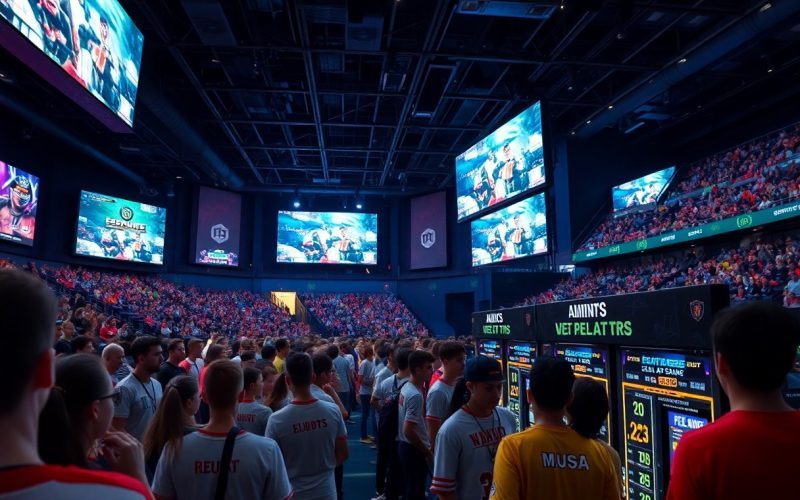
Most esports teams face challenges related to conflict of interest rules that impact team dynamics and management decisions. Understanding these regulations is important for maintaining fairness and integrity within the competitive environment, ensuring that both players and organizations operate transparently and ethically.
The Regulatory Landscape: Publisher-Led Governance
League Licensing Agreements and Compliance Mandates
League licensing agreements establish the frameworks that teams must follow to compete in sanctioned events. Compliance mandates often include stipulations related to team conduct, financial transparency, and conflict of interest policies. Adherence to these agreements is crucial for maintaining competitive integrity within the league.
Violations of these mandates can lead to stiff penalties, including fines or disqualification from tournaments. Teams must ensure all members are aware of these obligations, reinforcing a culture of compliance from the ground up.
Publisher-Enforced Divestment and Ownership Caps
Publisher-enforced divestment aims to prevent conflicts of interest by limiting the extent to which organizational stakeholders can invest in multiple teams. Ownership caps help ensure that no single entity can exert undue influence over a league’s competitive dynamics. This approach promotes fairness and competitive balance across the market.
In practice, these measures require teams to analyze their ownership structures and divest when necessary. Such regulations encourage a more equitable distribution of resources and opportunities among competing organizations.
Disciplinary Frameworks and Sanctioning Precedents
Disciplinary frameworks establish clear protocols for addressing infractions within esports. These systems outline the types of misconduct that can result in sanctions, providing a consistent approach for enforcement. High-profile precedents often shape future disciplinary actions and inform teams about the potential consequences for non-compliance.
Consistent enforcement of these frameworks fosters a culture of accountability within the esports community. Teams that understand the disciplinary landscape are better equipped to navigate potential conflicts and maintain their reputations.
Multi-Team Ownership and Holding Company Risks
Collusion Vulnerabilities in Tournament Environments
Collusion poses a significant threat in esports, particularly within tournaments where multiple teams are owned by the same entity. This arrangement creates an environment ripe for unethical practices, such as sharing strategies or intentionally manipulating outcomes. Without strict regulations, these scenarios can undermine competitive integrity and damage the esports ecosystem.
Identifying instances of collusion becomes increasingly challenging with overlapping ownership. Stakeholders may struggle to enforce fair play, as the interests of a holding company can conflict with those of individual teams. This complexity necessitates clear protocols to safeguard against unethical behavior.
Influence of Venture Capital and Private Equity Groups
Investment from venture capital and private equity groups has transformed esports organizations, bringing in substantial resources but also potential conflicts. These investors often expect rapid returns, which can pressure teams into prioritizing profitability over fair competition. Strategies devised by these groups may inadvertently prioritize results over ethical considerations.
Influencing team decisions, these groups might push for collaborations that conflict with fair play principles. As a result, the focus could shift from developing talent to maximizing sponsorship opportunities, creating a paradoxical situation where financial success undermines competitive integrity.
Establishing “Arms-Length” Operational Standards
Implementing “arms-length” operational standards is vital for ensuring fairness and transparency in esports. These standards help delineate boundaries between teams owned by the same entity, preventing undue influence during competitions. Establishing clear guidelines fosters trust among participants and regulators alike.
Creating specific operational practices can mitigate the risk of collusion and enhance integrity. Regular audits and compliance checks will reinforce adherence to these standards, ensuring every team operates independently, even within the same ownership structure. Without these measures, maintaining competitive fairness becomes increasingly difficult.
Talent Agency and Player Representation Ethics
Agencies Representing Multiple Competing Athletes
Representation of multiple competing athletes by a single agency can create significant ethical dilemmas. Conflicts arise when an agency prioritizes the interests of one player over another, potentially compromising fairness and transparency in negotiations. Trust among players may erode, leading to disputes and dissatisfaction within the roster.
Agencies must implement clear policies to manage these conflicts effectively. Transparency in communication and clear delineation of interests can help mitigate potential issues, ensuring that every athlete receives equal attention and support from their agency.
Conflict of Interest in Agency-Owned Esports Teams
Agency-owned teams create unique challenges regarding conflicts of interest. When an agency operates both as a player representative and a team manager, the potential for bias intensifies. Decisions made concerning team composition, contracts, and player development may disproportionately favor agency-owned assets.
Balance is necessary in these situations to prevent ethical breaches. Agencies should disclose their interests and create safeguards to ensure representation is equitable and unbiased, fostering a competitive and fair environment for all players involved.
The dual role of agencies in managing both players and teams can blur the lines of loyalty and responsibility. Insufficient separation of interests may lead to favoritism, impacting team dynamics and overall performance. Establishing independent oversight or advisory boards could significantly enhance accountability and fairness in these scenarios.
Fiduciary Duties and Transparency in Contract Negotiations
Fiduciary duties require agencies to act in the best interests of their clients during contract negotiations. Transparency is paramount, as players must understand the terms and conditions being proposed. Lack of communication can lead to distrust and potential legal issues down the line.
Agencies should provide comprehensive insights into contractual obligations and the reasoning behind specific terms. Ensuring players feel informed and supported throughout the process fosters an atmosphere of mutual respect and integrity within the agency-client relationship.
Upholding fiduciary duties demands an unwavering commitment to transparency. By ensuring that players receive full disclosure of contract details and potential implications, agencies can build stronger relationships and enhance their reputation in the esports industry. This practice not only protects players but also reinforces ethical standards across the board.
Competitive Integrity and Match-Fixing Prevention
Handling of Insider Information and Proprietary Data
Insider information can compromise competitive integrity within esports. Teams must implement strict guidelines to ensure that sensitive data, such as player performance metrics or strategic plans, is only accessible to authorized personnel. Transparency and accountability are crucial in managing this information to prevent unethical advantages.
Trust between players and management relies heavily on the responsible handling of proprietary data. Establishing clear policies about information sharing among team members, especially regarding betting activities, is vital to maintaining a fair competitive environment.
Impact of Betting Sponsorships on Team Decision-Making
Betting sponsorships introduce complex dynamics in decision-making processes within esports teams. Financial incentives can influence team strategies and player selections, creating potential conflicts with competitive integrity. Teams must balance the commercial benefits of such partnerships against the risk of undermining transparency and fairness.
Involvement with betting companies can lead to difficult ethical dilemmas for team management. Decisions may inadvertently favor sponsor interests over team performance, raising questions about the authenticity of competitive outcomes and player commitment.
Monitoring Systems for Suspicious Competitive Behavior
Implementing monitoring systems is crucial for detecting suspicious competitive behavior in esports. Advanced technology can track betting patterns and gamer performance in real-time, allowing regulatory bodies to identify irregularities swiftly. These systems enhance accountability and can deter potential match-fixing incidents.
Regular audits and investigations bolster trust among players and fans alike. By maintaining strict oversight and ensuring compliance with established integrity guidelines, organizations can reinforce the legitimacy of the competitive environment.

Internal Governance and Compliance Frameworks
The Role of Independent Ethics Committees and Officers
Independent ethics committees and officers play a pivotal role in establishing transparency within esports organizations. These entities are tasked with overseeing adherence to conflict of interest policies, ensuring that all actions align with the best interests of the team and its stakeholders.
Bringing impartial perspectives, they review potential conflicts in decision-making processes and recommend necessary actions. Regular training and reporting requirements strengthen their position, enhancing ethical standards across the team.
Mandatory Annual Conflict of Interest Disclosure Statements
Mandatory annual conflict of interest disclosure statements are necessary for maintaining integrity within esports teams. These statements require team members to declare any potential conflicts, promoting transparency and accountability.
Each disclosure provides insights into personal interests that may influence professional decisions. By systematically reviewing these statements, management can address issues proactively, safeguarding the organization’s reputation.
Regular submission of these conflict of interest disclosure statements not only identifies potential risks but also cultivates a culture of openness. Ensuring thorough review processes allows teams to mitigate conflicts before they escalate, ultimately preserving the trust of stakeholders.
Implementation of Robust Whistleblower Protection Policies
Whistleblower protection policies are critical in promoting ethical behavior within esports teams. These policies encourage individuals to report misconduct without fearing retaliation, thus creating an environment conducive to integrity.
Clear reporting procedures and assurances of confidentiality empower individuals to speak up about unethical practices. By implementing these policies, teams can ensure that wrongdoing is addressed promptly, reinforcing their commitment to ethical governance.
Effective whistleblower protection enhances organizational integrity by supporting those who report misconduct. Establishing clear avenues for reporting and presenting consequences for retaliation reassures employees that their concerns will be taken seriously, fostering a healthy team culture.
Sponsorship and Commercial Partnership Conflicts
Navigating Category Exclusivity and Brand Clashes
Conflicts arise when multiple sponsors within the same category vie for visibility. Teams must carefully manage these relationships to avoid alienating partners. Brands often demand category exclusivity, complicating negotiations and potentially sidelining valuable sponsorship opportunities.
Understanding the nuances of each sponsor’s expectations is critical. Striking a balance between competing interests requires transparency and clear communication, fostering a collaborative environment that benefits all parties involved.
Alignment of League-Wide vs. Team-Specific Commercial Interests
Different priorities between leagues and individual teams can create friction. While leagues often aim for broad sponsorships that enhance the entire brand, teams may pursue personalized deals that cater to their unique strengths. This divergence complicates partnership negotiations.
Achieving alignment involves ongoing dialogue to ensure that team interests do not clash with league-wide strategies, ultimately leading to more effective collaborations and maximizing revenue streams.
Team-specific commercial interests frequently conflict with league-wide priorities, creating potential friction during negotiations. Balancing these differing goals necessitates open communication and a clear understanding of each entity’s objectives. When alignment occurs, it enhances synergy and optimizes revenue opportunities, benefiting both parties.
Transparency in Related-Party Transactions and Sponsorships
Clear disclosure of related-party transactions is imperative to mitigate potential conflicts of interest. Transparency builds trust among stakeholders and can prevent disputes from arising. Proper documentation and adherence to regulatory guidelines are necessary for maintaining compliance.
A commitment to transparency not only safeguards the integrity of the esports ecosystem but also reassures sponsors and partners that their investments are valued and secure. Successful teams prioritize ethical practices to reinforce their standing within the industry.
Ensuring transparency in related-party transactions strengthens the foundation of trust among various stakeholders. Clear guidelines should be established for reporting these deals, facilitating open communication about potential conflicts. This practice not only protects the interests of all parties involved but also reinforces the overall credibility of the esports industry, fostering a healthier commercial environment.
Technical Staff, Coaching, and Intellectual Property
Non-Compete Clauses and Protecting Strategic Playbooks
Non-compete clauses serve as a safeguard for esports teams, limiting the potential for technical staff and coaches to share sensitive strategies with rival organizations. By enforcing these agreements, teams can protect their intellectual property and maintain competitive advantages in tournaments.
Establishing clear terms within these clauses is vital. Teams must ensure that the duration and scope of restrictions are reasonable, balancing protection against potential legal challenges while promoting fair competition in the industry.
Ethical Transitions for Coaches Between Rival Organizations
Transitioning coaches between rival organizations raises ethical questions regarding loyalty and information sharing. Clear guidelines must be established to mitigate conflicts of interest, ensuring that proprietary strategies do not leak between competitors.
Implementing cooling-off periods could offer a solution, allowing time for coaches to disengage from their previous teams and reduce the risk of using insider knowledge in their new role.
Coaches often possess unique insights into their former teams’ strategies and strengths. Transparent communication and adherence to ethical standards are crucial to maintaining integrity within the esports scene. Protecting proprietary knowledge while facilitating coach mobility is vital for fostering a healthy competitive environment.
Risks Associated with Shadow Coaching and Unofficial Advising
Shadow coaching and unofficial advising present significant risks in esports, often blurring ethical lines. Coaches operating outside official team structures can undermine team coherence and strategies by providing unauthorized insights to players.
This practice can lead to fractured team dynamics and potential legal challenges if proprietary information is misused. Teams must clarify boundaries and discourage informal arrangements to maintain a fair competitive atmosphere.
Shadow coaching risks creating an environment rife with mistrust, where players may question each other’s loyalty and commitment. Formalizing advisory roles and ensuring all coaching practices align with team values can help maintain integrity and cohesion within the organization.
Media, Broadcasting, and Public Relations Impartiality
Team-Owned Media Outlets and Journalistic Integrity
Team-owned media outlets can create conflicts of interest, as they may prioritize favorable narratives over objective reporting. These platforms, designed to promote team branding, often influence how events are covered, affecting the overall perception among fans.
Maintaining journalistic integrity becomes challenging when profits and promotions take precedence. Transparency in sponsorships and ownership structures is vital to uphold credibility, ensuring consumers receive unbiased information about the esports landscape.
Analysts and Casters with Financial Ties to Specific Teams
Analysts and casters often face scrutiny when they have financial ties to particular teams. Bias can inadvertently seep into their commentary, potentially misleading viewers about a team’s performance. This relationship raises questions about the objectivity expected from these media professionals.
Fans and stakeholders may find it difficult to trust analyses presented by individuals who are financially invested in the success of specific teams. To safeguard credibility, esports organizations must establish rules governing these relationships to promote impartial commentary.
Analysts and casters must disclose any financial relationships with teams to ensure transparency. This practice helps viewers discern potential bias and enhances trust in the information presented during broadcasts. Maintaining a clear separation between commentary and vested interests is vital for preserving the integrity of esports media.
Managing Narrative Bias in Official Tournament Broadcasts
Official tournament broadcasts often struggle with narrative bias, particularly when sponsors influence programming. The depiction of player performances or game outcomes may be skewed to align with sponsor interests, detracting from the authenticity of the viewing experience.
Addressing these biases requires strict guidelines and oversight to prevent favoritism in coverages, ensuring a balanced portrayal of events. Audiences deserve a fair representation that respects both the competitive spirit and the integrity of the sport.
To counteract narrative bias, esports organizations should implement independent review processes for broadcasts. This approach guarantees that narratives are grounded in factual analysis rather than influenced by sponsorships or team affiliations, promoting trust and reliability in the esports community.
Player Transfers, Recruitment, and Tampering Rules
Anti-Poaching Regulations and Recruitment Ethics
Strict anti-poaching regulations exist to protect teams from aggressive recruitment tactics targeting their players. Ethics in recruitment demand transparency and respect for contracts, ensuring teams can develop their talent without fear of losing them to rival organizations.
Strategies for recruitment should honor existing player commitments and prioritize fair negotiations. Upholding these ethical standards also contributes to a positive environment within the esports community, fostering collaboration rather than hostility between teams.
Conflicts in Third-Party Scouting and Data Analytics
Conflicts of interest can arise when third-party scouts are tied to multiple teams. Such connections challenge the objectivity required when evaluating player potential, as biases may influence data interpretation and recommendations.
Transparency in these relationships is crucial to maintain fairness in scouting. Without clear guidelines, the integrity of player assessments diminishes, ultimately affecting team decisions and player careers.
Addressing these conflicts starts with establishing independent verification processes for scouting data. Ensuring that third-party assessments are free from team affiliations reduces potential biases, promoting fairness and encouraging a competitive spirit across the esports ecosystem.
Managing Loan Agreements and Buyout Clause Transparency
Transparency in loan agreements and buyout clauses becomes crucial to avoid disputes between teams. Clear terms help players understand their situations while allowing teams to strategically manage their rosters without hidden agendas.
Proper documentation and communication surrounding these agreements protect all parties involved. When both teams are informed and agree on conditions, the likelihood of conflicts diminishes, fostering trust within the industry.
Financial Transparency and Auditing Procedures
Tracking Global Capital Flows and Holding Company Influence
Transparency in tracking global capital flows is necessary for esports teams, especially as investments pour in from various markets. Understanding where funds originate helps address potential conflicts of interest and ensures compliance with regulations.
Holding companies often influence multiple teams within leagues, complicating financial transparency. Monitoring these relationships is critical to prevent monopolistic behaviors that could harm competitive integrity.
Revenue Sharing Models and Equitable Distribution Standards
Equitable revenue sharing models are vital for maintaining fairness in esports. Promoting standards that support all stakeholders ensures that smaller teams receive necessary funding and exposure.
Establishing clear distribution standards fosters a more balanced ecosystem within esports. Organizations that prioritize equity in revenue sharing build stronger community trust and foster longer-term sustainability.
Alongside ensuring fairness, such models can incentivize performance and collaboration among teams. By harmonizing interests, they foster an environment where all parties can thrive economically.
Requirements for Independent Financial Audits of Organizations
Independent financial audits serve as a checkpoint for organizations within esports, verifying the accuracy of reported financial data. Implementing stringent audit requirements enhances accountability among teams and management.
Transparency through external audits mitigates risks of mismanagement and financial misconduct. Accountability established through these audits builds investor and fan trust, necessary for long-term stability in the industry.
Expectations for independent audits typically demand thorough examinations of financial statements and reporting processes, ensuring compliance with established financial practices. This scrutiny can deter potential wrongdoings and promote ethical conduct across the board.

Regional Legal Frameworks and Global Harmonization
Impact of National Labor Laws on Esports Regulation
National labor laws directly influence how esports teams operate, affecting player contracts and rights. For example, regulations regarding minimum wage and working conditions can vary widely, complicating uniformity across leagues and regions.
Various countries have established frameworks that esports must adhere to, often leading to discrepancies. Such variations can create conflicts, especially when players compete internationally or switch teams based in different jurisdictions.
Standardizing Integrity Rules Across International Jurisdictions
Uniform integrity rules remain a challenge due to diverse legal systems. Different jurisdictions may adopt varying standards of conduct, impacting players and teams significantly. The absence of a cohesive set of guidelines can lead to confusion and inconsistent enforcement.
To address these challenges, organizations are advocating for the creation of an international standard. Collaboration among stakeholders can lead to more effective regulation, promoting fairness and integrity across all esports competitions.
Developing a comprehensive set of integrity standards demands cross-border dialogue and cooperation. Efforts towards harmonization will help mitigate risks associated with discrepancies in regulations, ensuring players and organizations operate under consistent expectations globally.
The Influence of the Esports Integrity Commission (ESIC)
ESIC plays a pivotal role in establishing and enforcing integrity standards in esports. This organization monitors competitive fairness, conducts investigations into suspicious activities, and provides educational resources to stakeholders aimed at preventing misconduct.
Ongoing initiatives by ESIC include developing protocols for dealing with integrity breaches, fostering trust among players, organizers, and fans. Such efforts are crucial for promoting a fair competitive environment, which is crucial for the sustainability of the esports industry.
Emerging Technologies and Future Regulatory Challenges
Governance Risks in Decentralized Autonomous Organizations (DAOs)
Decentralized Autonomous Organizations introduce unique governance challenges for esports teams. The absence of centralized authority complicates accountability, making it difficult to enforce conflict of interest policies. Team members may engage in self-serving behavior that undermines the organization’s integrity.
Engagement in DAOs relies on community consensus, which can be swayed by dominant voices. This dynamic raises the risk of misalignment between individual interests and collective goals, potentially harming the ethical standards expected in esports management.
Transparency in Blockchain-Based Ownership and NFTs
Transparency issues persist in the ownership of assets via blockchain and NFTs. Although these technologies promise a trustless environment, actual practices can obscure full accountability. Players and fans might struggle to verify true ownership, leading to disputes over rights and profits.
Data visualization and user-friendly interfaces are necessary for promoting clearer understanding among stakeholders. As the NFT market grows within esports, heightened demands for transparency will likely drive changes in how ownership is represented and enforced.
Improving transparency in blockchain-based ownership requires careful structuring of information pertaining to transactions and rightful ownership. Clear documentation of ownership rights and conditions associated with NFTs will allow players and organizations to engage more confidently in the esports ecosystem.
Regulatory Adaptation to AI-Driven Performance Analytics
AI-driven performance analytics pose challenges for regulatory frameworks in esports. The use of sophisticated algorithms to evaluate player data can raise questions about fairness and privacy. Regulatory bodies may need to define guidelines that protect personal data while enabling competitive advantages.
Ensuring that analytics are not misused for manipulation or to create unfair advantages will require the monitoring of underlying algorithms. As technology evolves, adaptive regulatory measures will be necessary to safeguard the integrity of the sport.
Artificial intelligence in performance analytics must be managed carefully to avoid potential ethical pitfalls. Regulations should focus on transparency in how data is collected and used, ensuring that players and teams are aware of the algorithms influencing performance assessments. Clear guidelines could help maintain fairness while leveraging AI for improvement.
Summing up
Now, understanding conflict of interest rules in esports teams and management is vital for maintaining integrity and transparency. Teams must implement clear policies to prevent situations where personal interests could compromise team objectives or player performance.
Effective governance structures are necessary to ensure accountability among team management, players, and sponsors. Implementing strict guidelines will help preserve the competitive spirit and trust within the esports community, safeguarding its growth and professionalism.
Q: What defines a conflict of interest in esports teams?
A: A conflict of interest arises when an individual’s personal interests, either financial or otherwise, interfere with their professional duties in the esports team. Scenarios include team members promoting products or services for personal gain while representing the team, or management making decisions that benefit outside ventures over the team’s interests.
Q: How can esports teams prevent conflicts of interest?
A: Prevention involves establishing clear guidelines on acceptable behavior. Implementing policies that require transparency about personal interests helps. Regular training on identifying and managing potential conflicts is vital. Open communication between team members and management about any concerns can mitigate risks.
Q: What are the consequences of not addressing conflicts of interest?
A: Ignoring conflicts of interest can lead to loss of trust among team members and fans. Poor decision-making may harm the team’s reputation and performance. Legal repercussions can also arise if personal interests result in unethical conduct, damaging partnerships and sponsorships.