








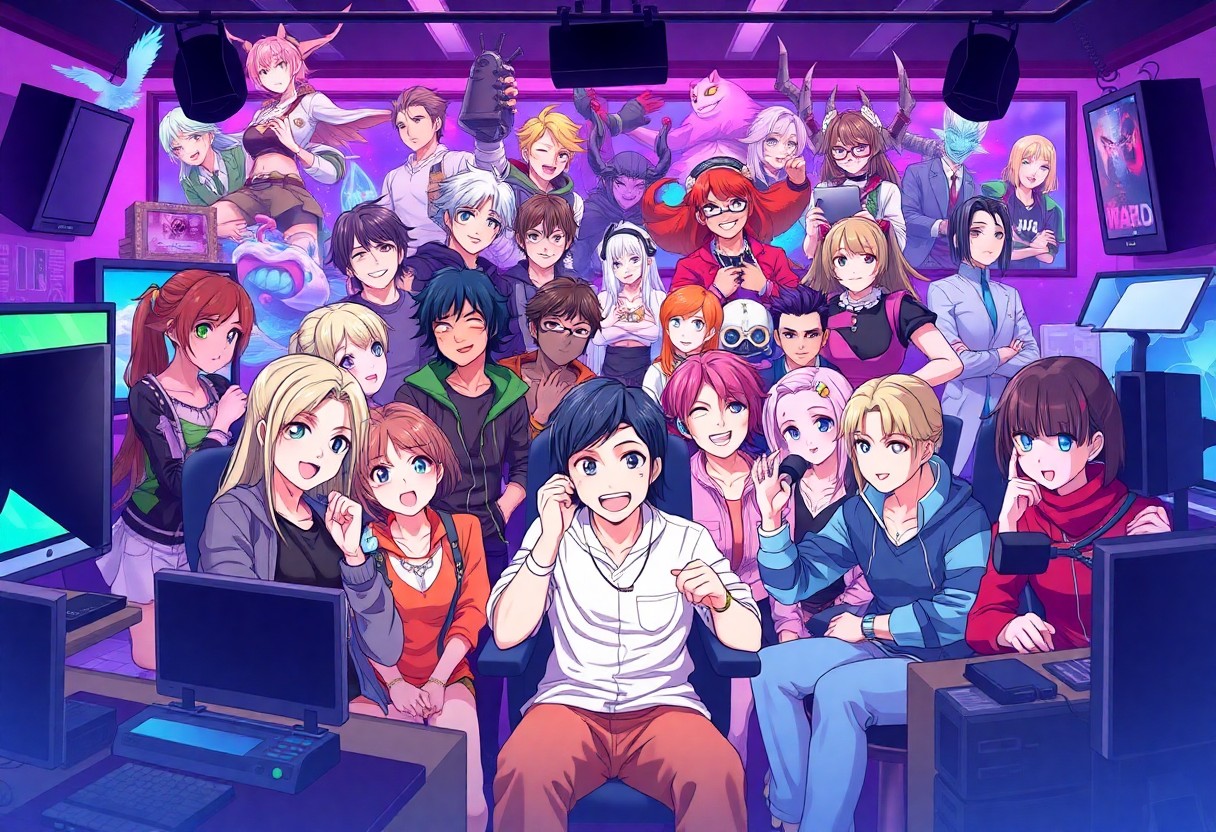
Voice actors play a pivotal role in bringing beloved characters to life, and in the case of Dota 2, many of the talented individuals behind the iconic heroes have lent their voices to other prominent games as well. This blog post will explore the diverse careers of Dota 2 voice actors, highlighting their involvement in various gaming titles and providing insight into their impressive range. Join us as we uncover the multifaceted contributions of these artists in the gaming industry beyond the world of Dota 2.
Unveiling the Voices: Dota 2’s Star Cast
In Dota 2, the impressive ensemble of voice actors not only breathes life into each character but also showcases a variety of talent across the gaming industry. From iconic lines that players recite in-game to powerful performances that resonate with fans, these voice actors have demonstrated their versatility in various other titles as well. Discovering their contributions to other games only adds to the appreciation of their work in Dota 2.
Profile of Iconic Characters and Their Voicers
Several Dota 2 characters are memorable not only for their abilities and lore but also for the stellar performances behind their voices. For instance, the voice of Invoker, portrayed by the talented Nolan North, has left players enchanted with his utterances of arcane knowledge. Meanwhile, the mighty Juggernaut echoes through the voice of the incredible Michael McCormick, who has added his unique flair to the hero’s persona. These actors and many more contribute to a vibrant tapestry of character voices.
The Impact of Voice Acting on Dota 2’s Immersion
The captivating voice acting in Dota 2 significantly enhances players’ immersion, skillfully intertwining with the game’s intense, strategic gameplay. With more than 110 unique heroes, each voice actor adds layers of personality and engagement, making every match feel unique. Players are not just controlling avatars; they are engaging with dynamic characters who share their thoughts, feelings, and battle cries, heightening the emotional stakes within each game.
Voice lines deliver crucial contextual information, reinforcing player decisions and strategies while enhancing the gaming atmosphere. As heroes acknowledge fallen teammates, taunt opponents, or deliver victory cheers, players create a strong emotional connection to the characters. This synergy between gameplay and voice acting generates an immersive experience that elevates Dota 2 beyond mere strategy, fostering an environment where narratives unfold and players become deeply invested in their chosen heroes.
Beyond the Nexus: Voice Actors in Other Major Titles
Exploring the multifaceted careers of Dota 2 voice actors reveals a tapestry of talent that transcends the game’s universe. Many of these actors have lent their voices to prominent franchises, enriching the gaming landscape in various ways. Their work extends to titles like League of Legends, Overwatch, and even blockbuster movies, showcasing their ability to embody diverse characters across genres and formats.
Cross-Game Talents: Notable Roles in Renowned Franchises
A glance at the filmography of these talented voice actors uncovers surprising connections. For instance, the iconic voice of Dota 2’s Invoker, played by the talented Troy Baker, is also known for his roles in major series like The Last of Us and Final Fantasy. Additionally, Ashly Burch, who voices Dota 2’s Kunkka, has made waves in Horizon Zero Dawn and Borderlands 3, demonstrating a significant crossover appeal.
The Art of Voice Versatility: How Actors Adapt to Different Worlds
Voice actors excel at adapting to various worlds through their unique skill sets. This adaptability is evident in how they manipulate tone, accent, and character traits to fit diverse narratives. For instance, Laura Bailey, known for her role as Dota 2’s Pudge, has embodied everything from fierce protagonists to sinister villains in games like Gears of War and the Uncharted series. Her ability to switch between emotional deliveries shows an impressive range that keeps audiences engaged across different gaming experiences.
The craft of voice acting requires a keen understanding of character nuances and storytelling dynamics. Voice actors often undergo extensive character research, developing unique voices and emotional backstories tailored to each game’s universe. This complexity is not limited to vocal performance alone; actors frequently collaborate with directors to ensure their contributions align seamlessly with the game’s vision. By harnessing techniques such as improvisation and vocal modulation, they create authentic and compelling performances that resonate with gamers, bridging the gap between worlds and captivating audiences in every realm they enter. This adaptability not only enhances storytelling but also cements their status as versatile artists in the gaming community.
The Intersection of Performance and Technology
In today’s gaming landscape, the intersection of performance and technology has given rise to unprecedented opportunities for voice actors. As game development continues to leverage advanced technology, actors can now portray characters with a level of realism and emotion previously unattainable. Through motion capture and enhanced sound engineering, voice talents breathe life into digital avatars, creating immersive experiences that resonate with players long after the screen goes dark.
Advances in Voice Recording: Impact on Gaming
Recent advancements in voice recording technology have transformed the gaming industry, allowing for high-definition audio and more nuanced performances. Studios now utilize sophisticated equipment and software, enabling actors to deliver intricate emotional ranges from the comfort of a sound booth. These improvements not only enhance the clarity of voice lines but also provide developers with the tools to create richly layered audio experiences that elevate storytelling in games.
The Role of Voice Actors in Creating Authentic Experiences
Voice actors play a pivotal role in crafting authentic experiences that engage players on multiple levels. Their ability to convey emotion, personality, and cultural nuances allows game narratives to resonate deeply. Talented voice actors often study their characters meticulously, lending authenticity to dialogues and interactions, which fosters a connection between the player and the game’s narrative. The emotional depth they bring transforms gaming from mere entertainment into a compelling art form.
In Dota 2 and beyond, this authenticity can significantly impact player immersion. Consider how the vibrant voices of characters reflect various cultures and backgrounds, drawing players into richly woven universes. When actors infuse their performances with genuine emotion, whether it’s joy, sorrow, or conflict, players not only engage with the game but also relate personally to its characters. This ability to evoke empathetic responses ensures that the gaming experience is memorable, elevating the medium as a whole and establishing voice actors as important contributors to the industry’s artistic expression.
The Influence of Voice Acting on Player Engagement
Voice acting significantly enhances player engagement by creating a richer, more immersive gaming experience. When players hear nuanced performances that convey emotions and personality, it fosters a deeper connection to the characters and the game’s narrative. This heightened emotional engagement can lead players to invest more time and effort into mastering the game, as they feel more connected to the in-game world and its inhabitants.
Emotional Connections: Crafting Memorable Experiences
Memorable gaming experiences often hinge on the emotional connections formed between players and characters, primarily influenced by voice acting. A well-delivered performance can evoke sympathy, anger, or even joy, transforming mere avatars into dynamic figures that resonate with players on a personal level. The impact of a powerful voice performance can linger long after the game is over, solidifying its place in players’ hearts.
How Voice Acting Shapes Game Lore and Character Development
Voice acting plays a pivotal role in shaping game lore and character development, as the inflections and emotions conveyed by actors breathe life into written dialogue and backstories. Characters become multidimensional with the right vocal performances, allowing players to grasp motivations and relationships more profoundly. For instance, the distinctive voices of Dota 2 heroes not only reflect their backgrounds but also enrich their narratives, adding layers of complexity that enhance the overall story.
In Dota 2, character lore is often conveyed through voice lines, which provide context to their actions and history. The actors’ choices in tone and emotion transmit subtleties that written text alone cannot express. A character like Anti-Mage, voiced by the talented Tane McClure, portrays a fierce determination that aligns well with his backstory as a vengeful force against magic. Similarly, the contrasting persona of Pugna, brought to life by actor Josh Keaton, adds an element of dark humor that balances the game’s more serious themes. These vocal performances not only enrich the characters but also invite players to engage with the lore on a deeper level, fostering a more seamless integration of gameplay and narrative.
Industry Insights: Trends and Future Directions in Voice Acting for Gaming
The landscape of voice acting in gaming is rapidly evolving, with advancements in technology and player expectations driving a significant shift in how narratives are delivered. More immersive experiences and the push for emotional depth in character development require not just talented voice actors, but also innovative integration with AI and machine learning to create dynamic vocal performances that adapt to in-game choices and scenarios.
The Growing Demand for Voice Talent in Indie Games
Independent games are increasingly prioritizing high-quality voice acting, as developers recognize its ability to enhance storytelling and engage players. Titles like “Hollow Knight” and “Celeste” have leveraged memorable performances to elevate their narratives, resulting in a surge of indie projects attracting top-tier voice talent. This trend reflects a broader understanding that compelling voice work can significantly impact player immersion and overall game reception.
Predictions for the Evolving Landscape of Video Game Voice Acting
The future of video game voice acting points toward more personalized and adaptive experiences, driven by advancements in technology. With AI-generated voices becoming more sophisticated, we might see hybrid models where human actors collaborate with AI for seamless dialogue adaptation based on player choices. This shift may lead to new opportunities for actors, including roles that require them to work alongside AI systems, potentially altering the entire workflow of game development and character creation.
As AI technology continues to evolve and integrate into the game development process, the potential for voice actors to operate in tandem with these systems will redefine their roles in the industry. This hybrid approach offers exciting opportunities for enhanced narrative complexity and character depth, allowing for real-time voice modulation to reflect player decisions. While concerns about the implications for traditional voice acting exist, embracing these advancements can lead to richer, more dynamic gaming experiences that keep players deeply engaged in their virtual worlds.
To wrap up
Upon reflecting on the diverse landscape of video game voice acting, it’s clear that many Dota 2 voice actors have lent their talents to a variety of other popular titles. These versatile artists bring life to characters across different genres and platforms, enhancing the gaming experience for players. Recognizing their multifaceted contributions not only deepens our appreciation for Dota 2 but also highlights the interconnected nature of the gaming industry, where voices resonate beyond a single title, creating a rich tapestry of storytelling and character portrayal.


