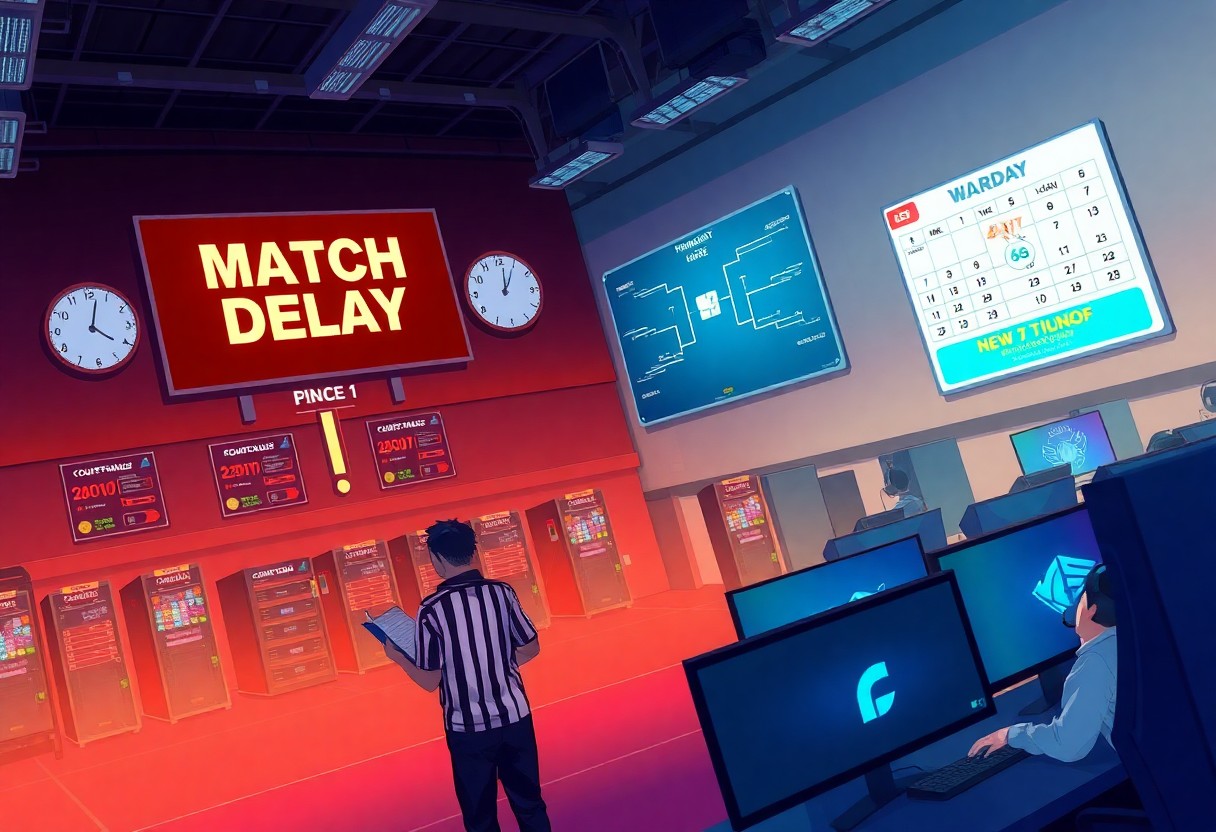
Esports competitions often face unexpected situations that necessitate delays and rescheduling. Understanding the established rules surrounding these changes is imperative for players and teams to maintain fairness and competitive integrity during events. This guide outlines the key regulations governing delays and rescheduling in esports.
Definitions and Classifications of Delays
Distinguishing Between Technical and Operational Delays
Technical delays arise from issues related to hardware, software, or connectivity failures during an esports competition. These can include server crashes, internet outages, or equipment malfunction. Such problems directly impact the game’s performance and often require immediate technical intervention.
Operational delays, on the other hand, stem from logistical or administrative complications. These could involve scheduling conflicts, miscommunication among teams, or delays in player arrival. Addressing operational delays often involves more strategic planning and can affect the overall flow of the event.
Categorization of Delay Duration: Minor, Significant, and Critical
Minor delays are typically brief interruptions that can be resolved quickly, often within a few minutes. Significant delays extend longer and may necessitate a reassessment of the schedule or adjustments to match formats. Critical delays involve prolonged interruptions that jeopardize the competition’s integrity.
Classifying delay durations allows organizers to implement appropriate responses. Minor delays might be absorbed into the schedule, whereas significant and critical delays need more rigorous measures to ensure fairness and maintain audience engagement.
Each category-minor, significant, and critical-plays a role in how esports competitions are managed. A structured classification system helps tournament organizers establish clear protocols, enabling swift decision-making and maintaining competitive integrity. Detailing response strategies for each delay type ensures preparedness for unexpected disruptions, fostering a smoother event execution.
Identification of Responsible Parties in Delay Incidents
Establishing who is responsible for delays is imperative in esports to ensure accountability. This includes recognizing whether the delay was caused by technical issues, miscommunication, or logistical failures. Accurate identification helps facilitate timely resolutions and maintain fairness during competitions.
Incorporating a clear protocol for assessing responsibility can streamline the resolution process. This clarity supports efficient communication among teams, organizers, and technical staff, mitigating frustration and confusion in high-pressure situations.
Effective identification of responsible parties ensures that lessons are learned from each incident, guiding future improvements in tournament operations. By analyzing past events, organizations can refine their coordination efforts and reduce the likelihood of similar delays in the future, enhancing the overall experience for competitors and spectators alike.
Technical Infrastructure and Pre-Match Checks
Mandatory Hardware and Software Validation Protocols
Validation protocols ensure all participants use compatible and up-to-date hardware and software. These checks minimize the risk of malfunction or unfair advantages, creating a level playing field in competitions.
Participants must submit their equipment specifications and installed software versions ahead of matches. Tournament organizers then verify these details to confirm compliance with competition standards.
Peripheral Compatibility and Driver Verification Requirements
Ensuring peripherals are compatible with the competition settings is necessary for smooth gameplay. Every participant must declare their peripherals, which will then undergo thorough checks prior to matches.
A specific focus on driver versions enhances overall functionality, as outdated drivers can lead to performance issues. Proper validation prevents any last-minute disruptions and maintains the integrity of the competition.
Participants are encouraged to keep their drivers updated and utilize officially supported peripherals. Compliance with these requirements not only enhances personal performance but also supports overall tournament integrity.
Server Stability Testing and Latency Benchmarking
Server stability tests are conducted to confirm that the gaming environment can handle peak loads without failure. Scheduled benchmarks measure latency, ensuring low response times for all players throughout the matches.
Comprehensive testing before the event safeguards against potential server crashes and ensures competitive fairness. High latency can skew results, so organizing bodies monitor performance closely.
Implementing a rigorous testing schedule mitigates issues that could derail matches. Regular benchmarks help identify potential hiccups, allowing organizers to address them proactively before gameplay begins.

Player and Team Responsibilities
Punctuality Requirements and Check-in Deadlines
Punctuality is important in esports competitions, with players required to adhere to established check-in deadlines. Failure to arrive on time can lead to serious penalties, including disqualification from matches.
Maintenance of Individual Equipment and Personal Software
Regular maintenance of personal equipment is a responsibility that players cannot overlook. This includes ensuring that hardware, from headsets to keyboards, functions optimally before each match.
Players should also keep personal software, including game clients and drivers, up-to-date. These practices prevent technical issues that could disrupt gameplay and give teams a competitive disadvantage.
Attention to detail in equipment maintenance can make or break performance. A last-minute software update or failing hardware often leads to stress and reduces overall efficiency during competitions.
Communication Channels with Tournament Officials
Open lines of communication with tournament officials are necessary for addressing issues promptly. Teams must familiarize themselves with the designated channels for reporting delays or seeking clarifications.
Proactive communication not only resolves problems but also fosters a more organized tournament environment. Maintaining professionalism in these interactions reflects positively on teams and can sometimes influence decisions favorably.
Establishing clear communication protocols ensures that players are aware of the appropriate channels. Using official platforms reduces confusion and allows for swift resolutions to any issues that may arise during competitions.
Protocol for In-Game Technical Pauses
Authorized Usage of the Pause Functionality
Teams may initiate a pause during gameplay only under specific circumstances, such as network issues, hardware failures, or when a player requires medical attention. Proper notification to officials is imperative before activating the pause feature, ensuring all parties are aware of the situation.
Only designated team representatives can communicate the need for a pause, maintaining clarity and accountability. Once the pause is activated, it must be observed by both teams, adhering to the rules established by the tournament organizers.
Communication Restrictions During Active Pauses
Communication between teams is restricted during the duration of an active pause to maintain fairness. Only designated officials may mediate any discussions that arise, preserving the integrity of the match.
Players are required to refrain from discussing strategies or gameplay tactics with their teammates during pauses. This limitation ensures that no advantage is gained or misused while the game is not actively in play.
Such restrictions not only promote fairness but also mitigate any potential disputes over rules or strategies. Encouraging solely official communication promotes a neutral environment where teams wait for resolution before proceeding with gameplay.
Resumption Procedures and Ready-Check Protocols
After resolving the issues that prompted the pause, teams must follow specific resumption procedures. This involves a formal notification from officials to signal the game’s restart, followed by a ready-check to confirm all players are prepared to resume.
The ready-check process requires players to indicate their readiness, ensuring that all team members are present and in optimal condition for play. This protocol helps maintain a structured approach to resuming competition after any interruptions.
Executing these resumption procedures effectively minimizes confusion and reinforces the competitive structure. Being prepared to resume without delay allows the flow of the match to continue seamlessly, imperative for maintaining audience engagement and excitement.
Force Majeure and External Disruptions
Defining Unforeseeable Circumstances in the Esports Context
Force majeure encompasses events that are beyond the control of event organizers, such as natural disasters or political unrest. In esports, this category also includes unforeseen technical failures that impede gameplay, disrupting scheduled matches and tournaments.
Understanding these circumstances is crucial for setting expectations around event management. These unforeseeable factors can lead to necessary alterations in match timings or even cancellations, impacting players and fans alike.
Impact of Regional Infrastructure Failures (Power and ISP)
Infrastructure failures, particularly in power supply or Internet service providers (ISP), can halt esports competitions. Such disruptions create significant challenges for both organizers and participants, often leading to delays or rescheduling at the last minute.
Localized power outages or ISP issues can disproportionately affect players in specific regions, leading to unfair advantages and complicating the competitive balance. This unpredictability must be considered in the planning stages of any event.
The effect of regional infrastructure failures can resonate beyond just immediate disruptions. Players may be forced to relocate or compete under inconsistent conditions, potentially impacting their performance and the overall integrity of the competition. Addressing these potential issues in advance is crucial for maintaining fairness and ensuring that contingency plans are readily available.
Emergency Evacuation and Safety Protocols for LAN Events
Implementing emergency evacuation protocols is crucial for ensuring participant safety during LAN events. These protocols must be clear and communicated effectively to all attendees to minimize panic in any emergency situation.
Participants and staff should be well-informed about evacuation routes and safety procedures, reinforcing a culture of preparedness. Regular drills can enhance readiness and ensure that everyone is familiar with the established safety guidelines.
Fostering a culture of safety at LAN events involves not only having protocols in place but also engaging attendees in discussions about emergency measures. Well-executed safety briefings can empower players and staff to respond effectively, helping to ensure a swift and organized evacuation should the need arise.
Connectivity and Latency Standards (Online vs. LAN)
Minimum Bandwidth and Ping Thresholds for Competitive Play
Establishing minimum bandwidth requirements is imperative for ensuring fair competition. Generally, most esports titles require a bandwidth of at least 3 Mbps for upload and download to minimize the risk of lag. Ping thresholds are also critical; a maximum ping of 30 milliseconds is often accepted to maintain competitive integrity without significant delays.
Competitions may implement strict guidelines to assess connections. Players must verify their connection status prior to matches, with penalties imposed for non-compliance. Consistent connectivity is key, as fluctuations can impact player performance and overall match outcomes.
Rules Regarding VPN Usage and Network Optimization Tools
Usage of VPNs in competitive play often depends on the tournament’s regulations. Some events allow VPNs for security, while others prohibit them due to the potential for latency issues. Clarity on these rules is mandatory, as violations can lead to disqualification.
Network optimization tools may be permitted to enhance player connections. However, clear guidelines must define acceptable tools to avoid unfair advantages. Communication with organizers is imperative to understand what is permissible under tournament rules.
Tournament organizers regularly remind participants about the implications of using unauthorized software or tools. Violations can result in penalties ranging from warnings to complete disqualifications, emphasizing the need for transparency about what network enhancements can be used during competition.
Disconnection Grace Periods and Reconnection Windows
Disconnection grace periods are designed to give players a fair chance to reconnect after an unexpected drop. Generally, these periods last between 2 to 5 minutes, depending on tournament regulations. Players must act quickly to rejoin, ensuring minimal disruption to the match’s flow.
Reconnection windows typically allow players a single opportunity to rejoin within this timeframe. However, strict adherence to security protocols remains crucial, and organizers may investigate repeated disconnections to ensure fair play across the board.
Consistent communication from tournament officials about expected reconnection protocols can mitigate misunderstandings. Players should monitor their connections pre-match to avoid potential disruptions and adhere to established rules regarding disconnection management.
Administrative Discretion and Decision-Making Authority
The Role of the Lead Referee and Head Administrator
Primarily, the lead referee possesses the authority to make immediate decisions during competitions, ensuring that gameplay adheres to the established rules. Their judgment is critical for maintaining fairness and integrity throughout the match.
Simultaneously, the head administrator oversees the broader competition framework, handling logistics and enforcing compliance with tournament regulations. This role includes addressing escalating issues that are beyond the lead referee’s scope.
Standard Operating Procedures for On-the-Fly Rulings
Standard operating procedures are vital for guiding referees when rapid decision-making is required. These guidelines ensure that rulings are consistent and equitable across all matches.
Referees must quickly assess situations and refer to established criteria, allowing them to make informed decisions that contribute to a fair competition environment.
When unexpected incidents occur, these procedures enable referees to draw upon precedent and consult with relevant authorities, ensuring decisions are made efficiently and reflect the tournament’s integrity.
Appeals Process and Expedited Review Mechanisms
The appeals process provides teams the opportunity to challenge decisions made during matches. Clear guidelines detail how to submit appeals and the timeline involved for responding.
Expedited review mechanisms allow for quicker evaluations, ensuring that disputes are resolved efficiently, minimizing disruption to the competition schedule.
This structured approach to appeals not only enhances transparency but also promotes confidence in the decision-making process, allowing participants to focus on their performance. By maintaining clear communication throughout the appeals process, organizers can uphold the integrity of the tournament.
Competitive Integrity and Anti-Exploitation Measures
Preventing Strategic Pauses and Tactical Delays
Regulations exist to thwart the misuse of pauses for tactical advantages. Players must adhere to strict guidelines that limit pause durations and ensure any delays serve legitimate purposes, such as resolving technical issues. Adherence to these rules preserves the competitive nature of the game.
Enforcement of these regulations involves close monitoring by officials, who assess the context of each pause. Close scrutiny ensures that any requests for delays fall within acceptable parameters, allowing gameplay to maintain its intended flow.
Information Security During Extended Match Interruptions
Extended interruptions raise concerns about information security, making it crucial to enforce protocols that safeguard sensitive data. During pauses, teams must operate under guidelines that restrict communication to prevent any unfair advantages from being gained.
Officials implement stringent measures to monitor player communication during breaks, ensuring that discussions remain focused on permitted topics and do not leverage outside information. Maintaining this level of surveillance upholds the integrity of the competition.
Presenting clear rules for player interaction and communication during match interruptions protects against information breaches. It guarantees that teams cannot exploit these moments to gain strategic insights, fostering a fair competitive environment.
Sanctions for Intentional Delay of Game
Sanctions serve as a deterrent against intentional delays that undermine game integrity. Teams found culpable of manipulating game flow face penalties, ranging from point deductions to disqualification from the tournament. Such measures reinforce the importance of adhering to timing regulations.
Officials also have the authority to issue warnings, escalating to harsher penalties for repeat offenders. This tiered approach allows for flexibility while asserting the importance of maintaining a fair and timely competition.
Enforcement of sanctions ensures that all participants understand the consequences of intentional delays, promoting accountability within the competitive structure. By establishing clear repercussions, tournament organizers can maintain an environment committed to fair play.
Financial and Contractual Implications of Delays
Impact on Prize Pool Distribution and Performance Bonuses
Delays in esports competitions can disrupt planned prize pool distribution. When events are postponed, contractual obligations may force organizers to reassess how funds are allocated if performance metrics change due to player availability or shifts in competitive engagement.
Performance bonuses also face reevaluation. Players might miss qualifying opportunities, impacting their eligibility for awards tied to specific events or seasons, thus complicating fair remuneration.
Liability for Venue Costs and Staff Overtime
Liability for venue costs can increase exponentially in delayed esports events. Venues often require payment for reserved time that overlaps with new schedules, leading to budget overruns.
Staff overtime also becomes a pressing concern. Increased hours may lead to additional costs, complicating compensation structures for vital personnel involved in the event.
Liability for venue costs and staff overtime demands careful financial planning. With delays potentially extending the duration of venue rental, contracts often stipulate fixed charges. Organizers must factor in these expenses while negotiating new timelines, balancing operational needs with financial responsibility. Failure to account for this can lead to substantial losses.
Sponsorship Obligations and Make-Good Provisions
Delays can jeopardize agreements with sponsors, who expect certain deliverables during the event schedule. Changes necessitate a reassessment of promotional commitments and visibility for brands involved.
Make-good provisions often require organizers to offer sponsors alternative arrangements, such as additional advertising time or exclusive content, ensuring the sponsors feel their investment is still valued despite setbacks.
Sponsorship obligations hinge on maintaining clear communication throughout delays. Contracts may outline specific make-good provisions that require organizers to provide compensatory benefits to sponsors. Navigating these obligations effectively ensures continued support and mitigates dissatisfaction among partners.
Broadcast and Media Rights Management
Filling Airtime During Extended Technical Delays
Technical delays can disrupt the flow of an esports competition, requiring strategic planning for filling airtime. Content creators often resort to pre-recorded segments, interviews, or highlight reels to keep viewers engaged and maintain interest in the broadcast.
Producers must quickly assess available assets while adhering to brand standards. Effective communication with teams and talent enables rapid content deployment that remains relevant to the ongoing event.
Managing Commercial Breaks and Advertiser Expectations
Balancing commercial breaks with content delivery is crucial to satisfy advertisers while maintaining viewer engagement. Communication with sponsors about potential delays helps manage expectations and ensures brand alignment during unpredicted interruptions.
Integrating advertisements into gameplay coverage provides flexibility, allowing sponsors to remain visible without severe disruptions. Custom solutions cater to specific sponsorship needs while ensuring that viewers receive a continuous experience.
Advertiser feedback plays a significant role in refining this process. Engaging direct communication about delays ensures that sponsors feel valued and informed, enabling long-term partnerships and better adaptation to shifting competition schedules.
Communication Strategy for Live Audience and Viewers
Effective communication is crucial during live events, particularly when delays arise. Clear messaging updates help reassure viewers and live audiences about ongoing issues while maintaining excitement and engagement around the competition.
Collaborating with social media and official channels amplifies outreach, providing real-time information to fans. This transparency fosters a loyal community while minimizing frustration during unforeseen interruptions.
Employing a proactive communication strategy builds trust with audiences. Timely updates can shape viewer experiences, ensuring they remain invested in the event even amid delays.
Disciplinary Actions and Penalty Points
Tiered Penalty System for Recurrent Delays
A tiered penalty system addresses repeated delays in esports competitions, ensuring that consequences escalate with each infraction. First-time offenders may receive a warning, whereas subsequent delays can result in point deductions, ultimately affecting the team’s standing.
Forfeiture of Map Selection or Side Priority
Forfeiting map selection or side priority serves as a significant penalty for teams causing delays. This measure ensures that those responsible face repercussions while maintaining game integrity.
In essence, the offending team may find themselves at a strategic disadvantage, impacting their performance and morale throughout the competition.
Monetary Fines and Season-Long Suspension Criteria
Monetary fines can penalize teams for persistent delays, reinforcing accountability within professional esports. Such financial repercussions vary based on the severity of the infraction and frequency of violations.
Teams facing repeated scheduling issues might also be at risk of season-long suspensions depending on their history and the circumstances. Adherence to established timelines is imperative for maintaining competitive integrity.
Case Studies and Precedential Rulings
- 2018: Overwatch League Grand Finals – Delays during the final match led to fan complaints and logistical adjustments.
- 2019: EVO Championship Series – Network issues caused significant rescheduling, prompting updates to rules regarding tech failures.
- 2021: VALORANT Champions – Multi-hour delays resulted in a review of player conduct policies during unforeseen circumstances.
- 2022: League of Legends World Championship – A match was delayed due to power outages, prompting an emergency protocol discussion.
- 2023: Dota 2 International – Multiple reschedules influenced new guidelines on time management and communication with teams.
Historical Analysis of Significant Major Tournament Delays
Notable delays in esports history have shaped how tournaments manage scheduling. A prime example includes the Overwatch League Grand Finals in 2018, where technical mishaps extended the match by several hours, causing frustration among fans and competitors alike.
The 2019 EVO Championship Series illustrated a different aspect, where network failures disrupted the flow of the event. Such occurrences have prompted organizations to rethink their contingency plans and communication strategies with participants.
Evolution of Rulebooks Following High-Profile Incidents
High-profile incidents in esports tournaments have directly influenced the evolution of rulebooks. Following delays, organizations began to recognize the importance of having clear guidelines for rescheduling and communication, particularly regarding unexpected technical issues.
Recent updates reflect a deeper understanding of player needs and audience expectations, aiming for a more structured approach to unforeseen circumstances. Rules now outline specific consequences and remedies, creating a sense of accountability among organizers.
These amendments enable tournament organizers to better manage player conduct and audience engagement during delays. They establish clearer protocols, ensuring all parties involved are informed promptly and effectively, thus minimizing negative impacts on the event experience.
Comparative Review of Different Game Genre Regulations
Rules surrounding delays and rescheduling can vary significantly across different game genres. Each genre’s community may have distinct standards based on gameplay mechanics and competitive structures.
A comparative analysis reveals that fighting games often prioritize quick resolutions due to their nature, while strategic games might allow for longer delays due to their intricate planning. This divergence showcases how gameplay influences regulatory frameworks in esports.
Comparative Game Genre Regulations
| Game Genre | Regulation Focus |
|---|---|
| First-Person Shooters | Time management and tech failures |
| Real-Time Strategy | Player communication and match integrity |
| Fighting Games | Quick rescheduling protocols |
| MOBA | Strategic planning and delay management |
Analysis of game genres showcases that FPS games often prioritize immediate resolutions, while real-time strategy games emphasize strategic dialogue. Fighting games tend to favor rapid adaptations due to their fast-paced nature, whereas MOBAs consider longer planning phases necessary for competitive integrity. Such distinctions drive the development of tailored regulatory frameworks, aligning with each game’s unique demands.
Final Words
With these considerations, adherence to delay and rescheduling rules is vital in esports competitions. Clear guidelines help maintain fairness, ensuring that all participants understand the repercussions of forfeits and repeat delays. Competitions lacking strict protocols risk disorganization and potential disputes, undermining the integrity of the event.
Effective communication of these rules to players and teams is imperative. Transparency regarding rescheduling processes fosters respect among competitors, contributing to a more professional and engaging environment. Establishing a standard framework not only enhances the experience for participants but also reinforces the credibility of the esports industry.
Q: What are the rules regarding match delays in esports competitions?
A: Match delays in esports are typically governed by specific regulations outlined by the tournament organizers. If a delay occurs due to a technical issue, teams usually have a designated time frame to resolve the problem, often ranging from 10 to 30 minutes. If teams cause delays, penalties may be imposed, such as point deductions or forfeitures depending on the severity and frequency of the delays.
Q: How does rescheduling work in esports tournaments?
A: Rescheduling can occur due to unforeseen circumstances, such as server issues or player unavailability. Tournament organizers typically assess the situation and communicate with the affected teams to agree on a new time. Affected teams may be allowed to propose new schedule options, but ultimate decision-making rests with the organizers to ensure fairness and consistency.
Q: What penalties are imposed for repeated delays or rescheduling requests?
A: Teams that frequently delay matches or request rescheduling may face various penalties. These can include fines, match point deductions, or even disqualification from the tournament. The severity of penalties often correlates with the number of incidents and the impact on the tournament schedule.