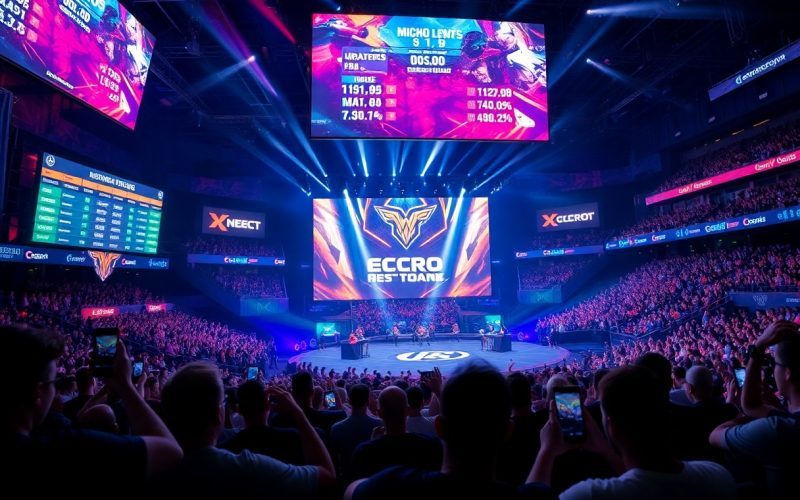







Many factors contribute to the growing complexities of the global esports market, with regional laws playing a significant role. These laws vary widely across jurisdictions, influencing everything from player contracts and sponsorship agreements to tournament regulations and age restrictions. This patchwork of legislation can impede growth, create barriers for international competition, and lead to inconsistencies in the treatment of esports as a legitimate form of entertainment. Understanding these legal challenges is vital for stakeholders aiming to navigate the intricate landscape of esports effectively.
Overview of the Global Esports Market
The global esports market has seen explosive growth, with revenue projected to surpass $1.5 billion in 2023. Major segments include sponsorships, media rights, merchandise sales, and in-game purchases. Audience engagement continues to rise, with over 500 million enthusiasts worldwide, and major tournaments attracting millions of viewers both online and offline. The rapid evolution of technology and cultural acceptance is reshaping the landscape, making esports an integral part of the entertainment industry.
Growth Trends
Esports is experiencing a compound annual growth rate (CAGR) of over 15%, driven by increased viewership, expanding tournament prize pools, and broader corporate investments. Mobile esports are gaining traction, further widening accessibility and creating new revenue streams. Emerging markets in Asia and Latin America are playing a pivotal role in this expansion, alongside traditional regions like North America and Europe.
Key Stakeholders
Key stakeholders in the esports ecosystem include game developers, tournament organizers, sponsors, streamers, and teams. Major companies like Riot Games and Activision Blizzard shape competition formats while brands like Intel and Coca-Cola leverage the medium for marketing. Streaming platforms such as Twitch and YouTube generate significant viewership that drives player engagement and monetization.
Game developers like Riot Games and Valve not only create popular titles but also organize tournaments, establishing frameworks that connect fans and players. Sponsors include multinational brands seeking to tap into the youth market, influencing advertising trends. Additionally, platforms like Twitch allow individual streamers to cultivate their audiences, creating opportunities for further engagement and monetization. Meanwhile, teams like Team Liquid and Fnatic have become household names, bolstering the competitive spirit and showcasing the potential for lucrative career paths within esports. This interconnected landscape proves that the complexities of stakeholder relationships significantly impact the overall market growth and sustainability.
Regional Regulations Impacting Esports
Regional regulations significantly shape the operational landscape for esports organizations and their stakeholders. From varied licensing requirements to age restrictions and gambling laws, these rules not only dictate how businesses function but also influence player participation and consumer engagement across different territories.
Licensing Requirements
Different countries impose unique licensing requirements for esports events, affecting how tournaments are organized. For example, in the United States, states like Nevada require operators to secure licenses to host events, while in Europe, regulations can vary widely from one country to another, leading to inconsistencies in enforcement and compliance.
Age Restrictions and Gambling Laws
Age restrictions and gambling laws represent another layer of complexity for the esports market. Many regions have specific age limits for participants in tournaments and restrictions on the advertising of games that involve real-money betting. For instance, in countries like the UK, players must be at least 18 to participate in games that have gambling elements, while in countries like South Korea, regulations can change constantly, impacting player engagement.
The impact of age restrictions and gambling laws extends beyond mere compliance; they dictate the demographic reach of esports. In Canada, laws require operators to ensure that a significant portion of their audience is of legal betting age, which can limit promotional strategies aimed at younger gamers. This can hinder talent development and audience growth, as top-tier events may exclude younger players or force organizations to rethink how they connect with a broader age range. Consequently, variations in legal frameworks across regions can create barriers that fragment engagement and opportunity in the global esports market.
Case Studies of Regional Fragmentation
To illustrate the impact of regional fragmentation on the esports market, case studies from different regions highlight how local laws and cultural factors affect industry growth and operations.
- North America: The esports market in North America is valued at approximately $1.1 billion, facing challenges from varied state gambling laws and age restrictions on competitive gaming.
- Europe: With a market size of $1.5 billion, fragmented regulations across the EU hinder cross-border competitions and licensing, leading to inconsistent player rights and taxation.
- Asia-Pacific: Dominating the global market at $2.3 billion, countries like China impose strict regulations on gaming time for youth, affecting player engagement and sponsorship deals.
North America
North America’s esports scene is vibrant yet fragmented, with diverse gambling laws varying by state. Restrictions on loot boxes and age limits complicate streaming and sponsorship opportunities, limiting overall market potential.
Europe
Europe’s esports landscape is shaped by its varied regulatory environment, which complicates cross-border tournaments. Despite a strong fan base, inconsistent gaming laws hinder seamless operations, impacting player mobility and revenue channels.
For instance, in the European Union, sports betting regulations vary significantly among member states, affecting how esports leagues can work with bookmakers. Countries like the UK embrace esports betting, while others impose stricter regulations, creating a patchwork that complicates partnerships and operational logistics for organizations trying to operate across borders.
Asia-Pacific
The Asia-Pacific region, holding the largest esports market share, confronts regulatory challenges that limit audience engagement. Countries like South Korea and Japan have established robust esports frameworks, yet varying laws on gaming for minors influence participation rates and sponsorship.
In China, for instance, government restrictions on gaming hours for minors have sizable implications for player development and the sustainability of esports careers. As parents and governments enforce limits on gaming time, organizations face diminished potential talent pools, affecting competitive dynamics and overall market growth. The result is a significant impact on how esports teams recruit and develop players in the region.
Impact of Fragmentation on Players and Teams
The fragmentation of laws across regions profoundly affects players and teams, limiting opportunities and complicating their operational landscapes. Variations in regulations can create unequal playing fields, where talents in some markets face fewer barriers than those in stricter environments. Consequently, players often have to navigate these complexities to secure the best opportunities, making the esports ecosystem less accessible and equitable for emerging talent.
Competitive Disadvantages
Inconsistent regulations can lead to competitive disadvantages for teams that are unable to adapt quickly. For instance, differing age restrictions and prize pool regulations may exclude certain players from pivotal tournaments, skewing competition. This unevenness hampers emerging teams from participating in global events, thus stifling growth and recognition, as established teams may dominate due to privileged access and resources.
Recruitment and Retention Challenges
Regional law fragmentation creates significant recruitment and retention challenges for esports organizations. Teams struggle to attract top talent when players must contend with varying regional regulations, which may impact travel and competition availability. Additionally, players seeking stability in contracts face uncertainty if laws change unexpectedly, leading to a hesitance to sign with organizations that might not be equipped to adapt swiftly.
Many organizations report difficulty in building robust rosters due to the intricacies of regional laws. For instance, teams based in heavily regulated countries may find it challenging to recruit talent from less regulated regions, limiting their potential pool of skilled players. Furthermore, players are increasingly concerned about their long-term viability given the unpredictable nature of regulatory changes, which can suddenly alter the landscape for sponsorship, competition, and even career longevity. As teams strive to maintain competitive edge, the instability instigated by fragmented laws becomes a primary obstacle in attracting and retaining top players, directly impacting overall team performance and success in the global market.
The Role of Publishers and Developers
Publishers and developers play a pivotal role in navigating the fragmented global esports ecosystem. Their influence extends beyond game creation to shaping regulatory compliance and facilitating regional adaptations. Major companies like Riot Games and Blizzard Entertainment have demonstrated the need for tailored approaches to ensure the integrity of their games across various jurisdictions while maintaining competitive integrity and user engagement.
Adapting To Different Laws
Adapting to differing regional laws requires publishers and developers to modify game mechanics and business practices. For instance, in South Korea, strict gambling regulations have led developers to implement age restrictions and adjust loot box systems. Similarly, in Europe, data protection laws necessitate transparent player data handling, compelling companies to engage in comprehensive legal audits of their structures.
Cross-Regional Competitions
Cross-regional competitions pose significant challenges due to varying legal landscapes and cultural expectations. Tournament organizers must grapple with rules affecting player eligibility, wagering regulations, and broadcasting rights. This complexity can stymie international event participation, as demonstrated by the difficulties faced by tournaments like “The International” in securing player participation across different legal frameworks and time zones.
The need for uniform regulations in esports competitions is becoming increasingly apparent as events strive to attract a global audience. For example, the Intel Extreme Masters has to navigate disparate legal environments to ensure that players from various countries can compete without legal repercussions. These tournaments often require careful planning to align with local laws while fostering a sense of inclusivity among international players. Additionally, inconsistencies in prize pool distribution, influenced by regional taxation or monetary policies, complicate participation further. As esports grows, the challenges surrounding cross-regional competitions will require collaboration among stakeholders to establish standardized practices that facilitate broader engagement.
Potential Solutions for Market Cohesion
Addressing the fragmentation of the global esports market requires innovative solutions that emphasize standardization and collaboration, fostering a more unified landscape for stakeholders and participants alike.
International Standards
Establishing international standards for esports governance can create a common framework that transcends regional regulations. Organizations like the International Esports Federation (IESF) are already advocating for harmonized rules that could help standardize player contracts, tournament regulations, and age classifications across borders.
Collaboration Among Stakeholders
Effective collaboration among various stakeholders—including game developers, tournament organizers, and regulatory bodies—is imperative to bridge gaps in the fragmented esports market. Initiatives like joint task forces or coalitions can facilitate dialogue and develop cohesive policies that benefit all participants.
Such collaborations can also involve establishing shared platforms for best practices and resource sharing, which would enhance consistency across regions. For instance, partnerships between major game publishers and regional governing bodies could lead to uniform player eligibility criteria, streamlining participation in international events. In addition, regular summits can help address evolving challenges, aligning objectives and creating a cooperative environment that nurtures the growth of the esports ecosystem globally.
Final Words
With these considerations, it is clear that regional laws significantly fragment the global esports market, creating barriers that hinder uniform growth and development. Variances in regulations regarding player contracts, sponsorship deals, and game classifications lead to inconsistencies that complicate international competition and investment. As esports continues to evolve, stakeholders must advocate for more cohesive legal frameworks that can facilitate cross-border collaboration while maintaining necessary local protections, enabling the potential for a truly global esports ecosystem.