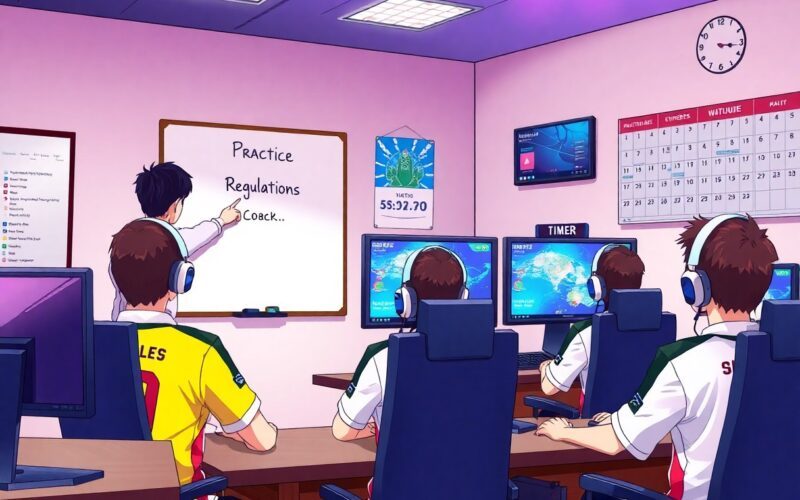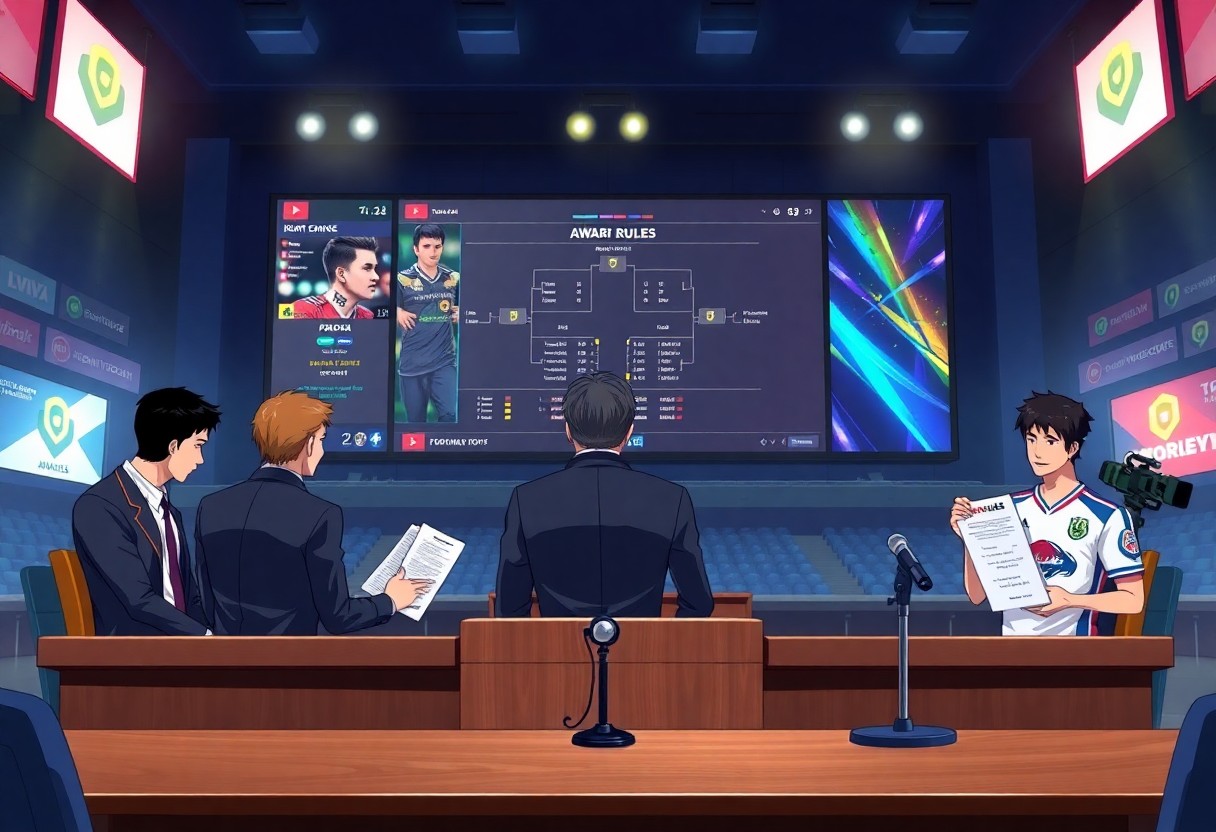
Disputes in professional esports can arise from various issues such as player conduct, match results, and rule interpretations. Understanding the appeals procedures is imperative for ensuring fair resolutions and maintaining integrity within the competitive scene. This post outlines the standard processes and considerations involved in these appeals.
The Legal Landscape of Esports Governance
The Role of Game Publishers as Ultimate Arbiters
Game publishers hold significant authority in resolving disputes within esports. End-user license agreements often grant publishers the power to enforce rules and mediate conflicts, placing them at the forefront of governance. This control allows them to shape competitive environments and ensure adherence to their standards.
Established guidelines by publishers not only direct player conduct but also influence tournament structures. Dispute resolution mechanisms provided by publishers can streamline processes, although they may lack external oversight, raising questions about fairness and impartiality.
International and National Regulatory Frameworks
Regulatory frameworks for esports vary widely across jurisdictions, affecting dispute resolution. Some countries have established clear rules and guidelines, while others remain ambiguous and underdeveloped. This inconsistency can complicate enforcement and compliance for players and organizations navigating international competitions.
National bodies may implement regulations focused on player welfare, anti-doping measures, and fair play. International organizations strive to create standardized practices, yet disparities persist, often leading to confusion and conflict in governance.
The varying approaches to esports regulation result in a complex legal environment. Countries like France and the United States have made progress in formalizing esports governance, whereas others lag in recognizing the unique nature of this sector. Such discrepancies not only affect legal frameworks but also impact how disputes are addressed in competitive settings, heightening the need for universal guidelines.
The Interaction Between Private Contract Law and Sporting Regulation
Private contracts heavily influence the governance of esports, often dictating the relationships between players, teams, and publishers. These contracts can encompass a wide range of issues, including dispute resolution mechanisms tailored to specific tournaments or leagues. Challenges arise when contractual terms clash with existing sporting regulations, creating potential conflicts in enforcement.
Regulatory bodies typically expect adherence to established rules, while private agreements can introduce additional obligations. The interplay between these two aspects can lead to disputes that require careful interpretation of both legal frameworks and contractual obligations.
This interaction emphasizes the necessity for clarity in both contracts and regulations. Ambiguities in either can result in disputes that challenge traditional legal precedents in sports. As esports continues to evolve, better integration of private law with regulatory structures is crucial for effectively managing disputes and ensuring fair competition.
Contractual Foundations of Dispute Resolution
Mandatory Arbitration Clauses in Professional Player Agreements
Mandatory arbitration clauses serve as a cornerstone in many professional player agreements, designed to streamline dispute resolution. Such clauses often require players to resolve conflicts outside of traditional court systems, aiming for efficiency and confidentiality.
Enforcement of these clauses can draw criticism, particularly when players feel they have limited recourse against their teams or organizational structures. Understanding the implications of these clauses is crucial for both players and teams, shaping the contractual landscape of professional esports.
Termination Rights and Buyout Clause Litigations
Termination rights and buyout clauses frequently become focal points in litigation, especially when players try to exit their contracts early. Disputes often arise around the interpretation of terms, leading to litigation that can impact a player’s future opportunities.
Litigation in these cases not only influences the involved parties but may also set precedents affecting future agreements in esports. Clear communication and precise contractual language can mitigate disputes regarding termination and buyout processes.
Termination rights allow players to exit their contracts under certain conditions, while buyout clauses provide financial pathways to do so. Litigations concerning these aspects often hinge on nuanced interpretations of contract language, which can vary widely among teams. The resulting outcomes affect not just individual rights but also the broader contract negotiation practices in the esports industry.
Standardizing Terms Across Regional and Global Leagues
Standardizing contract terms across various regional and global leagues has gained traction to promote fairness and clarity in professional esports. By adopting uniform contractual language, stakeholders can minimize potential disputes and enhance player protection.
Such standardization efforts can also facilitate smoother transitions for players moving between leagues, ensuring that everyone involved understands their rights and obligations. Collaborative initiatives among teams and organizations may lead to a more cohesive esports environment.
Standardized terms enhance consistency, making it easier for players and management to understand contract stipulations. These initiatives aim to harmonize diverse contractual practices, ultimately serving the interests of all parties. With clearer guidelines, the propensity for disputes diminishes, promoting a healthier ecosystem for professional esports.
Common Grounds for Appeals in Professional Play
Technical Infractions and Competitive Integrity Violations
Technical infractions often involve issues like equipment malfunctions or glitches that can affect a player’s performance. Such violations raise concerns about competitive balance and undermine the fairness of competition, prompting teams or players to file appeals to contest unfavorable outcomes. Resolving these disputes requires a thorough investigation into the circumstances surrounding the incident.
Competitive integrity violations, including cheating or match-fixing, create serious ramifications for the esports community. When allegations arise, affected parties may appeal sanctions imposed on players or teams, seeking clarification or reversal of decisions made. Transparency in handling these cases is vital to restore trust in the competitive environment.
Disciplinary Sanctions for Toxic Behavior and Professional Misconduct
Toxic behavior and professional misconduct can damage the reputation of esports, leading to disciplinary actions against offenders. Appeals are often filed to challenge suspensions or fines, with players arguing the provided punishment is disproportionate to the infraction. Advocating for a fair evaluation of incidents can lead to significant changes in how misconduct is addressed.
Mediation of these disputes frequently involves a detailed review of communication logs and gameplay footage to determine context. This process reinforces the importance of maintaining a healthy competitive atmosphere while ensuring that disciplinary measures are enforced equitably across the board.
Financial Disputes Regarding Prize Money Distribution and Sponsorships
Financial disputes can arise from unclear prize money allocations or sponsorship agreements that are disputed by players or organizations. Appeals regarding these matters are crucial for upholding contractual obligations and ensuring all parties receive fair compensation. Resolution of such disputes often relies on legal interpretations and prior agreements.
Complications surrounding prize money can lead to dissatisfaction among players, particularly if discrepancies arise post-event. A consistent appeals process ensures fairness, enabling contestants to clarify and challenge financial outcomes that impact their livelihoods and career trajectories.
Internal vs. External Appeal Mechanisms
Publisher-Led Review Boards and Commissioner Discretion
Some publishers establish review boards to address disputes, emphasizing internal governance. These boards typically consist of company representatives who analyze incidents based on pre-defined rules. While this system offers quick resolutions, it risks bias as the reviewers may lean towards the publisher’s interests.
Commissioners often hold significant authority, allowing them to make final decisions on appeals. This discretion ensures prompt resolutions but can also create challenges in maintaining perceived impartiality, particularly in high-stakes situations.
Third-Party Tournament Organizer (TO) Appeal Protocols
Third-party tournament organizers implement their own appeal protocols, which aim to provide an unbiased external review process. These mechanisms often involve a dedicated team that reviews issues based on established criteria, offering players a transparent method to challenge decisions.
These protocols can enhance trust among participants, as players feel their concerns are addressed by parties independent of the game’s publisher. However, the effectiveness of these protocols largely depends on the organizer’s resources and commitment to fairness.
Increasingly, tournament organizers adopt collaborative approaches when it comes to handling disputes. By involving players in the formulation of appeal protocols, greater accountability and transparency can be achieved, ultimately enriching the competitive environment.
Limitations of Internal Reviews and Conflict of Interest Concerns
Internal reviews often face limitations, primarily stemming from a lack of accountability. Review boards controlled by publishers may overlook player grievances, leading to questions about their effectiveness. Such practices can undermine trust, fostering an environment of dissatisfaction among competitors.
Conflict of interest issues also arise when the governing authorities are closely aligned with publishers or organizers. This closeness can compromise the integrity of the review process, prompting calls for more independent oversight in resolving disputes.
Conflicts rooted in internal reviews often diminish players’ faith in the system. Players may perceive decisions as influenced more by publisher interests than fairness, highlighting the need for more transparent and impartial mechanisms in the industry.

The Role of Independent Integrity Bodies
The Esports Integrity Commission (ESIC) Framework
Established to uphold fairness within esports, the ESIC framework provides a structured approach to maintaining integrity. This organization oversees the development of regulations and guidelines that ensure all players and organizations adhere to ethical standards.
Through collaboration with tournament organizers and game publishers, the ESIC facilitates the investigation of disputes. This system creates accountability and prioritizes transparency, alleviating concerns regarding bias and impropriety in competitive play.
Anti-Doping and Anti-Corruption Appeal Pathways
Anti-doping regulations are crucial in maintaining fairness in esports. Organizations have established clear appeal pathways for players who contest doping violations, ensuring a structured process for review and resolution.
Corruption, including match-fixing, faces strict penalties as well. Players and teams accused of such acts can appeal decisions, which promotes a balance between swift action and the right to due process.
Appeal procedures in anti-doping cases often involve multiple levels of review. Players can challenge initial findings through the relevant governing bodies, ensuring their rights are preserved while maintaining the integrity of the sport. This two-way communication fosters a more transparent environment.
Implementation of Global Bans and Reciprocal Enforcement
Establishing global bans for offenders is critical in preventing repeat violations across different regions. Various organizations have committed to recognizing and enforcing bans issued by independent integrity bodies, creating a unified front against misconduct.
This approach not only deters unethical behavior but also strengthens the trust of players and fans in the regulatory framework. By ensuring that a ban in one jurisdiction is acknowledged universally, the integrity of competitive gaming is fortified.
Global bans can create significant long-term impacts on a player’s career. Reciprocating enforcement of these bans among different organizations helps maintain consistent standards, leading to a more equitable competitive environment. Players are less likely to exploit jurisdictional loopholes when they know that infractions will not go unnoticed globally.
Procedural Due Process in Disciplinary Hearings
Right to Legal Counsel and Professional Representation
Participants in disciplinary hearings must have the right to legal counsel. This ensures that they can adequately defend themselves, presenting their case effectively against accusations. Securing professional representation provides individuals with a clearer understanding of procedural norms and potential outcomes.
Access to counsel promotes fairness in the hearing process. Legal advisors can identify errors in procedure or improper conduct, ensuring that respectively established guidelines are followed and that individuals’ rights are maintained throughout the proceedings.
Notice Requirements and the Opportunity to Be Heard
Proper notice is important before disciplinary actions are taken. Individuals must be informed of allegations against them and the potential consequences. An opportunity to respond to the charges fosters transparency and accountability in the proceedings.
Being granted a chance to present one’s case helps to establish mutual respect within the esports community. Adequate notice and a responsive hearing create a balanced atmosphere, important for a fair resolution to disputes.
Effective notice encompasses clear communication regarding specific allegations, deadlines for response, and access to relevant materials. This compliance helps individuals prepare adequately, ensuring they can participate meaningfully in their defense without surprises during the hearing.
Impartiality and Neutrality of Adjudicatory Panels
Selection of adjudicatory panels should ensure impartiality to uphold the integrity of the hearing process. Members must approach each case with neutrality, free from biases or conflicts of interest that could impact judgments made.
An impartial panel instills confidence among participants, affirming that decisions are based on facts rather than personal beliefs or affiliations. This standard protects the legitimacy of the esports governance framework, promoting fairness across all disputes.
Establishing clear criteria for panel selection can help maintain neutrality. Transparency in the selection process, along with predetermined guidelines against conflicts of interest, reinforces trust in the adjudicatory system, crucial for healthy competition in esports.
Evidence Standards and Burden of Proof in Appeals
Disputes in professional esports often hinge on evidence standards that dictate how claims are substantiated during appeals. The burden of proof plays a significant role, determining which party carries the responsibility to present sufficient evidence. Understanding these standards is vital for participants aiming to effectively contest rulings or decisions made by event organizers or governing bodies.
Utilizing Digital Forensics and Server Game Logs
Digital forensics, including server game logs, provides invaluable insights during appeals. Analyzing in-game data can reveal player actions, system behaviors, and potential irregularities that influence the outcome of matches. Such evidence acts as a concrete foundation upon which claims can be built, ensuring decisions are informed by factual information rather than speculation.
Accessing and interpreting server logs requires expertise to decipher complex data structures. Forensic analysis must be thorough and transparent to withstand scrutiny from all parties involved. Adopting best practices in digital forensics can bolster the credibility of the evidence presented during the appeal process.
Witness Testimony and Confidential Informant Protections
Witness testimony can significantly impact the outcome of esports dispute appeals. Statements from players, coaches, or other stakeholders may provide context or clarification regarding specific incidents. However, confidentiality is paramount, as informants may fear retaliation or repercussions for coming forward. Establishing protections encourages the reporting of misconduct while maintaining trust within the community.
Balancing transparency with anonymity is crucial in these situations. Measures must be taken to protect the identities of confidential informants, ensuring they can contribute to the process without jeopardizing their standing in the community. This balance promotes a safer environment for all participating parties.
Confidential informant protections must be clearly defined and communicated to encourage reporting. As esports continue to grow, ensuring a safe space for whistleblowers is vital for upholding integrity and accountability.
Balance of Probabilities vs. Beyond Reasonable Doubt Standards
The evidentiary threshold in professional esports disputes varies, with two primary standards: balance of probabilities and beyond reasonable doubt. The balance of probabilities typically applies in civil disputes, requiring a greater likelihood of an event than not, while beyond reasonable doubt serves criminal matters. Understanding these distinctions is vital for legal advisors and participants navigating appeals.
While balance of probabilities is advantageous in resolving disputes relatively quickly, the higher burden of beyond reasonable doubt necessitates compelling evidence for convictions. Each standard informs how cases are approached and the level of certainty required to reach conclusions in competitive gaming scenarios.
Choosing between these standards can shape the appeal’s direction profoundly. Both frameworks establish different expectations for evidence types, influencing the strategies employed by parties to advocate for their positions. Clarity around these distinctions fosters fairness in the resolution process.
Institutional Arbitration: The Court of Arbitration for Sport (CAS)
Jurisdiction of CAS in Global Esports Disputes
CAS holds a significant position in resolving disputes within the global esports community. Players, organizations, and other stakeholders can submit their conflicts to CAS, provided they agree to jurisdiction beforehand, usually through contracts or agreements.
This framework offers a standardized method for dispute resolution, which can help unify the diverse regulatory approaches seen across different regions and esports titles. As esports continues to grow, the role of CAS becomes increasingly imperative in maintaining fairness and integrity.
Case Law and Precedents Adapted from Traditional Sports
Established case law from traditional sports serves as a reference point for resolving esports disputes in CAS. This adaptation provides a clearer understanding of legal precedents, allowing for consistent rulings.
Utilizing traditional sports frameworks can enhance the legitimacy of arbitration decisions and offer valuable insights into emerging issues in esports. Such precedential frameworks ensure that esports adheres to recognized standards of fairness and equity.
The Cost and Accessibility of International Arbitration for Players
International arbitration through CAS offers advantages in accessibility, but costs remain a concern for many players. The fees associated with arbitration procedures can be prohibitive, particularly for emerging players or smaller organizations.
Understanding these financial implications is imperative for equitable dispute resolution. Balancing costs with accessibility can help ensure that all parties, regardless of financial status, have a fair opportunity to resolve disputes efficiently.
Commercial vs. Competitive Integrity Disputes
Appealing Revenue Sharing and League Licensing Disagreements
Revenue sharing agreements often lead to disputes regarding financial distributions among teams and players. In such cases, appeals processes allow stakeholders to contest decisions by league administrators or governing bodies. Engaging in these procedures can clarify misunderstandings and result in more equitable revenue allocation.
League licensing disagreements may center around the rights to use team names, logos, or other branding elements. Utilizing appeals procedures can provide teams with a formal avenue to address grievances and seek remedies, potentially influencing future licensing frameworks.
Roster Locks and Transfer Window Violation Appeals
Disputes related to roster locks and transfer windows are common, as teams strive to optimize their lineups. When a team is accused of not adhering to roster deadlines, appeals allow them to present evidence and context. This process can lead to the overturning of penalties imposed by league officials.
Transfer window violations similarly evoke significant contention, especially when sanctions disrupt team strategies. Appeals provide a mechanism to challenge decisions, ensuring fair treatment and clarity regarding regulations.
Roster lock disputes often arise when teams believe they followed procedures but face penalties nonetheless. Appeals enable teams to present their case and clarify any misinterpretations, fostering transparency in roster management. This can ultimately produce more coherent guidelines for all parties involved, promoting adherence to existing regulations.
Intellectual Property Rights and Player Persona Disputes
Disputes over intellectual property rights often concern the use of player likenesses, names, or personal brands. Appeals processes enable players and teams to contest unauthorized usage or licensing decisions effectively. Addressing these grievances can protect player identities and ensure fair compensation.
Player persona disputes might also arise from brand partnerships, leading to complications in representation. Utilizing appeal procedures can clarify ownership claims and ensure that endorsements reflect mutual agreements between players and organizations.
Player persona disputes can become complex, particularly when multiple brands seek to associate with a player. Appeals allow for the examination of contracts and agreements to resolve misunderstandings efficiently. Clear communication and documented agreements are imperative to prevent misrepresentation, safeguarding both player rights and brand integrity.
Interim Measures and Injunctive Relief
Staying Sanctions and Suspensions Pending Appeal Outcomes
In many esports disputes, staying sanctions becomes important to ensure fairness during the appeal process. This temporary halt can prevent unnecessary penalties from impacting players and teams while decisions are reviewed. An effective stay allows participants to continue competing and participating in events without undue stress from imposed sanctions.
Courts or arbitration bodies often consider the likelihood of success on the merits when deciding whether to grant a stay. Availability of such interim measures can significantly influence the dynamics of competitive play, allowing individuals to maintain their professional momentum.
Emergency Arbitrator Procedures for Time-Sensitive Tournaments
Emergency arbitrator procedures provide players with a streamlined pathway to resolve disputes swiftly, especially during high-stakes tournaments. These expedited processes enable arbitrators to make quick decisions, addressing urgent issues that could affect tournament outcomes.
Typically, such procedures include strict timelines to ensure swift resolution which accommodates the fast-paced environment of esports. The ability to appeal through emergency channels allows players to safeguard their interests while preserving the integrity of competitive events.
Emergency arbitrators focus on clearly defined criteria to make their decisions, often concentrating on irreparable harm and the balance of convenience. This method assures that urgent disputes are resolved without significant delays, ultimately preserving the tournament’s schedule and competitive integrity.
Mitigating Irreparable Harm to Short-Term Professional Careers
Mitigating irreparable harm is particularly critical for players facing immediate repercussions from sanctions or suspensions. Temporary measures can protect careers that may be jeopardized by prolonged disputes or penalties imposed during the appeal process. Ensuring access to competitive opportunities helps maintain players’ status in the rapidly evolving esports ecosystem.
Relief options may include reinstatements or permits to compete while cases are under review, which can be important for player development and team strategy. Implementing such interim protections fosters a fair environment that prioritizes the interests of all parties involved.
Challenges of Global Jurisdiction and Enforcement
Conflict of Laws in Multi-National Esports Leagues
Disputes in multi-national esports leagues often lead to conflicts of laws, as different countries enforce varying regulations. Jurisdictional discrepancies complicate the resolution process, impacting players, teams, and organizations.
Legal frameworks governing esports differ significantly across regions, creating ambiguity in enforcement. These variances can result in inconsistent judgments, making it difficult to apply sanctions or resolve conflicts uniformly.
Recognition and Enforcement of Foreign Arbitral Awards
Recognition of foreign arbitral awards often hinges on the jurisdiction’s adherence to international treaties like the New York Convention. Anti-arbitration sentiments in certain regions can hinder enforcement efforts, complicating disputes further.
Enforcement procedures can vary widely, affecting the speed and effectiveness of award implementation. Courts in some jurisdictions may challenge the legitimacy of foreign rulings, creating additional layers of complexity for esports organizations worldwide.
The complexities of ensuring recognition and enforcement of foreign arbitral awards often stem from local legal standards and interpretations. Inconsistent application of the New York Convention can lead to significant delays, leaving disputes unresolved, which further complicates relationships within the esports industry.
Cross-Publisher Enforcement of Disciplinary Sanctions
Cross-publisher issues arise when disciplinary actions taken by one entity are not recognized by others. Varied publisher policies may lead to inconsistent enforcement of penalties across different platforms.
This lack of uniformity can create confusion among players and teams, as a sanction in one game might not apply to another, affecting the overall integrity of competitive play. Players may exploit these gaps, undermining both the spirit of competition and the regulatory frameworks in place.
Cross-publisher enforcement of disciplinary sanctions is critical for maintaining competitive integrity. When one publisher fails to enforce a decision effectively, it may lead to players circumventing penalties, and potentially engaging in misconduct across multiple titles, ultimately undermining trust within the esports ecosystem.
Transparency and Precedent in Esports Jurisprudence
The Necessity of Publicly Available Reasoned Decisions
Transparency in esports disputes necessitates publicly available reasoned decisions to foster accountability. Decision-making processes become clearer when judgments are accessible, allowing stakeholders to understand the rationale behind outcomes.
Such accessibility promotes fairness and ensures that all parties are aware of precedents that may influence future rulings. Availability of these decisions aids in the development of a well-defined framework for resolving disputes, enhancing trust in the system.
Building a Consistent Body of Esports Case Law
A consistent body of esports case law is crucial for establishing reliable guidelines in dispute resolution. Clear precedents help predict outcomes, offering reassurance to players, teams, and organizations alike.
Consistency hinges upon the systematic documentation and analysis of decisions made in esports cases. This approach ensures evolving interpretations that reflect the unique nature of the esports industry while upholding fair practices.
A foundational aspect of developing case law involves examining existing rulings to extract common themes and legal principles. Consistency in decision-making fosters a clearer understanding, ultimately allowing the esports community to operate within a defined legal framework.
Balancing Privacy Rights with the Need for Public Accountability
Public accountability must coexist with players’ and organizations’ privacy rights in esports. Striking this balance is crucial to protect sensitive information while ensuring that decisions are transparent and justifiable.
Transparency can sometimes infringe upon individuals’ privacy, raising ethical concerns. Thoughtful frameworks that prioritize both accountability and respect for privacy foster trust in the adjudication process while safeguarding personal rights.
Finding a viable middle ground requires comprehensive policies that dictate what specific information can be made public without compromising personal data. Carefully crafted protocols can maintain the integrity of the esports ecosystem while addressing privacy concerns effectively.
Future Trends in Dispute Resolution
Blockchain-Based Decentralized Governance and Smart Contracts
Blockchain technology presents an innovative approach to dispute resolution in esports. Utilizing decentralized governance mechanisms, stakeholders can engage in transparent processes, limiting biases often present in traditional systems.
Smart contracts further enhance this framework by automating agreements and enforcing rules automatically. This technology can ensure that all parties adhere to predetermined conditions, minimizing misunderstandings and reducing the potential for conflicts.
The Evolution of Player Unions and Collective Bargaining Appeals
Player unions are gradually shaping the structure of professional esports. These organizations provide athletes with collective bargaining power, allowing for fairer contracts and dispute resolution mechanisms that benefit all members.
Strengthening player representation encourages a unified voice in addressing grievances. As unions grow in influence, their capability to appeal disputes will lead to more equitable outcomes and improved industry standards.
The evolution of player unions underscores the need for collective representation within esports. This shift empowers players to advocate for their rights and create binding agreements that address working conditions, remuneration, and dispute resolution methods. As these unions gain traction, they foster necessary dialogue between players, organizations, and governing bodies.
Standardizing Universal Codes of Conduct Across Genres
Standardization of universal codes of conduct is becoming increasingly important as esports expands. Establishing clear guidelines across various genres ensures consistency in behavior and expectations among players, teams, and organizations.
Such uniformity helps in minimizing disputes resulting from misunderstandings or differing standards. By implementing universal codes, industry stakeholders can create a cohesive environment that promotes fairness and respect in competitive settings.
Standardizing codes of conduct provides a framework for accountability in esports. As each genre of gaming evolves, comprehensive guidelines can bridge gaps between differing competitive cultures, creating a fair playing field for all participants. This concerted approach enhances trust among stakeholders and fosters a professional atmosphere conducive to growth.
Final Words
Following this, it is clear that appeals procedures in professional esports disputes serve as a fundamental mechanism for ensuring fairness and accountability. These procedures provide a structured method for players and organizations to challenge decisions made by governing bodies, promoting transparency in the competitive environment.
A well-defined appeals process not only protects the interests of all parties involved but also enhances the integrity of esports as a legitimate sporting arena. By upholding standards and resolving conflicts effectively, the esports community can maintain trust among players, fans, and stakeholders alike.
FAQ
Q: What are the grounds for filing an appeal in esports disputes?
A: Appeals can be filed based on procedural errors, misinterpretations of rules, or decisions that lack adequate evidence. Each esports organization typically provides a detailed list of acceptable grounds outlined in their competitive integrity policies.
Q: How is the appeals process initiated in esports?
A: To initiate the appeals process, a player or team must submit a formal request within a specified timeframe, often outlined in the competition rules. This request usually requires details about the dispute, supporting evidence, and a clear explanation of the desired outcome.
Q: Who reviews the appeals in esports disputes?
A: Appeals are generally reviewed by an independent panel or committee appointed by the esports organization. This panel is tasked with ensuring an unbiased evaluation of the case, often composed of experienced individuals in the field of esports or legal experts.