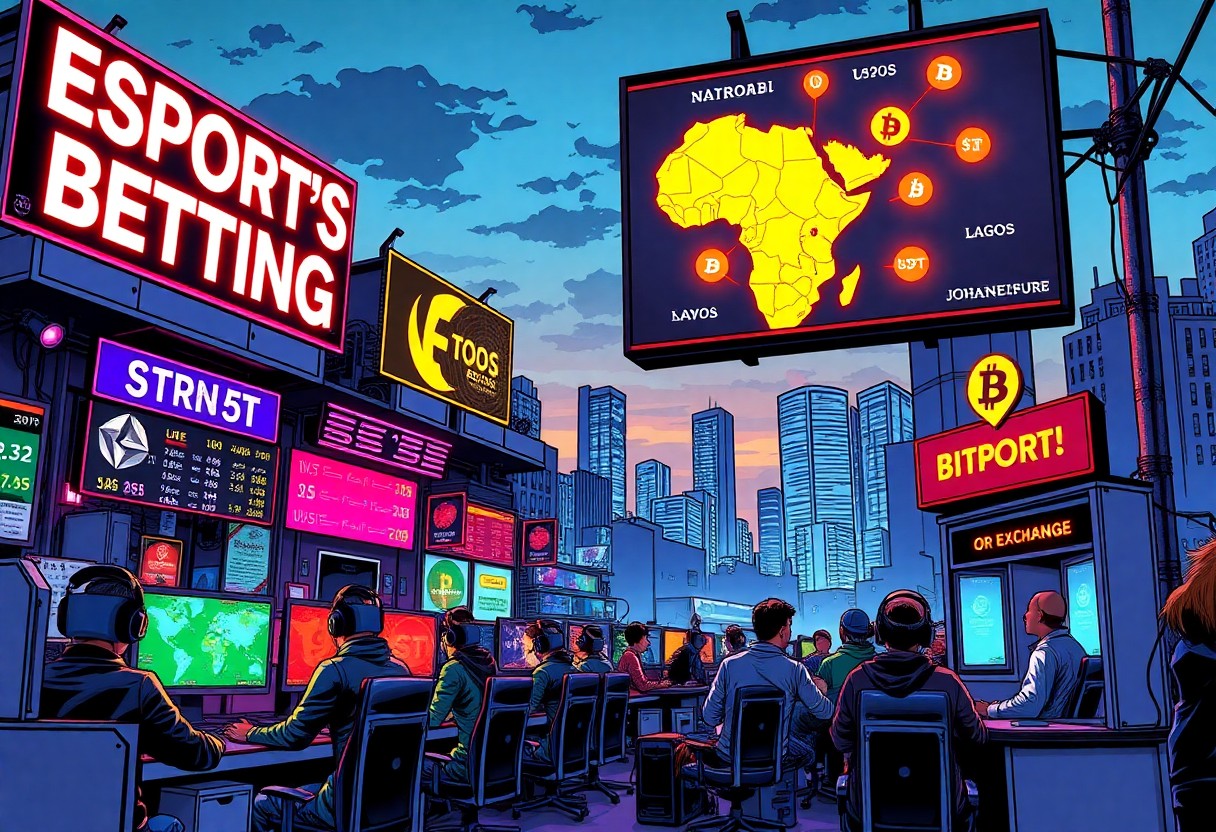
Over recent years, Africa has emerged as a significant player in the esports betting scene. This growth reflects changing attitudes towards gaming and increased internet access, positioning countries like Nigeria and South Africa as frontrunners in the burgeoning market. Analysts predict continued expansion and innovation in this sector.
African Esports: The Current Landscape
Transition from casual gaming to organized competitive structures
Casual gaming in Africa has evolved, giving way to more structured and competitive environments. Players who once enjoyed gaming for leisure are now actively participating in tournaments, with many aspiring to go professional.
This shift is facilitated by improved internet access and the proliferation of gaming consoles and PCs. Gamers now have platforms to showcase their skills, attracting sponsors and creating opportunities for further advancement in the industry.
The rise of grassroots tournaments and community-led leagues
Grassroots tournaments are becoming increasingly popular in various African regions, serving as platforms for local talent. Organized by passionate communities, these events encourage participation and camaraderie among gamers.
Community-led leagues have documented success and growth, leading to heightened interest in esports as a viable career choice. As gamers come together, these local initiatives are gaining traction, drawing the attention of bigger sponsors and ensuring sustainability.
The rise of grassroots tournaments has been a game-changer, providing an accessible entry point for aspiring players. Local communities participate actively in organizing events, breaking down barriers for newcomers and fostering talent development. With increased visibility, these tournaments are now attracting sponsorship deals that were once scarce, signaling the growth potential of esports in Africa.
Current market valuation and year-on-year growth trajectory
The esports market in Africa is witnessing exponential growth, with current valuations estimated in the millions. This surge is largely driven by increased participation and investment from stakeholders eager to capitalize on emerging opportunities.
Year-on-year growth rates are impressive, surpassing many global benchmarks. Analysts project continued expansion, fueled by the rising popularity of gaming among youth and strategic investments in infrastructure and technology.
Current market valuation reflects an ecosystem on the brink of significant evolution. As more stakeholders enter the scene, including corporate sponsors and media outlets, the financial landscape is set to transform, paving the way for unprecedented growth in Africa’s esports domain.

African esports betting hubs on the rise
South Africa: The established leader in infrastructure and professionalization
South Africa stands as a pioneer in esports and betting, boasting advanced technological infrastructure and a professional ecosystem. The country hosts many tournaments and events, attracting global attention and participation. This environment not only promotes local talent but also invites international players and organizations.
Investment in esports facilities and training programs reflects South Africa’s commitment to developing a sustainable esports culture. Partnerships with established companies enhance credibility, ensuring a strong foothold in both esports and betting markets.
Nigeria: Leveraging the power of the West African gaming population
Nigeria has emerged as a hotspot for esports betting, fueled by a vast and youthful population demonstrating a keen interest in gaming. With a growing number of gaming cafes and online platforms, the country capitalizes on its demographic advantage to stimulate engagement and revenue in esports.
This thriving market indicates the potential for substantial economic growth as more Nigerians take to online betting platforms. Their participation signifies a shift in gaming culture, impacting both local and international betting operators eager to tap into this lucrative audience.
Kenya and the East African tech corridor’s influence on digital wagering
Kenya is at the forefront of technology adoption in East Africa, significantly influencing digital wagering in the region. Mobile payment platforms provide convenient access to betting services, making it easier for users to participate in esports activities. The tech-savvy population embraces these innovations, contributing to rapid growth in the sector.
This dynamic environment fosters collaboration among tech innovators, gaming companies, and regulators, paving the way for a more structured betting landscape. As Kenya continues to advance, the synergy between technology and esports positions it as a key player in Africa’s gaming industry evolution.
Technological Infrastructure and Internet Penetration
The impact of 5G rollout and fiber optic expansion on gameplay stability
5G technology significantly enhances gameplay stability, offering ultra-fast download and upload speeds. Players experience less lag, allowing real-time interactions that are crucial for competitive gaming.
Fiber optic expansion complements this advancement by providing high-bandwidth connectivity. As more regions gain access, the quality of online gaming continues to improve, attracting a larger audience to esports betting hubs.
Mobile-first gaming: The dominance of smartphones over traditional consoles
Smartphones have surged in popularity, making them the primary devices for gaming in many African countries. Accessibility, affordability, and ease of use propel mobile gaming over traditional consoles.
Market dynamics indicate that half of the continent’s internet users leverage smartphones to engage in esports betting, underscoring a shift toward mobile-first experiences. This trend reflects consumer preferences for on-the-go gaming, allowing instant access to games and betting platforms.
Addressing the latency gap and the role of local server hosting
The latency gap poses challenges for gamers and bettors alike, affecting performance and user experience. Local server hosting minimizes these issues by reducing the distance data must travel, which enhances response times and overall gameplay quality.
Hosting services closer to users allows for faster connections, improving reliability. As awareness of this advantage grows, more gaming companies are investing in local infrastructure to meet increasing demands.

African esports betting hubs on the rise
Africa’s “Youth Bulge” and the shift in digital consumption habits
Africa’s youth population is experiencing unprecedented growth, with a significant percentage under the age of 25. This demographic is increasingly drawn to digital platforms, leading to a shift in how entertainment, including esports, is consumed. Social media, mobile gaming, and online betting are rapidly becoming integral facets of their daily lives, reshaping consumer behavior.
Digital consumption habits are evolving, driven by enhanced access to technology and the internet. Engagement with gaming content allows young Africans to explore new opportunities, making esports a prominent entertainment option. As this youth bulge continues to embrace digital platforms, betting hubs gain momentum, aligning with their preferences.
Cultural shifts in the perception of gaming as a viable career path
Changing perceptions are slowly redefining gaming from mere pastime to legitimate career options. Influencers, streamers, and professional gamers are emerging as role models, reflecting the increasing acceptance of gaming as a profession. These changes are fueled by success stories that highlight financial gains and opportunities within the esports sector.
A growing awareness of gaming’s economic potential is encouraging young people to pursue careers in esports and related fields. Parents and communities are starting to recognize the legitimacy of gaming careers, allowing youth to hope for a prosperous future in this industry.
The increasing visibility of esports champions is transforming societal attitudes, with many young Africans aspiring to emulate their success. Universities are starting to offer specialized programs in gaming, further legitimizing the field as a career choice and validating the ambitions of aspiring esports professionals.
The role of urban gaming cafes in fostering community engagement
Urban gaming cafes are becoming central hubs for youth interaction and community engagement. These spaces provide not only access to technology and gaming but also serve as venues for socializing. Connecting with like-minded individuals fosters a sense of belonging, driving the local esports culture forward.
Community events hosted in these cafes, from tournaments to viewing parties, contribute to the growth of the esports scene. Participation in these events creates shared experiences that enhance the overall appeal of gaming and betting, forging bonds among players and spectators alike.
Urban gaming cafes are vital in creating safe spaces for young people. They not only offer technological access but also provide mentorship and support, nurturing aspiring gamers and allowing them to develop their skills in a collaborative environment.
Regulatory Frameworks and Legal Challenges
Navigating diverse gambling laws across the 54 African nations
Countries across Africa enforce unique gambling laws, often complicating the establishment of esports betting hubs. Some nations embrace regulation, while others outright ban betting activities, creating a fragmented legal environment.
This diversity necessitates careful consideration from operators and bettors alike. Understanding local laws is important to mitigate legal risks and capitalize on opportunities within burgeoning markets.
Licensing requirements specifically tailored for esports-based wagering
Licensing frameworks for esports betting are emerging but often lack uniformity. Many jurisdictions are beginning to formulate specific rules to accommodate this relatively new betting sector.
Regulatory bodies are recognizing the growth potential of esports and are adapting existing frameworks or creating new ones aimed at ensuring a safe betting environment, promoting both integrity and consumer protection.
Balancing industry liberalization with consumer protection laws
Striking a balance between liberalizing the esports betting market and implementing effective consumer protection laws poses significant challenges. Regulators face pressure to encourage industry growth while safeguarding bettors from potential exploitation.
Consumers must be assured of fair play, transparency, and responsible gambling practices as the sector evolves. Regulatory frameworks should align industry interests with strong consumer safeguards to maintain trust and stability.
Popular Esports Titles Dominating the Market
Battle Royale and FPS: The popularity of Call of Duty and Free Fire
Titles like Call of Duty and Free Fire have transformed competitive gaming with their immersive gameplay and large player bases. These games attract millions, providing fast-paced action and strategic depth that keep audiences engaged.
Betting on these titles has surged, with players eager to predict outcomes in high-stakes matches. This enthusiasm has contributed to the growing infrastructure around esports betting in Africa.
The MOBA surge: Strategic depth in League of Legends and Dota 2
League of Legends and Dota 2 continue to captivate players with their intricate strategies and team dynamics. Each match requires not only individual skill but also tight coordination among team members, making these games appealing to both players and spectators.
The immense popularity of these MOBAs has created substantial betting opportunities, allowing fans to engage further with their favorite teams and players while fostering a sense of community.
These titles demand deep understanding and tactical acumen, leading players to invest time in mastering various characters and strategies. The competitive scene, rich with tournaments and events, further stimulates betting interest, drawing in audiences eager to back their favorites in these complex virtual battles.
Sports simulations: The cultural resonance of FIFA and NBA 2K
FIFA and NBA 2K resonate deeply with fans due to their cultural significance and realistic gameplay. These simulations offer players an authentic experience, allowing them to engage with their favorite sports in a virtual arena.
Wagering on these games has become increasingly popular, as fans recognize the skill and strategy involved in competitions, making betting a natural extension of their passion for sports.
These simulations bridge the gap between sports enthusiasts and gamers, offering relatable scenarios that enhance excitement. Tournaments often mimic real-life events, drawing in massive audiences and spurring betting interest across various platforms.
Payment Solutions and Mobile Money Integration
M-Pesa and the revolution of instant betting deposits and withdrawals
M-Pesa has transformed the betting scene in Africa by enabling instant deposits and withdrawals. Users can quickly fund their betting accounts without the delays usually associated with traditional banking methods. This immediate access enhances user experience, driving more people to participate in esports betting.
The role of cryptocurrency and blockchain in cross-border betting
Cryptocurrency simplifies cross-border transactions by eliminating the need for currency conversion and banking intermediaries. Bettors can place wagers across international platforms with negligible fees and rapid transfer times. Blockchain technology enhances security, providing a transparent ledger for all transactions.
The decentralized nature of cryptocurrencies also fosters trust, especially in regions where financial institutions are underdeveloped. By ensuring anonymity and security, blockchain opens doors for new betting clientele and increases participation in the esports market.
Overcoming the limitations of traditional banking for the unbanked
Many individuals in Africa remain unbanked, relying on informal financial systems. This group faces significant barriers when attempting to participate in online betting. Mobile money solutions and cryptocurrencies have emerged as effective alternatives, allowing them to engage in esports betting without the need for a bank account.
This shift not only increases accessibility but also promotes financial inclusion, enabling individuals to take part in digital economies. As more betting platforms adopt these payment methods, the potential for growth in African esports betting expands exponentially.

Investment Trends and International Partnerships
Venture capital interest in African tech-gaming startups
Investment in African tech-gaming startups has surged, attracting significant venture capital. Investors are increasingly recognizing the potential of this burgeoning market, with millions flowing into innovative gaming platforms. Startups that focus on esports and gaming technology are becoming appealing targets, promising strong returns and growth.
Many venture capital firms see the untapped African market as a viable expansion opportunity. Increased connectivity and a young, tech-savvy population fuel optimism, compelling investors to support gaming ventures that cater to local tastes and preferences.
Strategic alliances between local organizations and global esports giants
Local organizations are forming alliances with established global esports brands, creating opportunities for knowledge transfer and market penetration. These partnerships enable African companies to tap into international expertise, enhancing their competitive edge.
Such collaborations often include co-hosted tournaments, marketing initiatives, and technology sharing, benefiting all parties involved. As global giants invest in African assets, the synergy strengthens the region’s esports scene, fostering growth for stakeholders and players alike.
Government-backed initiatives and the development of digital tech hubs
Government initiatives are playing a pivotal role in establishing digital tech hubs across Africa. Financial support and regulatory frameworks are encouraging local entrepreneurs to launch innovative esports platforms. With increasing investments, these hubs are becoming vital ecosystems for tech development.
Incentives such as tax breaks and infrastructure development are attracting both local startups and international firms to these tech hubs. As a result, the esports ecosystem thrives, laying the groundwork for sustained growth and innovation in the industry.
Local Betting Operators vs. Global Market Entrants
Domestic operators leveraging local market intelligence and trust
Understanding regional preferences, domestic operators build strong relationships with local customers. By offering tailored services, they establish a level of trust that international brands often lack. Their deep market insights also enable them to provide competitive odds aligned with local sports events.
Customer service is another strength of domestic operators. Personalized support and a familiarity with cultural nuances foster loyalty among users, who appreciate relatable experiences when placing bets. This local touch can be a decisive factor in a competitive market.
International bookmakers adapting platforms for African consumer behavior
International bookmakers recognize the need to customize their platforms to suit African consumers. Adapting payment methods to include mobile money options has become important, as many users prefer these over traditional banking methods. Local language support also enhances accessibility and user engagement.
Market research drives these adaptations, allowing international firms to cater to local tastes and betting habits. This approach not only improves user experience but also enables global operators to compete effectively against well-established domestic brands.
Competitive odds and localized marketing as differentiators
Competitive odds serve as a key differentiator in the bustling African betting market. Local operators often provide better pricing due to their understanding of regional sports dynamics, attracting savvy bettors. Coupled with localized marketing strategies, these odds become even more appealing.
Localized marketing campaigns resonate strongly with African consumers. Promotions and advertisements that reflect cultural values and interests create deeper connections, increasing brand loyalty. This targeted approach enhances customer retention, making it difficult for global entrants to disrupt established domestic players.
Marketing Strategies and Influencer Engagement
The influence of local streamers and content creators on betting trends
Local streamers and content creators play a pivotal role in shaping betting trends within African esports. Their authenticity resonates with audiences, turning casual viewers into engaged bettors. Streaming platforms serve as prime spaces for these influencers to showcase betting strategies and outcomes, driving interest among their followers.
While entertainment remains a core focus, these creators often integrate educational elements, explaining the nuances of betting. This approach not only builds trust but also demystifies betting processes, thus increasing overall participation in esports betting activities.
Targeted social media campaigns designed for the Gen Z audience
Engaging Gen Z requires innovative social media campaigns tailored to their preferences. Brands are utilizing platforms like TikTok and Instagram to deliver bite-sized, interactive content that resonates with younger audiences. These campaigns often incorporate gamified elements, encouraging sharing and participation.
This demographic’s affinity for visual content means that dynamic visuals and relatable themes are vital. As a result, marketers are focusing on storytelling that reflects Gen Z’s values, fostering a sense of community around esports betting.
Gamification of betting platforms to increase user retention
Gamification strategies have become vital for enhancing user retention on betting platforms. By integrating game-like elements such as rewards, challenges, and leaderboards, platforms make the betting experience more engaging and fun. This approach encourages users to return regularly, as they strive to complete challenges and earn rewards.
To maintain interest, platforms continuously evolve their gamification features, often aligning them with popular trends and events in the esports scene. This not only keeps users engaged but also creates a more immersive betting environment, enhancing overall user satisfaction.
Integrity, Match-Fixing, and Player Protection
Implementing Anti-Fraud Measures in Semi-Professional and Amateur Leagues
Addressing match-fixing begins with the introduction of strict oversight in semi-professional and amateur leagues. Establishing a reporting system enables players and officials to report suspicious activities anonymously, fostering a culture of honesty.
Resources dedicated to training officials and players on identifying potential fraud can significantly reduce instances of manipulation. Regular audits of match outcomes help maintain fairness and transparency within these leagues.
Educational Initiatives to Prevent Underage Gambling Exposure
Awareness campaigns targeting schools and communities play a significant role in preventing underage gambling. Educating young gamers about the dangers and legal implications serves as a proactive measure against their involvement in betting.
Collaboration with educational institutions to incorporate gambling education into the curriculum enhances understanding among youth. Workshops and seminars conducted by experienced professionals can empower them to make informed choices.
Data Privacy and Cybersecurity Protocols for Betting Participants
Maintaining data privacy is crucial for safeguarding participants in the betting scene. Strong encryption practices protect personal information, ensuring that sensitive data remains secure from breaches.
Regular security assessments and updates can bolster defenses against potential cyber threats. Implementing strict protocols surrounding data management not only builds trust but also promotes a safer environment for bettors.
African esports betting hubs on the rise
Job creation in digital broadcasting, event management, and coaching
Esports has emerged as a significant job creator in Africa, generating opportunities in digital broadcasting, event management, and coaching. Digital platforms require skilled personnel to stream events and produce engaging content, which has led to a demand for multimedia professionals.
Event management teams work tirelessly to organize tournaments, attracting both local and international participants. Coaches are increasingly sought after to guide aspiring players, creating pathways for further talent development in this burgeoning industry.
Contribution of betting tax revenue to national infrastructure
Tax revenues from betting activities serve as a financial backbone for national infrastructure projects across Africa. These funds can be directed to critical areas like education, healthcare, and transportation systems.
Governments can allocate a portion of these earnings to improve public services, enhancing the quality of life for citizens. This financial infusion can lead to sustainable development, fostering holistic growth within communities.
Addressing the risks of gambling addiction in vulnerable populations
Education and responsible gambling initiatives are necessary for addressing the risks of gambling addiction, particularly among vulnerable populations. Awareness campaigns can inform individuals about the potential dangers and encourage safe practices.
Collaboration with mental health organizations can provide support systems to those struggling with gambling issues. These measures can empower communities to recognize the signs of addiction and seek help, promoting a healthier approach to gambling activities.
Future Projections and Emerging Regional Markets
The rise of North African hubs: Egypt and Morocco’s growing influence
Growth in esports betting markets is especially pronounced in North Africa, with Egypt and Morocco leading the way. Both countries are seeing increased participation in esports, attracting both local and international bettors with their expanding digital infrastructure and regulatory support.
Egypt’s booming gamer population and Morocco’s investment in esports events underscore their positions as key players. As these nations solidify their presence, the potential for increased betting activity becomes more favorable, creating a competitive edge in the African market.
Integration of Augmented Reality (AR) and Virtual Reality (VR) in wagering
Technological advancements like AR and VR are reshaping how bettors engage with esports. Users can now immerse themselves in real-time environments, enhancing their betting experience and connection to the game.
These innovations enable unique interaction modes, where bettors can visualize odds and outcomes in dynamic settings, driving higher engagement and satisfaction within the esports betting realm.
Expanding the integration of AR and VR in wagering allows bettors to experience events as if they were physically present. This immersive approach not only enhances user satisfaction but also attracts a broader audience looking for a more engaging betting experience.
Long-term sustainability of the African esports betting ecosystem
Long-term sustainability in African esports betting hinges on developing regulatory frameworks and responsible gaming practices. Countries must embrace regulations that promote transparency and protect consumers while encouraging industry growth.
With the right measures in place, the ecosystem can flourish, balancing profitability for operators and safety for bettors, ensuring a stable environment that benefits all stakeholders over time.
Building a sustainable esports betting ecosystem necessitates collaboration among governments, operators, and players. Establishing clear regulations and promoting responsible gaming will be crucial in fostering trust and longevity in this burgeoning market.
To wrap up
African esports betting hubs are emerging as significant players in the global betting market. With increasing interest in competitive gaming and mobile accessibility, these platforms are attracting a young, tech-savvy demographic eager to engage.
The rapid growth of esports in Africa indicates a shift in both entertainment and economic opportunities. Stakeholders are recognizing the potential for innovation and revenue generation, suggesting a promising future for esports betting in the region.
Q: What are the primary reasons for the rise of esports betting hubs in Africa?
A: The increase in smartphone penetration, improved internet access, and a growing youth population are key factors. Many young people are drawn to esports, creating a larger audience for betting platforms. Increased investment in local esports events also attracts bettors.
Q: How is the regulatory environment impacting esports betting in Africa?
A: Regulation varies widely across countries. Some nations are implementing clearer guidelines, which encourages betting operators to enter the market. Stricter regulations can improve trust among bettors but may also limit how companies operate.
Q: What are the risks associated with esports betting in Africa?
A: Risks include gambling addiction, lack of awareness about responsible gambling, and the potential for unregulated betting sites. Bettors should be cautious and ensure they are using licensed platforms to mitigate these risks.