Over the years, Rainbow Six Siege has developed a complex league structure and seasonal format that shapes competitive play. This post outlines the key components, including season length, league tiers, and match formats, providing insights into how teams compete and advance within the game.
The BLAST R6 Global Circuit Overview
Evolution from the ESL Pro League Era to the BLAST Era
Transitioning from the ESL Pro League era, the competitive structure has seen a significant shift in both format and approach. BLAST’s emphasis on engaging broadcasts, dynamic formats, and shorter seasons has reshaped how fans experience the game.
This evolution has introduced a more inclusive atmosphere, encouraging wider participation from various regions. Emphasizing live events and audience interaction has reinforced BLAST’s commitment to enhancing the overall viewing experience.
Strategic Goals of the Unified Global Competitive Structure
Establishing a unified global competitive structure aims to streamline the competitive scene and improve the overall quality of events. By aligning various tournaments under a cohesive framework, BLAST seeks to enhance both player and team engagement on a global stage.
Consolidating league competitions allows for better scheduling and resource allocation, ultimately benefiting the competitive ecosystem. This unified approach aims to establish clear pathways for teams across regions while amplifying the thrill for fans worldwide.
The focus remains on clarity and accessibility for fans and players alike, creating a smoother transition between regional competitions and international play. Such a structure not only amplifies team visibility but also facilitates sponsorship opportunities and partnerships, benefiting all stakeholders involved.
Integration of Regional Competitions into the Global Calendar
Placing regional competitions within a global calendar ensures that local talents receive exposure on an international platform. This integration aligns scheduling, making it more feasible for teams to compete across different tiers and events throughout the year.
Creating a synchronized timeline fosters healthy competition and rivalry, encouraging teams to consistently perform at their best. Such a strategy also increases accessibility for fans to follow their favorite teams across various events and regions.
Prioritizing this integration allows fans to enjoy a continuous flow of content, sustaining engagement regardless of location. The collaborative effort ensures that teams have the opportunity to shine, while the global audience enjoys diverse and competitive matches year-round.
Regional League Tier Structure and Organization
Primary Professional Divisions and Tier 1 Operations
Regional leagues in Rainbow Six Siege are organized into primary professional divisions, representing the top-tier competitive structure. Teams within these divisions compete for opportunities in international events while showcasing their skills against the best in their regions.
Each region has a Tier 1 operation, featuring a structured format that includes regular matches and playoffs. This approach ensures consistent high-level competition, drawing both viewers and aspiring players into the vibrant esports scene.
Secondary Challenger and National League Integration
Challenger leagues serve as a crucial stepping stone for teams aiming to rise through the ranks. By integrating national leagues into this system, players gain necessary competitive experience before entering Tier 1 operations.
This system allows for greater inclusivity, ensuring regional talent can showcase their abilities while striving to qualify for higher divisions. National leagues act as a vital conduit for emerging teams to connect with established contenders.
Secondary leagues emphasize player progression and talent development. Through competitive match-ups and skill assessments, these leagues provide a vital space where aspiring teams can refine their strategies and build their brand within the esports community.
Grassroots Pathways and Open Tournament Entry Points
Grassroots initiatives play a significant role in Rainbow Six Siege, offering multiple entry points for amateur teams. Open tournaments allow players from all backgrounds to compete, fostering a diverse and dynamic competitive environment.
Community-driven events create pathways for talent discovery, helping to bridge the gap between casual play and professional leagues. These opportunities encourage participation and maintain a thriving esports ecosystem that continually refreshes its talent pool.
Regional Breakdown: The North American and European Circuits
North American League (NAL) Format and Seasonal Play
Structured through a round-robin format, the North American League features a split between online matches and LAN events. Teams face off in a regular season followed by playoffs, culminating in a grand final to determine regional supremacy.
Each season consists of multiple stages, with a mix of team rosters showcasing both veteran players and promising newcomers. This dynamic approach helps maintain a competitive edge, as teams must adapt constantly to shifts in strategy and player performance.
European League (EUL) Competitive Standards and Scheduling
The European League employs a similar round-robin structure, emphasizing a competitive atmosphere among top-tier teams. Matches typically occur weekly, fostering consistency and allowing for ongoing adjustments in tactics and team compositions.
Prominent among the leagues, EUL sets high standards with rigorous scheduling and frequently updates its competitive rules. Such practices enhance the quality of play, requiring teams to remain sharp and innovative throughout the season.
EUL showcases high-stakes gameplay, attracting significant viewership and sponsorships. The structure encourages teams to prioritize performance and discipline, resulting in a dynamic spectacle as they vie for championship titles.
Promotion and Relegation Dynamics within Western Regions
Promotion and relegation are integral to maintaining competitiveness in the Western regions, particularly in the NAL and EUL. The bottom-performing teams face potential relegation to the lower divisions, while top teams in the lower tiers aspire for promotion, ensuring constant pressure to perform.
This system not only enhances the stakes for every match but also allows emerging teams a chance to prove themselves at higher levels. Such dynamics fuel rivalry and excitement, making for an engaging viewer experience weekend after weekend.

The Powerhouse Regions: Brazil and South America
Brazil League (BR6) Dominance and Competitive Format
Brazil’s esports scene, particularly in Rainbow Six Siege, showcases fierce competition and unique tactical depth. The Brazil League (BR6) hosts top-tier teams, creating an environment rife with rivalries and skill development.
Featuring a double round-robin format, the league ensures teams play each other twice, leading to a final play-off among the top squads. This structure not only amplifies the competitive excitement but also promotes strategic adaptation throughout the season.
Hispanic Latin America (LATAM) Regional Integration
The integration of Hispanic Latin America into the esports framework has allowed for increased recognition and growth within the Rainbow Six community. Diverse teams from countries like Argentina and Chile contribute distinct play styles, enriching the competitive scene.
This regional collaboration fosters deeper rivalries and enhances talent development, effectively uniting fans across various countries. By participating in joint tournaments, Latin American teams gain exposure and experience that cultivates stronger competition.
The Impact of South American Talent on the Global Meta
South American players have dramatically influenced the global meta with their aggressive play styles and innovative strategies. Their ability to adapt quickly to evolving game mechanics challenges established norms and promotes dynamic gameplay.
This impact is evident in international tournaments where Brazilian teams frequently outperform expectations. Their success not only highlights individual skill but also shifts global strategies, encouraging teams worldwide to reconsider their approaches based on South American tactics.

Emerging Markets: Asia-Pacific and MENA Regions
Japan and South Korea Dedicated League Structures
Japan and South Korea feature unique league structures that cater specifically to regional audiences. Both countries have established dedicated tournaments that reflect local gaming culture and fan engagement, driving viewership and competitive participation.
Loyalty among fans amplifies local rivalries, making these leagues a cornerstone for nurturing talent. Teams invest in branding and community involvement, which strengthens the ecosystem around Rainbow Six Siege.
Oceania and Southeast Asia Competitive Ecosystems
Oceania and Southeast Asia present diverse competitive ecosystems shaped by varying levels of investment and player engagement. While Oceania benefits from a smaller but passionate player base, Southeast Asia showcases a broader pool of emerging talent.
High-stakes tournaments attract attention from sponsors and brands, fueling the growth of competitive play. Regional leagues and grassroots initiatives continue to emerge, ensuring a steady influx of new players into the professional scene.
In Oceania, the competition often focuses on community-driven events that highlight local talent, whereas Southeast Asia’s approach emphasizes larger tournament circuits that create pathways to international play. This dual focus on community and competition enhances the visibility of teams across both regions.
The Growth and Integration of the MENA Regional League
The MENA region has seen significant growth in its competitive structure, influenced by cultural shifts and increased investment. As local teams gain traction, the integration of the regional league into the global framework becomes more pronounced.
Localized content creation and partnerships with broadcasters enhance engagement among fans. This trend not only increases viewership but also promotes aspiring players, enriching the competitive landscape within the region.

The Seasonal Stage System and Calendar
Phase 1: The Spring Competitive Cycle and Regional Qualifiers
The Spring Competitive Cycle marks the beginning of the seasonal structure, focusing on regional qualifiers that pave the way for intense competition. Teams compete to secure spots in both regional and international events, setting the stage for the year’s most thrilling clashes.
This phase not only emphasizes individual team performance but also showcases regional talent. A variety of qualifiers ensure a mix of teams, creating an unpredictable yet exhilarating competitive environment.
Phase 2: The Autumn Competitive Cycle and Mid-Year Adjustments
The Autumn Competitive Cycle brings adjustments based on performance data collected from the Spring phase. Teams reassess strategies to enhance their chances in a highly competitive atmosphere. Key changes can include shifts in format and matchmaking to balance the playing field.
During this phase, additional improvements may be introduced based on community feedback. Teams and organizers remain responsive to ensure the competition stays fresh and engaging for fans.
The Mid-Year Adjustments allow for potential changes in rules, maps, or operator balances, responding to evolving team strategies. This ongoing evolution emphasizes a dynamic competitive environment, benefiting both players and spectators alike.
The Off-Season Window and Non-Circuit Invitational Events
The Off-Season Window provides a break from the intense competition, allowing teams to regroup and focus on skill development. During this time, various non-circuit invitational events are organized, featuring both established and emerging teams.
These events not only keep the audience engaged but also serve as a platform for teams to test new strategies and compositions. This lap in the competitive calendar cultivates opportunities for players to shine outside of the main circuit.
Invitational events during the Off-Season are integral for fostering community interaction and excitement. They bridge the gap between competitive phases and maintain visibility for teams as they prepare for future challenges.
Major Tournament Formats and Qualification Processes
Phase 1: The Play-In Stage and Global Representation
Teams from various regions compete in the Play-In Stage, which serves as a preliminary round to ensure global representation. This phase includes diverse teams striving for a spot in the main event, showcasing talents from both established and emerging regions.
Based on their performances in regional leagues, teams qualify for this stage, leading to intense matchups that set the tone for the main tournament. This approach emphasizes inclusivity and allows for a broader competitive field.
Phase 2: The Swiss System Group Stage Mechanics
The Swiss System format in the group stage involves teams playing multiple matches based on their win-loss records. Each round pairs teams of similar performance, fostering competitive balance and ensuring each team faces opponents of varying skill levels.
This format allows for maximum engagement, as teams may compete in several games, with the top performers advancing to the knockout stage. The system encourages consistency over a single knockout game, rewarding teams that can adapt and improve throughout the tournament.
Overall, the Swiss System enhances strategic depth, with teams needing to evaluate their opponents carefully and adjust tactics accordingly. Exciting variations in matchups keep both players and fans engaged, creating a dynamic tournament atmosphere.
Phase 3: The Single-Elimination Knockout Bracket
This phase maximizes tension and excitement, as every round could potentially end a team’s journey. Fans and players alike experience the dramatic stakes that characterize final tournaments.
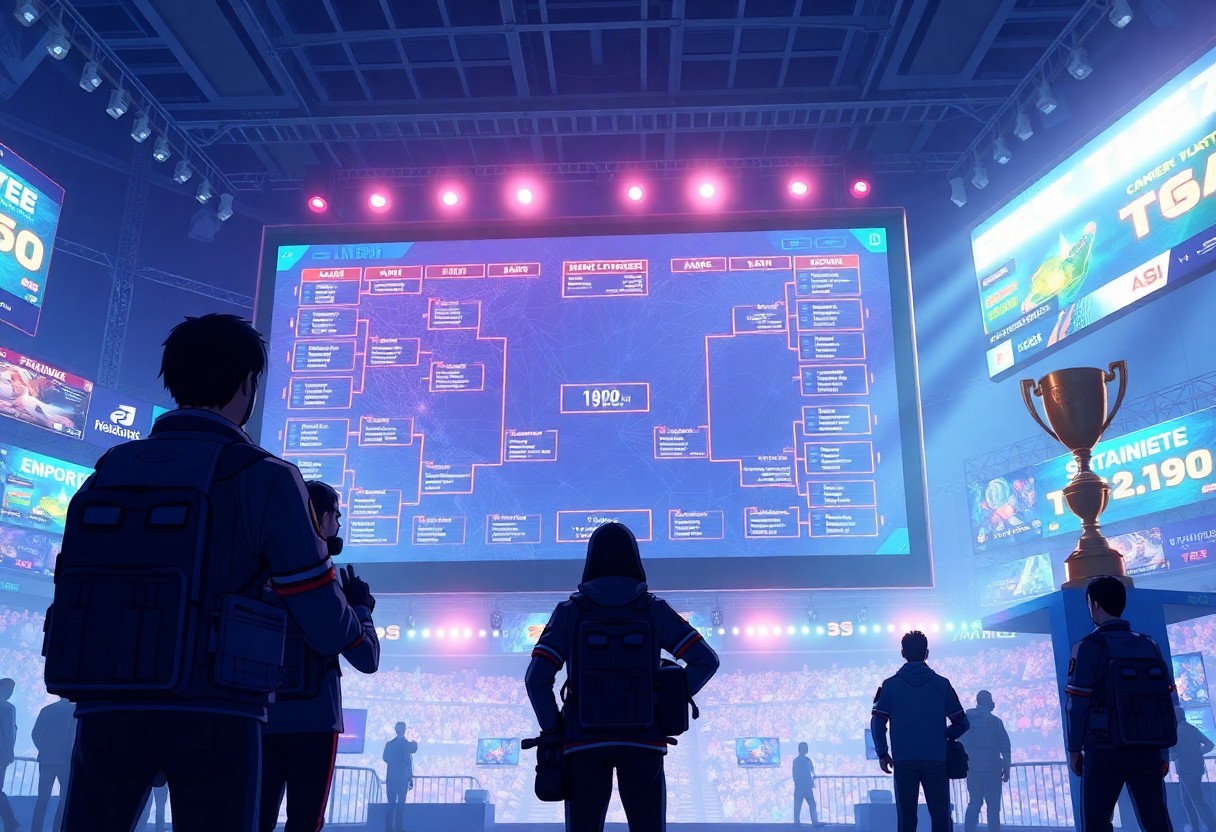
The knockout bracket structure guarantees high-pressure situations, showcasing the resilience and skill of the teams. Only the most adaptable and strategic squads move forward, culminating in a final showpiece event that captivates audiences worldwide.
The Road to the Six Invitational
Accumulating Global Standings Points Across Stages
Each stage of the competitive season offers teams the opportunity to accumulate Global Standings Points. Performance in matches during these stages directly impacts a team’s position on the leaderboard, influencing their chances for qualification to the Six Invitational. Strong finishes yield more points, allowing teams to solidify their status as top contenders.
Points are awarded based on match outcomes, with additional bonuses for tournament placements. By consistently performing well, teams can position themselves favorably for the upcoming international event, building momentum and confidence along the way.
The Regional Last Chance Qualifiers (LCQ) Framework
Regional Last Chance Qualifiers provide an avenue for teams that narrowly miss the main qualification to make a final push for the Six Invitational. Each region hosts its own LCQ, allowing top teams from various tiers to compete for the last coveted spots. This format ensures that every region has a fair shot at sending representatives to the prestigious event.
Competition within the LCQ is fierce, as teams bring their A-game to secure a place at the championship. This system not only highlights emerging talents but also maintains high stakes for established teams looking to reclaim their position in the global hierarchy.
Qualification Thresholds for the World Championship
Qualification thresholds for the World Championship vary based on performance throughout the season. Each team must meet specific criteria, predominantly based on their accumulated points and regional standings, to enter the Six Invitational. These thresholds are designed to ensure that only the most elite squads advance to compete on the world stage.
Meeting these thresholds adds an extra layer of competition, encouraging teams to consistently perform and strategize during the entire season. As teams vie for the chance to compete in the prestigious event, the pressure mounts, making every match a critical factor in their qualification journey.

Point Distribution and Global Standings Mechanics
Scoring Metrics for Regional League Placements
Each regional league employs a distinctive scoring system designed to rank teams based on their performances throughout the season. Wins, draws, and losses contribute to a team’s total points, impacting their placement for postseason qualifications and international events.
Exact point values vary per league but generally award three points for a win, one for a draw, and none for a loss. This structure emphasizes the importance of consistently securing victories for optimal standings.
Major Performance Weighting and Point Scaling
Performance in major tournaments heavily influences global standings for teams across all leagues. Point scaling mechanisms amplify the weight of strong showings in these pivotal matches, rewarding teams that excel on larger stages.
This approach ensures that top-performing teams receive more recognition within the global rankings, making tournament success a key factor in long-term competitive positioning.
Assessing performance in major tournaments allows for differentiation among teams, encouraging higher play levels. A consistent track record in high-pressure situations results in valuable points, creating a dynamic where seasonal performance and event participation carry significant weight.
Tie-Breaking Procedures for Global Leaderboard Positions
In scenarios where teams finish with identical point totals on the global leaderboard, tie-breaking procedures come into play to determine rankings. Factors such as head-to-head results, game differential, and total number of wins are carefully considered.
Comprehensive tie-breaking criteria ensure that each position on the leaderboard accurately reflects a team’s performance nuances, maintaining integrity in competitive standings.
Determining positions involves a thorough evaluation of several metrics, fostering a competitive environment where even minor details can sway rankings. Teams must strive for excellence not only to secure points but also to solidify their position against rivals. This attention to detail is what makes the competitive scene particularly thrilling for fans and participants alike.
Match Formats and Competitive Rule Sets
Standardized Best-of-One and Best-of-Three Regulations
In competitive Rainbow Six Siege, match formats typically follow standardized regulations that enhance fairness and consistency. Best-of-One (Bo1) matches often serve as tiebreakers or in preliminary rounds, allowing teams to showcase their strategies within a tight timeframe. Meanwhile, Best-of-Three (Bo3) formats dominate the later rounds, providing teams the opportunity to adapt and counter opponents across multiple maps.
Best-of-Three matches not only intensify competition but also highlight team resilience and preparation. Each map in a Bo3 can alter the series’ momentum, adding strategic depth as teams rotate through their picks. Overall, these formats aim to ensure that skill and teamwork drive success.
The Tactical Map Veto and Operator Ban Process
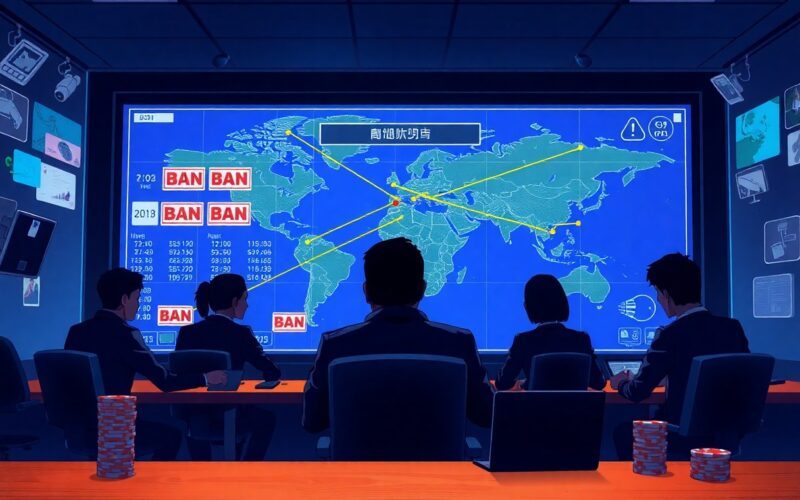
Teams engage in a Tactical Map Veto process before each match, allowing them to eliminate maps strategically. This phase introduces a psychological element as teams must assess their opponents’ strengths and weaknesses while promoting tactical diversity in gameplay. Simultaneously, the Operator Ban Process lets teams remove specific operators, further influencing the match’s dynamics and fostering unique strategies.
Operator bans heighten the stakes as competitors must adapt their game plans. Each ban prompts teams to re-evaluate their strategies, emphasizing flexibility and quick decision-making under pressure. This dual-veto system ensures an exciting and unpredictable match environment.
Overtime Rules and Points Allocation for League Standings
Overtime rules in Rainbow Six Siege can determine critical moments in league standings, enhancing the competition’s intensity. Typically, matches that remain tied after regulation time move into overtime, where teams compete for an additional round. Points allocation awards different values based on match outcomes, with a win, overtime win, or draw influencing a team’s overall standing.
This structured point system ensures that each match contributes meaningfully to league rankings. Overtime victories often provide a pivotal boost, rewarding teams for resilience while maintaining balance across the competition.
Professional Ecosystem Support: The R6 SHARE Program
Revenue Sharing Models for Professional Organizations
This program introduces an effective revenue-sharing model among partnered teams, ensuring that each organization’s financial gains are tied to their performance and community engagement. Teams receive a portion of revenue generated from in-game items, directly linking their success to the support they offer their fanbase.
Under this model, organizations can diversify their income streams by collaborating with Ubisoft to create appealing merchandise and promotional content. This integration not only bolsters their financial stability but also strengthens their relationship with the player community.
Tiered Categorization of Partnered Esports Teams
Teams involved in the R6 SHARE Program are categorized into tiers based on performance metrics and community engagement. This tiered structure allows Ubisoft to promote competitive balance while offering tailored support to teams according to their level of achievements and fan involvement.
Each tier receives different levels of funding and promotional opportunities. Higher-tier teams gain access to exclusive resources, enhancing their visibility during tournaments and fostering a competitive atmosphere.
The tiered categorization system not only rewards top-performing teams but also encourages lower-tier organizations to enhance their gameplay and community interaction. By aiming for promotion within this framework, teams are driven to improve their skills, engage their fans, and contribute to the growth of the professional scene.
In-Game Item Integration and Community Support Mechanisms
Integration of in-game items designed specifically for partnered teams creates a unique link between organizations and their supporters. Fans can purchase these items, knowing their contributions help support their favorite teams through the revenue-sharing model.
This approach also reinforces community-building efforts, as players feel more connected to their teams. Regular updates and limited-edition items keep the fanbase engaged and encourage ongoing investment in the community.
In-game items act as a powerful tool for both revenue generation and fan engagement. By rotating exclusive content and offering various designs, the R6 SHARE Program ensures that merchandise remains fresh and enticing, motivating fans to continually support their teams.
Player Regulations and Competitive Integrity
Roster Lock Periods and Transfer Window Regulations
Roster lock periods play a decisive role in maintaining team stability within the competitive scene. These designated time frames prevent players from joining or leaving teams, ensuring that squads can build chemistry and develop strategies without disruption.
The transfer window regulations outline when teams can make roster changes. These rules not only protect team integrity but also encourage strategic planning, as teams must consider both their current lineup and future growth during this period.
Eligibility Requirements and Age Restrictions for Pro Play
Eligibility requirements dictate who can participate in professional tournaments, stressing the importance of fair competition. Age restrictions often mandate that players must be a minimum of 18 years old to compete, ensuring a level playing field and maturity in decision-making.
Such regulations are designed to maintain a competitive environment that prioritizes skill and experience over mere potential. Organizations must verify player eligibility to uphold the integrity of the league, ensuring that all participants meet the necessary standards.
Competitive Code of Conduct and Anti-Cheat Enforcement
The Competitive Code of Conduct establishes guidelines that players must adhere to, promoting sportsmanship and fair play among participants. Strict anti-cheat measures are enforced to prevent any unfair advantages, maintaining the integrity of the game.
These rules are crucial for preserving trust and fairness within the community. Players found violating the code face penalties that reinforce accountability and promote ethical conduct, ensuring a respected competitive environment.
Broadcast Production and Spectator Infrastructure
Technical Innovations in Observer Tools and Replay Systems
Advancements in observer tools have transformed how matches are experienced. Enhanced camera systems allow for dynamic angles and real-time analysis, giving viewers a deeper understanding of strategic plays. Replay systems now offer instant access to crucial moments, enabling commentators to dissect gameplay effectively.
On-Air Talent Roles and Analytical Desk Structures
On-air talent plays an imperative role in connecting the audience with the action. Commentators provide play-by-play analysis, while analysts break down strategies and team dynamics. This combination ensures a well-rounded narrative that enhances viewer engagement.
Analytical desks serve as hubs for in-depth discussions and post-match insights. Featuring expert analysts, these segments offer a granular look at game tactics and player performances, cultivating a more informed fan base. Such structures provide context that elevates casual viewers to a more competitive understanding of the game.
Analysts often have specialized knowledge, contributing unique perspectives based on experience. This expertise not only enhances match commentary but also provides fans with behind-the-scenes insights, fostering a deeper connection to the teams and players they follow.
Digital Engagement Strategies and Community Drop Incentives
Engagement strategies have become imperative for attracting and retaining audiences. Initiatives like community drops incentivize viewership by rewarding fans with in-game items for watching matches. This keeps players engaged and promotes a sense of community involvement.
Leveraging social media platforms enables real-time interaction with fans during broadcasts. Additionally, polls, Q&As, and fan predictions provide immersive experiences, allowing audiences to feel like active participants in the event.
Targeted initiatives to enhance digital engagement help create a vibrant ecosystem around tournaments. Community drop incentives not only reward viewers but also encourage social sharing, expanding the reach and visibility of the league.
Summing up
Presently, the Rainbow Six Siege competitive scene operates through a structured league format, primarily featuring a combination of regular seasonal play and major championships. Teams compete in various divisions, culminating in playoffs that determine the ultimate champion, showcasing strategic gameplay and teamwork.
This seasonal structure not only ensures consistent engagement from players and fans but also allows for dynamic shifts in team standings and performance. Each season is carefully crafted to maintain competitive integrity while providing opportunities for emerging talent to shine on an international stage.
Q: What are the main league formats used in Rainbow Six Siege?
A: Rainbow Six Siege features primarily two league formats: the round-robin format and the double-elimination format. The round-robin format allows each team to compete against every other team, with points awarded for wins, losses, and ties to determine rankings. The double-elimination format gives teams a second chance; a team is eliminated only after losing twice, which adds depth to the competition.
Q: How does the seasonal structure work in Rainbow Six Siege?
A: The seasonal structure includes several stages: qualifiers, regular season play, and a final stage. Qualifiers determine which teams advance to the regular season. The regular season consists of scheduled matches where teams accumulate points. At the end of this stage, top teams qualify for the finals, which showcase the best talent in a climactic event.
Q: Are there specific rewards for teams in the league structure?
A: Teams participating in the league structure can earn various rewards, including monetary prizes, in-game cosmetics, and qualification for international events. Performance in the league directly affects standings, influencing not only rewards but also future seeding in tournaments and leagues.