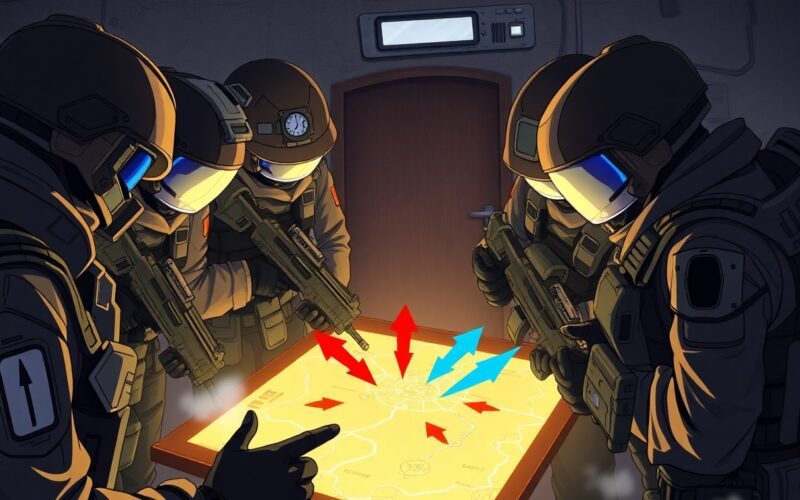
Just the combination of teamwork, strategy, and an intricate map design makes Rainbow Six Siege stand out in the esports arena. Players must coordinate actions, anticipate enemy moves, and utilize a diverse range of operators to achieve victory, setting it apart from other competitive games.
The Walls That Fall
Destruction of Space
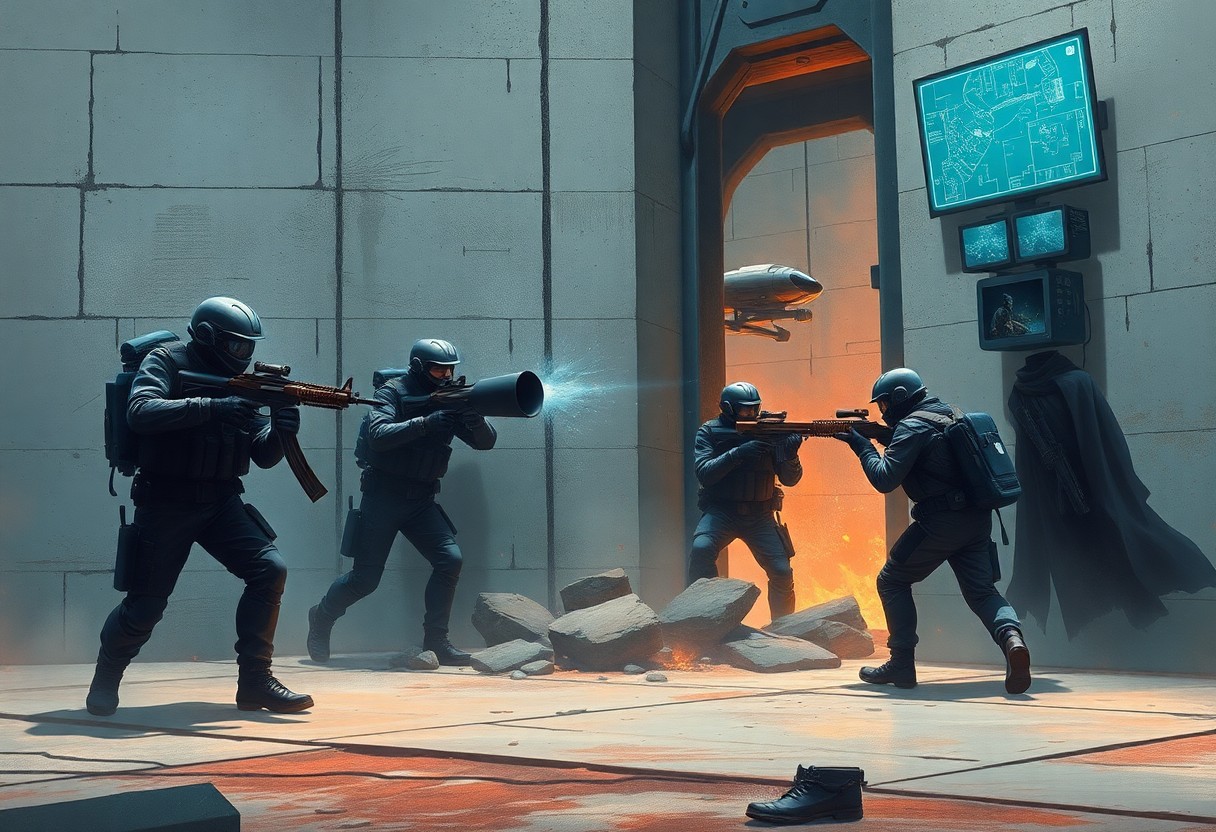
Walls in Rainbow Six Siege aren’t just barriers; they serve as strategic assets. Players can breach these walls, transforming the environment dynamically during gameplay. By using explosives or specialized gadgets, teams can create new sightlines, forcing opponents to constantly reevaluate their positions. This destruction fosters a level of unpredictability in engagements, making careful teamwork and communication paramount.
Creating new pathways alters not just mobility but also tactics. Each breach offers opportunities for flanking or repositioning, which can catch unaware defenders off guard. Understanding when to reinforce a wall versus when to take the risk and destroy it can tilt the game’s momentum dramatically. Coordination and foresight frequently lead to decisive advantages in tightly contested matches.
Destruction of space influences the psychological aspects of play. Teams can intimidate or bait opponents by threatening breaches while setting traps elsewhere. Every wall shattered leaves behind a tangible alteration in the map’s landscape, prompting players to adapt their strategies continuously. Maintaining awareness of these changes is vital for success.
Vertical Sightlines
Vertical gameplay in Rainbow Six Siege introduces a tactical dimension that is both exciting and complex. By utilizing different floors and angles, players can establish advantageous sightlines that can dominate engagements. This verticality allows sharpshooters to control key areas from above, applying pressure on opponents below while staying relatively safe. Mastery over vertical sightlines contributes immensely to a team’s effectiveness.
Protecting objectives relies significantly on the team’s ability to utilize vertical space. Defenders can create traps and influence the terrain not just horizontally but vertically, leading to unexpected ambushes. Players must remain conscious of both the elevation advantages they can exploit and those their opponents might utilize. The constant threat of being flanked from above or below adds tension to every encounter.
Maintaining situational awareness across multiple levels is challenging but rewarding. Effective communication about enemy positions is important for teams to exploit high ground. Understanding how to manipulate vertical sightlines can often differentiate winning strategies from losing ones, making it a core component of tactical play in Rainbow Six Siege.
The Eyes in the Machine
Surveillance Drones
Surveillance drones provide players with unparalleled reconnaissance capabilities, allowing teams to gather crucial intel before engaging their opponents. Positioned strategically, these drones can scout enemy movements, highlight potential traps, and identify objectives within the environment. When used effectively, they create a significant advantage by informing teams about enemy locations and actions, ultimately shaping the flow of the match.
Equipped with cameras, drones can be deployed remotely, offering teams the flexibility to assess the battlefield without exposing themselves. Players must learn to control their drones skillfully to maximize this tactical advantage, as a well-timed drone deployment can turn the tide of battle. Every second spent gathering information can lead to optimal planning and execution of strategies, crucial in high-stakes scenarios.
Mastering drone usage not only enhances individual gameplay but also fosters better communication among teammates. Sharing drone footage allows for coordinated attacks and strategic positioning, reinforcing the team’s collective effort. As part of the tactical arsenal, drones serve as both eyes and ears, bridging the gap between safety and aggression during critical moments.
Information Value
Information gained from surveillance plays a vital role in orchestrating successful strategies. Each map in Rainbow Six Siege offers diverse layouts and tactical possibilities, making real-time intelligence indispensable. Collecting data through drones and other tech allows players to make informed decisions about positioning, potential threats, and optimal routes to objectives, ultimately dictating the outcome of engagements.
Teams that prioritize intel typically outperform those relying solely on raw skill. Knowledge about enemy locations, defensive setups, and unpredictable player behavior can lead to meticulous planning and execution. Timing becomes vital as the right information at the right time can exploit enemy weaknesses, ensuring a higher probability of success in confrontations.
Investing in information collection transforms gameplay dynamics. Players can see beyond immediate combat, turning their perspectives toward anticipation and counterplay. This extensive awareness not only enhances matchmaking experiences but contributes to the overall strategic depth of the game, setting a high standard for tactical esports.
The Noise in the Dark
Understanding sound dynamics in Rainbow Six Siege is necessary for mastering tactical gameplay. Players must recognize the significance of noise and its impact on strategy. Steps, gunfire, and environmental interactions all produce sound that creates a complex audio landscape, directly affecting player positioning and decision-making. Veterans often use sound cues to anticipate enemy movements, gaining the upper hand during engagements.
Sound Propagation
Sound propagation in Rainbow Six Siege adds a unique layer to gameplay. Each operator, environment, and action generates distinct sound waves that can be critical for success. Walls, floors, and various materials affect how sound travels, which means players must adapt their strategies based on their surroundings. Knowledge of these properties dictates whether players should move stealthily or confidently, adjusting their tactics accordingly.
Auditory Cues
Auditory cues serve as necessary tools for situational awareness. Specific sounds indicate player actions, such as reloading weapons or breaching walls, allowing teams to strategize effectively. The unique audio signature for each operator further enhances this layer of complexity. Skilled players can almost “see” through sound, determining enemy presence and likely actions without visual confirmation.
Recognizing auditory cues can change the tide of a match. Experts advise players to practice tuning their ears to these sounds during training, as each operator generates distinct noises. Familiarity with these cues not only aids in identifying hidden enemies but also enhances communication within teams, turning audio recognition into a tactical advantage.
The Tool and the Hand
Operator Utility
Each operator in Rainbow Six Siege possesses unique abilities that shape gameplay strategies. Operators can disrupt enemy movements, gather intel, or fortify positions, providing teams with a diverse array of tactics. This variety means players must adapt their approach based on the selected operators, promoting a dynamic battlefield experience that values strategy over brute force.
Specialized gadgets amplify the tactical depth of every match. A well-placed device can reveal enemy positions or create chaos, enabling strategic plays that can turn the tide of battle. This interaction between operator skill and gadget utility requires players to communicate effectively and execute plans cohesively, reinforcing the notion of teamwork as imperative to success.
Choosing the right operator for a specific map or situation often determines victory. Each operator’s abilities can counter opponents’ tactics, emphasizing the importance of selection during team compositions. Understanding how to effectively utilize each operator opens up strategic possibilities that are key to dominating matches.
Gadget Economy
Managing gadgets is a critical aspect of Rainbow Six Siege’s tactical complexity. Teams must balance deploying gadgets effectively while retaining enough utility for later stages of the game. As rounds progress, evaluating when to use or save gadgets can significantly impact a team’s chances of success.
Gadget economy directly influences how teams approach objectives. Operators equipped with a wealth of gadgets can dictate engagements, positioning themselves as either aggressive attackers or defensive stalwarts. Being resourceful with gadgets means knowing when to risk them for immediate gains versus preserving them for crucial moments.
Smart players recognize that every gadget deployment has ramifications for resource management. Misallocating gadgets can lead to vulnerabilities that enemies can exploit. Thus, understanding the timing and value of each gadget can turn a tactical advantage into a decisive victory.
The concept of gadget economy not only emphasizes resource management but also tests players’ foresight and strategic planning. Teams must anticipate the flow of the match, ensuring they have the right tools available for unexpected scenarios, effectively reinforcing the tactical nature of Rainbow Six Siege.
The Strategy of the Breach
Breach strategies are fundamental to success in Rainbow Six Siege, with teams needing to assess the environment before making their move. Each operator’s unique gadgets influence the approach to breaching, whether using explosives or specialized tools like the Thermite’s charges. Understanding the layout of the map, including reinforced walls and common hiding spots, allows players to identify optimal entry points, creating tactical advantages during engagements.
Objective Control
Coordinated Execution
Final Words
To wrap up, Rainbow Six Siege distinguishes itself through its emphasis on strategy over sheer mechanics. Players must consider not only their own actions but also the potential moves of opponents, leading to intricate mind games. Each match can unfold differently based on team compositions and operator abilities, demanding constant adaptability.
The environment plays a significant role, as destructible surroundings alter tactics and planning. The tactical use of gadgets and coordination among teammates is imperative. Players must embrace teamwork, establishing effective communication to outsmart their rivals, making each game a true test of tactical prowess.