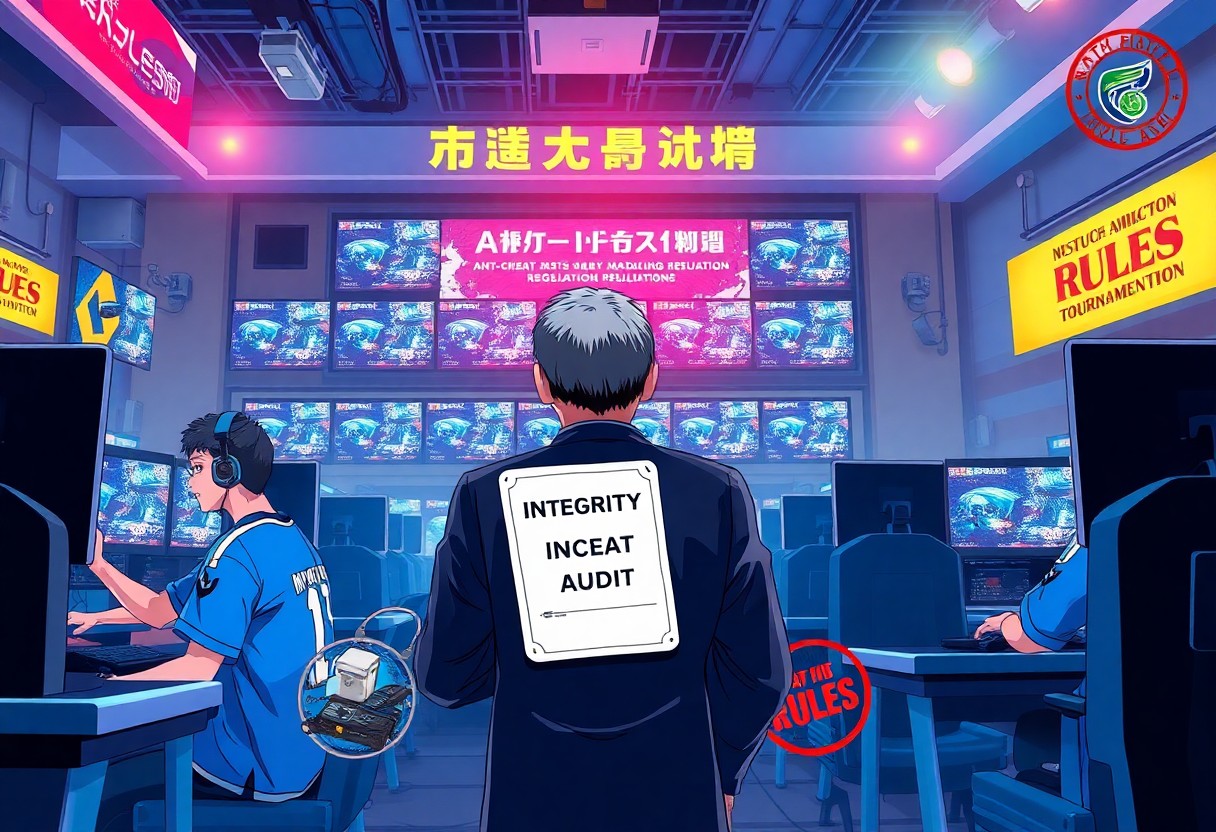
Most esports organizations are implementing strict match-fixing regulations to uphold integrity within competitive gaming. The rise of esports has prompted governing bodies to develop comprehensive frameworks aimed at identifying and preventing manipulation, ensuring fair play for athletes and stakeholders alike.
Defining Match-Fixing in the Digital Arena
Conceptual distinctions between spot-fixing, point-shaving, and match-throwing
Spot-fixing refers to manipulating specific events within a game without affecting the overall match outcome. For example, a player might intentionally fail a particular skill, allowing others to capitalize. In contrast, point-shaving involves altering the score or performance to meet a betting line, impacting the final result but not always the match itself. Match-throwing is the most overt form, where a player deliberately loses a match for financial gain, directly affecting the competition.
Understanding these distinctions helps in developing targeted regulations for esports integrity. Regulators can create specific guidelines addressing each type of misconduct, thereby enhancing enforcement strategies across different gaming genres.
Identifying behavioral markers of intentional underperformance in various genres
Detecting underperformance often hinges on observable changes in a player’s behavior during gameplay. Unusual patterns, such as repeated mistakes in situations where skill should prevail, can indicate intentional underperformance. Observing match statistics, such as sudden decreases in performance metrics, provides additional insights into potential misconduct.
Behavioral markers can vary by genre. In first-person shooters, for instance, players may exhibit erratic aiming or unusual movement patterns, while strategy games might showcase poor decision-making and lapse in tactics. Such indicators are necessary for analysts monitoring game integrity.
The influence of “soft-play” and collusion in battle royale and card game formats
“Soft-play” occurs when players intentionally underperform to benefit a teammate or a betting outcome. This practice is particularly prevalent in battle royale formats where partnership dynamics emerge. Similarly, card games exhibit collusive behaviors, with players strategically avoiding aggressive gameplay to manipulate results for betting advantages.
In battle royale games, soft-play can manifest as players refraining from eliminated opponents or deliberately allowing others to advance, impacting competitive fairness. In card games, collusion often involves sharing strategies or signaling during gameplay, giving unfair advantages that skew outcomes and diminish integrity.
Historical Context and Evolution of Corruption in Pro Gaming
Analysis of foundational scandals in StarCraft II and early CS:GO
Early match-fixing incidents in StarCraft II, such as the 2010 ‘MMA Scandal,’ laid bare vulnerabilities within competitive integrity. Players colluded to manipulate match outcomes, exposing the need for stricter oversight.
Similarly, CS:GO faced its own crises, notably the 2016 iBUYPOWER scandal. Players’ involvement in match-fixing underscored the growing threats to esports integrity, prompting calls for regulatory reforms and better player education.
Transition from amateur betting circles to institutionalized global syndicates
Over time, betting on esports morphed from informal arrangements to sophisticated, organized operations. Initially limited to small gambling communities, the rise of online platforms attracted significant investment and attention.
This transformation enabled criminal syndicates to infiltrate the esports scene, complicating oversight efforts and emphasizing the necessity for stringent regulatory measures. Regulatory bodies began to recognize the scale of this emerging issue, spurring initiatives aimed at preserving competitive integrity.
Growth in the betting market coincided with increasing stakes in esports. What began as casual wagers now involves multi-million dollar bets, drawing the attention of organized crime. As bets became more substantial, structures emerged designed to exploit loopholes, thereby initiating widespread corruption. This evolution necessitated a strategic response from governing bodies to safeguard the integrity of esports competitions.
Comparative analysis of integrity evolution in traditional sports versus esports
Integrity issues in traditional sports have been documented for decades, leading to developed regulatory frameworks and anti-corruption measures. In contrast, esports is still in its formative stages regarding governance, struggling to establish similar safeguards.
Traditional sports leverage established law enforcement protocols, while esports lacks a unified regulatory body. As a result, esports is often more susceptible to corruption due to its rapid growth and evolving nature.
Comparative Analysis of Integrity Evolution
| Traditional Sports | Esports |
|---|---|
| Established regulatory bodies with legal frameworks | Still developing governance structures |
| Extensive history of anti-corruption measures | Emerging response to integrity issues |
| Stronger collaboration with law enforcement | Minimal interaction with legal authorities |
Comparing traditional sports to esports reveals disparate maturity levels in integrity enforcement. While traditional sports have evolved protocols for safeguarding competition, esports remains vulnerable to corruption. Rapid technological advancement has outpaced the development of regulatory frameworks, necessitating concerted efforts to establish effective measures against match-fixing and other integrity breaches.
Match-fixing regulations and integrity enforcement in esports
Licensed versus unregulated betting platforms: A systemic risk assessment
Licensed betting platforms operate under strict regulations, which enhance accountability and transparency. These platforms often integrate integrity checks and collaborate with regulatory bodies to mitigate risks associated with match-fixing.
In contrast, unregulated platforms lack oversight and may facilitate illicit activities. This disparity creates an environment where manipulation can thrive, posing significant threats to esports integrity and jeopardizing stakeholder trust.
The vulnerability of live betting and high-frequency data feeds
Live betting introduces unique challenges, as the dynamic nature of esports matches enhances opportunities for manipulation. High-frequency data feeds can be exploited by individuals seeking to gain insider advantages.
Speed and accessibility make live betting particularly susceptible to corruption. These traits allow for quick adjustments to bets, raising the potential for strategic match-fixing and undermining fair play.
Live betting’s real-time nature encourages participants to act rapidly, which increases the likelihood of exploiting loopholes. When players or insiders alter match performance abruptly, the immediate market reaction can further compound the risks associated with integrity breaches.
Information sharing agreements between bookmakers and integrity bodies
Information sharing agreements enhance the collaborative efforts of bookmakers and integrity bodies. Through these arrangements, vital data on betting patterns can be monitored effectively to identify unusual activities.
Such partnerships enable rapid response to potential integrity issues, helping to deter match-fixing and protect the reputation of esports. This clear communication path is necessary in maintaining trust among players, organizations, and fans alike.
Information sharing agreements allow both bookmakers and integrity bodies to analyze suspicious betting activity collaboratively. By pooling resources and insights, they can more effectively address potential threats to the integrity of esports, ensuring a safer betting environment for all stakeholders.
Institutional Oversight and Global Regulatory Frameworks
The mandate and enforcement capabilities of the Esports Integrity Commission (ESIC)
The Esports Integrity Commission (ESIC) plays a pivotal role in establishing and enforcing standards for ethical behavior in esports. This organization ensures the integrity of competitions through investigations, education, and compliance monitoring. With the power to impose sanctions on players, teams, and organizations involved in match-fixing, ESIC aims to protect the competitive environment of esports.
Integration of International Olympic Committee (IOC) integrity standards
Aligning with the International Olympic Committee’s integrity standards enhances esports’ credibility on a global stage. Efforts to integrate these standards emphasize anti-doping measures, safeguarding participants from unethical practices. This alignment reflects a commitment to maintaining fair competition and athlete welfare in esports.
Emphasizing adherence to IOC guidelines fosters a culture of integrity that can attract broader institutional support. This integration further establishes esports within a respected framework, marking its evolution as a legitimate sporting avenue.
Challenges in harmonizing regional regulations across EU, NA, and Asian markets
Regulatory discrepancies pose significant challenges in aligning esports regulations across Europe, North America, and Asia. Diverse legal frameworks and cultural attitudes towards gambling and competition make it difficult to establish uniform standards. Stakeholders often face confusion regarding compliance due to varying interpretations of integrity regulations.
Multi-regional cooperation remains imperative for addressing these challenges. Efforts to harmonize regulations can help create a unified approach to integrity enforcement, enabling consistent practices and strategies across global esports markets.
The Role of Game Publishers as Primary Legislators
End-User License Agreements (EULA) as a legal tool for competitive enforcement
Game publishers utilize End-User License Agreements (EULAs) to establish specific rules and expectations for players. These legal contracts serve as a mechanism to enforce competitive integrity, outlining prohibited behaviors such as match-fixing and cheating. By agreeing to these terms, players consent to penalties that can include suspensions or bans.
EULAs not only define acceptable conduct but also empower publishers to take swift action against violators, reinforcing fairness in esports. This proactive approach helps maintain trust within the competitive community and preserves the integrity of the gaming experience.
Developer-led investigations and the implementation of “Global Bans”
Developer-led investigations play a key role in addressing integrity violations in esports. When allegations arise, publishers often initiate thorough inquiries to determine the extent of misconduct. Findings from these investigations can lead to “Global Bans,” which prohibit offenders from participating in all organized competitions worldwide.
Such bans signal a clear stance against match-fixing and similar infractions. Developers must ensure that investigations are methodical to uphold credibility and enforce consistent disciplinary measures across the esports ecosystem.
Maintaining the integrity of competitive play requires that developers conduct comprehensive investigations. These processes often involve scrutinizing gameplay data and player behavior to detect anomalies indicative of foul play. By implementing “Global Bans,” developers not only penalize offenders but also deter future misconduct, fostering a safer competitive environment for all participants.
Balancing commercial interests with the transparency of disciplinary actions
Game publishers face the challenge of aligning their financial objectives with the need for transparency in disciplinary actions. While protecting brand reputation is vital, stakeholders expect open communication regarding integrity violations and consequences. This balance is crucial for maintaining trust among players, sponsors, and fans alike.
Transparency in disciplinary actions helps reinforce the commitment to fair play, allowing the community to understand the standards upheld within esports. Publishers must tread carefully to ensure that their commercial interests do not overshadow accountability, fostering an environment where integrity prevails.
Striking a balance requires game publishers to communicate transparently while addressing disciplinary actions. Sharing outcomes from investigations and the reasoning behind penalties cultivates a culture of integrity. This transparency not only builds trust among players but also assures sponsors and fans that the competitive scene is taken seriously, ultimately supporting long-term success in esports.
Technological Tools for Detection and Monitoring
Algorithmic detection of anomalous betting patterns and market shifts
Innovative algorithms analyze large datasets to identify unusual betting behavior and market fluctuations. These systems examine historical data and real-time transactions, flagging discrepancies that suggest potential match-fixing activities.
Utilizing machine learning, these tools improve their accuracy over time. By recognizing trends and specific profiles associated with illicit behavior, they provide regulators with actionable insights to protect the integrity of esports.
In-game telemetry analysis for identifying suspicious mechanical anomalies
Telemetry data from gameplay reveals patterns in player actions that can indicate foul play. Anomalous mechanical behaviors, such as inconsistent mouse movements or unusual latency, signal potential cheating attempts.
Monitoring tools track these metrics continuously, enabling real-time detection of discrepancies between expected and actual player performance. The application of this technology enhances oversight and accountability in competitive environments.
This analysis not only flags instances that warrant further investigation but also helps establish benchmarks for normal gameplay. Understanding typical player behavior ensures that any deviations are accurately identified and addressed swiftly.
Use of communication monitoring and the ethics of digital surveillance
Monitoring player communications is vital for uncovering collusion or match-fixing discussions. Tools that record and analyze chat messages can reveal connections between players and external influences attempting to manipulate outcomes.
Balancing effective surveillance with ethical considerations presents challenges. Concerns regarding privacy and consent must be navigated carefully to maintain trust within the esports community while enforcing integrity measures.
While communication monitoring serves as a safeguard against corruption, it raises questions about the extent of oversight. Striking the right balance ensures that players’ rights are respected while necessary protections are in place to uphold the integrity of competitions.
Legal Jurisdictions and Criminal Prosecution of Fraud
Applicability of national sports fraud and bribery laws to digital competition
National sports fraud and bribery laws often extend to digital competitions, reflecting a growing recognition of esports as a legitimate competitive field. Legal frameworks in various countries recognize that the integrity of these competitions is necessary, thus subjecting participants to existing statutes governing traditional sports.
Compliance with these laws varies by jurisdiction, leading to a complex regulatory environment. Esports organizations must adapt to different legal standards to ensure they adequately address match-fixing and fraud, creating challenges for international tournaments where laws may conflict.
Procedural hurdles in international extradition for cyber-enabled match-fixing
Extradition for match-fixing, particularly in cyber contexts, faces significant procedural challenges. Differences in legal definitions of fraud and varying degrees of criminality can complicate extradition requests between countries.
Additionally, the lack of uniform international agreements on cybercrime often results in prolonged negotiations and jurisdictional disputes. These hurdles can hinder swift enforcement actions against offenders, allowing fraudulent activities to persist in the esports environment.
Procedural complexities frequently impede timely justice in cyber-enabled match-fixing cases. Jurisdictions may require extensive documentation to prove that the offense occurred within their borders, creating delays in enforcement. Variability in laws regarding data protection and digital evidence can further complicate extradition processes, making it challenging to hold perpetrators accountable on an international scale.
Analysis of landmark criminal convictions in South Korea, Australia, and China
Landmark convictions in South Korea, Australia, and China serve as pivotal examples in the fight against match-fixing in esports. These cases have underscored the importance of law enforcement cooperation and regulatory clarity, emphasizing the need for a coordinated approach to combat fraudulent behavior.
Examining these convictions reveals differing degrees of legal efficacy, with outcomes affected by local laws, cultural attitudes towards esports, and the degrees of media scrutiny. Each case provides valuable lessons for structuring future legal responses to maintain integrity in digital competitions.
Focusing on landmark convictions across these countries illustrates the diverse legal environments surrounding esports. South Korea’s rigorous approach contrasts with Australia’s evolving regulations, while China emphasizes heavy penalties to serve as a deterrent. This analysis not only highlights the unique challenges each jurisdiction faces but also showcases the potential for developing a unified global strategy against match-fixing.
Internal Integrity Units and Team Compliance Protocols
Establishing internal codes of professional conduct for organizations
Organizations must create internal codes of conduct that articulate expected behaviors for all members. Such codes should define ethical standards and provide clear guidelines for professional interactions within the esports community.
Incorporating feedback from players, staff, and stakeholders enhances these codes. This inclusive approach ensures that everyone understands their roles in maintaining integrity, ultimately strengthening organizational commitment to ethical practices.
Monitoring player finances and the vetting of support staff and agents
Monitoring player finances is imperative to prevent potential corruption and conflicts of interest. Regular audits and oversight of financial transactions help identify irregularities that could indicate match-fixing or other unethical behavior.
Vetting support staff and agents plays an equally important role. Thorough background checks ensure that individuals involved with players uphold the same ethical standards, mitigating risks associated with external influences.
Effective monitoring of player finances involves implementing stringent auditing measures and transparency protocols. This proactive approach discourages illicit activities and enhances trust within organizations. Likewise, a detailed vetting process for support staff and agents can unveil potential red flags, ensuring that players are surrounded by reputable individuals who reinforce compliance and integrity.
Implementation of secure whistleblower protection and reporting hotlines
Implementing secure whistleblower protections encourages transparency and accountability in esports. Reported irregularities can be addressed promptly when players and staff feel safe to voice concerns without fear of retaliation.
Establishing anonymous reporting hotlines enhances this initiative by providing accessible platforms for individuals to report unethical conduct. Ensuring confidentiality strengthens trust in the system and bolsters overall integrity within organizations.
Secure whistleblower protections and reporting hotlines serve as crucial safeguards for exposing misconduct. By fostering an environment of openness, organizations can effectively combat match-fixing and other integrity issues, creating a culture where ethical behavior is a shared responsibility.
Player Education and Ethical Safeguards
Mandatory integrity training modules for academy and Tier-1 professional players
Training programs for academy and Tier-1 players emphasize integrity and ethical behavior, focusing on the serious implications of match-fixing. These mandatory modules include case studies, interactive scenarios, and discussions with integrity experts to reinforce the importance of clean play.
Engagement in these training modules not only informs players about regulations but also equips them with tools to identify and resist unethical temptations. Regular assessments ensure understanding and compliance, fostering a culture of transparency from the ground up.
Addressing the “vulnerability gap” in semi-professional and Tier-2 ecosystems
Many semi-professional and Tier-2 players face unique challenges that create openings for manipulation. Lack of resources and lesser scrutiny can make these players more susceptible to match-fixing influences.
Targeted educational initiatives designed for these ecosystems can help bridge the gap. Implementing frequent workshops, mentorship programs, and access to integrity resources will empower players to maintain ethical standards in their competition.
Psychological support systems to mitigate external pressure from fixers
Often, external pressures from fixers can lead players to compromise their values. Establishing psychological support networks can help mitigate the stressors that drive individuals toward unethical decisions. These systems can provide counseling and coping strategies, making it easier for players to resist illicit offers.
Providing access to mental health resources encourages players to seek help when faced with difficult situations. By prioritizing psychological well-being, the esports community can make strides in protecting its integrity and supporting the players involved.
Impact of Match-Fixing on Ecosystem Sustainability
Erosion of sponsor confidence and the threat to brand safety
Eroding confidence among sponsors poses a significant threat to the financial viability of esports. When match-fixing scandals arise, brands hesitate to associate themselves with the community, fearing reputational damage. The result is a reduction in sponsorship deals, which are crucial for funding tournaments and teams.
Trust is foundational in business relations; thus, when match-fixing incidents occur, long-term partnerships may fall apart. Sponsors often prioritize brand safety over potential returns, making them wary of investing in an ecosystem tainted by dishonesty.
Long-term damage to community trust and broadcast viewership metrics
Trust within the community can take years to rebuild after match-fixing revelations. Players and fans alike may lose faith in the integrity of competitions, leading to a fractured community. A decline in trust naturally correlates with diminishing viewer engagement and participation in live events.
Viewership metrics reflect these shifts; as confidence wanes, audiences may turn to alternative gaming experiences, impacting revenue streams for broadcasters and organizers. Maintaining competitive integrity becomes paramount to reversing this trend.
Long-term damage manifests not only in immediate declines but also in shifting cultural perspectives on esports. A damaged reputation can deter potential fans while existing audiences may engage less, leading to a decrease in viewership metrics and reduced interaction with content, ultimately jeopardizing the future of the ecosystem.
Economic consequences for tournament organizers and media rights holders
Tournament organizers face dire financial repercussions from match-fixing incidents. Costs associated with investigations and potential legal actions escalate quickly, while lost sponsorship and decreased ticket sales further strain budgets. These financial burdens can lead to reduced tournament frequency or scale.
Media rights holders feel the impact through diminished audience numbers, which directly influence advertising revenue. A decrease in viewer engagement can result in renegotiated, less favorable contracts for broadcasting rights, destabilizing long-term financial planning.
Economic consequences ripple throughout the ecosystem, affecting not only organizers and rights holders, but also players and teams. As resources dwindle, investments in talent development, marketing, and infrastructure may be compromised, stunting the growth potential of the entire esports industry.
Challenges of Cross-Border Enforcement and Anonymity
Jurisdictional arbitrage in offshore gambling havens and tax oases
Operators often exploit offshore gambling havens to evade strict regulations. These jurisdictions create loopholes, enabling entities to sidestep accountability while profiting from the booming esports betting market.
Recognizing and prosecuting these practices presents significant hurdles for authorities. Coordinating enforcement across borders complicates efforts to monitor illegal activities, allowing unscrupulous operators to thrive in the shadows.
Identifying “shadow fixers” operating through encrypted communication platforms
Coordination among agencies faces obstacles when targeting “shadow fixers,” who utilize encrypted communication for anonymity. This technology complicates tracking and makes it difficult to gather evidence against these elusive manipulators.
Traditionally, investigating such networks requires significant resources and technical expertise. Without clarity on identities and connections, enforcement remains precarious, allowing continued exploitation within the esports sector.
The difficulty of verifying player identities in online-only qualifying events
Challenges arise when trying to verify player identities in online-only events. The prevalence of pseudonymous accounts and the ease of creating multiple profiles complicate enforcement and accountability.
Ensuring accurate identification mandates advanced verification methods, including biometric data and multifactor authentication. However, implementing these systems presents its own set of challenges, potentially deterring genuine participants while failing to capture fraudsters.
Emerging Threats: Skin Gambling and Crypto-Wagering
The unregulated grey market of virtual item trading and its oversight gaps
The trading of virtual items in gaming has created a vast grey market, often eluding regulatory scrutiny. This environment allows players to exchange items for real money, leading to potential exploitation and fraud. Oversight gaps permit illicit activities, making it challenging for authorities to ensure player protection and uphold industry integrity.
Decentralized betting platforms and the bypass of KYC (Know Your Customer) protocols
Decentralized betting platforms circumvent traditional KYC protocols, allowing users to place wagers anonymously. This anonymity raises concerns regarding accountability and transparency in the betting process. Without proper KYC measures, these platforms become prone to abuse, with users potentially engaging in illegal activities without trace.
Operating outside regulatory frameworks, decentralized platforms often lack accountability. This ensures that malpractices like match-fixing or underage gambling can thrive unchecked, posing significant risks to the integrity of esports.
The intersection of money laundering and high-stakes competitive gaming
High-stakes competitive gaming presents ample opportunities for money laundering through manipulated transactions and betting schemes. As substantial amounts of money flow through esports, illicit actors exploit weaknesses in regulations to clean funds. This intersection of gaming and crime complicates enforcement efforts, challenging authorities and organizations alike.
Money laundering mechanisms often integrate seamlessly with legitimate transactions, making detection difficult. Without stringent oversight, the potential for corruption increases, undermining the entire esports ecosystem.
Future Outlook: AI and Blockchain in Integrity Solutions
Predictive Modeling for Preemptive Threat Identification and Risk Scoring
Advanced AI algorithms can analyze historical data to identify patterns associated with match-fixing. By applying predictive modeling, organizations can score risks associated with various players and matches, enabling proactive measures to prevent integrity breaches.
This method allows esports operators to allocate resources effectively, targeting high-risk areas before problems escalate. Implementing these systems could significantly enhance the overall integrity framework within competitive gaming.
Utilizing Immutable Ledgers for Match Data Verification and Forensic Auditing
Blockchain technology can serve as a permanent, tamper-proof record of match data, ensuring transparency and trustworthiness. Each transaction or match result can be logged in an immutable ledger, which simplifies forensic auditing and accountability.
Utilizing this technology not only protects against manipulation but also facilitates comprehensive investigations if irregularities arise. Transparency gained from blockchain can foster greater confidence among players and fans alike.
Implementing blockchain for match data verification enhances integrity by creating a system where each action is recorded in real-time. This real-time data access supports forensic auditing processes, enabling swift response to any detected anomalies or discrepancies, ultimately ensuring an unbiased competition environment.
The Transition Toward Automated, Smart-Contract-Based Tournament Payouts
Smart contracts could revolutionize tournament payouts by automating transactions once conditions are met, minimizing the risk of fraud. With predefined criteria, payouts become immediate, transparent, and secure, thereby increasing participants’ confidence.
Transitioning to smart-contract-based payouts streamlines tournament operations by ensuring that funds are disbursed accurately and promptly as soon as specific conditions are satisfied. This automated approach reduces disputes and enhances reliability in financial dealings between organizers and participants.
Final Words
To wrap up, match-fixing regulations and integrity enforcement in esports are vital for maintaining fair competition and the industry’s credibility. Regulatory bodies must implement strict measures to deter corruption, including thorough investigations and sanctions for offenders. Collaboration between stakeholders-game developers, organizers, and players-is critical to developing transparent systems that enhance trust within the community.
Ongoing education about the risks and consequences of match-fixing can further strengthen integrity initiatives. By prioritizing ethical standards and accountability, esports can thrive while ensuring a fair environment for all participants.
Q: What are the key regulations surrounding match-fixing in esports?
A: Key regulations include strict prohibitions against any form of manipulation or bribery related to match outcomes. Organizations often enforce rules outlined by governing bodies, requiring transparency from players and teams. Violations can result in severe penalties, including bans from competitions and legal repercussions.
Q: How are integrity enforcement measures implemented in esports?
A: Integrity enforcement measures involve monitoring game activities, auditing betting patterns, and employing anti-cheat technologies. Many esports organizations collaborate with integrity units that specialize in investigating suspicious behavior and ensuring compliance with established regulations.
Q: What role do players and teams play in upholding integrity in esports?
A: Players and teams are responsible for adhering to the established rules and reporting any suspicious activity they encounter. Education on the consequences of match-fixing and promoting a culture of integrity are vital components of maintaining fair competition within the esports community.