






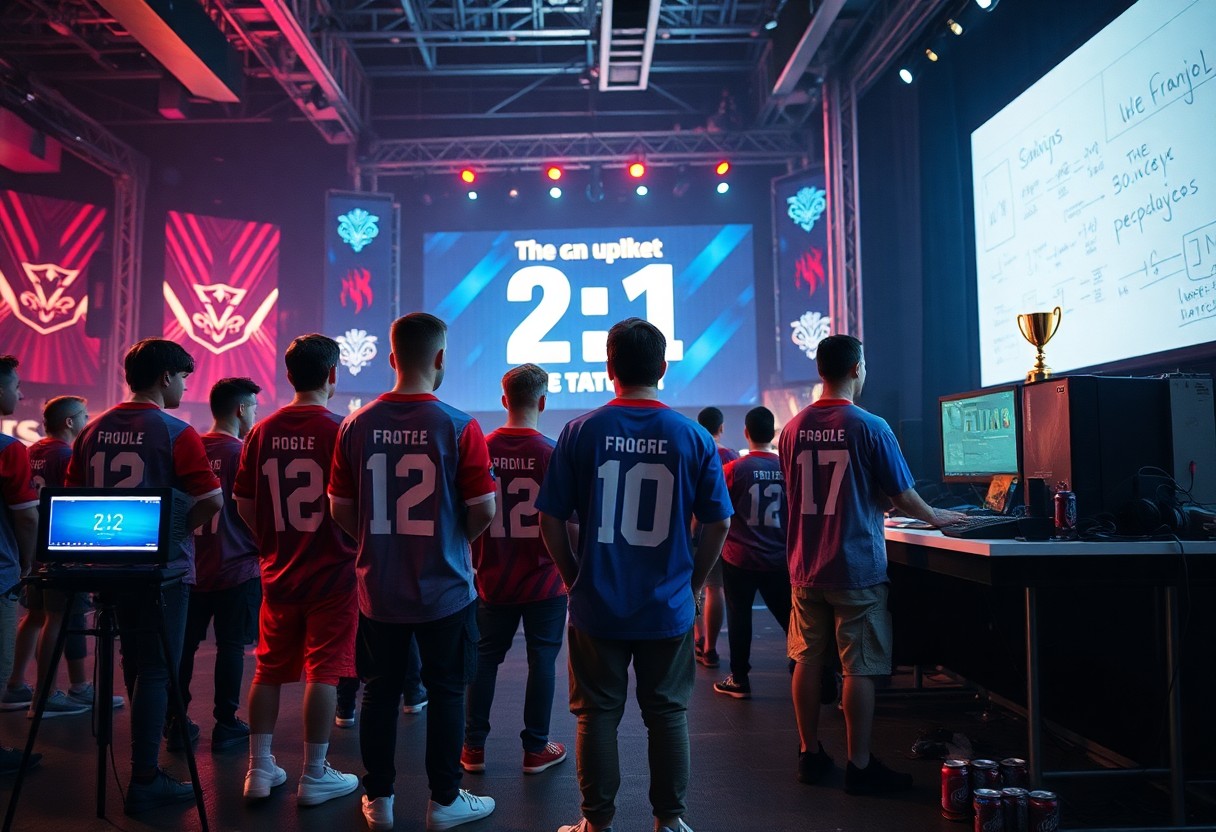
Esports often showcases underdog victories, where seemingly lesser teams triumph against the odds. Factors such as team synergy, adaptability, and psychological resilience contribute to these surprising outcomes, highlighting the unpredictable nature of competitive gaming.
The Ceiling of Mechanical Excellence
Breaking Limits
Players often reach impressive levels of mechanical skill through rigorous practice and dedication, yet this progress can hit a wall. Mechanical excellence alone may not guarantee victory; strategic understanding and teamwork play pivotal roles. High-pressure situations highlight an underdog’s ability to adapt, often turning the tide against more mechanically polished opponents.
Creative Strategies
Unexpected tactics can outshine pure mechanics, as teams experiment with alternative approaches and exploit weaknesses. These creative strategies disrupt the predictability that top-tier teams rely on, leading to surprising outcomes. When underdogs embrace unconventional methods, they can shift the dynamics of a match, proving that strategy sometimes outweighs sheer skill.
The Cognitive Freedom of the Unknown
Embracing Uncertainty
Underdogs thrive in the unpredictable nature of esports. Players often face unfamiliar strategies and tactics that disrupt conventional gameplay. This element of surprise can lead to mistakes from favored teams, allowing lesser-known competitors to capitalize on loopholes. The absence of extensive data on these underdogs fosters a unique cognitive landscape where creativity reigns, enabling unexpected strategies to emerge.
Flexibility in Strategy
Freedom from high expectations permits underdogs to explore unconventional approaches without fear of traditional consequences. This lack of pressure often results in innovative game plans that can outsmart their more established opponents. By thinking outside the box and taking risks, these teams can shift the dynamics of play, turning the tide in their favor during critical moments of competition.
Information Asymmetry and the Ghost Factor
Information Asymmetry
Asymmetry in information often plays a significant role in esports, allowing underdogs to exploit gaps in knowledge about their opponents. Top teams may underestimate lesser-known competitors, leading to a lack of preparation. This oversight provides an opportunity for the underdog to capitalize on such unanticipated strategies, turning the tide of competition.
The Ghost Factor
Intangible elements, like team morale and psychology, influence outcomes in unexpected ways. An underdog’s underestimation can generate a “ghost factor,” where they harness momentum and confidence against a favored opponent. This psychological shift can disrupt expectations and performance, showcasing that heart and determination can sometimes outweigh sheer skill.
Software Instability as a Leveling Agent
Variable Performance
Software instability in esports can lead to unexpected outcomes. Bugs or performance fluctuations can disrupt strategic plans, giving underdog teams a chance to capitalize on their opponents’ misfortunes. Such shifts disrupt the rhythm of more established squads, allowing less experienced players to showcase their skills in high-pressure situations.
Adaptability and Innovation
Each patch update brings new balance changes that can inadvertently favor underdogs. Teams that quickly adapt to these changes may discover new strategies, catching top-tier opponents off guard. This dynamic creates a fluid competitive environment where innovation can thrive, challenging the notion that only the most skilled teams can succeed consistently.
The Neurobiology of the Crowd
Crowd Dynamics
Crowd dynamics play a pivotal role in shaping the outcomes of esports matches. The shared emotions and energy of spectators can dramatically influence player performance. High-stakes moments ignite collective excitement, which often translates into support for underdogs, energizing them to perform beyond their limits. This amplification of morale can be a game changer, as players feel the palpable connection of fans rallying behind them.
Psychological Impact
Pressure from a passionate crowd can alter individual focus and decision-making. Sensing the audience’s energy acts as a double-edged sword; while some players thrive under pressure, others may falter. This psychological interplay becomes especially pronounced in tense moments, where underdogs can harness the crowd’s fervor to mount surprising comebacks. Such dynamics create a unique atmosphere in esports, often shifting the balance in favor of the underdog.
To wrap up
Considering all points, underdog victories in esports often arise from the unpredictability inherent in competitive gaming. Factors such as individual player skill, strategic innovation, and the mental pressure faced by higher-ranked teams can create opportunities for surprising outcomes. The fast-paced nature of esports means that even minor mistakes or unexpected tactics can shift momentum in favor of the underdog.